
Restless Nights: Helping Anxious Children Achieve Better Sleep


Welcome to Mind Care Guide, a safe space to explore the journey to mental well-being. Are restless nights stealing the peace your child deserves? We understand the worry. Dive into our article, "Restless Nights: Helping Anxious Children Achieve Better Sleep," where we explore practical strategies to help anxious children sleep better, offering you a pathway to calmer nights and brighter days. Let's begin.
Restless Nights: Helping Anxious Children Achieve Better Sleep
- Understanding the Connection Between Anxiety and Sleep in Children
- Creating a Bedtime Routine for Anxious Children to Promote Sleep
- Practical Strategies to Help Anxious Children Sleep Better
- Nutritional and Lifestyle Tips for Supporting Sleep in Anxious Children
- When to Seek Professional Help for Your Anxious Child's Sleep Problems
- Supporting Your Child's Sleep: A Parent's Guide to Managing Anxiety
- Long-Term Strategies for Managing Anxiety and Improving Sleep in Children
-
Frequently Asked Questions
- How does anxiety specifically affect a child's sleep?
- What are some immediate strategies I can use tonight to help my anxious child sleep better?
- How can I identify if my child's sleep problems are primarily caused by anxiety and not something else?
- Are there any long-term strategies for managing anxiety that can ultimately improve a child's sleep?
- When should I seek professional help for my child's anxiety and sleep issues?
- Final Reflection: Finding Calm in the Night
- Unlock Your Child's Peaceful Slumber
Understanding the Connection Between Anxiety and Sleep in Children
How Anxiety Impacts Sleep Quality in Kids
Anxiety can significantly disrupt a child's sleep architecture, making it difficult for anxious children sleep better. When a child is anxious, their body's stress response system, the sympathetic nervous system, becomes activated. This triggers the release of stress hormones like cortisol, which are designed to prepare the body for 'fight or flight'.
Unfortunately, these hormones also increase alertness and heart rate, making it incredibly challenging for a child to relax, fall asleep, or stay asleep throughout the night. This physiological state directly interferes with the transition into deeper, restorative sleep stages, often resulting in lighter sleep that is easily disturbed.
Moreover, the cognitive effects of anxiety, such as persistent worrying and intrusive thoughts, keep a child's mind racing long after they are in bed. A child might lie awake replaying events from the day, anticipating potential negative outcomes for the next day, or fearing being alone in the dark. This mental churn prevents the necessary winding down process required for sleep onset.
Studies suggest that up to 40% of children with anxiety disorders report significant sleep disturbances, highlighting the strong link between these two issues and the critical need to help anxious children sleep better. The inability to switch off their thoughts creates a vicious cycle where lack of sleep exacerbates anxiety, and increased anxiety further disrupts sleep.
Common Sleep Problems in Anxious Children
Anxious children often experience a range of sleep difficulties that hinder their ability to achieve restful sleep. One of the most prevalent issues is sleep onset latency, meaning it takes them an unusually long time to fall asleep after getting into bed. While a typical child might fall asleep within 15-20 minutes, an anxious child might lie awake for an hour or more, their minds buzzing with worries.
This prolonged wakefulness in bed is a hallmark sign of anxiety impacting sleep. Another common problem is frequent nighttime awakenings. Even if they eventually fall asleep, anxiety can keep their nervous system on high alert, causing them to wake up multiple times during the night, often with difficulty falling back asleep.
Nightmares and night terrors are also frequently reported by parents of anxious children. Anxiety can manifest in unsettling dreams, leading to distress and interrupted sleep. For example, a child worried about school might have nightmares about failing a test or being left behind.
Furthermore, sleep resistance is common, where children actively fight going to bed, often citing fears of the dark, being alone, or what might happen while they are asleep. This resistance is often fueled by underlying anxiety about separation, safety, or the unknown aspects of nighttime. Addressing these specific issues is key to helping anxious children sleep better.
Recognizing that a child's sleep problems stem from anxiety is the first step towards effective support. Beyond the obvious signs like taking a long time to fall asleep or waking up at night, look for patterns and accompanying behaviors. Does the child express worries specifically at bedtime?
Do they ask repetitive questions about safety, tomorrow's schedule, or hypothetical negative events? A common indicator is a child who needs excessive reassurance from a parent before feeling secure enough to attempt sleep, sometimes requiring a parent's presence in the room for extended periods. Physical symptoms of anxiety at bedtime, such as stomachaches, headaches, or a racing heart, can also point to anxiety as the root cause of sleep issues.
Pay attention to what happens during the day as well. Is the child generally more irritable, fatigued, or struggling with concentration due to lack of sleep? Do their anxieties seem heightened after a poor night's sleep?
For instance, a child who usually manages school transitions might become overly clingy or tearful on days following significant sleep deprivation. Observe if the child's sleep problems worsen during periods of stress, such as before exams, after a change in routine, or during social challenges. Tracking sleep patterns alongside daily mood and behavior for a week or two can provide valuable clues, revealing whether anxiety is the underlying factor making it hard for anxious children sleep better.
Creating a Bedtime Routine for Anxious Children to Promote Sleep
Establishing a Consistent Sleep Schedule for Child Anxiety
Consistency is paramount when working to help anxious children sleep better. A predictable sleep schedule helps regulate the body's internal clock, known as the circadian rhythm, which signals to the body when it's time to be awake and when it's time to sleep. This is especially important for anxious children whose internal regulation might already feel disrupted by their worries.
Establish a set bedtime and wake-up time, even on weekends, though a slight variation of no more than an hour on non-school nights might be permissible for older children. Waking up at roughly the same time each morning is just as important as going to bed at a consistent time, as it helps reinforce the sleep-wake cycle.
Introducing a consistent sleep schedule provides anxious children with a sense of predictability and control in their environment, which can be incredibly soothing. Knowing exactly when bedtime begins reduces uncertainty and the potential for anxiety spikes related to the transition from waking hours to sleep. For example, if bedtime is always at 8:00 PM, the child learns to anticipate this time and can mentally prepare. Over time, this regularity helps their body naturally feel tired as bedtime approaches, making it easier to fall asleep. It's a fundamental step in creating a stable foundation for improving sleep for anxious children.
The Importance of a Relaxing Bedtime Ritual
Beyond just a consistent time, a structured and relaxing bedtime ritual is crucial for helping anxious children sleep better. This sequence of calm activities signals to the child that it's time to wind down and prepare for sleep. The ritual should start approximately 30-60 minutes before the target bedtime and should be the same every night. Activities might include a warm bath, putting on pajamas, brushing teeth, reading a quiet story together, or listening to soft music. The key is to avoid stimulating activities like energetic play, screen time, or engaging in stressful conversations during this period.
This predictable sequence provides a sense of security and reduces bedtime anxiety by creating a buffer zone between the busy day and the quiet of sleep. For a child prone to worrying, the ritual offers a period of calm connection with a parent or caregiver, providing reassurance before the child is left alone. For instance, reading a favorite book together offers comfort and distraction from anxious thoughts. The consistency of the ritual itself becomes a calming anchor, helping the child transition smoothly into a sleep-ready state and significantly improving their ability to fall and stay asleep.
Creating a Calming Bedroom Environment for Better Sleep
The physical environment of a child's bedroom plays a significant role in their ability to relax and sleep, especially for anxious children. The bedroom should be a sanctuary dedicated primarily to sleep and quiet activities like reading. Ensure the room is dark, cool, and quiet.
Use blackout curtains to block out external light, which can interfere with melatonin production. The ideal temperature for sleep is often cited as between 60-67 degrees Fahrenheit (15-19 degrees Celsius). Consider using a fan or a white noise machine if external noises are disruptive; the consistent sound can also be soothing for an anxious mind.
Make the room feel safe and comfortable. Allow the child to have a favorite blanket, stuffed animal, or a nightlight if complete darkness increases their anxiety. However, keep the nightlight dim and preferably red or amber-toned, as blue light can interfere with sleep. Remove clutter that might feel overwhelming or distracting.
Ensure the bed is comfortable. For a child who associates their bedroom with fear or anxiety, making conscious efforts to transform it into a peaceful retreat can help change that association over time. This physical space becomes a key component in helping anxious children sleep better by minimizing external stimuli and maximizing comfort and security.
Practical Strategies to Help Anxious Children Sleep Better
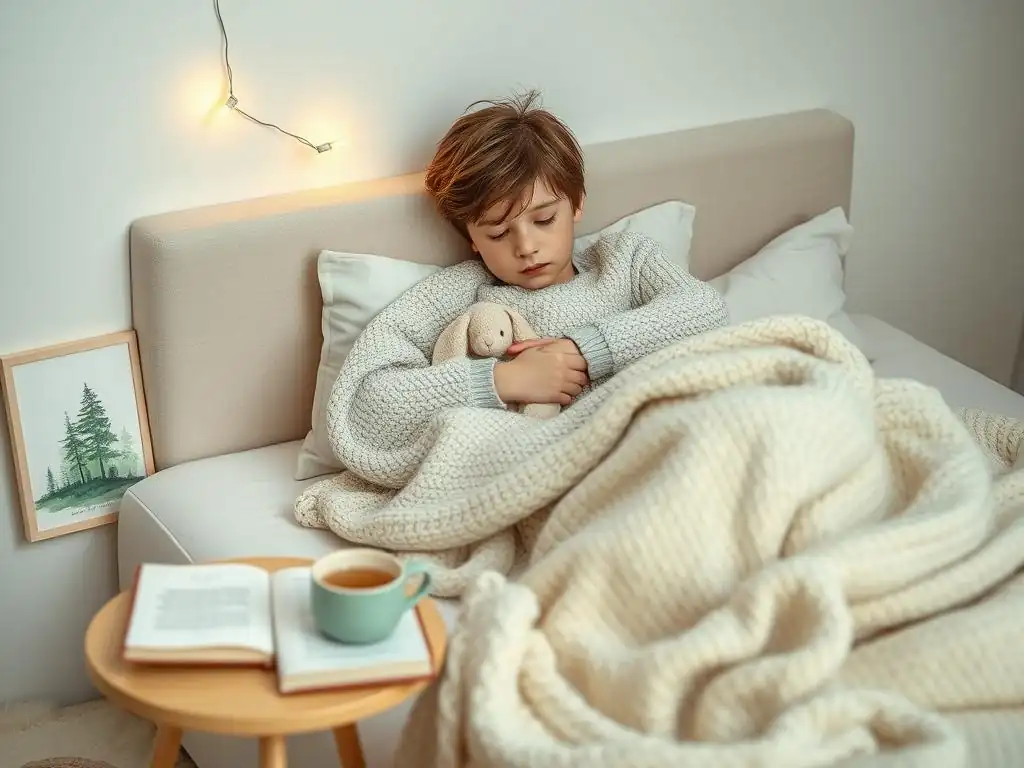
Relaxation Techniques for Anxious Children Before Bed
Teaching anxious children specific relaxation techniques can empower them to manage their bedtime worries and make it easier for them to fall asleep. These techniques provide concrete tools the child can use when their mind starts racing. Introducing these methods during the calm bedtime ritual, rather than only when the child is already distressed, helps them become familiar and comfortable with the practice. Consistency in practicing these techniques, even during the day, can increase their effectiveness at bedtime.
Deep Breathing Exercises for Children's Sleep Anxiety
Deep breathing is a simple yet powerful tool for calming the nervous system. Teach your child to breathe slowly and deeply, filling their belly with air like a balloon. A common technique for children is "Balloon Breathing" or "Box Breathing."
For Box Breathing, you inhale for a count of four, hold for a count of four, exhale for a count of four, and hold for a count of four, repeating the cycle. Practice this together for 5-10 minutes before bed. This focused, rhythmic breathing slows heart rate and promotes a sense of calm, directly counteracting the physiological effects of anxiety and helping anxious children sleep better.
Progressive Muscle Relaxation for Kids
Progressive Muscle Relaxation (PMR) involves tensing and then releasing different muscle groups in the body. This helps children become aware of physical tension and learn how to consciously release it. Guide your child through tensing and relaxing muscles, starting from their toes and moving up to their head. For example, tell them to squeeze their toes tightly for five seconds, then relax them completely, noticing the difference. Repeat this for their legs, stomach, arms, shoulders, etc. Doing this exercise for 10-15 minutes can release physical tension related to anxiety, preparing the body for sleep.
Guided Imagery for Sleep and Anxiety
Guided imagery involves mentally escaping to a peaceful, calming place. You can guide your child through visualizing a favorite beach, a cozy forest, or any place they find relaxing. Describe the sights, sounds, smells, and feelings associated with this place in soothing detail. Encourage them to imagine feeling safe, warm, and peaceful in this imaginary space.
There are many child-friendly guided imagery scripts and recordings available. This technique distracts the child from anxious thoughts and promotes a relaxed state of mind, making it easier for anxious children sleep better. For example, guide them to imagine floating on a soft cloud, feeling light and peaceful as they drift towards sleep.
Addressing Nighttime Fears and Worries in Children
Nighttime is often when a child's fears and worries seem most prominent, as distractions are removed and they are left alone with their thoughts. Directly addressing these fears in a supportive and empathetic way is crucial. Avoid dismissing their fears, even if they seem irrational to you (e.g., monsters under the bed). Instead, validate their feelings ("I understand that feels scary") and work together to find solutions. This might involve "monster spray" (a water bottle), checking closets together, or talking through specific worries about school or friends.
Establish a specific time earlier in the evening, perhaps during the bedtime ritual or just before it, for a "worry time." Dedicate 10-15 minutes for the child to share any worries they have. Listen attentively without trying to immediately solve everything. Encourage them to write or draw their worries and then symbolically put them away in a "worry box" until the morning. This helps contain worries to a specific time, preventing them from spilling into the sleep period. Teaching them that worries can wait until daylight can significantly help anxious children sleep better.
Using Cognitive Behavioral Therapy (CBT) Techniques to Improve Sleep for Anxious Children
Cognitive Behavioral Therapy (CBT) offers structured techniques to help children identify and challenge the anxious thoughts that interfere with sleep. While often done with a therapist, parents can learn and adapt some basic CBT principles at home. This involves helping the child recognize negative thought patterns related to sleep or bedtime (e.g., "I'll never fall asleep," "Something bad will happen if I sleep"). Once identified, help the child evaluate the evidence for and against these thoughts.
Teach them to replace negative thoughts with more realistic and positive ones (e.g., "Even if it takes a while, I will eventually fall asleep," "My room is safe"). This process, sometimes called "thought challenging," helps reduce the power of anxious thoughts. Another CBT technique is stimulus control, which involves only using the bed for sleep (and perhaps reading).
If a child cannot fall asleep after 20 minutes, they should get out of bed, go to a quiet, dimly lit area, do a calm activity (like reading), and return to bed only when they feel sleepy. This helps break the association between the bed and frustration/wakefulness, improving sleep for anxious children.
Nutritional and Lifestyle Tips for Supporting Sleep in Anxious Children
The Role of Diet in Children's Sleep and Anxiety
Diet plays a role in both a child's anxiety levels and their ability to sleep well. While not a cure, mindful eating habits can support overall well-being and make it easier for anxious children sleep better. Encourage a balanced diet rich in whole foods, fruits, vegetables, lean proteins, and complex carbohydrates. Ensure they are adequately hydrated throughout the day. Certain nutrients are particularly relevant: Magnesium, found in foods like leafy greens, nuts, and seeds, is known for its calming properties. Omega-3 fatty acids, found in fish, walnuts, and flaxseed, are important for brain function and mood regulation.
Conversely, certain foods and drinks can negatively impact sleep and potentially exacerbate anxiety. Limit sugary snacks and drinks, especially close to bedtime, as they can cause energy spikes and crashes. Avoid caffeine entirely; even small amounts found in soda, tea, or chocolate can interfere with a child's sleep cycle.
While a light snack before bed is acceptable if the child is hungry, avoid heavy meals close to sleep time, as digestion can disrupt sleep. For instance, offering a small snack like a banana (contains tryptophan, which aids sleep) or a handful of almonds about an hour before bed might be helpful, but a large sugary dessert should be avoided.
Limiting Screen Time Before Bed for Anxious Children
Excessive screen time, particularly in the hour or two before bed, is a significant barrier to helping anxious children sleep better. The blue light emitted from screens (phones, tablets, computers, TVs) suppresses the production of melatonin, the hormone that signals to the body that it's time to sleep. This makes it harder to fall asleep and can disrupt the natural sleep-wake cycle. Furthermore, engaging content like exciting video games or stimulating videos can increase a child's alertness and anxiety levels, counteracting any efforts to wind down.
Establish a strict "screen time curfew" for at least 60-90 minutes before the child's target bedtime. Encourage quiet, screen-free activities during this time as part of the relaxing bedtime ritual – reading, drawing, playing board games, or talking quietly. Make the bedroom a screen-free zone altogether if possible. Research indicates that children who use screens before bed take longer to fall asleep and get less overall sleep compared to those who do not. Removing this stimulant is a practical step towards improving sleep for anxious children.
The Benefits of Physical Activity for Sleep and Anxiety Reduction
Regular physical activity is a powerful tool for both reducing anxiety and improving sleep quality in children. Exercise helps burn off excess energy, reduces muscle tension, and releases endorphins, which have mood-boosting and stress-reducing effects. Children who are physically active during the day often find it easier to fall asleep at night. Aim for at least 60 minutes of moderate-to-vigorous physical activity per day, as recommended by health organizations.
However, the timing of exercise matters. While daytime activity is beneficial, vigorous exercise too close to bedtime (within 2-3 hours) can be stimulating and make it harder to fall asleep. Encourage active play, sports, or outdoor time earlier in the day. A gentle activity like a quiet walk or stretching could potentially be included earlier in the evening ritual if it is calming for the child. Integrating regular physical activity into a child's daily routine provides a natural outlet for anxious energy and promotes a healthier sleep pattern, helping anxious children sleep better in the long run.
When to Seek Professional Help for Your Anxious Child's Sleep Problems
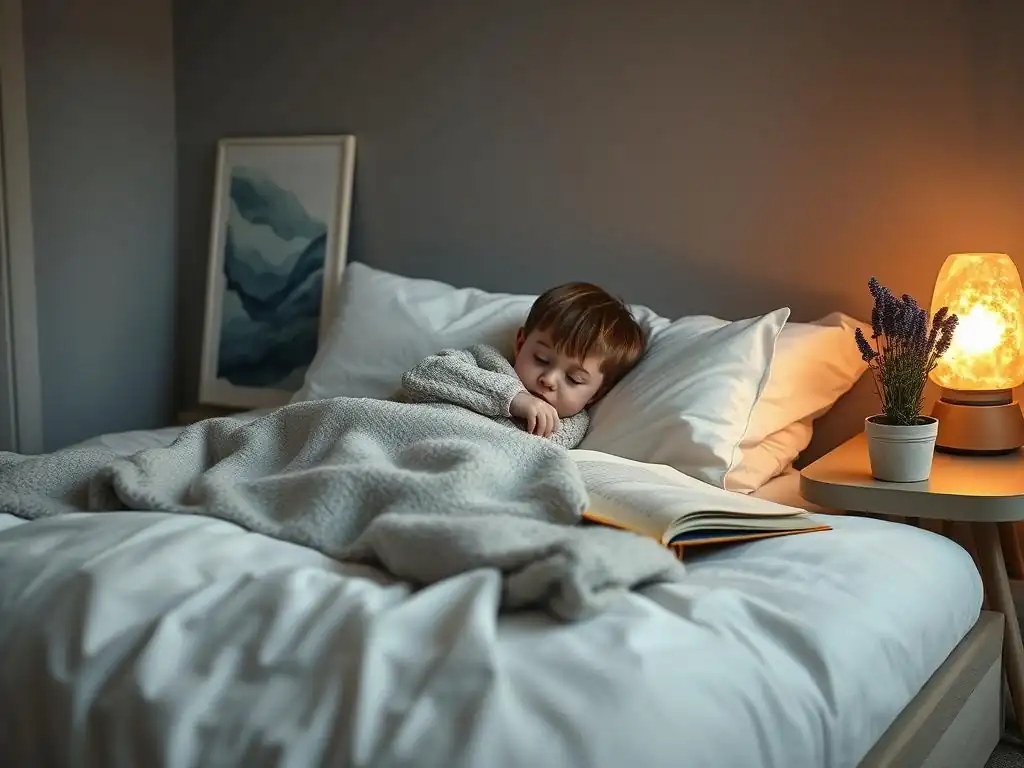
Recognizing Signs That Professional Intervention is Needed
While parental strategies are often effective, there are times when a child's sleep problems, particularly those linked to anxiety, require professional intervention. It's important to recognize these signs and seek help promptly.
Consider professional support if the sleep problems are persistent and severe, occurring most nights of the week for several weeks or months, despite consistent efforts with routines and strategies. If the lack of sleep is significantly impacting the child's daily functioning – leading to extreme fatigue, difficulty concentrating at school, increased irritability, or worsening of their anxiety symptoms – it's a strong indicator that more targeted help is needed.
Other red flags include if the child's fears and worries at bedtime are intense and debilitating, causing significant distress or panic attacks. If the sleep disturbance is accompanied by other concerning symptoms like significant changes in appetite, social withdrawal, or persistent sadness, these could point to a more complex anxiety disorder or co-occurring condition that requires professional assessment. Trust your parental instincts; if you feel overwhelmed or unable to help your child achieve better sleep despite your best efforts, consulting a professional is a wise step.
Types of Therapies That Can Help Anxious Children Sleep
Several therapeutic approaches are highly effective in addressing both anxiety and related sleep problems in children. Cognitive Behavioral Therapy (CBT), particularly CBT for insomnia (CBT-I) adapted for children, is a gold standard. CBT helps children identify and change negative thought patterns and behaviors related to sleep and anxiety. It equips them with coping mechanisms for worry and techniques like stimulus control and relaxation training. Studies have shown CBT-I to be effective in improving sleep onset and reducing nighttime awakenings in children with anxiety.
Other therapies can also be beneficial. Play therapy or expressive arts therapy might be suitable for younger children who struggle to verbalize their worries; these approaches allow children to process anxiety through creative means. Family therapy can help address family dynamics that might contribute to the child's anxiety or sleep issues and equip parents with strategies to support their child.
In some cases, depending on the severity of the anxiety disorder, a medical doctor or child psychiatrist might assess whether medication is appropriate as part of a comprehensive treatment plan, though this is typically considered alongside therapy. The right therapy can provide tailored strategies to help anxious children sleep better.
Finding a Qualified Therapist or Counselor for Child Anxiety and Sleep Issues
Finding the right professional is key to getting effective help for your child. Look for licensed mental health professionals who specialize in treating children and adolescents, specifically with experience in anxiety disorders and sleep problems. Credentials like LCSW (Licensed Clinical Social Worker), LMFT (Licensed Marriage and Family Therapist), LPC (Licensed Professional Counselor), or a licensed psychologist are indicators of qualified practitioners. Many psychologists have expertise in CBT for children. You can start by asking for referrals from your pediatrician, your child's school counselor, or your insurance provider.
When contacting potential therapists, ask about their experience working with children your child's age who have anxiety and sleep difficulties. Inquire about their therapeutic approach – do they use CBT or other evidence-based practices? A good therapist will involve parents in the treatment process and provide strategies you can use at home to support your child. Don't hesitate to schedule a brief initial consultation to see if you and your child feel comfortable with the therapist, as a good therapeutic relationship is vital for success in helping anxious children sleep better.
Supporting Your Child's Sleep: A Parent's Guide to Managing Anxiety
Creating a Supportive and Understanding Home Environment
A child's home environment significantly impacts their anxiety and, consequently, their sleep. Creating a home that feels safe, predictable, and emotionally supportive is fundamental to helping anxious children sleep better. This involves minimizing conflict and stress within the household where possible, establishing clear expectations and routines, and providing consistent discipline that is firm but loving. Ensure the child feels heard and validated when they express their fears and worries, rather than dismissed or criticized.
Show empathy towards their struggles with anxiety and sleep. Let them know that it's okay to feel worried and that you are there to help them through it. Avoid expressing frustration about their sleep difficulties, as this can add another layer of anxiety for the child. For instance, instead of saying, "Why can't you just fall asleep?", try "I see you're having trouble sleeping, and I know that feels hard. Let's try [a relaxation technique] together." A supportive home environment reduces the overall burden of anxiety, making it easier for the child's nervous system to calm down at bedtime.
Communicating Effectively with Your Anxious Child About Sleep
Open and effective communication is vital when addressing sleep problems linked to anxiety. Choose a calm time, not right at bedtime when emotions might be high, to talk about sleep. Use simple, age-appropriate language. Ask open-ended questions about what makes bedtime feel hard or what worries them when they're trying to sleep. Listen patiently without interrupting and validate their feelings ("It sounds like you feel really scared when you're in your room alone"). Avoid minimizing their fears.
Explain the importance of sleep in a way they can understand, perhaps relating it to having energy for playing or learning. Involve them in creating the bedtime routine or choosing relaxation techniques; giving them a sense of control can reduce anxiety. For example, you might say, "We're going to work together to help your body and mind feel calm at bedtime so you can get good rest.
What is one thing you think might help you feel more relaxed?" Maintain a calm and reassuring tone when discussing sleep, and celebrate small successes, like staying in bed longer or falling asleep a little faster, to build their confidence in their ability to sleep better. This collaborative approach empowers the child and strengthens your bond while working towards helping anxious children sleep better.
Resources and Support for Parents of Anxious Children with Sleep Problems
Parenting an anxious child with sleep difficulties can be challenging and isolating. Seeking support for yourself is just as important as helping your child. Numerous resources are available to provide information, strategies, and emotional support. Look for books or websites from reputable mental health organizations that offer guidance on childhood anxiety and sleep. Online forums or local support groups for parents of anxious children can provide a space to share experiences and gain insights from others facing similar challenges.
Don't hesitate to lean on your support network – friends, family, or partners. Discussing your challenges can alleviate stress. Educating yourself about childhood anxiety and sleep is empowering; understanding why your child struggles can shift your perspective from frustration to empathy. Consider consulting a parenting coach or family therapist if family dynamics are contributing to the stress. Remember that you are not alone in this journey, and accessing support can equip you with better tools and resilience to help your anxious child sleep better.
Long-Term Strategies for Managing Anxiety and Improving Sleep in Children
Developing Coping Mechanisms for Anxiety in Children
Teaching children effective coping mechanisms is crucial for managing anxiety beyond just bedtime, leading to sustained improvements in sleep. These skills empower children to handle stressful situations and anxious feelings throughout the day, reducing the anxiety load they carry into the night. Coping mechanisms can include identifying feelings, practicing mindfulness, using positive self-talk, problem-solving skills, and knowing when to ask for help.
Regularly practice these skills with your child, not just when they are anxious. For instance, practice identifying feelings by labeling emotions in books or TV shows. Integrate mindfulness breaks during the day, perhaps a two-minute focus on their senses. Help them develop positive affirmations they can repeat when feeling worried, like "I am brave" or "I can handle this." These skills, practiced consistently, become automatic responses to anxiety, reducing the overall stress that interferes with sleep and helping anxious children sleep better over time.
Promoting Resilience and Emotional Well-being for Sustained Sleep Improvement
Building resilience and promoting overall emotional well-being are long-term goals that indirectly but significantly impact a child's ability to manage anxiety and sleep well. Resilience is the ability to bounce back from challenges. Encourage your child to face manageable challenges and learn from setbacks. Celebrate their efforts and persistence, not just the outcome. Teach them that making mistakes is part of learning.
Foster a growth mindset, emphasizing that abilities can be developed through dedication and hard work. Encourage healthy peer relationships and involvement in activities they enjoy, which build confidence and provide positive experiences. Ensure they have opportunities for unstructured play and downtime. A child who feels emotionally secure, capable, and connected is better equipped to handle the inevitable anxieties of life, which in turn supports a calmer state of mind conducive to sleep. Investing in their overall emotional health is a powerful strategy for helping anxious children sleep better for years to come.
Monitoring and Adjusting Strategies for Optimal Sleep
Helping anxious children sleep better is an ongoing process that requires regular monitoring and adjustment of strategies. What works one week might need tweaking the next, especially as the child grows or faces new challenges. Keep a simple sleep diary for a few nights every so often to track bedtime, wake time, nighttime awakenings, and any obvious worries expressed. This provides objective data to see what's working and what isn't.
Regularly check in with your child (during the day, not at bedtime) about how they feel about their sleep and the bedtime routine. Are the relaxation techniques still helpful? Do they have new worries? Be prepared to adjust the bedtime ritual, try a different relaxation method, or revisit worry time as needed. What was effective for a 6-year-old might need modification for an 8-year-old. This flexible, responsive approach ensures that the support you provide remains relevant and effective, continuing to help anxious children sleep better as they navigate childhood and adolescence.
Frequently Asked Questions
How does anxiety specifically affect a child's sleep?
Anxiety can lead to racing thoughts and physical tension, making it difficult for children to fall asleep or stay asleep. This often results in restless nights and disrupted sleep patterns.
What are some immediate strategies I can use tonight to help my anxious child sleep better?
Try creating a calming bedtime routine that includes activities like reading, gentle stretching, or listening to soothing music. Limiting screen time before bed is also crucial for improved sleep quality.
How can I identify if my child's sleep problems are primarily caused by anxiety and not something else?
Look for signs of anxiety during the day, such as excessive worrying, restlessness, or difficulty concentrating. If these symptoms worsen at night, anxiety is likely a major contributing factor to their sleep problems.
Are there any long-term strategies for managing anxiety that can ultimately improve a child's sleep?
Yes, teaching children coping mechanisms like deep breathing or mindfulness can help manage anxiety long-term. Cognitive Behavioral Therapy (CBT) is also effective in addressing underlying anxieties.
When should I seek professional help for my child's anxiety and sleep issues?
If your child's anxiety is significantly impacting their daily life and sleep, or if home remedies are ineffective, consult a therapist or doctor. They can provide specialized support and treatment options.
Final Reflection: Finding Calm in the Night
The struggle for peaceful sleep in anxious children is not merely a childhood inconvenience; it's a pervasive issue impacting their development, academic performance, and overall well-being. The statistics are stark, but the solutions, as explored throughout this article, offer a beacon of hope for parents and caregivers navigating this challenging terrain. We've examined practical strategies, from establishing consistent routines to understanding the root causes of nighttime anxieties, and the importance of professional guidance when needed.
The impact of childhood anxiety on sleep, and vice versa, is a deeply interwoven cycle that extends far beyond the bedroom. It shapes a child's emotional landscape, influencing their self-esteem, resilience, and ability to navigate the complexities of growing up. As a parent myself, I understand the profound worry that accompanies a child's sleepless nights. Sleep is the golden chain that ties health and our bodies together.
– Thomas Dekker. This quote underscores the fundamental connection between rest, physical health, and mental well-being, a connection particularly crucial for developing minds.
You, the reader, now hold the key to unlocking calmer nights for your child (or a child in your care). Don't hesitate to implement the strategies discussed – even small changes can make a significant difference. Remember, fostering a safe, predictable, and understanding environment is paramount. Seek professional help when needed; you are not alone in this journey. By embracing patience, empathy, and proactive strategies, you can help your anxious child find the restful sleep they deserve, paving the way for a brighter, more confident future.
Unlock Your Child's Peaceful Slumber
Thanks for taking the time to learn about helping your anxious child get better sleep. We hope you found practical strategies to ease their worries and promote restful nights. Now, let's put these tips into action!
- Prioritize one sleep hygiene change this week. Start small—maybe it's establishing a consistent bedtime routine or creating a calming bedtime environment. Even one change can make a significant difference!
- Share your experience! Let other parents know what's working (or what isn't) in the comments below. Your insights could be invaluable to someone else facing similar challenges.
- Consider creating a personalized "worry journal" for your child – a safe space to write down anxieties before bed, offering a sense of control and release.
What small step will you take tonight to help your child achieve a more peaceful sleep?