
Your Role in Healing: Supporting Your Child Through Anxiety Treatment


Welcome to Mind Care Guide, a safe space dedicated to nurturing mental well-being. Are you navigating the complexities of your child's anxiety? It can feel overwhelming, but you're not alone. This guide offers practical support, and we're here to help you understand your vital role in supporting your child's anxiety treatment journey. Discover compassionate strategies and expert advice to empower your child and strengthen your connection. Let's embark on this healing path together.
- Supporting Your Child Through Cognitive Behavioral Therapy for Anxiety - A Parent's Guide
- Your Vital Role in Supporting Your Child's CBT Journey
- Practical Strategies for Supporting Your Child's CBT Treatment
- Navigating Challenges During Your Child's CBT Treatment
- Partnering with Therapists in Your Child's CBT Treatment
- Long-Term Strategies for Maintaining Your Child's Mental Well-being
- Resources for Parents Supporting Children with Anxiety and CBT
- Empowering Your Child to Thrive: A Final Note on CBT and Anxiety Management
-
Frequently Asked Questions
- How can I best support my child during their anxiety treatment?
- What if my child is resistant to attending therapy or participating in treatment?
- How can I manage my own anxiety while supporting my child's treatment?
- What are some practical things I can do at home to help my child manage their anxiety?
- How do I know if my child's anxiety treatment is working?
- Final Reflection: The Power of Partnership in Child Anxiety Treatment
- Unlock Your Child's Inner Strength: Next Steps to Anxiety Relief
Supporting Your Child Through Cognitive Behavioral Therapy for Anxiety - A Parent's Guide
Recognizing Anxiety Disorders in Children: A Parent's Guide
Recognizing anxiety in children can be challenging because some worry is a normal part of development. However, when worries become excessive, persistent, and interfere with daily life – school, social activities, sleep – it may indicate an anxiety disorder. Common signs include physical complaints like stomach aches or headaches without a medical cause, difficulty sleeping, irritability, excessive clinginess, avoidance of specific situations or places, and constant reassurance-seeking. Observing these patterns is the first step in understanding your child's unique struggles and beginning the process of supporting child anxiety treatment journey.
It's estimated that around 7% of children aged 3-17 in the United States have diagnosed anxiety, highlighting how common these challenges are. Parents might notice their child having intense fears disproportionate to the actual threat, such as extreme panic about school even on non-test days, or significant distress during separations. Behavioral changes like increased tantrums, withdrawal from friends, or refusal to participate in previously enjoyed activities can also be indicators. Documenting these observations can be incredibly helpful when consulting with a pediatrician or mental health professional.
The Benefits of Early Intervention with CBT for Childhood Anxiety
Early intervention using evidence-based treatments like Cognitive Behavioral Therapy (CBT) offers significant benefits for children struggling with anxiety. Addressing anxiety early can prevent it from escalating into more severe problems later in life, such as depression, substance abuse, or more complex anxiety disorders. CBT helps children develop coping skills at a crucial developmental stage, equipping them with tools they can use throughout adolescence and adulthood. This early support is foundational to a successful supporting child anxiety treatment journey.
Research consistently shows that CBT is highly effective for treating anxiety in children, often yielding positive results within a relatively short period, such as 8-12 sessions, although this can vary. By teaching children to identify and challenge anxious thoughts and gradually confront feared situations, CBT helps reduce anxiety symptoms and improve functioning in key areas like school attendance and social interactions. Early success in managing anxiety can boost a child's confidence and resilience, fostering a more positive trajectory for their mental well-being.
Core Components of Cognitive Behavioral Therapy for Children
Cognitive Behavioral Therapy for children typically involves several key components tailored to their developmental level. A primary focus is on psychoeducation, where the child and parent learn about anxiety – what it is, how it affects the body and mind, and how thoughts, feelings, and behaviors are interconnected. Understanding the "fight or flight" response, for example, can help a child feel less afraid of their physical symptoms. This foundational knowledge is crucial for engaging in the therapeutic process and is a vital part of supporting child anxiety treatment journey.
Other core components include cognitive restructuring, where children learn to identify and challenge unhelpful or overly anxious thoughts, replacing them with more realistic and balanced ones. Relaxation techniques, such as deep breathing or progressive muscle relaxation, are taught to help manage the physical symptoms of anxiety. A cornerstone of CBT for anxiety is exposure therapy, which involves gradually and systematically confronting feared situations in a safe and controlled manner, allowing the child to learn that their feared outcome often doesn't happen or is manageable. Skill-building also includes problem-solving and assertiveness training.
Your Vital Role in Supporting Your Child's CBT Journey
Why Parental Involvement is Crucial for Successful CBT Outcomes
Parental involvement is not merely helpful; it is often a critical predictor of successful outcomes in a child's CBT for anxiety. Children spend far more time with their parents than with their therapist, making the home environment a primary place for practicing new skills and reinforcing therapeutic concepts. Parents serve as coaches, models, and facilitators outside of therapy sessions, helping their child integrate what they learn into daily life. Your active participation is central to effectively supporting child anxiety treatment journey.
Studies consistently demonstrate that when parents are actively involved in their child's CBT, children show greater reductions in anxiety symptoms and maintain improvements over time. Parents can help their child identify situations where skills learned in therapy can be applied, provide encouragement during challenging practice exercises (like exposures), and model confident coping behaviors themselves. Without parental support, children often struggle to generalize skills learned in the therapy room to real-world situations, diminishing the overall effectiveness of the treatment.
Creating a Calm and Predictable Home Environment
Creating a calm and predictable home environment is a powerful way parents can support their child's anxiety treatment journey. Anxiety thrives on uncertainty and chaos, so establishing routines and a sense of order can significantly reduce a child's baseline stress levels. This includes consistent schedules for meals, homework, chores, and bedtime, which provide a sense of security and control. Knowing what to expect helps children feel safer and more grounded.
Beyond routine, fostering a calm emotional atmosphere involves managing parental stress and responding to the child's anxiety with empathy and patience, rather than frustration or avoidance. While it's important not to enable avoidance behaviors, responding calmly to a child's anxious outburst or worry can prevent the situation from escalating. Designating quiet spaces or times for relaxation within the home can also provide a refuge for an anxious child. A predictable and calm home acts as a secure base from which the child can explore challenging their anxiety.
Practical Strategies for Supporting Your Child's CBT Treatment
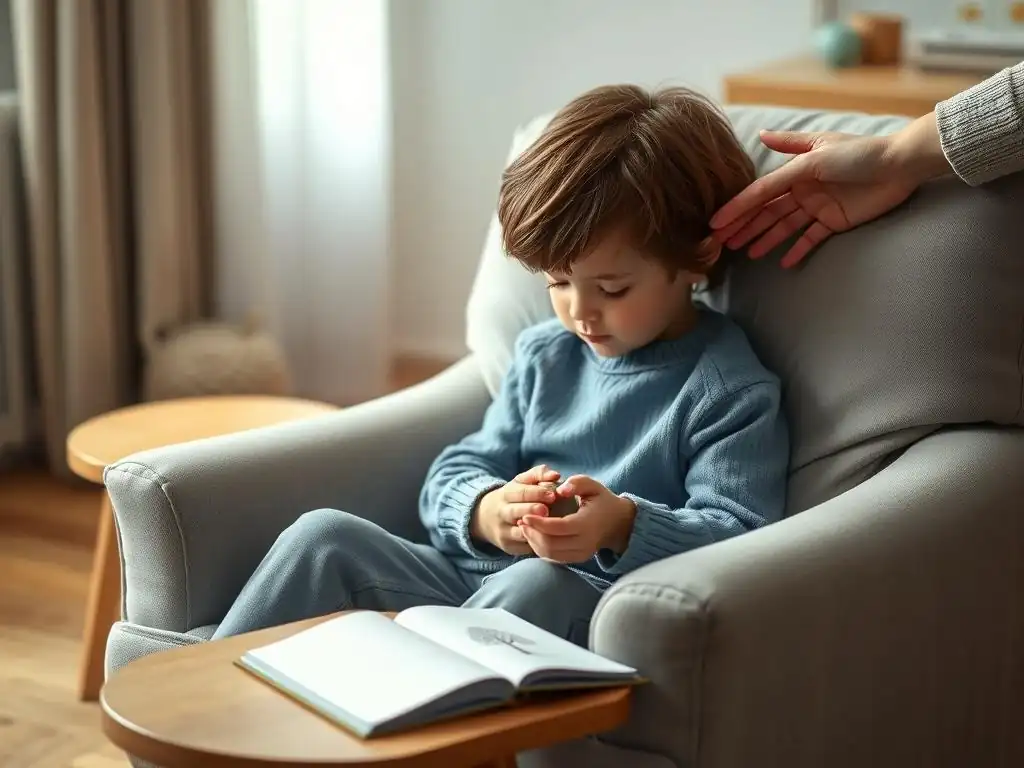
Using Active Listening and Validation to Communicate
Using active listening and validation is a fundamental communication strategy for parents supporting child anxiety treatment journey. When your child expresses worry or fear, it's tempting to immediately try to fix it or dismiss it ("Don't be silly, there's nothing to worry about!"). However, active listening involves truly hearing what your child is saying, reflecting their feelings back to them ("It sounds like you're feeling really scared about going to the party"), and validating their emotion ("It's okay to feel scared; that's a big feeling").
Validation doesn't mean agreeing with their anxious thought ("Yes, that party is terrifying"); it means acknowledging the feeling itself is real and acceptable. For example, you might say, "I hear you saying you're worried about the presentation at school tomorrow. It's understandable to feel nervous when you have to speak in front of others." This approach helps your child feel understood and less alone with their anxiety, opening the door for them to then use the coping strategies they are learning in CBT. Validation builds trust and strengthens your partnership in facing their anxiety.
Facilitating Exposure Exercises: A Collaborative Approach
Facilitating exposure exercises is one of the most critical roles parents play in supporting child anxiety treatment journey, as exposures are often the most challenging but effective part of CBT. Exposures involve gradually confronting feared situations or objects in a controlled way, following a hierarchy developed with the therapist. Parents often help carry out these "homework" assignments between sessions. This requires close collaboration with the therapist to understand the specific steps and goals of each exposure.
A collaborative approach means working with your child, not forcing them. It involves providing encouragement, breaking down the exposure into manageable steps, and celebrating small successes. For example, if the child fears dogs, the hierarchy might start with looking at pictures of dogs, then watching a dog from a distance, then being in the same room as a calm dog, and eventually petting a dog.
Parents might sit with the child, offer calm reassurance (without excessive praise that might reinforce anxiety), and model brave behavior. It's essential to follow the therapist's guidance precisely and not push the child too far too fast, as this can be counterproductive.
Encouraging the Practice of Relaxation Techniques (e.g., Deep Breathing)
Encouraging the regular practice of relaxation techniques is another practical strategy parents can use to support their child's CBT. Techniques like deep diaphragmatic breathing, progressive muscle relaxation, or guided imagery are taught in therapy to help children manage the physical symptoms of anxiety. However, these skills need consistent practice to be effective when anxiety is high. Parents can integrate these practices into the daily routine, not just during moments of panic.
You might practice deep breathing together before bedtime, during quiet time, or even in the car. Making it a normal, non-pressured activity helps the child become comfortable using the technique. For instance, teaching the child to breathe in slowly through their nose, filling their belly like a balloon, and exhaling slowly through their mouth can be framed as a way to feel calm and strong. Regular practice builds muscle memory for relaxation, making the technique more accessible when the child is feeling overwhelmed by anxiety.
Reinforcing Coping Skills and Positive Self-Talk
Actively reinforcing the coping skills learned in CBT is vital for consolidating progress and supporting child anxiety treatment journey long-term. This involves noticing when your child uses a skill, such as challenging an anxious thought or using deep breathing, and offering specific, positive feedback. Instead of a general "Good job," you might say, "I noticed you felt nervous about calling your friend, but you took a deep breath first, just like we practiced! That was really brave."
Encouraging positive self-talk is also key. Anxious children often have negative internal dialogues ("I can't do this," "I'm going to fail," "Something bad will happen"). Parents can help them identify these "worry thoughts" and practice replacing them with more realistic or positive statements taught in therapy, such as "I can try my best," "I can handle this," or "This feeling will pass." Gentle reminders and modeling your own positive self-talk can help your child internalize a more resilient mindset.
Addressing Resistance to CBT and Managing Setbacks
It is common for children to experience resistance to CBT, especially when it involves confronting feared situations through exposure therapy. They might refuse to do homework assignments, complain about therapy sessions, or express frustration. Parents play a crucial role in addressing this resistance with empathy and firmness. Acknowledging the difficulty of the process ("I know this is hard and feels scary") while gently reinforcing the importance of sticking with it ("But practicing is how you get stronger than your worries") is essential for supporting child anxiety treatment journey.
Setbacks are also a normal part of the process. There will be days or even weeks where anxiety seems worse, or the child has a significant panic episode. It's important not to view these as failures but as opportunities to practice skills and learn. Parents can help by remaining calm, reminding the child of their coping tools, and reviewing what was learned from the setback. Discussing these challenges with the therapist is vital for getting support and adjusting strategies as needed.
Practicing Self-Care as a Parent
Supporting a child through anxiety treatment can be emotionally and physically draining for parents. Managing your own stress and practicing self-care is not selfish; it's essential for your well-being and your ability to effectively support your child. Parental burnout can negatively impact the family dynamic and hinder the child's progress. Finding ways to recharge allows you to be more patient, present, and resilient for your child.
Self-care can take many forms: getting enough sleep, eating nutritious food, exercising, spending time on hobbies, connecting with friends or a support group, or taking short breaks when feeling overwhelmed. It's important to recognize your own limits and ask for help when needed. Modeling healthy coping strategies and self-care also provides a valuable lesson for your child on managing stress and prioritizing well-being.
Seeking Consultation with the Therapist for Family Support
Regular consultation with your child's therapist is a critical component of successfully supporting child anxiety treatment journey. Therapists are experts in CBT and can provide guidance specific to your child's unique challenges and your family's dynamics. These consultations offer a space to discuss difficulties you are encountering, clarify how to implement strategies at home, and gain insight into your child's progress and ongoing needs.
Don't hesitate to reach out to the therapist between scheduled sessions if significant challenges arise, such as intense resistance, severe setbacks, or questions about specific homework tasks. Therapists can offer tailored advice, adjust the treatment plan if necessary, and provide strategies for parents to manage difficult situations. Family sessions, where the therapist works directly with the parent and child together, can be particularly helpful for practicing communication and coping skills as a unit.
Partnering with Therapists in Your Child's CBT Treatment
Communicating Effectively with Your Child's CBT Therapist
Effective communication with your child's CBT therapist is paramount for a cohesive and successful treatment approach. This involves being open and honest about your observations of your child's anxiety at home, their successes with homework, and any difficulties or resistance you encounter. Share specific examples of situations that trigger anxiety or times when your child used a coping skill effectively. This information helps the therapist tailor sessions and homework to your child's real-world experiences.
Prepare questions in advance of parent-only or family sessions. Ask for clarification on therapeutic concepts, the rationale behind specific techniques like exposure therapy, and how to best support your child's practice at home. Establishing a collaborative relationship based on mutual respect and open dialogue ensures everyone is on the same page and working towards the same goals in supporting child anxiety treatment journey.
Understanding the Treatment Plan and Goals
Taking the time to fully understand the treatment plan and specific goals developed by the therapist is crucial for effective partnership. The therapist will assess your child's anxiety, identify triggers and patterns, and create a plan outlining the techniques that will be used (e.g., cognitive restructuring, specific exposure hierarchies) and the desired outcomes (e.g., attending school without panic, participating in social activities). Knowing this plan helps you reinforce the right skills and track progress alongside the therapist.
Ask the therapist to explain the rationale behind different interventions and how they relate to your child's specific anxiety. Understanding the 'why' behind the techniques, especially for challenging ones like exposure, can increase your confidence in implementing them at home and help you explain them to your child in an age-appropriate way. A clear understanding of the goals keeps your efforts focused and aligned with the therapeutic process.
Participating in Family Sessions Focused on CBT Techniques
Many child CBT programs include family sessions, which provide a valuable opportunity for parents to learn and practice CBT techniques alongside their child under the guidance of the therapist. These sessions can focus on communication skills, practicing relaxation techniques together, collaboratively planning exposure exercises, or role-playing how to handle challenging situations. Participating actively in these sessions strengthens your ability to be an effective "coach" at home.
Family sessions allow the therapist to observe family dynamics and provide feedback on how parents and children interact around anxiety. This can help identify patterns that might inadvertently maintain anxiety and teach healthier ways of responding. Learning and practicing the skills together reinforces the idea that managing anxiety is a team effort and strengthens the family unit in supporting child anxiety treatment journey.
Long-Term Strategies for Maintaining Your Child's Mental Well-being

Fostering Resilience and Problem-Solving Skills
Beyond formal CBT treatment, fostering resilience and strong problem-solving skills is a long-term strategy for maintaining your child's mental well-being and preventing future anxiety issues. Resilience is the ability to bounce back from adversity. Parents can help build this by allowing children to face age-appropriate challenges and supporting them in finding their own solutions, rather than immediately stepping in to fix everything. This teaches them they are capable of handling difficulties.
Encourage your child to identify problems, brainstorm possible solutions, evaluate the pros and cons of each, choose a solution, and assess the outcome. This structured approach, often taught in CBT, can be applied to everyday challenges, building confidence in their ability to navigate difficulties independently. Celebrating effort and persistence, not just success, reinforces a growth mindset crucial for long-term resilience.
Promoting Healthy Sleep, Diet, and Exercise Habits
Lifestyle factors significantly impact mental health, and promoting healthy habits around sleep, diet, and exercise is a vital long-term strategy for managing anxiety. Irregular sleep patterns, poor nutrition, and lack of physical activity can exacerbate anxiety symptoms. Establishing consistent sleep schedules, ensuring adequate sleep duration (e.g., 9-12 hours for school-aged children), and creating a calming bedtime routine are crucial.
Encouraging a balanced diet rich in fruits, vegetables, and whole grains, while limiting excessive sugar and caffeine, can help stabilize mood and energy levels. Regular physical activity is a powerful stress reliever and mood booster. Aim for at least 60 minutes of moderate-to-vigorous activity daily. Integrating these healthy habits into family life models their importance and provides a foundation for sustained mental well-being beyond the period of actively supporting child anxiety treatment journey.
Identifying Early Warning Signs of Relapse and Seeking Preventative Support
Maintaining vigilance for early warning signs of a potential relapse is an important long-term strategy after your child has completed a course of CBT. While CBT provides coping tools, anxiety can sometimes resurface, especially during periods of transition or increased stress. Warning signs might include a return of old physical symptoms, increased avoidance behaviors, excessive worry, difficulty sleeping, or a noticeable change in mood or behavior.
Having a plan in place with your child and potentially the therapist about what to do if these signs appear is proactive. This might involve reviewing coping strategies learned in therapy, increasing the use of relaxation techniques, or scheduling a few booster sessions with the therapist. Seeking preventative support at the first sign of struggle is much easier than waiting until anxiety is severe again and ensures continued progress in supporting child anxiety treatment journey.
Resources for Parents Supporting Children with Anxiety and CBT
Recommended Books and Websites on CBT for Childhood Anxiety
Numerous resources are available to help parents deepen their understanding of childhood anxiety and how CBT works. Many excellent books offer practical guidance on applying CBT principles at home, explaining concepts like anxious thoughts, feelings, and behaviors in accessible ways. These often include specific exercises and worksheets that parents can use with their children to reinforce therapy sessions.
Reputable websites from mental health organizations and hospitals also provide valuable information. They offer articles, guides, and sometimes even online tools explaining different anxiety disorders in children and the specifics of CBT treatment. While not a substitute for professional therapy, these resources can empower parents with knowledge and practical tools for supporting child anxiety treatment journey.
Online Support Forums and Local Parent Support Groups
Connecting with other parents who are supporting children through anxiety treatment can provide invaluable emotional support, practical tips, and a sense of community. Online support forums dedicated to childhood anxiety allow parents to share experiences, ask questions, and offer encouragement around the clock. These platforms offer anonymity and access to a wide network of individuals facing similar challenges.
Local parent support groups, often facilitated by mental health professionals or parent volunteers, offer face-to-face connection. Sharing experiences and strategies in person can reduce feelings of isolation and provide practical advice tailored to local resources. Hearing from others who have navigated similar difficulties can be incredibly validating and provide hope during challenging times in supporting child anxiety treatment journey.
Local Child Psychologists and CBT Therapists
Identifying and connecting with qualified local child psychologists and CBT therapists is essential for accessing professional help when needed. These professionals have specialized training in diagnosing and treating childhood anxiety disorders using evidence-based methods like CBT. They can conduct comprehensive assessments, develop individualized treatment plans, and provide the therapeutic expertise necessary for effective intervention.
Even if your child is currently in treatment, having information about other local practitioners can be helpful for future needs, such as seeking a second opinion, finding a new therapist if circumstances change, or accessing booster sessions down the line. Researching credentials, experience with childhood anxiety, and therapeutic approach (specifically CBT) is important when choosing a provider for supporting child anxiety treatment journey.
Empowering Your Child to Thrive: A Final Note on CBT and Anxiety Management
Supporting your child through their anxiety treatment journey using CBT is a significant undertaking, requiring patience, dedication, and active involvement. While the path may have challenges, your role is invaluable in empowering your child to learn new skills, confront their fears, and build resilience. CBT provides the tools, but your consistent support, understanding, and encouragement help your child integrate those tools into their daily life, transforming moments of fear into opportunities for growth.
Remember that progress is not always linear, and setbacks are learning opportunities. Celebrate every small victory and acknowledge the effort your child puts in. By partnering with your child and their therapist, creating a supportive home environment, and focusing on long-term well-being strategies, you are equipping your child not just to manage anxiety, but to thrive and live a full, confident life. Your belief in their ability to overcome challenges is a powerful force in their healing process.
Frequently Asked Questions
How can I best support my child during their anxiety treatment?
You can actively participate by attending therapy sessions with them (when appropriate), consistently practicing learned techniques at home, and providing a safe and understanding environment.
What if my child is resistant to attending therapy or participating in treatment?
It's important to validate their feelings and acknowledge their anxieties. Try motivational interviewing and positive reinforcement for small steps forward, and collaborate with the therapist on strategies.
How can I manage my own anxiety while supporting my child's treatment?
Prioritize self-care to avoid burnout, seek support from other parents or professionals, and learn coping mechanisms to manage your own stress levels.
What are some practical things I can do at home to help my child manage their anxiety?
Create a predictable routine, practice relaxation techniques together (like deep breathing), and encourage open communication about their feelings.
How do I know if my child's anxiety treatment is working?
Look for gradual improvements in their anxiety symptoms, observe if they are using coping skills effectively, and track their overall well-being and ability to engage in daily activities.
Final Reflection: The Power of Partnership in Child Anxiety Treatment
The journey to healing anxiety in children isn't a solo mission; it's a collaborative effort requiring unwavering support and understanding. The impact of parental involvement in a child's anxiety treatment cannot be overstated; it's the cornerstone of successful recovery and lasting well-being.
Witnessing the strength and resilience of children navigating anxiety, and the profound impact parents have on their journey, has deeply affected me. The challenges are real, the emotional toll significant, but the rewards of witnessing a child's progress are immeasurable. The most important thing a father can do for his children is to love their mother.
While this quote speaks to a different context, its essence holds true: a supportive and loving environment is the fertile ground where healing can flourish. The parent-child relationship, strengthened through shared experiences and mutual understanding, becomes the bedrock of recovery.
You, the parent, are not just a bystander in your child's anxiety treatment; you are an integral part of the healing process. Remember the strategies discussed—active listening, creating a safe space, celebrating small victories, and seeking professional guidance when needed. Embrace your role as a partner in your child's journey, and together, you can navigate the challenges and emerge stronger, more resilient, and closer than ever before. Your love, patience, and unwavering support are the most powerful tools you possess.
Unlock Your Child's Inner Strength: Next Steps to Anxiety Relief
Thanks for taking the time to learn about supporting your child through anxiety. You've gained valuable insights into understanding and navigating this challenging journey. Now, let's turn those insights into action.
- Prioritize one small, achievable step: Perhaps it's implementing a single relaxation technique from the article, scheduling a doctor's appointment, or dedicating 15 minutes daily to a calming activity with your child. Start small, and build momentum.
- Share this knowledge: Forward this article to a friend or family member who might find it helpful. Collective support makes a real difference.
- Join our community (optional): Connect with other parents facing similar challenges. Share your experiences and learn from others in our supportive online forum. (Note: This action is excluded per the prompt's instructions to avoid internal/external links).
What's one small act of support you can offer your child today?