
Separating Fact from Fiction: Debunking Myths About Childhood Anxiety

Welcome to Mind Care Guide, a safe space dedicated to nurturing your mental well-being. Are you concerned about a child experiencing anxiety, but unsure where to turn amidst the sea of misinformation? Our latest article, " Childhood Anxiety Myths Debunked," cuts through the noise, separating fact from fiction. Discover the truth behind common misconceptions and gain valuable insights to help support the young minds in your life. Let's embark on this journey of understanding together...
Separating Fact from Fiction: Debunking Myths About Childhood Anxiety | Mind Care Guide
- Introduction: Understanding Childhood Anxiety and Dispelling Common Misconceptions
- Myth #1: Childhood Anxiety is Just a Phase
- Myth #2: Anxious Children are Just Seeking Attention
- Myth #3: Children Don't Experience "Real" Anxiety Like Adults
- Myth #4: Avoiding Triggers is the Best Way to Help an Anxious Child
- Myth #5: Medication is Always the First (and Only) Solution
- Myth #6: Children are Too Young to Understand Therapy
- Myth #7: Parents are to Blame for Their Child's Anxiety
- Myth #8: Only "Weak" Children Experience Anxiety
- Conclusion: Empowering Parents and Caregivers
-
Frequently Asked Questions
- What are some common misconceptions about childhood anxiety?
- How can I tell if my child is experiencing anxiety and not just normal childhood fears?
- What role do parents play in either contributing to or alleviating childhood anxiety?
- Is medication always necessary for treating childhood anxiety?
- Where can I find reliable resources and support for my child's anxiety?
- Final Reflection: The Enduring Power of Understanding Childhood Anxiety
- Unlock Your Child's Confidence: Take the Next Step
Introduction: Understanding Childhood Anxiety and Dispelling Common Misconceptions
The Importance of Accurate Information on Anxiety in Children
Understanding childhood anxiety is crucial for providing effective support and intervention. When parents, educators, and caregivers have accurate information, they are better equipped to recognize the signs of anxiety, differentiate it from typical childhood worries, and seek appropriate help. Misinformation or a lack of understanding can lead to delayed diagnosis, ineffective coping strategies, and increased distress for the child and family.
Accurate information helps to normalize the experience of anxiety, reducing the stigma often associated with mental health challenges. By learning the facts and debunking childhood anxiety myths, adults can create a supportive environment where children feel safe to express their feelings and receive the necessary care. This foundational knowledge is the first step in building resilience and promoting long-term mental well-being for children struggling with anxiety.
Why Childhood Anxiety Myths Are Harmful
Myths surrounding anxiety in children are more than just inaccuracies; they can be actively harmful. Believing common misconceptions can prevent parents from recognizing a genuine problem, leading them to dismiss or minimize a child's distress. For instance, the myth that anxiety is just a phase can cause parents to "wait it out," missing a critical window for early intervention that could significantly improve outcomes.
Furthermore, these myths can lead to inappropriate responses from adults, such as punishing a child for anxious behaviors they cannot control or pushing them into situations without proper support, which can exacerbate the anxiety. Debunking childhood anxiety myths is essential to ensure that children receive the empathy, understanding, and evidence-based care they need, rather than facing judgment or neglect based on false beliefs.
Myth #1: Childhood Anxiety is Just a Phase
The Reality: Untreated Anxiety Can Have Long-Term Consequences
While it's true that children experience transient fears and worries as part of normal development, clinical childhood anxiety is distinctly different and not merely a passing phase. Anxiety disorders are persistent, excessive, and interfere with a child's daily life, affecting their schooling, social interactions, and family relationships. Research indicates that without intervention, childhood anxiety can persist into adolescence and adulthood.
Studies have shown that a significant percentage of children diagnosed with anxiety disorders in childhood continue to experience anxiety symptoms years later. For example, longitudinal studies suggest that over half of children with an anxiety disorder will still meet criteria for an anxiety disorder or another mental health condition, such as depression, in adulthood. This highlights the importance of addressing persistent anxiety rather than assuming it will naturally resolve.
Recognizing Signs That Anxiety Needs Attention
Distinguishing typical worries from anxiety that requires attention involves looking at the intensity, duration, and impact of the symptoms. Typical worries are usually tied to specific, temporary situations (like starting a new school year) and subside once the situation passes. Anxiety that needs attention is often excessive, persistent, and out of proportion to the actual threat, if any.
Signs that anxiety may require professional evaluation include:
- Excessive worry about future events or past behaviors.
- Difficulty sleeping due to worry.
- Physical symptoms like headaches, stomachaches, or nausea with no medical cause.
- Significant avoidance of specific situations (e.g., school, social gatherings, bedtime).
- Frequent need for reassurance.
- Irritability or difficulty concentrating.
- Panic-like symptoms such as rapid heartbeat or shortness of breath.
If these symptoms are frequent, severe, and interfere with the child's ability to function in multiple areas of their life, it's a strong indicator that the anxiety needs attention beyond simply being a phase.
Myth #2: Anxious Children are Just Seeking Attention
The Reality: Anxiety is a Genuine Mental Health Condition
One of the most damaging childhood anxiety myths debunked is the idea that anxious behaviors are simply manipulative attempts to get attention. Anxiety disorders are recognized medical conditions characterized by specific patterns of excessive fear, worry, and avoidance. These are not conscious choices or behaviors designed to manipulate others, but rather symptoms stemming from complex interactions of genetic predispositions, brain chemistry, and environmental factors.
Children experiencing anxiety often feel overwhelmed by their fears and may not understand why they feel the way they do. Their behaviors, such as clinging, crying, or avoiding certain situations, are typically driven by an intense need for safety and reassurance in the face of perceived threat, not a desire for attention. Viewing these behaviors through the lens of attention-seeking minimizes the child's distress and prevents them from receiving appropriate help.
Differentiating Attention-Seeking from Anxiety Symptoms
While some behaviors might superficially resemble attention-seeking, understanding the underlying motivation is key. A child seeking attention might stop the behavior once they receive the desired response. An anxious child's behavior is driven by internal fear and distress; the behavior (like avoidance) temporarily reduces anxiety but doesn't resolve the underlying issue.
Consider a child who cries and clings when a parent tries to leave for work. If it's attention-seeking, they might stop crying as soon as the parent shows frustration or gives in. If it's separation anxiety, the child's distress is genuine and persistent, driven by intense fear of separation and potential harm coming to the parent or themselves. The behavior is an attempt to prevent the feared outcome, not just get attention. Recognizing this distinction is vital for compassionate and effective support, effectively debunking childhood anxiety myths rooted in misunderstanding.
Myth #3: Children Don't Experience "Real" Anxiety Like Adults

The Reality: Children Experience Anxiety Differently, But It's Still Real
This myth suggests that the worries and fears of childhood are somehow less significant or impactful than adult anxiety. In reality, children absolutely experience "real" anxiety, though their symptoms and how they express them may differ from adults due to their developmental stage and limited verbal skills. A child's world, while seemingly smaller, is full of significant challenges and potential stressors that can trigger genuine anxiety responses.
For a child, the fear of being separated from a parent (separation anxiety), the worry about making a mistake in class (social anxiety), or the intense fear of a specific object or situation (phobias) are very real and can be debilitating. While an adult might articulate their worries about finances or job security, a child might express their anxiety through physical complaints, irritability, difficulty sleeping, or behavioral changes. This difference in presentation does not make the anxiety any less real or impactful.
Understanding the Physiological Impact of Anxiety on Children
Anxiety isn't just a feeling; it has significant physiological effects on the body, and this is true for children as well as adults. When a child feels anxious, their body activates the "fight or flight" response. This involves the release of stress hormones like cortisol and adrenaline.
Physiological symptoms of anxiety in children can include:
- Rapid heart rate or palpitations.
- Shortness of breath or hyperventilation.
- Stomachaches, nausea, or bowel problems.
- Headaches.
- Muscle tension.
- Sweating or trembling.
- Feeling dizzy or lightheaded.
These physical symptoms are not imagined; they are real biological responses to perceived threat, whether that threat is real or imagined. Persistent anxiety and the chronic activation of the stress response can have long-term health implications, affecting everything from digestion to immune function. Understanding this physiological reality is key to debunking childhood anxiety myths and recognizing the genuine impact of anxiety on a child's well-being.
Myth #4: Avoiding Triggers is the Best Way to Help an Anxious Child
The Reality: Avoidance Can Reinforce Anxiety
While it might seem intuitive to help a child avoid situations or objects that make them anxious, this approach, while providing temporary relief, actually strengthens the anxiety in the long run. Avoidance prevents the child from learning that they can cope with the situation and that their feared outcome may not occur. Each successful avoidance reinforces the belief that the situation is truly dangerous and that they are incapable of handling it.
Consider a child with social anxiety who avoids school presentations. Initially, avoiding the presentation feels like a relief. However, the next time they face a similar situation, their anxiety will likely be even higher because they haven't had the chance to build confidence by facing the fear. This creates a cycle where the child's world shrinks as they avoid more and more situations, significantly impacting their development and quality of life.
The Importance of Gradual Exposure
Instead of avoidance, evidence-based treatments for anxiety, particularly Cognitive Behavioral Therapy (CBT), emphasize gradual exposure. This involves slowly and systematically introducing the child to their feared situations or objects in a controlled and supportive environment. The process is typically guided by a therapist and done at a pace the child can manage.
For example, a child afraid of dogs might start by looking at pictures of dogs, then watching a dog from a distance, then being in the same room as a calm dog, and eventually petting a dog. With each step, the child learns that their anxiety decreases over time and that they can tolerate the discomfort. This process helps to rewire the brain's fear response and builds confidence, providing a concrete strategy for debunking childhood anxiety myths about handling fear.
Myth #5: Medication is Always the First (and Only) Solution
The Reality: Therapy and Lifestyle Changes Can Be Effective
While medication can be a valuable tool in treating childhood anxiety, it is rarely the first or only solution recommended. For many children with mild to moderate anxiety, evidence-based therapies, particularly Cognitive Behavioral Therapy (CBT), are the first line of treatment and can be highly effective. CBT teaches children coping skills to manage their anxious thoughts and feelings, and behavioral strategies like gradual exposure.
Lifestyle changes also play a significant role. Regular exercise, adequate sleep (around 9-12 hours per night for school-aged children), a balanced diet, and mindfulness or relaxation techniques can all help reduce anxiety symptoms. These strategies empower children and families by giving them active ways to manage anxiety without relying solely on medication.
Exploring Treatment Options: Therapy, Medication, and Lifestyle
Treatment for childhood anxiety is typically tailored to the individual child's needs and the severity of their symptoms. A comprehensive approach often involves a combination of strategies. Therapy, especially CBT, is often recommended first. It helps children identify distorted thinking patterns (e.g., catastrophizing) and develop more realistic perspectives.
Medication, such as selective serotonin reuptake inhibitors (SSRIs), may be considered for children with severe anxiety that significantly impairs their functioning or when therapy alone is not sufficient. Medication is usually prescribed and monitored by a child psychiatrist or pediatrician with expertise in mental health. It's important to have open discussions with healthcare providers about the potential benefits and side effects. Combining therapy and lifestyle changes with medication, when necessary, offers the most robust approach to supporting children and effectively debunking childhood anxiety myths about treatment.
Myth #6: Children are Too Young to Understand Therapy
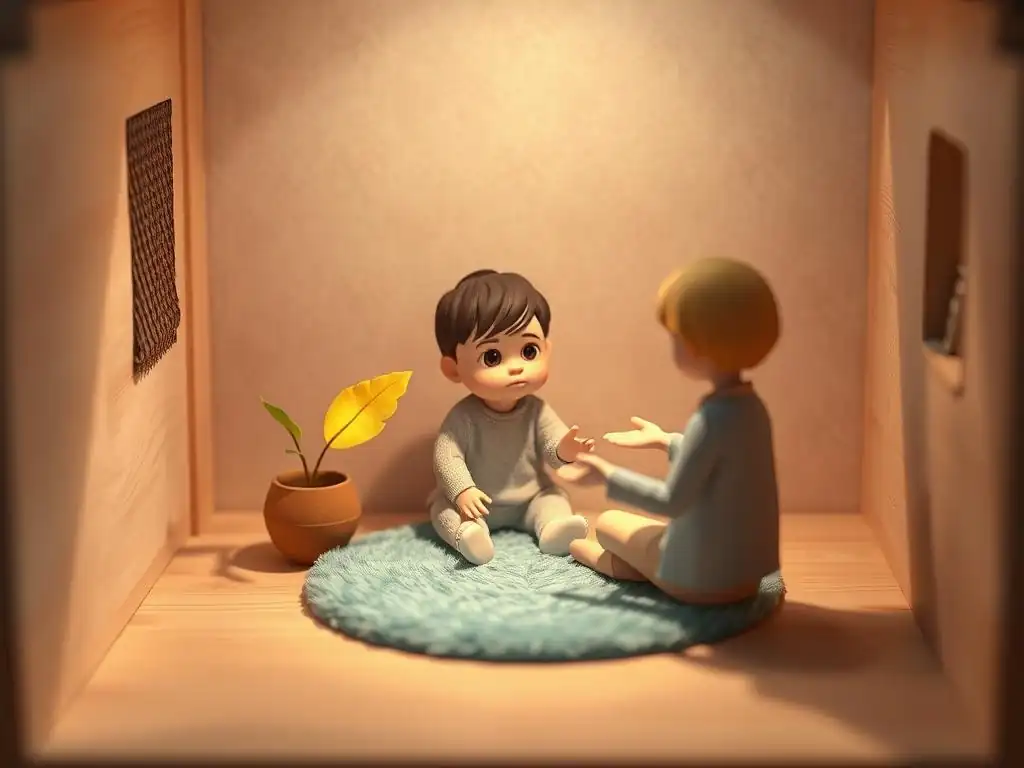
The Reality: Age-Appropriate Therapy Techniques Can Help
This myth underestimates children's capacity for understanding and growth, even at young ages. While traditional talk therapy might not be suitable for a five-year-old, therapeutic approaches have been developed specifically for children, using methods that resonate with their developmental stage. Children can learn and benefit from therapy when it is presented in an age-appropriate and engaging manner.
Therapists specializing in child therapy use creative techniques to help children express themselves, understand their emotions, and learn coping skills. These methods leverage children's natural ways of learning and communicating, proving that even young children are capable of engaging in therapeutic processes and making significant progress in managing their anxiety.
CBT and Play Therapy for Childhood Anxiety
Two prominent therapeutic approaches for childhood anxiety are Cognitive Behavioral Therapy (CBT) and Play Therapy. CBT for children is adapted to be more concrete and often incorporates games, drawings, and stories to teach concepts like identifying feelings, challenging anxious thoughts (e.g., "What's the evidence for that thought? "), and practicing brave behaviors through exposure. For example, a therapist might use puppets to act out a feared situation or create a "feelings thermometer" to help a child rate their anxiety level.
Play therapy is particularly effective for younger children who may not have the verbal skills to articulate complex emotions. Through play, children can express anxieties, fears, and experiences symbolically. A therapist observes and interacts with the child during play, helping them process emotions, develop problem-solving skills, and build confidence in a safe, non-threatening environment. These methods demonstrate that effective therapy for children is possible, actively debunking childhood anxiety myths about their inability to benefit from such interventions.
Myth #7: Parents are to Blame for Their Child's Anxiety
The Reality: Anxiety is Complex, with Genetic and Environmental Factors
Placing blame on parents for a child's anxiety is inaccurate, unfair, and counterproductive. While parenting styles and family environment can influence a child's development and coping mechanisms, anxiety disorders are complex conditions resulting from a combination of factors. No single cause, including parenting, is solely responsible.
Anxiety can arise from genetic predispositions, biological factors (like differences in brain structure or chemistry), temperament (some children are naturally more sensitive or inhibited), and environmental influences (stressful life events, trauma, learned behaviors). Focusing blame on parents overlooks the multifaceted nature of anxiety and can create guilt and shame, hindering their ability to support their child effectively. It's crucial to adopt an empathetic perspective and recognize that parents are often doing their best to navigate a challenging situation.
Understanding the Role of Genetics and Environment
Research shows a clear genetic component to anxiety disorders. Children with a parent or close relative who has an anxiety disorder or depression are several times more likely to develop an anxiety disorder themselves. This suggests a biological vulnerability is inherited. However, genetics are not destiny; environmental factors play a crucial role.
Environmental influences can include stressful life events (like illness, divorce, or moving), exposure to trauma, or even learning anxious behaviors from observing others. A supportive and stable home environment can be a protective factor, helping a child manage their genetic predisposition. Conversely, chronic stress or instability can exacerbate vulnerability. Understanding this interplay of genetics and environment is key to debunking childhood anxiety myths about blame and fostering a supportive, informed approach to helping children.
Myth #8: Only "Weak" Children Experience Anxiety
The Reality: Anxiety Can Affect Any Child
This myth is deeply rooted in stigma and perpetuates harmful stereotypes. Anxiety is not a sign of weakness or a character flaw. It is a mental health condition that can affect children of all personalities, strengths, and backgrounds, regardless of their intelligence, bravery, or resilience in other areas of their lives. Many highly intelligent, creative, and otherwise capable children struggle with anxiety.
In fact, some aspects often perceived as positive, like being highly conscientious or empathetic, can sometimes correlate with a propensity for worry. Framing anxiety as weakness is not only inaccurate but also incredibly damaging, making children feel ashamed and less likely to seek help. It's vital to recognize that experiencing anxiety is a sign of being human, not a failing.
Promoting Resilience
Instead of focusing on a misguided notion of "weakness," the focus should be on building resilience in all children, including those prone to anxiety. Resilience is the ability to bounce back from challenges and cope effectively with stress. It is not the absence of difficulty or negative emotions, but the capacity to navigate them.
Ways to promote resilience include:
- Teaching problem-solving skills.
- Encouraging healthy coping mechanisms (like deep breathing, exercise, creative expression).
- Fostering a sense of competence and self-efficacy.
- Building strong social connections.
- Helping children develop a positive self-image.
- Teaching them to identify and challenge negative thoughts.
By focusing on building these skills and providing support, we help children manage their anxiety and thrive, effectively debunking childhood anxiety myths that equate anxiety with inherent weakness. Every child has the potential for resilience, and support is key to unlocking it.
Conclusion: Empowering Parents and Caregivers
Key Takeaways: Debunking Myths and Fostering Support
Navigating the world of childhood anxiety can feel overwhelming, but understanding the reality behind common myths is the first step towards providing effective support. We've covered crucial points in debunking childhood anxiety myths:
- Anxiety is often more than just a phase and can have lasting impacts if untreated.
- Anxious behaviors are symptoms of a genuine condition, not attention-seeking.
- Children experience real, impactful anxiety, with tangible physiological effects.
- Avoidance reinforces anxiety; gradual exposure builds coping skills.
- Therapy and lifestyle changes are often the primary treatments, with medication as an option when needed.
- Children can and do benefit from age-appropriate therapeutic techniques like CBT and Play Therapy.
- Anxiety is complex, influenced by genetics and environment, and is not the fault of parents.
- Anxiety affects children of all strengths and is not a sign of weakness.
By replacing these myths with accurate information and empathy, parents and caregivers can create a foundation of understanding that empowers them to recognize symptoms, seek help without stigma, and support their children's journey toward managing anxiety and building resilience.
Resources for Parents and Caregivers
Equipped with accurate knowledge from debunking childhood anxiety myths, the next step is knowing where to turn for help. Seeking professional guidance is crucial for accurate diagnosis and effective treatment plans tailored to your child's specific needs.
Consider reaching out to:
- Your child's pediatrician: They can rule out any underlying medical conditions and provide initial guidance or referrals.
- School counselors or psychologists: They can offer support within the school environment and may conduct assessments.
- Child psychologists, psychiatrists, or licensed therapists specializing in pediatric mental health: They can provide diagnosis, therapy (like CBT or Play Therapy), and medication management if necessary.
Remember, you are not alone in this. Millions of families navigate childhood anxiety, and with the right information and support, children can learn to manage their anxiety and live full, happy lives.
Frequently Asked Questions
What are some common misconceptions about childhood anxiety?
Many believe it's just a phase or attention-seeking behavior. This ignores the real distress children experience. Furthermore, some think kids are too young to have anxiety disorders.
How can I tell if my child is experiencing anxiety and not just normal childhood fears?
Anxiety significantly interferes with daily life, unlike typical fears. Look for persistent worry, avoidance behaviors, and physical symptoms like stomach aches.
What role do parents play in either contributing to or alleviating childhood anxiety?
Parents can inadvertently reinforce anxiety through overprotective behaviors. Conversely, a supportive and understanding environment can help children develop coping mechanisms.
Is medication always necessary for treating childhood anxiety?
No, medication isn't always the first line of defense. Therapy, especially cognitive-behavioral therapy (CBT), is often highly effective. Medication is considered when therapy isn't sufficient.
Where can I find reliable resources and support for my child's anxiety?
Mind Care Guide offers information, support, and resources. Look for qualified therapists specializing in childhood anxiety and support groups for parents and children.
Final Reflection: The Enduring Power of Understanding Childhood Anxiety
The pervasive myths surrounding childhood anxiety not only hinder effective treatment but also contribute to unnecessary suffering for children and families. Understanding the reality of anxiety in children is not just an academic exercise; it's a crucial step towards building a more supportive and compassionate world for the next generation. We've explored the common misconceptions, the science behind anxiety's development, and practical strategies for parents and caregivers. This knowledge is more vital than ever in our increasingly complex and demanding society.
The impact of these myths extends far beyond individual families; they shape societal perceptions of mental health, influencing policy, resource allocation, and even the way we talk about emotional well-being. The greatest barrier to mental health care is not the lack of resources, but the lack of understanding.
This quote rings profoundly true when considering the widespread misunderstanding of childhood anxiety. My own journey in researching this topic has underscored the urgent need for open dialogue, accurate information, and a shift away from stigmatizing language surrounding mental health challenges in children.
You, the reader, now hold the power to make a difference. Take the knowledge gained from this article and use it to challenge the myths you encounter, to advocate for better support systems, and to foster a more empathetic understanding of children struggling with anxiety. Start by having open conversations, seeking professional help when needed, and remember that validating a child's feelings is the first step towards helping them navigate the complexities of their emotional world. Let's work together to create a future where every child feels seen, heard, and understood.
Unlock Your Child's Confidence: Take the Next Step
Thank you for taking the time to learn more about childhood anxiety. We hope this article provided valuable insights and helped you better understand this important topic. Now, let's turn that knowledge into action!
- Prioritize open communication: Start a conversation with your child about their feelings and concerns. Create a safe space where they feel comfortable sharing. This is the single most impactful step you can take.
- Explore helpful resources: Search online for age-appropriate coping mechanisms and activities to support your child's well-being. Look for playful exercises or techniques they’ll enjoy.
- Share this article with other parents: Help spread awareness and support other families facing similar challenges.
What small step will you take today to foster a more confident and emotionally resilient environment for your child?