
Is It Separation Anxiety or Something More? Understanding SAD


Welcome to Mind Care Guide, a safe space to explore your mental well-being. Feeling the blues as the days get shorter? You're not alone. Many experience a significant shift in mood with the changing seasons. But how do you know if it's just a passing phase or something more like Seasonal Affective Disorder (SAD)? Delve into our comprehensive guide to Seasonal Affective Disorder Symptoms Relief and begin your journey toward understanding and managing this common condition. Let's uncover the facts and explore practical strategies together to help you thrive, no matter the season.
Is It Separation Anxiety or Something More? Understanding SAD
- Understanding Seasonal Affective Disorder (SAD) and Its Differences from Separation Anxiety
- Key Symptoms of Seasonal Affective Disorder (SAD): Recognizing the Signs
- Exploring the Causes of Seasonal Affective Disorder
- Diagnosing SAD: When to Seek Professional Help
- Effective Treatment Options for Seasonal Affective Disorder Symptoms Relief
- Strategies for Coping with Seasonal Affective Disorder
- Seasonal Affective Disorder vs. Separation Anxiety in Children: A Comparison
- Seasonal Affective Disorder vs. Separation Anxiety in Adults: A Detailed Look
- Finding Long-Term Relief from Seasonal Affective Disorder Symptoms Relief
-
Frequently Asked Questions
- What is Seasonal Affective Disorder (SAD) and how is it related to separation anxiety?
- What are some common Seasonal Affective Disorder Symptoms Relief strategies recommended by Mind Care Guide?
- How can I differentiate between feelings of sadness and a potential diagnosis of SAD?
- Does Mind Care Guide offer resources for managing the social isolation often associated with SAD?
- If I suspect I have SAD, what is the first step I should take according to Mind Care Guide?
- Final Reflection: Shedding Light on the Winter Blues and Finding Your Spring
- Unlock Your Dog's Happiness: Take the Next Step
Understanding Seasonal Affective Disorder (SAD) and Its Differences from Separation Anxiety
Defining Seasonal Affective Disorder: Beyond the Winter Blues
Seasonal Affective Disorder, often abbreviated as SAD, is a type of depression that is related to changes in seasons. It typically begins and ends at about the same times every year. For most people with SAD, symptoms start in the fall and continue into the winter months, sapping their energy and making them feel moody. Less commonly, SAD can cause depression in the spring or early summer, resolving in the fall. It is more than just feeling down because of cold weather; it's a clinically recognized form of depression.
While many people experience mild shifts in mood during the year, individuals with SAD face significant challenges that impact their daily functioning. Symptoms can range from mild to severe and can significantly interfere with work, relationships, and overall quality of life. Recognizing that these recurring seasonal mood changes might be a form of depression is the first step towards seeking effective Seasonal Affective Disorder symptoms relief.
Differentiating SAD from Separation Anxiety Disorder (SepAD)
Although both Seasonal Affective Disorder and Separation Anxiety Disorder can cause significant distress and impact daily life, they differ fundamentally in their triggers and primary symptoms. SAD is triggered by seasonal changes, specifically changes in light exposure, and its core symptoms revolve around mood, energy levels, sleep patterns, and appetite, often leading to feelings of sadness, lethargy, and social withdrawal during specific times of the year.
In contrast, Separation Anxiety Disorder is characterized by excessive fear or anxiety concerning separation from home or from those to whom the individual is attached. Its triggers are specific situations involving separation, and symptoms include distress upon separation, worry about losing attachment figures, reluctance to be alone, and physical symptoms when separation occurs or is anticipated. While both conditions can cause anxiety, the root cause and the dominant cluster of symptoms clearly distinguish SAD from SepAD, guiding the path towards appropriate diagnosis and Seasonal Affective Disorder symptoms relief.
Key Symptoms of Seasonal Affective Disorder (SAD): Recognizing the Signs
Common SAD Symptoms: A Detailed Overview
The symptoms of winter-pattern SAD are often distinct and can significantly impact daily life. Common signs include feeling depressed or down most of the day, nearly every day, losing interest in activities once enjoyed, experiencing low energy levels, feeling sluggish or agitated, and having difficulty concentrating. Many individuals with winter SAD also experience changes in sleep patterns, often needing more sleep than usual (hypersomnia), and changes in appetite, particularly craving high-carbohydrate foods, which can lead to weight gain.
These symptoms typically emerge gradually as the days shorten in the fall and intensify during the peak of winter. For instance, someone might notice increased fatigue in October, which progresses to pervasive sadness and difficulty getting out of bed by December. This pattern of recurring symptoms each year is a hallmark of SAD and highlights the need for timely intervention to find effective Seasonal Affective Disorder symptoms relief.
Identifying Atypical SAD Symptoms
While the winter pattern of SAD often involves increased sleep and appetite, some individuals experience atypical symptoms. These can include sleeping less than usual (insomnia), decreased appetite, and weight loss, which are more commonly associated with other forms of depression. Additionally, some people with SAD may experience heightened anxiety or irritability during the affected season, alongside or instead of the typical depressive symptoms.
Another atypical presentation can be the "summer-pattern" SAD, though it is much less common, affecting perhaps 1 in 10 people with SAD. Symptoms often include insomnia, decreased appetite, weight loss, agitation, and anxiety. Recognizing these less common symptoms is vital for accurate diagnosis, as they might otherwise be overlooked or attributed to other conditions, delaying access to appropriate Seasonal Affective Disorder symptoms relief strategies.
Seasonal Changes and Mood: The Link to SAD
The link between seasonal changes and mood in SAD is strongly tied to the reduction in natural daylight exposure during the fall and winter months. This decreased light can disrupt the body's internal clock (circadian rhythm), leading to feelings of disorientation and fatigue. Furthermore, the lack of sunlight is thought to affect brain chemistry, particularly levels of serotonin, a neurotransmitter that influences mood.
As daylight hours decrease, the body's production of melatonin, a hormone that regulates sleep, may increase, contributing to feelings of lethargy and oversleeping. This combined effect of circadian rhythm disruption, altered serotonin levels, and increased melatonin can create a biological predisposition to SAD symptoms during specific seasons. Understanding this physiological link is crucial for developing targeted approaches for Seasonal Affective Disorder symptoms relief.
Exploring the Causes of Seasonal Affective Disorder
The Role of Sunlight and Melatonin in SAD
Reduced exposure to sunlight is considered a primary factor in the development of winter-pattern SAD. Sunlight plays a crucial role in regulating the body's circadian rhythm. As daylight hours shorten in fall and winter, this disruption can throw off the internal clock, leading to sleep and mood disturbances. The retina of the eye contains photoreceptors that signal the brain's internal clock about light levels, and less light means a weaker signal, potentially leading to a misaligned rhythm.
Moreover, sunlight influences the production of melatonin by the pineal gland. Melatonin production increases in darkness and decreases in light, helping regulate sleep-wake cycles. In individuals with SAD, the longer periods of darkness in winter may lead to an overproduction of melatonin, causing increased sleepiness and lethargy. This dysregulation of melatonin is a key area targeted by treatments aiming for Seasonal Affective Disorder symptoms relief, such as light therapy.
Genetic Predisposition and SAD
Research suggests that there may be a genetic component to Seasonal Affective Disorder. Studies have indicated that individuals with a family history of SAD or other forms of depression may be at a higher risk of developing the condition themselves. While specific genes haven't been definitively identified as solely responsible, variations in genes related to circadian rhythms, serotonin transport, or melatonin regulation are potential candidates.
For example, some preliminary studies have explored variations in the serotonin transporter gene (SLC6A4), which is also implicated in other mood disorders. While genetics alone do not determine whether someone will develop SAD, a family history can increase vulnerability. Understanding this potential predisposition can empower individuals to be proactive in monitoring their mood during seasonal transitions and seeking early Seasonal Affective Disorder symptoms relief if symptoms emerge.
Neurotransmitter Imbalances and Their Impact on Seasonal Depression
In addition to melatonin and circadian rhythms, imbalances in other neurotransmitters, particularly serotonin, are thought to contribute to SAD. Serotonin is often referred to as a "feel-good" neurotransmitter, and its levels are known to be lower in individuals with depression. Sunlight exposure is believed to influence serotonin production and activity in the brain.
During shorter, darker days, serotonin levels may decrease in susceptible individuals, contributing to feelings of sadness, irritability, and anxiety. Dopamine, another neurotransmitter involved in motivation and pleasure, may also be affected. Addressing these potential neurotransmitter imbalances, often through methods that increase serotonin activity or regulate its levels, is a core strategy in achieving Seasonal Affective Disorder symptoms relief. Antidepressant medications, for instance, often target serotonin pathways.
Diagnosing SAD: When to Seek Professional Help
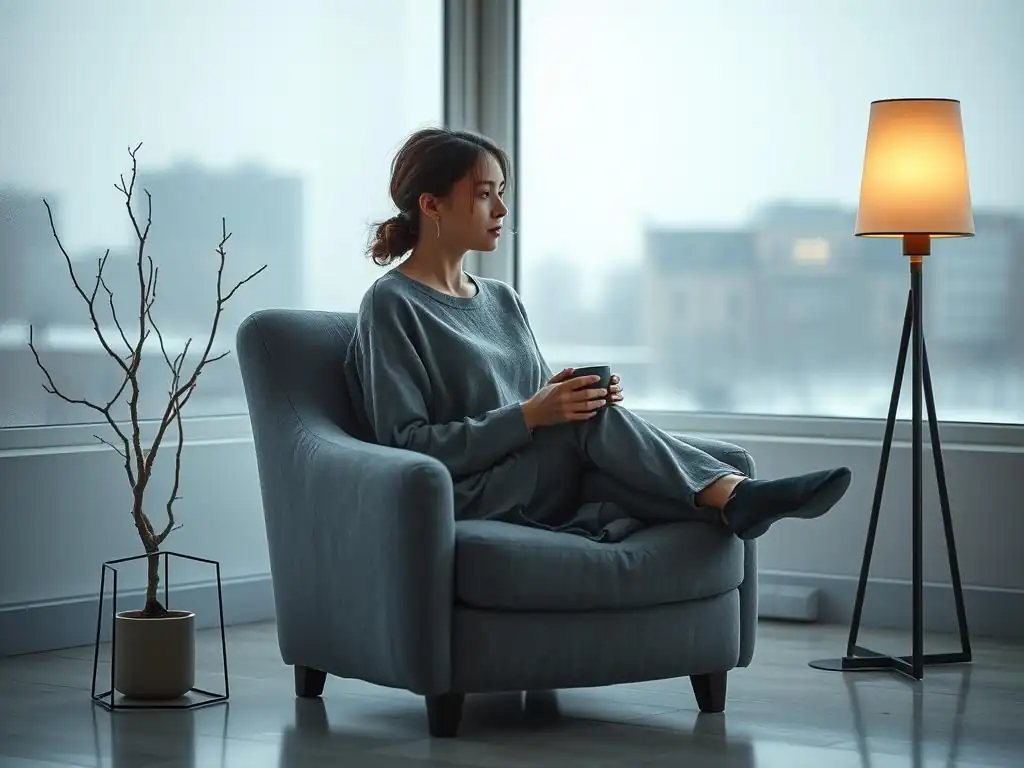
Self-Assessment Tools for Seasonal Depression
While a formal diagnosis of SAD requires evaluation by a qualified mental health professional, self-assessment tools can be helpful starting points for individuals concerned about their seasonal mood changes. Questionnaires like the Seasonal Pattern Assessment Questionnaire (SPAQ) ask about mood, behavior, and energy levels across different seasons. These tools can help individuals identify if their symptoms follow a consistent seasonal pattern and gauge their severity.
It's important to remember that self-assessment tools are not diagnostic but can provide valuable insight and help structure conversations with a doctor or therapist. If the results of a self-assessment suggest a potential pattern of seasonal depression, or if symptoms are causing significant distress or impairment, this is a clear indicator that professional help should be sought to explore potential diagnoses and discuss options for Seasonal Affective Disorder symptoms relief.
Professional Diagnosis: What to Expect
A professional diagnosis of Seasonal Affective Disorder is typically made by a psychiatrist, psychologist, or other licensed mental health professional based on a clinical interview. The clinician will ask detailed questions about your symptoms, their severity, their onset and duration, and crucially, whether they follow a recurring seasonal pattern over at least two consecutive years. They will also inquire about your medical history, family history of mental health conditions, and any other potential contributing factors.
The diagnostic criteria for SAD, as outlined in the Diagnostic and Statistical Manual of Mental Disorders (DSM-5), require that the pattern of major depressive episodes follows a regular seasonal pattern (e.g., begins in fall/winter and remits in spring/summer) and that non-seasonal depressive episodes have been less frequent than seasonal ones over a lifetime. The professional evaluation aims to confirm this pattern and rule out other possible causes for the symptoms before recommending a plan for Seasonal Affective Disorder symptoms relief.
Ruling Out Other Conditions: Differential Diagnosis
An essential part of diagnosing SAD is ruling out other conditions that might present with similar symptoms. Several other mental health conditions, such as Major Depressive Disorder with a seasonal pattern specifier (which is essentially SAD), Bipolar Disorder (specifically depressive episodes), Hypothyroidism, Chronic Fatigue Syndrome, or even other anxiety disorders like Separation Anxiety Disorder, can sometimes be confused with SAD based on certain symptoms like low energy or changes in sleep.
A thorough medical examination and potentially blood tests (e.g., to check thyroid function) are often necessary to exclude physical causes. The clinician will carefully evaluate the specific timing, triggers, and constellation of symptoms to differentiate SAD from these other conditions. Accurate differential diagnosis is crucial to ensure that the treatment plan developed is appropriate and effective for providing Seasonal Affective Disorder symptoms relief.
Effective Treatment Options for Seasonal Affective Disorder Symptoms Relief
Light Therapy: A Primary Treatment for SAD
Light therapy, also known as phototherapy, is one of the most common and effective treatments for winter-pattern SAD. It involves daily exposure to a special light box that mimics natural outdoor light. The light box typically emits a bright light (usually 10,000 lux) and contains filters that block harmful ultraviolet (UV) rays. Sessions usually last from 20 to 60 minutes and are most effective when done within an hour or two of waking up in the morning.
The mechanism behind light therapy is thought to involve its effect on the body's circadian rhythm and neurotransmitter levels, similar to natural sunlight. Studies have shown significant improvement in SAD symptoms for many individuals using light therapy, sometimes within just a few days or weeks. Consistent daily use throughout the affected season is key for sustained Seasonal Affective Disorder symptoms relief.
Medications for Managing SAD Symptoms
In some cases, antidepressant medications may be prescribed to help manage SAD symptoms, especially if symptoms are severe or if light therapy is not effective or feasible. Selective serotonin reuptake inhibitors (SSRIs) are often the first line of medication treatment for SAD. Examples include bupropion (sometimes prescribed specifically for SAD prevention, starting before the season begins) or sertraline.
These medications work by affecting neurotransmitter levels in the brain, such as serotonin, aiming to improve mood and energy. Medications may be used alone or in combination with light therapy or psychotherapy. It's important to discuss the potential benefits and side effects with a healthcare provider to determine if medication is a suitable option for achieving Seasonal Affective Disorder symptoms relief.
Cognitive Behavioral Therapy (CBT) for Seasonal Depression
Cognitive Behavioral Therapy (CBT) is a type of psychotherapy that can be very effective for treating SAD. A specific form adapted for SAD, known as CBT-SAD, focuses on identifying and changing negative thoughts and behaviors associated with the seasonal pattern. This might involve challenging pessimistic thoughts about winter, scheduling engaging activities to counteract social withdrawal, and developing coping strategies for managing symptoms.
CBT helps individuals build resilience and develop practical skills to navigate the challenging season. Unlike light therapy or medication, the benefits of CBT may extend beyond a single season, providing long-term strategies for managing future episodes and contributing significantly to sustained Seasonal Affective Disorder symptoms relief.
Lifestyle Changes to Alleviate SAD Symptoms
Incorporating certain lifestyle changes can also play a significant role in alleviating SAD symptoms. Maximizing exposure to natural light whenever possible, such as taking walks during daylight hours or arranging living and workspaces to get more sun, can be beneficial. Regular exercise is known to improve mood and energy levels and can help combat the lethargy associated with SAD. Aiming for at least 30 minutes of moderate exercise most days of the week can make a difference.
Maintaining a regular sleep schedule, even on weekends, helps regulate the body's circadian rhythm. Paying attention to diet, focusing on balanced nutrition and limiting excessive sugar and refined carbohydrates, can also impact mood and energy. These lifestyle adjustments, often used in conjunction with other treatments, are valuable components of a comprehensive approach to Seasonal Affective Disorder symptoms relief.
Strategies for Coping with Seasonal Affective Disorder
Creating a Supportive Environment
Building a supportive environment is crucial when coping with SAD. This involves communicating openly with family, friends, and colleagues about your experience with seasonal depression. Letting loved ones know what you're going through can help them understand your behavior and offer support. Schedule social activities, even when you don't feel like it, to combat the urge to withdraw. Joining support groups, either online or in person, can also provide a sense of community and shared understanding.
Making your home and workspace brighter can also help. Use brighter light bulbs, open blinds and curtains, and trim branches that block sunlight. Even small changes to your physical environment can contribute to a more positive mood and aid in Seasonal Affective Disorder symptoms relief.
Maintaining a Healthy Lifestyle During Winter Months
As mentioned regarding treatment, maintaining a healthy lifestyle is a key coping strategy. Prioritizing regular physical activity, even moderate indoor exercises like yoga or using a treadmill, helps boost endorphins and energy. Focusing on a balanced diet rich in fruits, vegetables, lean proteins, and whole grains provides essential nutrients that support brain function and mood regulation.
Establishing a consistent sleep schedule, going to bed and waking up at the same time each day, helps stabilize your circadian rhythm, which is often disrupted in SAD. Avoiding excessive alcohol or caffeine, especially close to bedtime, can also improve sleep quality. These consistent healthy habits are foundational for managing symptoms and promoting Seasonal Affective Disorder symptoms relief.
Mindfulness and Relaxation Techniques for SAD
Mindfulness and relaxation techniques can help manage the stress, anxiety, and low mood associated with SAD. Practices like meditation, deep breathing exercises, and yoga can promote a sense of calm and present moment awareness, reducing rumination on negative feelings. Spending time in nature, even on cold but sunny days, can also be restorative.
Engaging in enjoyable hobbies or activities, scheduling time for self-care, and practicing gratitude can also shift focus away from depressive symptoms. These techniques don't replace medical treatment but can serve as valuable coping tools, empowering individuals to actively manage their emotional well-being and work towards Seasonal Affective Disorder symptoms relief.
Seasonal Affective Disorder vs. Separation Anxiety in Children: A Comparison
Age of Onset and Typical Presentation
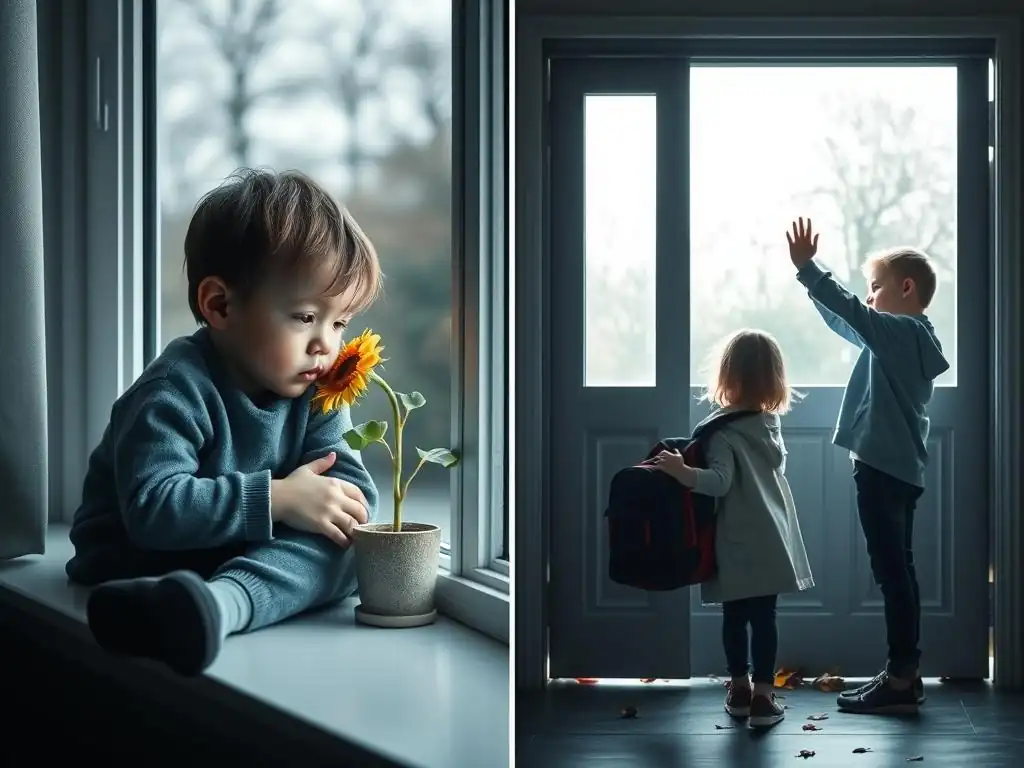
While Separation Anxiety Disorder (SepAD) is most commonly diagnosed in young children, typically between ages 6 and 12, who exhibit excessive distress when separated from parents or caregivers, Seasonal Affective Disorder (SAD) in children is less frequently discussed but can occur, particularly in older children and adolescents. When SAD appears in children, it often presents similarly to adult SAD, with symptoms like lethargy, oversleeping, weight gain due to carbohydrate cravings, and irritability, typically appearing in the fall or winter.
In contrast, SepAD in children is characterized by symptoms such as excessive worry about losing major attachment figures, reluctance to go to school or camp due to separation fears, persistent and excessive fear of being alone, repeated nightmares about separation, and physical symptoms like headaches or stomachaches when separation is anticipated or occurs. The timing (seasonal vs. separation-triggered) and the nature of the core fears and symptoms are key differentiators.
Behavioral Manifestations and Emotional Responses
The behavioral manifestations of SAD in children usually involve decreased energy, withdrawal from social activities (including playing with friends), academic difficulties due to poor concentration, and increased irritability or sadness. They might spend more time indoors, seem less enthusiastic about previously enjoyed activities, and struggle with morning wake-ups. Their emotional response is primarily one of depression, low energy, and possibly anxiety related to the seasonal change itself.
Children with Separation Anxiety Disorder, however, primarily exhibit behaviors aimed at avoiding separation or maintaining proximity to their attachment figures. This can include clinging, refusing to sleep alone, crying excessively when a parent leaves, or having tantrums. Their emotional response is dominated by intense fear, panic, or anxiety specifically related to the thought or reality of being separated. Understanding these distinct behavioral and emotional patterns is crucial for accurate diagnosis and appropriate support, whether it's addressing Seasonal Affective Disorder symptoms relief or managing separation fears.
Parental Guidance and Support Strategies
For children experiencing symptoms suggestive of SAD, parental guidance involves recognizing the potential seasonal pattern and seeking professional evaluation. Support strategies might include ensuring adequate exposure to natural light, encouraging participation in winter activities (even if indoor), maintaining healthy routines, and potentially exploring light therapy or therapy specifically designed for child depression. Open communication about feelings and validation of their struggles during the difficult season are vital.
For children with SepAD, parental guidance focuses on gradually increasing tolerance for separation, using techniques like planned separations, consistent routines, and positive reinforcement for brave behavior. Therapy, such as CBT tailored for anxiety, is often recommended. Both situations require empathetic parental support, but the specific strategies employed differ significantly based on whether the core issue is a mood disorder linked to seasons or an anxiety disorder linked to separation, guiding the approach to Seasonal Affective Disorder symptoms relief or anxiety management.
Seasonal Affective Disorder vs. Separation Anxiety in Adults: A Detailed Look
Impact on Daily Life and Relationships
In adults, both SAD and Separation Anxiety Disorder can significantly impact daily life and relationships, but in different ways. SAD primarily affects energy levels, motivation, mood, and concentration during specific seasons, leading to decreased productivity at work, social withdrawal, reduced interest in hobbies, and potential strain on relationships due to irritability or lack of engagement. The impact is tied to the time of year.
Adult Separation Anxiety Disorder, though less common than in children, involves significant distress and impairment related to separation from attachment figures (often partners, children, or parents) or from home. This can lead to difficulties with travel, work that requires being away from home, social isolation due to reluctance to leave home, and significant relationship challenges due to excessive clinginess or demands for constant contact.
While SAD's impact is seasonal, SepAD's impact is triggered by separation events or anticipation. Effective Seasonal Affective Disorder symptoms relief aims to restore function during the affected season, while SepAD treatment targets anxiety related to separation.
Co-occurring Mental Health Conditions
Both SAD and Adult Separation Anxiety Disorder can co-occur with other mental health conditions. Individuals with SAD may also experience other forms of depression, anxiety disorders (though the focus isn't specifically on separation), bipolar disorder, or substance use disorders. The seasonal vulnerability of SAD can sometimes exacerbate pre-existing conditions or make individuals more susceptible to developing them.
Adults with Separation Anxiety Disorder frequently have other co-occurring conditions, including other anxiety disorders (like Panic Disorder or Generalized Anxiety Disorder), depression, personality disorders, or substance use disorders. The persistent anxiety and avoidance behaviors associated with SepAD can contribute to the development of these other issues. Recognizing co-occurring conditions is vital for a comprehensive treatment plan, whether the goal is Seasonal Affective Disorder symptoms relief or managing complex anxiety.
Self-Help Strategies and Professional Intervention
Self-help strategies for adult SAD often involve maximizing light exposure, maintaining healthy routines, exercise, stress management techniques, and social engagement during the winter months. Professional intervention typically includes light therapy, medication (often SSRIs), and therapy like CBT-SAD. These interventions directly target the seasonal nature and depressive symptoms of SAD, aiming for Seasonal Affective Disorder symptoms relief.
For adult Separation Anxiety Disorder, self-help strategies are less focused on seasonal changes and more on gradually facing separation fears, practicing relaxation techniques when anxious, and building an independent support network. Professional intervention for SepAD usually involves psychotherapy, particularly exposure therapy within CBT, to help individuals tolerate separation. Medication may be used to manage severe anxiety symptoms. While both conditions benefit from professional support, the specific therapeutic approaches and self-help techniques are tailored to the distinct triggers and symptoms of each disorder.
Finding Long-Term Relief from Seasonal Affective Disorder Symptoms Relief
Preventing Recurrence of SAD
Preventing the recurrence of SAD symptoms is a primary goal for long-term Seasonal Affective Disorder symptoms relief. For individuals with a history of winter SAD, preventative strategies often begin in the early fall before symptoms typically appear. This can include starting light therapy proactively, often in September or October, and continuing it throughout the winter. Some individuals may also benefit from starting antidepressant medication before the onset of symptoms, under the guidance of a healthcare provider.
Maintaining healthy lifestyle habits year-round, such as regular exercise, a balanced diet, and consistent sleep, can also build resilience. Developing strong coping skills through therapy, like CBT, provides tools to manage early signs of symptoms should they emerge. A proactive approach, based on past seasonal patterns, is key to minimizing the impact of SAD each year.
Integrating Treatment and Coping Strategies
The most effective long-term Seasonal Affective Disorder symptoms relief often comes from an integrated approach combining various treatment and coping strategies. This might involve using light therapy daily during the affected season, continuing therapy sessions (perhaps less frequently during symptom-free months), taking prescribed medication if necessary, and consistently practicing lifestyle adjustments like exercise and healthy eating.
Each individual's optimal combination of strategies may differ. Working closely with mental health professionals to develop a personalized plan that addresses your specific symptoms, history, and preferences is crucial. Regular check-ins can help adjust the plan as needed and ensure ongoing support in managing SAD long-term.
Ongoing Support and Resources for Managing SAD Long-Term
Managing SAD long-term requires ongoing vigilance and access to support and resources. This includes maintaining communication with your healthcare providers and therapist, especially as seasons change. Utilizing self-assessment tools periodically can help you monitor your mood and energy levels and identify potential symptom recurrence early.
Connecting with support groups, whether online or in person, provides a valuable network for sharing experiences and coping tips. Educating yourself and your loved ones about SAD helps foster understanding and reduces stigma. By staying informed, connected, and proactive, individuals can significantly improve their ability to manage SAD and achieve sustained Seasonal Affective Disorder symptoms relief year after year.
Frequently Asked Questions
SAD is a type of depression that occurs during specific seasons, typically winter, due to reduced sunlight. While not directly separation anxiety, its symptoms can be exacerbated by isolation and changes in routine, mimicking some aspects.
What are some common Seasonal Affective Disorder Symptoms Relief strategies recommended by Mind Care Guide?
Our guide suggests maximizing sunlight exposure, using light therapy boxes, and engaging in regular physical activity. We also recommend seeking professional help for personalized treatment plans.
How can I differentiate between feelings of sadness and a potential diagnosis of SAD?
SAD is characterized by a persistent pattern of seasonal mood changes that significantly impact daily functioning. Seek professional evaluation if symptoms are severe or prolonged, especially if they recur yearly.
Yes, we provide information on support groups, online communities, and strategies for maintaining social connections during challenging seasons. Our goal is to combat feelings of loneliness and promote well-being.
If I suspect I have SAD, what is the first step I should take according to Mind Care Guide?
The first step is to consult with a mental health professional for a proper diagnosis. They can then recommend appropriate treatment options, such as therapy or medication, tailored to your needs.
Final Reflection: Shedding Light on the Winter Blues and Finding Your Spring
Seasonal Affective Disorder (SAD) is more than just the "winter blues"—it's a debilitating condition affecting millions, and its impact is felt acutely in our increasingly fast-paced world. The symptoms, from persistent low mood and fatigue to social withdrawal and changes in appetite, are often dismissed, leaving sufferers feeling isolated and misunderstood. This article aimed to illuminate the nuances of SAD, offering a clearer understanding of its symptoms and potential avenues for relief, empowering readers to seek help and find solace.
The pervasive nature of SAD underscores the importance of mental health awareness and the urgent need for accessible and effective treatment options. It's a condition that touches every aspect of life, from personal relationships to professional productivity. The struggle is real, and the silence surrounding it only amplifies the suffering. The darkness of winter is not merely a meteorological phenomenon; it is a reflection of the inner darkness that can afflict the human spirit.
This quote, while not directly about SAD, captures the essence of the emotional weight this disorder carries. My own research for this article highlighted the profound impact SAD has on individuals and families, reinforcing the need for continued dialogue and support.
You, the reader, now possess a deeper understanding of SAD's complexities. Take this knowledge and use it to advocate for yourself or a loved one. Don't hesitate to seek professional help if you suspect you or someone you know is struggling. Remember, acknowledging the problem is the first step towards finding the light. Embrace self-care, explore therapeutic options, and remember that spring, both literally and metaphorically, is always on the horizon. Your journey to wellness begins with a single, courageous step.
Unlock Your Dog's Happiness: Take the Next Step
Thanks for taking the time to learn more about separation anxiety and its potential impact on your furry friend. We hope this article gave you a clearer understanding of the challenges involved and some potential solutions. Now, let's move forward and help your dog thrive!
- Prioritize a personalized plan: Based on what you've learned, create a tailored routine addressing your dog's specific anxieties. This might involve adjusting your daily schedule, introducing new calming techniques, or seeking professional guidance. This is the most important step you can take.
- Share your journey: Connect with other pet owners facing similar challenges. Share your experiences and insights in the comments below— your story might help someone else!
- Explore further resources: Consider researching certified dog trainers or behaviorists in your area for additional support and expert advice.
What small change will you implement today to improve your dog's well-being?