
Supporting the Whole Family: Helping Siblings of an Anxious Child

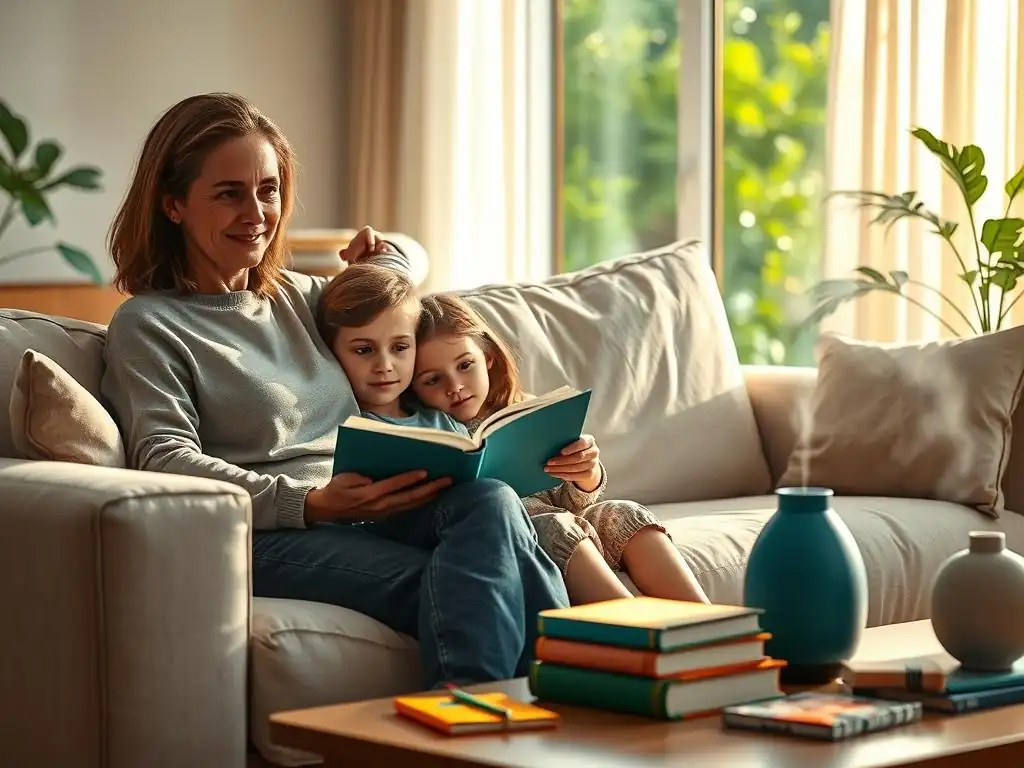
Welcome to Mind Care Guide, a space dedicated to nurturing your mental well-being.
Feeling overwhelmed trying to navigate the complexities of family dynamics when anxiety is in the mix? You're not alone. It's easy to focus solely on the anxious child, but what about their siblings? They often experience unique challenges. This article sheds light on that often-overlooked aspect, providing practical siblings anxiety support resources and guidance. Curious to understand how you can create a more supportive environment for all your children? Let's explore together...
Supporting the Whole Family: Helping Siblings of an Anxious Child
- Understanding the Impact of Childhood Anxiety on Siblings
- Providing Emotional Support for Siblings of Anxious Children
- Practical Strategies for Supporting Siblings
- Fostering Empathy and Understanding in Siblings
- Addressing Sibling Rivalry and Resentment
- Promoting Sibling Resilience and Well-being
- Resources for Siblings of Anxious Children: Where to Find Help
- The Importance of Parental Self-Care
- Creating a Balanced and Supportive Family Environment
-
Frequently Asked Questions
- What are some common signs that a sibling of an anxious child might also be experiencing anxiety?
- Why is it important to provide specific support to siblings of children with anxiety?
- What are some practical strategies parents can use to create a supportive environment for all their children?
- Where can families find "Siblings Anxiety Support Resources" specifically designed for siblings of children with anxiety?
- How can parents help siblings understand their anxious sibling's condition without feeling burdened by it?
- Final Reflection: The Ripple Effect of Anxiety: Supporting the Whole Family
- Unleash Your Family's Strength: Support Siblings Thrive
Understanding the Impact of Childhood Anxiety on Siblings
When a child struggles with anxiety, the ripple effect extends beyond their immediate experience, significantly influencing the entire family unit. While the primary focus is often on supporting the anxious child, it is crucial to acknowledge that siblings are also navigating a complex emotional landscape. They witness their brother or sister's distress, adapt to changes in family routines, and may even take on additional responsibilities or feel overlooked. Recognizing and addressing the unique challenges faced by siblings is a vital component of comprehensive family support.
This section delves into the multifaceted ways a child's anxiety can shape the family dynamic and how it specifically impacts their siblings. It explores the emotional toll, the potential for developing their own anxieties, and the common reactions that siblings exhibit. Understanding these dynamics is the first step in providing effective support and ensuring the well-being of every child in the family. Exploring siblings anxiety support resources becomes essential once these impacts are understood.
How a Child's Anxiety Affects the Entire Family Dynamic
A child's significant anxiety can fundamentally alter the rhythm and focus of family life. Parents may dedicate a substantial amount of time and energy to managing the anxious child's symptoms, attending appointments, and implementing therapeutic strategies. This increased focus, while necessary for the anxious child's well-being, can inadvertently shift attention away from other children in the household.
Family outings might be curtailed or modified to accommodate the anxious child's fears, holiday plans might be altered, or daily routines disrupted by panic attacks or avoidance behaviors. This constant adjustment and heightened parental stress can create an environment where siblings feel their needs are secondary.
Furthermore, the emotional atmosphere of the home can become charged with tension, worry, or frustration related to the anxiety. Siblings may witness distressing episodes, such as panic attacks or intense meltdowns, which can be frightening and confusing. They might feel pressure to "be good" or "not cause trouble" to avoid adding to their parents' burden.
This can lead to suppressed emotions and a sense of walking on eggshells, impacting their own emotional development and sense of security within the family structure. The availability of effective support resources for siblings dealing with a brother or sister's anxiety is paramount in mitigating these effects.
Siblings of anxious children are at a higher risk of developing their own anxiety or experiencing increased stress levels. This can manifest in various ways, such as increased worry about their anxious sibling's health or safety, heightened concern about their family's stability, or even developing similar anxious tendencies through modeling or shared environmental stress.
For instance, a study might show that siblings of children with chronic health conditions, including mental health issues, report higher levels of anxiety symptoms compared to children whose siblings do not have such conditions. While specific percentages vary depending on the study design and population, the trend indicates a significant impact.
This sibling anxiety might present as excessive worrying, difficulty sleeping, physical complaints (like stomach aches or headaches) with no apparent medical cause, or changes in behavior such as increased clinginess or irritability. They might internalize the family's stress and worry, leading to their own quiet battles with fear and uncertainty. Identifying these signs early is crucial.
Parents and caregivers need to be vigilant and recognize that a sibling's quiet withdrawal or sudden behavioral change could be a cry for support related to their brother or sister's anxiety. Seeking help for siblings of children with anxiety is a proactive step towards addressing these potential issues.
Common Sibling Reactions to a Sibling's Anxiety: Jealousy, Resentment, and Worry
Siblings of anxious children often experience a complex mix of emotions, including jealousy, resentment, and worry. Jealousy can arise from the perception that the anxious child receives disproportionate attention, resources, or special treatment. While parents are focused on meeting the anxious child's specific needs, a sibling might simply see it as favoritism, especially if the reasons for the extra attention are not clearly understood or if they feel their own needs are being neglected. This can be particularly challenging when the anxious child's symptoms disrupt activities the siblings enjoy together.
Resentment can build if siblings are expected to take on extra responsibilities, such as helping care for the anxious sibling or managing household chores that the anxious sibling cannot perform due to their condition. They might also resent the limitations placed on family activities or the constant need to "be quiet" or "not upset" their anxious sibling. Alongside these challenging emotions, siblings often feel genuine worry and concern for their brother or sister.
They may feel protective, scared for their well-being, and helpless to alleviate their suffering. Balancing these conflicting feelings is difficult for a child, highlighting the need for dedicated support resources for siblings dealing with anxiety.
Providing Emotional Support for Siblings of Anxious Children
Offering robust emotional support is fundamental to helping siblings navigate the challenges associated with having an anxious brother or sister. This support goes beyond simply acknowledging their presence; it involves actively creating an environment where their feelings are valued, understood, and validated. It requires dedicated effort to ensure they feel seen and heard amidst the focus on their sibling's needs. Effective siblings anxiety support resources often emphasize the importance of this emotional foundation.
This section outlines key strategies for providing this crucial emotional support. It covers establishing safe spaces for expression, the critical role of validating their emotions, and equipping them with their own tools to manage any anxiety they might experience. Implementing these approaches can significantly improve a sibling's emotional well-being and strengthen family bonds.
Creating a Safe Space for Siblings to Express Their Feelings
It is essential to create dedicated opportunities for siblings to talk openly about their experiences and emotions without fear of judgment or guilt. This doesn't always mean formal therapy sessions, though those can be beneficial. It can be as simple as setting aside 15-20 minutes each day for one-on-one time, perhaps during a walk, before bed, or while doing a quiet activity together.
During this time, the focus is solely on the sibling, allowing them to lead the conversation. Parents can use open-ended questions like, "How are you feeling about things lately?" or "Is there anything you'd like to talk about?"
The key is active listening. Avoid interrupting, offering quick solutions, or minimizing their feelings. Let them express anger, frustration, sadness, confusion, or any other emotion they are experiencing. Ensure they understand that all their feelings are valid and acceptable. This consistent practice builds trust and reinforces that their emotional well-being is a priority, even amidst the demands of caring for an anxious sibling. Providing this safe space is a core element of effective siblings anxiety support resources.
Validating Sibling Emotions: Acknowledging Their Experiences
Validating a sibling's emotions is about acknowledging and accepting what they are feeling, even if it's difficult to hear, such as jealousy or resentment. Phrases like, "It sounds like you're feeling frustrated when plans change because of [sibling's anxiety]," or "It's understandable that you might feel a little jealous when your brother needs extra help with his worries," can be incredibly powerful. Validation does not mean agreeing with negative behavior that might stem from these feelings, but it does mean recognizing the emotion itself as a legitimate response to their circumstances.
By validating their feelings, you communicate that you see their perspective and understand their struggles. This helps prevent them from internalizing difficult emotions or feeling guilty for having them. It opens the door for healthier coping and communication.
For example, instead of dismissing a complaint about unequal attention, a parent might say, "I hear you saying it feels unfair sometimes because [anxious sibling] needs a lot of our time. It's hard when you feel like you're not getting as much attention, and those feelings are okay." This approach fosters connection and encourages honest communication, paving the way for them to seek further help for siblings of children with anxiety if needed.
Teaching Siblings Coping Mechanisms for Dealing with Their Own Anxiety
Living in a household with anxiety can be stressful, and siblings may develop their own anxious tendencies or simply need tools to manage the stress they experience. Teaching them age-appropriate coping mechanisms empowers them and builds resilience. Simple techniques like deep breathing exercises, progressive muscle relaxation, or mindfulness activities can be taught and practiced together as a family. For instance, spending five minutes each evening practicing mindful breathing can become a calming family ritual.
Encourage activities that help them manage stress, such as physical exercise, creative pursuits like drawing or music, or spending time outdoors. Help them identify their own stress triggers and develop personal strategies for dealing with them. This might involve creating a "calm-down corner" with comforting items or teaching them positive self-talk. Equipping siblings with these tools not only helps them manage their own potential anxiety but also models healthy coping strategies, which are valuable skills for life. Many siblings anxiety support resources, including books and online materials, offer guidance on teaching these skills.
Practical Strategies for Supporting Siblings
Beyond emotional validation, practical strategies are essential for ensuring siblings of anxious children receive the support they need in tangible ways. These strategies focus on balancing family life, ensuring fair treatment, and involving siblings appropriately. Implementing these practical steps demonstrates commitment to their well-being and helps create a more equitable and harmonious family environment. Exploring practical support resources for siblings dealing with anxiety is a key step in this process.
This section outlines actionable steps parents can take to actively support siblings. It covers ensuring individual attention, establishing clear family communication about anxiety, and finding appropriate ways for siblings to be involved in supporting their anxious brother or sister without burdening them. These practical measures contribute significantly to the overall well-being of siblings.
Ensuring Fair Attention and Quality Time for Each Child
One of the most common challenges for siblings of anxious children is feeling overlooked due to the significant attention their anxious sibling requires. While equal attention may not always be possible in terms of time spent managing symptoms, fair attention means ensuring each child feels seen, heard, and valued individually. Schedule regular, dedicated one-on-one time with each sibling, even if it's just 15-30 minutes a few times a week. Let them choose the activity, whether it's playing a game, reading a book, or simply talking.
This dedicated time sends a powerful message that they are important and their relationship with you is valued independently of their sibling's needs. It provides an opportunity to connect, listen to their concerns, and celebrate their achievements. Aiming for fairness over strict equality is key; explain that fairness means everyone gets what they need, and sometimes needs differ. This consistent, individual attention is a crucial component of effective siblings anxiety support resources within the family unit.
Establishing Clear Communication About Anxiety Within the Family
Open and age-appropriate communication about anxiety is vital for the entire family, especially for siblings. Children are perceptive and will notice when a sibling is struggling or when family routines change. Without information, they may fill in the gaps with their own fearful or incorrect explanations. Explain anxiety in simple terms, using analogies they can understand. For instance, you might describe anxiety as a "worry monster" or a "storm in the brain."
Talk about what anxiety looks like for their sibling – specific fears or behaviors – without breaking confidentiality or sharing excessive detail. Explain that it's not the sibling's fault and that they are working hard to manage it. Encourage siblings to ask questions and answer them honestly and reassuringly. Establishing this open dialogue helps demystify anxiety, reduces fear and confusion, and prevents siblings from blaming themselves or their anxious sibling. Finding the right siblings anxiety support resources often starts with open family conversations.
Involving Siblings in Age-Appropriate Ways to Help Their Anxious Sibling
Involving siblings in supporting their anxious brother or sister can foster empathy and reduce feelings of helplessness, but it must be done carefully and age-appropriately to avoid burdening them. Younger siblings might be asked to help fetch a comfort item, like a favorite blanket, during a difficult moment. Older siblings could be encouraged to simply sit near their anxious sibling when they are feeling scared or include them in a quiet activity if they are able.
It is crucial to emphasize that the sibling is not responsible for "fixing" their anxious sibling's anxiety. Their role is one of support and kindness, not therapy. Offer them choices about how they want to be involved and respect their boundaries if they are not comfortable in a particular situation. This approach helps them feel like a valued part of the solution without the pressure of being a caregiver, which can be a significant source of resentment. Many siblings anxiety support resources offer guidance on how to facilitate this type of involvement.
Fostering Empathy and Understanding in Siblings

Cultivating empathy and understanding in siblings towards their anxious brother or sister is fundamental to building a supportive family environment. When siblings understand why their brother or sister behaves in certain ways, it can transform frustration or confusion into compassion. This understanding helps mitigate negative reactions like resentment and jealousy, fostering a more positive relationship. Developing empathy is a key outcome of utilizing effective siblings anxiety support resources.
This section focuses on strategies to educate siblings about anxiety, encourage compassionate responses, and address any misunderstandings or stigma they may encounter. By equipping siblings with knowledge and fostering a sense of shared humanity, families can build stronger bonds and mutual support.
Educating Siblings About Anxiety Disorders and Their Manifestations
Providing siblings with accurate, age-appropriate information about anxiety disorders is crucial. Explain that anxiety is a real mental health condition, not something the anxious sibling can simply "snap out of" or is doing on purpose to be difficult. Use simple language to describe common symptoms, such as intense worry, physical sensations like a racing heart or difficulty breathing, and avoidance behaviors. You might explain that their sibling's fear of specific situations, like going to school or being in a crowd, isn't a choice but a response driven by strong, uncomfortable feelings.
Comparing anxiety to a physical illness they might understand, like asthma or a broken leg, can help illustrate that it's a health issue requiring specific care and support. This education helps demystify the anxious sibling's behavior and provides a framework for understanding their actions, reducing confusion and potential conflict. Many siblings anxiety support resources, including books and online materials, are specifically designed to help children understand anxiety in their peers or siblings.
Encouraging Compassion and Patience Towards Their Anxious Sibling
Understanding the nature of anxiety lays the groundwork for compassion and patience. Once siblings grasp that their brother or sister is struggling with a challenging condition, they may be more inclined to respond with kindness rather than frustration. Encourage them to think about how their anxious sibling must feel when they are overwhelmed by fear. Ask questions like, "How do you think [sibling's name] feels when their worries get really big?" or "Imagine how scary it would be to feel like a monster was chasing you all the time."
Acknowledge and praise instances where siblings show patience, understanding, or offer support. Reinforce that being a supportive sibling is valuable and appreciated. Help them recognize that their anxious sibling's journey is challenging and requires time and effort. This positive reinforcement encourages continued compassionate behavior and strengthens the sibling bond. Cultivating this compassion is a vital aspect of providing help for siblings of children with anxiety.
Addressing Misconceptions and Stigma Associated with Anxiety
Siblings may encounter misconceptions about anxiety from peers, other family members, or even internalize societal stigma. It's important to openly discuss these potential issues. Explain that anxiety is common – affecting a significant percentage of children and adolescents at some point – and that seeking help is a sign of strength, not weakness. Counter any ideas that their sibling's anxiety is "fake," "attention-seeking," or something to be ashamed of.
Help siblings understand that they do not need to hide their sibling's condition, but they also have the right to privacy. Equip them with simple, factual ways to respond to questions from friends or others, if they choose to share. For example, they might say, "My brother has anxiety, which makes him worry a lot sometimes, but he's getting help." Addressing stigma directly helps siblings feel less isolated and more confident in supporting their brother or sister openly. Finding appropriate siblings anxiety support resources can also help them navigate these social complexities.
Addressing Sibling Rivalry and Resentment
Sibling rivalry is a normal part of family life, but it can be exacerbated when one child has significant needs like anxiety. Resentment, as discussed earlier, can also become a significant issue. Actively addressing these dynamics is crucial to maintaining healthy sibling relationships and a positive family environment. Effective siblings anxiety support resources often include strategies for managing these common family challenges.
This section provides strategies for identifying the root causes of sibling conflict, facilitating healthy conflict resolution, and emphasizing the importance of the siblings working together as a team. By proactively managing rivalry and resentment, parents can help siblings build a foundation of mutual respect and support.
Identifying and Addressing Underlying Causes of Sibling Conflict
When conflict arises between siblings, especially when one has anxiety, it's important to look beyond the surface issue. Is the fight truly about who gets to play with a toy, or is it rooted in a deeper feeling of unequal attention, frustration with altered plans, or stress related to the anxious sibling's condition? Pay close attention to patterns in their arguments. Do conflicts frequently occur after a particularly challenging episode with the anxious sibling? Do they seem to stem from perceived injustices related to rules or expectations?
Once potential underlying causes are identified, address them directly and empathetically. For example, if resentment over chores is an issue, acknowledge the sibling's feelings and explore ways to redistribute tasks fairly, perhaps involving the anxious sibling in tasks they can manage. If unequal attention is the root, reinforce dedicated one-on-one time. Addressing the cause rather than just the symptom of conflict is key to resolving deeper issues. This detective work is a crucial part of providing help for siblings of children with anxiety.
Facilitating Conflict Resolution Strategies Between Siblings
Teaching siblings healthy ways to resolve conflicts is a valuable life skill. When arguments occur, instead of immediately stepping in to dictate a solution, guide them through a resolution process. Encourage them to use "I" statements to express their feelings ("I feel frustrated when...") rather than blaming ("You always..."). Help them actively listen to each other's perspective, even when they disagree.
Teach them brainstorming techniques to find mutually agreeable solutions. This might involve taking turns, compromising, or finding alternative activities. Model calm and respectful communication during disagreements. While parental intervention may be necessary at times to ensure safety or fairness, the goal is to empower siblings to resolve their own minor conflicts independently, building their negotiation and problem-solving skills. Many siblings anxiety support resources offer scripts and strategies for parents to facilitate this process.
Emphasizing the Importance of Teamwork and Mutual Support
Frame the family's journey with anxiety as a team effort. Emphasize that everyone has a role to play in creating a supportive and loving home environment. Highlight instances where siblings work together or show kindness towards each other, reinforcing positive interactions. Use metaphors, such as a family being like a sports team or a puzzle where every piece is important.
Encourage activities that promote cooperation and shared positive experiences, like playing board games, working on a project together, or going on a family outing (adapted as needed for the anxious sibling). These shared moments build positive memories and strengthen the sibling bond, counteracting potential negativity stemming from the challenges of anxiety. Reinforcing the idea of being a team provides a powerful framework for siblings offering mutual support and utilizing siblings anxiety support resources together.
Promoting Sibling Resilience and Well-being
Beyond addressing the immediate impacts and challenges, actively promoting the overall resilience and well-being of siblings is essential for their long-term healthy development. This involves nurturing their individual identities, supporting their social lives, and building their confidence. Focusing on these aspects ensures that siblings thrive, not just survive, in a family where anxiety is present. Building resilience is a core outcome of utilizing effective siblings anxiety support resources.
This section outlines strategies for supporting siblings in developing their own strengths and interests, maintaining important social connections outside the family, and fostering a strong sense of self-worth. Prioritizing these areas contributes significantly to their overall mental and emotional health.
Encouraging Siblings to Pursue Their Own Interests and Hobbies
It is crucial that siblings have opportunities to develop their own interests and hobbies, separate from their anxious sibling and family dynamics related to anxiety. Encourage them to join clubs, participate in sports, take art classes, or pursue any activity they are passionate about. These activities provide outlets for stress, opportunities for personal growth, and a sense of identity independent of their role as a sibling to an anxious child.
Supporting their participation involves not only financial and logistical support but also genuine interest in their activities. Attend their games, go to their performances, or simply ask them about what they are learning or creating. This shows that their individual pursuits are valued and important. Having these separate interests provides a healthy balance and prevents their lives from being solely defined by their sibling's condition. Many siblings anxiety support resources highlight the importance of maintaining individual interests.
Maintaining strong social connections outside the family is vital for sibling well-being. Friendships provide peer support, a sense of belonging, and opportunities for typical childhood experiences that may sometimes be limited within the family due to anxiety. Encourage siblings to spend time with friends, whether it's playdates, sleepovers, or participating in group activities. Help facilitate these connections by offering rides or hosting friends at your home when possible.
Be mindful that siblings may need to discuss their family situation with friends, and support them in deciding how and what they feel comfortable sharing. Having a supportive peer group can be a significant buffer against stress and isolation. These friendships offer a crucial external support system, complementing the siblings anxiety support resources available within the family and through professional help.
Building Their Self-Esteem and Confidence
Siblings of anxious children may face unique challenges that can impact their self-esteem. They might feel responsible for their sibling's well-being, feel inadequate if they can't "fix" the anxiety, or feel less capable if they perceive their anxious sibling receives more attention or praise for managing their condition. Actively work to build the sibling's self-esteem by recognizing and celebrating their strengths, talents, and achievements.
Offer specific praise for their efforts and accomplishments, both big and small. Focus on their positive qualities – their kindness, resilience, creativity, or sense of humor. Encourage them to take on age-appropriate challenges and celebrate their successes. Reinforce that their worth is not tied to their sibling's condition or their ability to help manage it. Building their intrinsic confidence is essential for their overall mental health and their ability to navigate life's challenges, including those related to their family situation. This focus on individual strengths is a key aspect of comprehensive support resources for siblings dealing with anxiety.
Resources for Siblings of Anxious Children: Where to Find Help
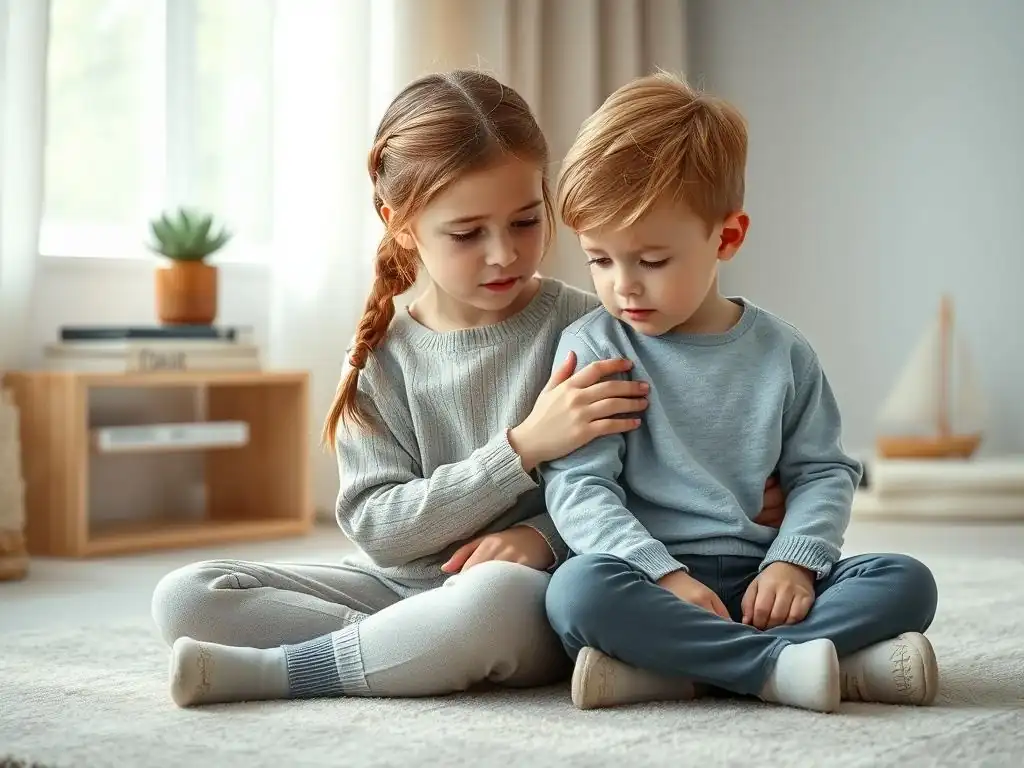
Finding external siblings anxiety support resources can provide invaluable support and guidance for both siblings and parents. These resources offer a different perspective, connect families with others facing similar challenges, and provide tailored information and tools. Accessing these resources is a proactive step towards ensuring siblings receive the specific help they need.
This section explores various types of support resources available for siblings of anxious children. It covers online communities, specialized literature, and professional therapy options. Knowing where to turn for help is crucial for navigating the complexities of supporting the whole family.
Online Support Groups and Forums for Siblings
Online support groups and forums specifically designed for siblings of children with mental health conditions, including anxiety, can provide a sense of community and validation. These platforms allow siblings (with appropriate parental supervision for younger children) to connect with peers who understand their unique experiences. They can share frustrations, offer advice, and find comfort in knowing they are not alone. For parents, there are often forums dedicated to discussing the challenges of supporting multiple children when one has significant needs.
While online interactions should not replace real-life connections, they can offer accessible and convenient support, especially for families in areas with limited local resources. It is important to ensure any online community is moderated and provides a safe environment for sharing. These online spaces are increasingly recognized as valuable siblings anxiety support resources.
Books and Articles Tailored to Siblings' Experiences
A growing number of books and articles are written specifically for siblings of children with anxiety or other mental health challenges. These resources can help siblings understand their feelings, learn coping strategies, and feel less isolated. Books often use relatable stories and characters to explain complex emotions and situations in a way that children can grasp.
Parents can read these books with their children, using them as a springboard for conversations about their own family's experiences. Articles can provide practical tips for parents on how to support siblings and address common issues like jealousy or resentment. Finding the right literature can be a simple yet effective way to provide support resources for siblings dealing with anxiety.
Therapy and Counseling Options for Siblings in Need of Support
Sometimes, siblings may require professional support to process their experiences and develop healthy coping mechanisms. Individual therapy can provide a safe and confidential space for a sibling to explore their feelings about their brother or sister's anxiety and the impact it has had on their life. A therapist can help them understand their emotions, build resilience, and develop strategies for managing stress or their own potential anxiety.
Family therapy can also be beneficial, involving the anxious child, siblings, and parents. This type of therapy can help improve communication, address family dynamics related to the anxiety, and strengthen support systems within the family unit. Recognizing when a sibling needs professional help is a sign of strong parental support, and accessing therapy is a key component of comprehensive siblings anxiety support resources.
The Importance of Parental Self-Care
Supporting a child with anxiety is demanding, and supporting their siblings while also managing the anxious child's needs can be incredibly draining. Parental burnout is a real risk, and it can significantly impact a parent's ability to effectively support any of their children. Prioritizing parental self-care is not selfish; it is a necessary foundation for being a present, patient, and effective caregiver for the entire family. Parental well-being is implicitly linked to the effectiveness of siblings anxiety support resources within the home.
This section highlights why parental self-care is non-negotiable. It discusses the importance of tending to your own mental and emotional needs, seeking external support for yourself, and modeling healthy coping behaviors for your children.
Prioritizing Your Own Mental and Emotional Well-being
It's easy for parents to put their own needs last when a child is struggling, but consistently neglecting your own mental and emotional health will eventually lead to exhaustion, increased stress, and potentially burnout. Make time for activities that help you recharge, even if it's just 15-20 minutes a day. This could be reading, exercising, meditating, spending time in nature, or pursuing a hobby.
Monitor your own stress levels and emotional state. Recognize the signs that you are feeling overwhelmed, such as increased irritability, difficulty sleeping, or withdrawing from social activities. Just as you would care for a physical illness, attend to your emotional needs proactively. This might involve practicing mindfulness, journaling, or simply allowing yourself moments of rest without guilt. Your capacity to provide siblings anxiety support resources is directly tied to your own well-being.
Seeking Support for Yourself to Better Support Your Children
You don't have to navigate the challenges of supporting a child with anxiety and their siblings alone. Seeking support for yourself is a sign of strength. This could involve talking to a trusted friend or family member, joining a parent support group for caregivers of children with mental health challenges, or seeking individual therapy or counseling.
A therapist can provide strategies for managing your own stress, coping with difficult emotions, and navigating complex family dynamics. Connecting with other parents who understand your situation can reduce feelings of isolation and provide practical advice and emotional encouragement. Accessing support for yourself allows you to be more emotionally available and resilient for all your children, enhancing your ability to utilize and provide siblings anxiety support resources.
Modeling Healthy Coping Strategies for the Entire Family
Children learn by observing their parents. By openly practicing healthy coping strategies, you provide a powerful example for all your children, including the siblings of the anxious child. When you feel stressed or overwhelmed, verbalize what you are feeling and how you are choosing to cope in a healthy way. For example, you might say, "I'm feeling really stressed right now, so I'm going to take a few deep breaths and then go for a short walk to clear my head."
Show them that it's okay to have difficult emotions and that there are constructive ways to manage them. This modeling is invaluable for building resilience in all your children and reinforces the importance of mental and emotional well-being as a family priority. Your self-care journey becomes a living example of how to utilize and benefit from support resources for siblings dealing with anxiety and general life stress.
Creating a Balanced and Supportive Family Environment
Ultimately, the goal is to create a family environment where every member feels secure, valued, and supported, regardless of individual challenges. A balanced and supportive atmosphere benefits the anxious child, helps their siblings thrive, and strengthens family bonds. This involves consistent effort to maintain structure, foster open communication, and promote a sense of belonging for everyone. Building this environment is the most comprehensive form of siblings anxiety support resources a family can provide.
This section summarizes key elements for fostering this positive family environment. It emphasizes consistency, open emotional expression, and nurturing a sense of unity, bringing together many of the strategies discussed throughout the article.
Establishing Consistent Routines and Expectations
Consistent routines provide a sense of predictability and security for all children, which is particularly beneficial in families navigating the unpredictability that anxiety can sometimes bring. Establish regular schedules for meals, homework, chores, playtime, and bedtime. While flexibility is sometimes necessary, maintaining a predictable structure helps reduce anxiety for the anxious child and provides a sense of stability for their siblings.
Clearly communicate expectations for behavior and responsibilities for each child, taking into account their age and individual abilities. Ensure rules are fair and applied consistently, addressing the sibling's potential perception of unequal treatment. Consistency in daily life and expectations contributes significantly to a feeling of safety and fairness within the family, which is foundational for effective siblings anxiety support resources.
Fostering Open Communication and Emotional Expression
Cultivate a family culture where open communication and emotional expression are encouraged and valued. Create regular opportunities for family discussions where everyone feels comfortable sharing their thoughts and feelings, including the challenges and triumphs related to the anxious sibling's journey and the siblings' own experiences. Use "feeling words" and encourage children to identify and express their emotions verbally.
Model healthy emotional expression yourself. Show your children how to express frustration, sadness, or joy in constructive ways. This open dialogue helps prevent emotions from being bottled up and allows issues to be addressed before they escalate. A family where emotions can be openly discussed is better equipped to provide and utilize support resources for siblings dealing with anxiety.
Promoting a Sense of Unity and Belonging
Reinforce the idea that the family is a team and that everyone belongs and is valued. Emphasize shared goals and mutual support. Celebrate family successes and navigate challenges together. Create family traditions and spend quality time together enjoying activities that everyone can participate in, adapting as needed to accommodate the anxious sibling's needs without excluding others unnecessarily.
Help siblings see their anxious brother or sister not just through the lens of their anxiety, but as a whole person with unique qualities and strengths. Encourage positive interactions and shared activities between siblings. Fostering a strong sense of unity and belonging ensures that no child feels isolated or less important, creating a resilient family unit where siblings anxiety support resources are integrated into the fabric of daily life.
Frequently Asked Questions
What are some common signs that a sibling of an anxious child might also be experiencing anxiety?
Common signs include increased irritability, withdrawal from family activities, and displaying physical symptoms like stomach aches or headaches without a clear medical cause.
Why is it important to provide specific support to siblings of children with anxiety?
It's crucial because these siblings often experience secondary stress and emotional neglect. They may feel overlooked or resentful, negatively impacting their own mental well-being.
What are some practical strategies parents can use to create a supportive environment for all their children?
Parents can implement regular family meetings to discuss feelings, ensure equal attention and affection is given to each child, and teach all children coping mechanisms for stress.
Where can families find "Siblings Anxiety Support Resources" specifically designed for siblings of children with anxiety?
Mind Care Guide offers a variety of "Siblings Anxiety Support Resources", including articles, workshops, and links to external organizations specializing in sibling support.
How can parents help siblings understand their anxious sibling's condition without feeling burdened by it?
Parents can educate siblings about anxiety in an age-appropriate manner, emphasizing that it's a medical condition and not a deliberate choice. They should also set clear boundaries to prevent siblings from becoming solely responsible for managing their anxious sibling's emotions.
Final Reflection: The Ripple Effect of Anxiety: Supporting the Whole Family
The anxieties of one child often don't stay contained within a single individual; they ripple outwards, impacting the entire family unit. Understanding this ripple effect is crucial, not just for the child struggling with anxiety, but for their siblings who often bear a silent, unseen burden. This article has highlighted the unique challenges faced by siblings of anxious children, emphasizing the need for proactive support and understanding.
The impact of a child's anxiety on their siblings is profound and often underestimated. It can manifest in various ways, from increased stress and behavioral changes to feelings of guilt, responsibility, and isolation. The family is the first and most important environment for the development of the child's personality.
This quote underscores the interconnectedness within the family system, highlighting how the well-being of one member directly affects the others. Ignoring the needs of siblings in such situations risks perpetuating a cycle of stress and anxiety, impacting their emotional development and future well-being.
You, as a parent, caregiver, or concerned individual, now hold the power to make a difference. Take the time to actively listen to your children, create open communication channels, and seek professional guidance when needed. Remember, providing support for siblings isn't just about alleviating their current struggles; it's about fostering resilience, empathy, and a stronger family bond that can withstand future challenges. Let's work together to create a more supportive and understanding environment for all children, ensuring that no sibling feels alone in navigating the complexities of family life.
Unleash Your Family's Strength: Support Siblings Thrive
Thanks for taking the time to learn about supporting the siblings of an anxious child. You've gained valuable insights into their unique needs and how to foster their well-being. Now, let's put this knowledge into action!
- Prioritize one small, positive change: This week, focus on implementing just one of the strategies discussed – perhaps scheduling special sibling time or having an open conversation about feelings. Small steps lead to big changes!
- Share this knowledge: Help other parents facing similar challenges. Share this article on social media or with a friend who might benefit from these tips. Let's build a supportive community together!
- Explore additional resources: Dive deeper into sibling support through online forums or local family support groups. Discovering new perspectives can make a significant impact.
Ready to make a difference in your family's life? What small step will you take today to nurture your children’s wellbeing?