
Tailoring Treatment: Choosing the Right Therapy for Senior Anxiety

Welcome to Mind Care Guide, a compassionate space dedicated to nurturing your mental well-being. Feeling overwhelmed by anxiety, especially as a senior, can feel isolating. That's why we've created this resource. Are you seeking effective ways to manage anxiety in your later years? Explore our comprehensive guide on Senior Anxiety Therapy Options and discover the tailored support that can help you reclaim peace of mind. Let's embark on this journey to better mental health together.
Tailoring Treatment: Choosing the Right Therapy for Senior Anxiety
- Understanding Anxiety in Older Adults
- Exploring Senior Anxiety Therapy Options
- Talk Therapy for Seniors: Effective Approaches
- Medication Management for Anxiety in Seniors
- Alternative and Complementary Therapies for Senior Anxiety
- Lifestyle Adjustments to Manage Anxiety in Older Adults
- Finding the Right Senior Anxiety Therapy
- Supporting a Senior Loved One Through Anxiety Treatment
- The Future of Senior Anxiety Treatment
- Conclusion: Empowering Seniors to Overcome Anxiety
-
Frequently Asked Questions
- How does anxiety manifest differently in seniors compared to younger adults?
- What are some common causes of anxiety in older adults, and how do therapy options address them?
- What types of therapy are considered particularly effective for seniors experiencing anxiety?
- How can family members support a senior loved one who is undergoing anxiety therapy?
- Are there specific considerations when choosing a therapist for a senior with anxiety?
- Final Reflection: Navigating the Labyrinth of Senior Anxiety
- Uncover Your Path to Calmer Days: Next Steps for Senior Anxiety
Understanding Anxiety in Older Adults
The Unique Landscape of Senior Anxiety
Anxiety in older adults is a significant concern, often presenting within a unique landscape shaped by the aging process and associated life changes. Unlike anxiety in younger populations, senior anxiety is frequently intertwined with age-related factors such as the loss of loved ones, declining physical health, reduced mobility, financial instability following retirement, and changes in social roles and networks.
It's estimated that anxiety disorders affect between 10% and 20% of older adults living in the community, a prevalence rate that underscores the importance of understanding its specific context in this age group. The cumulative effect of multiple stressors, combined with potential changes in brain chemistry and physical health, creates a complex picture where anxiety can significantly impair quality of life.
Furthermore, the unique landscape includes the tendency for seniors to underreport mental health symptoms due to stigma, generational attitudes towards mental illness, or the belief that anxiety is a normal part of aging. This can lead to delayed diagnosis and treatment. For example, an older adult might attribute their persistent worry, restlessness, and fatigue solely to physical health issues or just "getting old," rather than recognizing them as symptoms of an anxiety disorder.
The healthcare system itself can also contribute to this landscape, with busy primary care physicians sometimes overlooking or misinterpreting anxiety symptoms, especially when overshadowed by multiple physical health complaints. Addressing senior anxiety therapy options requires acknowledging these specific challenges.
Recognizing the Symptoms of Anxiety in Older Adults
Recognizing anxiety symptoms in older adults can be challenging because they may differ from typical presentations seen in younger individuals and can overlap with symptoms of medical conditions or cognitive decline. Common emotional and cognitive signs include excessive worry about everyday things, feeling agitated or restless, difficulty concentrating, and irritability. However, seniors might also express anxiety primarily through physical symptoms, such as unexplained aches and pains, fatigue, shortness of breath, dizziness, headaches, or digestive issues. These physical complaints are often the first or only symptoms reported, sometimes leading to extensive medical workups before anxiety is considered.
Behavioral symptoms can also be indicative, including avoiding social situations or activities they once enjoyed, changes in sleep patterns (difficulty falling asleep, staying asleep, or restless sleep), increased reliance on others, or repetitive checking behaviors. For instance, an older adult with health anxiety might repeatedly check their pulse or avoid leaving the house for fear of a medical emergency. It's crucial for caregivers and healthcare providers to be attuned to these varied presentations.
Distinguishing anxiety from conditions like depression, which often co-occurs, or early-stage dementia, which can share symptoms like confusion or irritability, requires careful assessment. Understanding these specific symptom patterns is the first step toward exploring effective senior anxiety therapy options.
Why Senior Anxiety Requires Specialized Treatment Approaches
Treating anxiety in older adults necessitates specialized approaches that consider the unique physiological, psychological, and social factors at play. Standard adult treatment protocols often need modification. Physiologically, older adults may metabolize medications differently, increasing the risk of side effects and drug interactions, particularly given the high rates of polypharmacy (taking multiple medications) in this population. A treatment plan must carefully consider existing medical conditions like heart disease, diabetes, or cognitive impairment, which can be exacerbated by or mimic anxiety symptoms, and can interact with potential treatments.
Psychologically, therapeutic approaches may need to be adapted to account for potential sensory deficits (hearing or vision loss), slower processing speed in some individuals, or specific life experiences and coping styles developed over decades. Therapies might need to proceed at a slower pace, use larger print materials, or incorporate memory aids. Socially, treatment should consider the individual's living situation, support network, and access to care.
For example, transportation difficulties or social isolation can impact the feasibility and effectiveness of in-person therapy. Therefore, effective senior anxiety therapy options must be tailored to the individual's specific health status, cognitive abilities, and life circumstances, often requiring a multidisciplinary approach involving various healthcare providers.
Exploring Senior Anxiety Therapy Options
The Importance of Personalized Treatment Plans
Given the complexity and heterogeneity of anxiety in older adults, a one-size-fits-all approach to treatment is ineffective and potentially harmful. The importance of personalized treatment plans cannot be overstated. Each senior presents with a unique combination of symptoms, underlying causes, co-occurring medical conditions, cognitive status, social support, and personal preferences. A tailored plan begins with a thorough assessment that goes beyond simply diagnosing an anxiety disorder to understand the specific factors contributing to the individual's distress. This might involve evaluating physical health, cognitive function, medication list, social environment, and life history.
A personalized plan integrates the most suitable senior anxiety therapy options, which could include talk therapy, medication, lifestyle changes, or a combination thereof. For example, an older adult with mild anxiety and good cognitive function might benefit greatly from Cognitive Behavioral Therapy (CBT), while someone with severe anxiety, multiple health issues, and limited mobility might require a combination of medication management and home-based therapy or telehealth.
The individual's goals, values, and readiness for change should guide the selection and implementation of interventions, ensuring the plan is not only clinically effective but also feasible and acceptable to the senior. Regular review and adjustment of the plan based on the individual's response and changing circumstances are also critical components of personalized care.
Factors to Consider When Choosing a Therapy
Selecting the most appropriate senior anxiety therapy options involves carefully considering several factors. Firstly, the nature and severity of the anxiety symptoms are paramount; generalized anxiety might respond differently than panic disorder or specific phobias. Co-occurring conditions, both physical and mental (such as depression or dementia), significantly influence treatment choice, as some therapies or medications may be contraindicated or require modification. The individual's cognitive function is another critical factor; while many therapies like CBT can be adapted, significant cognitive impairment might make some approaches less effective or require simplified techniques.
Medication use is a major consideration; a comprehensive review of all current prescriptions is essential to identify potential drug interactions or side effects that could worsen anxiety or interfere with treatment. The senior's preferences, values, and previous experiences with mental health treatment should also be respected and incorporated into the decision-making process.
Access to care, including geographical location, transportation, financial resources, and the availability of specialists trained in geriatric mental health, will also shape the available senior anxiety therapy options. Finally, the presence and involvement of a supportive caregiver or family member can significantly impact treatment adherence and success, and their capacity to assist should be factored in.
Talk Therapy for Seniors: Effective Approaches
Cognitive Behavioral Therapy (CBT) for Senior Anxiety
Cognitive Behavioral Therapy (CBT) is widely recognized as one of the most effective senior anxiety therapy options. It operates on the principle that our thoughts, feelings, and behaviors are interconnected, and by identifying and changing unhelpful thought patterns and behaviors, individuals can reduce their anxiety. For older adults, CBT is often adapted to be more concrete, structured, and potentially slower-paced, with sessions focusing on current problems rather than extensive exploration of the past. Therapists help seniors identify specific worries (e.g., about falling, health, or finances) and challenge the underlying irrational or catastrophic thoughts.
CBT for seniors might involve learning relaxation techniques, developing coping strategies for difficult situations, and gradually engaging in activities that have been avoided due to anxiety (exposure therapy, adapted for safety and physical limitations). For example, an older adult with social anxiety might set small, achievable goals like calling a friend or attending a local group meeting. Research has shown that CBT can be highly effective in reducing symptoms of generalized anxiety disorder, panic disorder, and specific phobias in older adults, with benefits often maintained over time.
A study published in the American Journal of Geriatric Psychiatry found that older adults receiving adapted CBT for generalized anxiety experienced significant reductions in worry and anxiety symptoms compared to a control group, with improvements lasting for several months post-treatment. This highlights the value of CBT among senior anxiety therapy options.
Acceptance and Commitment Therapy (ACT) for Older Adults
Acceptance and Commitment Therapy (ACT) is another valuable approach among senior anxiety therapy options. ACT helps individuals develop psychological flexibility by teaching them to accept difficult thoughts and feelings rather than fighting against them, commit to personal values, and take action aligned with those values. For older adults facing inevitable life changes and losses, the emphasis on acceptance can be particularly relevant. Instead of trying to eliminate anxiety entirely, ACT encourages seniors to notice their anxious thoughts and feelings without judgment and choose to engage in meaningful activities despite feeling anxious.
ACT utilizes mindfulness techniques to help seniors stay present and connected to their current experience, reducing rumination on past worries or fears about the future. It also helps individuals identify what truly matters to them (e.g., spending time with family, pursuing a hobby) and set goals based on these values.
For an older adult experiencing anxiety related to declining health, ACT might involve accepting the physical limitations while committing to engaging in modified activities that bring joy or connection, such as gentle exercises or virtual social gatherings. Studies, while perhaps less numerous than for CBT in this specific population, suggest that ACT can be beneficial for chronic health conditions and associated emotional distress, making it a promising approach within the spectrum of senior anxiety therapy options.
Psychodynamic Therapy for Seniors
Psychodynamic therapy, while traditionally focused on exploring past experiences, can also be adapted as one of the senior anxiety therapy options. This approach helps individuals understand how unresolved past conflicts or relationship patterns might contribute to current anxiety. For older adults, who have accumulated a lifetime of experiences, exploring significant life events, losses, and relationships can provide valuable insight into the roots of their distress. The therapy focuses on identifying recurring themes, understanding defense mechanisms, and processing emotions related to past trauma or difficult relationships.
Adapted psychodynamic therapy for seniors often involves a more flexible and supportive approach, focusing on current relationship dynamics and emotional states as they relate to past experiences. It can be particularly helpful for older adults whose anxiety is linked to grief, loss, or complex family dynamics. While less evidence-based for pure anxiety disorders compared to CBT or ACT, it can be beneficial for seniors with co-occurring depression or relationship difficulties.
The therapeutic relationship itself is often a key component, providing a stable and supportive connection for individuals who may be experiencing isolation. This approach adds depth to the available senior anxiety therapy options by addressing underlying emotional factors.
Interpersonal Therapy (IPT) for Older Adults
Interpersonal Therapy (IPT) is an evidence-based therapy that focuses on how interpersonal relationships and social roles affect mental health. It is primarily used for depression but has shown promise as one of the senior anxiety therapy options, particularly when anxiety is triggered or exacerbated by interpersonal issues. For older adults, common interpersonal challenges include grief over the loss of a spouse or friends, role transitions (like retirement or becoming a caregiver), interpersonal disputes, and social isolation. IPT helps seniors identify which of these areas are contributing to their anxiety.
Working with a therapist, older adults in IPT explore their current interpersonal difficulties and learn strategies to improve communication, build social support, and navigate challenging relationships or life transitions. For example, an older adult struggling with anxiety after retirement might work on developing new social roles and connections outside of their former workplace.
IPT is typically a time-limited therapy, often delivered over 12-16 sessions, making it a structured approach. Research on IPT for older adults, particularly in the context of depression which often co-occurs with anxiety, indicates its effectiveness in improving mood and social functioning, suggesting its potential utility among senior anxiety therapy options when interpersonal factors are prominent.
Medication Management for Anxiety in Seniors
Understanding the Role of Medication
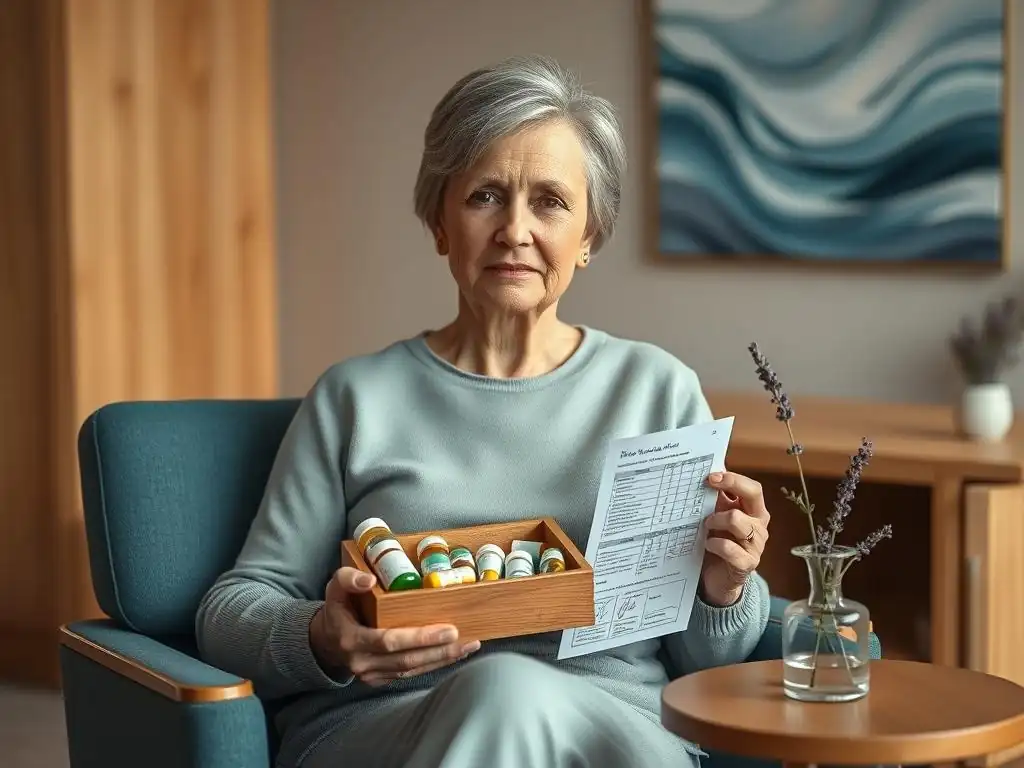
Medication can play a significant role in managing senior anxiety, particularly for moderate to severe symptoms or when talk therapy alone is insufficient. However, the use of psychotropic medications in older adults requires careful consideration due to age-related physiological changes, potential drug interactions, and increased sensitivity to side effects.
Medication is often used as part of a comprehensive treatment plan that also includes therapy and lifestyle adjustments, rather than as a standalone solution. The goal is typically to reduce the severity of anxiety symptoms to a level that allows the individual to engage more effectively in other forms of therapy and improve their overall functioning and quality of life.
For many older adults, a low dose of medication may be effective, and the principle of "start low, go slow" is paramount. This involves beginning with the lowest possible dose and gradually increasing it only if needed and well-tolerated. The choice of medication depends on the specific type of anxiety disorder, co-occurring medical conditions, other medications being taken, and potential side effect profiles.
While medication can provide relief from debilitating anxiety, it's essential for both the senior and their caregivers to understand the purpose of the medication, expected benefits, and potential risks. Medication management is a critical component to consider within the broader discussion of senior anxiety therapy options.
Common Anti-Anxiety Medications and Potential Side Effects
Several classes of medications are used to treat anxiety in older adults, though some are preferred over others due to safety profiles. Selective Serotonin Reuptake Inhibitors (SSRIs) and Serotonin-Norepinephrine Reuptake Inhibitors (SNRIs), which are also commonly used for depression, are often considered first-line treatments for various anxiety disorders in seniors. Examples include escitalopram, sertraline, and venlafaxine.
These medications work by affecting neurotransmitters in the brain and generally have a lower risk of dependence compared to older anti-anxiety drugs. Potential side effects can include nausea, sleep disturbances, dizziness, or sexual dysfunction, though these often diminish over time. However, in older adults, there's also a need to monitor for hyponatremia (low sodium levels) or increased risk of falls with some agents.
Benzodiazepines (e.g., lorazepam, alprazolam) are another class of medication that can provide rapid relief from acute anxiety symptoms. However, their use in older adults is generally discouraged for long-term management due to significant risks. These risks include sedation, cognitive impairment (which can mimic dementia), increased risk of falls and fractures, and the potential for dependence and withdrawal symptoms.
If used, they should be prescribed at the lowest effective dose for the shortest possible duration. Other options might include buspirone, which is less sedating and has a lower risk of dependence, or even certain beta-blockers for performance anxiety. Careful selection and monitoring are crucial when considering medication as part of senior anxiety therapy options.
The Importance of Regular Monitoring and Communication
Effective medication management for senior anxiety relies heavily on regular monitoring and open communication between the senior, their caregivers, and the prescribing physician. Older adults may be more susceptible to medication side effects and drug interactions, and their response to treatment can change over time. Therefore, scheduled follow-up appointments are essential to assess the medication's effectiveness, identify any adverse effects, and make necessary dosage adjustments. Monitoring may involve checking vital signs, assessing cognitive function, and inquiring specifically about symptoms and side effects.
Communication is key to successful treatment. Seniors or their caregivers should feel empowered to report any concerns, changes in symptoms, or suspected side effects promptly. This includes symptoms like increased confusion, dizziness, changes in sleep, or worsening anxiety.
Physicians should explain the treatment plan clearly, including the name of the medication, dosage, how and when to take it, potential side effects to watch for, and what to do if a dose is missed. A medication list should be regularly reviewed. This collaborative approach ensures that medication remains a safe and effective component of the overall senior anxiety therapy options being utilized.
Alternative and Complementary Therapies for Senior Anxiety
Mindfulness and Meditation for Anxiety Reduction
Mindfulness and meditation practices offer valuable alternative and complementary senior anxiety therapy options. These techniques involve focusing attention on the present moment without judgment, which can help older adults detach from anxious thoughts about the past or future. Gentle forms of mindfulness meditation, guided imagery, or body scans can be easily adapted for seniors, including those with mobility issues. Regular practice can help cultivate a sense of calm, reduce physiological arousal associated with anxiety (like rapid heart rate or muscle tension), and improve emotional regulation.
Implementing mindfulness can be as simple as practicing mindful breathing for a few minutes each day or paying attention to sensations while eating or walking. These practices are non-pharmacological and have a low risk of adverse effects, making them appealing for older adults, especially those with multiple health conditions. Studies have shown that mindfulness-based interventions can lead to significant reductions in anxiety and stress levels in older adults, improving psychological well-being.
For instance, participation in an 8-week mindfulness program has been shown to decrease anxiety symptoms in older adults with generalized anxiety disorder. Integrating mindfulness into daily routines can be a powerful addition to traditional senior anxiety therapy options.
Yoga and Tai Chi for Physical and Mental Well-being
Gentle physical activities like yoga and Tai Chi are excellent complementary senior anxiety therapy options, addressing both physical and mental well-being. These practices combine slow, deliberate movements with deep breathing and mindfulness, promoting relaxation and reducing stress. Yoga adapted for seniors often involves chair-based poses or modified standing poses to ensure safety and accessibility, improving flexibility, balance, and strength. Tai Chi, known as "meditation in motion," involves a series of flowing movements that enhance balance, coordination, and body awareness while calming the mind.
Regular participation in yoga or Tai Chi has been shown to reduce anxiety and improve mood in older adults. The physical activity itself releases endorphins, which have mood-boosting effects, while the focus on breath and movement helps interrupt anxious thought cycles. A meta-analysis of studies on Tai Chi found it to be effective in reducing symptoms of anxiety and depression in older adults. These practices also offer social benefits if done in a group setting, combating isolation. By incorporating physical activity into their routine, seniors can access a holistic approach within their senior anxiety therapy options.
Art and Music Therapy as Creative Outlets
Art and music therapy provide creative and non-verbal avenues for older adults to express emotions, reduce stress, and alleviate anxiety. These therapies do not require artistic or musical talent, focusing instead on the process of creation and engagement. Art therapy might involve painting, drawing, sculpting, or collage, allowing seniors to explore feelings that may be difficult to articulate verbally. Music therapy can involve listening to music, singing, playing simple instruments, or composing, tapping into music's powerful ability to evoke emotions and memories.
For seniors experiencing anxiety, engaging in art or music can be a calming and grounding experience. It provides a distraction from worries, fosters a sense of accomplishment, and can facilitate emotional processing. For example, an older adult might find solace in painting abstract representations of their feelings or find comfort in listening to familiar melodies.
These therapies can be particularly beneficial for seniors with cognitive or communication challenges. While research specifically on art and music therapy for senior anxiety is growing, studies in broader populations and related conditions like dementia suggest benefits in terms of mood improvement, stress reduction, and enhanced quality of life, making them valuable additions to senior anxiety therapy options.
Pet Therapy and Animal-Assisted Interventions
Pet therapy, or animal-assisted intervention, utilizes the human-animal bond to promote healing and well-being, offering a unique and often joyful addition to senior anxiety therapy options. Interacting with friendly animals, such as dogs or cats, has been shown to lower blood pressure, reduce stress hormones like cortisol, and increase the release of endorphins. For older adults, especially those in assisted living or nursing homes, brief visits from therapy animals can provide comfort, reduce feelings of loneliness and isolation, and significantly decrease anxiety levels.
These interactions offer unconditional affection and a sense of connection, which can be particularly impactful for seniors who have experienced loss or have limited social contact. Petting an animal, watching them play, or simply having them nearby can create a calming effect. Many facilities now incorporate regular pet therapy sessions into their activities programs. While not a standalone treatment, animal-assisted interventions can be a valuable complementary strategy to improve mood, reduce agitation, and enhance overall emotional well-being for older adults managing anxiety, offering a gentle yet effective option within senior anxiety therapy options.
Lifestyle Adjustments to Manage Anxiety in Older Adults
The Importance of Regular Exercise
Regular physical activity is a cornerstone of managing anxiety and improving overall health at any age, and it is a particularly important lifestyle adjustment among senior anxiety therapy options. Exercise has a profound impact on mental well-being by releasing endorphins, reducing stress hormones, improving sleep, and boosting self-esteem. For older adults, incorporating regular, moderate exercise into their routine can significantly decrease anxiety symptoms. This doesn't necessarily mean strenuous workouts; activities like brisk walking, swimming, cycling, or even gardening can be highly beneficial.
The key is consistency and finding activities that the senior enjoys and can safely perform. Aiming for at least 150 minutes of moderate-intensity aerobic activity per week, as recommended by health guidelines, can make a substantial difference. For example, walking for 30 minutes most days of the week can help reduce tension and improve mood. Exercise also provides a healthy distraction from worries and can improve physical health, which in turn can alleviate health-related anxiety. Encouraging and facilitating regular physical activity is a vital part of supporting seniors in managing their anxiety.
Nutritional Considerations for Anxiety Management
While not a direct cure, paying attention to nutrition can be a helpful complementary strategy within senior anxiety therapy options. A balanced diet supports overall brain health and can influence mood and energy levels. For older adults, ensuring adequate intake of essential nutrients is crucial, as poor nutrition can sometimes exacerbate feelings of fatigue and irritability associated with anxiety. Focusing on whole foods, fruits, vegetables, lean proteins, and healthy fats is generally recommended.
Specific nutritional considerations for anxiety might include ensuring sufficient intake of omega-3 fatty acids (found in fish, flaxseeds), which are important for brain function, and B vitamins, which play a role in neurotransmitter production. Limiting caffeine and alcohol intake is also often advised, as both can trigger or worsen anxiety symptoms in some individuals.
Maintaining stable blood sugar levels by eating regular meals and avoiding excessive sugar intake can also help prevent mood swings and energy crashes that might contribute to anxiety. Consulting with a doctor or a registered dietitian can help tailor nutritional advice to the individual senior's needs and any existing health conditions.
Sleep Hygiene Strategies to Improve Anxiety
Anxiety and sleep problems often go hand-in-hand, creating a vicious cycle where anxiety disrupts sleep, and lack of sleep worsens anxiety. Implementing good sleep hygiene strategies is therefore a critical lifestyle adjustment among senior anxiety therapy options. This involves establishing consistent sleep patterns, creating a relaxing bedtime routine, and optimizing the sleep environment. Older adults may experience changes in sleep architecture, but many sleep problems are behavioral or environmental.
Strategies include going to bed and waking up at the same time each day, even on weekends, to regulate the body's internal clock. The bedroom should be dark, quiet, and cool. Avoiding screens (phones, tablets, TVs) in the hour before bed, limiting naps during the day, and avoiding heavy meals, caffeine, or alcohol close to bedtime can also improve sleep quality.
If anxiety is keeping a senior awake, techniques like progressive muscle relaxation or guided imagery before bed can be helpful. Improving sleep quality can lead to a significant reduction in anxiety symptoms, making it a vital component of managing senior anxiety.
Social isolation is a significant risk factor for both anxiety and depression in older adults. Maintaining social connections and avoiding isolation is thus a crucial lifestyle adjustment and a key component supporting senior anxiety therapy options. Retirement, loss of spouse or friends, and reduced mobility can all contribute to shrinking social circles. Engaging in regular social activities provides emotional support, a sense of belonging, opportunities for enjoyable interactions, and a distraction from worries.
Encouraging seniors to stay connected can involve various activities: participating in community groups, volunteering, joining clubs based on interests, attending religious services, spending time with family and friends, or utilizing technology like video calls to connect with distant loved ones. Even brief, regular social interactions can make a difference. For older adults with social anxiety, starting small with low-pressure interactions and gradually increasing engagement can be beneficial. Addressing and mitigating social isolation is not just a lifestyle change; it's a fundamental aspect of supporting mental well-being and enhancing the effectiveness of any senior anxiety therapy options.
Finding the Right Senior Anxiety Therapy
Step 1: Consulting with a Geriatric Mental Health Specialist
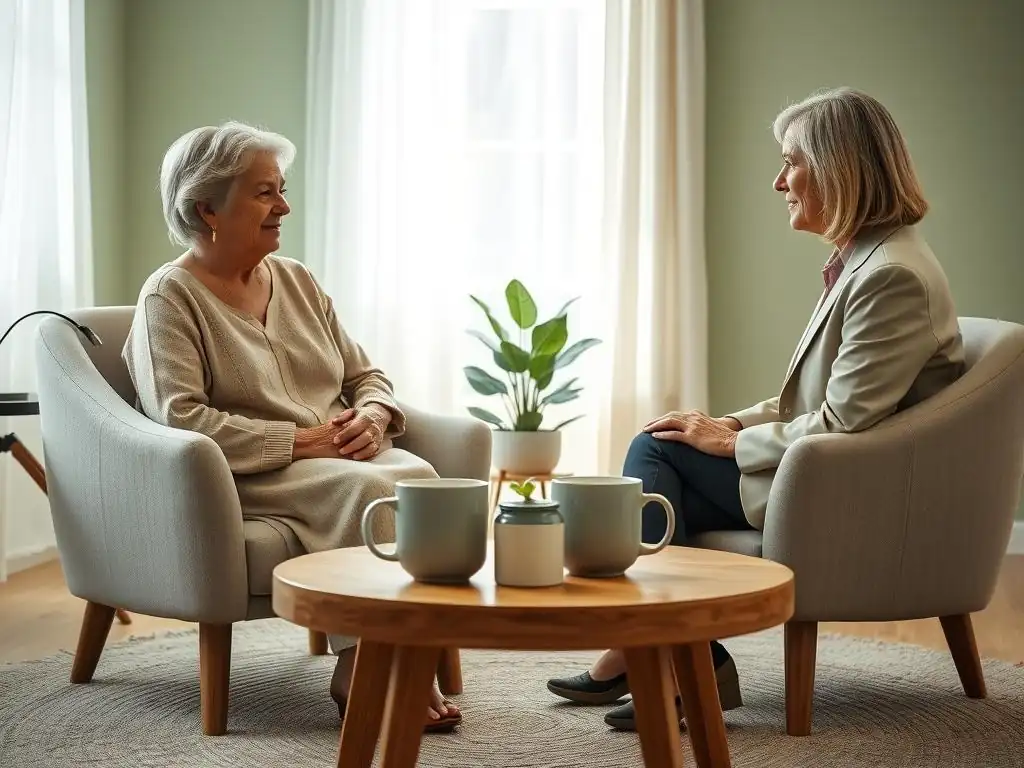
The first and arguably most crucial step in finding the right senior anxiety therapy is consulting with a healthcare professional specializing in geriatric mental health or a physician with expertise in treating older adults. Geriatric specialists possess a deep understanding of the unique physiological, psychological, and social factors that influence mental health in later life. They are equipped to differentiate anxiety symptoms from those of medical conditions or cognitive decline and are knowledgeable about adapting treatments for this population.
- Schedule an appointment with a primary care physician experienced in geriatric care or ask for a referral to a geriatric psychiatrist, psychologist, or licensed clinical social worker.
- Prepare a list of symptoms, their duration, intensity, and any potential triggers.
- Bring a list of all current medications, including over-the-counter drugs and supplements.
- Be open to discussing physical health, lifestyle, social situation, and any recent life changes.
A specialist can provide an accurate diagnosis, rule out other potential causes for symptoms, and guide the initial exploration of appropriate senior anxiety therapy options.
Step 2: Comprehensive Assessment and Diagnosis
Following the initial consultation, a comprehensive assessment is necessary to understand the full picture of the senior's health and circumstances. This process goes beyond a simple symptom checklist. It typically involves a detailed clinical interview covering the history of anxiety, physical health status, cognitive screening, review of medications, social support evaluation, and assessment of functional abilities. Standardized rating scales for anxiety (like the GAD-7 or the Geriatric Anxiety Inventory) may be used, but these are interpreted in the context of the individual's overall health.
The assessment aims to identify potential contributing factors to the anxiety, such as underlying medical conditions (e.g., thyroid problems, heart issues), medication side effects, substance use (including alcohol), and specific stressors or life events. It also helps determine the severity of the anxiety and whether other conditions, like depression or cognitive impairment, are present. A thorough assessment is foundational for developing an effective and safe treatment plan tailored to the individual, ensuring that the chosen senior anxiety therapy options address all relevant factors.
Step 3: Developing a Personalized Treatment Plan
Based on the comprehensive assessment, the mental health professional collaborates with the senior and, often, their caregivers to develop a personalized treatment plan. This plan outlines the recommended senior anxiety therapy options, which might include one or more types of talk therapy, medication (if appropriate), lifestyle adjustments, and complementary therapies. The plan should be realistic, considering the senior's physical health, cognitive abilities, preferences, and access to resources.
For instance, the plan might specify starting with adapted CBT sessions, incorporating daily walking, and scheduling a follow-up for medication review if symptoms don't improve after a certain period. Goals are set collaboratively, focusing on reducing specific symptoms and improving functioning and quality of life. The rationale for each component of the plan should be clearly explained to the senior and their family, empowering them to participate actively in the treatment process. This collaborative development ensures the plan is not just clinically sound but also acceptable and feasible for the individual.
Step 4: Ongoing Monitoring and Adjustments
Treatment for senior anxiety is not a static process; it requires ongoing monitoring and adjustments. Regular follow-up appointments with the mental health professional are essential to track progress, assess the effectiveness of the chosen senior anxiety therapy options, identify any challenges or side effects, and make necessary modifications to the treatment plan. The frequency of these appointments will depend on the severity of the anxiety and the complexity of the treatment.
Monitoring involves discussing how the senior is feeling, whether symptoms have improved, if they are adhering to the treatment plan (attending therapy, taking medication as prescribed), and if they are experiencing any side effects from medication or difficulties with therapy techniques. Based on this feedback and the senior's response, the therapist or physician may adjust medication dosages, modify therapeutic approaches, or incorporate new strategies. This iterative process of monitoring and adjustment is crucial to ensuring the senior receives the most effective care and achieves the best possible outcomes in managing their anxiety.
Supporting a Senior Loved One Through Anxiety Treatment
Recognizing the Signs That a Senior Needs Help
Recognizing that a senior loved one needs help with anxiety can be challenging, as they may hide their distress or attribute symptoms to other causes. Pay attention to changes in behavior, mood, and physical health. Persistent worry that seems out of proportion to the situation, increased irritability or restlessness, difficulty concentrating, and fatigue are common indicators. Physical complaints like headaches, digestive issues, or unexplained pains that don't have a clear medical cause might also signal anxiety.
Behavioral signs could include withdrawing from social activities, avoiding situations they used to enjoy, increased dependence on others, or changes in sleep or eating habits. They might express excessive fears about health, safety, or finances. For example, a senior who suddenly refuses to go out for groceries or repeatedly calls with health concerns might be experiencing significant anxiety. If you observe these changes persisting for several weeks and impacting their daily life, it's a strong indication that professional help, and exploration of senior anxiety therapy options, is needed.
Communicating Effectively with a Senior About Their Anxiety
Approaching a conversation about anxiety with a senior loved one requires sensitivity, empathy, and patience. Choose a calm, private time to talk. Express your concerns gently, using "I" statements focusing on your observations rather than making accusations (e.g., "I've noticed you seem worried lately" instead of "You're always worrying"). Validate their feelings and let them know you understand that what they are experiencing is real and difficult. Avoid dismissing their worries or telling them to "just stop worrying."
Listen actively and empathetically to what they are saying. Ask open-ended questions about how they are feeling and what might be contributing to their distress. Reassure them that anxiety is a treatable condition and that seeking help is a sign of strength, not weakness. Share information about senior anxiety therapy options in a non-threatening way, perhaps mentioning that many older adults benefit from talking to a therapist or making small lifestyle changes. Emphasize that you are there to support them through the process.
Encouraging Participation in Therapy and Support Groups
Once a senior is diagnosed with anxiety and a treatment plan is developed, encouraging participation in therapy and support groups is vital. Transportation can be a significant barrier, so offering rides to appointments or helping arrange transportation services can make a big difference. For telehealth appointments, ensure they have the necessary technology and feel comfortable using it. Remind them gently about appointments and help them prepare any information they need to bring or discuss.
Discuss the benefits of therapy in terms they can understand – for example, how it can help them feel more in control of their worries or enjoy activities again. If they are hesitant about individual therapy, suggest trying a support group specifically for older adults dealing with anxiety or related issues. Offer to help them find local or online groups. Your encouragement and practical support can help them overcome initial reluctance and stick with their senior anxiety therapy options. Celebrate small successes in their treatment journey to reinforce their efforts.
Practical Tips for Caregivers: Managing Stress and Providing Support
Caring for a senior with anxiety can be emotionally and physically draining. Caregivers need to prioritize their own well-being to provide effective support. Recognize that it's okay to feel stressed, frustrated, or overwhelmed, and seek support for yourself. This might involve talking to friends or family, joining a caregiver support group, or seeking individual counseling. Taking regular breaks and engaging in activities you enjoy is not selfish; it's essential for preventing burnout.
Practically, caregivers can help by:
- Learning about senior anxiety and the specific senior anxiety therapy options being used.
- Helping the senior follow their treatment plan (medication reminders, transportation to therapy).
- Creating a calm and predictable home environment.
- Encouraging healthy habits like regular exercise, good nutrition, and consistent sleep.
- Facilitating social engagement and participation in enjoyable activities.
- Advocating for the senior with healthcare providers.
- Being patient and understanding, recognizing that recovery from anxiety takes time.
Remember that you cannot "fix" the senior's anxiety, but your consistent, supportive presence and practical assistance are invaluable assets in their journey toward managing their condition and utilizing their senior anxiety therapy options effectively.
The Future of Senior Anxiety Treatment
Emerging Therapies and Technologies
The field of geriatric mental health is continuously evolving, and the future of senior anxiety treatment holds promise with emerging therapies and technologies. Research is ongoing into novel pharmacological agents that may have better safety profiles for older adults, potentially with fewer side effects and interactions. Beyond traditional medications, there is increasing interest in the potential of interventions like transcranial magnetic stimulation (TMS) or neurofeedback for treatment-resistant anxiety, though their efficacy and safety in older adults are still being explored.
In the realm of psychotherapy, adaptations of existing models continue to be refined, and new integrated approaches that simultaneously address physical and mental health are being developed. Technology is also playing a significant role. Mobile health apps designed specifically for older adults, featuring large fonts and simple interfaces, are being developed to provide anxiety management tools like guided meditation or cognitive restructuring exercises. Virtual reality (VR) is also being explored for exposure therapy, allowing seniors to safely confront feared situations in a controlled environment. These emerging options are expanding the landscape of senior anxiety therapy options.
The Role of Telehealth in Providing Accessible Mental Healthcare
Telehealth has rapidly become a critical component in providing accessible mental healthcare, particularly for older adults who may face barriers to in-person appointments. For seniors with limited mobility, transportation challenges, or those living in rural areas, receiving therapy or psychiatric consultations via video calls or phone can significantly improve access to senior anxiety therapy options. This mode of delivery allows seniors to receive care from the comfort and familiarity of their own homes, potentially reducing anxiety associated with travel or visiting unfamiliar clinics.
Studies conducted during the pandemic highlighted the feasibility and acceptability of telehealth for delivering mental health services to older adults. While some seniors may require assistance with technology, many are able to adapt. Telehealth can be used for individual therapy sessions (like CBT or ACT), medication management appointments with a psychiatrist, and even participation in group therapy or support groups online. As technology continues to improve and becomes more user-friendly, telehealth is expected to play an even larger role in expanding access to effective senior anxiety therapy options.
Ongoing Research and Efforts to Improve Mental Health Outcomes
Ongoing research is essential to improving the understanding and treatment of senior anxiety. Researchers are actively investigating the unique neurobiological changes associated with anxiety in aging, the interplay between physical health conditions and anxiety, and the long-term effectiveness of various senior anxiety therapy options. Studies are also focusing on identifying risk factors earlier and developing preventative interventions.
Efforts are being made to improve the training of healthcare professionals in geriatric mental health, ensuring more providers are equipped to recognize and treat anxiety in older adults. Public health initiatives aim to reduce the stigma associated with mental illness in this population and increase awareness among seniors and their families about the availability of effective treatments. As the population ages, there is a growing recognition of the need to prioritize mental health care for seniors, driving continued research and efforts to enhance the quality and accessibility of senior anxiety therapy options.
Conclusion: Empowering Seniors to Overcome Anxiety
Recap of Senior Anxiety Therapy Options
Anxiety is a prevalent and often debilitating condition in older adults, but it is highly treatable. Fortunately, a range of effective senior anxiety therapy options is available, tailored to meet the unique needs of this population. These options span from evidence-based talk therapies like Cognitive Behavioral Therapy (CBT) and Acceptance and Commitment Therapy (ACT), which help seniors change thought patterns and behaviors, to medication management carefully overseen by a physician to alleviate severe symptoms.
Beyond traditional clinical interventions, complementary therapies such as mindfulness, yoga, Tai Chi, art therapy, music therapy, and pet therapy offer valuable tools for reducing stress and improving well-being. Furthermore, lifestyle adjustments, including regular exercise, good nutrition, proper sleep hygiene, and crucial social engagement, form a vital foundation for managing anxiety and supporting treatment success. The key lies in a personalized approach, combining these various senior anxiety therapy options to create a comprehensive plan.
Emphasizing the Importance of Seeking Help and Maintaining Mental Well-being
Living with untreated anxiety can significantly diminish a senior's quality of life, leading to increased physical health problems, social isolation, and reduced independence. It is crucial to emphasize that anxiety is not a normal part of aging and that effective help is available. Seeking professional help is the critical first step toward diagnosis and accessing appropriate senior anxiety therapy options.
Empowering seniors to overcome anxiety involves educating them and their families about the condition, reducing stigma, and facilitating access to care. Maintaining mental well-being in later life is just as important as maintaining physical health. By exploring the available senior anxiety therapy options, embracing personalized treatment plans, and incorporating supportive lifestyle changes, older adults can effectively manage their anxiety, regain control over their lives, and enjoy their senior years with greater peace of mind and improved quality of life.
Frequently Asked Questions
How does anxiety manifest differently in seniors compared to younger adults?
Senior anxiety often presents with more physical symptoms like fatigue and sleep disturbances. It can also be linked to age-related changes and chronic health conditions, making diagnosis more complex. The impact of social isolation is also a significant factor.
What are some common causes of anxiety in older adults, and how do therapy options address them?
Common causes include health concerns, loss of loved ones, and financial worries. Therapy addresses these by providing coping mechanisms, grief counseling, and strategies for managing stress related to aging.
What types of therapy are considered particularly effective for seniors experiencing anxiety?
Cognitive Behavioral Therapy (CBT) is highly effective for identifying and changing negative thought patterns. Acceptance and Commitment Therapy (ACT) helps seniors accept difficult emotions. Group therapy offers social support and reduces isolation.
How can family members support a senior loved one who is undergoing anxiety therapy?
Family support is crucial. This involves active listening, encouraging participation in therapy, and providing a safe and supportive environment at home. Helping with transportation to appointments is also beneficial.
Are there specific considerations when choosing a therapist for a senior with anxiety?
Yes, it's important to find a therapist with experience working with older adults and a strong understanding of age-related challenges. Also, consider the therapist's approach to treatment and whether it aligns with the senior's needs and preferences.
The anxieties of aging are not simply a natural part of growing older; they are a complex web of physical, emotional, and social factors demanding personalized attention. Ignoring these anxieties, or treating them with a one-size-fits-all approach, is a disservice to our aging population. This article has highlighted the crucial need for tailored therapeutic interventions, emphasizing the diverse options available and the importance of finding the right fit for each individual.
The journey through senior anxiety is deeply personal, and witnessing the resilience and strength of older adults facing these challenges has profoundly impacted my understanding of mental health. It's a testament to the human spirit's capacity to adapt and heal, even in the face of significant adversity. Growing old is mandatory, growing up is optional.
This quote, often attributed to various sources, perfectly encapsulates the ongoing struggle and the potential for growth that accompanies the aging process. The right therapeutic approach can be the key to unlocking that potential, fostering a sense of agency and control over one's emotional well-being.
Consider the information presented in this article as a starting point, a guide to help you navigate the complexities of senior anxiety. Don't hesitate to seek professional guidance; your mental health is an investment worth making. Take the time to explore the different therapy options, communicate openly with your healthcare provider, and remember that finding the right fit is a process, not a destination. Your journey towards a calmer, more fulfilling later life begins with a single, informed step.
Uncover Your Path to Calmer Days: Next Steps for Senior Anxiety
Thanks for taking the time to explore the world of senior anxiety and learn about finding the right treatment. We hope this article provided valuable insights and empowered you to take positive steps. Now, let's put that knowledge into action!
- Schedule a consultation with a therapist specializing in geriatric anxiety: This is your first and most crucial step. Don't delay finding the right support.
- Explore relaxation techniques tailored for seniors: Try incorporating simple practices like deep breathing or mindful meditation into your daily routine. Many free resources are available online!
- Share this article with a loved one: Opening up conversations about anxiety is vital. Let's break down the stigma together!
Ready to prioritize your mental wellbeing and embrace a calmer chapter? What's the one small step you'll take today to ease your anxiety?