
Teen Panic: A Comprehensive Guide for Adolescents and Parents.


Welcome to Mind Care Guide, a safe space dedicated to understanding and nurturing your mental well-being. Feeling overwhelmed or uncertain about what's happening with your teen? You're not alone. Are you noticing sudden, intense fear in your adolescent, and wondering if it might be more than just stress? Let's explore teen panic attack symptoms together, offering clarity and actionable help for both teens and parents. Continue reading to discover the signs, triggers, and effective coping strategies to navigate these challenging moments and foster lasting resilience.
Anxiety and Panic in Adolescence: A Comprehensive Guide for Teens and Parents
- Understanding Anxiety and Panic: A Mental Health Perspective
- Recognizing Panic Attack Symptoms: Early Warning Signs
- Managing Panic Attack Symptoms: Practical Strategies
- Parental Support: Helping Adolescents Navigate Anxiety and Panic
- Preventing Panic: Building Resilience and Coping Skills
- Resources for Teens and Parents: Finding Support
- Overcoming Anxiety and Panic: A Journey Towards Wellbeing
-
Frequently Asked Questions
- What are the most common physical teen panic attack symptoms?
- How can parents differentiate between typical teen anxiety and a panic attack?
- What are some effective coping mechanisms teens can use during a panic attack?
- Where can teens and parents find professional "Teen panic attack symptoms help" if needed?
- How can parents help prevent future panic attacks in their teenagers?
- Final Reflection: Navigating the Storm of Teen Panic
- Unlock Your Teen's Calm: Practical Steps for Managing Panic
Understanding Anxiety and Panic: A Mental Health Perspective
What is a Panic Attack? Defining Panic in Adolescence
A panic attack is a sudden episode of intense fear that triggers severe physical reactions when there is no real danger or apparent cause. These attacks can be terrifying, and when they occur in adolescents, they can be particularly confusing and distressing for both the teen and their parents. Unlike general anxiety, which can be a persistent feeling of worry, a panic attack is an acute, intense burst of fear that peaks rapidly, often within minutes. During a panic attack, the body's fight-or-flight response goes into overdrive, flooding the system with adrenaline and causing a cascade of physical sensations.
While panic attacks can happen to anyone at any age, experiencing them during adolescence can be complex. The teenage years are a period of significant physical, emotional, and social change, which can sometimes amplify feelings of stress and vulnerability. A panic attack in a teen might be triggered by specific situations, like public speaking or social events, or they can occur unexpectedly without any clear trigger. Understanding what constitutes a panic attack is the first step in providing effective teen panic attack symptoms help. It's crucial to recognize that these are real, overwhelming experiences, not just "nerves" or overreactions.
Panic Disorder vs. Panic Attacks: Clarifying the Difference
It's important to distinguish between having a single panic attack and having panic disorder. A panic attack is an isolated episode of intense fear and physical symptoms. Panic disorder, on the other hand, is a type of anxiety disorder characterized by recurrent, unexpected panic attacks. Individuals with panic disorder often experience persistent worry about having more attacks and may change their behavior to avoid situations they fear could trigger an attack. This fear of future attacks, sometimes called anticipatory anxiety, can be just as debilitating as the attacks themselves.
For a diagnosis of panic disorder in adolescents, the attacks must be unexpected and followed by at least one month of worry about having more attacks or significant changes in behavior related to the attacks. While experiencing one or two panic attacks doesn't automatically mean a teen has panic disorder, it is a strong indicator that further evaluation is needed. Early recognition of frequent teen panic attack symptoms help in seeking a timely diagnosis and developing a management plan before the condition significantly impacts their life and development.
Generalized Anxiety Disorder and Panic: How They Relate
Generalized Anxiety Disorder (GAD) and panic disorder are both anxiety disorders, but they manifest differently. GAD involves excessive, uncontrollable worry about a wide range of everyday things, such as school, social situations, or future events, lasting for at least six months. This worry is often persistent and can interfere with daily functioning. While individuals with GAD may experience panic attacks, the attacks are usually situational, occurring in response to specific worries, rather than being unexpected as is typical in panic disorder.
The relationship between GAD and panic is complex; some individuals may experience symptoms of both conditions, or one may develop out of the other. A teen with GAD might worry intensely about an upcoming test, and that worry could escalate into a panic attack just before the test. Conversely, a teen with panic disorder might develop generalized anxiety about when or where their next unexpected panic attack might occur. Recognizing the specific pattern of symptoms is key to providing targeted teen panic attack symptoms help, as treatment approaches may vary depending on the primary diagnosis.
Recognizing Panic Attack Symptoms: Early Warning Signs
Identifying the signs of a panic attack is crucial for both teens and parents. Early recognition of teen panic attack symptoms help in intervening during an episode and seeking appropriate support afterward. Symptoms can be physical, emotional, or psychological, and they often occur rapidly and intensely.
Physical Symptoms of Panic Attacks: What to Look For
Physical symptoms are often the most frightening aspect of a panic attack, as they can mimic serious medical conditions. These symptoms are a result of the body's heightened fight-or-flight response.
Heart Palpitations and Chest Discomfort
One of the most common physical symptoms is a rapid or pounding heart rate, known as palpitations. The heart might feel like it's racing, fluttering, or skipping beats. This is often accompanied by chest discomfort, pressure, or even pain. While these sensations can be alarming, especially for a teen who might worry they are having a heart attack, they are typically benign during a panic attack. It's the sudden, intense onset and the presence of other panic symptoms that distinguish it from a cardiac event.
Approximately 70-80% of individuals experiencing a panic attack report heart palpitations or chest discomfort. For example, a 15-year-old girl might suddenly feel her heart pounding intensely while sitting in class, accompanied by a tightness in her chest, leading her to believe something is seriously wrong with her heart, even though medical tests reveal no cardiac issues.
Shortness of Breath and Rapid Breathing
Difficulty breathing, feeling smothered, or hyperventilating (rapid, shallow breathing) are also hallmark physical symptoms. This can lead to a feeling of not getting enough air, which further intensifies the panic. The body's response to fear can cause the respiratory system to speed up, which, ironically, can make breathing feel more difficult or out of control.
A teen experiencing a panic attack might gasp for air, feel like their throat is closing, or breathe so rapidly they feel lightheaded. This symptom is particularly distressing and often prompts calls for emergency services, highlighting the severity of the physical experience. Learning techniques to manage rapid breathing is a key part of teen panic attack symptoms help.
Dizziness and Lightheadedness
Many teens report feeling dizzy, unsteady, lightheaded, or faint during a panic attack. This can be a result of hyperventilation, which alters carbon dioxide levels in the blood, or it can be a direct effect of the adrenaline surge. The sensation of dizziness can be disorienting and add to the fear of losing control or collapsing.
For instance, a 17-year-old boy might suddenly feel the room spinning while standing in a crowded hallway, leading him to lean against the wall or sit down for fear of falling. This feeling of unsteadiness, combined with other symptoms, reinforces the sense of being in danger.
Emotional and Psychological Symptoms: Mental Health Considerations
Beyond the physical sensations, panic attacks involve significant emotional and psychological distress. These symptoms are just as real and can be profoundly disturbing.
Intense Fear and Apprehension
The core of a panic attack is an overwhelming feeling of intense fear or terror. This fear is often disproportionate to the situation and can feel like a sudden wave washing over the individual. It's not just worry; it's a primal sense of impending doom or danger.
Teens describe this fear as feeling like they are going to die, lose their mind, or that something catastrophic is about to happen. This intense apprehension is immediate and all-consuming, making it difficult to think clearly or rationally during the episode. Recognizing this intense fear is crucial for parents seeking to provide teen panic attack symptoms help.
Feeling Detached or Unrealistic
Some individuals experience derealization (feelings of unreality, as if the world around them is not real) or depersonalization (feeling detached from oneself, as if observing oneself from outside the body) during a panic attack. These dissociative symptoms can be particularly frightening, adding a layer of confusion and disorientation to the already overwhelming experience.
A teen might feel like they are in a dream, that people or objects around them aren't real, or that their own body doesn't belong to them. While these symptoms are unsettling, they are a known part of the panic response and typically subside as the attack passes.
Fear of Losing Control or Impending Doom
A prominent psychological symptom is the intense fear of losing control, either physically or mentally. This can manifest as a fear of going crazy, doing something embarrassing, or completely losing composure. Coupled with this is a profound sense of impending doom – a feeling that something terrible is about to happen, even if there is no logical reason for this fear.
This fear can drive a teen to desperately try to escape the situation they are in or seek immediate reassurance. For a teen experiencing teen panic attack symptoms, help often begins with validating these intense feelings and providing a sense of safety and calm.
Managing Panic Attack Symptoms: Practical Strategies
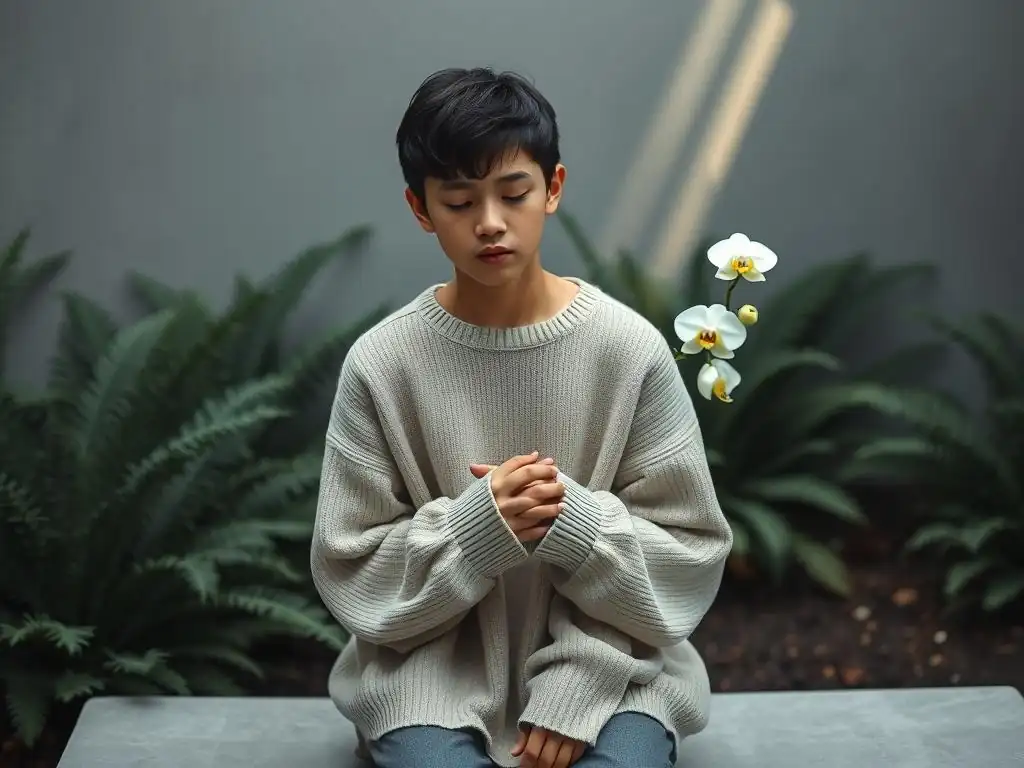
Learning how to manage panic attack symptoms is empowering for adolescents and can significantly reduce the impact of attacks on their lives. Strategies can be employed both during an attack for immediate relief and over the long term for prevention and overall anxiety reduction.
Immediate Relief During a Panic Attack: Calming Techniques
When a panic attack strikes, the primary goal is to help the teen feel safe and regain a sense of control over their body's physical reactions.
Grounding Techniques: Connecting to the Present
Grounding techniques are simple exercises designed to help bring the person back to the present moment and distract from the overwhelming internal sensations. These techniques engage the senses to anchor the individual to reality. A popular method is the "5-4-3-2-1" technique: identify 5 things you can see, 4 things you can touch, 3 things you can hear, 2 things you can smell, and 1 thing you can taste.
Another effective grounding technique is to focus on the sensation of your feet on the ground or your body sitting in a chair. The goal is to shift attention away from the frightening thoughts and physical symptoms and towards concrete, external stimuli. Practicing these techniques when calm can make them more effective during an actual panic attack.
Diaphragmatic Breathing: Regulating Breathing
Rapid, shallow breathing can exacerbate panic symptoms. Learning to slow down and deepen the breath can help regulate the body's physiological response. Diaphragmatic breathing, or belly breathing, involves breathing deeply into the abdomen rather than shallowly into the chest.
To practice, sit or lie down comfortably. Place one hand on your chest and the other on your belly. Inhale slowly through your nose, feeling your belly rise while your chest remains relatively still. Exhale slowly through your mouth, feeling your belly fall. Aim for slow, steady breaths, perhaps counting to four on the inhale and six on the exhale. Practicing this regularly can help teens use it effectively when they feel a panic attack starting.
Progressive Muscle Relaxation: Releasing Tension
Panic attacks often cause significant muscle tension. Progressive muscle relaxation involves tensing and then releasing different muscle groups in the body sequentially. This helps the individual become aware of tension and consciously release it, promoting a sense of calm.
Starting with the toes, tense the muscles tightly for about 5-10 seconds, then release completely, noticing the sensation of relaxation. Move up the body, tensing and releasing calves, thighs, abdomen, back, hands, arms, shoulders, neck, and face muscles. This technique can help counteract the physical rigidity and tension associated with panic.
Long-Term Strategies for Managing Anxiety and Panic
While immediate techniques provide relief during an attack, long-term strategies address the underlying anxiety and help reduce the frequency and intensity of future attacks. These often involve therapeutic approaches.
Cognitive Behavioral Therapy (CBT): Changing Thought Patterns
Cognitive Behavioral Therapy (CBT) is a highly effective form of therapy for panic disorder and anxiety. CBT helps individuals identify and challenge negative or irrational thought patterns that contribute to their panic and anxiety. For example, a teen might automatically interpret a racing heart as a sign of impending death; CBT helps them reframe this thought, understanding it as a harmless physiological response to fear.
Through CBT, teens learn to recognize the triggers for their panic, understand the connection between their thoughts, feelings, and behaviors, and develop more realistic and helpful ways of thinking about their symptoms. Studies show that CBT can be effective for a significant percentage of adolescents with panic disorder, with some research indicating success rates upwards of 60-70%.
Exposure Therapy: Facing Fears Gradually
Exposure therapy, often a component of CBT, involves gradually and systematically exposing the individual to the physical sensations or situations they fear, in a safe and controlled environment. For example, a teen who fears dizziness might be asked to spin in a chair briefly, or a teen who fears losing control might be asked to hyperventilate slightly under supervision.
The goal is to help the teen learn that these sensations are uncomfortable but not dangerous and that they can tolerate them without the feared outcome occurring. This process helps to desensitize the individual to their triggers and reduce the power the fear holds over them. It is a gradual process, starting with less anxiety-provoking exposures and moving towards more challenging ones as the teen builds confidence.
Mindfulness and Meditation: Cultivating Awareness
Mindfulness involves paying attention to the present moment without judgment. Meditation is a practice that cultivates mindfulness. Regular mindfulness and meditation practices can help teens become more aware of their thoughts and physical sensations without getting overwhelmed by them. This can be particularly helpful in noticing the early signs of a panic attack and applying coping strategies before it escalates.
Even short daily practices, like focusing on the breath for five minutes, can help teens develop a greater capacity to observe their internal experiences with more distance and less reactivity. This cultivation of awareness is a valuable long-term tool for managing anxiety.
Parents play a vital role in supporting a teen experiencing anxiety and panic. Understanding the condition and knowing how to respond can make a significant difference in their child's journey towards wellbeing.
Recognizing Signs of Anxiety and Panic: Early Intervention
Parents are often the first to notice changes in their teen's behavior or mood. Recognizing the subtle or overt signs of anxiety and panic is the critical first step. This might include increased irritability, withdrawal from social activities, difficulty sleeping, changes in appetite, academic struggles, or expressing fears that seem disproportionate to the situation.
Paying attention to physical complaints like frequent headaches or stomachaches that have no medical explanation can also be important, as these can be physical manifestations of anxiety. Early recognition of teen panic attack symptoms help parents intervene sooner, potentially preventing the condition from becoming more severe or entrenched.
Communicating Effectively: Open Dialogue
Creating an open and supportive environment where teens feel safe to talk about their feelings is essential. Listen without judgment, validate their experiences ("That sounds really scary"), and let them know you are there for them. Avoid minimizing their feelings ("Just calm down," "There's nothing to be afraid of") as this can make them feel misunderstood and isolated.
Encourage them to describe what they are feeling during an attack and what situations trigger their anxiety. This open dialogue helps you understand their struggles and helps them feel less alone. Simple phrases like "I'm here for you" or "We'll get through this together" can be incredibly comforting.
Seeking Professional Help: When to Consult a Professional
While parental support and coping strategies are helpful, professional evaluation is often necessary, especially if panic attacks are recurrent, severe, or significantly impacting the teen's daily life (school, social life, family interactions). Consult a mental health professional if:
- The teen is experiencing frequent or unexpected panic attacks.
- The fear of having attacks is causing the teen to avoid places or activities.
- The symptoms are interfering with schoolwork, social life, or family relationships.
- The teen expresses feelings of hopelessness or thoughts of self-harm.
A pediatrician can be a good starting point to rule out any underlying medical conditions and provide a referral to a mental health specialist, such as a therapist or psychiatrist, who has experience working with adolescents. Seeking professional teen panic attack symptoms help is a sign of strength, not weakness.
Supporting Treatment: Active Participation
Once professional help is sought, parental support remains crucial. Encourage the teen to attend therapy sessions and appointments. Learn about the recommended treatment plan (e.g., CBT, medication if prescribed) and understand how you can support it at home. This might involve practicing coping skills together, helping them gradually face feared situations if guided by a therapist (exposure therapy), or simply providing a calm and predictable home environment.
Be patient, as recovery is a process with ups and downs. Celebrate small victories and provide encouragement during setbacks. Your active participation in their treatment journey reinforces that they are not alone in managing their anxiety and panic.
Preventing Panic: Building Resilience and Coping Skills

While it's impossible to guarantee a panic-free life, certain lifestyle changes and skill development can significantly reduce the frequency and severity of panic attacks and build overall resilience to stress and anxiety.
Lifestyle Changes: Promoting Wellbeing
A healthy lifestyle forms a strong foundation for managing mental health, including anxiety and panic.
Healthy Diet and Regular Exercise
Nourishing the body impacts the mind. A balanced diet rich in fruits, vegetables, whole grains, and lean protein can help regulate mood and energy levels. Avoiding excessive sugar and processed foods is often recommended. Regular physical activity is a powerful stress reliever and can help reduce anxiety symptoms. Aim for at least 60 minutes of moderate-to-vigorous physical activity most days of the week, as recommended for adolescents. Exercise releases endorphins, which have mood-boosting effects, and can help dissipate the physical tension associated with anxiety.
For example, incorporating a daily walk, joining a sports team, or practicing yoga can be beneficial.
Adequate Sleep
Sleep deprivation can exacerbate anxiety and make individuals more vulnerable to panic attacks. Adolescents typically need about 8-10 hours of sleep per night. Establishing a consistent sleep schedule, creating a relaxing bedtime routine, and ensuring the bedroom is dark, quiet, and cool can promote better sleep hygiene.
Limiting screen time before bed is also crucial, as the blue light emitted from devices can interfere with sleep patterns. Prioritizing sleep is a fundamental aspect of managing teen panic attack symptoms and overall mental health.
Limiting Stimulants
Substances like caffeine (found in soda, coffee, energy drinks) and nicotine are stimulants that can trigger or worsen anxiety symptoms, including heart palpitations and jitteriness, which can mimic panic symptoms. Advising teens to limit or avoid these substances, especially during times of stress or in the hours before bedtime, can help reduce their susceptibility to panic.
Even seemingly harmless stimulants in certain foods or supplements can contribute to anxiety in sensitive individuals. Being mindful of consumption is a simple yet effective preventive measure.
Developing Coping Mechanisms: Tools for Managing Stress
Beyond lifestyle, actively developing healthy ways to cope with stress and difficult emotions is vital for preventing panic.
Journaling: Processing Emotions
Writing down thoughts and feelings can be a powerful way for teens to process their emotions, identify triggers for their anxiety, and gain perspective. Journaling can help externalize worries, making them feel less overwhelming. It can be a private space to express fears, frustrations, and hopes without judgment.
Encouraging a teen to write for even 10-15 minutes a day can be a valuable tool in their anxiety management toolkit. They might notice patterns in their anxiety or identify specific situations that precede panic attacks.
Creative Outlets: Expressing Yourself
Engaging in creative activities like drawing, painting, playing music, writing poetry, or dancing can provide a non-verbal way for teens to express and release emotions. Creative expression can be a healthy distraction from anxious thoughts and a source of joy and accomplishment.
Finding a creative outlet that resonates with the teen provides a positive way to channel energy and cope with stress, reducing the likelihood of anxiety building up to a panic attack.
Building a Support System: Connecting with Others
Feeling connected to others is a buffer against stress and anxiety. Encourage teens to maintain strong relationships with trusted friends, family members, or mentors. Having people to talk to, share experiences with, and receive support from can make a significant difference.
Participating in group activities, clubs, or volunteer work can also help teens build a sense of belonging and reduce feelings of isolation that can sometimes accompany anxiety disorders. A strong support system is invaluable when navigating challenges like panic attacks.
Resources for Teens and Parents: Finding Support
Navigating anxiety and panic can feel overwhelming, but help is available. Numerous resources exist to provide information, support, and professional assistance for adolescents and their families dealing with these challenges.
Online Resources and Support Groups
Many reputable websites and organizations offer valuable information about anxiety disorders, including panic attacks in teens. These resources can provide detailed explanations of symptoms, causes, and treatment options. Online support groups or forums (with appropriate parental guidance and supervision) can also offer a sense of community and shared experience, allowing teens and parents to connect with others facing similar challenges.
When using online resources, it's important to stick to credible sources, such as websites of national mental health organizations or established healthcare providers, to ensure the information is accurate and evidence-based.
Books and Articles on Anxiety Disorders
Reading books or articles specifically written for teens or parents about anxiety and panic can be incredibly informative and empowering. There are many excellent guides that explain anxiety in an accessible way, offer practical coping strategies, and provide reassurance.
These resources can help demystify anxiety, normalize the experience, and equip families with knowledge and tools to manage symptoms more effectively. Look for books recommended by mental health professionals.
Mental Health Professionals: Finding the Right Support
Perhaps the most critical resource is access to qualified mental health professionals. This includes therapists (psychologists, licensed clinical social workers, licensed professional counselors) who specialize in treating anxiety disorders in adolescents, and psychiatrists who can evaluate the need for medication if necessary.
Finding a therapist who is a good fit for the teen is important. Don't hesitate to ask about their experience working with panic disorder in adolescents and their therapeutic approach (e.g., CBT). School counselors can also be a valuable initial point of contact, offering support and guidance in accessing local resources. Seeking professional teen panic attack symptoms help is a key step towards recovery.
Overcoming Anxiety and Panic: A Journey Towards Wellbeing
Managing anxiety and panic is often a journey, not a destination. There will be good days and challenging days. Focusing on progress and maintaining a positive outlook are essential components of this journey.
Celebrating Progress and Building Confidence
Acknowledge and celebrate every step forward, no matter how small. Did the teen use a coping skill during a moment of anxiety? Did they face a feared situation they previously avoided? Did they simply talk about their feelings? These are all significant achievements. Celebrating progress reinforces positive behaviors and builds confidence in their ability to manage their symptoms.
Focusing on what they can do, rather than what they struggle with, helps shift their mindset and fosters a sense of empowerment. Each successful use of a coping strategy or instance of facing a fear builds resilience for the future.
Maintaining a Positive Outlook and Seeking Support
Encourage a positive mindset, focusing on strengths and future possibilities rather than dwelling on past difficulties. This doesn't mean ignoring challenges, but rather approaching them with hope and determination. Help teens identify their personal strengths and how they can leverage them in managing their anxiety.
Remember that seeking support is a sign of strength. Encourage the teen to lean on their support system – family, friends, and professionals – during difficult times. Managing anxiety and panic is a collaborative effort, and knowing they don't have to face it alone is incredibly important. With the right support and strategies, teens can learn to effectively manage their panic attack symptoms and lead fulfilling lives.
Frequently Asked Questions
What are the most common physical teen panic attack symptoms?
Physical symptoms often include rapid heart rate, shortness of breath, and dizziness. These sensations can be very frightening, making the attack feel even worse.
How can parents differentiate between typical teen anxiety and a panic attack?
Panic attacks are characterized by sudden, intense fear and significant physical symptoms. Unlike general anxiety, they have a clear, abrupt onset and peak within minutes.
What are some effective coping mechanisms teens can use during a panic attack?
Deep breathing exercises, grounding techniques, and reassuring self-talk can help manage symptoms. Focusing on the present moment is also crucial.
Where can teens and parents find professional "Teen panic attack symptoms help" if needed?
Resources include mental health professionals, school counselors, and online support groups. Websites like Mind Care Guide also offer valuable information.
How can parents help prevent future panic attacks in their teenagers?
Encouraging healthy lifestyle habits, promoting open communication, and seeking professional help can all contribute. Reducing stress is also a key factor.
The anxieties and uncertainties of adolescence are amplified in today's fast-paced world, making understanding and managing teen panic attacks more crucial than ever. The sheer volume of information and pressure to succeed can leave teens feeling overwhelmed, leading to debilitating panic. This guide has explored the multifaceted nature of teen panic, from identifying symptoms and triggers to implementing effective coping mechanisms and seeking professional help. We've highlighted the importance of open communication and a supportive environment in fostering resilience and recovery.
The impact of unchecked anxiety on young people is profound and far-reaching, shaping their self-perception, relationships, and future prospects. It's a pervasive issue that affects not only the individual experiencing the panic but also their families and communities. The stigma surrounding mental health continues to hinder open conversations and timely intervention. The greatest barrier to recovery is often the silence surrounding the issue.
This quote underscores the vital need for continued education and destigmatization of mental health challenges, particularly among adolescents.
You, the reader – whether a concerned parent, a struggling teen, or a supportive friend – now possess a deeper understanding of teen panic and its management. Take this knowledge and use it to create a more compassionate and informed environment. Reach out to a trusted adult, seek professional help if needed, and remember that you are not alone. Embrace the power of self-compassion, build strong support systems, and actively cultivate healthy coping strategies. Your journey towards managing panic and building resilience starts now.
Here's a CTA designed for the article "Teen Panic: A Comprehensive Guide for Adolescents and Parents" on MindCareGuide.org, following the provided instructions:
Unlock Your Teen's Calm: Practical Steps for Managing Panic
Thanks for taking the time to learn about teen panic! We hope this guide provided valuable insights and practical tools. Now, let's turn that knowledge into action. Ready to make a real difference?
- Implement one coping strategy: Choose one of the techniques discussed (deep breathing, mindfulness, or positive self-talk) and commit to practicing it daily this week. Even five minutes a day can make a huge impact.
- Share this guide: Help other families facing similar challenges. Forward this article to a friend or family member who could benefit from this information. Consider sharing it on social media using #TeenPanicSupport #MindCareGuide.
- Explore our community: Join our online forum (imaginary forum for this example) to connect with other parents and teens navigating similar experiences. Share your wins, ask questions, and find support.
What small step will you take today to foster a calmer environment for your teen?