
Understanding the Roots: Causes of Separation Anxiety in Kids

Welcome to Mind Care Guide, a safe space dedicated to nurturing your mental well-being.
Feeling lost and confused about your child's intense distress when you leave? You're not alone. Many parents grapple with understanding the underlying kids separation anxiety causes. This article delves deep into the roots of this challenging experience, offering compassionate insights and practical information to help you and your child navigate this difficult time. Ready to unravel the mystery and find a path towards comfort and reassurance? Let's explore the journey together.
- Understanding the Roots: Child Separation Anxiety - A Mind Care Guide
- What is Separation Anxiety in Children? Defining the Problem
- Unveiling the Primary Child Separation Anxiety Causes
-
Exploring Specific Triggers and Situational Child Separation Anxiety Causes
- Starting School or Daycare: A Common Trigger for Separation Anxiety
- Moving to a New Home or Neighborhood: Uprooting and Anxiety
- Trauma or Loss: The Impact of Grief on Child Separation Anxiety
- Family Dynamics and Attachment Styles: Understanding the Connection
- Parental Anxiety and Its Influence on Children's Separation Anxiety
- The Role of Learned Behaviors in Child Separation Anxiety
- Physical Health and Its Potential Connection to Separation Anxiety in Children
- Addressing Child Separation Anxiety Causes: A Path to Healing
- Prevention Strategies: Minimizing the Risk of Child Separation Anxiety
- Conclusion: Empowering Parents to Understand and Address Child Separation Anxiety Causes
-
Frequently Asked Questions
- What are the primary causes of separation anxiety in kids?
- How does a child's temperament contribute to separation anxiety?
- Can traumatic experiences trigger separation anxiety in children?
- What role do parenting styles play in the development of separation anxiety?
- At what age is separation anxiety considered normal versus problematic?
- Final Reflection: Unraveling the Threads of Childhood Separation Anxiety
- Unlock Your Child's Confidence: Next Steps to Calm Separation Anxiety
Understanding the Roots: Child Separation Anxiety - A Mind Care Guide
Separation anxiety in children is a common developmental stage, yet for some, it can become a significant challenge, impacting daily life for both the child and their caregivers. It's crucial to understand the various factors that contribute to this anxiety to offer effective support and intervention. This guide delves into the complex array of Kids separation anxiety causes, from biological predispositions to environmental influences, aiming to provide clarity and empower parents and educators. By exploring the underlying reasons, we can better address the distress associated with separation and help children build confidence and resilience.
What is Separation Anxiety in Children? Defining the Problem
Separation anxiety is a normal and expected part of development during infancy and early childhood. It typically manifests as distress when a familiar caregiver leaves. This phase is a sign of a healthy attachment forming between the child and their primary caregivers. However, for some children, this anxiety persists beyond the typical age or becomes excessively intense, interfering with daily activities like attending school or interacting with peers. Recognizing the difference between typical developmental anxiety and a more significant issue is the first step in understanding Kids separation anxiety causes.
Defining Normal Separation Anxiety vs. Separation Anxiety Disorder in Children
Normal separation anxiety is a transient phase, usually appearing around 8-12 months of age and often resolving by age 2 or 3. It's characterized by crying, clinging, or fussing when a parent or primary caregiver leaves, but the child is typically able to be comforted and eventually adapts to the separation, especially in a safe and familiar environment like daycare or with a trusted relative. The intensity and duration are usually manageable and don't significantly impair the child's functioning.
Separation Anxiety Disorder (SAD), however, is a clinical condition diagnosed when the anxiety about separation from home or attachment figures is excessive for the child's developmental level and causes significant distress or impairment in social, academic, or other important areas of functioning. According to the DSM-5 criteria, symptoms might include recurrent excessive distress when anticipating or experiencing separation, persistent worry about losing attachment figures or about possible harm to them, reluctance or refusal to go to school or elsewhere because of fear of separation, and physical symptoms like headaches or stomachaches when separation occurs or is anticipated.
This distinction is vital when exploring Kids separation anxiety causes, as SAD often involves a confluence of factors beyond typical development.
Prevalence of Separation Anxiety in Childhood: Understanding the Scope
Separation Anxiety Disorder is one of the most common anxiety disorders diagnosed in children and adolescents. While precise figures vary across studies and geographical regions, estimates suggest that SAD affects approximately 1% to 4% of school-aged children. It is often diagnosed before the onset of puberty and can sometimes persist into adolescence or adulthood if not addressed.
Research indicates that SAD is slightly more prevalent in girls than boys, though findings can be inconsistent. For example, a large-scale study might find a prevalence of 2.5% in elementary school-aged children, with a slightly higher rate among girls (perhaps 3%) compared to boys (around 2%). Understanding this prevalence highlights the importance of identifying and understanding the specific Kids separation anxiety causes that contribute to this disorder in a significant portion of the child population, enabling timely intervention and support.
Unveiling the Primary Child Separation Anxiety Causes
Understanding why some children develop significant separation anxiety while others do not requires looking at a combination of factors. There isn't usually a single cause, but rather an interaction between a child's inherent characteristics and their environment. Exploring these primary Kids separation anxiety causes provides a foundation for developing effective support strategies tailored to the individual child's needs.
Genetic Predisposition: Is Separation Anxiety Inherited?
There is growing evidence suggesting a genetic component to anxiety disorders, including Separation Anxiety Disorder. Children with a family history of anxiety disorders, depression, or SAD may have an increased vulnerability to developing separation anxiety themselves. This doesn't mean that anxiety is solely determined by genes, but rather that some children may inherit a biological sensitivity or predisposition to being more anxious or reactive to stress.
Studies involving twins and families have provided insights into this genetic link. For instance, research might show that children whose parents or siblings have an anxiety disorder are two to seven times more likely to develop an anxiety disorder, including SAD, compared to children without such a family history. While specific genes haven't been definitively identified as "SAD genes," the general heritability of anxiety traits is a recognized factor among potential Kids separation anxiety causes, interacting with environmental influences to shape a child's risk.
Temperament and Personality Traits Contributing to Child Separation Anxiety
A child's innate temperament plays a significant role in how they perceive and react to the world, including separation. Children with certain temperamental traits may be more prone to developing separation anxiety. For example, children who are naturally more cautious, inhibited, or sensitive to novelty and change may find transitions and separations particularly challenging. These traits are often observable from a very young age.
A child described as having an "inhibited temperament" might react to new situations or unfamiliar people with fear or withdrawal. This inherent tendency towards caution can make adapting to separation, such as starting school or being left with a babysitter, more difficult than for a child with a more outgoing or adaptable temperament. While temperament is not a direct cause, it acts as a predisposing factor among the many Kids separation anxiety causes, influencing how a child processes the experience of being apart from their caregivers.
Environmental Factors: How External Events Trigger Anxiety in Children
Beyond genetics and temperament, the environment a child grows up in and specific external events can significantly trigger or exacerbate separation anxiety. These factors often involve changes or disruptions in the child's routine or family structure, leading to feelings of insecurity or unpredictability. Identifying these environmental triggers is crucial for understanding the specific circumstances contributing to a child's anxiety.
Common environmental triggers include starting a new school or daycare, moving to a new house or neighborhood, parental divorce or separation, illness or death of a family member or pet, or experiencing a traumatic event. For example, a child who was managing typical separation anxiety might see their anxiety escalate significantly after the family moves to a new city, requiring them to adjust to unfamiliar surroundings, a new school, and new social dynamics all at once. These external stressors are powerful Kids separation anxiety causes, often interacting with a child's underlying vulnerability.
Exploring Specific Triggers and Situational Child Separation Anxiety Causes
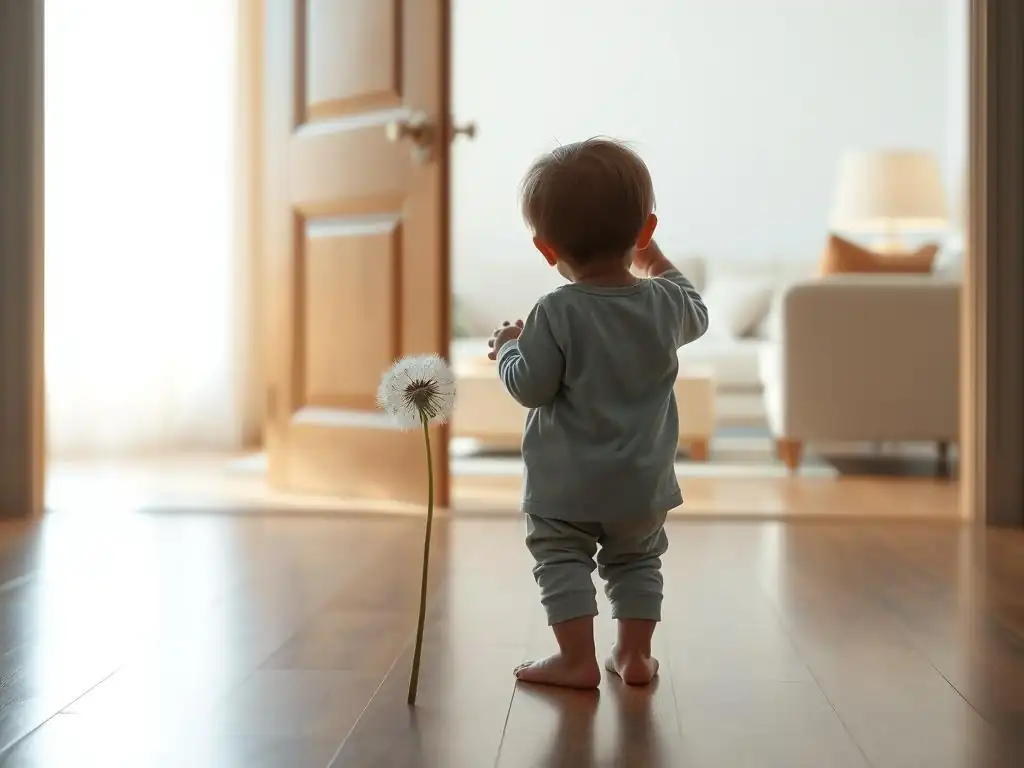
While underlying factors like genetics and temperament create a predisposition, specific life events and circumstances often act as catalysts, bringing existing vulnerabilities to the surface and triggering or worsening separation anxiety. These situational Kids separation anxiety causes are often more immediate and observable, providing clear points for intervention and support. Understanding these triggers helps parents and caregivers anticipate challenges and prepare children for transitions.
Starting School or Daycare: A Common Trigger for Separation Anxiety
One of the most frequently cited triggers for separation anxiety in young children is the transition to a new childcare setting, such as daycare or preschool, or the start of kindergarten. This transition represents a significant change in a child's routine, requiring them to spend a substantial portion of their day away from their primary caregivers in an unfamiliar environment with new adults and peers. The novelty and lack of control over this change can be overwhelming for many children.
For a child who has spent most of their time at home with a parent, the sudden shift to a busy classroom environment can provoke intense feelings of anxiety and abandonment. Tears, clinging, refusal to participate, and distress during drop-off are common manifestations. Even children who previously managed short separations well might struggle with the longer, more structured separation required by school, making this a significant factor among Kids separation anxiety causes, particularly in early childhood.
Moving to a New Home or Neighborhood: Uprooting and Anxiety
Relocating to a new home, especially one in a different neighborhood or city, can be a major stressor for children and is another common trigger for separation anxiety. Moving disrupts familiar routines, removes the child from their known environment (including friends, schools, and familiar places), and requires adaptation to entirely new surroundings. This loss of familiarity and security can heighten a child's anxiety about separation from the people who represent stability in their lives.
Consider a child who moves during the school year. Not only are they dealing with a new home, but they also have to navigate a new school environment and make new friends, all while potentially feeling homesick for their old life. The feeling of being uprooted can amplify their need for the security provided by their parents, making separation more difficult. This disruption to their established world is a clear example of environmental Kids separation anxiety causes impacting a child's emotional well-being.
Trauma or Loss: The Impact of Grief on Child Separation Anxiety
Experiencing a traumatic event or a significant loss can profoundly impact a child's sense of safety and security, often leading to or worsening separation anxiety. Trauma could include accidents, natural disasters, or witnessing violence. Loss could involve the death of a family member, a beloved pet, or even a significant change like parental divorce. These experiences can make children fearful of future separations, worried that something bad might happen to them or their loved ones when they are apart.
A child who has experienced the death of a grandparent they were very close to, for example, might suddenly become extremely anxious about their parent leaving, fearing that the parent might not return. The grief and shock associated with the loss can make the child cling more tightly to their remaining attachment figures, viewing separation as a potential precursor to further loss or danger. These difficult life events are powerful, albeit often complex, Kids separation anxiety causes that require sensitive and supportive responses.
Family Dynamics and Attachment Styles: Understanding the Connection
The quality of the attachment relationship between a child and their primary caregivers is a fundamental factor influencing separation anxiety. A secure attachment, typically formed when caregivers are consistently responsive, available, and sensitive to a child's needs, helps a child feel safe exploring the world knowing they can return to a secure base. Conversely, insecure attachment styles, such as anxious or avoidant attachment, can make separation more challenging.
Inconsistent or unpredictable caregiving, parental unavailability (due to illness, work, or other factors), or difficulties in the parent-child bond can contribute to an insecure attachment. A child with an anxious attachment might feel unsure if their caregiver will be there when needed, leading to heightened distress during separation as they fear being abandoned. Understanding these family dynamics and the nuances of attachment is critical when exploring the deeper Kids separation anxiety causes.
Parental Anxiety and Its Influence on Children's Separation Anxiety
Parental anxiety, particularly a parent's own anxiety about separation or their child's well-being, can significantly influence a child's separation anxiety. Children are highly attuned to their parents' emotional states and often mirror their parents' fears and anxieties. If a parent is overly anxious about leaving their child, frequently expresses worry about the child's safety while they are apart, or has difficulty managing their own feelings during separation, the child may internalize this anxiety.
For instance, a parent who shows significant distress during school drop-off, lingers excessively, or repeatedly calls the school to check on the child may inadvertently signal to the child that the situation is dangerous or that the child is not safe without the parent present. This modeling of anxious behavior and the parent's difficulty with separation can reinforce the child's own fears, becoming a significant contributing factor among Kids separation anxiety causes. Addressing parental anxiety is often a crucial step in helping the child.
The Role of Learned Behaviors in Child Separation Anxiety
Beyond inherent traits and external triggers, separation anxiety can also be influenced by learned behaviors. Children observe and learn from the reactions of those around them, and they also learn through the consequences of their own actions. Certain patterns of interaction and responses to a child's distress can inadvertently reinforce anxious behaviors, making separation more difficult over time. Understanding these learned components is key to breaking unhelpful cycles.
Reinforcement of Anxious Behaviors: Unintentional Contributing Factors
Anxious behaviors related to separation can sometimes be unintentionally reinforced by the responses they elicit from caregivers. For example, if a child's intense crying or refusal to separate consistently leads to the parent staying home, delaying departure, or shortening the separation, the child learns that anxious behavior is an effective way to avoid separation. This provides a direct, albeit unintended, reward for the anxious response.
While comforting a distressed child is natural and necessary, consistently "giving in" to the child's demands stemming from anxiety can inadvertently strengthen the link between anxiety and avoiding the feared situation (separation). This creates a cycle where the child's anxiety dictates the family's actions, making future separations even harder. Recognizing how responses can reinforce these behaviors is important for understanding complex Kids separation anxiety causes and developing strategies to gently encourage independence.
Modeling Anxious Behavior: Children Learning from Caregivers
Children learn a great deal by observing the behavior of their parents and other important adults in their lives. If a parent or caregiver exhibits significant anxiety themselves, particularly around issues of safety, change, or separation, the child may learn to perceive the world as a more dangerous or unpredictable place. This observational learning can contribute to the child developing anxious responses, including separation anxiety.
A parent who is visibly nervous about leaving their child, expresses excessive worries about potential dangers, or avoids situations that involve separation may inadvertently teach the child to be fearful of being alone or away from home. The child observes the parent's anxious reactions and may adopt similar patterns of thought and behavior. This modeling effect is a powerful, often subtle, element among the various Kids separation anxiety causes, highlighting the interconnectedness of family emotional well-being.
Physical Health and Its Potential Connection to Separation Anxiety in Children

While separation anxiety is primarily viewed as a psychological or behavioral issue, it's important to consider that physical health can sometimes play a role. Underlying medical conditions or even common health issues like sleep disturbances can sometimes mimic, contribute to, or exacerbate symptoms of anxiety in children. A holistic view is essential when assessing Kids separation anxiety causes.
Underlying Medical Conditions That Can Mimic or Exacerbate Anxiety
In some cases, symptoms that appear to be separation anxiety could be related to an underlying physical health issue. For example, certain thyroid conditions can cause symptoms of anxiety, restlessness, and irritability. Neurological conditions or sensory processing sensitivities can also make transitions and separations more challenging for a child, leading to behaviors that resemble separation anxiety.
It is crucial for a pediatrician to rule out any potential medical causes, especially if the onset of anxiety is sudden or accompanied by other physical symptoms. While relatively rare as primary Kids separation anxiety causes, medical issues can certainly complicate or worsen existing anxiety, making a thorough medical evaluation an important step in understanding a child's difficulties.
Sleep Disturbances and Their Impact on Anxiety Levels in Children
Insufficient or disrupted sleep can significantly impact a child's emotional regulation and increase irritability, stress, and anxiety levels. Children who are chronically overtired may have a harder time coping with transitions, managing their emotions, and feeling secure during separations. Sleep problems are often intertwined with anxiety; anxiety can cause sleep problems, and lack of sleep can worsen anxiety.
A child experiencing frequent nightmares about separation, difficulty falling asleep when away from home, or waking up multiple times during the night due to worry may find that their separation anxiety is intensified by their poor sleep quality. Addressing sleep hygiene and any underlying sleep disorders can be an important supportive measure when addressing the broader Kids separation anxiety causes and helping a child manage their distress more effectively.
Addressing Child Separation Anxiety Causes: A Path to Healing
Once the potential Kids separation anxiety causes have been identified, the focus shifts to developing strategies to help the child manage their anxiety and build confidence in separation situations. A multi-faceted approach that addresses the root causes, provides support, and teaches coping skills is often the most effective. This requires patience, consistency, and empathy from caregivers.
Identifying and Addressing the Root Causes: A Comprehensive Approach
Effective intervention begins with a thorough understanding of the specific factors contributing to a child's separation anxiety. This involves observing the child's behavior, considering their temperament and history, evaluating family dynamics, and identifying any specific triggers or environmental stressors. A comprehensive approach means looking beyond the surface symptoms to understand why the child is anxious about separation.
Based on this understanding, strategies can be tailored. If the anxiety stems significantly from a recent move, focusing on helping the child adjust to the new environment might be a priority. If parental anxiety is a major factor, supporting the parent in managing their own fears becomes crucial. This targeted approach, addressing the specific Kids separation anxiety causes at play, is more likely to lead to lasting positive change than generic strategies.
Seeking Professional Help: When to Consult a Therapist or Counselor
While many children experience and overcome typical separation anxiety with parental support, there are times when professional help is necessary. It is advisable to consult a pediatrician, child therapist, or counselor if the separation anxiety is severe, persists beyond the typical developmental stage (e.g., significantly past age 3 or 4), causes significant distress for the child, interferes with daily life (like attending school or social activities), or is accompanied by other concerning symptoms.
A mental health professional specializing in child anxiety can conduct a thorough assessment to determine if the child meets the criteria for Separation Anxiety Disorder or another anxiety disorder. They can help identify the specific Kids separation anxiety causes and develop an appropriate treatment plan. Early intervention is often key to preventing the anxiety from becoming more entrenched or leading to further difficulties.
Cognitive Behavioral Therapy (CBT) for Child Separation Anxiety
Cognitive Behavioral Therapy (CBT) is a highly effective evidence-based treatment for anxiety disorders in children, including Separation Anxiety Disorder. CBT helps children identify and challenge anxious thoughts and learn coping strategies to manage their fears. A key component of CBT for separation anxiety is gradual exposure to separation situations in a safe and controlled environment, helping the child learn that they can tolerate being apart from their caregivers and that their feared outcomes do not occur.
For instance, a therapist might work with a child to gradually increase the time spent away from their parent, starting with very short separations (e.g., parent steps out of the room for a minute) and slowly building up to longer periods (e.g., attending school for a full day). The child learns relaxation techniques and coping statements ("Mommy always comes back") to use when feeling anxious. This process, guided by a trained professional, directly addresses the avoidance behaviors and fearful thoughts that are central to many Kids separation anxiety causes.
Prevention Strategies: Minimizing the Risk of Child Separation Anxiety
While it's not possible to prevent all cases of separation anxiety, especially given genetic and temperamental factors, parents and caregivers can implement strategies that promote secure attachment, build independence, and create a supportive environment. These proactive measures can help minimize the risk of a child developing significant separation anxiety and build resilience for handling future separations.
Building Secure Attachment: Fostering a Safe and Supportive Environment
Fostering a secure attachment from infancy is one of the most powerful ways to buffer against severe separation anxiety. This involves being consistently responsive to a child's needs, providing comfort and reassurance when they are distressed, and being a reliable source of safety and security. A child with a secure base feels confident exploring the world, knowing their caregiver is there to return to.
Engaging in warm, responsive interactions, being present and engaged during playtime, and responding sensitively to a child's cues help build this strong bond. This doesn't mean never separating from the child, but rather ensuring that separations are handled with empathy and predictability, reinforcing the child's trust in their caregiver's return. A secure attachment helps a child navigate the natural developmental stages involving separation more smoothly, addressing a fundamental aspect of Kids separation anxiety causes.
Promoting Independence and Self-Confidence in Children
Encouraging age-appropriate independence helps children build confidence in their own abilities and feel more secure when they are not directly with their caregivers. This can start with small steps, such as allowing a toddler to play independently in a safe space while the parent is nearby, or letting an older child choose their own clothes or help with simple tasks.
As children grow, opportunities for independence can expand – having playdates at a friend's house, attending extracurricular activities, or even spending a night away with a relative. These experiences, when introduced gradually and positively, teach children that they can cope and even thrive when separate from their parents, reducing their reliance on constant proximity for security. Building this self-efficacy is an important preventative strategy against potential Kids separation anxiety causes.
Open Communication and Emotional Support: Creating a Safe Space for Expression
Creating an environment where children feel safe to express their feelings, including anxiety and fear, is vital. Talking openly about upcoming separations, validating the child's feelings ("It's okay to feel a little nervous about starting school"), and offering reassurance can help children process their emotions rather than bottling them up. Avoiding dismissive phrases like "Don't be silly" is important.
Teaching children simple coping mechanisms, such as taking deep breaths or having a special transitional object (like a small toy or blanket) for comfort during separation, can also be helpful. Providing consistent emotional support and being available to talk about their worries helps children feel understood and better equipped to face challenging situations. This open dialogue is key in addressing the emotional components of Kids separation anxiety causes.
Conclusion: Empowering Parents to Understand and Address Child Separation Anxiety Causes
Understanding the multifaceted nature of Kids separation anxiety causes is the first and most crucial step toward helping children overcome this challenge. It's clear that separation anxiety, particularly in its more severe form, is rarely due to a single factor but rather a complex interplay of genetics, temperament, environmental influences, family dynamics, learned behaviors, and even physical health.
By recognizing the potential roots – from a child's inherent sensitivity to the impact of life transitions and parental anxiety – parents and caregivers can approach the situation with greater empathy and effectiveness. Implementing strategies that foster secure attachment, promote independence, and provide consistent emotional support are foundational. When anxiety is severe or persistent, seeking professional guidance from a child therapist or counselor offers evidence-based pathways to healing, such as CBT. Empowered with knowledge and a supportive approach, parents can help their children navigate the fears associated with separation, build resilience, and develop into confident, independent individuals.
Frequently Asked Questions
What are the primary causes of separation anxiety in kids?
The main causes often stem from genetic predisposition, environmental factors like stressful events (e.g., moving or a new school), or learned behaviors from anxious parents.
How does a child's temperament contribute to separation anxiety?
Children with a naturally anxious or inhibited temperament are more susceptible. They may be more sensitive to change and perceive separation as threatening.
Can traumatic experiences trigger separation anxiety in children?
Yes, absolutely. Past traumas, such as loss or prolonged illness, can create a heightened sense of insecurity, leading to separation anxiety.
What role do parenting styles play in the development of separation anxiety?
Overprotective or intrusive parenting can inadvertently reinforce a child's dependence. Also, inconsistent responses to a child's distress can increase anxiety levels.
At what age is separation anxiety considered normal versus problematic?
Some separation anxiety is normal in infancy and toddlerhood. It becomes problematic when it's excessive, persistent, and interferes with daily functioning beyond these developmental stages.
Final Reflection: Unraveling the Threads of Childhood Separation Anxiety
Understanding the roots of childhood separation anxiety is not merely an academic exercise; it's a crucial step towards building a more empathetic and supportive world for our children. The anxieties they face, often manifesting as clinging behaviors, tantrums, or physical symptoms, are not simply "phases" to be outgrown, but rather complex emotional responses rooted in developmental stages, attachment styles, and even past experiences. Ignoring these underlying causes only serves to perpetuate the problem and potentially hinder a child's healthy emotional development.
The impact of separation anxiety extends far beyond the individual child; it ripples through families, impacting parental well-being and family dynamics. The constant worry and stress experienced by both parents and children can strain relationships and create a cycle of anxiety. The most important thing a father can do for his children is to love their mother.
– Theodore Hesburgh. While not directly about separation anxiety, this quote highlights the importance of secure attachment and the foundational role it plays in a child's emotional security, directly impacting their vulnerability to separation anxiety. Understanding these dynamics allows us to approach the issue with greater compassion and seek solutions that benefit the entire family unit.
Now, consider your own experiences with separation, both as a child and as an adult. Reflect on the moments of anxiety you've felt, and how those feelings might have shaped your understanding of relationships and security. Take this knowledge and apply it to your interactions with children in your life.
By fostering secure attachment, providing consistent reassurance, and understanding the unique developmental needs of each child, we can create a safer and more supportive environment where separation anxiety is less likely to take root, or, if it does, can be addressed with empathy and understanding. Let's work together to build a world where every child feels safe, secure, and loved.
Unlock Your Child's Confidence: Next Steps to Calm Separation Anxiety
Thanks for taking the time to understand the roots of separation anxiety in children. You've gained valuable insights into this common challenge, and now it's time to put that knowledge into action. Here’s how you can begin to build a more secure and confident connection with your little one:
- Prioritize Consistent Routines: Establish predictable bedtimes, mealtimes, and playtime routines to provide your child with a sense of stability and security. This is the most important step you can take right now.
- Practice Gradual Separation: Experiment with short, supervised absences to help your child build confidence in your return. Even five minutes away can make a difference!
- Share this with other parents: Let's build a community of support! Sharing this article with other parents facing similar challenges can empower everyone involved.
Ready to see the positive changes these steps bring? What small adjustment will you make today to help ease your child's separation anxiety?