
When Worries Won't Go Away: Understanding Childhood Anxiety Disorders


Welcome to Mind Care Guide, a safe space where we understand the challenges life throws our way. If you're seeking answers and support for a child struggling with persistent worries, you're not alone. This article, " When Worries Won't Go Away: Understanding Childhood Anxiety Disorders," delves into the often-overlooked world of childhood anxiety disorders treatment options, exploring practical strategies and resources that can offer genuine relief. But what are the first steps you can take to truly help a child burdened by anxiety? Let's explore together...
When Worries Won't Go Away: Understanding Childhood Anxiety Disorders
- Introduction to Childhood Anxiety and its Impact
-
Understanding Different Types of Childhood Anxiety Disorders
- Generalized Anxiety Disorder (GAD) in Children: Symptoms and Diagnosis
- Social Anxiety Disorder (Social Phobia) in Childhood: Overcoming Fear of Social Situations
- Separation Anxiety Disorder: Addressing Excessive Worry About Separation
- Specific Phobias in Children: Understanding and Managing Fears
- Panic Disorder in Children: Recognizing and Responding to Panic Attacks
- Obsessive-Compulsive Disorder (OCD) in Children: Managing Intrusive Thoughts and Compulsions
- The Root Causes of Anxiety in Children: Exploring Contributing Factors
- Childhood Anxiety Disorders Treatment Options: A Comprehensive Overview
- Supporting a Child with Anxiety: Practical Strategies for Parents and Caregivers
- Long-Term Outlook and Prevention of Childhood Anxiety
- Conclusion: Empowering Children to Overcome Anxiety
-
Frequently Asked Questions
- What are some common symptoms of childhood anxiety disorders?
- What are the main types of childhood anxiety disorders?
- What are the primary treatment options for childhood anxiety disorders?
- How can parents support a child struggling with anxiety?
- Where can I find resources for childhood anxiety disorders treatment options?
- Final Reflection: The Enduring Shadow of Childhood Anxiety
- Unleash Your Child's Inner Strength: Take Action Today!
Introduction to Childhood Anxiety and its Impact
Recognizing the Signs: Identifying Anxiety in Children
Anxiety in children often manifests differently than in adults, making it challenging for parents and caregivers to identify. While occasional worries are a normal part of growing up, persistent or excessive anxiety that interferes with daily life can signal a childhood anxiety disorder. Common signs include physical symptoms like stomachaches, headaches, or nausea that have no medical explanation, especially before school or social events. Children might also exhibit behavioral changes such as increased irritability, difficulty sleeping, clinging to parents, avoiding social situations, or having temper tantrums when faced with something that causes them anxiety.
Beyond physical and behavioral cues, emotional and cognitive signs are also key indicators. A child experiencing anxiety might constantly seek reassurance, worry excessively about future events (even minor ones), have difficulty concentrating, or fear making mistakes.
They might verbalize fears that seem disproportionate to the actual threat, such as intense worry about hypothetical dangers or catastrophic outcomes. Paying close attention to these varied signs – physical, behavioral, emotional, and cognitive – is the first crucial step in understanding if a child's worries are more than just fleeting concerns and potentially point towards a need to explore childhood anxiety disorders treatment options.
The Prevalence of Anxiety Disorders in Young People
Childhood anxiety disorders are among the most common mental health challenges experienced by young people, affecting a significant portion of the population. Research suggests that approximately 1 in 8 children and adolescents experience an anxiety disorder. However, many of these cases go undiagnosed and untreated, often because the signs are mistaken for shyness, defiance, or typical developmental stages. This high prevalence underscores the importance of increasing awareness and reducing stigma around mental health in children.
The impact of untreated childhood anxiety can be profound, affecting academic performance, social development, family relationships, and overall well-being. Children with anxiety may struggle to participate in class, make friends, or engage in extracurricular activities. Left unaddressed, childhood anxiety can persist into adulthood, potentially increasing the risk of developing other mental health issues, substance abuse, or significant impairment in various life domains. Understanding the scope of this issue highlights the urgent need for effective identification and accessible childhood anxiety disorders treatment options.
Understanding Different Types of Childhood Anxiety Disorders
Generalized Anxiety Disorder (GAD) in Children: Symptoms and Diagnosis
Generalized Anxiety Disorder (GAD) in children is characterized by excessive worry about a wide range of topics, such as school performance, family health, safety, and future events. Unlike specific phobias, the worry isn't tied to one particular situation or object; it's pervasive and difficult for the child to control. Symptoms often include restlessness, fatigue, difficulty concentrating, irritability, muscle tension, and sleep disturbances. For a diagnosis of GAD, these worries and associated symptoms must be present on most days for at least six months and cause significant distress or impairment in daily life.
Diagnosing GAD in children typically involves a comprehensive evaluation by a mental health professional. This process includes interviews with the child and parents, questionnaires, and sometimes observations. It's important to rule out other potential causes for the symptoms, such as medical conditions or other mental health disorders.
While the core feature is excessive worry, the content of the worry can vary with age. Younger children might worry about things like being on time or minor events, while older children and adolescents might worry more about academic failure, social acceptance, or world events. Effective childhood anxiety disorders treatment options often involve therapy and, in some cases, medication, tailored specifically for GAD.
Social Anxiety Disorder, or Social Phobia, in childhood involves intense fear or anxiety about social situations where the child might be scrutinized, judged, or embarrassed. This fear is often disproportionate to the actual threat posed by the situation. Common triggers include public speaking, reading aloud in class, participating in group activities, eating in front of others, or interacting with peers or unfamiliar adults. Children with social anxiety may actively avoid these situations or endure them with intense distress, often leading to missed opportunities for learning and social development.
The impact of social anxiety can be significant, limiting a child's ability to form friendships, participate in school activities, or engage in community events. They might appear shy or withdrawn, but beneath the surface lies a powerful fear of negative evaluation.
For a diagnosis, the fear must be persistent (typically lasting at least six months) and cause significant impairment in social, academic, or other important areas of functioning. Childhood anxiety disorders treatment options for social anxiety often focus on gradual exposure to feared social situations and teaching coping skills through cognitive behavioral therapy (CBT), sometimes combined with social skills training.
Separation Anxiety Disorder: Addressing Excessive Worry About Separation
Separation Anxiety Disorder is characterized by excessive fear or anxiety concerning separation from home or from attachment figures. While some separation anxiety is normal in infants and toddlers, it becomes a disorder when it is persistent, excessive for the child's developmental level, and causes significant distress or impairment. Children with separation anxiety might have intense worry about harm befalling their attachment figures or themselves while separated, refuse to go to school or sleep alone, experience nightmares about separation, or have physical symptoms when anticipating separation.
This disorder can significantly impact a child's ability to attend school, participate in activities, or even play independently at home. The duration of symptoms required for diagnosis is typically at least four weeks in children and adolescents, and the disturbance must cause clinically significant distress or impairment. A mental health professional will assess the child's developmental stage and the severity of symptoms. Effective childhood anxiety disorders treatment options for separation anxiety often include therapy that helps the child gradually tolerate separation and teaches coping mechanisms, sometimes involving family therapy to address family dynamics related to the anxiety.
Specific Phobias in Children: Understanding and Managing Fears
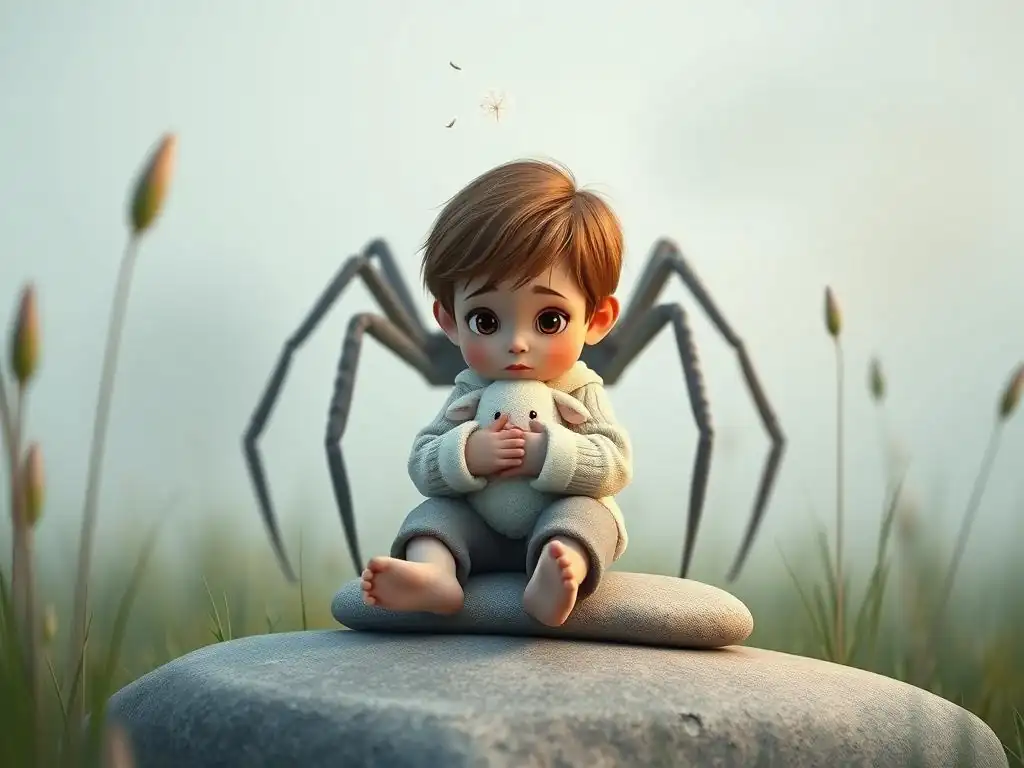
Specific phobias in children involve an intense, irrational fear of a particular object or situation that is typically not harmful. Common phobias in childhood include fears of animals (like dogs or spiders), natural environment events (like storms or heights), blood-injection-injury situations, or specific situations (like elevators or flying). When confronted with the feared object or situation, the child experiences immediate and intense anxiety, which can manifest as crying, tantrums, freezing, or clinging.
The fear is usually out of proportion to the actual danger and causes significant distress or avoidance that interferes with the child's normal routine or development. For example, a severe fear of dogs might prevent a child from playing outside in their own yard or visiting friends' houses. Diagnosis requires the fear to be persistent (typically lasting at least six months) and cause significant impairment. Childhood anxiety disorders treatment options for specific phobias, particularly effective ones, often involve exposure therapy, which helps the child gradually and safely confront the feared object or situation under the guidance of a therapist.
Panic Disorder in Children: Recognizing and Responding to Panic Attacks
Panic Disorder in children is characterized by recurrent, unexpected panic attacks. A panic attack is a sudden surge of intense fear or discomfort that reaches a peak within minutes and is accompanied by physical and cognitive symptoms. These symptoms can include a pounding heart, sweating, trembling, shortness of breath, chest pain, nausea, dizziness, feelings of unreality or detachment, fear of losing control, or fear of dying. While less common in young children, panic disorder can emerge in adolescence.
A diagnosis of Panic Disorder is made when a child experiences recurrent unexpected panic attacks and, following at least one attack, has been persistently worried about having more attacks or about the consequences of the attacks (e.g., losing control), or has changed their behavior in a significant way related to the attacks (e.g., avoiding places where attacks occurred). Panic attacks can be terrifying for children and parents alike.
Childhood anxiety disorders treatment options for panic disorder focus on teaching the child to understand panic attacks, manage their physical symptoms, and gradually confront situations they might be avoiding due to fear of having another attack, primarily through CBT.
Obsessive-Compulsive Disorder (OCD) in Children: Managing Intrusive Thoughts and Compulsions
Obsessive-Compulsive Disorder (OCD) in children involves the presence of obsessions, compulsions, or both. Obsessions are persistent, intrusive, and unwanted thoughts, urges, or images that cause significant anxiety or distress (e.g., fear of germs, need for symmetry, worries about harm).
Compulsions are repetitive behaviors or mental acts that the child feels driven to perform in response to an obsession or according to rigid rules (e.g., excessive handwashing, checking locks repeatedly, counting, arranging things in a specific order). The compulsions are aimed at preventing or reducing anxiety or a feared event, but they are often not realistically connected to what they are designed to neutralize or are clearly excessive.
OCD can significantly consume a child's time, often taking up more than an hour per day, and cause marked distress or impairment in their functioning. A child might struggle to complete homework due to checking rituals or avoid touching certain objects due to contamination fears. Diagnosis involves identifying the presence of obsessions and/or compulsions that are time-consuming or clinically significant.
While classified separately from anxiety disorders in the DSM-5, OCD is often associated with high levels of anxiety. Effective childhood anxiety disorders treatment options for OCD include Exposure and Response Prevention (ERP), a specific type of CBT, and sometimes medication, particularly serotonin reuptake inhibitors (SSRIs).
The Root Causes of Anxiety in Children: Exploring Contributing Factors
Genetic Predisposition and Family History of Anxiety
Research strongly suggests that there is a genetic component to anxiety disorders, meaning they can run in families. Children with a parent or close relative who has an anxiety disorder or depression are at a higher risk of developing one themselves. Studies on twins, for instance, show that identical twins are more likely to both have an anxiety disorder than fraternal twins, indicating a genetic influence. However, it's important to note that having a family history doesn't guarantee a child will develop anxiety; it simply increases their vulnerability.
This genetic predisposition interacts with environmental factors. For example, a child might inherit a biological sensitivity to stress, making them more reactive to challenging situations. Additionally, growing up in a family where anxiety is prevalent, children may learn anxious behaviors or thought patterns by observing their parents or siblings. While genetics play a significant role in vulnerability, they are not the sole determinant, and understanding this interplay is crucial when considering childhood anxiety disorders treatment options.
Environmental Factors: Stressful Life Events and Trauma
Environmental experiences play a critical role in the development of childhood anxiety. Exposure to stressful life events, such as parental divorce, moving to a new school, the death of a loved one, or significant illness, can trigger or exacerbate anxiety in vulnerable children. Chronic stress, such as living in a chaotic or unpredictable home environment, experiencing bullying, or facing academic pressure, can also contribute to the development of anxiety disorders over time.
Traumatic experiences, such as physical or sexual abuse, neglect, or witnessing violence, are particularly strong risk factors for anxiety disorders, including post-traumatic stress disorder (PTSD), which often co-occurs with anxiety. These experiences can overwhelm a child's coping mechanisms and alter their perception of the world as unsafe. Recognizing the impact of these environmental factors is essential for effective intervention and for tailoring childhood anxiety disorders treatment options to address the specific stressors or traumas a child has experienced.
Brain Chemistry and Neurodevelopmental Influences
The development and functioning of the brain, particularly areas involved in processing fear and emotion, are linked to anxiety disorders. Neurotransmitters, chemical messengers in the brain such as serotonin, norepinephrine, and gamma-aminobutyric acid (GABA), play a role in regulating mood and anxiety. Imbalances or dysregulation in these systems can contribute to increased anxiety. For instance, some research suggests that differences in serotonin pathways may be associated with vulnerability to anxiety.
Furthermore, differences in brain structure and activity, particularly in the amygdala (the brain's fear center) and the prefrontal cortex (involved in regulating emotions and decision-making), have been observed in individuals with anxiety disorders. These differences might influence how a child perceives threats and regulates their fear response. Neurodevelopmental factors, such as differences in sensory processing or executive functions, can also contribute to anxiety symptoms. Understanding these biological underpinnings helps inform the selection of appropriate childhood anxiety disorders treatment options, including pharmacological interventions when necessary.
Childhood Anxiety Disorders Treatment Options: A Comprehensive Overview
Addressing childhood anxiety disorders effectively requires a tailored approach, often involving a combination of interventions. The primary goal of childhood anxiety disorders treatment options is to help children learn skills to manage their anxiety, reduce avoidance behaviors, and improve their overall functioning and quality of life. Treatment plans are typically individualized based on the child's specific diagnosis, age, severity of symptoms, and family circumstances. Early intervention is key to preventing long-term negative impacts.
A range of evidence-based strategies are available, from therapeutic approaches that teach coping mechanisms to medical interventions that help regulate brain chemistry. The involvement of parents and caregivers is often a crucial component of successful treatment, as they can reinforce skills learned in therapy and create a supportive environment at home. Exploring these different childhood anxiety disorders treatment options with a qualified mental health professional is the best way to determine the most appropriate path for a child.
Therapy for Childhood Anxiety: Evidence-Based Approaches
Therapy is considered a first-line approach for treating most childhood anxiety disorders. Several types of therapy have demonstrated effectiveness in helping children and adolescents manage their anxiety. The choice of therapy often depends on the child's age and the specific nature of their anxiety. These therapeutic interventions equip children with practical tools and strategies they can use to challenge anxious thoughts and behaviors.
Successful therapy helps children understand their anxiety, identify triggers, and develop healthier ways of responding to fearful situations. It's an active process that requires participation from the child and, often, their family. The goal is not to eliminate anxiety entirely, as some level of worry is normal, but to reduce it to a manageable level that doesn't interfere with the child's ability to live a fulfilling life.
Cognitive Behavioral Therapy (CBT) for Children with Anxiety
Cognitive Behavioral Therapy (CBT) is the most widely supported and effective therapy for childhood anxiety disorders. It is based on the principle that our thoughts, feelings, and behaviors are interconnected. In CBT, children learn to identify anxious thoughts (the "cognitive" part) and challenge whether they are realistic or helpful. For example, a child who thinks "Everyone will laugh at me" before a presentation might learn to consider alternative thoughts like "Some people might be nervous too, and even if someone laughs, it's not the end of the world."
CBT also focuses on the "behavioral" part by helping children gradually face feared situations instead of avoiding them. This is often done through exposure techniques, which are a core component of CBT for anxiety. Therapists use age-appropriate language and activities to teach these skills, often incorporating games or visual aids. Programs like "Coping Cat" or "FRIENDS for Life" are examples of structured CBT programs adapted specifically for children and adolescents with anxiety.
Exposure Therapy: Facing Fears in a Safe Environment
Exposure therapy is a powerful technique used within CBT to treat anxiety disorders and specific phobias. It involves gradually exposing a child to the object or situation they fear in a controlled and safe environment, without allowing them to engage in avoidance or safety behaviors. The process is done systematically, starting with situations that provoke only mild anxiety and slowly progressing to more challenging ones on a "fear ladder" or "hierarchy."
The goal of exposure is to help the child learn that they can tolerate the anxiety and that the feared outcome often does not occur. For example, a child with a dog phobia might start by looking at pictures of dogs, then watch a dog from a distance, then be in the same room as a calm dog, and eventually pet a dog.
With repeated exposure and without avoidance, the child's anxiety response naturally decreases over time through a process called habituation. This is a key strategy among childhood anxiety disorders treatment options for overcoming phobias and significant avoidance behaviors.
Play Therapy for Anxiety in Younger Children
For younger children, particularly those under the age of 7 or 8, traditional talk therapy like CBT might be less effective due to their limited verbal and abstract reasoning skills. In these cases, play therapy can be a highly beneficial childhood anxiety disorders treatment option. Play is a child's natural language, and through directive or non-directive play, a therapist can help a child express their fears, worries, and difficult feelings in a way that feels safe and comfortable.
In play therapy, the therapist uses toys, games, art, and storytelling to help the child work through their anxiety. For example, a child might use dolls to act out a situation that makes them anxious, allowing the therapist to observe and gently guide them towards coping strategies. Play therapy can help children develop problem-solving skills, improve communication, and build resilience in a developmentally appropriate manner.
Family Therapy: Addressing Family Dynamics and Communication
Family therapy can be an important component of childhood anxiety disorders treatment options, especially when family dynamics contribute to or maintain the child's anxiety. This type of therapy involves working with the child and their parents or other family members to understand how anxiety affects the entire family system. It can help improve communication patterns, teach parents how to respond effectively to their child's anxious behaviors (e.g., avoiding accommodation), and build a supportive home environment.
Sometimes, parental anxiety can inadvertently increase a child's anxiety. Family therapy can help parents manage their own stress and anxiety and learn more helpful ways to support their child's coping efforts. It empowers the family unit to work together towards managing the child's anxiety, creating a more consistent and effective support system outside of therapy sessions. Psychoeducation for parents about the nature of childhood anxiety disorders is also a vital part of this process.
Medication for Childhood Anxiety: When Is It Necessary?
Medication is generally not the first-line treatment for childhood anxiety disorders, especially for mild to moderate cases. However, it can be a valuable option for children with severe anxiety that significantly impairs their functioning or when therapy alone has not been sufficiently effective. The decision to use medication is typically made after a thorough evaluation by a child psychiatrist or other medical doctor experienced in treating pediatric mental health conditions, and it is often used in conjunction with therapy.
Medication does not cure anxiety, but it can help reduce symptoms like excessive worry, panic attacks, and physical discomfort, making it easier for the child to engage in therapy and practice coping skills. It's a tool to help manage symptoms while the child learns long-term strategies. The potential benefits and risks of medication must be carefully weighed, and treatment should be closely monitored by a healthcare professional. Discussing childhood anxiety disorders treatment options that include medication requires careful consideration and open communication between parents, the child (when appropriate), and the prescribing doctor.
Types of Medications Used to Treat Anxiety in Children
The most commonly prescribed medications for childhood anxiety disorders are selective serotonin reuptake inhibitors (SSRIs). These medications, such as fluoxetine (Prozac), sertraline (Zoloft), and fluvoxamine (Luvox), work by increasing the level of serotonin in the brain, which can help regulate mood and reduce anxiety. SSRIs are generally considered safe and effective for children and adolescents when prescribed and monitored by a qualified professional.
Other types of medications may be considered in specific cases, but SSRIs are the primary pharmacological approach for most childhood anxiety disorders. It's important to note that the response to medication varies from child to child, and finding the right medication and dosage may require some adjustment over time. Medications should always be used under strict medical supervision as part of a comprehensive treatment plan that includes therapy.
Considerations and Potential Side Effects of Medication
When considering medication as one of the childhood anxiety disorders treatment options, parents and prescribers must discuss potential side effects. While often well-tolerated, SSRIs can have side effects in children, including initial increases in anxiety, sleep disturbances, digestive issues, or headaches. More serious, though rare, side effects can include behavioral activation or, in a small number of cases, an increase in suicidal thoughts, particularly at the beginning of treatment. Close monitoring by the prescribing physician is essential, especially during the initial weeks of starting or changing dosage.
It's also crucial to understand that medication is typically a long-term treatment; sudden discontinuation can lead to withdrawal symptoms. The decision to start or stop medication should always be made in consultation with the prescribing doctor. Medication is often most effective when combined with therapy, as it can help reduce symptoms enough for the child to fully benefit from learning coping strategies and facing their fears.
Natural Remedies and Complementary Therapies for Child Anxiety
While not substitutes for evidence-based treatments like therapy or medication in severe cases, certain natural remedies and complementary therapies can be helpful additions to childhood anxiety disorders treatment options. These approaches often focus on promoting relaxation, improving overall well-being, and teaching children self-regulation skills. They can be used to support primary treatments and empower children with tools they can use independently.
It's important to approach these options with realistic expectations and to discuss them with a healthcare provider before incorporating them into a child's treatment plan, especially concerning supplements. The focus should be on practices that promote healthy habits and coping skills rather than seeking quick fixes.
Mindfulness and Relaxation Techniques for Children
Mindfulness and relaxation techniques teach children how to calm their minds and bodies, which can be particularly helpful during moments of anxiety. Mindfulness involves paying attention to the present moment without judgment, which can help children notice their anxious thoughts and feelings without getting overwhelmed by them. Simple mindfulness exercises for children might include focused breathing, body scans, or paying attention to the sensations of eating a snack.
Relaxation techniques like deep breathing exercises, progressive muscle relaxation (tensing and releasing different muscle groups), or guided imagery (imagining a peaceful place) can help activate the body's relaxation response, counteracting the physiological symptoms of anxiety. Many resources, including apps and children's books, offer age-appropriate ways to introduce these skills. Teaching children these techniques provides them with practical tools they can use whenever they feel anxious, complementing other childhood anxiety disorders treatment options.
The Role of Diet and Exercise in Managing Anxiety
Maintaining a healthy lifestyle, including balanced nutrition and regular physical activity, can positively impact a child's mood and anxiety levels. A diet rich in whole foods, fruits, vegetables, lean proteins, and healthy fats can support brain health. Limiting processed foods, excessive sugar, and caffeine can also be beneficial, as these can sometimes exacerbate anxiety symptoms. Ensuring adequate hydration is also important.
Regular physical exercise is a powerful stress reliever and can help reduce anxiety. Physical activity releases endorphins, which have mood-boosting effects. Encouraging children to engage in activities they enjoy, whether it's playing sports, dancing, riding a bike, or simply playing outside, can be a vital part of managing anxiety. Aiming for at least 60 minutes of moderate to vigorous activity most days of the week is recommended. Incorporating these healthy habits supports the effectiveness of formal childhood anxiety disorders treatment options.
The Use of Sensory Tools for Calming Effects
Sensory tools can provide comfort and distraction for children experiencing anxiety, helping them to self-regulate. These tools engage one or more of the senses in a calming way. Examples include weighted blankets or lap pads, which provide proprioceptive input that can feel grounding; fidget toys or stress balls, which offer a tactile outlet for restless energy; noise-canceling headphones for children sensitive to sound; or calming visual aids like lava lamps or sensory bottles.
Creating a "calm down corner" or a designated space where a child can go when feeling overwhelmed and access these tools can be very effective. The type of sensory input that is calming varies from child to child, so it's helpful to explore different options. While not a standalone treatment, incorporating sensory tools can be a helpful strategy within a broader plan of childhood anxiety disorders treatment options, providing immediate comfort during moments of distress.
Supporting a Child with Anxiety: Practical Strategies for Parents and Caregivers
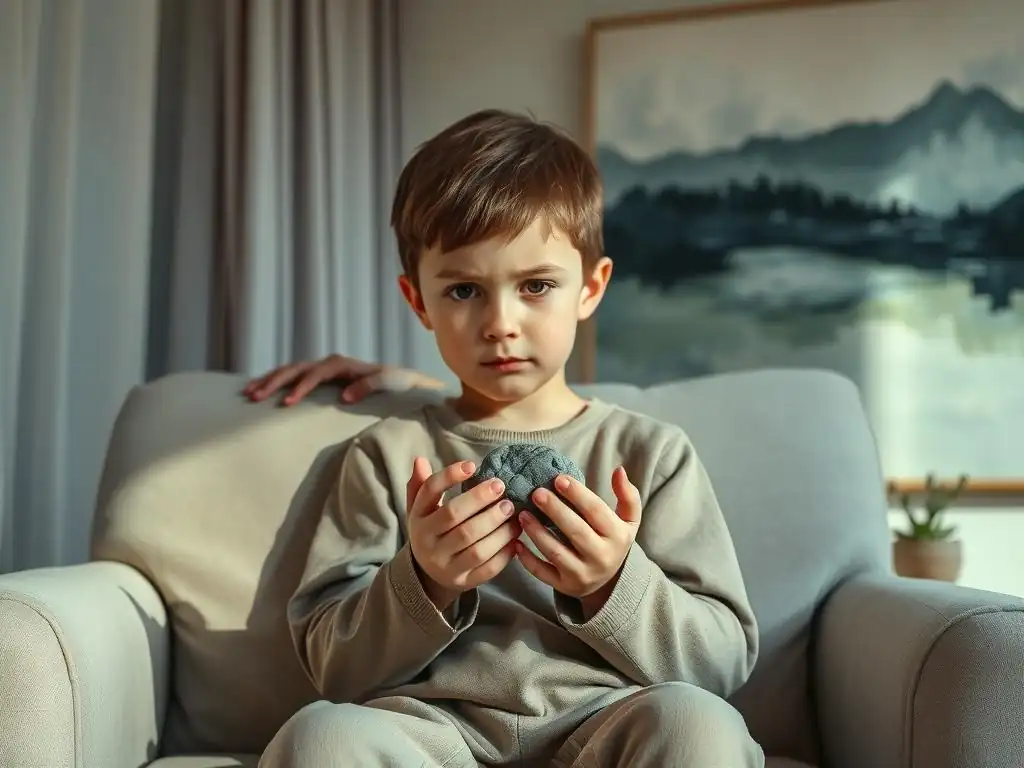
Supporting a child with anxiety goes beyond professional treatment; the home environment and parental responses play a significant role in a child's ability to manage their worries. Parents and caregivers are key figures in helping a child learn coping skills and build resilience. Consistent, empathetic, and informed support can make a profound difference in a child's journey towards overcoming anxiety.
This support involves understanding the nature of anxiety, responding to it in helpful ways, and actively participating in the child's treatment plan. It requires patience, empathy, and a willingness to adjust strategies as the child grows and their needs change. Implementing practical strategies at home complements the work done in therapy and strengthens the child's ability to cope with challenges.
Creating a Supportive and Understanding Home Environment
A supportive home environment is one where a child feels safe to express their feelings without judgment and knows they will receive help. This involves validating the child's feelings ("I see you're feeling scared about the test") rather than dismissing them ("Don't be silly, there's nothing to worry about"). While validating the feeling, it's also important not to validate the anxious thought if it's irrational. Instead, gently challenge the thought or offer a more balanced perspective.
Establishing predictable routines can also help reduce anxiety, as children often thrive on structure. Minimizing unnecessary stress or conflict within the home is also beneficial. Encouraging independence and praising brave behaviors, even small steps, reinforces positive coping. A home where anxiety is understood as a challenge to be faced with support, rather than a weakness, is crucial for a child's progress with childhood anxiety disorders treatment options.
Communicating Effectively with an Anxious Child
Effective communication with an anxious child involves active listening and empathy. When a child is expressing worry, listen patiently without interrupting or immediately offering solutions. Reflect back what you hear to show you understand their feelings. Use calm and reassuring language, but avoid excessive reassurance, which can sometimes inadvertently reinforce the need for it.
Instead of asking "Why are you so worried? ", try asking "What are you feeling right now?" or "What is your worry telling you?". Help the child label their emotions. Encourage them to talk about their fears, but also guide them towards problem-solving or coping strategies they are learning in therapy. Avoid accommodating their anxiety by doing things for them that they are capable of doing themselves (e.g., calling the school about homework they forgot); instead, coach them through the process. This balanced approach is vital when implementing strategies learned from childhood anxiety disorders treatment options.
Helping Children Develop Coping Skills and Resilience
Teaching children coping skills is a fundamental part of helping them manage anxiety long-term. These skills can include techniques learned in therapy, such as deep breathing, positive self-talk, challenging anxious thoughts, and gradual exposure. Parents can practice these skills with their children and encourage their use when anxiety arises. For example, if a child is nervous about a playdate, a parent might practice deep breathing with them beforehand.
Building resilience involves helping children develop the ability to bounce back from challenges. This can be fostered by allowing children to face manageable difficulties, encouraging them to try new things, praising effort rather than just outcome, and helping them see mistakes as learning opportunities. Teaching problem-solving skills and fostering a growth mindset empowers children to tackle future worries and setbacks, enhancing the effectiveness of childhood anxiety disorders treatment options.
Working with Schools and Professionals to Support Your Child
Collaborating with your child's school and the mental health professionals involved in their care is essential for a coordinated approach. Informing the school counselor or relevant teachers about your child's anxiety and treatment plan can help them provide support in the school setting. This might involve identifying triggers at school (like presentations or tests), implementing accommodations (like allowing extra time or a quiet space), and communicating between home and school.
Regular communication with your child's therapist or psychiatrist ensures that everyone is on the same page regarding goals, progress, and strategies. Parents should feel empowered to ask questions about childhood anxiety disorders treatment options, discuss concerns, and share observations about how the child is doing at home and school. A team approach involving parents, educators, and clinicians provides the most comprehensive support for a child with anxiety.
Long-Term Outlook and Prevention of Childhood Anxiety
The long-term outlook for children with anxiety disorders is significantly improved with early identification and intervention. While anxiety can be a chronic condition for some, effective treatment can lead to substantial symptom reduction, improved functioning, and a better quality of life throughout adulthood. Without treatment, childhood anxiety is more likely to persist and potentially escalate into more severe problems.
Prevention efforts focus on building resilience in children and addressing risk factors early on. Creating supportive environments at home and school, teaching coping skills, and promoting emotional literacy can help buffer children against developing anxiety disorders. Continued research into the causes and most effective childhood anxiety disorders treatment options offers hope for even better outcomes in the future.
The Importance of Early Intervention and Treatment
Identifying and addressing childhood anxiety disorders as early as possible is crucial. Research indicates that children who receive treatment for anxiety are less likely to experience significant anxiety problems in adulthood compared to those who do not receive treatment. Early intervention can prevent the anxiety from becoming more ingrained, reducing the risk of academic failure, social isolation, and the development of co-occurring disorders like depression or substance abuse.
Access to timely and appropriate childhood anxiety disorders treatment options allows children to learn coping skills during critical developmental periods. This helps them navigate the challenges of childhood and adolescence more effectively, setting them up for greater success and well-being in adulthood. Parents and educators playing an active role in recognizing early signs is a key factor in facilitating this timely intervention.
Building Resilience and Promoting Mental Wellness in Children
Promoting mental wellness in all children, not just those with diagnosed anxiety, is a proactive approach to reducing the prevalence and severity of anxiety disorders. Building resilience involves fostering a child's ability to adapt well in the face of adversity. This includes teaching emotional regulation skills, problem-solving abilities, positive self-esteem, and the importance of healthy relationships.
Encouraging children to engage in activities they enjoy, ensuring they get adequate sleep and nutrition, and providing opportunities for physical activity all contribute to overall mental wellness. Schools can play a role by implementing social-emotional learning programs. By focusing on these foundational aspects of well-being, we help children develop the inner strengths needed to face challenges and potentially mitigate the impact of genetic or environmental risk factors for anxiety. These preventative strategies complement the active childhood anxiety disorders treatment options available.
Future Research and Advancements in Childhood Anxiety Treatment
The field of childhood anxiety disorders treatment options is continuously evolving, with ongoing research aimed at improving understanding and developing more effective interventions. Research is exploring personalized treatment approaches based on a child's specific biological and psychological profile. Studies are also investigating the long-term effectiveness of different therapies and the optimal use of medication.
Advancements in neuroscience are providing deeper insights into the brain mechanisms underlying childhood anxiety, which may lead to the development of new pharmacological or non-pharmacological treatments. Furthermore, research is focusing on improving access to care, utilizing technology such as telehealth or digital interventions to reach more children and families in need. These ongoing efforts hold promise for enhancing the lives of children affected by anxiety disorders.
Conclusion: Empowering Children to Overcome Anxiety
Childhood anxiety disorders are common but highly treatable conditions. Recognizing the signs, understanding the different types of anxiety, and exploring the available evidence-based childhood anxiety disorders treatment options are vital steps for parents, caregivers, and educators. With appropriate support, children can learn to manage their worries, build resilience, and lead fulfilling lives.
Empowering children means equipping them with the skills and confidence to face their fears, rather than avoid them. It involves a collaborative effort between families and professionals, utilizing therapies like CBT, and considering medication when necessary. By addressing anxiety early and providing comprehensive support, we help children not just cope with their worries, but truly thrive, demonstrating that even persistent worries can be overcome.
Frequently Asked Questions
What are some common symptoms of childhood anxiety disorders?
Childhood anxiety can manifest as excessive worry, restlessness, or difficulty concentrating. Physical symptoms like stomachaches or headaches are also common indicators.
What are the main types of childhood anxiety disorders?
Several types exist, including generalized anxiety disorder (GAD), separation anxiety disorder, social anxiety disorder, and specific phobias. Early diagnosis is crucial for effective treatment.
What are the primary treatment options for childhood anxiety disorders?
Treatment often involves a combination of therapy (like Cognitive Behavioral Therapy or CBT) and, in some cases, medication. Parental involvement is also vital for success.
How can parents support a child struggling with anxiety?
Parents can provide a safe and supportive environment, practice active listening, and encourage coping mechanisms like deep breathing or mindfulness techniques.
Where can I find resources for childhood anxiety disorders treatment options?
Resources include mental health professionals, school counselors, and organizations like the Anxiety & Depression Association of America (ADAA). Mind Care Guide also provides information and support.
Final Reflection: The Enduring Shadow of Childhood Anxiety
The pervasive nature of childhood anxiety disorders is not merely a childhood phase; it's a significant public health concern with lasting implications. Untreated anxiety can cast a long shadow, impacting academic performance, social development, and overall well-being into adulthood. We must move beyond simply acknowledging the problem and actively seek solutions that empower both children and their families.
The journey to understanding and addressing childhood anxiety is a deeply personal one, affecting not only the child but also their parents, siblings, and extended family. The emotional toll is immense, and the feeling of helplessness can be overwhelming. Anxiety is like a shadow; it follows you wherever you go, but it only has power over you if you let it.
This quote beautifully captures the struggle, highlighting the importance of proactive intervention and the power of hope. The societal shift towards open conversations about mental health offers a beacon of hope, allowing families to seek help without stigma and fostering a supportive environment for healing.
You, the reader, now hold the knowledge to understand the complexities of childhood anxiety and the various treatment options available. Take this knowledge and use it to advocate for children in your life. Whether it's starting a conversation with a concerned parent, sharing this information with a teacher, or simply educating yourself further, your action can make a profound difference. Remember, early intervention is key, and by working together, we can create a brighter, less anxious future for our children.
Unleash Your Child's Inner Strength: Take Action Today!
Thanks for taking the time to learn more about childhood anxiety. Understanding these challenges is the first step towards empowering your child. Now, let's turn that understanding into action!
- Prioritize one small step: Start with a single, manageable strategy from the article – whether it's trying a deep breathing exercise, scheduling a calming activity, or simply having an open conversation with your child. This small change can make a big difference.
- Explore additional resources: Dive deeper into the topic by researching age-appropriate coping mechanisms and support groups specific to childhood anxiety. Your dedication to learning will make a powerful impact.
- Share this knowledge: Help other parents by sharing this article with friends, family, or online communities who might benefit from it. Supporting each other is key!
What small change will you implement this week to help your child navigate their anxiety?