
Unlock Calm: Finding the Right Guided CBT App for Stress


Welcome to Mind Care Guide, your trusted companion on the path to mental well-being. Feeling overwhelmed? You're not alone. Many struggle with anxiety, and finding effective support can feel daunting. That's why we're here.
In this guide, we'll explore a powerful tool that's helping countless individuals reclaim their peace: Guided CBT apps. But with so many options available, how do you choose the right one? Discover the secrets to selecting the perfect guided CBT app for anxiety and unlock a calmer, more centered you. Let's begin your journey towards lasting relief.
Unlock Calm: Finding the Right Guided CBT App for Stress (Mind Care Guide)
- Understanding Anxiety and the Power of Guided CBT Apps
-
Key Features to Look for in a Guided CBT App for Anxiety Relief
- Evidence-Based Techniques: Ensuring the App Uses Proven CBT Methods
- Personalized Programs: Tailoring CBT to Your Specific Anxiety Triggers
- Mindfulness and Relaxation Exercises: Integrating Calming Techniques
- Mood Tracking and Progress Monitoring: Measuring Your Anxiety Levels
- Accessibility and Affordability: Making Mental Health Care Easier
- User-Friendly Interface and Engaging Content: Staying Motivated
- Top Guided CBT Apps for Anxiety: A Comparative Review
- Choosing the Right Guided CBT App for Your Anxiety Needs
- Maximizing the Benefits of Your Guided CBT App
- Conclusion: Taking Control of Your Anxiety with Guided CBT
-
Frequently Asked Questions
- What is a Guided CBT app, and how can it help with anxiety?
- How effective are Guided CBT apps compared to traditional therapy for anxiety?
- What features should I look for in a Guided CBT app for anxiety?
- Are Guided CBT apps a substitute for professional mental health treatment?
- How much do Guided CBT apps for anxiety typically cost?
- Final Reflection: The Power of Pocket-Sized Peace
- Unlock Your Inner Calm: Start Your CBT Journey Today!
Understanding Anxiety and the Power of Guided CBT Apps
What is Cognitive Behavioral Therapy (CBT) and How Can It Help Anxiety?
Cognitive Behavioral Therapy (CBT) is a widely-recognized type of psychotherapy that has proven highly effective in treating various mental health conditions, including anxiety disorders. At its core, CBT operates on the principle that our thoughts, feelings, and behaviors are interconnected. It posits that negative or irrational thought patterns often contribute to distressing emotions and unhelpful behaviors, such as avoidance or panic responses commonly seen in anxiety. The therapeutic process involves identifying these distorted thinking patterns, challenging their validity, and replacing them with more balanced and realistic perspectives.
For someone struggling with anxiety, CBT provides practical tools and techniques to manage symptoms. This includes learning to recognize triggers, understanding the physiological sensations of anxiety without fear, and developing coping strategies like relaxation techniques and gradual exposure to feared situations. A key component is cognitive restructuring, where individuals learn to dispute anxious thoughts like "I'm going to fail" or "Something terrible is about to happen" and reframe them into more constructive thoughts such as "I can handle this challenge" or "This feeling will pass."
Studies consistently show that CBT leads to significant reductions in anxiety severity, with many individuals experiencing lasting improvements even after therapy concludes. For instance, research published in the Journal of Consulting and Clinical Psychology has indicated effect sizes demonstrating meaningful improvement in anxiety symptoms following CBT interventions.
The Growing Popularity of Guided CBT Apps for Managing Stress and Anxiety
In recent years, the landscape of mental health support has expanded significantly with the rise of digital tools, particularly guided CBT apps. These applications bring the core principles and techniques of Cognitive Behavioral Therapy directly to users' smartphones or tablets, offering accessible support for managing stress and anxiety outside of traditional therapy sessions. Their popularity stems from several factors, including convenience, affordability compared to in-person therapy, and the ability to access help anytime, anywhere. Millions of people worldwide are now turning to these platforms as a first step or supplementary tool in their mental wellness journey.
The appeal of a guided CBT app for anxiety lies in its structured, self-paced nature. These apps typically offer interactive modules, exercises, and educational content based on CBT principles. Users can learn about anxiety, identify their specific thought distortions, practice cognitive restructuring, and develop coping skills through guided lessons and activities.
Data from market research firms suggests substantial growth in the mental wellness app sector, with projections indicating billions of dollars in revenue globally. This growth is fueled by increasing awareness of mental health issues and a demand for flexible, stigma-free support options. A guided CBT app provides a discreet way for individuals to learn powerful techniques like mindfulness, exposure therapy principles, and thought challenging in a format that fits into their daily lives.
Why Choose a Guided CBT App Over Traditional Therapy?
Choosing a guided CBT app for anxiety can be a practical and effective option for many individuals, offering distinct advantages over traditional in-person therapy, although it's important to note it's not a substitute for severe conditions requiring professional guidance. One of the primary benefits is accessibility. Finding a qualified therapist can be challenging due to long waitlists, geographical location, or scheduling conflicts. A guided CBT app is available 24/7, allowing users to engage with therapeutic content whenever and wherever they feel most comfortable, whether it's during a lunch break, before bed, or during a moment of anxiety.
Another significant factor is cost. Traditional therapy sessions can be expensive, often ranging from $100 to $250 per session or more, and insurance coverage can vary. Guided CBT apps typically operate on a subscription model, with costs often ranging from around $10 to $70 per month, making them a significantly more affordable option for consistent engagement with therapeutic principles.
This lower financial barrier makes mental health support more attainable for a broader population. Furthermore, some individuals may feel more comfortable exploring their anxiety and learning coping mechanisms privately through an app before considering or while attending traditional therapy, reducing potential feelings of stigma or discomfort associated with discussing personal struggles face-to-face initially.
Key Features to Look for in a Guided CBT App for Anxiety Relief
Evidence-Based Techniques: Ensuring the App Uses Proven CBT Methods
When selecting a guided CBT app for anxiety, verifying that its content is based on evidence-based techniques is paramount. This means the app's modules and exercises should align with the established principles and practices of Cognitive Behavioral Therapy that have been validated through scientific research and clinical trials. Look for apps that explicitly mention their foundation in CBT, and ideally, those developed or reviewed by mental health professionals like psychologists or therapists. An app rooted in evidence is more likely to provide effective strategies for managing anxiety symptoms.
Effective apps will guide users through core CBT components such as identifying automatic negative thoughts, challenging cognitive distortions (like catastrophizing or all-or-nothing thinking), behavioral experiments, and exposure techniques (often presented in a structured, gradual manner). They might offer specific modules on topics relevant to anxiety, such as managing panic attacks, overcoming social anxiety, or reducing worry. For example, an app might include a step-by-step guide on how to perform a simple behavioral experiment to test an anxious prediction, a technique directly derived from CBT research demonstrating its efficacy in reducing fear avoidance behaviors.
Personalized Programs: Tailoring CBT to Your Specific Anxiety Triggers
Anxiety manifests differently in everyone, triggered by unique situations, thoughts, and physical sensations. A truly effective guided CBT app for anxiety should offer some level of personalization to address these individual nuances. Generic content, while informative, may not resonate as deeply or provide targeted support for a user's specific challenges, whether it's public speaking anxiety, health anxiety, or generalized worry about the future. Personalized programs adapt the content and exercises to the user's reported symptoms, concerns, and progress.
Personalization can take several forms. Some apps might start with an assessment to understand the user's primary anxiety type and severity, then recommend a specific learning path or set of modules. Others allow users to select areas of focus, such as social situations, health worries, or perfectionism, and tailor content accordingly.
An app might also personalize the frequency or intensity of exercises based on user input and tracked progress. For instance, if a user identifies public speaking as a major trigger, the app might offer specific modules on managing performance anxiety, practicing relaxation techniques before presentations, and challenging thoughts about judgment, rather than a general module on social situations.
Mindfulness and Relaxation Exercises: Integrating Calming Techniques
While CBT primarily focuses on thoughts and behaviors, integrating mindfulness and relaxation techniques is a crucial complementary element for managing anxiety, and a good guided CBT app will typically include these. Anxiety often involves heightened physiological arousal and intrusive thoughts about the future. Mindfulness helps anchor individuals in the present moment, reducing rumination and worry, while relaxation techniques directly counter the body's stress response. These practices enhance the effectiveness of CBT by providing tools to manage the immediate discomfort of anxiety.
Look for apps that offer a variety of guided meditations, breathing exercises, progressive muscle relaxation scripts, or calming visualizations. The availability of short, easily accessible exercises (e.g., 3-5 minute breathing practices) is particularly useful for managing acute moments of anxiety. For example, an app might include a module specifically teaching diaphragmatic breathing and offer a guided session accessible from the home screen during a panic attack. Integrating these techniques within a guided CBT app for anxiety allows users to learn cognitive strategies and immediate calming skills side-by-side, creating a more holistic approach to symptom management.
Mood Tracking and Progress Monitoring: Measuring Your Anxiety Levels

Tracking mood and monitoring progress are integral components of both traditional CBT and effective digital mental health tools. A good guided CBT app for anxiety should provide features that allow users to log their anxiety levels, triggers, thoughts, and behaviors over time. This data serves multiple purposes: it helps users become more aware of their patterns, provides objective evidence of how symptoms fluctuate, and allows them to see the impact of using the app's techniques. Without tracking, it's harder to identify what's working and to feel motivated by positive changes.
Features might include daily mood check-ins using a numerical scale (e.g., 1-10) or descriptive terms, logging specific anxiety-provoking events or thoughts, and journaling about experiences. Some apps offer graphical representations of mood trends over days, weeks, or months. This visual feedback can be incredibly motivating; seeing a downward trend in average anxiety scores after consistently practicing CBT techniques provides tangible proof of progress. For example, a user might log their anxiety before and after using a guided exposure exercise within the app and see a measurable reduction, reinforcing the effectiveness of the technique.
Accessibility and Affordability: Making Mental Health Care Easier
Accessibility and affordability are critical factors that drive the appeal of guided CBT apps for anxiety. Mental health support should not be a luxury, and these apps help bridge gaps in access. Look for apps available on major platforms (iOS and Android) and ideally accessible on multiple devices (phone, tablet, web). Features like offline access to content can also enhance accessibility for users with limited internet connectivity. The interface should be intuitive and easy to navigate for people of varying tech literacy levels.
As previously mentioned, cost is a major consideration. While free apps exist, many comprehensive guided CBT apps for anxiety operate on a subscription model, typically ranging from around $10 to $70 per month or offering discounted annual plans (e.g., $70 to $500+ per year). Some apps offer a limited free version or a free trial period, which is an excellent way to test the platform before committing financially. Comparing subscription costs and features across different apps is essential to find one that fits your budget while providing the necessary tools for anxiety management.
User-Friendly Interface and Engaging Content: Staying Motivated
Even the most evidence-based guided CBT app for anxiety will be ineffective if users find it difficult to use or the content is boring and unengaging. A user-friendly interface is paramount; navigation should be intuitive, information should be clearly presented, and the overall design should be clean and appealing. Users should be able to easily find specific modules, exercises, and tracking features without frustration.
Beyond usability, the content itself needs to be engaging to maintain motivation over time. This can be achieved through various means, such as interactive exercises, relatable examples, clear explanations of complex psychological concepts, and perhaps gamification elements like progress streaks or achievement badges. Some apps use video content, audio guides, or chatbot interfaces to make the learning process more dynamic. For instance, an app might present a CBT concept through a short animated video followed by an interactive quiz or journaling prompt, making the learning feel less like reading a textbook and more like an active, supportive experience.
Top Guided CBT Apps for Anxiety: A Comparative Review
Headspace: Mindfulness and Meditation for Anxiety Reduction
Headspace is widely known for its extensive library of guided meditations, but it also incorporates principles relevant to managing stress and anxiety, aligning with some aspects of a guided CBT app for anxiety. While not exclusively a CBT app, its focus on mindfulness, acceptance, and cognitive skills like observing thoughts without judgment complements CBT techniques. It offers specific meditation courses tailored to stress, anxiety, and challenging emotions.
Key Features of Headspace for Anxiety Sufferers
- Extensive Meditation Library: Thousands of guided meditations varying in length and topic, including specific series for anxiety, fear, and stress.
- Mindfulness Techniques: Teaches core mindfulness skills applicable to reducing anxious rumination.
- Sleep Aids: Sleepcasts, sleep music, and wind-down exercises to help with anxiety-related insomnia.
- Movement & Exercise: Guided exercises for physical well-being, which can impact anxiety.
- "SOS" Sessions: Short meditations for moments of crisis or intense anxiety.
Pricing and Subscription Options for Headspace
Headspace offers a limited free trial (usually 7-14 days) and sometimes a limited free version. Full access requires a subscription. Pricing is typically around $12.99 per month or a discounted annual plan around $69.99 per year. Student, family, and sometimes employee plans are also available.
Pros and Cons of Using Headspace for Anxiety
- Pros: Excellent audio production and interface; vast library; strong focus on mindfulness which is a helpful adjunct to CBT for anxiety; specific content for stress and anxiety.
- Cons: Not a pure, comprehensive guided CBT app for anxiety; less focus on cognitive restructuring and behavioral techniques compared to dedicated CBT apps; requires subscription after trial.
Calm: Relaxation and Sleep Stories for Stress Management
Calm is another popular mental wellness app, primarily focused on meditation, sleep, and relaxation. Like Headspace, it isn't a dedicated guided CBT app for anxiety but offers significant resources that can help manage anxiety symptoms, particularly those related to stress, worry, and difficulty sleeping. Its strength lies in its high-quality production value and variety of calming content.
Key Features of Calm for Anxiety Relief
- Guided Meditations: Large library covering various topics, including specific programs for anxiety, stress, and panic.
- Sleep Stories: Bedtime stories for adults narrated by soothing voices to help users fall asleep (common issue with anxiety).
- Breathing Programs: Guided exercises to regulate breathing and calm the nervous system.
- Masterclasses: Audio programs on mental wellness topics, some covering stress and anxiety management.
- Calm Music: Curated music tracks designed for focus, relaxation, or sleep.
Pricing and Subscription Options for Calm
Calm offers a 7-day free trial for its premium content. After the trial, a subscription is required. Pricing is generally around $14.99 per month or a discounted annual plan around $69.99 per year. A lifetime subscription is also sometimes available for a higher one-time fee (e.g., $399.99).
Pros and Cons of Using Calm for Anxiety
- Pros: High production quality; excellent for sleep issues often associated with anxiety; wide variety of relaxation and mindfulness content; very popular and widely used.
- Cons: Similar to Headspace, it's not a pure guided CBT app for anxiety; less emphasis on core CBT techniques like thought challenging and behavioral experiments; primarily focused on relaxation and mindfulness rather than the cognitive and behavioral components of CBT.
Woebot: AI-Powered CBT Chatbot for Daily Support
Woebot stands out as an AI-powered chatbot designed to deliver support based on CBT, Dialectical Behavior Therapy (DBT), and Interpersonal Psychotherapy (IPT) principles. It provides daily check-ins, mood tracking, and interactive exercises in a conversational format. This approach makes it feel more like having a supportive guide available throughout the day, which can be particularly helpful for managing anxiety.
Key Features of Woebot for Anxiety Management
- Conversational Interface: Interacts with users through text messages, making it feel personal and accessible.
- Daily Check-ins: Prompts users to track their mood and discuss how they are feeling.
- Interactive CBT Exercises: Guides users through core CBT techniques like identifying cognitive distortions and challenging negative thoughts.
- Educational Content: Explains concepts from CBT and other therapies in simple language.
- Mood Tracking: Automatically logs mood and activity data based on conversations.
Pricing and Subscription Options for Woebot
Woebot is currently free to use. It has been developed through research and funding, making it accessible without a subscription fee.
Pros and Cons of Using Woebot for Anxiety
- Pros: Free to use; highly accessible conversational format; available 24/7 for immediate support; specifically designed around CBT principles; feels less intimidating than traditional therapy for some.
- Cons: AI interaction may not feel as empathetic or nuanced as human interaction; limited in scope compared to a full therapeutic relationship; effectiveness can vary based on individual engagement style.
Sanvello: Comprehensive Mental Healthcare Platform
Sanvello is designed as a comprehensive platform offering tools based on CBT and mindfulness, peer support, and access to coaching or therapy. It provides guided journeys for specific conditions like anxiety and depression, tracking tools, coping techniques, and community forums. This makes it more than just a guided CBT app for anxiety, aiming to be a broader mental wellness resource.
Key Features of Sanvello for Anxiety Management
- Guided Journeys: Structured programs based on CBT and mindfulness for managing anxiety symptoms.
- Mood & Health Tracking: Detailed tracking of mood, thoughts, activities, and physical health metrics.
- Coping Tools: Library of relaxation, mindfulness, and cognitive exercises.
- Community Support: Forums to connect with peers facing similar challenges.
- Coaching & Therapy: Optional access to human coaches or licensed therapists (additional cost).
Pricing and Subscription Options for Sanvello
Sanvello offers a free version with limited features (basic tracking, some coping tools). Full access to guided journeys and premium content requires a subscription, typically around $8.99 per month or $53.99 per year. Access to coaching or therapy incurs separate, higher fees. Sanvello is also sometimes covered by health insurance plans or offered through employers/universities.
Pros and Cons of Using Sanvello for Anxiety
- Pros: Comprehensive platform combining guided content, tracking, community, and optional human support; strong emphasis on CBT and mindfulness; structured guided journeys for anxiety; potential for insurance coverage.
- Cons: Free version is limited; subscription is needed for full access to guided CBT content; integrating peer support and coaching might be overwhelming for some users; costs can add up if utilizing coaching/therapy.
Moodfit: Personalized Mental Fitness Plans
Moodfit positions itself as a mental fitness app providing personalized daily exercises and insights to help users understand and improve their mood and mental well-being, including managing anxiety. It incorporates elements of CBT and other evidence-based approaches through tracking, journaling, and educational content.
Key Features of Moodfit for Anxiety Management
- Personalized Daily Goals: Offers customized recommendations for activities based on user input and goals.
- Thought Record Tool: Guides users through a classic CBT technique for challenging negative thoughts.
- Gratitude Journal: Promotes positive thinking and perspective shifting.
- Articles & Insights: Educational content explaining mental health concepts and techniques.
- Tracking Features: Allows tracking of mood, sleep, exercise, and medication.
Pricing and Subscription Options for Moodfit
Moodfit offers a free version that includes core tools like tracking, gratitude journaling, and the thought record. Full access to all articles, insights, and advanced features typically requires a subscription, which is generally priced around $9.99 per month or $59.99 per year.
Pros and Cons of Using Moodfit for Anxiety
- Pros: Offers core CBT tools like the thought record in the free version; personalized approach to daily activities; good tracking features; educational content is helpful.
- Cons: Less structured "guided journey" compared to some other apps; premium features are locked behind a paywall; focuses broadly on "mental fitness" rather than exclusively being a deep guided CBT app for anxiety.
Choosing the Right Guided CBT App for Your Anxiety Needs
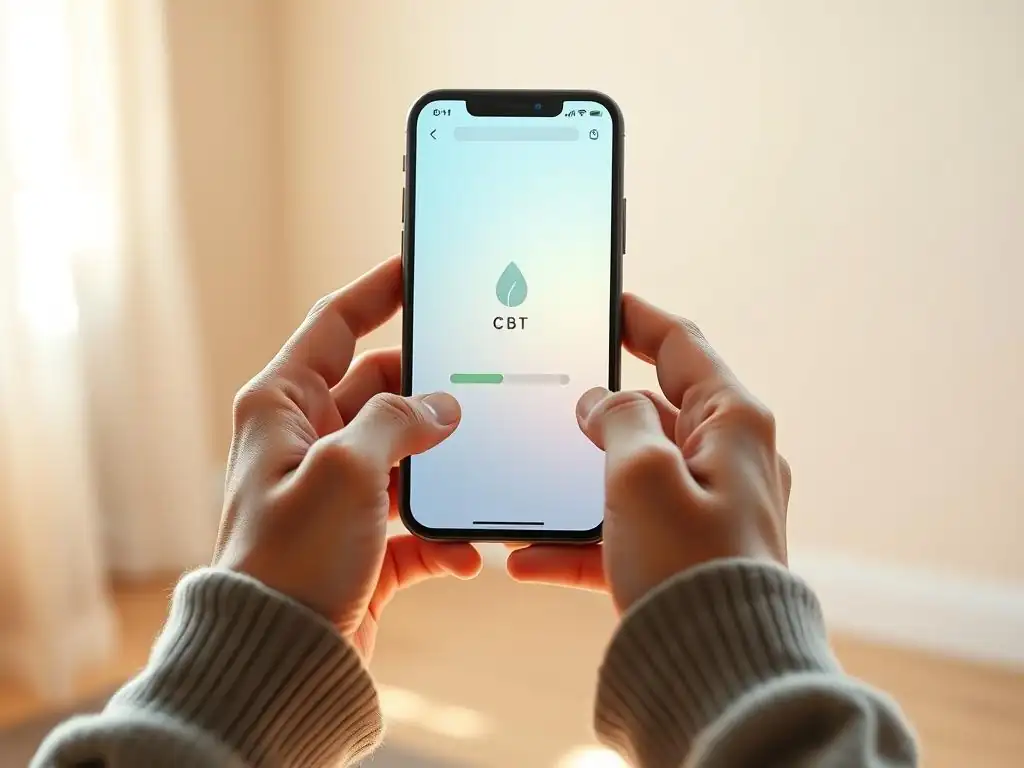
Assessing Your Individual Anxiety Levels and Triggers
The first step in selecting the right guided CBT app for anxiety is to honestly assess your own experiences with anxiety. Consider the severity of your symptoms – are they mild and manageable, or do they significantly interfere with your daily life? Identify your primary triggers: Are they social situations, specific worries (like health or finances), past traumas, or something else?
Understanding the nature and intensity of your anxiety will help you determine the level of support you need from an app. For example, if you experience frequent panic attacks, look for an app that offers specific coping strategies and exercises for acute anxiety. If your anxiety is more generalized worry, an app with strong cognitive restructuring modules might be more suitable.
Think about what you want to achieve by using a guided CBT app. Are you looking for basic coping tools, a structured program to learn CBT from the ground up, or just supplementary support alongside therapy? Some apps are better suited for foundational learning, while others excel at providing quick, on-the-go exercises.
For instance, someone looking for a comprehensive learning experience might prefer an app with detailed modules and lessons, whereas someone needing immediate relief during anxious moments might prioritize quick access to breathing exercises or SOS meditations. Matching the app's features and focus to your specific needs is crucial for long-term engagement and effectiveness.
Considering Your Budget and Subscription Preferences
Cost is a practical but important consideration when choosing a guided CBT app for anxiety. As seen in the comparative review, pricing models vary significantly, from completely free options like Woebot to subscription services ranging from under $10 to over $70 per month. Determine how much you are willing and able to spend on a mental wellness app. Remember that annual subscriptions are often significantly cheaper per month than monthly plans, so if you anticipate using the app for an extended period, an annual plan might be more cost-effective.
Also, consider whether you prefer a one-time payment model (less common for these types of apps but worth checking for lifetime options) or a recurring subscription. Some apps offer limited free versions; assess if the features available in the free tier are sufficient for your needs, or if the premium content is essential.
Taking advantage of free trials is highly recommended as it allows you to experience the full features before committing financially. For example, if you're comparing two apps with similar features but different pricing, a free trial allows you to see which interface you prefer and if the content resonates with you before paying.
Reading User Reviews and Testimonials
Before downloading and subscribing to a guided CBT app for anxiety, take the time to read user reviews and testimonials. App stores (like the Apple App Store and Google Play Store) are valuable resources for understanding real-world experiences. Look beyond the average star rating and read specific comments, paying attention to feedback regarding the app's effectiveness, ease of use, reliability, customer support, and the quality of the content. Be mindful that individual results vary, but patterns in reviews can highlight potential strengths or weaknesses.
Look for comments from users who have similar anxiety profiles or goals to your own. Did the app help them manage their specific triggers? Was the guided content clear and helpful?
Were there any technical glitches or frustrating aspects of the user interface? Websites specializing in app reviews or mental health resources might also offer more in-depth analyses and comparisons. For example, if multiple users complain about an app's tracking feature being buggy or its guided meditations being difficult to follow, that's a strong signal to consider alternative options, even if the app claims to be a great guided CBT app for anxiety.
Taking Advantage of Free Trials and Introductory Offers
Almost every reputable guided CBT app for anxiety offers some form of free access, whether it's a limited free version, a free trial of the premium features (typically 7 to 14 days), or introductory discounts. Do not skip this step! Free trials are the best way to test if an app is the right fit for you before committing to a subscription. During the trial period, actively engage with the app. Explore different modules, try out the exercises, use the tracking features, and see how the interface feels.
Set a reminder for when the free trial ends to avoid unwanted charges if you decide the app isn't for you. Use the trial period to answer key questions: Is the content easy to understand? Do the exercises feel helpful?
Is the app intuitive to navigate? Do you feel motivated to use it regularly? For instance, if you try a guided CBT app for anxiety during its 7-day trial and find yourself consistently forgetting to use it or feeling bored by the content after just a couple of days, it's likely not the right long-term solution for you, regardless of its features list.
Maximizing the Benefits of Your Guided CBT App
Setting Realistic Goals and Expectations
Using a guided CBT app for anxiety is a tool, not a magic cure. To maximize its benefits, it's crucial to set realistic goals and expectations. Understand that managing anxiety is a process that takes time and consistent effort. You are unlikely to eliminate all anxiety overnight or even within a few weeks. Instead, focus on achievable goals, such as reducing the frequency or intensity of panic attacks, learning to challenge specific negative thoughts, or practicing mindfulness for a set amount of time each day.
Set specific, measurable, achievable, relevant, and time-bound (SMART) goals. For example, instead of "Reduce my anxiety," aim for "Practice the guided breathing exercise in the app for 5 minutes every morning this week" or "Use the thought record tool whenever I experience intense worry about work this month." Recognizing that progress may not be linear – there will be good days and bad days – is also part of setting realistic expectations. Celebrate small victories, like successfully navigating a challenging situation using a technique learned from the app, rather than focusing solely on the complete absence of anxiety.
Committing to Regular Use and Practice
Consistency is key to benefiting from a guided CBT app for anxiety. Like learning any new skill, the techniques taught in CBT require regular practice to become effective habits. Simply downloading the app and using it sporadically will yield minimal results. Aim to integrate the app into your daily or weekly routine. This might mean dedicating a specific time each day to work through a module, using the mood tracker at the same time daily, or committing to a short meditation exercise before bed.
Consider setting reminders on your phone or scheduling "app time" in your calendar. Start small if needed; even 10-15 minutes of focused engagement with the app's content or exercises can be beneficial. As you build the habit, you can gradually increase your usage. Regular practice helps reinforce the cognitive and behavioral shifts that CBT aims to achieve. For example, consistently using the thought record tool whenever an anxious thought arises trains your brain to automatically question and reframe negative thinking patterns over time.
Combining the App with Other Anxiety Management Techniques
A guided CBT app for anxiety is a powerful resource, but it often works best when combined with other healthy lifestyle choices and anxiety management techniques. Think of the app as one component of a broader wellness strategy. Consider incorporating regular physical activity, which is scientifically proven to reduce anxiety symptoms. Ensure you are getting sufficient sleep, maintaining a balanced diet, and limiting stimulants like caffeine and alcohol, all of which can exacerbate anxiety.
Other complementary practices might include journaling (beyond the app's prompts), engaging in hobbies you enjoy, spending time in nature, or practicing yoga or tai chi. Social support is also vital; connect with friends, family, or support groups. Using the app's learned techniques, such as mindfulness or cognitive reframing, during these other activities can enhance their effectiveness. For instance, practicing mindfulness learned from the app while taking a walk can deepen your connection to the present moment and reduce anxious rumination.
Seeking Professional Help When Needed
While a guided CBT app for anxiety can be incredibly helpful for managing stress and mild to moderate anxiety, it is not a replacement for professional mental health care, especially for severe anxiety disorders, panic disorder, or anxiety complicated by other conditions like depression or trauma. It's important to recognize when the level of support offered by an app might not be sufficient and to seek help from a licensed therapist, counselor, or psychiatrist.
Signs that you may need professional help include: anxiety symptoms that are worsening despite consistent app use, difficulty functioning in daily life (work, school, relationships), frequent panic attacks, suicidal thoughts, or the presence of co-occurring conditions. Many apps, like Sanvello, offer pathways to connect with human therapists.
Don't view seeking professional help as a failure of the app or yourself; it's a sign of strength and a commitment to your well-being. A therapist can provide personalized treatment, diagnose underlying conditions, and offer support that goes beyond the capabilities of a digital tool, sometimes even integrating the app's use into your overall treatment plan.
Conclusion: Taking Control of Your Anxiety with Guided CBT
The Future of Mental Health: The Role of CBT Apps
The rise of guided CBT apps for anxiety represents a significant step forward in making mental health support more accessible and integrated into daily life. These digital tools leverage technology to deliver evidence-based therapeutic techniques in flexible, affordable formats. As technology continues to evolve, we can anticipate these apps becoming even more sophisticated, potentially incorporating more personalized AI interactions, virtual or augmented reality elements for exposure therapy, and seamless integration with wearable devices for real-time data tracking.
They are poised to play an increasingly crucial role in early intervention, ongoing symptom management, and providing support to individuals who might otherwise face barriers to traditional care. While they won't replace human therapists, guided CBT apps are undoubtedly shaping the future of mental wellness by empowering individuals with practical skills and knowledge to take control of their mental health.
Start Your Journey to Calm Today: Choosing the Best App for You
Finding the right guided CBT app for anxiety is a personal journey, but one that offers immense potential for unlocking calm and building resilience. By understanding what CBT is, identifying key features like evidence-based content, personalization, and tracking, and reviewing popular options like Headspace, Calm, Woebot, Sanvello, and Moodfit, you are well-equipped to make an informed decision. Remember to assess your specific needs, consider your budget, read user reviews, and take advantage of free trials.
Once you've chosen an app, commit to consistent use, integrate it with other healthy practices, and know when to seek professional support. Taking this step is an empowering act of self-care, putting the power of proven therapeutic techniques directly into your hands. Begin exploring the options today and start your path towards managing stress and finding greater peace of mind.
Frequently Asked Questions
What is a Guided CBT app, and how can it help with anxiety?
A Guided CBT app is a mobile application that provides structured Cognitive Behavioral Therapy (CBT) exercises and techniques. These apps can help manage anxiety by teaching users to identify and challenge negative thought patterns and develop coping mechanisms.
How effective are Guided CBT apps compared to traditional therapy for anxiety?
While not a replacement for professional therapy, Guided CBT apps can be highly effective for mild to moderate anxiety. They offer convenient access to CBT principles and can be a valuable tool for self-management and ongoing support.
What features should I look for in a Guided CBT app for anxiety?
Look for apps that offer structured CBT programs, personalized exercises, mood tracking, and relaxation techniques. Features like progress monitoring and expert guidance (even if limited) can also enhance effectiveness.
Are Guided CBT apps a substitute for professional mental health treatment?
No, Guided CBT apps are not a replacement for professional mental health treatment. If you are experiencing severe anxiety or other mental health challenges, it's crucial to seek help from a qualified therapist or psychiatrist.
How much do Guided CBT apps for anxiety typically cost?
The cost varies widely. Some apps offer free basic versions with limited features, while others require a subscription for full access. Consider your budget and needs when choosing a Guided CBT app.
Final Reflection: The Power of Pocket-Sized Peace
The quest for mental wellness is no longer a solitary journey; technology offers a powerful ally in the fight against anxiety. The sheer number of guided Cognitive Behavioral Therapy (CBT) apps available underscores a growing recognition of the need for accessible, effective mental health support. This accessibility, however, necessitates careful consideration and informed choices to find the right tool for individual needs.
The impact of readily available CBT apps is profound. They're democratizing access to therapeutic techniques once reserved for expensive, in-person sessions. This shift is reshaping how we approach mental health, fostering a culture of self-care and proactive well-being. The mind is everything. What you think you become.
– Buddha. This ancient wisdom finds a modern echo in the power of these apps to shape our thoughts and, consequently, our lives. The ongoing evolution of these apps, incorporating new research and personalized features, promises even greater impact in the years to come.
Now, consider your own relationship with stress and anxiety. Which aspects of your mental well-being could benefit from the structured guidance of a CBT app? Perhaps it's managing racing thoughts before bed, developing coping mechanisms for challenging situations, or simply cultivating a more mindful approach to daily life. Take this opportunity to explore the options presented in this article, and embark on your own journey towards a calmer, more balanced you. The path to peace begins with a single download, a single mindful breath, and a commitment to prioritizing your mental health.
Unlock Your Inner Calm: Start Your CBT Journey Today!
Thanks for taking the time to explore the world of guided CBT apps with us! We hope you've gained valuable insights into finding the perfect tool to manage stress and improve your mental well-being. Now it's time to put that knowledge into action.
- Download your chosen app and start your free trial (or first session!). This is the most crucial step towards building healthier coping mechanisms. Don't delay – even a few minutes of practice can make a difference.
- Share your experience: Tell a friend or family member about your journey with CBT and the app you've chosen. Supporting each other can significantly enhance the benefits.
- Explore the app's features: Many apps offer extra resources like relaxation exercises or journaling prompts. Experiment and find what works best for your unique needs.
Ready to experience the transformative power of consistent self-care? What’s the first exercise you’re going to try?