Social Media's Role in Identity Formation: A DoubleEdged Sword
🌱 Explore how social media shapes our identities—highlighting its role as both a source of connection and a catalyst for social media…
Read article
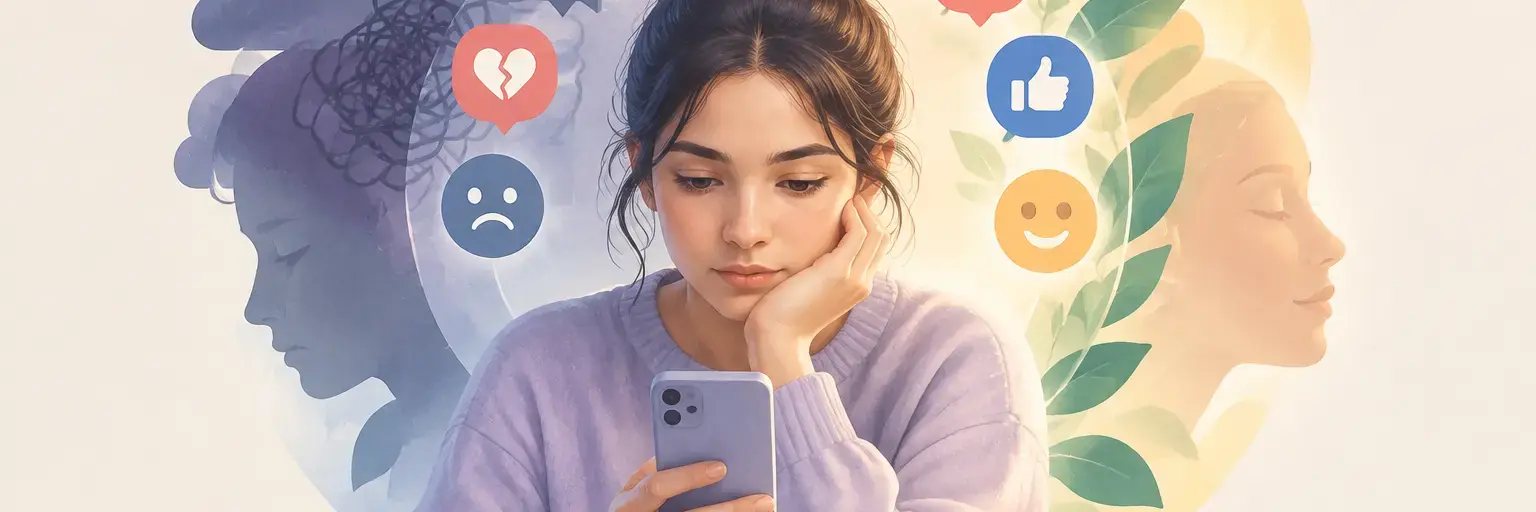
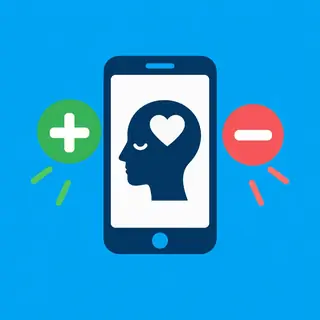
In today’s hyper-connected world, the link between social media and mental health is more critical than ever, shaping our self-esteem, anxiety levels, and daily emotional resilience. While platforms offer connection and community, they also introduce unique challenges like comparison fatigue, cyberbullying, and doomscrolling that can quietly erode well-being. This guide explores the dual impact of digital engagement—both the benefits and the hidden risks—and provides practical, science-backed strategies to reclaim your mental peace without going offline. From setting healthy boundaries and curating a positive feed to mindful consumption and digital detox techniques, you’ll discover actionable tools to transform social media from a stressor into a source of inspiration. Whether you struggle with FOMO, validation-seeking, or screen time guilt, learn how to build a balanced, intentional relationship with technology that protects your mind and nurtures genuine connection. Empower yourself with insights that prioritize your psychological health in the digital age.

🌱 Explore how social media shapes our identities—highlighting its role as both a source of connection and a catalyst for social media…
Read article
🌟 Discover how harnessing social media selfexpression benefits can boost mental well-being, foster authentic connections, and empower individuals to share their stories…
Read article
🌟 Discover how social media impacts mental health, influencing self-esteem, anxiety, and overall well-being. This article explores the hidden effects of online…
Read article
🌟 Discover how embracing your authentic self online and offline can enhance mental well-being. Learn practical strategies to bridge the gap between…
Read article
🌟 Embracing regular social media breaks fosters a digital detox, which significantly benefits mental health. Unplugging reduces stress, enhances focus, and promotes…
Read article
🌟 Discover how a digital detox can significantly reduce anxiety and improve mental clarity. This step-by-step guide explains the benefits of unplugging,…
Read article
🌟 Discover effective social media wellbeing strategies to reclaim your time and boost mental health. This guide offers practical tips to limit…
Read article
🧠 Discover the science behind social media addiction reasons, revealing how dopamine hits and psychological factors keep us hooked. This insight helps…
Read article
🌟 Discover essential healthy social media parenting tips to safeguard your children's mental well-being. This guide offers practical advice for parents to…
Read article
🌟 Discover effective online conflict mental health strategies to protect your well-being. Learn practical tips for navigating digital disputes, reducing stress, and…
Read article
😊 Discover how social media impacts narcissism traits, fueling self-obsession and validation seeking. This article explores the complex link between online platforms…
Read article
🌟 Discover how social media unrealistic expectations distort our perceptions of reality, fostering anxiety and self-doubt. This article explores strategies to navigate…
Read articleIn an era where scrolling is as routine as breathing, the intersection of social media and mental health has become a critical conversation. This subcategory within Technology and Mental Health explores both the psychological risks—like comparison anxiety, doomscrolling, and FOMO—and the practical strategies to reclaim your digital well-being. Here, you’ll find evidence-based insights, actionable tips, and mindful approaches to transform your feed from a source of stress into a tool for connection and growth. Whether you’re a heavy user, a parent, or a professional, this guide helps you navigate the digital landscape without losing yourself.
Social platforms are engineered for engagement, not your peace of mind. Research links excessive use to increased anxiety, depression, and loneliness, largely due to social comparison and the dopamine-driven reward loop of likes and notifications. Cyberbullying and the pressure to curate a perfect life can amplify feelings of inadequacy, especially among teens and young adults. Understanding these neurological and emotional mechanisms is the first step toward reducing their impact. You’ll learn how algorithms exploit your attention and why “passive scrolling” is more harmful than active posting.
When you recognize the signs—restlessness after logout, obsessive checking, or sleep disruption—you can intervene early. This section breaks down specific mental health conditions linked to social media, such as body image issues and social anxiety disorder. It also highlights protective factors like digital literacy and self-awareness. By mapping the risks, you gain clarity on what to monitor in yourself or loved ones, transforming vague unease into a concrete, manageable action plan for healthier engagement.
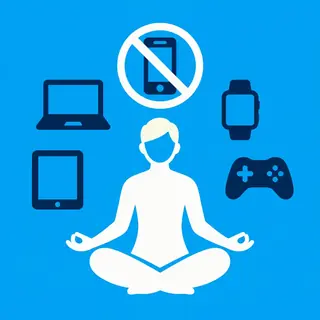
You don’t need to quit social media cold turkey; instead, adopt intentional consumption. Key strategies include setting time limits (e.g., 30 minutes per app), turning off non-essential notifications, and designating phone-free zones like the bedroom or dinner table. Curate your feed aggressively—unfollow accounts that trigger envy or negativity, and follow those that educate, inspire, or foster genuine community. Using digital wellbeing tools (like Screen Time on iOS or Digital Wellbeing on Android) can provide objective data on your habits, making you more accountable.
Another powerful tactic is the “social media audit”—a weekly review of how each platform makes you feel. If Instagram leaves you drained, reduce its presence; if Reddit helps you learn, keep it. Incorporate mindful browsing by asking, “Why am I opening this app?” before you do. Delayed gratification (e.g., checking only at set times) rewires your brain to reduce cravings. These strategies not only minimize harm but also free up mental energy for offline hobbies, deeper relationships, and restorative sleep—key pillars of mental resilience.
Despite its downsides, social media offers unique benefits for mental health when used wisely. It provides access to supportive communities for niche struggles—like chronic illness, neurodivergence, or grief—where individuals find validation and shared coping tips. For those isolated geographically or socially, platforms like Facebook Groups or Reddit forums can reduce feelings of aloneness. Additionally, many mental health organizations use social media to disseminate evidence-based resources, crisis hotlines, and psychoeducation, breaking stigma around seeking help.
Active engagement—commenting, sharing personal stories, or participating in live mental health discussions—fosters a sense of agency and belonging. Research indicates that online peer support can complement professional therapy, especially for undiagnosed individuals exploring their symptoms. This section also covers the rise of “therapists on TikTok” and Instagram, where licensed professionals offer micro-psychology tips. The key is discernment: verifying credentials and filtering out pseudo-expertise. By focusing on connection over comparison, you can turn social media into a genuine asset for your mental health journey.
Adolescents are the most vulnerable to social media’s negative effects, due to developing brains and heightened peer sensitivity. This subcategory provides parental strategies like co-viewing content, open dialogues about online experiences, and setting age-appropriate boundaries without authoritarian control. It also addresses the rise of social media-induced anxiety, cyberbullying, and the “comparison trap” during identity formation. For teens, learning to recognize curated reality versus authentic life is crucial for self-esteem.
Educators and counselors will find evidence-based classroom activities, such as “digital detox challenges” and reflection journals, that teach media literacy. For young adults, the section covers the impact of “LinkedIn anxiety” (success comparison) and “Instagram burnout” during career-building years. Practical tips include scheduled breaks before exams, turning off comments, and using private accounts to limit audience pressure. By equipping youth with emotional regulation tools and healthy digital habits early, we can mitigate long-term consequences like chronic stress and disordered eating, fostering a generation that uses technology without being consumed by it.
Sometimes, social media is not just a habit but a trigger for deeper mental health conditions. This section guides you on recognizing when usage has crossed from problematic to clinically significant—such as when withdrawal symptoms (irritability, panic) occur without access, or when online interactions replace real-world relationships entirely. It also differentiates between “social media overuse” and internet gaming disorder, which has specific diagnostic criteria. You’ll learn warning signs that indicate the need for professional support, including persistent sadness, suicidal ideation, or severe anxiety linked to online harassment.
For clinicians and therapists, this subcategory offers self-help tools for clients, like digital detox protocols and cognitive-behavioral techniques (e.g., “thought records” for online triggers). It also emphasizes that social media can exacerbate existing conditions like ADHD or bipolar disorder through overstimulation or insomnia. Here, you’ll find resources for crisis hotlines, online therapy platforms, and digital wellness coaches. Remember, seeking help is a strength, not a weakness—and this guide helps you take that step with confidence, ensuring that your digital life serves your mental health, not the other way around.
Research shows a significant correlation, but causation is nuanced. Excessive social media use can increase depressive symptoms through social comparison, sleep disruption, and reduced physical activity. However, pre-existing vulnerability matters. If you're already prone to low mood, heavy engagement can worsen it. The link is bidirectional—depressed individuals may also retreat to social media for escape, creating a loop. Moderation and mindful use break this cycle.
The 15-minute rule is a simple delay tactic for reducing impulsive checking. When you feel the urge to open a social app, wait 15 minutes before doing so. During that time, engage in a brief distraction, like deep breathing or a short walk. This interrupts the automatic habit loop, allowing your prefrontal cortex to regain control. Over time, you extend the delay, reducing overall usage and diminishing the dopamine-driven craving response.
Yes, several evidence-based tools work wonders. Apps like Offtime, Forest, and Space offer customizable blocks, usage tracking, and focus games. Built-in options like Apple’s Screen Time and Android’s Digital Wellbeing are free and effective. For more aggressive control, Freedom or AppBlock can lock out apps during scheduled hours. The key is consistency—pair the app with physical phone placement (e.g., another room) for optimal results.
Start with non-judgmental listening. Ask open-ended questions like, “I noticed you seem down after scrolling—what’s going on?” Validate their feelings without dismissing or fixing immediately. Suggest a temporary break together, like a phone-free walk or coffee chat. If they mention self-harm or suicidal thoughts, encourage them to contact a crisis line (e.g., 988 in the US) or a therapist. Remind them that you care about their real-life self, not their online persona.
Absolutely. It requires intentionality—define your purpose for each platform (e.g., networking, learning, family updates) and stick to it. Limit passive scrolling by setting a timer; engage actively by posting or commenting meaningfully. Curate your feed to exclude toxic accounts and include uplifting or educational ones. Practice digital gratitude by noting one positive interaction each day. This approachively turns social media into a supportive tool, boosting rather than draining your mental well-being.