
Creating Your Personalized Safety Plan for Wellbeing


Welcome to Mind Care Guide, a safe space dedicated to nurturing your mental well-being. Feeling overwhelmed or uncertain about navigating difficult times? You're not alone. This guide offers a supportive hand as you explore practical strategies for a healthier mind. Let's start with a crucial tool: our Personalized Mental Safety Plan Template. Discover how this adaptable resource can empower you to proactively manage your mental health and build resilience, even when facing moments of crisis. Curious to learn more? Dive in and begin crafting your path to a stronger, safer you.
Creating Your Personalized Safety Plan for Wellbeing: A Mental Health Guide
- Understanding the Importance of a Mental Health Safety Plan
- Step-by-Step Guide to Building Your Personalized Mental Safety Plan
- Utilizing Your Personalized Safety Plan in Times of Crisis
- Benefits of a Personalized Mental Safety Plan
- Seeking Professional Help and Support
-
Frequently Asked Questions
- What is a Personalized Mental Safety Plan and why is it important?
- How does a Personalized Mental Safety Plan Template help me?
- What are some key elements included in a Personalized Mental Safety Plan?
- How often should I review and update my Personalized Mental Safety Plan?
- Where can I find a reliable Personalized Mental Safety Plan Template from Mind Care Guide?
- Final Reflection: Weaving a Safety Net for Your Wellbeing
- Unleash Your Inner Resilience: Build a Stronger You
Understanding the Importance of a Mental Health Safety Plan
Navigating challenging emotions and periods of distress is a fundamental aspect of human experience. For individuals facing significant mental health challenges, particularly those involving thoughts of self-harm or suicide, having a structured plan in place can be a lifeline. A mental health safety plan is a proactive tool designed to help individuals recognize their triggers and warning signs, identify coping strategies, and connect with sources of support before a crisis escalates. It's not a cure for mental illness, but a critical component of crisis management and overall wellbeing.
Developing such a plan is an act of self-care and empowerment. It provides a roadmap during moments when clear thinking may be difficult, offering concrete steps to take to ensure safety and access help. This guide will walk you through creating a personalized mental safety plan template tailored to your unique needs and circumstances, emphasizing the importance of this vital tool in maintaining your mental health.
Why a Personalized Safety Plan is Crucial for Wellbeing
A personalized mental safety plan template is not a one-size-fits-all document; its strength lies precisely in its customization. While standard templates exist, adapting one to reflect your specific warning signs, preferred coping mechanisms, and personal network makes it significantly more effective and likely to be used during a crisis. Approximately 50-70% of individuals who have completed a safety plan report it being helpful in reducing distress or preventing a crisis, underscoring the value of this tailored approach.
Creating a personalized safety plan fosters self-awareness by requiring you to identify what specifically impacts your mood and mental state. This process itself can be therapeutic, providing insight into your patterns of distress. It also empowers you by giving you a tangible tool you can control, offering a sense of agency during times when you might feel overwhelmed and powerless. This proactive step towards developing a personalized safety plan is a powerful investment in your long-term mental wellbeing.
The Role of a Safety Plan in Crisis Intervention
In moments of acute mental distress, especially when suicidal thoughts are present, a safety plan serves as an immediate guide to de-escalate the situation and seek help. It acts as a bridge between feeling overwhelmed and accessing support, outlining specific actions to take when logical thought is impaired. Mental health professionals frequently use and recommend safety plans as a core component of crisis intervention strategies, often alongside therapy and other treatments.
The plan typically includes steps like identifying triggers, using internal coping strategies, reaching out to supportive friends or family, contacting mental health professionals or crisis hotlines, and ultimately, identifying ways to make the environment safe. This structured approach, laid out in your personalized mental safety plan template, removes the need to make complex decisions during a crisis, significantly increasing the likelihood that effective, life-preserving actions will be taken. Studies have shown that implementing a safety plan can reduce the frequency and intensity of suicidal crises in individuals at risk.
Step-by-Step Guide to Building Your Personalized Mental Safety Plan
Building a personalized mental safety plan is a deliberate process that requires honest self-reflection and input from trusted sources if you choose to involve them. It's best created when you are feeling calm and clear-headed, allowing you to think through the steps logically. This guide provides a framework, a kind of personalized mental safety plan template, for you to fill in with your unique information.
The process involves several key steps, moving from internal awareness to external support and environmental safety. Taking the time to complete each section thoroughly will result in a robust tool you can rely on. Remember, this plan is for you, designed to offer comfort, guidance, and safety when you need it most.
Step 1: Identifying Your Personal Warning Signs and Triggers
Understanding what signals that you are approaching a crisis is the first crucial step in your personalized mental safety plan. These are the internal cues that tell you things are becoming difficult. Triggers, on the other hand, are external events or internal thoughts that can precipitate distress.
Becoming attuned to these signs allows you to intervene early, potentially preventing a full-blown crisis. This requires paying attention to changes in your thoughts, feelings, physical sensations, and behaviors.
Recognizing Early Warning Signs of Distress
Early warning signs are subtle shifts that indicate your mental health is becoming fragile. These can vary greatly from person to person. For some, it might be increased irritability, difficulty sleeping, or withdrawing from social activities they usually enjoy. Others might notice a return of negative thought patterns they thought they had overcome.
- Common examples include:
- Feeling unusually restless or agitated.
- Changes in appetite or sleep patterns (too much or too little).
- Loss of interest in hobbies or activities.
- Increased use of alcohol or drugs.
- Feeling numb or empty.
- Having difficulty concentrating.
- Increased self-critical thoughts.
Identifying these early signals in your personalized mental safety plan template allows you to implement coping strategies before you reach a point of intense distress. Think about past times you've struggled; what were the first signs you noticed?
Common Triggers and How to Acknowledge Them
Triggers are specific situations, events, or even internal thoughts that can provoke intense negative emotions or distress. Acknowledging your triggers isn't about avoiding them entirely (which may not always be possible) but about recognizing their potential impact and preparing a response. Common triggers might include anniversaries of losses, conflicts with loved ones, financial stress, feeling rejected, or even certain news stories.
- Examples of triggers:
- Significant stress at work or school.
- Relationship problems or breakups.
- Anniversary of a traumatic event or loss.
- Social isolation or loneliness.
- Physical illness or pain.
- Exposure to specific environments or people that evoke negative memories.
In your personalized mental safety plan, list your most significant triggers. Understanding why certain things trigger you can also be helpful, perhaps revealing underlying vulnerabilities. Simply naming a trigger can sometimes reduce its power. For instance, knowing that social media comparison is a trigger allows you to plan for limited exposure or conscious scrolling.
Step 2: Developing Coping Strategies for Managing Distress
Once warning signs or triggers are identified, the next step in your personalized mental safety plan is to list coping strategies you can use on your own to help manage difficult emotions and thoughts. These are activities or techniques that help you feel calmer, more grounded, or distracted from distress.
These strategies should be things you find genuinely helpful and are easily accessible when you're struggling. They are your first line of defense.
Self-Soothing Techniques for Emotional Regulation
Self-soothing techniques engage your senses to bring comfort and reduce intense emotional arousal. They help regulate your nervous system and create a sense of calm. These are particularly useful when you feel overwhelmed or anxious.
- Examples of self-soothing techniques:
- Taking a warm bath or shower.
- Listening to calming music.
- Using aromatherapy (e.g., lavender oil).
- Drinking a warm, non-caffeinated beverage like herbal tea.
- Holding a soft blanket or comfort item.
- Using grounding exercises (e.g., the 5-4-3-2-1 method focusing on senses).
- Practicing deep breathing exercises.
Include specific techniques that work for you in your personalized mental safety plan template. For example, instead of just "listen to music," specify "Listen to my 'Calm Playlist' on Spotify." Making it specific increases the likelihood you'll use it. Clinical studies on mindfulness and sensory regulation techniques suggest they can reduce reported stress levels by 20-30% in individuals practicing them regularly.
Distraction Methods
Sometimes, the most effective immediate coping strategy is healthy distraction – engaging in activities that occupy your mind and shift focus away from distressing thoughts. This isn't about avoiding problems long-term, but about getting through a moment of intense pain safely.
- Examples of distraction methods:
- Watching a favorite movie or TV show.
- Playing a video game.
- Reading a book or magazine.
- Working on a hobby (e.g., knitting, drawing, playing an instrument).
- Doing a puzzle or brain game.
- Going for a walk or doing light exercise.
- Cleaning or organizing a small area.
List specific activities that you find genuinely distracting and accessible in your personalized mental safety plan. For instance, instead of "do a hobby," write "Work on my current cross-stitch project." Having a list of 3-5 go-to distraction methods can be incredibly helpful when your mind is racing with negative thoughts. Research indicates that engaging in absorbing activities can effectively reduce rumination and improve mood in the short term.
Step 3: Listing Your Support System
When personal coping strategies aren't enough, reaching out to others is a critical step in any mental safety plan. Identifying supportive individuals and professional resources before you need them ensures you know exactly who to contact when you're struggling.
This section of your personalized mental safety plan template focuses on connecting with people who can offer emotional support or practical help.
Identifying Trusted Contacts
These are people in your life you trust and feel comfortable talking to about your struggles. They might be family members, friends, mentors, or members of a support group. It's helpful to list people who you believe will be available and supportive when you reach out.
- List of trusted contacts:
- Person 1 (Relationship, Phone Number)
- Person 2 (Relationship, Phone Number)
- Person 3 (Relationship, Phone Number)
It can be helpful to have a brief conversation with these individuals in advance to let them know they are part of your personalized mental safety plan and what kind of support you might need (e.g., "Can I call you just to talk when I'm feeling down?"). Knowing they are prepared can reduce the hesitation to reach out during a crisis. Studies show that strong social support networks are significantly correlated with improved mental health outcomes and reduced risk of suicidal behavior.
Creating a Contact List of Mental Health Resources and Crisis Hotlines
Beyond personal contacts, having access to professional and crisis resources is essential. These resources are available 24/7 and staffed by trained individuals who can provide immediate support and guidance.
- List of professional/crisis resources:
- Crisis Text Line (Text HOME to 741741)
- National Suicide Prevention Lifeline (Call or Text 988)
- Specific local crisis line (Number)
- Your therapist's contact information (if applicable)
- Your psychiatrist's contact information (if applicable)
- Local emergency room address/phone number
Including these numbers and contact methods clearly in your personalized mental safety plan template ensures that you don't have to search for them when you are in distress. Over 2.5 million calls, chats, and texts were handled by the 988 Lifeline in its first year of operation, demonstrating its accessibility and vital role in crisis intervention.
Step 4: Identifying Safe Places and Activities

Sometimes, removing yourself from a stressful environment or engaging in an activity that provides comfort and a sense of safety can be incredibly helpful. This step in your personalized mental safety plan template involves identifying locations and activities that promote a feeling of security and peace.
These should be places where you feel calm and less likely to act on suicidal thoughts, or activities that are incompatible with self-harm.
Listing Locations and Activities That Provide Comfort
Consider places where you feel inherently safe, either because of the environment itself or the presence of others. This could be a public place where you feel anonymous but not isolated, a natural setting, or even a specific room in your home.
- Examples of safe places:
- A local park or nature trail.
- A library or quiet cafe.
- A community center.
- A trusted friend's home.
- Your own bedroom (if it feels safe).
Also, list activities that make you feel safe, grounded, or connected, perhaps activities done in public or with others that reduce isolation. For instance, attending a support group meeting, going to a place of worship, or volunteering. Having 1-2 specific safe places and activities listed in your personalized mental safety plan provides concrete options when you need to change your environment or focus.
Step 5: Strategies for Promoting Safety
This is perhaps the most critical section of your personalized mental safety plan template, focusing on immediate steps to reduce the risk of harm during a crisis. It involves identifying actions you will take to ensure your immediate safety.
This requires honest assessment of potential risks and proactive steps to mitigate them.
Identifying Actions to Take During a Crisis
This section involves concrete steps related to making your environment safe and committing to seeking help. It might include limiting access to means of harm.
- Examples of actions to take:
- Remove or secure access to medications, firearms, sharp objects, or other potential means of harm. This might involve giving them to a trusted person or securing them in a way that requires time or assistance to access.
- Go to a safe place identified in Step 4.
- Call or text one of the contacts or crisis lines listed in Step 3.
- Stay in a public place where you are not alone.
- Agree to go to an emergency room or call emergency services (911 or local equivalent) if thoughts intensify or you feel unable to keep yourself safe.
These are action-oriented steps designed to create physical and psychological distance from immediate danger. Discussing these steps with a mental health professional or trusted person when creating your personalized mental safety plan can be very helpful. For example, if medications are a risk, the plan might specify, "Give all medications to my friend [Friend's Name] for safekeeping" or "Lock medications in a safe and give the key to [Family Member's Name]". Making these decisions before a crisis is vital for effective implementation.
Utilizing Your Personalized Safety Plan in Times of Crisis
Having a personalized mental safety plan template is only half the battle; knowing how and when to use it is equally important. The plan is designed to be your guide when you're feeling overwhelmed and struggling to think clearly.
It should be easily accessible and familiar to you.
How to Implement Your Safety Plan When Feeling Overwhelmed
When you notice your warning signs or triggers are active, pull out your personalized safety plan. Start at the beginning and work through the steps. Begin with your internal coping strategies (Step 2). If those aren't sufficient to reduce the distress, move to reaching out to your personal contacts (Step 3). If you still feel unsafe or the distress is severe, contact the crisis resources listed (Step 3) or go to a safe place (Step 4).
Remember that the plan is flexible; you don't have to follow the steps rigidly if a particular step feels more appropriate in the moment. The goal is to use the tools listed to help you feel safer and more connected until the crisis passes or professional help is secured. Simply reading through the plan can sometimes help ground you and remind you that you have resources available.
Regularly Reviewing and Updating Your Mental Health Safety Plan
Your life changes, your coping skills evolve, and your support network may shift. Therefore, your personalized mental safety plan template is not a static document. It's crucial to review and update it regularly, perhaps every 3-6 months, or after a significant life event or period of crisis.
During a review, consider:
- Are your warning signs still accurate?
- Are your triggers the same?
- Are your coping strategies still effective? Have you learned new ones?
- Are the contact details for your support system and resources current?
- Are your safe places still accessible and comforting?
- Are the safety actions still appropriate for your current situation?
Keeping your personalized safety plan current ensures it remains a relevant and effective tool for your wellbeing. Think of it like updating software – regular updates improve performance and security.
Benefits of a Personalized Mental Safety Plan
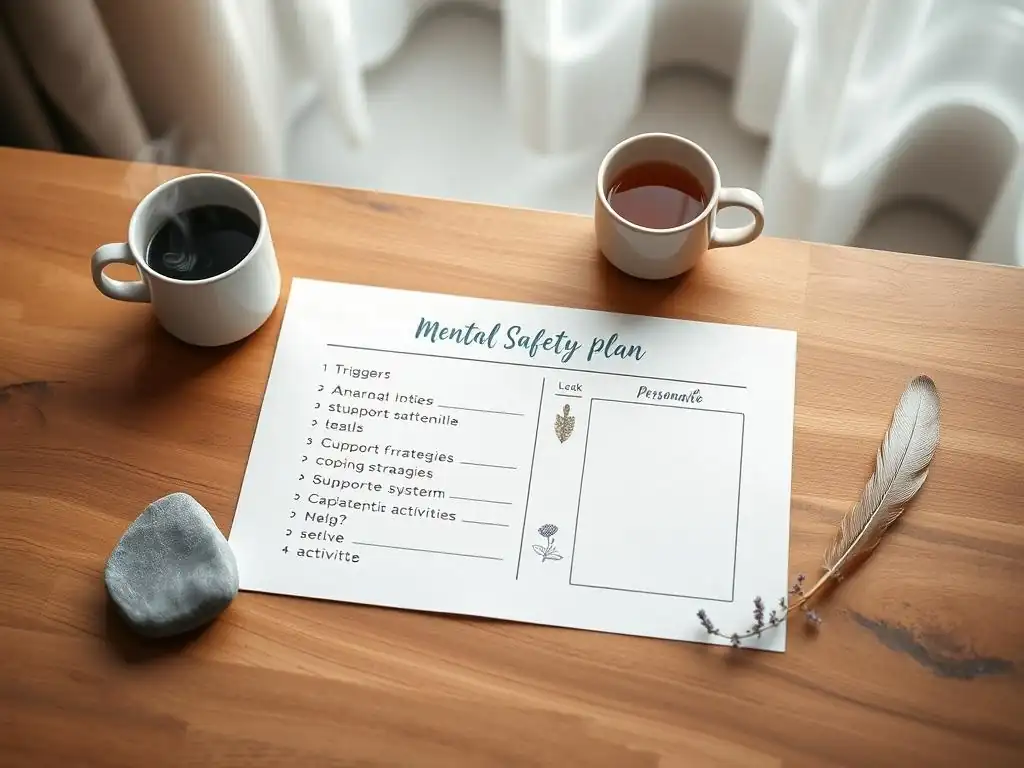
Creating and using a personalized mental safety plan template offers numerous benefits beyond immediate crisis prevention. It contributes positively to overall mental health management and resilience.
These benefits impact self-perception, proactive behavior, and relationships.
Increased Self-Awareness and Emotional Regulation
The process of creating a personalized safety plan requires introspection, leading to a deeper understanding of your own emotional landscape. Identifying warning signs and triggers enhances self-awareness, allowing you to recognize when you're becoming vulnerable.
This increased awareness is the first step towards improved emotional regulation. By knowing your patterns, you can implement coping strategies earlier, potentially preventing the escalation of distress. This empowers you to take control of your emotional responses rather than feeling controlled by them. Individuals who engage in self-monitoring, a core part of developing a personalized mental safety plan, often report feeling more in tune with their needs.
Empowerment and Proactive Crisis Management
Having a concrete plan in place during times of stability provides a sense of empowerment. It shifts the focus from feeling helpless in the face of potential crisis to taking proactive steps to manage risk. Your personalized mental safety plan template is a testament to your strength and commitment to your own safety.
Knowing you have a plan reduces anxiety about future distress. It allows you to face challenges with greater confidence, knowing you have tools and support systems identified. This proactive stance towards mental health crises is a significant benefit, moving from reactive coping to prepared resilience.
Improved Communication with Support Systems
Sharing your personalized safety plan, or parts of it, with trusted friends, family, or mental health professionals can significantly improve communication about your mental health needs. It provides a clear framework for discussing what support looks like for you.
When you list someone as a contact, it opens the door for a conversation about how they can best help. This transparency strengthens relationships and ensures that your support system is better equipped to assist you when you need them most. A well-communicated personalized mental safety plan template facilitates effective support during challenging times.
Seeking Professional Help and Support
While a personalized mental safety plan is a powerful tool for self-management and crisis intervention, it is not a substitute for professional mental health care. Therapy, medication, and other treatments provided by qualified professionals are essential components of managing mental health conditions.
Knowing when and how to connect with professional support is a key part of your overall wellbeing strategy.
When to Consult a Mental Health Professional
It's advisable to consult a mental health professional if you are experiencing persistent symptoms of a mental health condition (like depression, anxiety, bipolar disorder, etc. ), if your coping strategies are consistently ineffective, or if you are having thoughts of self-harm or suicide. A professional can help diagnose conditions, develop treatment plans, and provide therapeutic support.
They can also assist you in creating or refining your personalized mental safety plan template, offering expert insights into warning signs, coping strategies, and resources. Don't wait until you are in crisis to seek professional help; early intervention is often more effective. Over 40 million adults in the US reported having a mental illness in the past year, yet only about half received treatment, highlighting the need to encourage seeking professional support.
Finding Mental Health Resources
Accessing mental health care can sometimes feel challenging, but many resources are available. Your primary care physician can be a good starting point, offering referrals to therapists or psychiatrists. Community mental health centers often provide services on a sliding scale based on income.
Online databases and directories from mental health organizations can help you find therapists or clinics in your area. University psychology or psychiatry departments may offer low-cost services. Including contact information for potential professional resources in your personalized mental safety plan template ensures you know where to turn when you decide to seek ongoing support. Remember, seeking help is a sign of strength.
Frequently Asked Questions
What is a Personalized Mental Safety Plan and why is it important?
A Personalized Mental Safety Plan is a structured, proactive strategy to manage mental health crises. It's important because it provides pre-determined coping mechanisms and support systems during challenging times, promoting self-management and well-being.
How does a Personalized Mental Safety Plan Template help me?
The template offers a framework for identifying triggers, coping strategies, and support contacts. It helps you organize your thoughts and create a customized plan for navigating difficult situations, leading to quicker and more effective responses.
What are some key elements included in a Personalized Mental Safety Plan?
Key elements typically include identifying warning signs, listing coping strategies, naming support people and professional resources, and outlining steps to take during a crisis. It also includes strategies for making your environment safe.
How often should I review and update my Personalized Mental Safety Plan?
You should review and update your plan regularly, ideally every few months, or whenever significant life changes occur. This ensures the plan remains relevant and effective in addressing your current needs and circumstances.
Where can I find a reliable Personalized Mental Safety Plan Template from Mind Care Guide?
You can find a reliable template on the Mind Care Guide website, specifically designed to help you create a personalized strategy for mental well-being. Look for resources related to "Personalized mental safety plan template".
Final Reflection: Weaving a Safety Net for Your Wellbeing
The creation of a personalized safety plan is not merely a trend; it's a vital tool for navigating the complexities of mental health in an increasingly demanding world. The strategies outlined in this article – from identifying triggers and developing coping mechanisms to building a supportive network – are not just theoretical exercises; they are actionable steps towards building resilience and fostering a healthier relationship with oneself. This proactive approach to wellbeing is more crucial now than ever before.
The impact of prioritizing mental health is profoundly felt, not only on an individual level but also within our broader communities. We are witnessing a growing recognition of the importance of self-care, a shift away from the stigma surrounding mental illness, and a greater emphasis on preventative measures. This positive change is encouraging, yet the journey is far from over. The greatest glory in living lies not in never falling, but in rising every time we fall.
– Nelson Mandela. This quote perfectly encapsulates the spirit of creating a safety plan: it's about acknowledging vulnerability and empowering ourselves to overcome challenges.
Now, consider your own wellbeing. Take a moment to reflect on the strategies discussed within this article. Which resonated most deeply with you? Which steps can you realistically implement into your daily life? Don't wait for a crisis to build your safety net; start weaving it today. Begin by identifying one small, achievable step, and build from there. Your wellbeing is an investment worth making, and the rewards – a stronger, more resilient you – are immeasurable.
Unleash Your Inner Resilience: Build a Stronger You
Thanks for taking the time to explore creating a personalized safety plan! You've taken a crucial step towards prioritizing your wellbeing. Now, let's turn this knowledge into action.
- Prioritize one small step from your safety plan today. Even a tiny action, like identifying a safe person to contact, makes a difference.
- Share this article with someone you care about – building a support network is key! Consider how you could adapt this safety plan for them.
- Leave a comment below and share one thing you learned that you'll implement immediately! Let's inspire each other.
What small change will you make today to cultivate a more resilient and supportive life?