
The Future of Safety Planning: Innovations and Resources

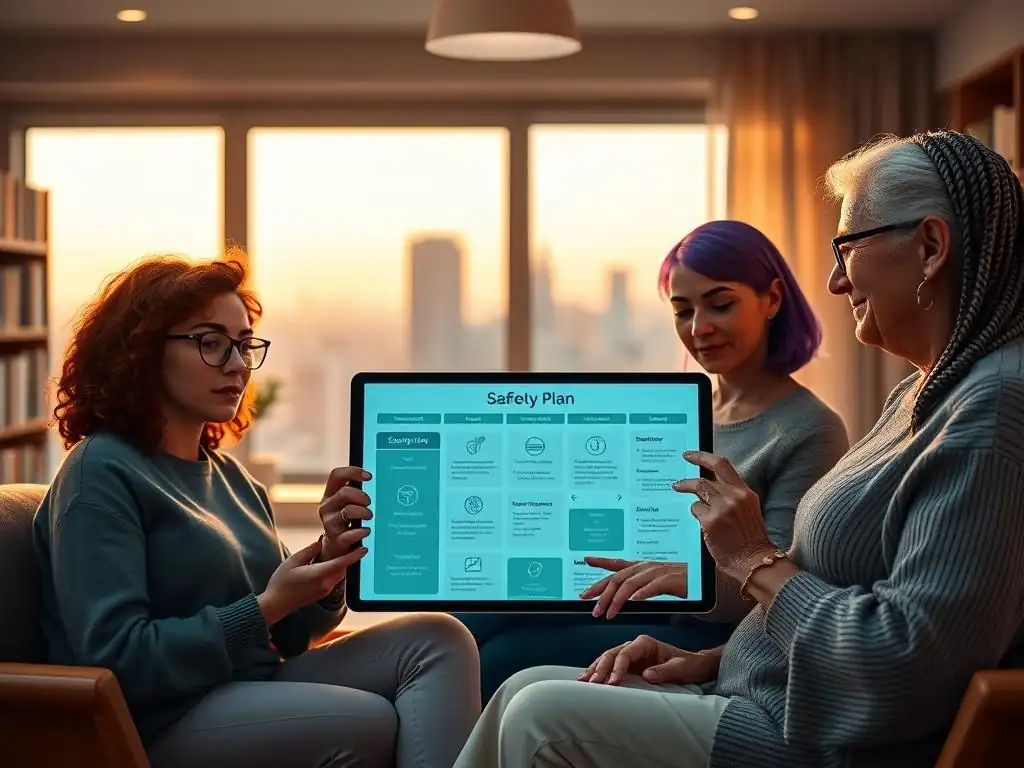
Welcome to Mind Care Guide, a safe space to explore and understand your mental well-being. Feeling overwhelmed by anxiety? You're not alone. What if you could proactively build a roadmap to navigate those challenging moments? This guide dives deep into the vital process of safety planning for anxiety disorders, unveiling innovative strategies and readily available resources that can empower you to regain control and find lasting peace. Discover how to build your personalized plan and unlock a brighter, more secure future.
The Future of Safety Planning: Innovations and Resources
- Understanding Safety Planning for Anxiety Disorders: A Foundation
- Innovations in Safety Planning Techniques for Anxiety
- Resources for Creating and Maintaining Anxiety Safety Plans
- Tailoring Safety Plans to Specific Anxiety Disorders
- Overcoming Challenges in Safety Planning for Anxiety
- The Future of Safety Planning: Trends and Predictions
- Conclusion: Empowering Individuals with Anxiety Through Innovative Safety Planning
-
Frequently Asked Questions
- What is safety planning in the context of anxiety disorders?
- How does safety planning help individuals with anxiety disorders?
- What are some innovations in safety planning mentioned in the article?
- Where can I find the resources mentioned in the article, especially those related to safety planning?
- How often should I review and update my safety plan for anxiety?
- Final Reflection: Reimagining Safety, Rebuilding Resilience
- Unlock Your Safety: Take Control of Your Future
Understanding Safety Planning for Anxiety Disorders: A Foundation
Defining Safety Plans for Anxiety and Panic
A safety plan is a personalized, prioritized list of coping strategies and support resources developed by an individual in collaboration with a mental health professional or trusted person. It's not a contract, but rather a practical tool designed to help someone navigate moments of intense distress, overwhelming anxiety, or panic before reaching a crisis point.
The core components typically include identifying warning signs, internal coping strategies, social contacts who can help, professional contacts, and ways to make the environment safe. For anxiety disorders, this includes specifically listing techniques to manage racing thoughts, physical symptoms like shortness of breath or heart palpitations, and urges to avoid triggering situations.
Developing a robust safety plan for anxiety disorders involves a deep understanding of one's unique triggers and responses. For someone with panic disorder, the plan might heavily focus on recognizing the early physical sensations of panic and immediately implementing grounding techniques or controlled breathing exercises.
For generalized anxiety disorder (GAD), it might emphasize strategies for challenging excessive worry or contacting a specific person who can help reality-check anxious thoughts. The plan serves as a structured guide, readily accessible during moments when clear thinking is difficult, providing concrete steps to de-escalate anxiety and connect with support, thereby enhancing the individual's sense of agency and control.
The Importance of Personalized Safety Strategies
Personalization is paramount in effective safety planning for anxiety disorders. A generic list of coping mechanisms is far less likely to be used or be effective than strategies tailored to an individual's specific experiences, preferences, and support network.
What works for one person facing social anxiety might be completely ineffective for someone dealing with health anxiety. For instance, a personalized plan for someone with social anxiety might list specific friends they feel comfortable calling before or after a challenging social event, or include a step-by-step guide for managing anxious thoughts during an interaction, perhaps involving a specific mantra or a subtle physical action that grounds them.
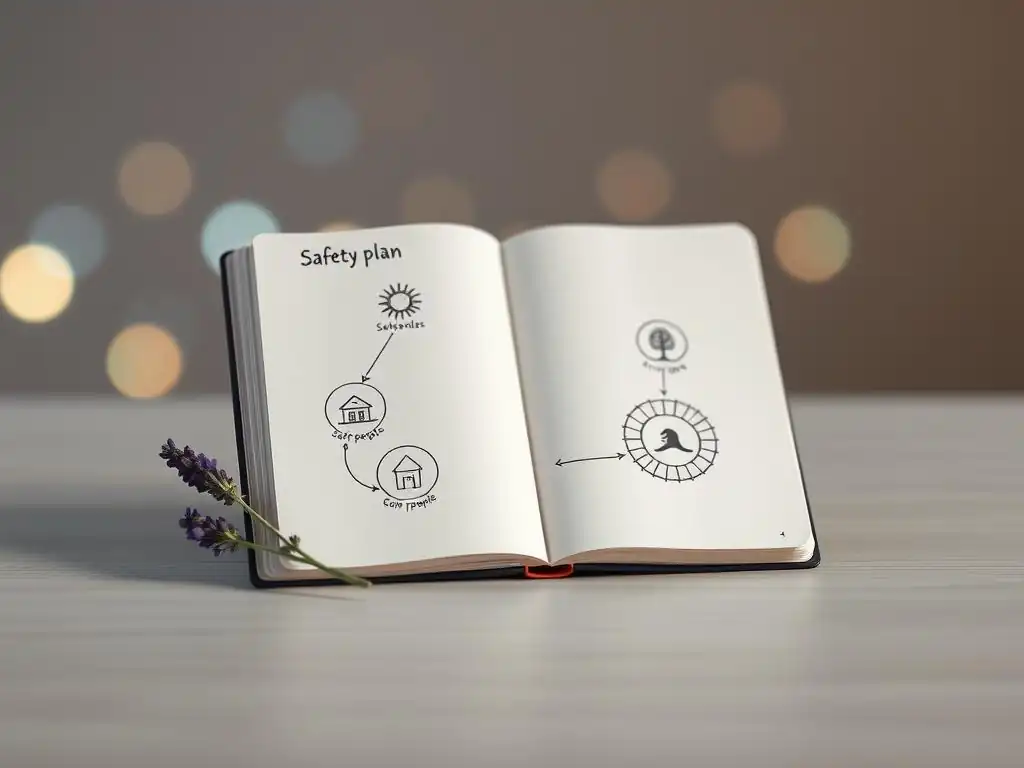
Furthermore, personalization extends to the format and accessibility of the plan. For some, a written plan in a notebook might be best; for others, a digital version on a phone is more practical. The triggers and coping strategies must resonate deeply with the individual.
A person who finds solace in nature might include a step to go for a short walk, while someone else might list listening to a specific calming playlist. A truly effective safety plan for anxiety disorders is a living document, reviewed and updated periodically as the individual's life circumstances, triggers, and coping skills evolve. This ensures it remains relevant and maximally useful during moments of heightened anxiety or panic.
Traditional Approaches to Anxiety Safety Planning
Historically, safety planning for anxiety disorders often involved paper-based methods. Individuals would work with a therapist or counselor to write down their triggers, coping strategies, and contacts in a physical notebook or on a printed worksheet. This process typically occurred during therapy sessions and relied on the individual remembering to carry and reference the physical document when needed. The focus was heavily on cognitive and behavioral strategies taught in therapy, such as deep breathing, progressive muscle relaxation, challenging negative thoughts, and identifying specific trusted individuals to contact.
These traditional methods, while foundational and effective for many, had limitations. A physical plan could be lost, damaged, or simply not readily available when intense anxiety struck, particularly if the individual was away from home. Updating the plan required physically rewriting or editing it. Furthermore, the process of developing the plan was often confined to scheduled therapy time, potentially limiting accessibility for individuals who needed more frequent check-ins or reminders. Despite these limitations, the core principles established by traditional safety planning, such as identifying warning signs and building a support network, remain central to contemporary approaches.
Innovations in Safety Planning Techniques for Anxiety
Digital Tools for Enhanced Anxiety Safety
The advent of digital technology has significantly transformed the landscape of safety planning for anxiety disorders, offering new levels of accessibility and interactivity. Digital tools, ranging from mobile applications to sophisticated software platforms, allow individuals to create, store, and access their safety plans easily from their smartphones or computers. These tools can go beyond static lists, incorporating features like push notifications for scheduled check-ins, mood tracking capabilities to help identify patterns and early warning signs, and direct links or contact buttons for reaching out to support persons or crisis hotlines with a single tap.
One major advantage of digital safety plans is their portability. Since most people carry their smartphones constantly, their safety plan is always within reach during moments of distress, regardless of location. Many apps also allow for easy sharing of the plan with trusted contacts or therapists, facilitating a collaborative approach to safety. While specific user engagement data varies widely by application, mental health apps generally have seen significant growth, with some reports indicating millions of downloads, reflecting a growing acceptance and utilization of digital tools for mental well-being, including aspects of safety planning for anxiety.
Mobile Apps for Safety Plan Creation and Access
Numerous mobile applications are now available that guide users through the process of creating a safety plan, often based on established models like the Stanley-Brown safety plan. These apps typically prompt users to list their personal warning signs of increasing anxiety, identify internal coping strategies (like mindfulness exercises or listening to music), list people and social settings that provide support, identify professionals or agencies to contact, and list ways to make their environment safe. Some apps include pre-loaded suggestions for coping mechanisms or prompts to think about specific scenarios.
Beyond simple list-making, many apps enhance the utility of the safety plan. They might include features for tracking anxiety levels over time, which helps users and their therapists identify patterns and triggers, refining the warning signs section of the plan. Some apps offer guided relaxation exercises or quick access to calming sounds or images directly within the safety planning interface. The ability to quickly call or text a listed support person directly from the app is a critical feature, streamlining the process of reaching out when feeling overwhelmed by anxiety or panic symptoms.
Wearable Technology for Early Anxiety Detection
Wearable technology, such as smartwatches and fitness trackers, holds promising potential for contributing to safety planning for anxiety disorders, particularly in the realm of early warning sign detection. These devices can continuously monitor physiological data points like heart rate, heart rate variability (HRV), sleep patterns, and even skin conductance (related to sweat levels), which are often indicators of stress and anxiety. While not yet widely used specifically for predicting an anxiety attack with high precision, research is ongoing to identify physiological patterns that precede heightened anxiety or panic in individuals.
The integration of this physiological data into a safety plan could be revolutionary. Imagine a scenario where a wearable device detects a significant and unusual change in HRV and heart rate, correlating with a user's past patterns of escalating anxiety.
The device or a linked app could then send a discreet alert, prompting the user to check in with their safety plan before anxiety becomes overwhelming. While still largely in developmental stages, the potential for wearable tech to provide objective, real-time data on physiological states could become a powerful component of proactive safety planning for anxiety disorders, allowing individuals to intervene earlier and more effectively.
Integrating Telehealth into Safety Planning for Anxiety
Telehealth has rapidly expanded access to mental health services, profoundly impacting how individuals can engage in safety planning for anxiety disorders. Remote therapy sessions via video conferencing have made it easier for people, especially those in rural areas, with mobility issues, or significant social anxiety, to connect with a therapist to develop and review their safety plans. This eliminates barriers related to travel, scheduling, and the stress of visiting a physical office, making the process more accessible and less daunting for many.
The flexibility of telehealth allows for more frequent, shorter check-ins specifically focused on safety planning. Instead of waiting for a weekly in-person appointment, an individual might schedule a brief 15-minute video call to review their plan after a challenging week or update it based on new experiences. This ongoing accessibility is crucial for ensuring the safety plan remains relevant and effective. The increased adoption of telehealth, partly accelerated by global events, has demonstrated its viability and effectiveness in delivering core therapeutic interventions, including the collaborative process required for robust safety planning for anxiety.
Remote Support and Guidance for Anxiety Management
Telehealth platforms enable individuals to receive guidance and support for managing their anxiety and developing safety plans from the comfort and privacy of their own homes. Therapists can guide clients through the safety plan creation process step-by-step using shared screens or collaborative digital documents. They can help individuals identify specific triggers, brainstorm effective coping strategies tailored to their life, and build a comprehensive list of support contacts. This remote format can be particularly beneficial for individuals whose anxiety makes it difficult to leave their home or interact in person.
Furthermore, telehealth allows for easy integration of other digital tools into therapy sessions. A therapist can watch as a client uses a safety planning app, providing real-time feedback and assistance. They can also guide the client through practicing coping strategies listed in the plan during the session, such as a guided meditation or a visualization technique, reinforcing the skills needed during moments of crisis. The convenience and reduced stress associated with remote access can lead to greater consistency in engaging with both therapy and the safety planning process.
Virtual Reality (VR) for Exposure Therapy and Safety Skills Training
Virtual Reality (VR) is emerging as a powerful tool within mental health, offering unique opportunities for exposure therapy and practicing safety skills related to anxiety disorders. VR allows individuals to experience simulated environments that trigger their anxiety in a controlled and safe setting. For someone with agoraphobia, this might involve navigating a crowded virtual street; for someone with social anxiety, it could be practicing a public speaking scenario. Within these simulations, individuals can actively practice the coping strategies listed in their safety plan.
For example, a safety plan might list deep breathing as a primary coping mechanism for panic. Using VR, an individual can practice deep breathing while immersed in a virtual scenario that typically triggers their panic, such as being in a crowded elevator. This allows them to build confidence in their ability to use their safety skills effectively in situations that mirror real-life triggers, but without the actual perceived risk. While VR therapy requires specialized equipment and trained professionals, its potential for realistic practice of safety plan elements makes it a promising innovation for enhancing preparedness and reducing anxiety.
The Role of Artificial Intelligence (AI) in Predicting and Preventing Anxiety Crises
Artificial Intelligence (AI) is beginning to explore its potential role in mental health, including the intriguing prospect of predicting and preventing anxiety crises. By analyzing vast amounts of data – potentially including anonymized and aggregated data from mental health apps, wearable devices, and user input – AI algorithms could identify patterns and correlations that are not immediately obvious to humans. This could involve recognizing subtle shifts in behavior, communication patterns (in text-based interactions with chatbots, for instance), physiological data, or self-reported mood that precede a significant increase in anxiety or a panic attack.
The application of AI in safety planning for anxiety disorders is still largely theoretical and under development, with significant ethical considerations regarding data privacy and bias. However, the potential is substantial. Imagine an AI system that, with appropriate user consent, learns an individual's specific anxiety patterns over time. It could identify that a combination of poor sleep for two consecutive nights, increased heart rate variability, and a specific type of negative thought pattern consistently leads to heightened anxiety within 24 hours. Such insights could trigger personalized interventions or prompts from the safety plan.
AI-Powered Risk Assessment for Anxiety Disorders
AI algorithms could potentially enhance risk assessment by identifying complex interactions between various factors known to influence anxiety levels. This isn't about predicting specific events with certainty, but rather identifying periods of increased vulnerability based on a confluence of indicators. For example, an AI could analyze sleep data from a wearable, activity levels, self-reported stress scores from a mental health app, and even contextual data like upcoming stressful events noted in a calendar (with user permission).
By processing these diverse data streams, an AI could flag a period as "high risk" for elevated anxiety or panic based on learned patterns specific to the individual. This could lead to a notification prompting the user to proactively engage with their safety plan – perhaps suggesting they reach out to a support person, practice a specific coping strategy, or ensure they get adequate rest.
While this technology is still in its nascent stages and requires rigorous testing and ethical frameworks, AI's ability to process complex data sets offers a glimpse into a future of more proactive and data-driven anxiety management and safety planning.
Personalized Safety Recommendations Based on AI Analysis
Beyond risk assessment, AI could potentially offer highly personalized recommendations for safety strategies based on analyzing past data on what has worked best for an individual in specific situations. If an AI system tracks that using deep breathing exercises was particularly effective in reducing anxiety during social situations for a specific user, while journaling was more helpful for managing worry at night, it could prioritize these suggestions when the user reports anxiety related to those contexts.
This level of personalization goes beyond a static safety plan by dynamically suggesting the most likely effective strategy based on the AI's analysis of the user's historical data and outcomes. It could learn that for a specific individual, watching a funny video is highly effective when anxiety is at a level 6 out of 10, but contacting a therapist is necessary when it reaches level 8. While sophisticated and dependent on robust data collection and analysis, AI's potential to provide data-informed, personalized safety recommendations could make safety planning for anxiety disorders significantly more adaptive and effective.
Resources for Creating and Maintaining Anxiety Safety Plans
Online Platforms and Websites Offering Safety Plan Templates
A wealth of online resources exists to help individuals begin the process of creating a safety plan for anxiety disorders. Many reputable mental health organizations, non-profits, and government health agencies provide free, downloadable safety plan templates. These templates often follow a structured format, guiding users through the essential components: identifying warning signs, listing internal coping strategies, identifying people and places for distraction, listing people to ask for help, identifying professionals or agencies, and making the environment safe.
Using an online template can be a valuable first step, either independently or as a starting point for discussion with a therapist. While a template provides the structure, the content must be filled in with personal, specific information. Many templates are based on evidence-informed models and serve as excellent frameworks. Websites dedicated to mental health education often host these resources, making them easily accessible to anyone with internet access, providing a free and convenient way to initiate the critical process of safety planning for anxiety.
Mental Health Professionals Specializing in Anxiety Safety Planning
Working with a mental health professional is widely considered the most effective way to create and maintain a comprehensive and personalized safety plan for anxiety disorders. Therapists, counselors, and psychologists have the expertise to help individuals identify subtle warning signs, explore a wide range of coping strategies, navigate challenging emotions that might arise during the planning process, and ensure the plan is realistic and actionable. They can also help integrate safety planning into broader treatment goals for anxiety.
A professional can provide tailored guidance based on their clinical experience and understanding of anxiety disorders. They can help individuals anticipate potential obstacles to using the plan and brainstorm solutions in advance. Furthermore, a therapist can help the individual review and update their safety plan periodically, ensuring it remains relevant as their anxiety symptoms change or life circumstances shift. This collaborative approach leverages the professional's expertise to create a more robust and effective safety net.
Finding a Therapist Experienced in Anxiety Safety
Finding a therapist experienced in treating anxiety disorders is crucial for effective safety planning. Professionals specializing in modalities like Cognitive Behavioral Therapy (CBT), Exposure and Response Prevention (ERP - particularly for OCD-related anxiety), or Dialectical Behavior Therapy (DBT) are often well-versed in helping clients develop practical coping and safety strategies. When seeking a therapist, it can be helpful to ask about their experience working with specific anxiety disorders and their approach to crisis or safety planning.
Many national and local mental health associations offer directories of licensed therapists, often searchable by specialization and location (or telehealth availability). Online therapy platforms also provide access to licensed professionals across different states or regions. Taking the time to find a therapist whose expertise aligns with your specific needs for managing anxiety and developing a safety plan can significantly enhance the quality and effectiveness of the plan.
Collaborating with a Psychiatrist for Medication Management
For many individuals, managing anxiety disorders effectively involves a combination of therapy and medication. A psychiatrist is a medical doctor specializing in mental health who can prescribe and manage psychiatric medications. Collaborating with a psychiatrist is an important part of comprehensive anxiety treatment and can indirectly support safety planning. While psychiatrists don't typically develop the safety plan itself, optimizing medication can reduce the frequency and intensity of anxiety symptoms, making it easier for an individual to implement their safety plan when needed.
Effective medication management, overseen by a psychiatrist, can provide a baseline reduction in anxiety that allows individuals to engage more fully in therapy and skill-building, including the development of a robust safety plan. During moments of acute anxiety or panic, having symptoms partially managed by medication can mean the difference between being able to use a coping strategy from the safety plan and being completely overwhelmed. Regular communication between the individual, their therapist, and their psychiatrist ensures a coordinated approach to managing anxiety and supporting safety.
Support Groups and Communities for Anxiety Sufferers
Support groups and communities offer invaluable resources for individuals navigating anxiety disorders and the process of safety planning. Connecting with peers who understand the challenges of living with anxiety can reduce feelings of isolation and provide practical insights. In a support group setting, individuals can share their experiences with different coping strategies, discuss what makes their safety plans effective (or ineffective), and learn from others' approaches to managing triggers and distress.
These groups, whether in-person or online, foster a sense of belonging and shared understanding. Hearing how others identify their warning signs or utilize their support networks can provide new ideas and motivation for refining one's own safety plan. While support groups are not a substitute for professional therapy, they serve as a powerful complementary resource, offering emotional validation and practical wisdom derived from lived experience, which can significantly bolster an individual's ability to create and rely on their safety planning for anxiety.
Peer Support for Building Safety Skills
Peer support within these groups can be particularly helpful for building and practicing safety skills. Group members might share specific coping techniques they find effective, such as a particular mindfulness exercise, a grounding technique, or a strategy for challenging anxious thoughts. Practicing these skills together, or simply discussing the experience of using them during moments of anxiety, can build confidence and competence.
For example, one member might share how they use a "5-4-3-2-1" grounding technique from their safety plan during a panic attack, while another describes how they use a trusted friend as a distraction contact. These real-world examples from peers can make safety planning feel more tangible and achievable. The empathy and encouragement found in peer support settings create a safe space to discuss the often-difficult process of confronting anxiety and relying on safety strategies when feeling vulnerable.
Online Forums and Communities for Sharing Safety Strategies
The internet hosts a multitude of forums and online communities dedicated to specific anxiety disorders. These platforms allow individuals from around the globe to connect anonymously or pseudonymously, sharing their experiences, challenges, and successes with managing anxiety. Within these communities, discussions often revolve around effective coping mechanisms, identifying triggers, and practical tips for implementing safety plans.
Users might share digital safety plan templates they've found useful, describe how they've adapted strategies to fit their unique circumstances, or ask for advice on specific challenges in using their plan. While caution is always advised regarding medical advice from non-professionals online, these forums can be rich sources of peer-to-peer support and creative ideas for enhancing one's safety planning for anxiety disorders. The accessibility of online communities means support and shared knowledge are available 24/7, which can be particularly valuable during moments of distress.
Tailoring Safety Plans to Specific Anxiety Disorders
Safety Planning for Generalized Anxiety Disorder (GAD)
Safety planning for Generalized Anxiety Disorder (GAD) often focuses on managing pervasive worry and the physical symptoms that accompany chronic anxiety. A GAD safety plan might emphasize strategies for challenging anxious thoughts, setting aside specific "worry time," and engaging in relaxation techniques like progressive muscle relaxation or meditation. Identifying triggers can be broad, ranging from specific situations (like work deadlines) to internal states (like feeling tired or overwhelmed).
The plan will likely include contacts who can provide reassurance or help reality-check worries, though it's important to avoid excessive reassurance seeking, which can perpetuate anxiety. Specific coping strategies might involve distraction techniques like engaging in hobbies or physical activity, or engaging in activities that promote a sense of calm and control. The goal is to provide concrete steps to interrupt the cycle of worry and prevent it from escalating into overwhelming distress.
Safety planning for Social Anxiety Disorder (SAD) is tailored to situations involving social interaction or performance. Triggers are typically specific social events, such as parties, public speaking, meetings, or even one-on-one conversations. Warning signs might include intense self-consciousness, fear of judgment, blushing, trembling, or difficulty speaking.
A SAD safety plan would list strategies for managing anxiety before, during, and after social situations. This could include practicing social skills in advance, using grounding techniques to stay present during interactions, identifying safe or familiar people to connect with at an event, having planned conversation topics, or strategies for leaving a situation if needed. The plan helps individuals feel more prepared and less vulnerable in feared social settings, empowering them to face situations they might otherwise avoid.
Safety Planning for Panic Disorder and Agoraphobia
Safety planning for Panic Disorder and Agoraphobia centers on managing the intense physical and cognitive symptoms of panic attacks and reducing avoidance behaviors related to fear of panic. Warning signs often include physical sensations like heart palpitations, shortness of breath, dizziness, or derealization. Triggers can be specific places (like crowded spaces or public transport for agoraphobia) or internal sensations.
A safety plan for panic disorder will heavily feature immediate coping strategies to use during a panic attack, such as controlled breathing techniques (e.g., 4-7-8 breathing), grounding exercises (e.g., focusing on sensory details), or self-talk to remind oneself that the panic will pass. For agoraphobia, the plan might include strategies for gradually confronting feared situations, identifying "safe zones" or exit routes, and listing specific people who can accompany them to challenging places. The plan provides a roadmap for navigating the intense fear and physical symptoms of panic.
While OCD is distinct from pure anxiety disorders, it involves significant anxiety driven by obsessions. Safety planning for OCD-related anxiety focuses on managing the distress caused by intrusive thoughts and resisting compulsive behaviors. Triggers are typically specific thoughts, images, or situations that provoke obsessions (e.g., contamination fears triggered by touching a doorknob, fear of harm triggered by an intrusive thought).
A safety plan in this context would list strategies other than compulsions to manage the resulting anxiety. This is often rooted in Exposure and Response Prevention (ERP) principles. The plan might involve accepting the presence of the intrusive thought without engaging in a compulsion, using distress tolerance techniques, or engaging in activities that distract from the urge to perform a ritual. It would also list support persons or therapists familiar with ERP who can provide guidance without participating in reassurance-seeking or enabling compulsions.
Overcoming Challenges in Safety Planning for Anxiety

Addressing Resistance to Creating a Safety Plan
One significant challenge in safety planning for anxiety disorders is resistance from the individual. This resistance can stem from various sources: feeling overwhelmed by the process, believing it won't help, fear of confronting difficult emotions or triggers, or feeling a sense of failure for needing a plan. An empathetic and patient approach is essential. Therapists can help by framing the safety plan not as a sign of weakness, but as a proactive tool for empowerment and self-care – similar to having a fire escape plan or an emergency kit.
Breaking down the process into smaller, manageable steps can also reduce feelings of overwhelm. Focusing on just one or two components at a time, such as identifying warning signs or listing internal coping strategies, can make the task less daunting. Validating the individual's feelings of fear or skepticism while gently encouraging engagement is key. Highlighting past instances where the individual successfully coped with anxiety, even small ones, can build confidence in their ability to use future safety strategies.
Managing Co-occurring Mental Health Conditions
Anxiety disorders frequently co-occur with other mental health conditions, such as depression, substance use disorders, or other anxiety disorders. This complexity can make safety planning more challenging, as the plan needs to address the interplay between conditions. For instance, depression can reduce motivation to use a safety plan, while substance use can impair judgment and the ability to implement strategies effectively.
Effective safety planning in the context of co-occurring conditions requires an integrated treatment approach. The safety plan should ideally address warning signs and coping strategies relevant to all conditions. For example, a plan might include steps for managing depressive low mood that could exacerbate anxiety, or strategies for avoiding substance use during periods of high anxiety. Collaboration between different treatment providers (therapists, psychiatrists, addiction counselors) is vital to ensure the safety plan is holistic and supports recovery across all diagnoses.
Adapting Safety Plans for Different Life Stages and Situations
An individual's life is not static, and neither should their safety plan be. Triggers, coping strategies, and support systems can change significantly across different life stages or in response to major life events. A safety plan developed during adolescence will likely need substantial adaptation for adulthood. Similarly, major life changes like starting college, changing jobs, getting married, or experiencing loss can introduce new stressors and require a review and update of the existing plan.
Periodically reviewing and adapting the safety plan is crucial for its continued effectiveness. This might happen during therapy sessions, during periods of stability, or specifically after experiencing a significant increase in anxiety or a crisis. Adapting the plan involves identifying new triggers, evaluating whether current coping strategies are still effective, updating contact information for support persons or professionals, and considering new resources or tools (like a new app or therapy technique). A flexible approach ensures the safety plan remains a relevant and reliable tool throughout an individual's journey with anxiety.
The Future of Safety Planning: Trends and Predictions
Increased Personalization and Customization
Looking ahead, the future of safety planning for anxiety disorders points towards even greater personalization and customization, driven by technology and a deeper understanding of individual needs. While current methods aim for personalization, future approaches may leverage data analytics and AI (as discussed earlier) to create safety plans that are not just tailored to an individual's general condition but are dynamically responsive to their real-time state and specific circumstances.
This could involve AI-driven platforms that learn which specific coping strategy works best for a user during a particular type of anxious moment, or systems that adapt recommendations based on factors like the time of day, location, or even weather patterns if they are identified as triggers. The goal is to move from a static document to a dynamic, adaptive tool that learns and evolves with the individual, offering the most relevant support precisely when and where it's needed, making safety planning for anxiety disorders more intuitive and effective.
Integration of Biofeedback and Neurofeedback Techniques
The integration of biofeedback and neurofeedback techniques into safety planning represents another exciting future trend. Biofeedback involves using sensors to provide real-time information about physiological states, such as heart rate, muscle tension, or skin temperature. Neurofeedback specifically focuses on brainwave activity. By learning to consciously influence these physiological responses, individuals can gain greater control over their body's reaction to anxiety.
Future safety plans could incorporate biofeedback devices that alert individuals when their physiological markers (like heart rate or skin conductance) indicate rising anxiety, prompting them to immediately use a learned biofeedback technique listed in their plan to regulate their response. This direct, physiological intervention could complement cognitive and behavioral strategies, providing a powerful tool for de-escalating anxiety in the moment. While requiring specialized equipment and training, the potential for integrating these techniques into a comprehensive safety strategy is significant.
Greater Emphasis on Prevention and Early Intervention
A major trend in the future of safety planning for anxiety disorders is a stronger emphasis on prevention and early intervention, shifting the focus from crisis management to proactive well-being. This involves using technology and data to identify increasing risk factors before severe anxiety or panic occurs and implementing strategies to mitigate that risk. Instead of just listing what to do during a panic attack, future plans might heavily focus on daily practices and early warning sign responses to prevent the attack altogether.
This preventative approach could involve nudges from digital platforms to engage in regular stress-reducing activities, personalized reminders to practice coping skills when early warning signs are detected (potentially via wearables or AI analysis), or prompts to connect with support before anxiety becomes overwhelming. The goal is to empower individuals to take action at the earliest signs of distress, building resilience and reducing the frequency and severity of anxiety episodes through continuous, proactive safety planning.
Conclusion: Empowering Individuals with Anxiety Through Innovative Safety Planning
Safety planning for anxiety disorders is a vital component of effective management and recovery. While traditional methods have provided a solid foundation, innovations in digital tools, telehealth, AI, and potentially biofeedback are paving the way for more accessible, personalized, and proactive safety strategies. These advancements offer individuals new ways to identify triggers, access coping mechanisms, connect with support, and ultimately gain greater control over their anxiety.
The future promises safety plans that are not static documents but dynamic, intelligent tools integrated into daily life, empowering individuals to intervene earlier and more effectively. By embracing these innovations and utilizing available resources, individuals living with anxiety disorders can build robust, personalized safety nets that enhance their well-being and resilience, providing hope and practical support on their journey towards recovery.
Frequently Asked Questions
What is safety planning in the context of anxiety disorders?
Safety planning is a proactive strategy to manage anxiety symptoms and prevent crises. It involves identifying triggers, coping mechanisms, and support systems.
How does safety planning help individuals with anxiety disorders?
It provides a structured approach to navigating anxiety. This helps by offering personalized steps and resources to regain control during intense moments.
What are some innovations in safety planning mentioned in the article?
The article highlights the use of digital tools and apps for accessible safety plans. It also emphasizes personalized, trauma-informed approaches.
The article likely points to resources on the Mind Care Guide website. You can also consult with mental health professionals for tailored guidance.
How often should I review and update my safety plan for anxiety?
Regular review is crucial. Aim to update your plan whenever life circumstances change. This ensures it remains relevant and effective.
Final Reflection: Reimagining Safety, Rebuilding Resilience
The future of safety planning for anxiety disorders isn't just about managing symptoms; it's about empowering individuals to actively shape their own well-being. This article has explored the innovative tools and resources emerging in the field, highlighting the shift from reactive coping mechanisms to proactive strategies that foster resilience and self-efficacy. The potential for positive change is immense, offering hope and practical solutions to those struggling with anxiety.
The impact of accessible and effective safety planning extends far beyond individual relief; it ripples outwards, influencing the very fabric of mental health support systems. We've seen how technology, community initiatives, and a growing understanding of trauma-informed care are converging to create a more supportive and inclusive environment. This progress is vital, as evidenced by the increasing prevalence of anxiety disorders. The greatest glory in living lies not in never falling, but in rising every time we fall.
– Nelson Mandela. This quote encapsulates the spirit of safety planning – it's not about avoiding setbacks, but about having the tools and resources to navigate them effectively and emerge stronger.
You now possess a deeper understanding of the resources available to build your own personalized safety plan. Consider the strategies discussed – from utilizing mobile apps to connecting with support groups – and identify which resonate most with your unique needs and circumstances. Take the first step today. Explore the resources mentioned, reach out to a mental health professional, and begin building a future where anxiety doesn't define you, but empowers you to live a fulfilling and meaningful life. Your journey towards resilience begins now.
Unlock Your Safety: Take Control of Your Future
Thanks for taking the time to explore the future of safety planning with us! We hope you gained valuable insights into innovative approaches and available resources. Now, let's put that knowledge into action.
Here's how you can continue building a safer and more secure future:
- Develop your personalized safety plan: Start by identifying your specific needs and vulnerabilities, and then create a tailored plan based on the strategies and resources discussed. This is the most crucial step to proactive safety.
- Share this article with someone you trust: Open a conversation about safety planning with a friend, family member, or support network. Collective action strengthens our safety nets.
- Explore additional resources: Consider delving deeper into specialized safety planning tools or connecting with a local support organization. There are numerous resources beyond what was covered here.
What's one small step you can take today to enhance your personal safety plan?