
Safety Planning for Caregivers and Support Systems: A Guide

Welcome to Mind Care Guide, a sanctuary for your mental well-being.
We understand the immense dedication and emotional toll involved in caregiving. It's a role that often demands so much, leaving little room for your own needs. Are you grappling with overwhelming stress or feeling unprepared for potential crises? This guide on caregiver safety planning strategies offers crucial insights and practical tools to protect yourself and those you support. Discover how to build a robust safety net and prioritize your well-being. Let's explore together.
Safety Planning for Caregivers and Support Systems: A Guide
- Introduction to Caregiver Safety Planning and Suicide Prevention
- Identifying Risk Factors and Warning Signs in Care Recipients
-
Developing a Caregiver Safety Plan: Step-by-Step Guide
- Step 1: Identifying Personal Triggers and Stressors as a Caregiver
- Step 2: Listing Coping Strategies for Caregivers
- Step 3: Identifying Supportive Individuals and Resources for Caregivers
- Step 4: Creating a Safe Environment: Reducing Access to Lethal Means
- Step 5: Knowing Emergency Contacts and Crisis Resources
- Implementing and Maintaining the Caregiver Safety Plan
- Self-Care Strategies for Caregivers: Prioritizing Your Own Mental Health
- Addressing Common Challenges in Caregiver Safety Planning
- Resources and Support for Caregivers
- Conclusion: Empowering Caregivers Through Safety Planning
-
Frequently Asked Questions
- What are caregiver safety planning strategies and why are they important?
- How can a caregiver identify if they need a safety plan?
- What are some examples of practical strategies included in a caregiver safety plan?
- How often should a caregiver safety plan be reviewed and updated?
- Where can caregivers find additional resources and support for safety planning?
- Final Reflection: Weaving a Safety Net for Caregivers
- Take Charge: Build Your Caregiver Support Network Today!
Introduction to Caregiver Safety Planning and Suicide Prevention
Understanding the Critical Role of Caregivers in Suicide Prevention
Caregivers, whether family members, friends, or paid professionals, often serve as the primary support system for individuals facing mental health challenges, including those at risk of suicide. Their close proximity and deep understanding of the care recipient's daily life, moods, and behaviors place them in a unique and vital position to identify potential crises early on. This frontline role means that effective caregiver safety planning strategies are not just beneficial, but often critical in preventing tragic outcomes. They are the eyes and ears in the home, observing subtle shifts that might indicate escalating risk.
Recognizing this pivotal role, initiatives across mental health sectors increasingly emphasize equipping caregivers with the knowledge and tools needed for crisis intervention and prevention. Studies indicate that a significant percentage of individuals who die by suicide have had recent contact with a family member or friend, highlighting the opportunity for intervention by those closest to them. Providing caregivers with structured approaches, such as detailed safety plans, empowers them to act decisively and appropriately when signs of distress or suicidal ide ideation appear, creating a layer of support that complements professional mental healthcare.
Why Safety Planning is Essential for Caregivers' Mental Health and Well-being
While the primary focus of safety planning is often the individual at risk, developing robust caregiver safety planning strategies is equally crucial for the well-being of the caregiver themselves. Caregiving for someone with mental health issues, especially suicidal ideation, is inherently stressful and emotionally taxing. Caregivers face elevated risks of burnout, depression, anxiety, and social isolation. A safety plan provides a roadmap not only for responding to the care recipient's crisis but also for the caregiver to manage their own stress and access necessary support.
Implementing safety plans helps caregivers feel more prepared and less overwhelmed during emergencies. Knowing exactly what steps to take, who to call, and how to create a safer environment reduces frantic decision-making in high-stress moments. Furthermore, effective safety planning for caregivers involves identifying the caregiver's personal triggers and developing their own coping mechanisms and support network, which are vital components for maintaining their resilience. Approximately half of family caregivers report symptoms of depression, underscoring the urgent need for strategies that prioritize their mental health alongside that of the person they support.
Identifying Risk Factors and Warning Signs in Care Recipients
Recognizing Suicidal Ideation and Behaviors: A Caregiver's Guide
Recognizing the signs of suicidal ideation and potential behaviors is a cornerstone of effective caregiver safety planning strategies. Suicidal ideation can range from fleeting thoughts to detailed planning. Direct expressions like "I wish I weren't here" or "I'm a burden to everyone" are clear warning signs. However, indirect statements such as "You'd be better off without me" or talking about death frequently can also indicate distress. It's crucial for caregivers to take any mention of suicide seriously and not dismiss it as mere attention-seeking.
Beyond verbal cues, behavioral changes are significant indicators. These might include giving away possessions, saying goodbye to loved ones, researching methods of suicide, or sudden shifts in mood – either becoming intensely agitated or, conversely, appearing unexpectedly peaceful after a period of severe depression (which could indicate a decision has been made). Increased substance use, reckless behavior, withdrawal from social activities, and changes in sleep patterns or appetite are also potential warning signs that caregivers should be vigilant about, integrating this awareness into their safety planning approach.
Common Mental Health Challenges That Increase Suicide Risk
Several mental health conditions significantly increase an individual's risk of suicidal behavior, making it vital for caregivers to be aware of these connections as part of their safety planning strategies. Major Depressive Disorder is perhaps the most commonly associated condition, with severe depression often leading to feelings of hopelessness and worthlessness that fuel suicidal thoughts. Bipolar Disorder, particularly during depressive or mixed episodes, also carries a high risk, often compounded by impulsivity.
Other conditions include Anxiety Disorders, especially Panic Disorder and Social Anxiety, which can lead to intense emotional pain and isolation. Schizophrenia and other psychotic disorders can involve distressing hallucinations or delusions that may command or encourage self-harm. Personality Disorders, particularly Borderline Personality Disorder, are associated with impulsivity, unstable relationships, and a higher incidence of suicidal gestures or attempts. Substance Use Disorders are also critical risk factors, impairing judgment and increasing impulsivity. Caregivers supporting individuals with these diagnoses must incorporate this heightened risk into their proactive safety planning.
Warning Signs in Older Adults, Adolescents, and Individuals with Disabilities
Warning signs of suicide risk can manifest differently across various populations, requiring caregivers to tailor their observations and safety planning strategies accordingly. In older adults, signs might be more subtle, such as increased physical complaints, neglecting personal care or medication, social isolation, or a sudden interest in finalizing affairs. Depression in older adults is often underdiagnosed or mistaken for normal aging, making it critical for caregivers to be attuned to these less obvious indicators. Suicide rates are often higher among older adults, particularly older men.
Adolescents may exhibit risk through marked changes in school performance, withdrawal from friends and family, rebellious behavior, self-harm (like cutting), or excessive use of social media discussing death or hopelessness. The pressures of school, social dynamics, and identity formation can contribute to crises in this age group. For individuals with disabilities, particularly chronic pain or debilitating conditions, feelings of being a burden, loss of independence, or persistent physical discomfort can increase risk. Caregivers must be mindful of these population-specific nuances when developing and implementing caregiver safety planning strategies.
Developing a Caregiver Safety Plan: Step-by-Step Guide
Developing a structured safety plan is a cornerstone of effective caregiver safety planning strategies. This process involves multiple steps tailored to both the care recipient's needs and the caregiver's capacity and well-being.
Step 1: Identifying Personal Triggers and Stressors as a Caregiver
Effective caregiver safety planning begins with self-awareness. Caregivers must identify their own triggers and stressors that can lead to feelings of overwhelm, burnout, or emotional exhaustion. These might include specific behaviors of the care recipient, lack of sleep, financial worries, feeling isolated, or difficulty managing other responsibilities alongside caregiving. Recognizing these personal stress points is crucial because a caregiver who is burned out is less effective and more vulnerable during a crisis.
Once identified, caregivers can begin to develop strategies to mitigate these stressors. This could involve setting boundaries, scheduling regular breaks, or finding ways to delegate tasks. For example, a caregiver might realize that evenings are particularly stressful when the care recipient experiences increased agitation; this insight allows them to plan for extra support or calming activities during that specific time. Documenting these triggers is an essential first step in building a resilient caregiver safety plan.
Step 2: Listing Coping Strategies for Caregivers
Just as individuals at risk of suicide need coping strategies, caregivers require their own set of healthy methods to manage stress and maintain their emotional equilibrium. This step in caregiver safety planning involves creating a list of activities or techniques that help the caregiver relax, recharge, and process difficult emotions. These strategies should be readily accessible and easy to implement, especially during stressful periods.
Examples of coping strategies include deep breathing exercises, mindfulness meditation, taking a short walk, listening to music, engaging in a hobby, journaling, or talking to a trusted friend. It's important to list a variety of options that can be used in different situations and with varying amounts of time available. Regularly practicing these coping mechanisms, even when not in crisis, builds resilience and strengthens the caregiver's capacity to implement the broader safety plan.
Step 3: Identifying Supportive Individuals and Resources for Caregivers
No caregiver should navigate the challenges of supporting someone at risk alone. A critical part of caregiver safety planning strategies is identifying a personal support network. This includes friends, family members, or other individuals who can provide emotional support, practical help, or simply listen without judgment. Listing these individuals and their contact information is vital.
Beyond personal contacts, identifying professional resources is equally important. This could include support groups specifically for caregivers, counseling services, community mental health centers, or non-profit organizations focused on the relevant condition (e.g., Alzheimer's Association, NAMI). Knowing who to turn to for advice, respite care, or emotional processing is a key component of feeling supported and preventing caregiver burnout, which in turn enhances the ability to provide care safely.
Step 4: Creating a Safe Environment: Reducing Access to Lethal Means

This step, often involving both the caregiver and potentially the care recipient, is a critical component of suicide prevention within caregiver safety planning. It involves identifying and reducing access to means that could be used in a suicide attempt. This is not about removing independence but about adding layers of safety during periods of high risk.
Common lethal means include firearms, medications (prescription and over-the-counter), sharp objects, and sometimes even vehicles or heights depending on the individual's situation. Reducing access might involve securing firearms in a locked safe separate from ammunition, locking up medications or dispensing them daily, removing excess pills, securing sharp objects, or restricting access to certain locations during times of crisis. Discussing this openly and non-judgmentally with the care recipient, if appropriate, can foster cooperation and reinforce that these measures are about safety and care.
Step 5: Knowing Emergency Contacts and Crisis Resources
The final step in developing caregiver safety planning strategies is compiling a clear list of emergency contacts and crisis resources. This list should be easily accessible and include different levels of support, from immediate crisis intervention to less urgent professional help.
The list should include:
- Local emergency services (e.g., 911)
- National crisis hotlines (e.g., National Suicide Prevention Lifeline)
- Crisis text lines
- Local mental health crisis teams or mobile units
- The care recipient's therapist, psychiatrist, or doctor
- The caregiver's own therapist or support person
- Designated trusted friends or family members who can help in an emergency
Having this list readily available, perhaps posted in a prominent place or stored securely on a phone, eliminates the need to search for numbers during a stressful situation and ensures that help can be accessed quickly when needed most.
Implementing and Maintaining the Caregiver Safety Plan
Developing the plan is only the first step; effective caregiver safety planning strategies require ongoing implementation and maintenance.
How to Introduce the Safety Plan to the Care Recipient
Introducing a safety plan to the care recipient requires sensitivity, empathy, and open communication, especially when suicide risk is involved. It's best done during a calm period, not during a crisis. Frame the plan as a tool for shared safety and well-being, emphasizing collaboration rather than control. You might say something like, "I want us to have a plan in place so we both know how to get support if things get really tough. This is about making sure you feel safe and supported, and also that I know how best to help you and take care of myself."
Focus on the positive intent: it's a sign of strength to plan for difficult times. Involve the care recipient in the process as much as possible, allowing them input on coping strategies, identifying their own triggers, and choosing supportive contacts. This collaborative approach increases the likelihood that they will accept and utilize the plan. If the care recipient is resistant or lacks the capacity to participate, the caregiver may need to develop a plan focused primarily on their own actions and access to support, while still prioritizing means restriction in the environment.
Regular Review and Updates of the Caregiver Safety Plan
A safety plan is not a static document; it's a living tool that needs regular review and updates to remain effective. Life circumstances change, coping strategies may become less effective, and support networks can shift. Effective caregiver safety planning strategies involve scheduling periodic reviews – perhaps every few months, or after a significant life event or change in the care recipient's condition.
During a review, revisit each step of the plan: Are the identified triggers still accurate? Are the coping strategies still helpful? Are the contact numbers current? Is the environment still safe? If the care recipient is involved, discuss these points together. Regular updates ensure the plan remains relevant and functional, ready to be deployed effectively when needed. It also provides an opportunity to reinforce the importance of the plan and the commitment to safety.
Seeking Professional Support: Therapy and Counseling Options for Caregivers
Professional support is an invaluable resource within comprehensive caregiver safety planning strategies. Caregiving for someone with mental health challenges is emotionally demanding, and caregivers can benefit significantly from therapy or counseling. A therapist can provide a safe space to process difficult emotions, develop healthier coping mechanisms, and learn strategies for managing challenging caregiving situations.
Therapy can also help caregivers identify and address their own mental health needs, such as symptoms of depression or anxiety that may arise from the stress of their role. Seeking professional help is not a sign of failure but a proactive step towards maintaining one's own well-being, which is essential for sustainable caregiving. Many therapists specialize in working with caregivers or have experience with the specific mental health conditions the care recipient is facing, offering tailored support and guidance.
Self-Care Strategies for Caregivers: Prioritizing Your Own Mental Health
Prioritizing self-care is not selfish; it's a necessary component of effective caregiver safety planning strategies and long-term sustainability in the caregiving role.
The Importance of Respite Care and Breaks
Respite care is a critical element of self-care for caregivers. It involves arranging temporary relief from caregiving duties, allowing the caregiver time to rest, attend to personal needs, or simply take a break. This can range from a few hours of help to a weekend or longer stay for the care recipient in a facility or with another caregiver.
Regular breaks help prevent burnout, reduce stress, and improve the caregiver's physical and mental health. Studies show that caregivers who utilize respite care are less likely to experience depression and anxiety. Identifying potential sources of respite care – whether family, friends, volunteer organizations, or professional services – and incorporating planned breaks into the routine is a vital self-care strategy that supports overall caregiver safety planning.
Techniques for Managing Stress and Preventing Burnout
Managing stress and preventing burnout are ongoing tasks within caregiver safety planning. Caregivers need a repertoire of techniques they can use daily or weekly to mitigate the cumulative effects of stress. These techniques can be simple but effective.
Examples include:
- Mindfulness and Meditation: Even a few minutes daily can reduce stress.
- Regular Exercise: Physical activity is a powerful stress reliever.
- Adequate Sleep: Aim for 7-9 hours per night whenever possible.
- Healthy Eating: Fueling your body properly supports mental resilience.
- Setting Boundaries: Learning to say no to additional demands on your time and energy.
- Scheduling "Me Time": Dedicating time for hobbies or activities you enjoy, separate from caregiving.
Implementing these techniques consistently builds resilience and helps caregivers maintain the emotional capacity needed for effective caregiver safety planning and support.
Building a Strong Support Network for Caregivers
As mentioned in the safety planning steps, building a robust support network is crucial for caregivers. This network provides emotional validation, practical assistance, and reduces feelings of isolation. It's a key component of caregiver safety planning strategies focused on the caregiver's well-being.
This network can include family, friends, other caregivers (through support groups), religious or community groups, and online forums. Sharing experiences with others who understand the unique challenges of caregiving can be incredibly validating. Don't hesitate to ask for help, whether it's for an hour of respite, help with errands, or just a listening ear. A strong support network acts as a buffer against stress and strengthens the caregiver's ability to cope.
Addressing Common Challenges in Caregiver Safety Planning

Implementing caregiver safety planning strategies isn't always smooth sailing. Caregivers often face specific challenges that require patience and creative problem-solving.
Overcoming Resistance from the Care Recipient
Resistance from the care recipient is a common hurdle in safety planning, particularly regarding topics like means restriction or discussing suicidal thoughts. The individual may feel a loss of control, shame, or fear of judgment. Overcoming this requires empathy, patience, and a non-confrontational approach.
Focus on expressing care and concern for their safety, framing the plan as a collaborative effort to navigate difficult times together. Use "I" statements (e.g., "I'm concerned about you and want to make sure you're safe") rather than accusatory "you" statements. Involve their mental health professional if possible, as they may have strategies for engaging the individual. Sometimes, starting with small steps, like identifying triggers together, can build trust and openness towards creating a more comprehensive plan. Remember that persistence, coupled with compassion, is often needed.
Dealing with Feelings of Guilt, Shame, or Helplessness
Caregivers supporting someone with suicidal ideation may experience intense feelings of guilt, shame, or helplessness. They might blame themselves for the individual's struggles, feel ashamed of the situation, or feel helpless to prevent a crisis. These emotions are valid but can be debilitating and interfere with effective caregiver safety planning.
It's essential to acknowledge these feelings without judgment. Talking to a therapist, joining a caregiver support group, or confiding in a trusted friend can provide an outlet for processing these emotions. Remind yourself that you are not responsible for another person's choices, although you play a vital supportive role. Focus on the actions you can take, such as implementing the safety plan and seeking support for yourself. Understanding that these feelings are common among caregivers can also help reduce their intensity.
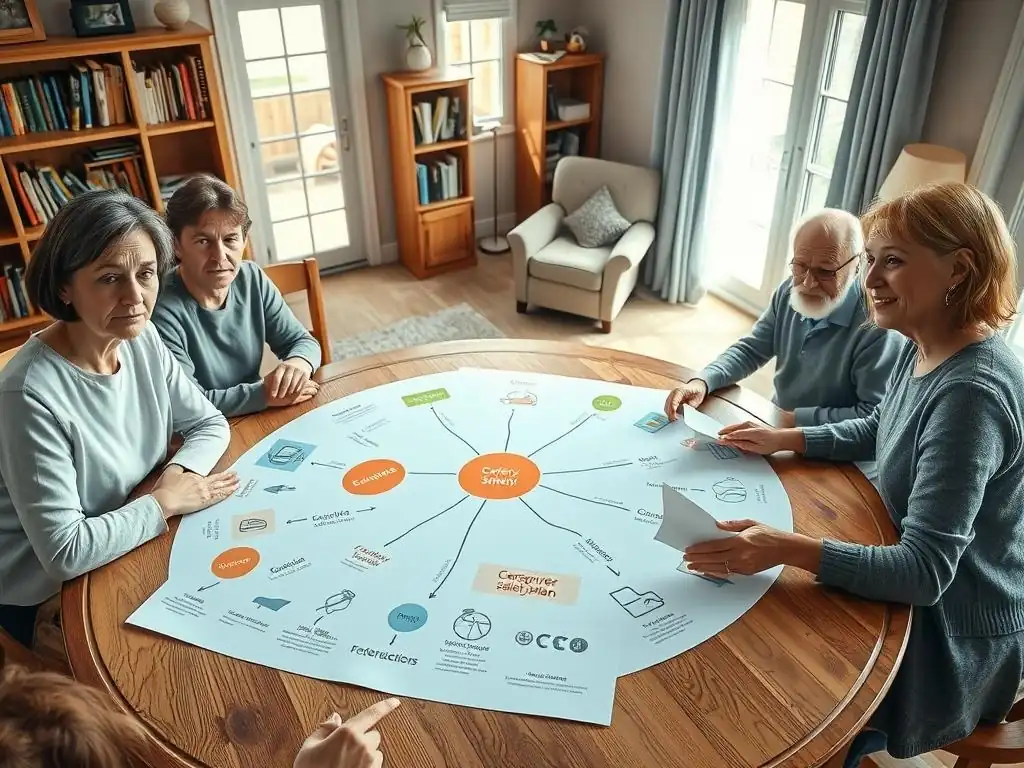
Complex family dynamics and communication issues can significantly complicate caregiver safety planning strategies. Disagreements among family members about the best course of action, lack of support from other relatives, or strained relationships can add immense stress to the caregiver role.
Open and honest communication, while difficult, is key. Try to facilitate family meetings or conversations focused on the shared goal of supporting the care recipient and the caregiver. Involve a family therapist or mediator if dynamics are particularly challenging. Clearly defining roles and responsibilities within the family can also help alleviate pressure on the primary caregiver. If direct communication is impossible, focus on building your own immediate support network and utilizing professional resources, while clearly communicating your needs and the care recipient's risks to key individuals who need to know.
Resources and Support for Caregivers
Accessing external resources is a crucial part of comprehensive caregiver safety planning strategies. Numerous organizations and services are available to provide immediate help, ongoing support, and valuable information.
National Suicide Prevention Lifeline and Crisis Text Line
These national resources are vital contacts to include in any caregiver safety plan, both for the care recipient and the caregiver. The National Suicide Prevention Lifeline (available via phone call) provides 24/7 free and confidential support for people in distress, prevention and crisis resources for you or your loved ones.
The Crisis Text Line offers similar support via text message, which some individuals may find more accessible. These services are staffed by trained crisis counselors who can provide immediate support, help de-escalate a crisis, and connect individuals with local resources. Knowing these numbers and how to use them is essential for anyone involved in caregiver safety planning.
Mental Health Organizations and Support Groups for Caregivers
Numerous national and local mental health organizations offer resources, education, and support specifically for caregivers. Organizations like the National Alliance on Mental Illness (NAMI) provide support groups (like NAMI Family Support Group), educational programs (like NAMI Family-to-Family), and helplines that can offer guidance on navigating mental health challenges and caregiving.
Disease-specific organizations (e.g., Alzheimer's Association, Depression and Bipolar Support Alliance) also often have resources tailored for caregivers. Support groups, whether in-person or online, offer a unique space for caregivers to share experiences, learn from others, and reduce feelings of isolation. Connecting with these groups is a powerful way to enhance caregiver safety planning strategies by building community and accessing shared wisdom.
Local Resources: Mental Health Clinics, Support Groups, and Respite Care Services
Beyond national resources, local services are invaluable. These can include community mental health clinics that offer low-cost therapy or crisis intervention, local support groups for caregivers (often run through hospitals, community centers, or religious organizations), and local respite care providers.
Identifying and vetting these local resources is a practical step in caregiver safety planning. Knowing where to find a therapist who specializes in the care recipient's condition, how to access local crisis teams, or finding qualified local respite care providers can make a significant difference in managing the caregiving load and ensuring help is available nearby when needed.
Conclusion: Empowering Caregivers Through Safety Planning
Adopting proactive caregiver safety planning strategies yields significant long-term benefits, extending far beyond immediate crisis response. For the care recipient, a well-executed plan increases their safety during vulnerable periods and reinforces that they are cared for and supported. This structured approach can also reduce the frequency and intensity of crises by addressing risk factors and triggers identified in the planning process. Over time, this can contribute to greater stability and potentially improve the individual's overall mental health outcomes.
For the caregiver, the benefits are equally profound. Having a clear plan reduces anxiety and stress associated with potential emergencies, mitigating the risk of burnout. It empowers caregivers by giving them concrete actions to take, replacing helplessness with a sense of agency. Long-term, consistent use of caregiver safety planning strategies strengthens the caregiver's resilience, improves their ability to set boundaries, and encourages them to prioritize their own well-being, making the caregiving role more sustainable and less emotionally draining.
Continued Support and Education for Caregiver Mental Well-being
Sustaining effective caregiver safety planning strategies requires ongoing support and education. The landscape of mental health, available resources, and personal circumstances can change, necessitating continuous learning and adaptation. Caregivers benefit from staying informed about the latest approaches to suicide prevention, new therapies or treatments for the care recipient's condition, and evolving resources available in their community.
Furthermore, consistent access to emotional support, whether through therapy, support groups, or a personal network, is vital for maintaining the caregiver's own mental well-being. Caregiving is a marathon, not a sprint, and ongoing support helps caregivers manage the inherent stresses over the long haul. Investing in caregiver mental health is not merely a self-care measure; it is a fundamental component of ensuring the safety and well-being of both the caregiver and the individual they support, reinforcing the critical role of comprehensive caregiver safety planning strategies.
Frequently Asked Questions
What are caregiver safety planning strategies and why are they important?
Caregiver safety planning strategies are proactive steps taken to protect the physical and emotional well-being of caregivers. They are important because caregiving can be stressful and potentially dangerous, leading to burnout or even harm.
How can a caregiver identify if they need a safety plan?
Look for signs of increasing stress, feelings of being overwhelmed, experiencing verbal or physical aggression, or neglecting their own needs. These are all indicators that a safety plan is needed to mitigate risks.
What are some examples of practical strategies included in a caregiver safety plan?
Examples include identifying safe spaces, developing communication techniques for de-escalation, having emergency contacts readily available, and learning self-defense techniques if appropriate.
How often should a caregiver safety plan be reviewed and updated?
A caregiver safety plan should be reviewed and updated regularly, ideally every 3-6 months, or whenever there's a significant change in the care recipient's condition or behavior. This ensures the plan remains relevant and effective.
Where can caregivers find additional resources and support for safety planning?
Caregivers can find resources through local caregiver support groups, mental health professionals, online resources like Mind Care Guide, and organizations specializing in caregiver safety and well-being.
Final Reflection: Weaving a Safety Net for Caregivers
The emotional and physical toll on caregivers is a silent crisis, demanding immediate and widespread attention. The strategies outlined in this guide—from recognizing warning signs of burnout to implementing practical safety protocols—are not merely suggestions; they are essential tools for navigating the complexities of caregiving. Ignoring these strategies risks not only the well-being of the caregiver but also the quality of care provided.
The impact of caregiver burnout extends far beyond the individual; it ripples through families and communities. The emotional labor, the constant vigilance, and the often-unseen sacrifices leave lasting imprints. Caregiving is a marathon, not a sprint,
a seasoned caregiver once told me, highlighting the need for sustainable practices and proactive safety planning. This sentiment underscores the importance of prioritizing self-care and building robust support systems, not as luxuries, but as fundamental necessities. The ongoing conversation surrounding caregiver well-being is crucial, and this guide serves as a stepping stone towards a more supportive and understanding society.
You, the reader, are now equipped with knowledge and tools to create a safer and more sustainable caregiving journey. Take a moment to reflect on your own situation, or the situation of someone you know. Identify your vulnerabilities, build your support network, and implement the strategies discussed within these pages. Remember, prioritizing your safety and well-being is not selfish; it's essential for providing the best possible care for those you love. Let's work together to create a world where caregivers are valued, supported, and empowered.
Take Charge: Build Your Caregiver Support Network Today!
Thanks for taking the time to learn about creating a strong safety plan for yourself and your loved ones. We hope this guide empowered you with practical strategies for better caregiving. Now, it's time to put that knowledge into action!
- Prioritize your safety plan: Identify three immediate steps you can take this week to improve your safety and the safety of those in your care. This might involve a small change like installing better lighting or a larger step like scheduling a safety check-in with a trusted friend.
- Share this guide: Forward this essential information to another caregiver in your life. A shared experience can make a huge difference!
- Join the conversation: Share your own safety planning tips and strategies in the comments below. What's been your most successful tactic?
What small but impactful change will you make today to strengthen your caregiver support system?