
What is Cultural Competence in Mental Health, Really?

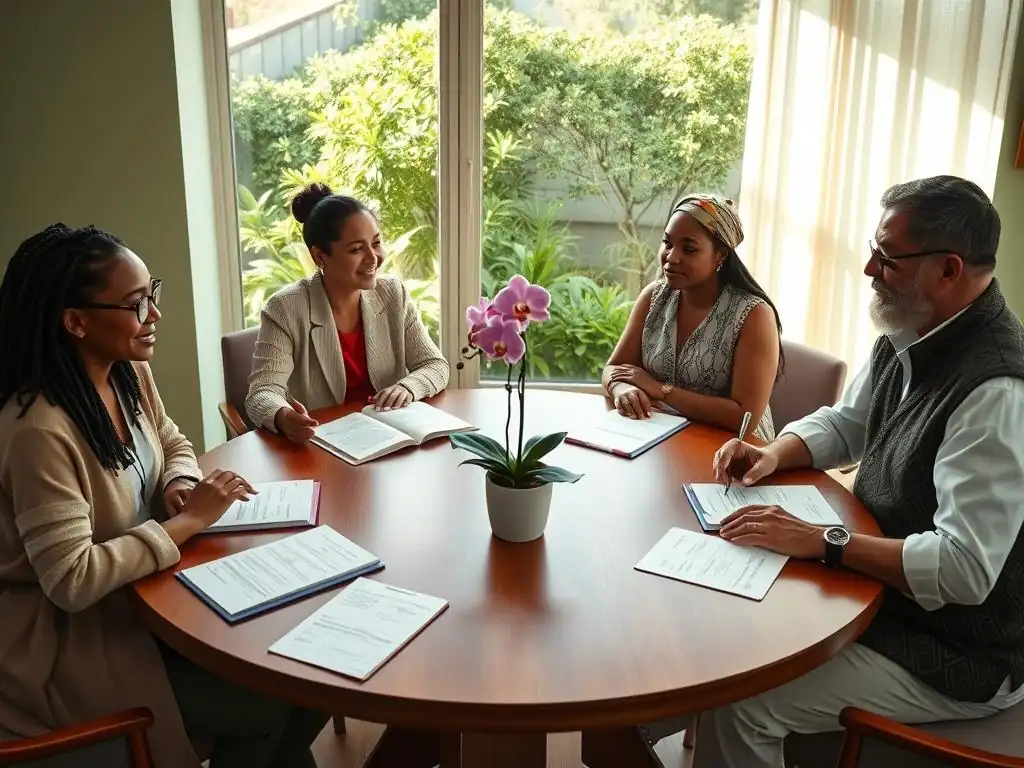
Welcome to Mind Care Guide, a sanctuary for your mental well-being.
Feeling lost navigating the complexities of mental health, especially when cultural differences come into play? You're not alone. We understand the importance of culturally sensitive care, and that's why we're diving deep into cultural competence mental health training. But what does "cultural competence" really mean in practice? Explore with us as we unravel this vital concept and discover how it can transform mental healthcare for everyone. Let's begin this journey together...
Cultural Competence in Mental Health: Bridging Gaps for Improved Care
Understanding cultural competence in mental health care is crucial for providing effective and equitable support to individuals from diverse backgrounds. It moves beyond simple awareness of cultural differences to an active process of understanding, respecting, and responding to the unique needs of clients based on their cultural identities. This involves a commitment from mental health professionals and organizations to continuously learn and adapt their practices.
- Understanding Cultural Competence in Mental Health Care
- Key Components of Cultural Competence in Mental Health
- The Importance of Cultural Competence Training for Mental Health Professionals
- Practical Applications of Cultural Competence in Mental Health Practice
- Improving Cultural Competence in Mental Health: A Step-by-Step Guide
- Challenges to Cultural Competence in Mental Health
- Resources for Cultural Competence Mental Health Training and Development
- The Future of Cultural Competence in Mental Health Services
- Conclusion: Fostering Cultural Competence for Equitable Mental Health Care
-
Frequently Asked Questions
- What is cultural competence in mental health?
- Why is cultural competence important in mental health treatment?
- What does cultural competence mental health training typically involve?
- How can a lack of cultural competence affect mental health services?
- Where can mental health professionals find cultural competence mental health training?
- Final Reflection: Cultivating Empathy in a Diverse World
- Unlock Your Cultural Competence in Mental Health
Understanding Cultural Competence in Mental Health Care
Defining Cultural Competence in Mental Healthcare Settings
Cultural competence in mental health refers to the ability of practitioners and systems to provide services that are respectful of and responsive to the health beliefs, practices, and cultural and linguistic needs of diverse patients. This includes acknowledging the impact of cultural backgrounds, beliefs, values, and practices on an individual's understanding of mental health, their experience of symptoms, their help-seeking behaviors, and their response to treatment. It's not a static achievement but an ongoing journey of learning and adaptation.
Achieving cultural competence requires mental health professionals to develop specific skills and attitudes. This includes recognizing one's own cultural biases, acquiring knowledge about different cultural groups, developing effective cross-cultural communication skills, and adapting therapeutic interventions to fit the cultural context of the client.
For instance, a therapist working with a client from a culture where mental health issues are heavily stigmatized might need to approach conversations about diagnosis and treatment very differently than with a client from a culture with more open attitudes towards therapy. This necessitates specific cultural competence mental health training to equip professionals with these essential capabilities.
The Impact of Cultural Competence on Mental Health Outcomes
The level of cultural competence demonstrated by mental health providers significantly impacts client outcomes. When services are delivered in a culturally sensitive manner, clients are more likely to feel understood, respected, and safe, which fosters trust and strengthens the therapeutic alliance.
This improved rapport can lead to better engagement in treatment and increased adherence to therapeutic plans. Research consistently shows that disparities in mental health care access and outcomes exist across different cultural and ethnic groups; for example, certain minority groups in the US may experience higher rates of misdiagnosis or receive less effective treatment due to a lack of cultural understanding from providers.
Furthermore, culturally competent care can lead to more accurate assessments and diagnoses. Mental health symptoms can manifest differently across cultures; what might be considered a symptom in one culture could be a normal, adaptive behavior in another. Without cultural competence, providers risk misinterpreting client behavior or communication, leading to inappropriate treatment. For example, expressions of grief or trauma can vary widely. A provider trained in cultural competence mental health understands these variations, leading to more accurate understanding of the client's distress and tailoring interventions accordingly, ultimately improving the likelihood of positive outcomes and reducing disparities.
Key Components of Cultural Competence in Mental Health
Developing cultural competence is a multifaceted process built upon several core components. These components are interconnected and require continuous effort from mental health professionals.
Self-Awareness: Examining Personal Beliefs and Values
Self-awareness is the foundational component of cultural competence. It involves mental health professionals critically examining their own cultural background, beliefs, values, biases, and assumptions about others. Recognizing one's own cultural lens is essential because it influences how a therapist perceives and interacts with clients. For example, a therapist raised in an individualistic culture might unconsciously value independence and direct communication, which could lead to misunderstandings when working with a client from a collectivist culture that prioritizes group harmony and indirect communication.
This introspective process helps professionals understand how their own cultural identity shapes their clinical judgments and behaviors. It requires acknowledging that everyone carries biases, often unconsciously, formed through their upbringing, experiences, and societal influences. Engaging in this self-reflection is a crucial step in cultural competence mental health training, enabling professionals to identify potential blind spots that could negatively impact the therapeutic relationship and the effectiveness of interventions for clients from diverse backgrounds.
Cultural Knowledge: Understanding Diverse Worldviews and Practices
Acquiring cultural knowledge involves actively learning about the histories, values, beliefs, practices, and experiences of various cultural groups. This includes understanding how different cultures conceptualize mental health, illness, healing, family roles, communication styles, and help-seeking behaviors. It is important to remember that cultural knowledge is not about stereotyping individuals but about gaining a general understanding that can inform sensitive inquiry and open communication with clients. For instance, knowing that some cultures view mental illness as a spiritual issue or a family shame, rather than a medical condition, helps a therapist approach the topic with sensitivity and respect.
This component emphasizes the importance of moving beyond superficial knowledge to a deeper understanding of the historical and sociopolitical contexts that have shaped different cultural groups, including experiences of oppression, discrimination, and marginalization. For mental health professionals, this knowledge is vital for interpreting client narratives, understanding the root causes of distress, and avoiding culturally insensitive interventions. Effective cultural competence mental health training programs provide resources and frameworks for gaining this essential knowledge in a respectful and ongoing manner.
Cross-Cultural Communication: Effective Interaction Across Cultures
Effective cross-cultural communication is the ability to communicate clearly and respectfully with individuals from different cultural backgrounds, recognizing that communication styles, norms, and even non-verbal cues can vary significantly. This involves active listening, patience, clarifying assumptions, and adapting one's communication approach to suit the client's cultural context. For example, direct eye contact might be a sign of respect in one culture but considered rude or confrontational in another. Understanding these nuances is critical for building trust and avoiding misinterpretations.
This component also encompasses addressing language barriers, either through competent interpretation services or by learning key phrases and cultural idioms. Beyond language, it's about understanding how cultural values influence communication patterns, such as the degree of directness, the role of silence, or the importance of hierarchical relationships in conversation. Developing strong cross-cultural communication skills is a practical outcome of cultural competence mental health training, enabling professionals to establish rapport and gather necessary information effectively, even when cultural differences are present.
Adaptation: Tailoring Approaches to Individual Needs
Adaptation, also known as cultural humility or cultural responsiveness, is the ability to modify clinical approaches, interventions, and communication styles to align with the individual client's cultural background and preferences. It's about recognizing that cultural knowledge is a starting point, but each client is an individual whose cultural identity is complex and unique. This requires flexibility and a willingness to collaborate with the client to determine the most appropriate and effective course of treatment. For example, traditional Western talk therapy might not resonate with a client from a culture that prefers somatic expressions of distress or community-based healing practices.
This component moves beyond simply knowing about different cultures to actively applying that knowledge in a flexible and client-centered manner. It involves being open to learning from the client about their specific cultural beliefs and how they want their care to be delivered. Adaptation might involve incorporating family members into therapy (where culturally appropriate), utilizing culturally relevant coping strategies, or integrating traditional healing practices alongside conventional treatment, always respecting the client's autonomy and beliefs. This level of tailored care is a direct result of effective cultural competence mental health training that emphasizes practical application and client collaboration.
The Importance of Cultural Competence Training for Mental Health Professionals
Investing in cultural competence mental health training is not just beneficial; it is arguably essential for providing high-quality, ethical, and effective care in today's diverse society. It addresses systemic inequities and improves the therapeutic process at every level.
Benefits of Cultural Competence Training for Mental Health Professionals
Formal cultural competence mental health training equips professionals with the knowledge, skills, and attitudes necessary to work effectively with clients from varied backgrounds. Beyond the ethical imperative to provide equitable care, training enhances a therapist's ability to understand complex client presentations that may be influenced by cultural factors, leading to more accurate assessments and appropriate interventions. This can reduce the likelihood of misdiagnosis or ineffective treatment plans that arise from a lack of cultural understanding.
Furthermore, cultural competence mental health training can increase a professional's confidence and comfort level when working with diverse populations. It provides frameworks for navigating potentially sensitive topics related to culture, identity, and discrimination in a respectful and therapeutic manner. This not only benefits the client by fostering a stronger therapeutic relationship but also enhances the professional's overall clinical skills and job satisfaction. Estimates suggest that professionals who receive this training report feeling better prepared to handle the complexities of diverse client needs.
Improving Patient Engagement and Treatment Adherence Through Cultural Competence
Patient engagement and adherence to treatment are significantly influenced by the client's perception of the provider's understanding and respect for their cultural background. When clients feel that their cultural values and experiences are acknowledged and integrated into the therapeutic process, they are more likely to feel heard, validated, and trusting of the provider.
This sense of trust is fundamental to building a strong therapeutic alliance, which is a key predictor of positive treatment outcomes. For example, a client from a culture that values family input might be more engaged if family members are appropriately included in sessions, where culturally acceptable.
Culturally competent care involves tailoring treatment plans to be congruent with the client's beliefs and lifestyle, which increases the likelihood of adherence. If a treatment plan conflicts with a client's cultural practices or values – for example, requiring individualistic approaches for someone from a strongly collectivist background, or suggesting lifestyle changes that clash with cultural norms – the client may be less likely to follow through. Cultural competence mental health training helps providers identify potential conflicts and collaborate with clients to develop feasible and culturally acceptable strategies, thereby improving adherence rates.
Reducing Stigma and Increasing Access to Care
Cultural competence plays a vital role in reducing the stigma associated with seeking mental health care, particularly within communities where mental health issues are highly stigmatized. Providers who understand these cultural stigmas can approach conversations about mental health with greater sensitivity, using language and framing that is less likely to alienate or shame the client. This empathetic approach can help break down barriers that prevent individuals from seeking help. For instance, offering therapy in a community setting rather than a clinical office might be more accessible and less stigmatizing for some cultural groups.
Moreover, culturally competent services are inherently more accessible. By understanding and addressing cultural and linguistic barriers, such as providing materials in multiple languages or employing staff who reflect the diversity of the community, mental health services become more welcoming and navigable for individuals from minority groups. This increased accessibility, coupled with reduced stigma through sensitive care, encourages more people from diverse backgrounds to seek the help they need, ultimately working towards reducing long-standing disparities in mental health care access and utilization.
Practical Applications of Cultural Competence in Mental Health Practice

Cultural competence is not just a theoretical concept; it translates into tangible practices that mental health professionals use daily to improve client care.
Culturally Informed Assessment and Diagnostic Practices
A culturally informed approach to assessment and diagnosis recognizes that cultural factors can influence how symptoms are expressed, interpreted, and labeled. Professionals trained in cultural competence mental health understand that standardized diagnostic tools may have cultural biases and might not accurately capture the experiences of individuals from non-dominant cultures. For example, cultural idioms of distress, which are ways of expressing suffering specific to certain cultural groups, might be misinterpreted as symptoms of a disorder if the clinician is unaware of these cultural variations.
Therefore, a culturally competent assessment involves not only using clinical tools but also engaging in a thorough cultural interview to understand the client's background, beliefs about mental health, experiences of discrimination, and social support systems. It means being cautious about applying diagnostic labels that may carry significant stigma within the client's culture and being open to alternative explanations for behaviors based on cultural context. This nuanced approach, taught in cultural competence mental health training, leads to more accurate understanding of the client's presentation and needs.
Developing Culturally Tailored Treatment Plans
Developing a culturally tailored treatment plan involves collaborating with the client to create interventions that are consistent with their cultural values, beliefs, and practices. This goes beyond simply translating materials into another language; it means adapting therapeutic techniques and goals to be meaningful and acceptable within the client's cultural framework. For example, for a client from a culture that values collective decision-making, involving key family members (with the client's permission) in treatment planning might be crucial for success.
Cultural tailoring might involve incorporating traditional healing practices, religious or spiritual beliefs, or community support systems into the therapeutic process. It requires flexibility and creativity from the therapist to modify standard interventions or introduce alternative approaches that resonate with the client. Effective cultural competence mental health training emphasizes the importance of this collaborative and adaptive process, ensuring that treatment is not only clinically sound but also culturally relevant and acceptable to the individual client.
Addressing Language Barriers in Mental Health Services
Language barriers pose a significant obstacle to accessing and benefiting from mental health care. Simply put, effective therapy relies heavily on clear communication. Cultural competence requires mental health settings to have robust systems in place to address these barriers, most importantly through the provision of qualified, professional interpreters. Relying on family members, especially children, to interpret is unethical and can compromise confidentiality and the therapeutic process.
Beyond spoken language, addressing language barriers also includes providing written materials (intake forms, psychoeducational handouts, consent forms) in the client's preferred language. It also involves recognizing that even when speaking the same language, cultural differences in communication style, idioms, and non-verbal cues can lead to misunderstandings. Cultural competence mental health training often includes modules on working effectively with interpreters and recognizing diverse communication patterns to ensure that the therapeutic message is accurately conveyed and received.
Building Trust and Rapport with Diverse Clients
Building trust and rapport is fundamental to any therapeutic relationship, but it can be particularly challenging when cultural differences are present, especially if the client has experienced discrimination or historical trauma related to their cultural identity. Cultural competence is key to overcoming these barriers. Demonstrating genuine respect for the client's cultural background, being open to learning from them, and acknowledging the impact of cultural factors on their experiences helps build a foundation of trust.
This involves being mindful of power dynamics, historical injustices, and the potential for unconscious bias to impact the therapeutic interaction. Therapists who have undergone cultural competence mental health training are better equipped to navigate these sensitive issues with humility and empathy. By creating a safe and validating space where clients feel their cultural identity is understood and valued, professionals can foster a strong therapeutic alliance, which is critical for effective treatment and positive outcomes.
Improving Cultural Competence in Mental Health: A Step-by-Step Guide
Improving cultural competence is an ongoing process that requires commitment and deliberate action. Here is a step-by-step approach for mental health professionals.
Step 1: Self-Reflection on Cultural Biases and Assumptions
The journey towards greater cultural competence begins internally. Mental health professionals must dedicate time to honest self-reflection. This involves examining one's own cultural background, upbringing, and experiences, and how these have shaped personal beliefs, values, and potential biases about individuals from other cultures.
- Consider your own cultural identity.
- Reflect on interactions with people from different backgrounds.
- Identify any assumptions or stereotypes you might hold.
- Think about how your cultural lens might influence your clinical work.
This introspection is uncomfortable but necessary. It helps uncover unconscious biases that could interfere with providing equitable and effective care. Journaling, mindfulness exercises, or discussing these reflections in supervision can be helpful tools in this process.
Step 2: Participating in Cultural Competence Training and Education
Formal training is a cornerstone of developing cultural competence. Seek out and actively participate in cultural competence mental health training programs, workshops, seminars, and courses. These educational opportunities provide structured learning about different cultural groups, historical contexts, communication styles, and culturally adapted intervention strategies.
- Enroll in accredited cultural competence training programs.
- Attend workshops focused on specific cultural groups relevant to your practice.
- Read books and articles by authors from diverse cultural backgrounds.
- Stay updated on research regarding cultural factors in mental health.
Look for training that goes beyond surface-level information and encourages critical thinking, self-reflection, and practical skill-building. Many professional organizations offer resources and certifications in cultural competence mental health training.
Step 3: Seeking Supervision and Mentorship
Engage in supervision or mentorship with individuals who have expertise in cultural competence or experience working with diverse populations. Supervision provides a safe space to discuss challenging cases, process cultural dynamics that arise in therapy, and receive guidance on navigating cross-cultural interactions.
- Discuss cases involving cultural complexities with your supervisor.
- Seek feedback on your cultural awareness and communication style.
- Learn from mentors who demonstrate strong cultural competence in their practice.
- Use supervision to explore countertransference related to cultural differences.
Mentorship can offer valuable insights and real-world examples of applying cultural competence principles in practice. It allows for ongoing learning and refinement of skills in a supportive environment.
Step 4: Engaging with Diverse Communities
Direct engagement with diverse communities is invaluable for developing cultural competence. This moves learning beyond textbooks and training rooms into real-world understanding. Participate in community events, volunteer with organizations serving diverse populations, or simply spend time in neighborhoods and spaces frequented by different cultural groups.
- Attend cultural festivals or community gatherings.
- Volunteer at local community centers or cultural organizations.
- Listen to and learn from the experiences of individuals from diverse backgrounds.
- Be a respectful guest and learner in communities different from your own.
This kind of engagement fosters empathy, reduces reliance on stereotypes, and provides authentic insights into the lived experiences, strengths, and challenges of different cultural groups, enriching a professional's ability to provide culturally competent care.
Challenges to Cultural Competence in Mental Health
While the importance of cultural competence is widely recognized, significant challenges remain in achieving it consistently across mental health systems and practices.
Systemic Barriers to Culturally Sensitive Care
Systemic barriers within mental healthcare institutions often impede the delivery of culturally sensitive care. These can include a lack of diverse representation among mental health professionals, leading to a shortage of providers who share cultural backgrounds or linguistic fluency with their clients. Furthermore, organizational policies, procedures, and even the physical environment of clinics may not be designed with cultural diversity in mind, creating unwelcoming or inaccessible spaces for some communities.
Funding structures and time constraints can also pose barriers, making it difficult for providers to spend the extra time often needed for culturally informed assessments or to access qualified interpreters readily. Addressing these systemic issues requires organizational commitment to evaluating and transforming policies and practices to better support cultural competence mental health initiatives at an institutional level, rather than placing the entire burden solely on individual practitioners.
Addressing Implicit Bias in Mental Healthcare
Implicit bias refers to the unconscious attitudes or stereotypes that affect our understanding, actions, and decisions. In mental healthcare, implicit biases can lead to disparities in diagnosis, treatment recommendations, and the quality of care provided to clients from marginalized cultural groups. For example, studies have suggested that implicit biases related to race or ethnicity can influence a clinician's assessment of a client's symptoms or perceived capacity for insight.
Addressing implicit bias requires deliberate effort, including awareness-raising, training, and implementing strategies to mitigate its impact. Cultural competence mental health training often includes components specifically designed to help professionals recognize and work to counteract their own implicit biases. This might involve using structured assessment tools, seeking consultation, or engaging in reflective practice to challenge assumptions that arise during clinical work.
Organizational Support for Cultural Competence Initiatives
Individual cultural competence, while essential, is insufficient without strong organizational support. Mental health organizations must prioritize and invest in cultural competence initiatives. This includes providing ongoing cultural competence mental health training for all staff, from administrators to clinicians, and ensuring that training is relevant, comprehensive, and integrated into professional development.
Organizational support also means creating policies that promote diversity and inclusion, allocating resources for culturally adapted services (like interpretation services and culturally specific programs), and fostering a workplace culture that values cultural humility and continuous learning. Without this systemic backing, individual efforts towards cultural competence can be undermined by institutional inertia or lack of resources, limiting the potential for widespread improvement in culturally sensitive care.
Resources for Cultural Competence Mental Health Training and Development
Numerous resources are available to support mental health professionals and organizations in enhancing their cultural competence. Accessing these resources is a key part of ongoing professional development.
Professional Organizations and Associations
Many professional organizations for mental health practitioners offer valuable resources, guidelines, and training opportunities related to cultural competence. Organizations like the American Psychological Association (APA), the American Psychiatric Association (APA), the National Association of Social Workers (NASW), and the American Counseling Association (ACA) often have divisions or committees dedicated to diversity and cultural issues.
These organizations typically publish ethical guidelines that address cultural competence, offer continuing education workshops, and sometimes provide specialized certifications in culturally competent practice. Their websites are often excellent starting points for finding recommended readings, training programs, and best practice guidelines relevant to cultural competence mental health training within specific disciplines.
Government Agencies and Initiatives
Government agencies at the national, state, and local levels also play a role in promoting cultural competence in healthcare, including mental health. In the United States, agencies like the Substance Abuse and Mental Health Services Administration (SAMHSA) and the Office of Minority Health (OMH) within the Department of Health and Human Services provide resources, data, and funding opportunities related to culturally competent care and addressing health disparities.
These agencies often develop frameworks, standards, and toolkits for cultural competence, and may fund training programs or research aimed at improving services for diverse populations. Exploring the websites of national and state health and human services departments can reveal valuable resources and initiatives focused on improving cultural competence mental health services within public systems.
Academic Institutions and Research Centers
Universities and academic research centers are often at the forefront of developing new knowledge and best practices in cultural competence in mental health. Many universities offer graduate-level courses, specializations, or even degree programs focused on multicultural counseling, cross-cultural psychology, or health disparities.
Research centers affiliated with universities or independent organizations conduct studies on the effectiveness of different cultural competence interventions, explore the mental health needs of specific cultural groups, and develop culturally adapted therapeutic models. Publications from these institutions provide evidence-based information that can inform practice and the development of cultural competence mental health training programs.
The Future of Cultural Competence in Mental Health Services
As societies become increasingly diverse, the importance of cultural competence in mental health will only continue to grow. The future will likely see an even greater integration of cultural considerations into all aspects of mental health care.
Integrating Cultural Competence into Mental Health Policy
Moving forward, cultural competence needs to be more deeply embedded in mental health policy at all levels – from institutional policies to state and national regulations. This means advocating for policies that mandate culturally competent care, ensure access to language services, promote diversity within the mental health workforce, and fund culturally specific research and programs.
Policy changes could include requiring cultural competence mental health training for licensure or certification, incorporating cultural competence standards into accreditation processes for mental health facilities, and allocating resources specifically to address mental health disparities in marginalized communities. Integrating cultural competence into policy ensures that it is not just an optional add-on but a fundamental component of quality mental healthcare.
Cultural competence is inextricably linked to the broader goals of health equity and social justice. Achieving true health equity in mental health means ensuring that everyone has a fair and just opportunity to attain their highest level of mental well-being, regardless of their cultural background, race, ethnicity, socioeconomic status, or other dimensions of identity.
Mental health professionals and systems committed to cultural competence are active participants in promoting social justice. This involves advocating for systemic changes that address the root causes of mental health disparities, such as discrimination, poverty, and lack of access to resources. It also means challenging oppressive systems and practices within the mental healthcare field itself. Cultural competence mental health training should increasingly include components on advocacy and social justice to empower professionals to work towards a more equitable system.
Utilizing Technology to Enhance Cultural Competence
Technology offers promising avenues for enhancing cultural competence in mental health. Telehealth platforms can increase access to care for individuals in rural or underserved areas and connect clients with providers who share their cultural or linguistic background, even if they are geographically distant.
Digital tools can also be used to provide culturally adapted psychoeducational materials, deliver culturally sensitive interventions via online formats, and offer virtual cultural competence mental health training programs that are more accessible and cost-effective for professionals. While technology presents new challenges, such as digital divides, its potential to expand the reach and impact of culturally competent care is significant and will likely be a key area of focus in the future.
Conclusion: Fostering Cultural Competence for Equitable Mental Health Care
Cultural competence in mental health is a critical skill set and an ongoing process essential for providing effective, ethical, and equitable care in our diverse world. It requires mental health professionals to cultivate self-awareness, acquire cultural knowledge, develop strong cross-cultural communication skills, and adapt their approaches to meet the unique needs of each client.
Investing in robust cultural competence mental health training is paramount for individual practitioners and organizations alike. By addressing systemic barriers, confronting implicit biases, and leveraging available resources, the mental health field can move closer to its goal of providing high-quality, culturally sensitive care that fosters trust, improves outcomes, reduces stigma, and ultimately promotes mental health equity for all.
Frequently Asked Questions
What is cultural competence in mental health?
Cultural competence in mental health refers to the ability of mental health professionals to understand and effectively interact with clients from diverse cultural backgrounds. It involves awareness, knowledge, and skills needed to provide culturally appropriate care.
Why is cultural competence important in mental health treatment?
It's crucial because cultural factors significantly influence a person's understanding of mental illness, help-seeking behaviors, and treatment adherence. Ignoring these factors can lead to misdiagnosis, ineffective treatment, and poorer outcomes.
What does cultural competence mental health training typically involve?
This training usually includes learning about different cultural beliefs, values, and practices related to mental health. It also focuses on developing communication skills and cultural sensitivity to avoid biases and stereotypes.
How can a lack of cultural competence affect mental health services?
A lack of it can result in mistrust between clients and providers, misinterpretations of symptoms, and the provision of services that are not relevant or acceptable to the client's cultural context.
Where can mental health professionals find cultural competence mental health training?
Many universities, professional organizations, and online platforms offer this training. Look for programs accredited by reputable bodies that focus on evidence-based practices and real-world application.
Final Reflection: Cultivating Empathy in a Diverse World
The urgent need for culturally competent mental health care is not merely a trend; it's a fundamental human right. Ignoring cultural nuances in mental health treatment is not only ineffective but can be actively harmful, perpetuating existing inequalities and hindering access to vital support for marginalized communities. This article has explored the multifaceted nature of cultural competence, moving beyond superficial understanding to delve into the complexities of effective cross-cultural communication and care.
The impact of cultural insensitivity in mental health is profound and far-reaching, shaping the very fabric of our social landscape. We've seen how misunderstandings can lead to misdiagnosis, ineffective treatment, and a breakdown in the therapeutic relationship. This resonates deeply with me, as I believe that genuine connection is the cornerstone of effective mental health care. The most basic of all human needs is the need to understand and be understood.
– Ralph Nichols. This quote highlights the crucial role of empathy and cultural understanding in building trust and fostering healing.
Now, it's your turn. Consider how you can actively cultivate cultural competence in your own life, whether you're a mental health professional, a student, or simply someone who cares about creating a more equitable and just society. Seek out opportunities for learning and self-reflection. Engage with diverse communities, listen to their stories, and challenge your own biases. By embracing the principles of cultural competence, we can build a mental health system that truly serves everyone, fostering healing, hope, and a brighter future for all.
Unlock Your Cultural Competence in Mental Health
Thanks for taking the time to explore the crucial topic of cultural competence in mental health! We hope this article provided valuable insights into building a more inclusive and effective practice. Now, let's put that knowledge into action.
- Prioritize a single cultural competency skill: Choose one specific area from the article (e.g., improving active listening skills, learning about a specific cultural group) and dedicate time this week to actively practicing and improving it. This focused approach will make the biggest impact.
- Share your key takeaway: Spread the word! Share a quote or a key concept from this article on your preferred social media platform – let's start a conversation about cultural competence in mental health.
- Challenge your assumptions: Take a moment to reflect on your own biases and assumptions. What surprised you most in this article, and how can you actively work to challenge those preconceived notions in your professional and personal life?
What small step will you take today to enhance your cultural competence and create a more inclusive space for your clients or community?