
Understanding Cultural Norms: Essential for Effective and Adapted Therapy


Welcome to Mind Care Guide, a sanctuary dedicated to nurturing your mental well-being.
Are you finding that conventional therapy doesn't quite resonate with your experiences? We understand. In this article, we delve into the crucial importance of Cultural Norms Therapy Adaptation. Discover how tailoring therapeutic approaches to respect and integrate cultural values can unlock deeper healing and more meaningful progress. Curious to learn more about how this impacts your mental health journey? Let's explore together.
- Understanding Cultural Norms: Essential for Effective and Adapted Therapy
- The Importance of Cultural Sensitivity in Therapy
- Defining Cultural Norms and Their Impact on Mental Health
- Challenges of Ignoring Cultural Norms in Therapy
- Adapting Therapy to Cultural Norms: Key Strategies
- Specific Cultural Norms and Their Implications for Therapy
- Tools and Techniques for Cultural Norms Therapy Adaptation
- Case Studies: Successful Cultural Norms Therapy Adaptation
- Benefits of Culturally Adapted Therapy
- Resources for Therapists Seeking Cultural Competence Training
- The Future of Cultural Norms Therapy Adaptation
-
Frequently Asked Questions
- What is the main reason why cultural norms are so important in therapy?
- How does "Cultural Norms Therapy Adaptation" help improve mental well-being?
- Can you give an example of how a cultural norm might affect a therapy session?
- What are some potential risks of ignoring cultural norms in therapy?
- Where can I find resources to learn more about Cultural Norms Therapy Adaptation and its application in mental health care?
- Final Reflection: Bridging Cultures, Building Trust in Therapy
- Unlock a World of Understanding: Embrace Cultural Sensitivity in Therapy
Understanding Cultural Norms: Essential for Effective and Adapted Therapy
Mental well-being is a complex tapestry woven from individual experiences, biological factors, and environmental influences. Crucially, cultural background plays a profound role in shaping how individuals perceive mental health challenges, express distress, seek help, and respond to therapeutic interventions. At Mind Care Guide, we recognize that effective mental health support requires a deep understanding and respect for the diverse cultural contexts of those seeking care. Ignoring these vital elements can lead to misunderstandings, mistrust, and ineffective treatment outcomes.
Our mission at Mind Care Guide is to provide comprehensive resources that empower both individuals and mental health professionals to navigate the intricate relationship between culture and mental health. This includes offering insights into various cultural perspectives on well-being, exploring different healing practices, and emphasizing the critical need for culturally sensitive and adapted therapeutic approaches. We believe that by fostering cultural competence and advocating for cultural norms therapy adaptation, we can help bridge gaps in care and improve mental health outcomes for all.
The Importance of Cultural Sensitivity in Therapy
Cultural Norms Therapy Adaptation: A Necessary Approach
Effective therapy is not a one-size-fits-all solution. For therapy to be truly helpful and relevant, it must be tailored to the individual's specific needs, experiences, and cultural background. This is where cultural norms therapy adaptation becomes essential. It involves modifying therapeutic models, techniques, and communication styles to align with the client's cultural values, beliefs, and norms. Research consistently shows that when therapy is culturally adapted, clients are more likely to engage fully in the process, feel understood, and achieve positive outcomes.
Studies indicate that clients from minority groups who receive culturally adapted interventions report higher satisfaction rates and lower dropout rates compared to those receiving standard treatments. For instance, a meta-analysis published in the Journal of Consulting and Clinical Psychology in 2006, though needing updated figures, highlighted that culturally adapted interventions yielded significantly better outcomes than non-adapted interventions across various populations and mental health concerns. This underscores that adapting therapy to cultural norms is not merely an add-on but a fundamental component of ethical and effective practice in today's diverse world.
Why Cultural Competence Matters in Mental Healthcare
Cultural competence in mental healthcare is the ability of practitioners to understand, appreciate, and interact effectively with people from cultures and belief systems different from their own. It goes beyond simply recognizing differences; it involves actively learning about diverse cultural perspectives on health, illness, family structures, and communication styles. Without cultural competence, therapists risk misinterpreting client behaviors, imposing their own cultural biases, and inadvertently causing harm or reinforcing feelings of marginalization.
Developing cultural competence is an ongoing process that requires self-reflection, education, and humility. It impacts every aspect of the therapeutic relationship, from building initial rapport to selecting appropriate interventions and evaluating progress. For example, a therapist unaware of cultural norms around direct eye contact or the expression of strong emotions might misread a client's discomfort or perceived lack of engagement. Culturally competent practitioners understand these nuances and work collaboratively with clients to ensure the therapeutic space is safe, respectful, and conducive to healing, thereby facilitating effective cultural norms therapy adaptation.
Defining Cultural Norms and Their Impact on Mental Health
What Are Cultural Norms? A Comprehensive Definition
Cultural norms are the unwritten rules and expectations within a particular group or society that guide behavior, beliefs, values, and interactions. They are learned from birth through socialization processes and dictate what is considered appropriate, acceptable, or expected within that cultural context. Norms can vary widely between different groups, including ethnic, national, religious, socioeconomic, and even professional cultures. They influence everything from how people greet each other to how they express emotions, make decisions, and view concepts like health, illness, and family.
These norms profoundly impact an individual's psychological framework. They shape self-identity, influence coping mechanisms, and define social roles and responsibilities. For instance, in some cultures, interdependence and collective well-being are prioritized over individual autonomy, while in others, the emphasis is reversed. Understanding these foundational differences is crucial for therapists. A therapist working with a client from a collectivist culture, for example, needs to appreciate how family obligations and group harmony might significantly influence the client's presenting issues and their willingness or ability to pursue individual therapeutic goals, highlighting the need for cultural norms therapy adaptation.
How Cultural Values Shape Beliefs About Mental Illness
Cultural values deeply influence how mental illness is perceived, understood, and labeled within a community. These values can determine whether mental health challenges are seen as:
- A medical condition requiring clinical treatment.
- A moral failing or weakness.
- A spiritual issue or possession.
- A natural response to difficult life circumstances.
- A source of shame or stigma for the individual and their family.
For example, in cultures where stoicism is highly valued, expressing emotional distress openly might be seen as inappropriate, leading individuals to internalize suffering or present symptoms somatically (physical complaints). Conversely, in cultures where emotional expression is more encouraged, distress might manifest differently. Acknowledging these varied perspectives is vital. A therapist who understands that a client's culture views depression as a lack of spiritual strength, rather than a treatable medical condition, can tailor their approach to address these beliefs respectfully and integrate them into the therapeutic dialogue, facilitating effective cultural norms therapy adaptation.
The Influence of Culture on Help-Seeking Behavior
A person's cultural background significantly impacts whether they seek professional help for mental health issues, where they seek it, and when. Cultural norms around privacy, self-reliance, and the expression of vulnerability can act as significant barriers. Stigma surrounding mental illness, often rooted in cultural beliefs, can prevent individuals from even acknowledging a problem or fearing judgment from their community if they seek therapy. Traditional healing practices and informal support networks (like family elders or religious leaders) are often the first, and sometimes only, sources of help accessed by individuals from certain cultural backgrounds.
Furthermore, historical experiences of discrimination or mistrust of authority figures within a culture can make individuals hesitant to engage with formal mental healthcare systems. A therapist must be aware of these potential barriers and work to build trust. This might involve understanding the client's preferred sources of support, exploring their beliefs about therapy based on their cultural context, and collaborating with community leaders or family members (with the client's consent) if culturally appropriate. Recognizing these influences is a key step in successful cultural norms therapy adaptation.
Challenges of Ignoring Cultural Norms in Therapy
Misdiagnosis and Ineffective Treatment Outcomes
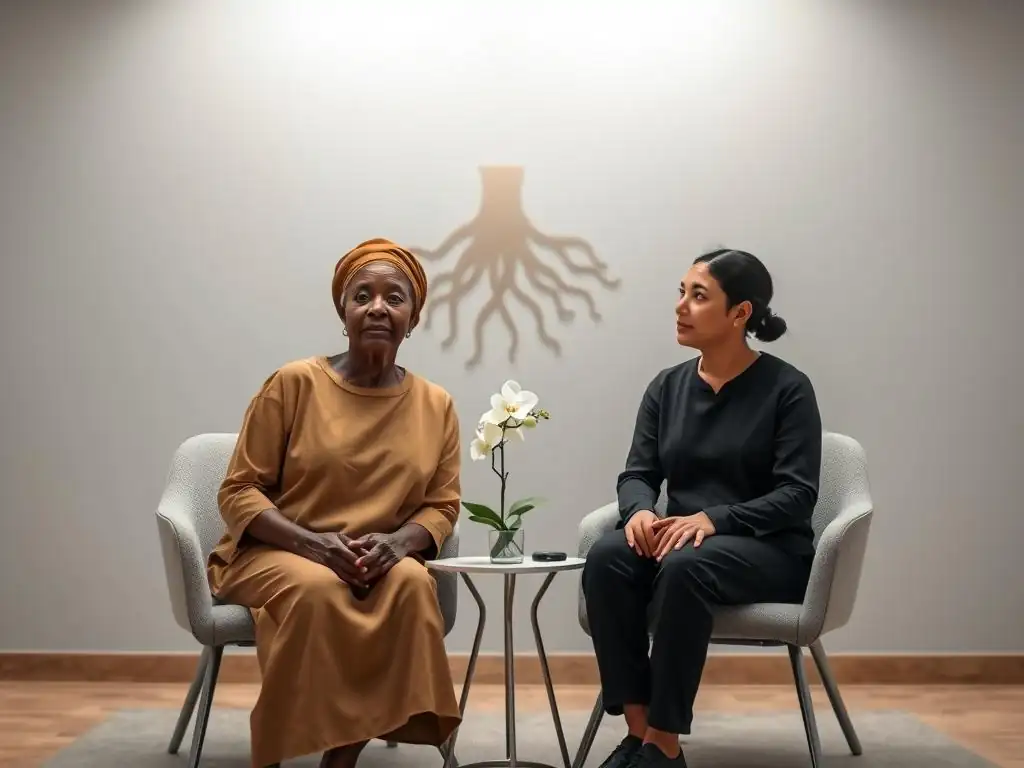
Failing to account for cultural norms in therapy can lead directly to misdiagnosis. Symptoms of mental distress can be expressed differently across cultures. For example, what might be considered psychotic symptoms in one culture could be interpreted as spiritual experiences or communication with ancestors in another. A therapist unfamiliar with these variations might incorrectly diagnose a client or pathologize culturally sanctioned behaviors. This misdiagnosis then leads to ineffective treatment plans that do not address the client's actual needs or are incompatible with their cultural framework.
Moreover, interventions that are highly effective in one cultural context may be inappropriate or even harmful in another. For instance, therapeutic approaches that emphasize individual autonomy and self-disclosure might clash with cultural norms that prioritize family harmony, collective decision-making, or privacy.
When therapy is not adapted, clients may disengage, feel misunderstood, or experience increased distress, leading to poor outcomes. A 2015 report from the Substance Abuse and Mental Health Services Administration (SAMHSA) highlighted that disparities in mental health care outcomes are often linked to a lack of culturally and linguistically appropriate services, underscoring the critical need for cultural norms therapy adaptation.
The Risk of Cultural Bias in Therapeutic Interventions
Therapists, like all individuals, carry their own cultural biases, assumptions, and values. Without self-awareness and cultural competence training, these biases can unconsciously influence how they perceive clients, interpret their experiences, and select interventions. This can manifest in subtle ways, such as favoring individualistic goal-setting over family-focused solutions, or in more overt ways, such as making assumptions about a client's experiences based on stereotypes.
Such cultural bias undermines the therapeutic relationship and can perpetuate harm. Clients may feel judged, misunderstood, or invalidated, leading them to withdraw from therapy. For example, a therapist might unknowingly interpret a client's deference or indirect communication style, common in some cultures, as resistance or passivity, rather than a culturally appropriate form of respect. Recognizing and actively working to mitigate one's own cultural biases is fundamental to providing ethical and effective care and is a prerequisite for successful cultural norms therapy adaptation.
Alienating Clients from Diverse Backgrounds
When therapy ignores cultural norms, it can inadvertently alienate clients from diverse backgrounds, making them feel unwelcome, misunderstood, or that the system is not designed for them. This alienation contributes to lower rates of help-seeking among certain populations and higher dropout rates once therapy begins. Clients may feel that the therapist doesn't "get" them or their world, leading to a breakdown in trust and rapport, which are essential for therapeutic progress.
This feeling of alienation is not just an individual experience; it can reinforce existing mistrust in mental healthcare systems among entire communities, particularly those with histories of marginalization or negative experiences with healthcare providers. Creating an inclusive and welcoming therapeutic environment requires therapists to actively demonstrate cultural humility, respect, and a genuine willingness to learn from their clients about their cultural worlds. This effort signals to clients that their identity and cultural context are valued, making cultural norms therapy adaptation a cornerstone of inclusive practice.
Adapting Therapy to Cultural Norms: Key Strategies
Cultural Norms Therapy Adaptation: Building Rapport and Trust
Building strong rapport and trust is foundational to any successful therapeutic relationship, and it is even more critical when working across cultural differences. This process begins with the therapist's genuine curiosity and respect for the client's cultural background. It involves active listening, demonstrating empathy, and being open to learning about the client's worldviews without judgment. Therapists should be mindful of cultural variations in communication styles, including non-verbal cues, and adapt their own style to make the client feel comfortable.
Establishing trust may also involve acknowledging potential power differentials or historical mistrust between the client's cultural group and the dominant healthcare system. Being transparent about the therapeutic process, discussing expectations, and collaboratively setting goals in a way that aligns with the client's cultural values are all crucial steps. For example, for a client from a culture that values collective decision-making, involving key family members (with the client's explicit consent) in certain discussions or goal-setting might strengthen trust and engagement, illustrating a practical aspect of cultural norms therapy adaptation.
Language and Communication Considerations in Therapy
Language is perhaps the most obvious, but critically important, aspect of cultural norms therapy adaptation. Providing services in the client's preferred language is paramount. If the therapist is not fluent, working with a qualified medical interpreter who understands mental health terminology and the nuances of culturally specific expressions is essential. Using family members as interpreters is generally discouraged due to issues of confidentiality, bias, and emotional burden.
Beyond spoken language, communication styles vary significantly across cultures. Some cultures favor direct communication, while others rely heavily on indirectness, context, or metaphor. Understanding these differences helps prevent misinterpretations. For instance, a client might express distress through storytelling or physical complaints rather than direct emotional statements. Therapists need to be attuned to these variations and adapt their questioning and listening strategies accordingly. This might involve spending more time exploring the client's narrative or inquiring about physical symptoms as potential manifestations of psychological distress, demonstrating sensitivity vital for adapting therapy to cultural norms.
Cultural norms heavily influence family structures, roles, and dynamics, which are often central to a client's mental health presentation and their potential support systems. Some cultures have extended family structures where multiple generations live together or are deeply interconnected, while others prioritize the nuclear family or the individual. Understanding who the client considers "family" and their roles within that structure is vital.
Therapists should inquire about family expectations, obligations, and how family members might be involved in the client's life and mental health journey (again, with appropriate consent). In some cultures, involving family in therapy sessions or seeking their input on treatment goals is not only acceptable but expected and beneficial. In contrast, in other cultures, mental health issues are considered highly personal and private matters. Navigating these dynamics respectfully, while prioritizing client autonomy and confidentiality, requires cultural sensitivity and is a key component of effective cultural norms therapy adaptation.
Specific Cultural Norms and Their Implications for Therapy
Within many Latinx cultures, there exists significant stigma surrounding mental illness, often linked to concepts like vergüenza (shame) or machismo (traditional masculinity norms that discourage vulnerability). Mental health issues may be viewed as a personal weakness, a family secret, or something to be handled within the family rather than with outsiders.
This can lead to underutilization of formal mental health services despite high rates of need. For instance, data consistently shows lower rates of mental health service utilization among Latinx individuals compared to non-Latinx whites in the United States, despite facing significant stressors like acculturation challenges, discrimination, and socioeconomic barriers.
Therapists working with Latinx clients must be prepared to address this stigma directly and empathetically. This might involve:
- Framing mental health challenges using less pathologizing language.
- Highlighting the strength and resilience inherent in the culture.
- Involving trusted community members or faith leaders if appropriate and desired by the client.
- Emphasizing how seeking help is an act of strength that can benefit the entire family unit.
- Being mindful of language preferences (Spanish, Spanglish) and potential regional variations.
These strategies are crucial for adapting therapy to cultural norms within this community and building the trust necessary for effective intervention.
Many Asian cultures tend to be more collectivist than typical Western cultures, prioritizing group harmony, family honor, and interdependence over individual needs and autonomy. This collectivist orientation has significant implications for therapy. Clients may be hesitant to express opinions that differ from family members, make decisions independently, or prioritize their own well-being if it's perceived to conflict with family obligations. Emotional expression might be more reserved, and distress may be expressed through somatic symptoms.
Therapists should understand that individualistic therapeutic goals, such as focusing solely on personal happiness or self-expression, may not resonate with a collectivist client. Cultural norms therapy adaptation in this context might involve:
- Exploring the impact of the client's issues on their family and vice versa.
- Incorporating family members into sessions (with consent) or discussing how individual progress can benefit the family unit.
- Respecting indirect communication styles.
- Being aware of potential pressures related to academic or professional success.
- Understanding cultural norms around filial piety and elder respect.
Recognizing and valuing the importance of family and community within the client's life is key to providing culturally sensitive care.
Understanding Gender Roles and Expectations in Orthodox Jewish Communities
In many Orthodox Jewish communities, traditional gender roles are clearly defined, and family and community structures are highly influential. Women often hold significant roles within the home and community, while men may focus on religious study and providing for the family. Concepts of tznius (modesty) heavily influence interactions, particularly between genders. Mental health issues may be discussed within the community or with religious leaders (rabbis), and there can be varying levels of openness towards formal therapy. The strong emphasis on community (the klal) also means individual struggles can be felt as impacting the group.
Therapists working with clients from Orthodox Jewish backgrounds need to be sensitive to these norms. Adapting therapy to cultural norms could involve:
- Understanding the influence of religious law (Halakha) on daily life and decision-making.
- Respecting norms around modesty and physical contact.
- Being aware of the role of the rabbi or community leaders in seeking advice or support.
- Acknowledging the importance of marriage, family, and procreation within the cultural framework.
- Understanding the concept of bitachon (trust in God) and how it relates to coping mechanisms.
Navigating these specific cultural and religious norms requires humility, a willingness to learn, and collaboration with the client to ensure therapy aligns with their values and community context.
Tools and Techniques for Cultural Norms Therapy Adaptation
Culturally Sensitive Assessment Tools
Standardized psychological assessment tools developed in one cultural context may not be valid or reliable when used with clients from different backgrounds. Language barriers, cultural differences in expressing distress, and variations in understanding concepts measured by the tests can all lead to inaccurate results. For example, a depression inventory might include questions about symptoms that are expressed differently in non-Western cultures, or an anxiety scale might not capture culturally specific fears.
To address this, therapists should utilize culturally sensitive assessment tools whenever possible. This includes:
- Using validated translated versions of instruments.
- Employing assessment methods that rely less on language, such as behavioral observations or drawing.
- Conducting thorough clinical interviews that allow the client to describe their experiences in their own words and cultural context.
- Consulting with cultural brokers or community members to understand how symptoms are typically presented or understood within the client's culture.
- Interpreting results cautiously, considering the potential impact of cultural factors on responses.
Selecting appropriate tools is a foundational step in effective cultural norms therapy adaptation.
Utilizing Interpreters and Cultural Brokers Effectively
When there is a language barrier, using a professional, trained medical interpreter is crucial. A good interpreter does more than just translate words; they help bridge cultural gaps in communication. Therapists should brief the interpreter before the session, explaining the goals and discussing any potential cultural nuances that might arise. During the session, the therapist should speak directly to the client, not the interpreter, and allow ample time for translation.
Cultural brokers are individuals who possess deep knowledge of both the client's culture and the healthcare system. They can help the therapist understand cultural contexts, interpret behaviors, and navigate potential misunderstandings. They can also advocate for the client within the system. While interpreters focus on language, cultural brokers provide broader cultural insights. Collaborating with these individuals is a powerful technique for enhancing cultural norms therapy adaptation, ensuring that both language and cultural context are accurately understood and integrated into the therapeutic process.
Incorporating Traditional Healing Practices
Many cultures have long-standing traditional healing practices and beliefs about health and illness that exist alongside or instead of Western biomedical models. These practices might include herbal remedies, spiritual rituals, prayer, meditation, acupuncture, or reliance on traditional healers like shamans or curanderos. For many clients, these practices are deeply meaningful and an integral part of their coping and healing processes.
Culturally competent therapists should inquire about the client's beliefs regarding the causes of their distress and any traditional healing methods they are currently using or would like to incorporate. Rather than dismissing these practices, therapists can explore how they might complement or be integrated into the therapeutic plan, always respecting the client's autonomy and beliefs. For example, incorporating mindfulness techniques that resonate with a client's existing meditation practice or discussing how prayer provides comfort can enhance engagement and make therapy feel more relevant and respectful of the client's cultural identity, embodying effective cultural norms therapy adaptation.
Case Studies: Successful Cultural Norms Therapy Adaptation

Case Study 1: Adapting CBT for Anxiety in a Vietnamese Refugee
Ms. Lien, a 55-year-old Vietnamese refugee, sought therapy for chronic anxiety symptoms, including worry, insomnia, and physical tension. She had experienced significant trauma during the war and resettlement. Traditional Cognitive Behavioral Therapy (CBT) approaches that focused heavily on individual thought challenging felt disconnected from her experience, which she often described in terms of collective suffering and family worries. She also expressed concerns about bringing shame to her family by admitting to mental weakness.
Cultural norms therapy adaptation was implemented by:
- Framing anxiety symptoms not just as individual pathology but also in the context of historical trauma and ongoing acculturation stress shared by her community.
- Modifying cognitive restructuring to focus on collective coping and resilience strategies prevalent in Vietnamese culture, rather than solely individual thought patterns.
- Incorporating mindfulness techniques that resonated with her familiarity with Buddhist meditation practices.
- Discussing the concept of khổ (suffering) and linking therapeutic goals to alleviating suffering for herself and thereby strengthening her capacity to support her family, aligning with collectivist values.
- Spending time exploring her narrative of resilience and survival, validating her strengths within her cultural context.
This adapted approach led to increased engagement, reduced symptoms of anxiety, and a greater sense of empowerment, demonstrating the power of adapting therapy to cultural norms.
Case Study 2: Addressing Trauma in an Indigenous Community
A therapist was working with members of an Indigenous community dealing with intergenerational trauma stemming from historical injustices, including residential schools. Standard trauma therapies, often focused on individual processing of memories, sometimes felt isolating and did not fully resonate with the community's holistic worldview and emphasis on collective healing.
Cultural norms therapy adaptation strategies included:
- Working closely with community elders and leaders to understand traditional healing practices, storytelling traditions, and ceremonies related to grief and healing.
- Incorporating group therapy formats that mirrored community gatherings and allowed for shared narratives and collective support.
- Utilizing traditional ceremonies, such as talking circles or smudging ceremonies (with appropriate guidance and permission), as part of the healing process alongside therapeutic interventions.
- Framing trauma symptoms within the historical and social context of the community's experiences, validating collective pain and resilience.
- Focusing on strengthening cultural identity and connection to land and traditions as sources of healing and strength.
This approach acknowledged the collective nature of the trauma and leveraged community strengths and traditional practices, leading to more meaningful engagement and progress in healing compared to purely individualistic approaches, highlighting successful cultural norms therapy adaptation.
Benefits of Culturally Adapted Therapy
Improved Client Engagement and Retention
One of the most significant benefits of cultural norms therapy adaptation is the dramatic improvement in client engagement and retention rates. When clients feel truly seen, heard, and understood within the therapeutic relationship – when the therapy resonates with their cultural background and values – they are far more likely to attend sessions consistently, participate actively, and remain in therapy long enough to experience positive change.
Conversely, feeling misunderstood, judged, or that the therapy is irrelevant to their life experiences are major reasons clients drop out prematurely. A study published in Cultural Diversity and Ethnic Minority Psychology (2011) found that culturally adapted interventions were associated with significantly lower dropout rates across various minority groups. By explicitly addressing cultural context and tailoring the approach, therapists create a more welcoming and effective space, fostering a sense of belonging and trust that encourages clients to stay engaged with the healing process.
Enhanced Therapeutic Outcomes and Client Satisfaction
Beyond simply keeping clients in therapy, cultural norms therapy adaptation leads to enhanced therapeutic outcomes and greater client satisfaction. When therapy aligns with a client's worldview, coping styles, and values, interventions are more likely to be accepted, understood, and effectively implemented. This leads to greater symptom reduction, improved functioning, and a higher overall sense of well-being.
Clients who feel their cultural identity has been respected and integrated into their treatment report higher levels of satisfaction with their therapy experience. They feel that the therapist cares about them as a whole person, not just their symptoms. This positive experience can also help reduce stigma within communities, encouraging others to seek help. Evidence from numerous studies, including meta-analyses, consistently supports that culturally adapted interventions yield larger effect sizes compared to non-adapted treatments, confirming that adapting therapy to cultural norms directly contributes to better results.
Reducing Mental Health Disparities
Mental health disparities, defined as differences in mental health outcomes and access to care among different populations, are a major public health concern. Race, ethnicity, socioeconomic status, language, and cultural background are significant factors contributing to these disparities. Individuals from marginalized cultural groups often face greater barriers to accessing quality mental healthcare and experience poorer outcomes.
Implementing cultural norms therapy adaptation on a broader scale is a powerful strategy for reducing these disparities. By making therapy more accessible, relevant, and effective for diverse populations, it helps to level the playing field. Training more therapists in cultural competence, developing and disseminating culturally adapted interventions, and integrating cultural considerations into mental health services are crucial steps toward ensuring that everyone, regardless of their cultural background, has the opportunity to benefit from effective mental healthcare. This commitment to culturally adapted practice is essential for achieving mental health equity.
Resources for Therapists Seeking Cultural Competence Training
Organizations Offering Cultural Competence Training
For therapists committed to providing culturally sensitive care and mastering cultural norms therapy adaptation, numerous organizations offer valuable training and resources. These organizations provide workshops, webinars, certifications, and educational materials designed to enhance cultural competence. Some prominent examples in the United States include the American Psychological Association (APA) and the American Counseling Association (ACA), which offer guidelines, resources, and continuing education on multicultural psychology and counseling.
Additionally, organizations like the National Association of Social Workers (NASW) emphasize cultural competence in their standards of practice. Many universities and professional training institutes also offer specialized courses or certificate programs focused on multicultural therapy and working with specific populations. Seeking out training from reputable sources is a vital step for therapists looking to deepen their understanding and skills in adapting therapy to cultural norms for diverse clients.
Books and Articles on Cultural Norms and Mental Health
A wealth of literature exists on the intersection of cultural norms and mental health, providing therapists with theoretical frameworks, research findings, and practical guidance. Key texts often cover topics such as multicultural counseling competencies, specific cultural group considerations, the impact of oppression and discrimination, and strategies for cultural norms therapy adaptation.
Examples of foundational reading include "Counseling the Culturally Diverse: Theory and Practice" by Sue and Sue, which is widely regarded as a comprehensive resource. Academic journals such as Cultural Diversity and Ethnic Minority Psychology, the Journal of Multicultural Counseling and Development, and Transcultural Psychiatry regularly publish research and articles vital for staying current in the field. Regularly engaging with this literature is essential for therapists to expand their knowledge base and refine their skills in providing culturally informed care.
Online Resources for Cultural Sensitivity in Therapy
The digital age offers a growing number of online resources for therapists seeking to enhance their cultural sensitivity and skills in cultural norms therapy adaptation. Websites of professional organizations, government agencies (like SAMHSA), and non-profit groups dedicated to mental health and diversity often provide free guidelines, toolkits, webinars, and research databases.
Online platforms also host recorded workshops, e-learning modules, and access to research articles on specific cultural groups and mental health topics. While online resources can be incredibly convenient and informative, therapists should ensure the information comes from credible sources and supplements hands-on training and consultation. Utilizing these online tools can be a flexible way for busy practitioners to continue their education and improve their ability to provide culturally competent and adapted therapy.
The Future of Cultural Norms Therapy Adaptation
The Growing Need for Culturally Competent Therapists
As societies become increasingly diverse, the need for mental health professionals who are proficient in cultural norms therapy adaptation will only continue to grow. Demographic shifts mean that therapists are more likely than ever to work with clients from backgrounds different from their own. The demand for culturally sensitive services is rising as awareness of mental health increases globally and within diverse communities.
Addressing this growing need requires systemic changes in how mental health professionals are trained. Integrating cultural competence and cultural norms therapy adaptation into core curriculum, rather than treating it as an elective or add-on, is crucial. Furthermore, ongoing professional development and supervision that emphasize cultural considerations are necessary throughout a therapist's career. Meeting this demand is essential to ensure equitable access to effective mental healthcare for all populations.
Integrating Cultural Considerations into Mental Health Policy
Effective cultural norms therapy adaptation must be supported by mental health policies that recognize and prioritize cultural diversity. Policy changes are needed at local, national, and international levels to ensure that mental health services are accessible, affordable, and culturally appropriate for diverse populations. This includes advocating for funding for culturally specific programs, promoting the recruitment and retention of a diverse mental health workforce, and mandating cultural competence training for licensed practitioners.
Policies should also address systemic barriers that contribute to mental health disparities, such as discrimination, poverty, and lack of access to education and healthcare. Integrating cultural considerations into policy development ensures that mental health systems are designed with the needs of diverse communities in mind, moving beyond a one-size-fits-all approach towards truly inclusive and equitable care. This top-down support is vital for fostering widespread cultural norms therapy adaptation.
Promoting Cultural Humility in the Mental Health Field
While cultural competence implies a level of mastery or expertise, cultural humility is often described as a more dynamic and ongoing process. It involves a lifelong commitment to self-reflection, challenging one's own biases, and maintaining an attitude of openness, curiosity, and respect towards clients' cultural identities. Cultural humility emphasizes that the client is the expert on their own culture and experience, and the therapist is a learner.
Promoting cultural humility throughout the mental health field is perhaps the most critical element for the future of cultural norms therapy adaptation. It shifts the focus from simply acquiring knowledge about different cultures to developing a relational stance characterized by respect and partnership. This approach fosters deeper trust, encourages open dialogue about cultural differences, and allows therapists to more effectively tailor their interventions to meet the unique needs of each individual client within their specific cultural context.
Frequently Asked Questions
What is the main reason why cultural norms are so important in therapy?
Cultural norms significantly impact a person's beliefs, values, and behaviors. Understanding these norms allows therapists to provide culturally sensitive and relevant care. Ignoring them can lead to misinterpretations and ineffective treatment.
How does "Cultural Norms Therapy Adaptation" help improve mental well-being?
Cultural Norms Therapy Adaptation ensures that therapeutic approaches are tailored to the individual's cultural background. This increases the likelihood of engagement, trust, and positive outcomes, fostering improved mental well-being.
Can you give an example of how a cultural norm might affect a therapy session?
For instance, some cultures may discourage openly discussing emotions with strangers. A therapist unaware of this norm might misinterpret a client's reluctance as resistance or detachment, hindering progress.
What are some potential risks of ignoring cultural norms in therapy?
Ignoring cultural norms can lead to misdiagnosis, ineffective treatment strategies, and a breakdown in the therapeutic relationship. This can also reinforce feelings of alienation and mistrust in the client.
Where can I find resources to learn more about Cultural Norms Therapy Adaptation and its application in mental health care?
Mind Care Guide offers articles, support groups, and links to relevant organizations focused on cultural competency in mental health. Additional resources can be found through professional mental health associations and academic journals.
Final Reflection: Bridging Cultures, Building Trust in Therapy
Understanding and adapting to cultural norms is not merely a best practice in therapy; it's a fundamental necessity for effective and ethical care. Failure to do so can lead to misinterpretations, ineffective treatment plans, and ultimately, a breakdown in the therapeutic relationship. The consequences of cultural insensitivity in the therapeutic setting are far-reaching and deeply impactful.
The exploration of cultural norms in therapy has profoundly shifted my understanding of the therapeutic process itself. It's not simply about applying a standardized model to every patient; it's about recognizing the unique tapestry of experiences, beliefs, and values that shape each individual's worldview. This understanding necessitates a constant process of learning, adaptation, and humility. The most basic of all human needs is the need to understand and be understood.
- Ralph Nichols. This quote underscores the crucial role of cultural competency in fostering a safe and productive therapeutic space.
Now, consider your own interactions – with friends, family, colleagues, and even strangers. How can you apply the principles of cultural sensitivity and understanding to these relationships? Take the time to actively listen, to ask clarifying questions, and to approach each interaction with empathy and respect. By consciously incorporating these principles into your daily life, you can contribute to a more understanding and compassionate world, and ultimately, to a more effective and equitable therapeutic landscape for all.
Unlock a World of Understanding: Embrace Cultural Sensitivity in Therapy
Thanks for taking the time to explore the crucial role of cultural understanding in effective therapy! You've gained valuable insights into how cultural norms shape our experiences and therapeutic approaches. Now, let's put that knowledge into action:
- Prioritize cultural sensitivity in your own life: Actively seek out diverse perspectives and challenge your own biases. This could involve reading books or articles on different cultures, or simply engaging in more meaningful conversations with people from diverse backgrounds.
- Share this article with your network: Spread awareness about the importance of culturally adapted therapy, encouraging a more inclusive and supportive healthcare environment. Let's help more people access the care they deserve!
- Explore resources on cultural competency: Consider researching specific cultural guidelines for effective therapy and reflecting on how you might implement this understanding in your practice or in your personal life.
What unique cultural perspectives have you encountered that have enriched your own understanding of therapy? Let's discuss!