
Beyond the Legal Battle: Addressing the Emotional Wounds of Divorce


Welcome to Mind Care Guide, your compassionate companion on the journey to mental well-being. Feeling lost and overwhelmed after a divorce? You're not alone. This article dives deep into divorce recovery emotional healing support, exploring practical strategies to mend your heart and rediscover your strength. Curious about how to navigate the emotional aftermath and build a brighter future? Let's begin.
- Beyond the Legal Battle: Divorce Recovery and Emotional Healing Support
- Understanding the Emotional Impact of Divorce
- The Importance of Emotional Healing After Divorce
- Strategies for Divorce Recovery and Emotional Healing
- Building a Support System for Emotional Recovery
- Helping Children Cope with the Emotional Impact of Divorce
- Moving Forward: Embracing a New Chapter After Divorce
- Resources for Divorce Recovery and Emotional Support
-
Frequently Asked Questions
- What are the most common emotional challenges faced during divorce recovery?
- How can I find emotional healing support after a divorce?
- What role does self-care play in emotional healing support during divorce recovery?
- How long does the emotional healing process typically take after a divorce?
- Where can I find resources and further information on divorce recovery emotional healing support?
- Final Reflection: Healing Hearts, Rebuilding Lives
- Rediscover Your Strength: Next Steps After Divorce
Beyond the Legal Battle: Divorce Recovery and Emotional Healing Support
Divorce is often perceived primarily as a legal process, involving court dates, asset division, and custody arrangements. However, the emotional toll it takes on individuals is profound and often underestimated. The dissolution of a marriage, regardless of its length or circumstances, represents the end of a significant life chapter and can trigger a complex array of feelings that extend far beyond the courtroom. Addressing these emotional wounds is not merely a secondary concern but a critical component of moving forward and achieving true well-being.
This guide from Mind Care Guide focuses specifically on the vital process of divorce recovery and emotional healing support. While legal matters provide closure on paper, it is the dedicated work on one's inner state that allows for genuine peace and the capacity to build a fulfilling future. Understanding the emotional landscape, identifying challenges, and actively pursuing healing strategies are essential steps on this journey. The path to divorce recovery emotional healing support requires acknowledging pain, seeking appropriate help, and rebuilding one's sense of self and purpose.
Understanding the Emotional Impact of Divorce
The Initial Shock and Disbelief: Acknowledging the Emotional Trauma
The initial phase of divorce, whether anticipated or sudden, is frequently marked by profound shock and disbelief. This is akin to experiencing a significant trauma, as the foundational structure of one's life is fundamentally altered. The world as it was known ceases to exist, replaced by uncertainty and a sense of loss. This shock can manifest physically, leading to symptoms like difficulty sleeping, changes in appetite, and a general feeling of numbness or detachment from reality. It's a protective mechanism, sometimes preventing the full weight of the situation from overwhelming the individual immediately.
Acknowledging this initial trauma is a crucial first step in divorce recovery emotional healing support. Many people try to push these feelings away or intellectualize the situation, believing they should "just get over it." However, suppressing these deep-seated emotional responses only delays the healing process. Recognizing that the shock is a valid reaction to a significant life disruption allows individuals to approach their experience with greater self-compassion and openness to seeking necessary support. The trauma response varies greatly, but validation of these feelings is universally helpful.
Common Emotional Challenges Post-Divorce: Grief, Anger, and Anxiety
Following the initial shock, individuals typically navigate a complex emotional landscape dominated by grief, anger, and anxiety. Grief is a natural response to loss, and divorce involves the loss of a partner, a shared future, potentially a home, and a social identity. This grief can cycle through various stages, not necessarily linearly, including denial, bargaining, depression, and acceptance. It's a deep mourning process that requires time and permission to feel.
Anger is another pervasive emotion, often directed at the former spouse, oneself, or the perceived unfairness of the situation. While intense anger can be destructive, acknowledging and processing it in healthy ways is vital for emotional healing after divorce. Anxiety stems from the uncertainty of the future – financial worries, solo parenting challenges, social adjustments, and the prospect of navigating life alone.
Research consistently shows elevated rates of anxiety disorders among divorced individuals compared to their married counterparts in the initial years post-divorce. Managing this anxiety through coping mechanisms and support is key to effective divorce recovery emotional healing support.
Identifying Emotional Wounds: Recognizing the Need for Divorce Recovery
Beyond the immediate rush of grief, anger, and anxiety lie deeper emotional wounds that require specific attention for comprehensive divorce recovery. These can include feelings of failure, rejection, betrayal, worthlessness, or a loss of identity tied to the marital role. For example, someone who defined themselves heavily as a spouse or parent within a traditional family structure might feel adrift and question their purpose. A sense of profound loneliness or isolation is also a common, deep wound, particularly if the social circle was primarily coupled friends.
Recognizing these specific emotional wounds is paramount to tailoring the path toward emotional healing after divorce. It's not just about processing the breakup itself, but identifying how the divorce impacted one's core beliefs about self-worth, safety, and trust. This self-awareness is the foundation for seeking appropriate divorce recovery emotional healing support, whether through therapy, support groups, or dedicated self-care practices. Ignoring these deeper issues can lead to prolonged suffering and impact future relationships and overall well-being.
The Importance of Emotional Healing After Divorce
Why Emotional Healing is Crucial for Long-Term Well-being
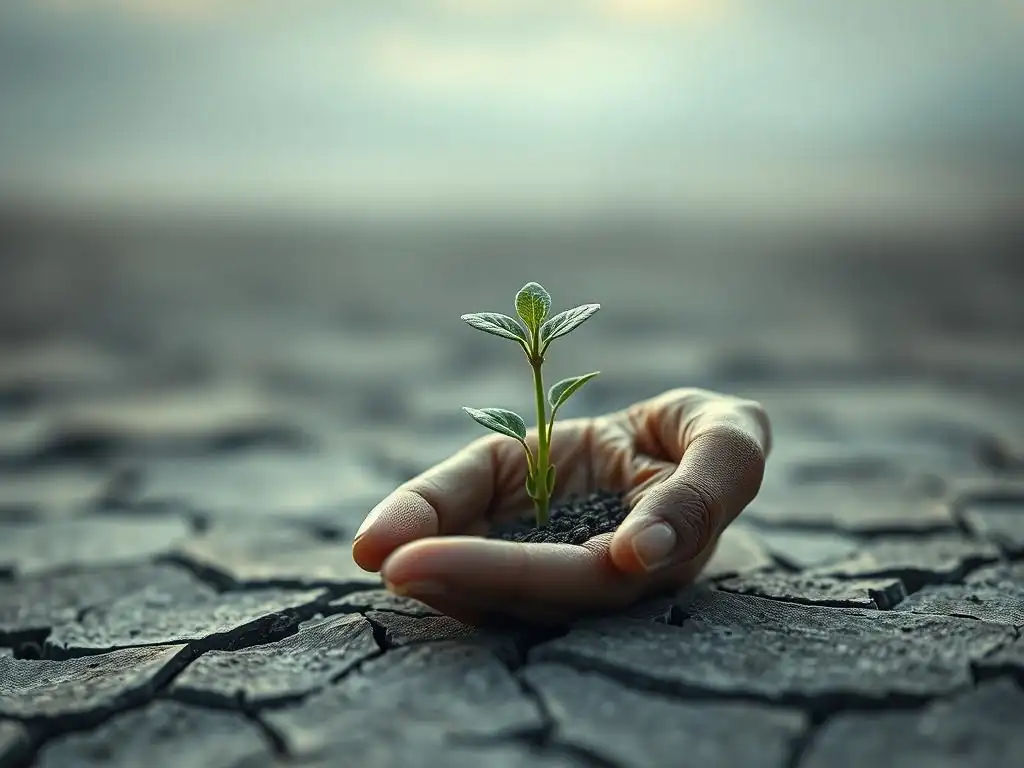
Emotional healing after divorce is not a luxury, but a necessity for long-term well-being. Neglecting the emotional fallout can have lasting negative consequences on both mental and physical health. Unresolved grief can lead to chronic depression, unprocessed anger can manifest as bitterness and difficulty forming new connections, and persistent anxiety can impact daily functioning and increase the risk of physical health issues like heart problems or weakened immune responses. Furthermore, carrying unhealed emotional wounds into future relationships often replicates past patterns and challenges.
Prioritizing emotional healing allows individuals to process their experiences, learn from them, and move forward with greater resilience and self-awareness. It's about integrating the divorce experience into one's life story without letting it define one's entire future. Successful divorce recovery emotional healing support empowers individuals to regain their sense of self, rebuild their confidence, and cultivate healthy coping mechanisms. This foundation of emotional health is essential for navigating the challenges of single life, parenting post-divorce, and eventually building fulfilling new relationships or embracing a contented independent life.
The Connection Between Divorce and Mental Health: Understanding the Risks
Research consistently demonstrates a strong link between divorce and increased risk for various mental health challenges. Studies indicate that divorced individuals, especially in the initial years, have higher rates of depression, anxiety disorders, substance abuse, and even suicidal ideation compared to their married or never-married counterparts. The stress, financial strain, social isolation, and emotional turmoil associated with divorce are significant risk factors.
Understanding these potential risks underscores the critical need for proactive divorce recovery emotional healing support. It's not about pathologizing divorce but recognizing it as a major life stressor that requires focused attention on mental health. Seeking support early, whether from friends, family, support groups, or mental health professionals, can significantly mitigate these risks and promote healthier outcomes. Awareness of this connection encourages individuals to view emotional healing as a vital preventative measure for long-term mental well-being.
Seeking Support: Building a Foundation for Emotional Recovery
Building a robust support system is a cornerstone of effective divorce recovery emotional healing support. Attempting to navigate the emotional complexities of divorce in isolation is incredibly challenging and often leads to prolonged suffering. Support can come in many forms, from the informal comfort of trusted friends and family to the structured environment of support groups and the professional guidance of therapists.
Actively seeking and utilizing these support networks provides validation, reduces feelings of isolation, and offers different perspectives and coping strategies. Sharing experiences with others who understand can be incredibly validating. Professional support, such as therapy, offers tools and techniques for processing complex emotions, challenging negative thought patterns, and developing healthy coping mechanisms. This multi-faceted approach to seeking support creates a strong foundation for emotional recovery and helps individuals feel less alone on their healing journey.
Strategies for Divorce Recovery and Emotional Healing
Self-Care Practices for Emotional Well-being During Divorce
Mindfulness and Meditation for Stress Reduction
Mindfulness and meditation are powerful tools for managing the intense stress and emotional turbulence that often accompany divorce. Practicing mindfulness involves focusing on the present moment without judgment, which can help interrupt cycles of rumination about the past or anxiety about the future. Even a few minutes of mindful breathing each day can help regulate the nervous system and promote a sense of calm amidst chaos.
Meditation, whether guided or unguided, offers a structured way to cultivate this present-moment awareness. Regular practice has been shown to reduce cortisol levels (the stress hormone) and improve emotional regulation. Incorporating these practices into a daily routine can be a vital component of divorce recovery emotional healing support, providing a personal sanctuary and helping individuals feel more grounded and in control of their internal state, even when external circumstances feel overwhelming.
Physical Activity and Healthy Eating for Emotional Balance
The mind-body connection is undeniable, and focusing on physical health is crucial for emotional balance during divorce recovery. Engaging in regular physical activity, whether it's walking, running, yoga, or dancing, releases endorphins, which have mood-boosting effects. Exercise can also serve as a healthy outlet for pent-up energy, anger, or frustration. Aiming for consistency, even if it's just 20-30 minutes a few times a week, can make a significant difference.
Similarly, nourishing the body with healthy food provides the necessary fuel for managing stress and maintaining emotional stability. While comfort food might be tempting, relying on processed foods, excessive sugar, or alcohol can exacerbate mood swings and energy crashes. Prioritizing balanced meals with fruits, vegetables, lean protein, and whole grains supports overall well-being and contributes positively to the process of emotional healing after divorce.
Creative Expression: Journaling, Art, and Music Therapy
Engaging in creative expression offers a non-verbal outlet for processing complex and often overwhelming emotions during divorce recovery. Journaling, for instance, provides a private space to articulate thoughts and feelings without censorship, helping to identify patterns, gain clarity, and release emotional pressure. Simply writing down what comes to mind can be incredibly cathartic.
Art therapy or engaging in personal art projects (like painting, drawing, or sculpting) allows individuals to express emotions visually, which can be particularly helpful when words feel insufficient. Music therapy, whether listening to, playing, or writing music, can also facilitate emotional release and processing. These creative avenues are valuable components of divorce recovery emotional healing support, offering therapeutic benefits and a sense of accomplishment and self-discovery outside the context of the divorce.
Rebuilding Self-Esteem and Confidence After Divorce
Identifying and Challenging Negative Self-Talk
Divorce can severely erode self-esteem, often leading to pervasive negative self-talk. Thoughts like "I failed," "I wasn't good enough," or "I'm unlovable" can become deeply ingrained. Identifying these automatic negative thoughts is the first step in challenging them. Becoming aware of when and why these thoughts arise is crucial for effective divorce recovery emotional healing support.
Once identified, actively challenging these negative narratives is essential. Ask yourself: Is this thought based on fact or emotion? What evidence is there against this thought? What would I say to a friend in this situation? Replacing negative self-talk with more realistic and compassionate affirmations takes practice but is vital for rebuilding confidence after divorce. It's a conscious effort to retrain the mind to be kinder and more supportive.
Focusing on Strengths and Accomplishments
Counteracting the blow to self-esteem requires a deliberate focus on one's existing strengths and past accomplishments, both within and outside the marriage. Take time to reflect on your positive qualities – resilience, kindness, intelligence, creativity, humor, etc. Make a list of things you are good at or proud of, whether it's excelling at your job, being a good friend, mastering a hobby, or overcoming past challenges.
Reminding yourself of your inherent worth and capabilities, separate from your marital status, is a powerful step in divorce recovery emotional healing support. This isn't about ignoring the pain but about balancing the narrative. Regularly acknowledging your strengths helps to rebuild a positive self-image and reminds you that your value as a person is independent of the success or failure of your marriage.
Setting New Goals and Pursuing Passions
Setting new, achievable goals provides a sense of purpose and forward momentum, which is crucial for rebuilding confidence after divorce. These goals can be small, like committing to exercising three times a week, or larger, like pursuing a new educational course or changing careers. The act of setting and working towards goals shifts focus from the past to the future and fosters a sense of agency.
Rediscovering or pursuing long-dormant passions is also incredibly empowering. What did you enjoy doing before the marriage or before kids? What have you always wanted to try? Engaging in activities purely for personal enjoyment helps reconnect you with yourself and build a life that is fulfilling on your own terms. This pursuit of personal interests is a significant part of divorce recovery emotional healing support, proving to yourself that you are capable of creating happiness and meaning independently.
Forgiveness: Releasing Anger and Resentment
Understanding the Benefits of Forgiveness for Emotional Healing
Forgiveness, in the context of divorce, is not about condoning harmful behavior or reconciling; it is primarily a process of releasing oneself from the emotional bondage of anger, resentment, and bitterness. Holding onto these negative emotions is like carrying a heavy weight that drains energy and prevents forward movement. Research indicates that forgiveness is strongly linked to improved mental and physical health outcomes, including reduced anxiety and depression.
Understanding that forgiveness is a gift you give yourself is key. It's about letting go of the desire for revenge or the hope that the past could have been different. This release of negative emotional energy is profoundly liberating and essential for deep divorce recovery emotional healing support. It allows you to reclaim your emotional peace and invest your energy into building a positive future rather than dwelling on past hurts.
Steps to Forgiveness: A Process of Letting Go
Forgiveness is rarely a single event but rather a process that unfolds over time. It often begins with acknowledging the pain and the wrong that was done. Allowing yourself to feel the hurt and anger fully, without judgment, is a necessary step. Suppression is not forgiveness. The next step involves making a conscious decision to let go of the resentment and the desire for retribution. This is a deliberate choice, even if the feelings of hurt linger.
The process may involve gaining perspective, understanding the other person's flaws (though not excusing their actions), and focusing on your own healing needs. It might also include grieving the loss and accepting the reality of the situation. Practicing empathy, even minimally, can sometimes help detach from the intense anger. Forgiveness is ultimately about making peace with what happened so you can move forward, a core element of effective divorce recovery emotional healing support.
Seeking Professional Guidance for Forgiveness Work
Forgiveness can be one of the most challenging aspects of divorce recovery, especially in cases involving betrayal, abuse, or deep hurt. When feelings of anger and resentment feel overwhelming or stuck, seeking professional guidance can be invaluable. Therapists specializing in trauma or relationship issues can provide a safe space and effective tools to navigate the complex emotions associated with forgiveness.
A therapist can help you explore the roots of your anger, process the pain in a healthy way, and guide you through the steps of letting go at a pace that feels right for you. They can also help differentiate between forgiveness and reconciliation, ensuring you understand that forgiving someone does not mean you must allow them back into your life or excuse their past behavior. Professional support is a significant resource for those struggling with this crucial part of divorce recovery emotional healing support.
Building a Support System for Emotional Recovery
The Role of Family and Friends in the Healing Process
Trusted family members and friends can provide an essential lifeline during the emotional turmoil of divorce. They offer emotional comfort, a listening ear, practical help, and a sense of continuity and belonging when life feels fragmented. Sharing your feelings with supportive loved ones can alleviate loneliness and provide validation for your experiences. Simply knowing you are not alone can be incredibly comforting.
However, it's important to choose wisely who you confide in. Not everyone understands the complexities of divorce, and some may offer unhelpful advice or inadvertently add to the stress. Leaning on those who are empathetic, non-judgmental, and reliable is key. Setting boundaries with others, including potentially well-meaning but intrusive individuals, is also important for preserving your energy and emotional space during divorce recovery emotional healing support.
Joining Divorce Support Groups: Finding Community and Understanding
Divorce support groups offer a unique and invaluable form of divorce recovery emotional healing support by connecting individuals who are going through similar experiences. Sharing stories, challenges, and coping strategies with others who truly understand the pain and complexities of divorce can be incredibly validating and empowering. These groups provide a sense of community and reduce feelings of isolation.
In a support group setting, you can gain practical advice on navigating post-divorce life, learn from others' experiences, and receive encouragement from people who are further along in their healing journey. Many groups follow structured programs or simply provide a safe space for open discussion. The shared understanding found in these communities is a powerful antidote to the feeling that no one else can possibly grasp what you're going through.
Seeking Professional Therapy: Individual and Couples Counseling for Divorce Recovery
The Benefits of Therapy for Processing Emotions and Developing Coping Mechanisms
Professional therapy is a cornerstone of comprehensive divorce recovery emotional healing support. Individual therapy provides a confidential and objective space to process the complex emotions associated with divorce, including grief, anger, fear, and confusion. A trained therapist can help you understand the dynamics of the marriage and divorce, identify unhealthy patterns, and develop healthier coping mechanisms for managing stress and difficult feelings.
Therapy can also help in rebuilding self-esteem, challenging negative beliefs, and setting goals for the future. Techniques like Cognitive Behavioral Therapy (CBT) can help identify and change negative thought patterns, while other approaches like Eye Movement Desensitization and Reprocessing (EMDR) may be used to process trauma if applicable. The guidance of a professional is often critical for navigating the deeper emotional wounds and developing resilience.
Finding a Therapist Specializing in Divorce and Emotional Healing
When seeking professional help for divorce recovery, it is beneficial to find a therapist who specializes in divorce, relationship issues, or trauma. These therapists have specific knowledge and experience in addressing the unique challenges faced by individuals navigating the end of a marriage. They are familiar with common emotional responses and effective strategies for healing and rebuilding.
Look for therapists with relevant experience and training. Online directories often allow filtering by specialization. Don't hesitate to schedule initial consultations to ensure the therapist's approach feels like a good fit for your needs and personality. Finding the right therapeutic relationship is a significant step towards effective divorce recovery emotional healing support and can profoundly impact the healing trajectory.
Helping Children Cope with the Emotional Impact of Divorce

Understanding Children's Emotional Reactions to Divorce
Children of all ages are significantly impacted by divorce, and their emotional reactions can vary widely depending on their age, temperament, and the circumstances of the separation. Younger children may express distress through behavioral regressions (like bedwetting or increased clinginess), confusion, and fear of abandonment. Older children and teenagers might exhibit anger, sadness, withdrawal, academic problems, or risk-taking behaviors. They may also feel caught in the middle or responsible for their parents' happiness.
It's crucial for parents to understand that children's emotional responses are valid and require patient, consistent support. Observing changes in behavior, mood, or academic performance can be indicators of underlying emotional distress. Acknowledging these reactions without judgment and creating safe spaces for children to express themselves is a vital part of supporting their well-being during the family transition.
Communicating with Children About Divorce in a Supportive Way
Open, honest, and age-appropriate communication is paramount when talking to children about divorce. While it's not necessary to share adult details or place blame, children need clear information about what is happening and how it will affect their daily lives (where they will live, when they will see each parent, etc.). Reassure them consistently that the divorce is not their fault and that they are loved by both parents.
Maintain a united front as much as possible regarding the decision and future arrangements, even if personal feelings towards the other parent are negative. Avoid using children as messengers or confiding in them about adult problems. Consistent and empathetic communication helps children feel secure and understood, which is crucial for their emotional adjustment during the parents' divorce recovery emotional healing support journey.
Minimizing Conflict and Protecting Children from Emotional Harm
One of the most significant factors impacting children's adjustment to divorce is the level of parental conflict. High-conflict divorces can be incredibly damaging to children's emotional and psychological health, leading to increased anxiety, depression, and behavioral problems. Parents must make a conscious effort to minimize conflict in front of their children and, ideally, resolve disagreements away from them.
Protecting children from adult disputes, negative talk about the other parent, or feeling pressured to take sides is essential. Focusing on cooperative co-parenting, even if challenging, prioritizes the children's needs and well-being. This protective environment allows children the space to process their own feelings about the divorce without the added burden of parental conflict, supporting their path towards healing alongside the parents' own divorce recovery emotional healing support.
Seeking Child Therapy: Addressing Children's Emotional Needs
If children are struggling significantly with the emotional impact of divorce, professional therapy can provide targeted support. Child therapists are trained to work with children using age-appropriate techniques like play therapy, art therapy, or talk therapy to help them express their feelings, understand the changes, and develop coping strategies.
Therapy offers children a neutral space to process their emotions without feeling like they need to protect their parents. It can help address specific issues like anxiety, sadness, anger, or adjustment difficulties. Seeking therapy for children is a proactive step in ensuring their emotional health during this challenging time and is an important part of the overall family's divorce recovery emotional healing support process.
Moving Forward: Embracing a New Chapter After Divorce
Rebuilding Your Life and Creating a Positive Future
Divorce marks an ending, but it also represents the beginning of a new chapter. Rebuilding your life involves consciously creating a future that aligns with your individual values, goals, and aspirations. This process takes time and intentional effort. It might involve making significant changes to your living situation, career, or social life.
Focusing on building a positive future means setting realistic expectations and taking small, consistent steps forward. It's about reclaiming your independence and shaping your life on your own terms. This stage of divorce recovery emotional healing support is empowering, shifting the focus from the past loss to the potential of what lies ahead. It requires patience, resilience, and a belief in your capacity to create happiness.
Setting New Goals and Finding Meaning After Divorce
Finding meaning after divorce is crucial for long-term fulfillment. This can involve reconnecting with personal interests, pursuing new hobbies, volunteering, or focusing on personal growth. What activities or causes bring you joy and a sense of purpose? Engaging in these provides a new framework for your life outside the marital context.
Setting new goals, whether related to career, personal development, health, or relationships, provides direction and motivation. These goals serve as milestones on your journey forward and reinforce a sense of accomplishment and progress. This deliberate act of defining and pursuing new meaning is a powerful aspect of divorce recovery emotional healing support, helping to replace the void left by the end of the marriage with new sources of satisfaction.
Embracing Self-Discovery and Personal Growth
Divorce often forces a period of introspection and self-discovery. Freed from the dynamics of the marital relationship, individuals have an opportunity to better understand themselves – their needs, desires, strengths, and weaknesses. This can be a time of significant personal growth, challenging old patterns and developing new ways of being.
Embracing this opportunity for self-discovery involves asking difficult questions, reflecting on the past, and identifying lessons learned. It's about becoming more self-aware and intentional about the kind of person you want to be and the life you want to live. This journey of internal exploration is a profound and often transformative part of divorce recovery emotional healing support, leading to greater authenticity and resilience.
Finding Love Again: Dating After Divorce and Building Healthy Relationships
For many, moving forward includes eventually seeking new romantic relationships. Dating after divorce can be daunting, bringing up fears of rejection, comparison to the past marriage, or repeating old mistakes. However, it also offers the possibility of building healthier, more fulfilling connections based on the lessons learned during the healing process.
Approaching dating with self-awareness, clear boundaries, and realistic expectations is key. Prioritizing emotional availability and compatibility over simply avoiding loneliness leads to better outcomes. The work done during divorce recovery emotional healing support – rebuilding self-esteem, processing past hurts, and understanding personal needs – creates a stronger foundation for forming healthy, respectful, and loving relationships in the future.
Resources for Divorce Recovery and Emotional Support
Books and Articles on Divorce and Emotional Healing
There are numerous valuable resources available in the form of books and articles that offer insights, guidance, and comfort for those navigating the emotional aftermath of divorce. These resources can provide validation for your experiences, offer practical coping strategies, and share stories of hope and resilience. Titles often cover topics like processing grief, co-parenting challenges, rebuilding identity, and finding happiness again.
Reading about the experiences of others and learning from experts can help normalize your feelings and provide a roadmap for your own healing journey. Look for resources that resonate with your specific situation and needs. Engaging with informative content is a proactive step in seeking divorce recovery emotional healing support and gaining knowledge that empowers your healing process.
Online Support Groups and Communities
The digital age offers accessible online support groups and communities specifically for individuals going through divorce. These platforms provide a space to connect with others 24/7, share experiences, ask questions, and receive encouragement from a global network of people who understand. Online forums, social media groups, and dedicated websites can offer continuous divorce recovery emotional healing support.
While not a replacement for in-person connection or professional therapy, online communities offer convenience and anonymity, which can be helpful for those who find it difficult to attend face-in-person meetings or prefer privacy. Engaging respectfully and cautiously within these online spaces can provide valuable connection and a sense of not being alone.
Mental Health Professionals Specializing in Divorce Recovery
As highlighted earlier, mental health professionals specializing in divorce and emotional healing are invaluable resources. This includes licensed therapists, counselors, psychologists, and social workers with expertise in relationship issues, trauma, and adjustment disorders. They offer evidence-based therapies and personalized support tailored to the individual's specific needs.
Seeking out a professional who understands the nuances of divorce is a significant investment in your long-term well-being. They can help you navigate the most challenging emotional terrain, process deep-seated issues, and equip you with the tools needed to build a resilient and fulfilling life post-divorce. Professional guidance is often a critical element of comprehensive divorce recovery emotional healing support.
Frequently Asked Questions
What are the most common emotional challenges faced during divorce recovery?
The most common challenges include feelings of loss and grief, dealing with anxiety and depression, and navigating social isolation. These feelings often stem from the breakdown of the relationship and the uncertainties of the future.
How can I find emotional healing support after a divorce?
You can find support through therapy or counseling, support groups specifically for divorced individuals, or by connecting with trusted friends and family who can offer a listening ear and understanding.
What role does self-care play in emotional healing support during divorce recovery?
Self-care is crucial for emotional healing. Prioritizing activities that promote well-being, such as exercise, healthy eating, and relaxation techniques, can help manage stress and improve your mood.
How long does the emotional healing process typically take after a divorce?
There's no set timeline. The duration of emotional healing varies from person to person. It depends on factors like the length of the marriage, the circumstances of the divorce, and the individual's coping mechanisms.
Where can I find resources and further information on divorce recovery emotional healing support?
Websites like Mind Care Guide offer information, support, and resources for various mental health challenges, including divorce recovery. You can also explore books, articles, and online communities dedicated to this topic.
Final Reflection: Healing Hearts, Rebuilding Lives
The emotional fallout of divorce extends far beyond the legal paperwork; it's a profound journey of self-discovery and resilience. The pain, confusion, and uncertainty experienced during and after a divorce can be overwhelming, impacting every facet of a person's life. Understanding this emotional landscape is crucial not just for individual healing but for fostering healthier relationships and communities in the future.
The impact of divorce ripples outwards, affecting families, friendships, and even societal structures. It's a deeply personal experience, yet its collective weight is undeniable. Divorce is not the end of your story; it's a turning point.
This quote encapsulates the transformative potential of navigating this difficult chapter. My own research and interactions with individuals going through divorce have underscored the importance of acknowledging and addressing the emotional wounds, rather than simply focusing on the legal aspects. The journey towards healing is often long and arduous, but it is ultimately a journey of empowerment and self-growth.
You, the reader, are now equipped with a deeper understanding of the emotional challenges inherent in divorce. I urge you to take this knowledge and apply it not only to your own life, but also to the lives of those around you. Offer empathy, understanding, and support to anyone navigating this difficult transition. Remember that healing is possible, and that seeking professional help is a sign of strength, not weakness. Embrace the opportunity for personal growth and rediscover the strength and resilience that lies within you. Your journey towards healing begins now.
Rediscover Your Strength: Next Steps After Divorce
Thanks for taking the time to explore the emotional complexities of divorce. We hope this article provided valuable insights and helped you understand the path towards healing. Now, it's time to take action and begin your journey to a brighter future.
- Prioritize self-care: Schedule at least 30 minutes each day for an activity that nourishes your mind, body, and soul – whether it's meditation, exercise, or simply enjoying a quiet cup of tea. This is your foundation for rebuilding.
- Connect with supportive resources: Reach out to a trusted friend, family member, or therapist. Sharing your experiences can be incredibly powerful in your healing process. Consider joining a support group – you'll find you are not alone.
- Explore creative expression: Journaling, painting, or any creative outlet can be a surprising way to process emotions and gain clarity. Try a new creative hobby; the act of creation itself is often profoundly therapeutic.
What small step can you take today to invest in your emotional well-being?