
How Couples Therapy Improves Communication and Deepens Understanding


Welcome to Mind Care Guide, your sanctuary for navigating the complexities of mental well-being. Are you feeling disconnected from your partner, struggling to truly hear and be heard? This feeling is more common than you think, and there's hope. In this article, we delve into how couples therapy can dramatically improve communication skills, fostering a deeper understanding and connection within your relationship. Discover the techniques and strategies that can transform your interactions and reignite the spark. Curious to know how? Let's explore the path to a more fulfilling partnership together...
How Couples Therapy Improves Communication and Deepens Understanding
- Understanding the Power of Couples Therapy for Enhanced Communication
- Identifying Communication Problems in Your Relationship
- Couples Therapy Techniques to Improve Communication Skills
- Beyond Communication: Deepening Understanding Through Couples Therapy
- Benefits of Improved Communication and Deeper Understanding
- Choosing the Right Couples Therapist for Your Needs
- What to Expect in Couples Therapy Sessions
- Long-Term Strategies for Maintaining Healthy Communication
-
Frequently Asked Questions
- How does couples therapy specifically help improve communication skills?
- What are some common communication barriers addressed in couples therapy?
- How long does it typically take to see improvements in communication through couples therapy?
- Is couples therapy only for couples experiencing major relationship problems?
- What if one partner is hesitant to attend couples therapy?
- Final Reflection: The Enduring Power of Connection
- Unlock Deeper Connection: Take the Next Step in Your Relationship
Understanding the Power of Couples Therapy for Enhanced Communication
The Core Principles of Effective Communication in Relationships
Effective communication forms the bedrock of healthy relationships. It involves more than just talking; it's a dynamic process encompassing speaking honestly, listening actively, and understanding non-verbal cues. At its core are principles like clarity, empathy, respect, and openness.
Clarity means expressing thoughts and feelings directly and without ambiguity, ensuring the message sent is the message received. Empathy requires putting yourself in your partner's shoes to understand their perspective, even if you don't agree with it. Respect involves valuing your partner's feelings and opinions, even during disagreements, and openness means being willing to share your inner world and listen to your partner's.
Building on these principles, effective communication also demands congruence – where your words, tone, and body language align. Consider a scenario where one partner says "I'm fine" with a strained voice and crossed arms; the non-verbal cues contradict the verbal message, creating confusion and mistrust. Effective communication aims to minimize such discrepancies, fostering an environment where both partners feel safe to express themselves authentically. It's a skill set that, while seemingly simple, often requires conscious effort and practice, especially when navigating complex emotions or challenging topics within a relationship.
Why Couples Therapy is Essential for Improving Communication Skills
Relationships, like any complex system, can develop communication roadblocks over time. These might stem from differing communication styles, unresolved conflicts, past hurts, or simply falling into unhelpful habits. Couples therapy provides a structured, safe environment guided by a trained professional to identify and dismantle these barriers. It's not just about mediating arguments; it's about teaching couples how to communicate more effectively, equipping them with practical techniques to navigate disagreements constructively and connect more deeply.
Couples therapy is essential for improving communication skills because it offers objective insight and tailored strategies. A therapist can observe interaction patterns that the couple might not even be aware of, such as interrupting, stonewalling, or using blame. They introduce evidence-based methods, like active listening or Imago Dialogue, that provide a framework for healthier exchanges.
For instance, a couple struggling with constant arguments might learn to express their needs using "I" statements rather than accusatory "you" statements, shifting the dynamic from conflict to understanding. This guided learning process is often much more effective than couples trying to fix deep-seated patterns on their own.
Identifying Communication Problems in Your Relationship
Common Communication Challenges Faced by Couples
Many couples encounter similar hurdles when it comes to communication. One pervasive challenge is the inability to listen without interrupting or formulating a defense. This often leads to conversations where both partners feel unheard and misunderstood. Another common issue is defensiveness, where instead of trying to understand their partner's complaint or concern, individuals immediately jump to justifying their actions or counter-accusing. This shuts down productive dialogue and escalates conflict.
Furthermore, couples frequently struggle with expressing their needs and feelings clearly. They might use passive-aggressive tactics, hints, or simply expect their partner to mind-read, leading to frustration and unmet expectations. The "silent treatment" is another damaging pattern, effectively shutting down all communication and leaving issues unresolved while building resentment. These challenges, while common, can erode trust and intimacy if not addressed, highlighting the need for intentional strategies often learned through couples therapy improve communication skills.
Recognizing Unhealthy Communication Patterns: A Guide
Identifying unhealthy communication patterns is the first step toward changing them. These patterns are often cyclical and self-reinforcing. One significant pattern is the 'criticism-defensiveness-stonewalling-contempt' cycle, famously identified by relationship researcher Dr. John Gottman. Criticism involves attacking a partner's personality or character rather than addressing a specific behavior. Defensiveness is the predictable response, leading to excuses or counter-attacks. If unresolved, this can escalate to stonewalling (withdrawing physically or emotionally from the interaction) and, eventually, contempt (treating the partner with disrespect, sarcasm, or mockery), which is a strong predictor of relationship failure.
Another detrimental pattern is the 'pursuer-distancer' dynamic. One partner (the pursuer) seeks connection and tries to initiate conversations, especially during conflict, often becoming more insistent when the other partner (the distancer) withdraws or avoids the interaction. The distancer pulls away to avoid feeling overwhelmed or controlled, which in turn makes the pursuer feel abandoned and push harder.
Recognizing which of these patterns you and your partner fall into is crucial. For example, noticing that every time you try to discuss finances, one partner physically leaves the room is an indicator of stonewalling, a pattern that couples therapy improve communication skills is designed to address directly.
The Impact of Poor Communication on Relationship Satisfaction
The quality of communication within a relationship is strongly linked to overall relationship satisfaction. When communication is poor – characterized by frequent arguments, misunderstandings, lack of emotional expression, or avoidance – it creates distance and erodes the emotional bond between partners. Studies consistently show that couples who report high levels of conflict and low levels of positive communication tend to have lower relationship satisfaction and a higher likelihood of separation or divorce. Conversely, couples who communicate openly, listen effectively, and manage conflict constructively report higher levels of happiness and connection.
Consider the cumulative effect of unresolved minor issues due to poor communication. Small annoyances can fester into major resentments over time, creating a pervasive negative atmosphere. For instance, if a partner consistently feels unheard about their need for help with household chores because attempts to discuss it turn into arguments or are met with silence, they may begin to feel unvalued and resentful.
This emotional burden impacts intimacy, trust, and shared joy. Therefore, addressing communication deficits through avenues like couples therapy improve communication skills is not just about talking better; it's fundamentally about safeguarding the emotional health and longevity of the relationship.
Couples Therapy Techniques to Improve Communication Skills
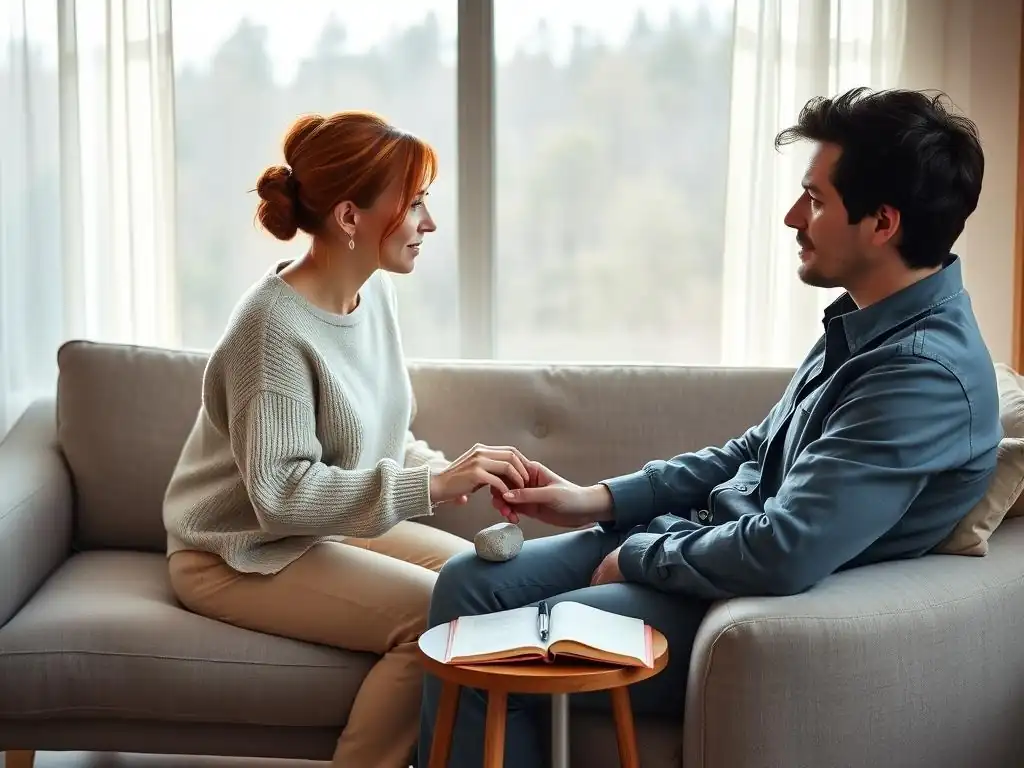
Active Listening: The Foundation of Meaningful Dialogue
Active listening is a cornerstone technique taught in couples therapy, fundamentally changing how partners interact. It goes far beyond simply hearing words; it involves fully concentrating, understanding, responding, and remembering what is being said. The listener gives their full attention, often using non-verbal cues like nodding and maintaining eye contact. Crucially, the goal is to understand the speaker's perspective and feelings without interrupting, judging, or formulating a response while they are still speaking.
A key component of active listening is reflective listening, where the listener paraphrases or summarizes what they've heard to confirm understanding. For example, "So, if I understand correctly, you're feeling frustrated because I didn't help with the dishes last night, and that made you feel like your efforts aren't appreciated?" This demonstrates that the listener has processed the information and gives the speaker an opportunity to clarify if needed. Couples practicing active listening in therapy sessions often experience a significant reduction in misunderstandings and an increase in feeling heard and validated.
Non-Violent Communication (NVC) in Couples Therapy
Non-Violent Communication (NVC), developed by Marshall B. Rosenberg, is a powerful framework used in couples therapy to foster empathetic connection and resolve conflicts peacefully. The NVC model focuses on four key components: Observations, Feelings, Needs, and Requests. Instead of blaming or criticizing, partners learn to state specific, factual observations about a situation ("When I saw socks on the floor..."). They then identify and express the feelings evoked by that observation ("...I felt frustrated...").
Next, they connect the feeling to an underlying universal need ("...because I need more order and support in maintaining our living space"). Finally, they make a clear, actionable request ("Would you be willing to put your socks in the hamper when you take them off?"). This structured approach helps couples move away from judgmental language and toward understanding the deeper feelings and needs driving behaviors, making it a highly effective method within couples therapy improve communication skills repertoire. Practicing NVC helps couples communicate their inner experiences without triggering defensiveness in their partner.
Imago Dialogue: Creating Empathy and Understanding
Imago Relationship Therapy, developed by Harville Hendrix and Helen LaKelly Hunt, utilizes a structured communication process called the Imago Dialogue. This technique is specifically designed to transform conflict into opportunities for connection and healing by creating a safe space for partners to truly hear each other. The dialogue involves three core steps: Mirroring, Validation, and Empathy.
In the Mirroring step, the listener repeats exactly what the speaker said, without interpretation or judgment. For instance, "So, what I heard you say is..." and then paraphrasing the message. The speaker then confirms if they were heard correctly.
Validation is the next step, where the listener acknowledges the speaker's perspective as making sense, even if they don't agree with it ("That makes sense to me because..."). The final step, Empathy, involves the listener imagining what their partner might be feeling based on what they've shared ("And it sounds like you might be feeling..."). This structured back-and-forth ensures both partners feel fully seen, heard, and understood, fostering deep empathy, a key outcome of couples therapy improve communication skills efforts.
Emotionally Focused Therapy (EFT) for Attachment and Communication
Emotionally Focused Therapy (EFT) is a highly effective approach that focuses on understanding and restructuring the emotional bond between partners. Developed by Sue Johnson and Les Greenberg, EFT views relationship distress as a result of insecure attachment needs and the negative interaction cycles they create. Communication problems are seen as symptoms of deeper emotional disconnection. EFT helps couples identify their negative interaction cycle (often a 'pursuer-distancer' or 'critic-critic' pattern) and the underlying fears and needs driving it.
The therapy guides partners in expressing their deeper emotions and vulnerable needs to each other in a way that elicits empathy and a supportive response. For example, a partner who typically withdraws when conflict arises might learn to express their fear of saying the wrong thing or their need for reassurance, rather than just shutting down. The other partner learns to respond with compassion instead of frustration. By fostering secure attachment and emotional accessibility, EFT directly enhances couples therapy improve communication skills by addressing the root causes of defensive or withdrawn behaviors, leading to more open and loving exchanges.
Beyond Communication: Deepening Understanding Through Couples Therapy
Fostering Empathy and Compassion in Your Relationship
While how you communicate is vital, couples therapy also delves into what underlies the communication – the feelings, needs, and perspectives of each partner. A significant goal is fostering empathy and compassion. Empathy is the ability to understand and share the feelings of another; compassion is the concern for the suffering or misfortunes of others. In a relationship context, this means genuinely trying to step into your partner's world and understand their emotional experience, even when it differs from your own.
Therapists use various exercises to build this capacity. For instance, partners might be asked to swap roles and argue from the other person's perspective, or to simply sit and truly listen while their partner expresses a deep feeling without interruption or response. This practice helps break down defensive walls and allows partners to see each other's vulnerability, which naturally cultivates compassion. Developing this deeper understanding through couples therapy improve communication skills by creating a foundation of emotional safety where open and honest dialogue can flourish.
Exploring Underlying Issues and Attachment Styles
Communication problems are often surface manifestations of deeper, unresolved issues or ingrained patterns related to personal history and attachment styles. Couples therapy provides a safe space to explore these underlying factors. A therapist might help partners understand how their family backgrounds, past relationship experiences, or individual traumas influence their current reactions and communication habits. For example, someone with an anxious attachment style might become overly critical or demanding when feeling insecure, while someone with an avoidant style might withdraw completely when feeling overwhelmed.
Understanding these patterns is crucial because it shifts the focus from blaming the partner ("You always shut down!") to understanding the dynamic and the underlying vulnerability ("When I feel you pulling away, I get scared that I'm not important to you, which reminds me of feeling abandoned as a child"). Identifying these root causes allows couples to develop more compassionate responses to each other's triggers and work together to create a secure base within the relationship, thereby improving communication not just on the surface but at a profound level.
Building a Stronger Emotional Connection
Ultimately, the aim of improving communication through couples therapy is to build a stronger emotional connection. Effective communication is the vehicle through which partners share their inner worlds, express affection, navigate challenges, and build intimacy. When communication is open and empathetic, partners feel safe, valued, and understood, deepening their bond. This isn't just about talking about problems; it's also about sharing joys, fears, dreams, and vulnerabilities.
Therapy helps couples create opportunities for positive interactions and emotional attunement. This might involve dedicated time for checking in with each other, practicing expressing appreciation, or engaging in shared activities that foster connection. By consistently practicing the communication skills learned in therapy and applying them to both challenging and positive interactions, couples reinforce their emotional connection. This strengthened bond serves as a resilient foundation, making it easier to navigate future difficulties and ensuring that couples therapy improve communication skills efforts translate into a more fulfilling and loving partnership.
Benefits of Improved Communication and Deeper Understanding
Reduced Conflict and Increased Harmony
One of the most immediate and tangible benefits of improved communication through couples therapy is a significant reduction in the frequency and intensity of conflict. When couples learn to express themselves clearly, listen actively, and understand each other's perspectives, disagreements are less likely to escalate into damaging arguments. Instead of getting stuck in cycles of blame and defensiveness, they can approach conflict as a problem to be solved together.
Learning techniques like using "I" statements, validating feelings, and focusing on needs allows couples to navigate disagreements with greater respect and effectiveness. This doesn't mean conflict disappears entirely, but it becomes less destructive. For example, instead of a fight about finances turning into accusations of irresponsibility, it might become a calm discussion about budgeting strategies and shared financial goals. This shift leads to a more harmonious home environment and reduces the emotional toll that constant conflict takes on both partners.
Enhanced Intimacy and Emotional Closeness
Improved communication is inextricably linked to enhanced intimacy, both emotional and physical. When partners feel safe to be vulnerable and express their true feelings without fear of judgment or rejection, emotional closeness deepens. Sharing your inner world – your hopes, fears, insecurities, and joys – creates a powerful bond. This emotional safety net allows for greater trust and intimacy in all its forms.
Furthermore, being able to communicate needs and desires openly, including those related to physical intimacy, is vital for a satisfying sex life. Couples who have learned to discuss their needs and boundaries respectfully in therapy often find it easier to connect on a physical level as well. The skills gained from couples therapy improve communication skills not only help navigate difficult conversations but also enrich the shared positive experiences that build a strong, intimate connection.
Stronger Relationship Resilience and Stability
Relationships inevitably face challenges, whether they are external stressors like job loss or health issues, or internal dynamics like navigating life transitions or differing goals. Relationships built on a foundation of strong communication and deep understanding are far more resilient in the face of adversity. When partners can communicate effectively, they can function as a team, supporting each other, problem-solving together, and navigating difficulties collaboratively.
Couples therapy equips partners with the tools to weather storms together rather than being pulled apart by them. They learn how to repair ruptures in the relationship, apologize sincerely, and forgive. This ability to bounce back from disagreements and challenges strengthens the overall stability and longevity of the partnership. Investing in couples therapy improve communication skills is an investment in the long-term health and resilience of the relationship itself.
Choosing the Right Couples Therapist for Your Needs

Factors to Consider When Selecting a Therapist
Selecting the right couples therapist is a crucial step in the process of improving communication and deepening understanding. It's important to find someone who is qualified, experienced, and with whom both partners feel comfortable and safe. Look for therapists who are licensed mental health professionals with specific training or certification in couples counseling or marriage and family therapy. Their approach to therapy should resonate with you; some therapists specialize in specific modalities like EFT, Gottman Method, or Imago.
Consider practical factors as well, such as location, availability, and cost. Many therapists offer a brief initial consultation, often free or at a reduced rate, which can be a good opportunity to gauge their approach and see if it feels like a good fit for both of you. Discussing expectations and goals with potential therapists during this initial contact is also beneficial. Ultimately, trust your intuition; the therapeutic relationship is key, and feeling rapport with the therapist is essential for the process to be effective.
Understanding Different Therapy Approaches
As mentioned, several different therapeutic approaches are effective for couples. Understanding the basics of a few common ones can help you choose a therapist whose method aligns with your needs. Emotionally Focused Therapy (EFT) is excellent for couples struggling with emotional distance or conflict cycles rooted in attachment fears; it focuses on accessing and expressing underlying emotions. The Gottman Method, based on extensive research, teaches specific skills for managing conflict, building friendship, and creating shared meaning.
Imago Relationship Therapy uses the structured dialogue process to help partners understand each other's childhood wounds and how they play out in the relationship. Behavioral approaches, like Cognitive Behavioral Couple Therapy (CBCT), focus more on identifying and changing negative interaction patterns and thoughts. Many therapists use an integrated approach, drawing from multiple modalities. Researching these different methods can give you a better sense of what to expect and what kind of focus might be most helpful for your specific communication challenges.
Preparing for Your First Session: Questions to Ask
Preparing for your first couples therapy session can help ease anxiety and ensure you make the most of the initial consultation or appointment. Before attending, it can be helpful for you and your partner to discuss individually and perhaps together what your main concerns and goals are for therapy. What specific communication problems do you hope to address? What do you hope the relationship will look like after therapy?
Here are some questions you might consider asking the therapist:
- What is your experience working with couples who have similar issues to ours?
- What therapeutic approach do you primarily use, and how does it help couples improve communication?
- How long do sessions typically last, and how often do couples usually attend?
- What is the estimated duration of therapy for issues like ours?
- How do you measure progress in couples therapy?
- What is your policy on individual sessions versus joint sessions?
- What are your fees, and do you accept insurance?
Asking these questions can provide clarity about the therapist's process and help you feel more prepared for the journey ahead as you work on your couples therapy improve communication skills.
What to Expect in Couples Therapy Sessions
The Initial Assessment and Goal Setting
The first few sessions of couples therapy typically involve an assessment phase. The therapist will meet with both partners together to hear their perspectives on the relationship's challenges and strengths. They will also often meet with each partner individually to gather more personal history and understand their unique experiences within the relationship. This initial assessment helps the therapist gain a comprehensive understanding of the couple's dynamic, history, and the specific communication patterns causing distress.
Based on this assessment, the therapist will collaborate with the couple to establish clear, achievable goals for therapy. These goals are specific to the couple's needs but often center around improving communication, resolving specific conflicts, increasing emotional intimacy, or changing negative interaction cycles. Setting these goals together ensures that therapy is focused and aligned with what the couple hopes to achieve. For example, a goal might be "to learn to discuss financial decisions without yelling" or "to increase positive interactions by spending 15 minutes daily connecting without distractions."
Common Exercises and Interventions Used in Sessions
Couples therapy sessions are not just about talking; they often involve active exercises and interventions designed to help couples practice new ways of interacting. Therapists might guide structured dialogues, such as the Imago Dialogue or NVC exercises, allowing couples to practice listening and expressing themselves in a controlled environment. Role-playing difficult conversations is also common, giving partners a chance to try out new communication skills with the therapist's guidance.
Therapists might also assign homework between sessions, such as practicing active listening for a specific period, scheduling dedicated time for positive interactions, or journaling about feelings and needs. They may teach specific conflict resolution strategies, help identify triggers for arguments, or work with couples to express appreciation and affection more regularly. These interventions are tailored to the couple's specific patterns and goals, actively working towards couples therapy improve communication skills in real-time and daily life.
Integrating Therapy Insights into Daily Life
The true impact of couples therapy happens when the insights and skills learned in sessions are integrated into daily life. Therapy provides the tools and the practice space, but consistent effort outside the therapist's office is essential for lasting change. Therapists emphasize that therapy is not a magic fix but a process that requires commitment and practice from both partners.
This integration involves consciously applying the communication techniques learned during everyday interactions, especially during moments of stress or disagreement. It means recognizing unhealthy patterns as they emerge and choosing to respond differently. It also involves continuing to practice positive communication habits, like expressing appreciation, checking in with each other emotionally, and scheduling regular time for connection. The therapist will often discuss strategies for maintaining progress and continuing growth beyond the formal therapy sessions.
Long-Term Strategies for Maintaining Healthy Communication
Practicing Communication Skills Regularly
Maintaining healthy communication is an ongoing process, not a destination reached once therapy ends. The skills learned in couples therapy require regular practice, much like learning a new language or musical instrument. This means consciously applying techniques such as active listening, using "I" statements, and validating your partner's feelings in your daily conversations, both when discussing difficult topics and during routine interactions.
Making a consistent effort to communicate effectively reinforces the positive patterns established in therapy. This might involve intentionally slowing down conversations when they become heated, taking breaks when needed, and returning to the discussion when both partners are calmer. The more these skills are practiced, the more natural they become, solidifying the gains made in couples therapy improve communication skills over the long term.
Scheduling Regular Check-Ins for Open Communication
Life gets busy, and it's easy for couples to drift apart or let small issues fester if they don't make time for intentional connection and communication. Scheduling regular check-ins is a simple yet powerful strategy for maintaining open lines of communication. This could be a weekly "state of the union" conversation, a daily 15-minute chat without distractions, or simply making a point to ask "How are you really doing?" and truly listen to the answer.
These scheduled times provide a dedicated space to discuss anything that needs addressing, whether it's logistical matters, emotional needs, or potential points of friction, before they escalate. It's also an opportunity to share positive experiences, express gratitude, and reinforce the emotional bond. Making these check-ins a consistent habit ensures that communication remains a priority in the relationship.
Seeking Occasional Support for Continued Growth
Even after completing a course of couples therapy and experiencing significant improvements, it can be beneficial to seek occasional "booster" sessions or periodic check-ins with a therapist. Relationships are dynamic and face new challenges as life circumstances change (e.g., having children, career changes, retirement). Returning to therapy periodically can help couples navigate these transitions with strong communication and prevent old, unhelpful patterns from resurfacing.
Think of it like getting a tune-up for your car; regular maintenance helps prevent major breakdowns. Occasional support allows couples to refresh their skills, address any new communication hurdles, and ensure they continue to grow together. This proactive approach recognizes that maintaining a healthy, connected relationship requires ongoing effort and that utilizing the support gained from couples therapy improve communication skills is a lifelong practice.
Frequently Asked Questions
How does couples therapy specifically help improve communication skills?
Couples therapy provides a structured environment to learn and practice effective communication techniques. Therapists teach skills like active listening, expressing needs assertively, and understanding non-verbal cues, ultimately fostering healthier dialogue.
What are some common communication barriers addressed in couples therapy?
Therapy often tackles common issues such as defensiveness, criticism, stonewalling, and contempt. By identifying and addressing these patterns, couples can learn to communicate more constructively and empathetically.
How long does it typically take to see improvements in communication through couples therapy?
The timeline varies depending on the couple's specific challenges and commitment. However, many couples report noticing positive changes within a few sessions, with more significant improvements over several months of consistent therapy.
Is couples therapy only for couples experiencing major relationship problems?
No, couples therapy can benefit any couple seeking to enhance their relationship, regardless of the severity of their issues. It can be a proactive way to strengthen communication and prevent future conflicts.
What if one partner is hesitant to attend couples therapy?
It's common for one partner to be hesitant. The therapist can help address these concerns and explore the benefits of improved communication and understanding for both individuals and the relationship as a whole.
Final Reflection: The Enduring Power of Connection
The ability to communicate effectively and deeply understand our partners is the bedrock of any thriving relationship, and yet, it's a skill that requires constant nurturing. In today's fast-paced world, where distractions abound and emotional vulnerability is often suppressed, the need for tools and strategies to improve communication within couples is more critical than ever. The breakdown in communication is often the silent killer of intimacy and trust.
Couples therapy, as explored throughout this article, offers a powerful pathway to rediscovering and strengthening this vital connection. It provides a safe space to unpack complex emotions, learn healthy conflict resolution techniques, and ultimately, to build a more empathetic and understanding relationship. The impact of this work extends far beyond the individual couple; it ripples outwards, influencing families, communities, and the overall social fabric. The most basic of all human needs is the need to understand and be understood.
- Ralph Nichols. This quote perfectly encapsulates the core essence of what couples therapy strives to achieve.
Consider the lessons learned within these pages. Think about the areas in your own relationships where communication could be improved. Are you willing to invest the time and effort to cultivate deeper understanding and connection with your partner? Perhaps it's time to explore the transformative power of couples therapy, not just as a solution to conflict, but as a proactive step towards building a more resilient, loving, and fulfilling relationship. The journey towards better communication is a continuous one, but the rewards are immeasurable.
Unlock Deeper Connection: Take the Next Step in Your Relationship
Thanks for taking the time to explore how couples therapy can transform your communication and understanding. We hope you found valuable insights! Ready to nurture your relationship even further?
- Schedule a free consultation with a therapist: This is the most direct path towards improving your communication and resolving conflicts. Don't wait to invest in your relationship's future.
- Explore relationship-building exercises: Many resources are available online and in books to help you practice the techniques discussed. Try one today!
- Share this article with your partner: Starting a conversation about your relationship is a crucial first step. Discuss what resonated with you and what next steps you'd like to take together.
What small step will you take this week to strengthen your connection?