
Cultural Sensitivity in Caregiving: Resources for Diverse Families

Welcome to Mind Care Guide, a sanctuary dedicated to your mental well-being.
Feeling overwhelmed navigating the complexities of caregiving, especially within a diverse family dynamic? You're not alone. We understand the unique challenges you face. This article dives deep into diverse family caregiver support resources, offering a compassionate guide to help you find the culturally sensitive assistance you deserve. Ready to discover the support that resonates with your family's specific needs? Let's explore together.
- Cultural Sensitivity in Caregiving: Resources for Diverse Families | A Comprehensive Guide
- Understanding Cultural Diversity in Caregiving
- Challenges Faced by Diverse Family Caregivers
- Practical Strategies for Culturally Sensitive Caregiving
- Diverse Family Caregiver Support Resources
- Addressing Specific Cultural Considerations
- Finding Culturally Competent Healthcare Professionals
- Building a More Inclusive Caregiving Environment
- Conclusion: Empowering Diverse Family Caregivers
-
Frequently Asked Questions
- How does cultural sensitivity impact the effectiveness of caregiving?
- What are some examples of culturally specific needs that a caregiver might encounter?
- Where can diverse families find resources tailored to their specific cultural backgrounds?
- Why is it important for caregivers to seek out diverse family caregiver support resources?
- What are some strategies for caregivers to improve their cultural competence in caregiving?
- Final Reflection: Bridging Cultures, Empowering Care
- Unlock a World of Understanding: Empower Your Caregiving Journey
Cultural Sensitivity in Caregiving: Resources for Diverse Families | A Comprehensive Guide
Providing care for a loved one is a profound act of love and commitment. However, for diverse families, this journey can present unique challenges rooted in cultural backgrounds, beliefs, and experiences. Recognizing and respecting these differences is not just a matter of politeness; it is fundamental to providing effective, compassionate, and truly supportive care. This guide explores the importance of cultural sensitivity in caregiving and highlights vital diverse family caregiver support resources available.
Understanding the nuances of different cultural perspectives on health, family roles, communication, and end-of-life care is essential. As demographics shift, caregivers increasingly find themselves navigating complex cultural landscapes. This section lays the groundwork for understanding why cultural competence is a critical component of quality caregiving.
Understanding Cultural Diversity in Caregiving
Why Cultural Sensitivity Matters for Caregivers
Cultural sensitivity in caregiving is paramount because it directly impacts the quality of care provided and the well-being of both the care recipient and the caregiver. When caregivers understand and respect a family's cultural background, they can build stronger trust, reduce misunderstandings, and tailor care approaches that align with the family's values and traditions. Ignoring cultural differences can lead to frustration, conflict, and ineffective care, potentially causing distress for the diverse family caregiver.
Furthermore, a lack of cultural sensitivity can exacerbate existing health disparities. Studies have shown that individuals from culturally diverse backgrounds may face barriers in accessing or benefiting from healthcare services due to communication issues, differing health beliefs, or historical mistrust. Caregivers who are culturally sensitive can act as bridges, advocating for their loved ones within the healthcare system and ensuring their needs are met in a way that respects their identity. Accessing diverse family caregiver support resources often requires navigating these cultural contexts effectively.
Defining Cultural Competence in Caregiving
Cultural competence in caregiving refers to the ability to understand, appreciate, and interact effectively with people from cultures different from one's own. It's not just about knowing facts about different cultures, but about developing an attitude of openness, humility, and a willingness to learn. This includes recognizing one's own cultural biases and assumptions and actively working to mitigate their impact on caregiving practices.
Achieving cultural competence is an ongoing process that involves self-reflection, education, and experience. It means being aware of how culture influences health behaviors, communication styles, family dynamics, and views on illness and treatment. For a diverse family caregiver, developing cultural competence, or finding support resources that possess it, can significantly enhance their caregiving effectiveness and reduce stress.
Recognizing Cultural Differences in Healthcare Beliefs and Practices
Cultural backgrounds deeply influence how individuals perceive health, illness, pain, and death. For example, some cultures may view illness as a spiritual imbalance, while others may see it purely through a biomedical lens. These differing beliefs impact decisions about seeking medical help, adhering to treatment plans, and engaging in preventive care. Understanding these perspectives is vital for caregivers to support their loved ones effectively.
Practices surrounding food, hygiene, personal space, and the role of family members in decision-making also vary significantly across cultures. In some cultures, elders hold ultimate authority in health decisions, while in others, decisions are made collectively by the extended family. Caregivers must navigate these dynamics respectfully. Recognizing these differences is a key step in utilizing diverse family caregiver support resources that are truly effective and respectful.
Challenges Faced by Diverse Family Caregivers
Language Barriers and Communication Challenges
Language barriers represent a significant hurdle for diverse family caregivers. When the caregiver, the care recipient, or healthcare providers do not share a common language, effective communication becomes difficult, if not impossible. This can lead to misunderstandings about medication dosages, treatment plans, symptoms, and overall care needs, potentially jeopardizing the care recipient's health and increasing the caregiver's burden.
Beyond spoken language, communication styles differ across cultures. Non-verbal cues, directness versus indirectness, and the appropriateness of expressing emotions openly vary widely. Caregivers from diverse backgrounds may find it challenging to communicate their needs or concerns to healthcare professionals or may misinterpret information provided to them. Identifying diverse family caregiver support resources that offer language assistance is crucial.
Cultural Stigma Associated with Mental Health
Mental health is often viewed differently across cultures, and stigma surrounding mental illness can be particularly strong in some communities. This stigma can prevent individuals and families from seeking help, discussing mental health challenges openly, or accepting a diagnosis. For a diverse family caregiver, this can mean shouldering the burden of their loved one's mental health needs in isolation, fearing judgment or shame from their community.
The concept of mental illness itself may not exist in the same way in all cultural frameworks, or it may be attributed to spiritual or social factors rather than medical ones. This can create tension when interacting with healthcare systems that operate primarily from a Western biomedical model. Finding culturally sensitive mental health diverse family caregiver support resources is essential to address this challenge effectively.
Diverse families often face systemic barriers when navigating the healthcare system. These can include lack of access to culturally competent providers, appointments scheduled at inconvenient times or locations, and complex administrative processes that are not easily understood by those unfamiliar with the system or who have limited English proficiency. The structure of healthcare delivery itself can be intimidating and confusing.
Cultural barriers also exist within the system. Healthcare providers may hold unconscious biases, or communication may be culturally inappropriate, leading to mistrust and dissatisfaction. For a diverse family caregiver, advocating for their loved one within this complex and sometimes unwelcoming environment adds significant stress and difficulty. Accessing diverse family caregiver support resources can help demystify the system and provide advocacy tools.
Addressing Isolation and Lack of Support
Caregiving can be isolating for anyone, but diverse family caregivers may face unique forms of isolation. They might not have access to local support groups that understand their specific cultural context, or they may be geographically separated from extended family members who would traditionally provide support. Cultural norms around privacy or self-reliance can also make it difficult for caregivers to admit they need help or to seek external support.
Furthermore, mainstream support resources may not be culturally relevant or welcoming, making caregivers feel misunderstood or alienated. This lack of culturally appropriate support networks can exacerbate feelings of loneliness, burnout, and stress. Identifying and accessing diverse family caregiver support resources specifically designed for their community is vital for combating isolation and ensuring caregivers receive the understanding and assistance they need.
Practical Strategies for Culturally Sensitive Caregiving
Building Trust and Rapport
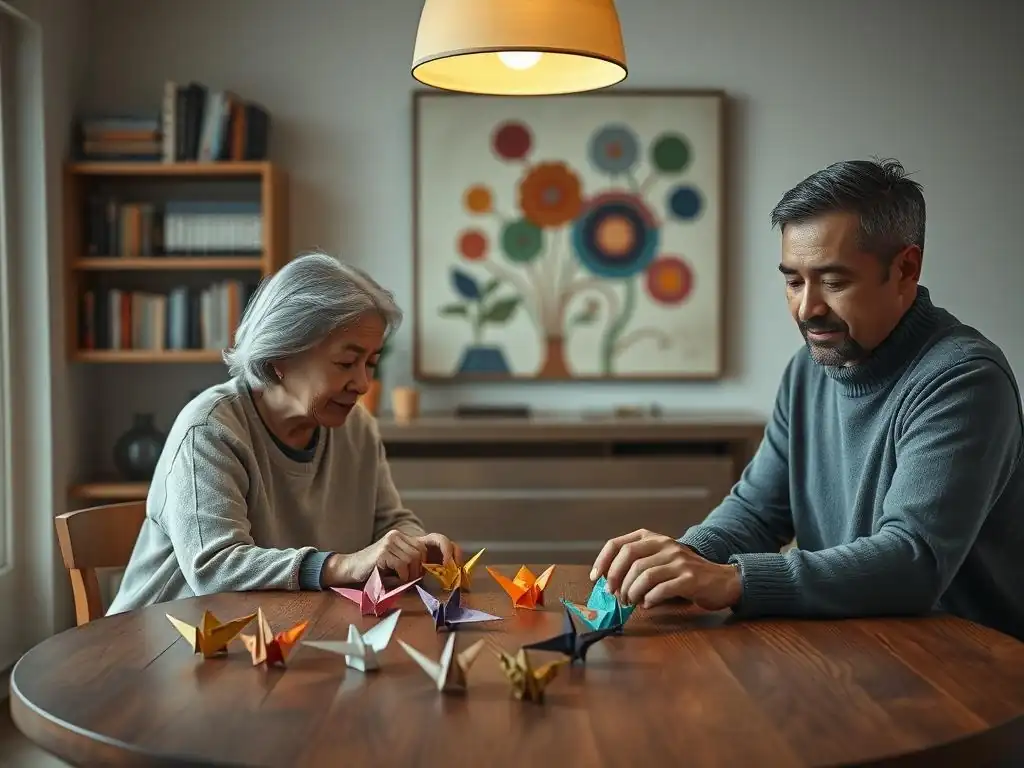
Building trust is the cornerstone of culturally sensitive caregiving. This begins by approaching each individual and family with respect, empathy, and genuine curiosity about their background. Caregivers should take the time to listen actively, learn about the family's history, values, and preferences, and show that they value their perspective. Trust is built through consistent, reliable interactions where the caregiver demonstrates cultural humility – the willingness to learn from others and acknowledge one's own limitations.
Another crucial aspect of building trust is being transparent and honest in all communications. Explain care plans clearly, involve the family in decision-making to the extent they desire, and address concerns openly. For diverse family caregivers, fostering trust with healthcare providers or support organizations means finding those who are willing to engage on a personal level and show respect for their cultural identity and caregiving journey.
Effective Communication Techniques
Effective communication in a culturally diverse context requires more than just overcoming language barriers; it involves understanding varying communication styles. Caregivers should be mindful of non-verbal cues, the appropriateness of directness, and the role of silence or eye contact, which can differ significantly across cultures. Using plain language, avoiding jargon, and confirming understanding are universally helpful techniques.
When language is a barrier, utilizing professional interpreters is paramount. Relying on family members, especially children, for interpretation can compromise privacy and accuracy. Additionally, providing information in written form in the family's preferred language can reinforce understanding. Diverse family caregiver support resources often provide access to language services or culturally appropriate communication guides.
Respecting Cultural Traditions and Values
Respecting cultural traditions and values means incorporating them into the care plan whenever possible and appropriate. This could involve accommodating dietary restrictions for religious or cultural reasons, allowing for specific prayer times or rituals, or respecting beliefs about modesty and personal space. It also means understanding the family's views on end-of-life care, death, and mourning, which vary profoundly across cultures.
Caregivers should proactively ask families about their traditions and values and how they wish them to be honored during the care process. This shows respect and empowers the family to maintain their cultural identity during a challenging time. Finding diverse family caregiver support resources that understand and promote respect for varied traditions is critical for holistic care.
Tailoring Care Plans to Meet Specific Needs
A one-size-fits-all approach to caregiving is rarely effective, especially in culturally diverse contexts. Tailoring care plans means customizing strategies to align with the individual's cultural background, preferences, and specific needs. This involves considering how cultural beliefs might impact adherence to medication, willingness to participate in certain therapies, or preferences for comfort measures.
For example, a care plan for an elder from a culture where family meals are central might prioritize involving the family in meal preparation and adapting recipes for dietary needs, rather than simply providing pre-packaged meals. Tailoring care plans requires ongoing dialogue with the family and flexibility. Diverse family caregiver support resources can offer guidance on adapting care strategies to specific cultural needs.
Diverse Family Caregiver Support Resources
Navigating the caregiving journey is challenging, and having access to appropriate support is crucial. For diverse families, finding resources that understand and cater to their unique cultural needs can be particularly difficult. Fortunately, a growing number of diverse family caregiver support resources are available, offering culturally sensitive information, programs, and assistance.
These resources range from national organizations with specific outreach programs to local community centers and online platforms. Identifying and utilizing these resources can significantly reduce the burden on caregivers, provide valuable information, and connect them with others who share similar experiences. This section highlights various avenues for diverse family caregiver support.
National Organizations Providing Culturally Specific Support
Several national organizations recognize the importance of cultural diversity in caregiving and have developed programs or resources tailored to specific ethnic or cultural groups. For instance, organizations focused on specific ethnic communities (e.g., Asian American, Hispanic/Latino, African American, Native American) often provide culturally relevant information, support groups, and advocacy.
Organizations like the Alzheimer's Association have specific initiatives, such as educational materials translated into multiple languages and outreach programs designed to reach diverse communities. These national bodies often collaborate with local partners to deliver support that is both culturally sensitive and accessible. Seeking out these types of diverse family caregiver support resources can provide a strong foundation of assistance.
Community-Based Programs
Community-based programs are often excellent sources of diverse family caregiver support resources because they are embedded within the community they serve and are more likely to understand local cultural nuances and needs. These can include ethnic community centers, faith-based organizations, local non-profits focused on health or elder care, and cultural associations.
These programs often offer culturally specific services such as support groups conducted in relevant languages, educational workshops tailored to specific cultural health beliefs, respite care that respects cultural practices, and social activities that provide connection within the community. Connecting with local diverse family caregiver support resources can provide immediate, relevant assistance.
Online Resources and Websites
The internet offers a wealth of diverse family caregiver support resources, including websites, forums, and virtual support groups. Many organizations provide online information about specific health conditions translated into various languages. Websites dedicated to cultural competence in healthcare often provide guides and tips for caregivers.
Online forums and social media groups can also connect diverse family caregivers with peers who share similar cultural backgrounds and caregiving challenges, providing a platform for sharing experiences and advice. While not a substitute for in-person support, online diverse family caregiver support resources offer flexibility and accessibility, especially for those who are geographically isolated or have limited time. Caregivers should seek out reputable sources for information.
Language Assistance Services
Access to language assistance is a critical diverse family caregiver support resource. This includes professional medical interpreters available in healthcare settings, translated health education materials, and language lines provided by insurance companies or support organizations. Ensuring clear communication is fundamental to providing safe and effective care.
Caregivers should not hesitate to request interpreter services when interacting with healthcare providers or accessing support programs. Some diverse family caregiver support resources also offer translation services for important documents or help caregivers practice communicating their needs in English if that is a barrier. Advocacy for accessible language services is an ongoing need within the healthcare system.
Addressing Specific Cultural Considerations
Caregiving needs and cultural considerations can vary significantly depending on the care recipient's age, health condition, and specific cultural background. Addressing these nuances requires a deeper understanding of how culture intersects with different aspects of care. This section explores specific areas where cultural sensitivity is particularly important.
Whether caring for an elder, supporting someone with a disability, or addressing mental health challenges, cultural context plays a vital role. Understanding these specific considerations helps caregivers provide more targeted and effective support and locate the most relevant diverse family caregiver support resources.
Caring for Elderly Individuals
Caring for elderly individuals often involves navigating deeply ingrained cultural beliefs about aging, respect for elders, family obligations, and end-of-life preferences. In many cultures, family members are expected to provide care for their elders, and placing a loved one in a nursing home may be seen as a sign of disrespect or failure. Caregivers must balance these cultural expectations with the practical realities of providing complex care.
Cultural views on independence versus interdependence also influence care decisions. Some elders may resist accepting help to maintain dignity, while others may expect family to be heavily involved in all aspects of their care. Understanding these dynamics is crucial for effective support. Diverse family caregiver support resources focused on elder care can provide guidance specific to cultural views on aging and family roles.
Supporting Individuals with Disabilities
Cultural perceptions of disability vary widely. In some cultures, disability may be viewed through a lens of shame, stigma, or even as a curse, which can impact a family's willingness to seek diagnosis, therapy, or support services. This can lead to isolation for both the individual with the disability and their caregiver.
Conversely, some cultures have strong traditions of community support and inclusion for individuals with disabilities. Caregivers must navigate these varying perspectives, advocate for their loved one's needs, and challenge harmful stigmas. Finding diverse family caregiver support resources that address disability within a cultural context is essential for holistic support.
Mental Health Support
As previously mentioned, cultural stigma surrounding mental health is a significant barrier. Caregivers often struggle to find mental health support that is culturally appropriate and accessible. Therapists who do not understand a client's cultural background may misinterpret symptoms or offer interventions that are not culturally relevant or acceptable.
Diverse family caregiver support resources in mental health need to offer culturally competent therapy, support groups where individuals feel safe discussing their experiences without judgment, and educational materials that frame mental health within a culturally understandable context. Addressing mental health requires sensitivity to how different cultures define well-being and distress.
Finding Culturally Competent Healthcare Professionals
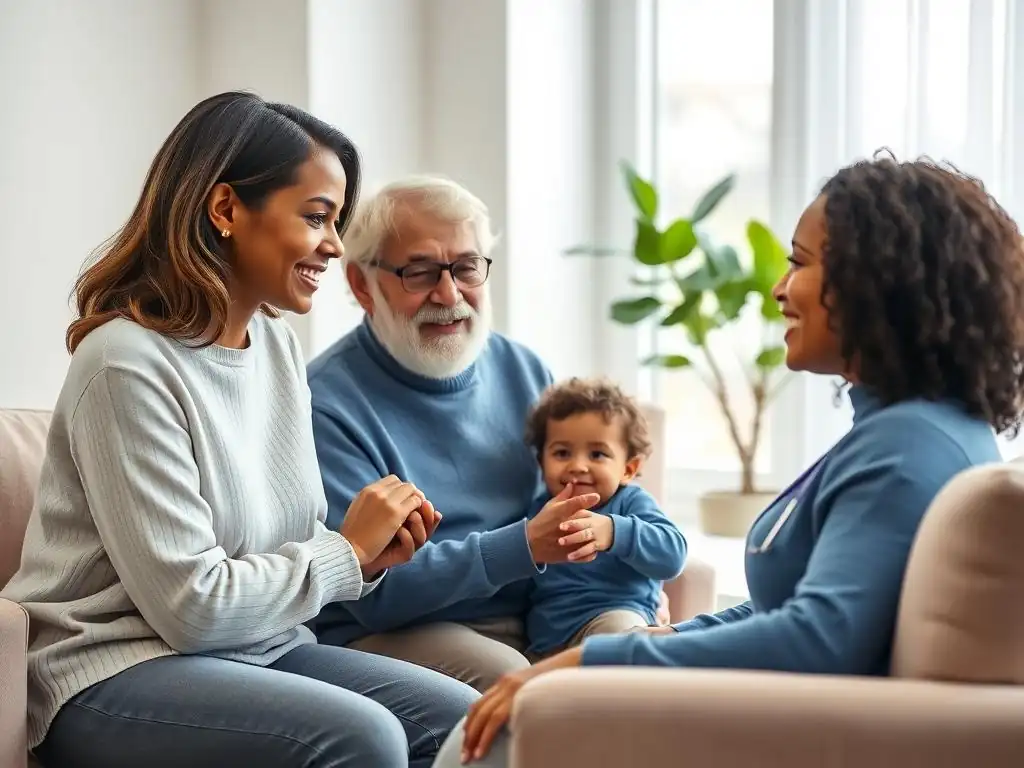
Working with healthcare professionals who are culturally competent is invaluable for diverse family caregivers. These professionals are better equipped to understand the patient's health beliefs, communication style, and family dynamics, leading to more accurate diagnoses, effective treatment plans, and improved overall care experiences.
Finding such professionals can be challenging, but it is a crucial step in ensuring quality care. Diverse family caregiver support resources can often provide recommendations or lists of providers known for their cultural competence. This section provides guidance on how to locate and vet healthcare providers.
Locating Healthcare Providers
Identifying culturally competent healthcare providers often requires proactive searching. Recommendations from trusted community leaders, cultural organizations, or other diverse families can be a good starting point. Some hospitals or clinics may highlight their commitment to diversity and inclusion on their websites or have specific programs for diverse populations.
Online directories or databases maintained by professional organizations or diverse family caregiver support resources may also list providers who have received training in cultural competence or specialize in serving specific cultural groups. It may take time and effort, but finding a provider who understands and respects cultural background is worth the investment.
Questions to Ask Healthcare Providers
When meeting with a potential healthcare provider, diverse family caregivers should feel empowered to ask questions about their experience and approach to cultural diversity. This helps assess their cultural competence and ensure a good fit.
Consider asking questions such as:
- How do you ensure that you understand the cultural backgrounds and beliefs of your patients?
- Have you received training in cultural competence?
- How do you work with families who have different views on health or treatment than yours?
- How do you handle language barriers? Do you have access to professional interpreters?
- Are there resources available in languages other than English?
These questions can help gauge a provider's openness and willingness to engage in culturally sensitive care.
Advocacy and Support
Diverse family caregivers often need to advocate for their loved ones within the healthcare system. This can involve explaining cultural practices to providers, ensuring communication is clear and understood, and pushing back against assumptions or biases. Advocacy can be emotionally and mentally draining, highlighting the need for caregiver support.
Diverse family caregiver support resources can provide training on effective advocacy, offer emotional support, or even provide advocates who can accompany caregivers to appointments. Connecting with other caregivers who have navigated similar situations can also provide valuable insights and strength.
Building a More Inclusive Caregiving Environment
Creating a truly inclusive caregiving environment requires effort from individuals, families, communities, and institutions. It involves not just recognizing diversity but actively working to dismantle barriers and create systems that are welcoming and supportive of all caregivers and care recipients, regardless of their cultural background.
This involves ongoing learning, self-reflection, and a commitment to equity. By fostering cultural humility and promoting diversity, we can enhance the caregiving experience for diverse families and ensure that everyone has access to the support they need. This section explores key elements in building a more inclusive future for caregiving.
The Importance of Cultural Humility
Cultural humility goes beyond cultural competence; it is a lifelong process of self-reflection and critique, where individuals commit to recognizing their own biases and power imbalances and are open to learning from those with different experiences. It's about approaching every interaction with curiosity and respect, understanding that you can never fully know another person's culture, but you can always learn.
For caregivers and professionals alike, practicing cultural humility means acknowledging that the family is the expert on their own culture and experiences. It involves a willingness to make mistakes, apologize, and learn from them. Embracing cultural humility is fundamental to providing genuinely person-centered and culturally sensitive care and developing effective diverse family caregiver support resources.
Ongoing Education and Training
Cultural landscapes are constantly evolving, and effective cultural sensitivity requires ongoing education and training. This applies to family caregivers who wish to better understand their loved one's cultural context (especially in intergenerational or intercultural families) and to healthcare professionals and support staff.
Training should go beyond basic cultural facts and focus on developing communication skills, recognizing implicit bias, and understanding systemic barriers. Access to ongoing learning opportunities is a crucial diverse family caregiver support resource, empowering caregivers with the knowledge and skills needed to navigate complex cultural situations.
Promoting Diversity and Inclusion
Promoting diversity and inclusion within caregiving services and support organizations is essential. This means ensuring that staff and volunteers reflect the diversity of the communities they serve and that programs and materials are developed with cultural sensitivity in mind. Inclusive environments make diverse families feel welcomed, understood, and valued.
Advocating for policies that support diverse caregivers, such as culturally appropriate respite care options or language access services, is also part of promoting inclusion. By actively working to create more diverse and inclusive caregiving environments, we strengthen the network of diverse family caregiver support resources available to those who need them most.
Conclusion: Empowering Diverse Family Caregivers
Caregiving for a loved one is a journey filled with both challenges and rewards. For diverse families, this journey is often intertwined with unique cultural considerations that require sensitivity, understanding, and specific support. Recognizing the importance of cultural competence, addressing systemic barriers, and accessing culturally appropriate resources are vital steps in empowering diverse family caregivers.
By seeking out diverse family caregiver support resources, building strong communication skills, and advocating for culturally sensitive care, caregivers can enhance the well-being of their loved ones and themselves. The landscape of support is growing, offering hope and practical assistance to navigate the complexities of caregiving across cultures. Embracing cultural sensitivity enriches the caregiving experience and strengthens the bonds of family and community.
Frequently Asked Questions
How does cultural sensitivity impact the effectiveness of caregiving?
Cultural sensitivity is crucial because it allows caregivers to provide support that is respectful of the individual's beliefs, values, and traditions. This leads to better communication and stronger relationships, ultimately improving the care recipient's well-being.
What are some examples of culturally specific needs that a caregiver might encounter?
Examples include dietary restrictions based on religion, differing perspectives on medical treatment, and unique family dynamics that influence caregiving responsibilities. Recognizing these cultural nuances is key to providing appropriate and effective support.
Where can diverse families find resources tailored to their specific cultural backgrounds?
Websites like "Mind Care Guide" (hypothetically) and some community organizations offer specialized programs and information in multiple languages. Look for groups that specifically address the needs of your cultural community for the best support.
Why is it important for caregivers to seek out diverse family caregiver support resources?
Caregiving can be stressful and isolating, and finding resources that understand your cultural background can provide a sense of belonging and validation. These resources offer culturally relevant advice and support.
What are some strategies for caregivers to improve their cultural competence in caregiving?
Engage in self-education about different cultures, actively listen to the care recipient's needs and perspectives, and seek out training programs on cultural sensitivity. Building cultural competence is an ongoing process.
Final Reflection: Bridging Cultures, Empowering Care
The need for culturally sensitive caregiving is not merely a trend; it's a fundamental human right. Our increasingly diverse world demands that we move beyond generalized approaches and embrace the unique needs and perspectives of every family. This article has highlighted the critical importance of providing accessible and culturally appropriate resources for diverse family caregivers, a necessity that directly impacts the well-being of both caregivers and care recipients.
The impact of cultural insensitivity in caregiving is profound and far-reaching. It can lead to misunderstandings, mistrust, and ultimately, poorer health outcomes for those receiving care. We must actively dismantle systemic barriers and biases that prevent equitable access to support. As we strive for a more just and equitable society, The only way to do great work is to love what you do.
- Steve Jobs, applies equally to the act of caregiving. When we approach care with empathy and understanding, respecting the unique cultural contexts of each family, we elevate the entire experience.
Consider the families you know, the communities you are a part of. How can you contribute to building a more inclusive and supportive system of caregiving? Take the time to learn about different cultural practices and beliefs related to health and well-being. Advocate for culturally competent training within healthcare and social service organizations. Most importantly, remember that empathy and a willingness to learn are the most powerful tools we possess in bridging cultural divides and empowering diverse families. Let's work together to create a future where every family caregiver feels supported, respected, and valued.
Unlock a World of Understanding: Empower Your Caregiving Journey
Thanks for taking the time to explore cultural sensitivity in caregiving! We hope this article equipped you with valuable insights into providing truly compassionate care. Now, let's put that knowledge into action.
- Prioritize cultural competency training: Find a reputable online course or workshop focused on culturally sensitive caregiving practices. This investment will significantly improve your ability to connect with families from diverse backgrounds.
- Share this article with your network: Help spread awareness and encourage more caregivers to embrace inclusive practices. A simple share on social media can make a big difference.
- Engage in respectful dialogue: Consider initiating a conversation with a family member or colleague about the challenges and rewards of cultural sensitivity in care. Ask open-ended questions and actively listen to their perspectives.
Ready to transform your approach to caregiving and build stronger, more meaningful relationships with the families you serve?