
The Ripple Effect: How Parental Anxiety Impacts Children During Divorce


Welcome to Mind Care Guide, a place where you'll find compassionate support and practical resources for navigating life's complexities. Are you concerned about the invisible wounds divorce can inflict on your children? We understand. In this article, we delve into the often-overlooked topic of parental anxiety divorce children impact, exploring how your stress can subtly shape their experience. Discover actionable strategies to safeguard their well-being and foster a more resilient family during this challenging transition. Let's begin understanding and healing together.
- Navigating Divorce: Understanding and Mitigating the Impact of Parental Anxiety on Children
- Parental Anxiety and Its Manifestations During Divorce
- How Parental Anxiety Affects Children's Emotional and Behavioral Well-being
- The Long-Term Effects of Parental Anxiety on Children of Divorce
- Breaking the Cycle: Strategies for Managing Parental Anxiety During Divorce
- Co-Parenting Strategies to Minimize the Negative Impact of Parental Anxiety
- Supporting Children Through Parental Anxiety During Divorce
- Resources for Parents and Children Navigating Divorce and Anxiety
- Minimizing the Ripple Effect: Fostering Resilience in Children
- Conclusion: Prioritizing Mental Health for a Healthier Divorce Outcome
-
Frequently Asked Questions
- How does parental anxiety during divorce directly impact children?
- What are some common signs of parental anxiety children should be aware of during a divorce?
- What resources are available to help parents manage their anxiety during divorce and minimize the negative impact on their children?
- How can parents communicate with their children about divorce in a way that minimizes anxiety and fosters a sense of security?
- What long-term effects can parental anxiety during divorce have on children's mental health?
- Final Reflection: The Lingering Echoes of Parental Anxiety
- Unlock Your Child's Resilience: Steps to Navigate Divorce Anxiety
Understanding Parental Anxiety in the Context of Divorce
Divorce is a profoundly disruptive event, not just for the separating couple but for the entire family unit. For parents, this period is often fraught with intense emotional turmoil, financial worries, and uncertainty about the future. Parental anxiety during divorce is a common and significant challenge, manifesting as persistent worry, nervousness, and a sense of being overwhelmed.
This anxiety isn't just an internal struggle; it has a tangible ripple effect, directly influencing the atmosphere of the home and the emotional landscape experienced by the children. Understanding this specific form of parental anxiety is the first step in mitigating its potential harm.
The stress of divorce can amplify pre-existing anxiety or trigger new anxious responses in parents. This heightened state can impair a parent's ability to regulate their own emotions and respond calmly to their children's needs. Research consistently shows that children are highly attuned to their parents' emotional states.
When a parent is visibly anxious – perhaps pacing, speaking rapidly, or expressing constant worry – a child may internalize this stress, believing something is fundamentally wrong or unsafe. The impact of parental anxiety during divorce is a critical area of focus for ensuring the well-being of children navigating this difficult transition.
The Interconnectedness of Family Wellbeing During Separation
The family system is an intricate web where the emotional state of one member profoundly affects the others. During separation, this interconnectedness becomes particularly vulnerable. A parent's anxiety doesn't exist in a vacuum; it permeates interactions, influences decision-making, and shapes the overall emotional climate of the home. Children, especially younger ones, often lack the cognitive tools to understand the complexities of divorce or their parents' anxiety. They primarily process the situation through the emotional cues they receive from the adults around them.
When parental anxiety is high, it can create an environment of instability and unpredictability for children. This can manifest as inconsistent parenting, decreased emotional availability, or increased conflict. The wellbeing of each family member is intrinsically linked; a parent struggling with anxiety may find it harder to provide the consistent support and reassurance a child needs during this time. Addressing the impact of parental anxiety divorce children impact requires acknowledging this systemic perspective and recognizing that supporting the parent is also supporting the child.
Parental Anxiety and Its Manifestations During Divorce
Identifying Signs of Anxiety in Divorcing Parents
Parental anxiety during divorce can present in numerous ways, some subtle and others more overt. Recognizing these signs is crucial for parents to seek help and for others to offer support. Common emotional indicators include persistent worry about the future, feelings of helplessness or hopelessness, irritability, difficulty concentrating, and a sense of being constantly on edge. Physical symptoms can range from fatigue and sleep disturbances to muscle tension, headaches, and digestive issues. Some parents might experience panic attacks, characterized by sudden, intense fear accompanied by physical symptoms like rapid heart rate, sweating, and shortness of breath.
Behaviorally, anxious parents might exhibit avoidance, withdrawing from social activities or responsibilities. They might become overly focused on the divorce proceedings, neglecting other aspects of their lives or their children's needs. Conversely, some may become hyper-vigilant, constantly checking on children or seeking reassurance. Others might struggle with decision-making, becoming indecisive or fixated on worst-case scenarios. Identifying these varied manifestations is key to understanding the scope of parental anxiety divorce children impact.
Common Anxiety Triggers for Parents During Divorce: Financial Instability, Legal Battles, and Child Well-being
Divorce inherently involves multiple significant stressors that act as potent triggers for parental anxiety. Financial instability is a primary concern for many, involving worries about maintaining housing, covering living expenses, and providing for children on a potentially reduced income. Approximately 40% of families experience a significant drop in income following divorce, according to some estimates, creating immense financial pressure that fuels anxiety.
The legal battles associated with divorce are another major trigger. Navigating complex court procedures, negotiating settlements, and dealing with legal fees can be emotionally draining and unpredictable. The adversarial nature of some legal processes can heighten conflict and stress levels considerably. Furthermore, profound anxiety revolves around the well-being of the children themselves.
Parents worry intensely about how the divorce is affecting their kids, their adjustment to new living arrangements, their school performance, and their overall happiness. This deep concern for their children's welfare, while natural, can become a significant source of anxiety, especially when coupled with fears about their own ability to parent effectively amidst the chaos. The cumulative effect of these triggers significantly contributes to the overall parental anxiety divorce children impact.
The Impact of Parental Stress on Child Development
Parental stress, particularly chronic stress like that experienced during a difficult divorce, has a well-documented impact on child development. Children exposed to high levels of parental stress are more likely to experience their own stress responses, which can affect their developing brains and bodies. Prolonged exposure to stress hormones like cortisol can interfere with cognitive development, emotional regulation, and even physical health.
Beyond the biological effects, parental stress can alter parenting behaviors. Stressed parents may be less patient, less emotionally available, and less consistent in their discipline. This can lead to a less nurturing and predictable environment, which is essential for healthy child development. Studies have shown that children in high-conflict divorce situations with stressed parents may exhibit developmental delays or increased difficulties in school compared to their peers. Understanding this link is crucial when examining the broader parental anxiety divorce children impact.
How Parental Anxiety Affects Children's Emotional and Behavioral Well-being
The Direct Impact of Anxious Parenting on Children's Mental Health
Parental anxiety doesn't just create a stressful environment; it directly influences children's mental health outcomes. Children of highly anxious parents may learn to perceive the world as a dangerous or unpredictable place, mirroring their parent's fears. This can lead to increased worry, fearfulness, and a higher propensity for developing anxiety disorders themselves. Research suggests that children of anxious parents are up to seven times more likely to develop an anxiety disorder compared to children of non-anxious parents, and this risk is exacerbated during periods of significant family stress like divorce.
Anxious parenting styles, such as over-control or excessive reassurance-seeking from the child, can also hinder a child's development of independent coping skills. When a parent is constantly worried and communicates this worry, children may feel responsible for the parent's emotional state or become overly reliant on the parent for comfort, struggling to manage their own distress. This direct transmission of anxiety is a significant component of the parental anxiety divorce children impact.
Child Anxiety and the Divorce Process: A Vicious Cycle
The divorce process itself is a major source of anxiety for children. They worry about changes in their lives, splitting time between homes, potential conflict between parents, and whether they are to blame. When children experience their own anxiety alongside high parental anxiety, a vicious cycle can develop. A child's distress can increase the parent's anxiety, which in turn can heighten the child's fear and uncertainty.
For example, a child worried about leaving one parent to go to the other's home might express this fear through clinginess or tantrums. An already anxious parent might interpret this as a sign they are failing or that the child is not adjusting, increasing their own anxiety and potentially leading to less effective, more stressed reactions. This dynamic makes the overall situation more challenging for both parent and child, illustrating how child anxiety and parental anxiety during divorce can feed into each other, amplifying the negative impact.
Behavioral Changes in Children Exposed to Parental Anxiety During Divorce: Increased Irritability, Sleep Disturbances, and Academic Decline
Exposure to parental anxiety during divorce can manifest in observable behavioral changes in children. One common sign is increased irritability or defiance. Children may act out because they lack the words to express their fear, confusion, or sadness. They might become more argumentative or have more frequent meltdowns.
Sleep disturbances are also frequently reported. Children may have difficulty falling asleep, wake up frequently during the night, or experience nightmares, reflecting their underlying stress and anxiety absorbed from the environment. Furthermore, academic decline is a significant concern. The emotional burden of dealing with divorce and parental anxiety can make it difficult for children to concentrate in school, complete homework, or engage with learning. Teachers might report a drop in grades, decreased participation, or difficulty focusing in class. These behavioral changes are clear indicators of the significant parental anxiety divorce children impact.
The Long-Term Effects of Parental Anxiety on Children of Divorce

Increased Risk of Mental Health Issues in Adulthood
The effects of parental anxiety during divorce are not confined to childhood; they can have lasting implications into adulthood. Children who grow up in environments marked by high parental anxiety during a significant transition like divorce are at an increased risk for developing a range of mental health issues later in life. This includes a higher likelihood of anxiety disorders, depression, and potentially substance abuse.
Studies tracking children of divorce over decades have found that those exposed to high levels of parental conflict and stress during the separation period are more likely to report significant psychological distress in their 20s and 30s. The chronic stress and modeling of anxious behavior can shape a child's coping mechanisms and view of the world, making them more vulnerable to mental health challenges when faced with future life stressors. This highlights the critical long-term parental anxiety divorce children impact.
Impact on Relationships and Attachment Styles
Parental anxiety during divorce can also influence a child's ability to form healthy relationships and develop secure attachment styles. Children learn about relationships by observing their parents. If parents are exhibiting high anxiety, engaging in conflict, or struggling with emotional regulation, children may internalize unhealthy relationship patterns.
They might develop insecure attachment styles, such as anxious-preoccupied or avoidant, which can make it difficult to form stable, trusting relationships in adulthood. Approximately 50% of children from high-conflict divorces report difficulties in their own romantic relationships later in life. The fear of abandonment, difficulty with intimacy, or a tendency towards conflict avoidance or engagement can stem from the early experiences of navigating parental anxiety and conflict during the formative years of divorce.
While immediate academic decline is a concern, the long-term impact of parental anxiety during divorce can also affect educational attainment and social development. Chronic stress and emotional difficulties experienced in childhood can create obstacles to sustained academic success. Children who struggle with anxiety or depression may find it harder to stay engaged with their education, potentially impacting college attendance or career opportunities.
Socially, children exposed to high parental anxiety may have more difficulty forming peer relationships. They might exhibit social withdrawal, struggle with social cues, or have difficulty managing conflicts with friends. The internal preoccupation with family stress and their own anxiety can leave them with less emotional capacity for navigating the complexities of social interactions, impacting their overall social development and sense of belonging. The comprehensive parental anxiety divorce children impact extends across emotional, behavioral, academic, and social domains into adulthood.
Breaking the Cycle: Strategies for Managing Parental Anxiety During Divorce
Self-Care Techniques for Divorcing Parents: Prioritizing Mental Health
Managing parental anxiety during divorce is not selfish; it is a crucial step in protecting children. Prioritizing mental health through self-care is essential. This can involve simple, yet effective, techniques. Regular physical activity, even just a 20-minute walk daily, has been shown to significantly reduce anxiety levels. Ensuring adequate sleep, aiming for 7-9 hours per night, is also vital, as sleep deprivation exacerbates stress and anxiety.
Mindfulness and meditation practices can help parents stay present and reduce rumination on worries. Even short 5-10 minute sessions can make a difference. Engaging in enjoyable hobbies, spending time with supportive friends or family, and practicing relaxation techniques like deep breathing or progressive muscle relaxation can also help manage anxiety levels. Parents must remember that taking care of themselves allows them to be more emotionally available and stable for their children, thereby reducing the negative parental anxiety divorce children impact.
Seeking Professional Help: Therapy and Counseling Options
For many parents, managing the intense anxiety associated with divorce requires professional support. Therapy and counseling offer structured ways to process emotions, develop coping strategies, and gain perspective. Individual therapy can provide a safe space to talk through fears, frustrations, and uncertainties related to the divorce. Cognitive Behavioral Therapy (CBT) is particularly effective for anxiety, helping individuals identify and challenge negative thought patterns.
Support groups for divorcing parents can also be invaluable, offering peer support and reducing feelings of isolation. These groups provide a platform to share experiences and learn from others navigating similar challenges. Seeking professional help is a sign of strength and a critical investment in both the parent's and the children's mental health. Approximately 15-20% of divorcing adults seek therapy, a number that ideally should be higher given the stress involved.
Communication Strategies: Minimizing Conflict and Protecting Children
High conflict between parents is a major contributor to children's distress during divorce. Developing effective communication strategies is paramount to minimizing this conflict and protecting children from exposure to parental anxiety manifested through arguments. This involves communicating directly about child-related issues only, using a calm and respectful tone, and avoiding blame or criticism.
Utilizing communication methods like email or shared co-parenting apps can help keep interactions focused and reduce face-to-face conflict. It's also crucial to establish boundaries around communication, such as agreeing not to discuss sensitive topics in front of the children or late at night. Learning to disengage from arguments and prioritize a peaceful co-parenting relationship, even when challenging, directly mitigates the negative parental anxiety divorce children impact.
Co-Parenting Strategies to Minimize the Negative Impact of Parental Anxiety
Establishing Clear Boundaries and Communication Protocols
Effective co-parenting during and after divorce requires clear boundaries and communication protocols. This helps reduce ambiguity and potential conflict triggers. Boundaries should define roles, responsibilities, and expectations regarding the children. For instance, agreeing on who handles specific decisions (e.g., medical, educational) or how expenses will be shared.
Establishing communication protocols involves deciding on the preferred method (e.g., email for non-urgent matters, phone for emergencies), response times, and guidelines for tone and content. For example, agreeing that communication will remain child-focused and respectful. Using a shared online calendar or app can help manage schedules and information exchange efficiently. These structured approaches reduce misunderstandings and the anxiety that arises from unpredictable or hostile interactions, lessening the parental anxiety divorce children impact on the co-parenting dynamic.
Creating a Stable and Predictable Environment for Children
Children thrive on stability and predictability, especially during times of significant change like divorce. Parents working together can create a more stable environment by maintaining consistent routines across both households as much as possible. This includes similar expectations around bedtimes, homework, meals, and discipline.
Predictable schedules regarding transitions between homes are also crucial. Children need to know when and where they will be, reducing uncertainty and anxiety. Even small consistencies, like bringing a favorite blanket or toy between homes, can provide comfort. Collaborative efforts to minimize disruptions and provide a sense of continuity reassure children and help counteract the instability that parental anxiety during divorce can otherwise create.
Collaborative Parenting: Putting Children's Needs First
Collaborative parenting means actively working together with the other parent to make decisions that are in the children's best interest, even when personal feelings towards the ex-spouse are challenging. This involves setting aside personal differences and focusing on the children's needs, safety, and emotional well-being.
Examples include attending parent-teacher conferences together if possible, discussing and agreeing on approaches to behavioral issues, and presenting a united front on important decisions. While not always easy, demonstrating to children that their parents can cooperate, even while living separately, provides a powerful model of healthy conflict resolution and stability. This collaborative approach is a powerful tool in reducing the negative parental anxiety divorce children impact.
Supporting Children Through Parental Anxiety During Divorce
Open Communication and Active Listening
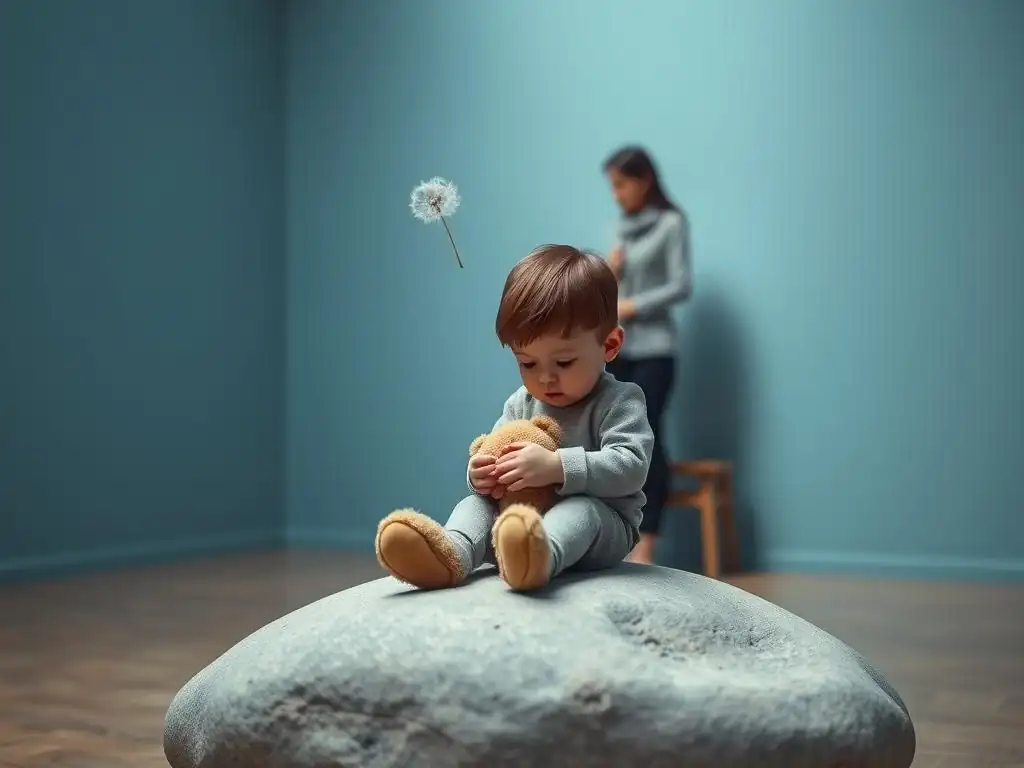
Supporting children through the divorce process, especially when parents are experiencing anxiety, requires open communication and active listening. Children need to feel safe to express their feelings, fears, and questions. Parents should initiate age-appropriate conversations about the divorce, explaining changes in a simple, clear, and reassuring manner.
Active listening involves paying full attention to what the child is saying, both verbally and non-verbally, without interruption or judgment. Validate their feelings by acknowledging that it's okay to feel sad, angry, or confused. Phrases like "It sounds like you're feeling worried about..." can encourage them to share more. Creating this safe space for dialogue helps children process their emotions and reduces the burden of carrying anxieties alone, mitigating some of the parental anxiety divorce children impact they might otherwise absorb.
Validating Children's Feelings and Concerns
It is essential for parents to validate their children's feelings and concerns about the divorce and the changes it brings. Children's emotions are real and deserve to be acknowledged, even if they seem disproportionate to the situation from an adult perspective. Dismissing feelings like "You shouldn't be sad, you still see both of us" can make a child feel misunderstood or that their emotions are wrong.
Instead, try phrases like "It makes sense that you feel sad about the changes," or "I understand why you might be worried about...". This validation helps children feel seen and heard, building trust and emotional security. It teaches them that all feelings are acceptable and manageable. By validating their children's experiences, parents help buffer the potential negative parental anxiety divorce children impact.
Seeking Professional Support for Children: Therapy and Counseling
Just as parents can benefit from professional help, children may also need support from a therapist or counselor specializing in children and divorce. Therapy provides children with a neutral, confidential space to process their feelings about the divorce, the changes in their lives, and any anxiety they may be experiencing, including anxiety related to their parents' stress.
A therapist can teach children coping skills, help them understand that the divorce is not their fault, and provide strategies for navigating the challenges of split households and changing family dynamics. Play therapy is often effective for younger children, allowing them to express complex emotions through play. Seeking this support demonstrates to children that their emotional well-being is a priority and provides them with tools to build resilience against the negative parental anxiety divorce children impact.
Books and Articles on Divorce and Mental Health
A wealth of resources exists in the form of books and articles that can provide valuable information and support for families navigating divorce and the associated anxiety. For parents, books on co-parenting, managing divorce stress, and understanding the child's experience can offer practical strategies and emotional support. Examples might include titles like "The Co-Parenting Handbook" or resources focusing on the psychological aspects of divorce.
For children, there are numerous age-appropriate books designed to help them understand divorce, express their feelings, and feel less alone. These books often use simple language and relatable characters to explain the changes occurring in their family. Reading these together can open up lines of communication and provide a starting point for discussing difficult topics. Accessing such information empowers families to better understand and manage the parental anxiety divorce children impact.
Online Support Groups and Communities
Online support groups and communities offer a convenient and accessible way for parents and older children to connect with others who are going through similar experiences. For parents, online forums can provide a space to share challenges, seek advice, and receive encouragement from peers who understand the unique stresses of divorce and parental anxiety.
For teenagers, moderated online communities or forums specifically designed for children of divorce can offer a sense of belonging and reduce isolation. Sharing experiences with peers facing similar issues can be incredibly validating. While caution should always be exercised regarding online interactions, reputable online resources can provide a valuable layer of support for families dealing with the parental anxiety divorce children impact.
Mental Health Professionals Specializing in Divorce and Family Therapy
Connecting with mental health professionals who specialize in divorce and family therapy is a crucial resource. These professionals have expertise in the specific challenges faced by families during separation, including managing parental anxiety and its effects on children. They can provide tailored support and interventions.
This might include individual therapy for parents to manage their anxiety, family therapy to improve communication and dynamics, or child therapy to help children process their experiences. Seeking out a therapist with experience in divorce cases ensures that the support provided is relevant and effective for addressing the complex interplay of factors contributing to the parental anxiety divorce children impact. Professional guidance can be instrumental in fostering healthier outcomes.
Minimizing the Ripple Effect: Fostering Resilience in Children
Building Strong Coping Mechanisms
Fostering resilience in children is key to minimizing the long-term ripple effect of parental anxiety during divorce. A significant aspect of resilience is building strong coping mechanisms. Parents can help children develop these skills by modeling healthy ways of dealing with stress and emotions. This includes identifying feelings, expressing them appropriately, and engaging in positive activities to manage distress.
Encourage children to find healthy outlets for their emotions, such as physical activity, creative arts, talking to a trusted adult, or practicing relaxation techniques. Teach them problem-solving skills and empower them to tackle challenges independently when appropriate. Learning effective coping strategies helps children navigate the current difficulties of divorce and builds a foundation for managing future stressors, reducing the lasting parental anxiety divorce children impact.
Promoting Positive Self-Esteem
Divorce can sometimes negatively affect a child's self-esteem, especially if they internalize parental conflict or feel somehow responsible. Promoting positive self-esteem is vital for building resilience. Parents can do this by offering unconditional love and acceptance, regardless of the challenges. Focus on the child's strengths and accomplishments, providing specific praise for their efforts and positive behaviors.
Ensure children know that the divorce is not their fault and that they are loved by both parents. Create opportunities for them to succeed and feel capable, whether in school, hobbies, or daily tasks. A strong sense of self-worth acts as a protective factor, helping children weather the storms of divorce and mitigating the potential negative parental anxiety divorce children impact on their self-perception.
Creating a Supportive Network for Children and Families
No family navigates divorce alone. Creating and utilizing a supportive network is crucial for both parents and children. This network can include extended family members (grandparents, aunts, uncles), friends, teachers, school counselors, and community resources. These individuals can offer emotional support, practical help (like childcare or transportation), and provide additional stable relationships for the child.
For children, having supportive adults outside the immediate family can provide a sense of security and additional perspectives. For parents, leaning on their network can help alleviate some of the stress and anxiety they are experiencing, making them more available to their children. Building this robust support system helps buffer the negative parental anxiety divorce children impact by providing layers of care and assistance.
Conclusion: Prioritizing Mental Health for a Healthier Divorce Outcome
The Importance of Addressing Parental Anxiety for the Wellbeing of Children
The impact of parental anxiety divorce children impact is undeniable and significant. Parental anxiety can create a stressful environment, directly influence children's mental health, lead to behavioral changes, and potentially have long-lasting effects into adulthood, including increased risk of mental health issues and difficulties in relationships. Recognizing the profound connection between a parent's emotional state during divorce and a child's well-being is the first critical step towards a healthier outcome for the entire family.
Addressing parental anxiety is not a luxury; it is a necessity for protecting children during this vulnerable time. When parents prioritize their own mental health, whether through self-care, therapy, or support groups, they are better equipped to manage their emotions, communicate effectively, and provide the stable, nurturing environment their children desperately need. This self-focus is, paradoxically, deeply child-focused.
A Proactive Approach to Divorce and Family Mental Health
Navigating divorce requires a proactive approach to mental health for all involved. This means anticipating the emotional challenges, seeking support early, and implementing strategies to minimize conflict and maximize stability for the children. It involves open communication, validating feelings, and utilizing the many resources available, from books and online communities to professional therapy.
Divorce is a challenging journey, but by understanding and actively working to mitigate the parental anxiety divorce children impact, families can foster resilience, strengthen coping mechanisms, and pave the way for healthier adjustments and brighter futures. Prioritizing mental well-being throughout the process is an investment in the long-term health and happiness of both parents and children.
Frequently Asked Questions
How does parental anxiety during divorce directly impact children?
Parental anxiety can lead to children feeling insecure and unstable as they witness their parents' distress. This can manifest as behavioral problems, difficulty concentrating, or increased anxiety in the children themselves, affecting their overall well-being.
What are some common signs of parental anxiety children should be aware of during a divorce?
Children might observe parents exhibiting excessive worry, irritability, or changes in sleeping and eating habits. They may also notice parents struggling to manage their emotions or becoming overly controlling.
What resources are available to help parents manage their anxiety during divorce and minimize the negative impact on their children?
Mental health professionals, such as therapists and counselors, provide support and coping strategies. Support groups and online resources, like Mind Care Guide, also offer valuable information and a sense of community.
How can parents communicate with their children about divorce in a way that minimizes anxiety and fosters a sense of security?
Parents should strive to provide honest and age-appropriate explanations about the divorce. Reassuring children that they are loved and that the divorce is not their fault is also crucial for their emotional well-being.
What long-term effects can parental anxiety during divorce have on children's mental health?
Unmanaged parental anxiety can contribute to long-term mental health issues in children, such as anxiety disorders, depression, and difficulty forming healthy relationships. Early intervention is key to mitigating these negative outcomes.
Final Reflection: The Lingering Echoes of Parental Anxiety
The anxieties surrounding divorce don't simply vanish with the signing of papers; they ripple outwards, profoundly impacting the lives of children for years to come. This article has explored the multifaceted ways parental stress and anxiety manifest during and after divorce, highlighting the devastating consequences for children's emotional well-being, academic performance, and social development. Understanding this ripple effect is crucial not just for parents navigating separation, but for society as a whole, as we strive to create supportive environments for vulnerable children.
The pervasive nature of parental anxiety in divorce cases is deeply concerning. It's a silent epidemic, often overlooked amidst the legal battles and emotional turmoil. The impact extends far beyond the immediate crisis, shaping children's self-perception, their relationships, and their future capacity for healthy relationships. As the saying goes, The most important thing a father can do for his children is to love their mother.
This sentiment, while traditionally framed, speaks to the broader truth: a child's well-being is inextricably linked to the emotional health of their parents, especially during periods of significant upheaval.
You, the reader, now hold a deeper understanding of this complex issue. Consider how this knowledge might inform your own interactions with families undergoing divorce, whether as a friend, family member, or professional. Take a moment to reflect on the ways you can contribute to a more supportive and understanding environment for children navigating their parents' separation. Perhaps it's offering a listening ear, connecting a family with resources, or simply extending compassion and patience. The future well-being of countless children depends on our collective commitment to acknowledging and addressing the lasting impact of parental anxiety during divorce.
Thanks for taking the time to learn about the impact of parental anxiety on children during divorce. You've gained valuable insights into how to support your child through this challenging period. Now, let's turn those insights into action.
- Prioritize open and honest communication with your child: This is the most crucial step to building resilience and trust. Create a safe space for them to express their feelings, without judgment.
- Consider seeking professional guidance from a family therapist: A therapist can provide tailored strategies and support for both you and your child, navigating the emotional complexities of divorce.
- Share this article with other parents facing similar challenges: Your experience and knowledge can make a real difference in the lives of others.
What specific strategies will you implement today to foster a more supportive and nurturing environment for your child during this transition?