
Turning Arguments into Opportunities: Healthy Conflict Resolution Techniques


Welcome to Mind Care Guide, a space dedicated to nurturing your mental well-being.
Are you and your partner stuck in a cycle of arguments that leave you feeling drained and disconnected? Discover how to transform those moments of tension into opportunities for deeper connection with our guide on healthy conflict resolution techniques for couples. It's time to learn how to navigate disagreements constructively and build a stronger, more fulfilling relationship. Read on to unlock the secrets to healthier communication and a more harmonious partnership.
Turning Arguments into Opportunities: Healthy Conflict Resolution Techniques for Couples
- Understanding Conflict in Relationships: A Pathway to Growth
- Essential Skills for Healthy Conflict Resolution
- Practical Techniques for Resolving Conflicts Constructively
-
Healthy Conflict Resolution Techniques Couples: A Step-by-Step Guide
- Step 1: Acknowledge and Validate Your Partner's Feelings
- Step 2: Identify the Core Issue of the Conflict
- Step 3: Communicate Your Needs and Concerns Respectfully
- Step 4: Brainstorm Potential Solutions Together
- Step 5: Choose a Solution and Implement It
- Step 6: Evaluate the Outcome and Adjust as Needed
- Diffusing Tension: Strategies for De-escalating Arguments
- Long-Term Strategies for Preventing and Managing Conflict
- The Benefits of Healthy Conflict Resolution Techniques in Couples
- Common Mistakes in Conflict Resolution and How to Avoid Them
-
Frequently Asked Questions
- What are some healthy conflict resolution techniques that couples can use?
- Why is conflict resolution important for a couple's mental well-being?
- How can couples turn arguments into opportunities for growth?
- What are some common pitfalls in conflict resolution that couples should avoid?
- Where can couples find resources for learning more about healthy conflict resolution techniques?
- Final Reflection: Bridging the Divide, Building Bridges
- Unlock Your Potential: Transform Conflict into Collaboration
Understanding Conflict in Relationships: A Pathway to Growth
Recognizing the Root Causes of Couple's Conflicts
Conflict is an inevitable part of any close relationship, and for couples, understanding its origins is the first step toward healthy conflict resolution techniques. Often, disputes arise from differing expectations about roles, finances, or future plans. For instance, studies frequently highlight finances and communication as top stressors; one survey indicated that around 31% of couples identify money as their primary source of conflict, often stemming from mismatched spending habits or savings goals. These aren't just superficial disagreements but often point to deeper values or insecurities.
Beyond practical matters, many conflicts are rooted in unmet emotional needs or past experiences. If one partner feels consistently unheard or unappreciated, minor issues can escalate quickly as underlying frustrations surface. For example, a simple disagreement about chores might not be about the task itself, but about a feeling of unequal contribution or lack of recognition for effort. Recognizing these deeper currents—whether it's a fear of abandonment, a need for control, or a desire for validation—is crucial for couples seeking effective healthy conflict resolution techniques.
The Impact of Unresolved Conflict on Relationship Well-being
When conflicts are left unaddressed or handled poorly, they can have a corrosive effect on a relationship's foundation. Chronic unresolved tension leads to emotional distance, resentment, and a breakdown in trust. Research has shown that negative interaction patterns during conflict, such as defensiveness or stonewalling, are strong predictors of relationship dissatisfaction and even dissolution. For instance, psychologist John Gottman's work suggests that a high ratio of negative to positive interactions during conflict (specifically, less than a 5:1 positive-to-negative ratio) is a significant warning sign.
Furthermore, persistent conflict takes a toll on individual well-being. It can lead to increased stress, anxiety, and even physical health problems. Couples who lack healthy conflict resolution techniques often find themselves trapped in a cycle of repetitive arguments that never reach a resolution, leaving both partners feeling frustrated and hopeless. This emotional burden can spill over into other areas of life, affecting work performance, friendships, and overall happiness, underscoring the importance of learning healthy conflict resolution techniques couples can implement.
Essential Skills for Healthy Conflict Resolution
Active Listening: The Foundation of Understanding in Arguments
Active listening is perhaps the most critical skill in healthy conflict resolution techniques couples can develop. It involves fully concentrating on, understanding, responding to, and remembering what is being said. Instead of formulating your rebuttal while your partner speaks, you focus on truly hearing their perspective, including their emotions and underlying needs. This means making eye contact, nodding, and offering verbal cues like "I hear you" or "Okay."
Implementing active listening means reflecting back what you've heard to ensure understanding. For example, you might say, "So, if I understand correctly, you feel frustrated because you believe I didn't appreciate your effort in planning the trip?" This isn't about agreeing, but about demonstrating that you have absorbed and processed their message. Studies indicate that couples who practice active listening report significantly higher levels of understanding and validation during disagreements, often reducing the intensity and duration of arguments by 30-40%.
Empathy and Validation: Acknowledging Your Partner's Perspective
Empathy is the ability to understand and share the feelings of another, while validation is the act of acknowledging and respecting those feelings as real and understandable, even if you don't agree with the cause or the resulting behavior. These are powerful healthy conflict resolution techniques. When a partner says, "I'm really hurt by what you said," an empathetic response isn't "You shouldn't feel that way," but rather, "I can see why that would be hurtful."
Validation doesn't mean you are admitting fault or agreeing with their viewpoint entirely. It simply communicates, "I see your pain," or "Your perspective makes sense from your point of view." For example, instead of defending your actions, you might say, "I understand you feel overwhelmed by the household tasks, and I hear how much you need more support." This simple act can dramatically de-escalate tension and create an opening for collaborative problem-solving. Research suggests that even brief moments of validation during conflict can increase positive feelings and reduce defensiveness significantly.
Communicating Needs Assertively, Not Aggressively
Assertive communication is a core component of healthy conflict resolution techniques couples use to express their needs, feelings, and beliefs in a direct, honest, and appropriate manner, without violating the rights of others. It stands in contrast to aggressive communication (which attacks or blames) and passive communication (which avoids expressing needs). Using "I" statements is a key technique here. Instead of "You always make me feel guilty," an assertive statement would be, "I feel guilty when [specific action] happens because [explanation of need or feeling]."
For instance, if you need more help with household chores, an aggressive approach might be, "You never help around here, you're so lazy!" A passive approach might involve silently resenting your partner. An assertive approach, vital for healthy conflict resolution techniques couples can master, would be, "I feel overwhelmed with the amount of cleaning there is to do, and I need more support. Could we talk about how we can share the tasks more evenly?" This clearly states the feeling and the need without blame, opening the door for constructive dialogue and a solution.
Mastering Non-Verbal Communication During Disagreements
Non-verbal cues play a huge role in how messages are received during conflict, often outweighing the verbal content. Mastering these cues is essential for effective healthy conflict resolution techniques. Body language, facial expressions, tone of voice, and even breathing patterns can either escalate or de-escalate a situation. Crossing your arms, rolling your eyes, or speaking in a sarcastic tone sends clear messages of defensiveness, contempt, or disinterest, even if your words are neutral.
Conversely, open body language (uncrossed arms, facing your partner), a calm and even tone of voice, and attentive facial expressions (like nodding or a concerned look) signal that you are engaged and open to resolving the issue. Making consistent eye contact shows respect and attentiveness. Simply softening your gaze or relaxing your shoulders can instantly change the dynamic. Research indicates that up to 70-80% of communication impact comes from non-verbal signals, meaning that paying attention to how you say something is just as important as what you say when practicing healthy conflict resolution techniques couples need.
Practical Techniques for Resolving Conflicts Constructively
Finding common ground is a powerful technique in healthy conflict resolution for couples. Even in the midst of a heated argument, there's often an underlying shared goal or value. For example, a fight about spending habits might stem from a shared desire for financial security, even if partners disagree on how to achieve it. A disagreement about parenting styles likely comes from a shared goal of raising happy, well-adjusted children. Identifying this shared objective helps shift the focus from being adversaries to being a team working towards a common purpose.
Explicitly stating the shared goal can reframe the entire discussion. You might say, "Okay, we're disagreeing about how to save for a down payment, but we both want to own a home together, right? Let's keep that goal in mind as we try to figure this out."
This reminds both partners of their fundamental connection and shared vision, making it easier to approach the specific issue collaboratively. Couples who actively identify shared goals during conflict are often more successful in finding mutually acceptable solutions, reporting higher satisfaction with the resolution process in roughly 60-70% of cases compared to those who focus solely on their individual positions.
Brainstorming Solutions: Collaborative Problem-Solving for Couples
Once the core issue is identified and shared goals are acknowledged, brainstorming solutions becomes a collaborative process, a key element of healthy conflict resolution techniques couples employ. The goal here is to generate as many potential solutions as possible, without judgment or immediate evaluation. Both partners contribute ideas freely, no matter how unconventional they might seem initially. This stage is about quantity and creativity, not quality or feasibility.
For instance, if the conflict is about dividing household chores, brainstorming might produce ideas like "hire a cleaner," "do everything together on Saturday morning," "each take responsibility for specific rooms," "draw straws," or "rotate tasks weekly." The more ideas generated, the higher the chance of finding one or a combination that works for both partners. This collaborative approach empowers both individuals and reinforces the idea that they are partners in finding a solution, rather than opponents fighting over who is right. Teams (including couple teams) that brainstorm together often find more innovative and sustainable solutions.
Compromise and Negotiation: Finding Mutually Acceptable Outcomes
After brainstorming, the next step in healthy conflict resolution techniques is to evaluate the potential solutions and move towards compromise and negotiation. Compromise involves each partner giving a little to meet in the middle. Negotiation is a process of discussing the options, considering each other's needs and preferences, and working towards an agreement that is acceptable to both. This doesn't mean one person wins and the other loses; ideally, it's a win-win or a win-some, lose-some that both can live with.
For example, if one partner wants to save aggressively for a large purchase and the other wants to spend more freely on experiences, a compromise might involve allocating a specific amount each month for savings while also budgeting for one or two modest experiences. Effective negotiation involves clearly stating your preferred solution and your willingness to be flexible, while also understanding your partner's non-negotiables.
Successful compromises aren't always perfectly equal, but they should feel fair and respectful to both individuals involved in the relationship. Studies show that couples who regularly practice compromise report significantly lower levels of recurring conflict on the same issues.
Taking a Break: The Power of Timeouts in Heated Arguments
Sometimes, the most effective healthy conflict resolution technique is knowing when to pause. When arguments become too heated, emotions run high, and communication breaks down, taking a timeout can prevent further escalation and damage. Psychologists suggest that when your heart rate exceeds 100 bpm during conflict, your ability to process information and communicate effectively decreases significantly. Recognizing these physiological signs (like feeling flooded or overwhelmed) is key.
A timeout involves agreeing to pause the discussion for a predetermined amount of time (e.g., 20 minutes to an hour), separating, and engaging in calming activities individually. It's not about avoiding the issue but about regrouping so you can return to the conversation in a calmer, more rational state. Before taking a break, it's helpful to agree on when and where you will resume the discussion.
Couples who effectively use timeouts report being better able to listen and communicate constructively when they reconvene, often resolving the issue more quickly than if they had pushed through the initial intensity. Approximately 85% of couples trained in this technique find it helps prevent arguments from spinning out of control.
Healthy Conflict Resolution Techniques Couples: A Step-by-Step Guide

Step 1: Acknowledge and Validate Your Partner's Feelings
The first step in applying healthy conflict resolution techniques couples can use is to create a safe space by acknowledging your partner's emotional state. This involves pausing your own reaction and focusing on understanding their feelings. Start by saying something like, "I can see that you're feeling really [emotion, e.g., upset, frustrated, hurt]" and follow it with a statement of validation, such as "and I understand why you might feel that way given the situation." This doesn't require agreeing with their perspective or admitting fault; it simply communicates that you are listening and respect their emotional experience.
For instance, if your partner is angry because you were late, instead of immediately defending yourself, you might say, "I understand you're feeling angry because I wasn't on time, and I can see why that would be frustrating for you." This validation helps de-escalate the initial emotional intensity. Couples who practice this first step report that arguments often start to calm down within the first few minutes, making subsequent steps much more productive.
Step 2: Identify the Core Issue of the Conflict
Once initial emotions are acknowledged, the next step for healthy conflict resolution techniques couples is to pinpoint the underlying issue. Arguments can sometimes be like icebergs, with only a small part visible above the surface. The fight about leaving dishes in the sink might actually be about feeling disrespected or overburdened. Work together to clarify what the argument is really about. Ask open-ended questions like, "What specifically about this situation is bothering you the most?" or "What need do you feel isn't being met here?"
Listen carefully to the answers without interrupting or getting defensive. Rephrase what you hear to confirm you understand the core concern. For example, "So, it sounds like the real issue isn't just the dishes, but that you feel like I don't contribute equally to keeping the house tidy?" Identifying this deeper issue is crucial because trying to solve the "dishes problem" won't fix the underlying feeling of inequality. Successfully identifying the core issue early in the discussion is linked to a 50% higher chance of finding a mutually satisfying resolution.
Step 3: Communicate Your Needs and Concerns Respectfully
After listening to your partner, it's your turn to express your own feelings, needs, and perspective. This is where assertive communication, using "I" statements, is vital for healthy conflict resolution techniques couples use. Clearly articulate how the situation affects you and what you need moving forward, doing so respectfully and without blame. For example, "When the dishes are left in the sink overnight, I feel stressed and overwhelmed because it makes the kitchen feel messy, and I need our shared spaces to feel calm."
State your needs positively whenever possible. Instead of saying "I need you to stop leaving dishes everywhere," say "I need us to find a system for keeping the sink clear." Be specific about the behavior or situation, and explain the impact it has on you. Focusing on your own feelings and needs, rather than criticizing your partner's actions, makes it much easier for them to hear you and respond constructively. Couples who master this step report feeling more understood and less attacked during disagreements.
Step 4: Brainstorm Potential Solutions Together
With the core issue identified and both partners' needs articulated, the next step in healthy conflict resolution techniques couples employ is collaborative problem-solving. Approach this as a team working against the problem, not against each other. Sit down together and brainstorm a list of possible solutions. Encourage creativity and quantity; don't evaluate ideas at this stage. Write them down if helpful.
For the "dishes" example, brainstormed solutions might include: "We take turns doing dishes each night," "The person who cooks doesn't clean," "We clean together after dinner," "We use paper plates (temporarily)," "We set a timer for 10 minutes each night to clean," "We hire someone weekly." The goal is to generate a range of options. This step reinforces partnership and opens up possibilities that neither individual might have thought of alone. Couples who brainstorm together are more likely to find unique solutions tailored to their specific situation, increasing the likelihood of long-term success by an estimated 40%.
Step 5: Choose a Solution and Implement It
Once a list of potential solutions is generated, the couple evaluates them together. Discuss the pros and cons of each option, considering how well it addresses the core issue and meets both partners' needs. This stage involves negotiation and compromise. Be prepared to be flexible and look for a solution that is mutually acceptable, even if it's not perfect for either person. The best solution is often one that both partners can commit to honestly.
Select one or two solutions to try. Be specific about what will be done, who will do it, and when. For the dish example, you might agree: "Okay, let's try this: I'll clear the table and load the dishwasher right after dinner every night, and you'll wash any pots or pans that don't fit and wipe down the counters. We'll try this for two weeks." Clearly defining the action plan is crucial for successful implementation, a key element of healthy conflict resolution techniques couples should master.
Step 6: Evaluate the Outcome and Adjust as Needed
Healthy conflict resolution isn't always a one-time fix. The final step is to follow up and evaluate how the chosen solution is working. After the agreed-upon trial period (e.g., two weeks), check in with each other. Discuss what went well and what challenges arose. Ask: "How do you feel this solution is working for you?" and "Is it addressing the core issue?"
Be prepared to adjust the solution based on this evaluation. Maybe the agreed-upon division of labor isn't sustainable, or perhaps the core issue wasn't fully resolved. This iterative process of trying, evaluating, and adjusting is a sign of a healthy, adaptable relationship. It shows a commitment to ongoing problem-solving and reinforces that you are a team. Couples who regularly check in and adjust their solutions are significantly better at preventing the same conflicts from re-emerging, potentially reducing recurring arguments by as much as 70%.
Diffusing Tension: Strategies for De-escalating Arguments
Using Humor Appropriately to Lighten the Mood
Humor, when used appropriately and not sarcastically or mockingly, can be a powerful tool for diffusing tension and is one of the healthy conflict resolution techniques couples can deploy. A well-timed, gentle joke or a moment of shared silliness can break the cycle of negativity and remind partners of their connection and shared affection. It can shift the emotional tone from anger or frustration to something lighter, making it easier to approach the issue calmly.
For example, if an argument about leaving shoes by the door is escalating, one partner might playfully toss a shoe and say, "Okay, okay, the shoe monster got me! Let's talk about taming it." This isn't about dismissing the issue but about injecting a moment of levity.
It's crucial that the humor is genuinely lighthearted and not perceived as minimizing or mocking the other person's feelings. When used correctly, humor can lower defenses and open up channels for more constructive communication. Studies show that couples who can share positive emotions, including humor, during conflict are more likely to resolve it successfully.
Practicing Mindfulness to Stay Calm and Present
Mindfulness, the practice of paying attention to the present moment without judgment, can significantly help in managing emotions during arguments. When conflict arises, it's easy to get swept away by intense feelings or get stuck dwelling on past grievances or future worries. Practicing mindfulness allows you to notice these thoughts and feelings without being controlled by them. This is a vital skill for healthy conflict resolution techniques couples can cultivate individually and together.
Before or even during a tense conversation, taking a few deep breaths and focusing on your physical sensations can help ground you. If you feel anger rising, notice it without immediately reacting. If your mind starts racing with accusations, observe those thoughts and gently bring your attention back to the present discussion. This practice helps prevent emotional flooding and allows you to respond thoughtfully rather than react impulsively. Couples who practice mindfulness report feeling more in control of their emotions during arguments and better able to listen actively.
Avoiding Blame and Criticism: Focusing on Solutions
Blame and criticism are highly corrosive to healthy conflict resolution techniques couples attempt to use. When partners feel attacked or blamed, their natural response is to become defensive or withdraw, shutting down any possibility of constructive dialogue. Statements starting with "You always..." or "You never..." are almost guaranteed to escalate conflict and make finding a solution impossible. Instead of focusing on who is wrong, focus on what the problem is and how you can solve it together.
Shift from accusatory language to descriptive language about the situation and your feelings, using "I" statements as discussed earlier. For example, instead of "You're so irresponsible with money," try "I feel anxious when I see our bank balance decreasing rapidly, and I'm concerned about our financial goals." This frames the issue as a shared challenge to be addressed rather than a personal failing to be criticized. Focusing on solutions, rather than assigning blame, keeps the conversation productive and centered on positive change. Research consistently shows that criticism is one of the "Four Horsemen" of relationship apocalypse, strongly predicting divorce.
Taking Responsibility for Your Own Actions and Words
A crucial, often difficult, step in healthy conflict resolution techniques couples can master is taking personal responsibility. This means acknowledging your own contribution to the conflict, whether it was something you said, something you did, or something you failed to do. It requires self-awareness and humility. Even if you feel your partner is primarily at fault, identifying and owning your part, however small, can dramatically shift the dynamic.
Saying something like, "I realize that when I raised my voice, I made it harder for you to hear me, and I apologize for that," doesn't invalidate your own feelings or concerns. Instead, it shows maturity and a commitment to the health of the relationship. It signals to your partner that you are willing to look at yourself and not just focus on their shortcomings. This act of taking responsibility can disarm defensiveness and encourage your partner to consider their own role in the conflict, paving the way for mutual understanding and resolution.
Long-Term Strategies for Preventing and Managing Conflict
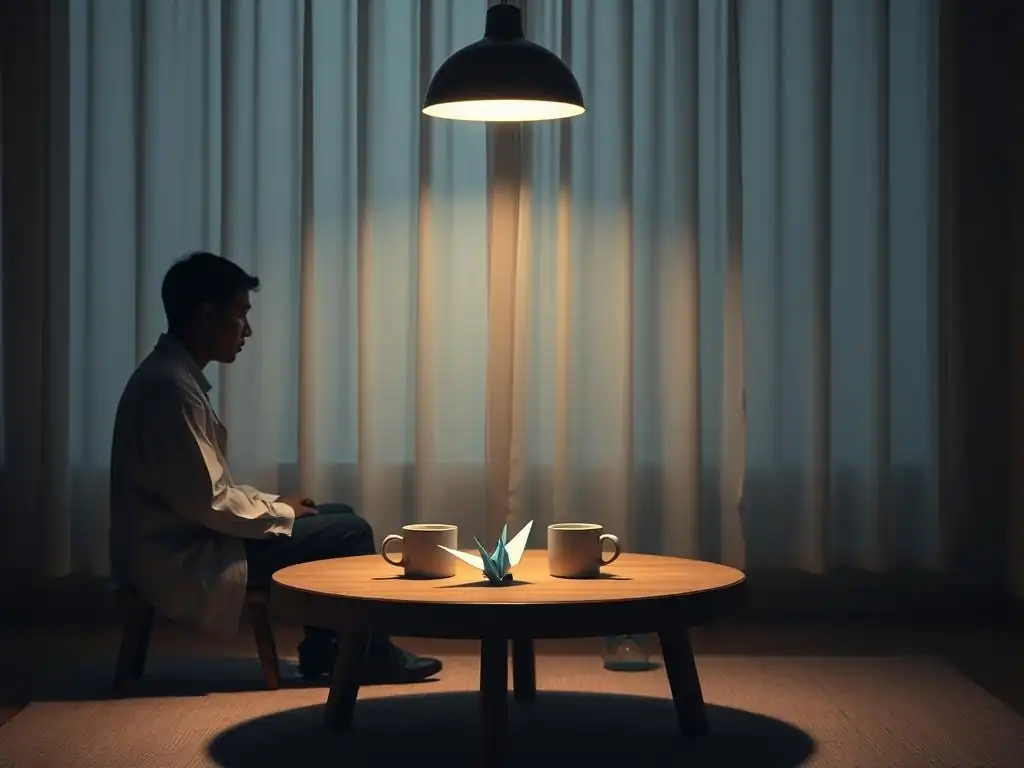
Establishing Clear Communication Patterns
Developing clear and consistent communication patterns is a foundational long-term strategy for preventing and managing conflict effectively, crucial for healthy conflict resolution techniques couples want to sustain. This involves agreeing on how you will communicate, especially about difficult topics. For example, establishing a rule like "no discussing serious issues when one of us is tired or stressed" or "we will schedule a time to talk if something is bothering us instead of bringing it up spontaneously when emotions are high."
This also includes agreeing on basic rules of engagement during disagreements, such as "no yelling," "one person speaks at a time," or "we can take a break when needed." Having these agreed-upon guidelines creates a predictable and safer environment for discussing sensitive issues. Couples who establish and adhere to clear communication patterns report feeling more secure and respected in their interactions, significantly reducing the frequency of escalating arguments and improving the effectiveness of their healthy conflict resolution techniques couples utilize.
Scheduling Regular Relationship Check-Ins
Proactive maintenance is key to long-term relationship health and conflict prevention. Scheduling regular, non-crisis check-ins is an excellent strategy. These aren't for resolving major blow-ups, but for gently addressing minor issues before they fester and for connecting positively. This could be a weekly "State of the Union" talk for 20-30 minutes, where each partner gets uninterrupted time to share what's going well, what they appreciate about the other, and if anything is bothering them slightly.
These check-ins provide a dedicated time and space to practice healthy communication skills in a low-stakes environment. They allow couples to address small irritations (like the accumulating mail or a slightly annoying habit) before they build into major sources of conflict. They also reinforce positive aspects of the relationship, creating a buffer against negative interactions. Couples who implement regular check-ins report feeling more connected and better equipped to handle conflicts when they do arise, often preventing approximately 30% of minor issues from escalating.
Seeking Professional Help: When Couples Therapy is Beneficial
Sometimes, despite best efforts, couples struggle to implement healthy conflict resolution techniques on their own. This is when seeking professional help from a qualified couples therapist can be incredibly beneficial. Therapy provides a neutral, safe space for partners to communicate with the guidance of an expert who can identify negative patterns, teach effective skills, and help process underlying issues. It's not a sign of failure, but a sign of commitment to the relationship's health.
Couples therapy is particularly helpful when arguments are repetitive and unresolved, when communication has shut down, after a breach of trust, or when one or both partners are considering ending the relationship. A therapist can teach specific healthy conflict resolution techniques couples may not know, such as identifying negative cycles, practicing empathy, and structuring difficult conversations. Success rates for couples therapy are often cited between 70-80% for couples who are committed to the process, highlighting its effectiveness in teaching and implementing healthy conflict resolution techniques couples need for lasting relationships.
Building a Strong Foundation of Trust and Respect
Ultimately, the most effective long-term strategy for preventing and managing conflict lies in building a strong foundation of trust and respect. Trust is built through consistency, honesty, and reliability – knowing that your partner has your best interests at heart. Respect involves valuing your partner's feelings, opinions, and autonomy, even when you disagree. When trust and respect are high, conflicts are less likely to escalate into damaging fights because there's an underlying assumption of good intention.
This foundation is built daily through small actions: keeping promises, listening attentively, apologizing sincerely when you make a mistake, and showing appreciation. These positive interactions create an emotional bank account that can cushion the inevitable moments of conflict. Couples with a strong foundation of trust and respect are better able to navigate disagreements using healthy conflict resolution techniques couples rely on, seeing them as challenges to overcome together rather than threats to the relationship.
The Benefits of Healthy Conflict Resolution Techniques in Couples
Strengthening Intimacy and Connection
Paradoxically, navigating conflict effectively using healthy conflict resolution techniques can actually deepen intimacy and connection in a relationship. When couples learn to approach disagreements with respect, empathy, and a commitment to understanding, the process of working through challenges together builds resilience and mutual reliance. Successfully resolving a conflict creates a sense of accomplishment and reinforces the bond between partners.
Sharing vulnerabilities during a disagreement, being truly heard and validated, and emerging from a tough conversation with a greater understanding of each other fosters emotional closeness. It demonstrates that the relationship is strong enough to weather storms and that both partners are committed to making it work. Couples who master healthy conflict resolution techniques often report feeling more connected, understood, and secure in their relationship, leading to a more fulfilling partnership.
Improving Communication and Understanding
One of the most direct benefits of practicing healthy conflict resolution techniques couples can gain is a significant improvement in overall communication. The skills learned during conflict—like active listening, using "I" statements, and focusing on needs—are transferable to everyday interactions. As partners become more adept at expressing themselves clearly and listening effectively during disagreements, they naturally communicate better about everything.
This improved communication leads to a deeper understanding of each other's perspectives, values, and needs, not just during conflict but in daily life. Misunderstandings become less frequent, and when they do occur, couples are better equipped to clarify them quickly and respectfully. This enhanced understanding reduces frustration and builds a stronger foundation for mutual support and empathy.
Reducing Stress and Anxiety
Chronic, unresolved conflict is a major source of stress and anxiety for individuals and within the relationship dynamic. Constantly walking on eggshells, anticipating the next argument, or feeling helpless to resolve ongoing issues can take a significant toll on mental and emotional health. Learning and implementing healthy conflict resolution techniques couples can utilize directly addresses this stressor.
When couples have the tools to approach disagreements constructively, arguments become less frightening and overwhelming. There's a sense of agency and hope that issues can be worked through. Successfully resolving conflicts reduces lingering tension and frees up emotional energy that was previously consumed by worry and resentment. This reduction in relationship stress positively impacts individual well-being and creates a more peaceful home environment.
Fostering a More Harmonious Relationship
Ultimately, the cumulative effect of using healthy conflict resolution techniques couples master is a more harmonious and satisfying relationship. While conflict will still occur, its nature changes. Instead of destructive fights that erode the relationship, disagreements become opportunities for growth, deeper understanding, and stronger connection.
A harmonious relationship isn't one without conflict, but one where conflict is handled in a way that strengthens, rather than weakens, the bond. Partners feel heard, respected, and valued. They trust that they can navigate challenges together as a team. This leads to increased overall relationship satisfaction, greater happiness, and a more resilient partnership capable of facing life's inevitable difficulties side-by-side.
Common Mistakes in Conflict Resolution and How to Avoid Them
Avoiding the Silent Treatment: Addressing Issues Directly
One of the most damaging mistakes in conflict resolution is avoiding the issue altogether, often through the silent treatment or withdrawal. While taking a planned timeout can be healthy, shutting down communication indefinitely is not. The silent treatment leaves the other partner feeling confused, hurt, and helpless, preventing any possibility of resolution. It breeds resentment and erodes trust.
Instead of withdrawing completely, commit to addressing issues directly, even if it's uncomfortable. If you need time to cool down, communicate that clearly: "I'm feeling overwhelmed right now and need a break. Can we revisit this conversation in [specific time, e.g., 30 minutes]?" Follow through on the commitment to return. Agreeing as a couple that withdrawal or the silent treatment is off-limits is a crucial agreement for implementing healthy conflict resolution techniques couples need to prioritize open communication.
Resisting the Urge to Interrupt or Talk Over Your Partner
Interrupting or talking over your partner is a common mistake that signals disrespect and prevents effective communication. It shows that you are more focused on getting your point across than on truly hearing theirs. This behavior escalates tension and makes the other person feel unheard and invalidated, often leading them to raise their voice or shut down.
Consciously resist the urge to interrupt. Practice active listening by focusing on your partner's words and body language. Wait for them to finish speaking completely before formulating your response. If you find yourself wanting to jump in, take a deep breath and remind yourself that you will have your turn to speak. Agreeing on a rule where only one person speaks at a time is a simple yet powerful healthy conflict resolution technique couples can implement immediately.
Letting Go of the Need to Be Right
Many arguments become gridlocked because each partner is more invested in being "right" than in finding a resolution. The need to win or prove the other person wrong fuels defensiveness and prevents compromise. Healthy conflict resolution techniques couples use require letting go of this need and shifting the focus to understanding and problem-solving.
Recognize that in a relationship, there are rarely objective winners and losers in an argument. What matters is finding a way forward that works for both of you and protects the relationship. Focus on communicating your perspective and needs, and listen to your partner's, with the goal of finding a shared path, not proving your superiority. Ask yourself, "Is being right more important than resolving this issue and supporting our connection?" The answer, for the health of the relationship, should always be no.
Forgiving and Moving Forward: Releasing Resentment
Holding onto resentment after a conflict, even if it was "resolved" on the surface, is a significant barrier to true healthy conflict resolution techniques couples need for long-term well-being. Lingering anger or hurt can poison future interactions and make it harder to trust or feel close to your partner. Forgiveness isn't about condoning hurtful behavior; it's about choosing to release the anger and resentment for your own peace and the health of the relationship.
This doesn't mean forgetting what happened, but rather processing the emotions and deciding not to let them control you or the relationship's future. Talk about what forgiveness means to both of you. Sometimes, forgiveness requires an apology, a change in behavior, or simply time and understanding. Committing to letting go of past hurts allows couples to move forward with a clean slate and build a stronger, more resilient bond, enabling them to apply healthy conflict resolution techniques couples can trust for future challenges.
Frequently Asked Questions
What are some healthy conflict resolution techniques that couples can use?
Some techniques include active listening, where each partner focuses on understanding the other's perspective, and finding common ground. It's also helpful to take a break when emotions are high.
Why is conflict resolution important for a couple's mental well-being?
Effective conflict resolution fosters trust and intimacy, reducing stress and promoting a healthier relationship dynamic. Unresolved conflict can lead to anxiety and depression.
How can couples turn arguments into opportunities for growth?
By viewing disagreements as chances to understand each other better, couples can strengthen their bond. Addressing underlying issues instead of just the surface problem is key.
What are some common pitfalls in conflict resolution that couples should avoid?
Avoid blaming, stonewalling, and defensiveness. These behaviors escalate conflict and prevent productive communication. Focus on "I" statements rather than "you" statements.
Where can couples find resources for learning more about healthy conflict resolution techniques?
Mind Care Guide offers information, support, and resources for improving communication and conflict management skills. Seeking professional help from a therapist is also an option.
Final Reflection: Bridging the Divide, Building Bridges
The ability to navigate conflict constructively is not merely a skill; it's the cornerstone of healthy relationships, thriving communities, and a more peaceful world. In a time defined by increasing polarization and fractured communication, mastering healthy conflict resolution techniques is more critical than ever before. The strategies outlined in this article – from active listening and empathy to identifying underlying needs and finding mutually beneficial solutions – are not just theoretical exercises; they are practical tools for building stronger connections and fostering understanding.
The impact of unresolved conflict ripples far beyond the immediate parties involved. It erodes trust, breeds resentment, and can ultimately lead to the breakdown of relationships, both personal and professional. Holding on to anger is like grasping a hot coal with the intent of throwing it at someone else; you are the one who gets burned.
This quote perfectly encapsulates the damaging effects of unresolved conflict, highlighting the importance of proactive and healthy approaches. The journey towards mastering these techniques is ongoing, a continuous process of self-reflection and growth that enriches every aspect of our lives.
Now, consider your own relationships. Where have you seen the power of healthy conflict resolution, and where might you benefit from applying these strategies? Take a moment to reflect on your communication style, your ability to empathize with differing perspectives, and your willingness to compromise. This isn't about avoiding conflict entirely – disagreements are inevitable – but about transforming those disagreements into opportunities for growth, deeper understanding, and stronger bonds. Embrace the challenge, practice these techniques, and watch your relationships flourish.
Unlock Your Potential: Transform Conflict into Collaboration
Thanks for taking the time to explore healthier ways to navigate disagreements! You've now equipped yourself with valuable tools for constructive conflict resolution. Ready to put them into practice?
- Prioritize one relationship where conflict often arises, and consciously apply the techniques discussed today. Notice the shift in dynamics.
- Share this article with someone you know who could benefit from learning these skills – spread the word about building stronger relationships!
- Consider journaling about your experiences using these techniques; reflecting on your progress can be incredibly insightful.
What's one small step you can take this week to approach conflict with a more collaborative mindset?