
Mental Health Focused Gifts: Resources and Tools for Caregiver Support and Resilience

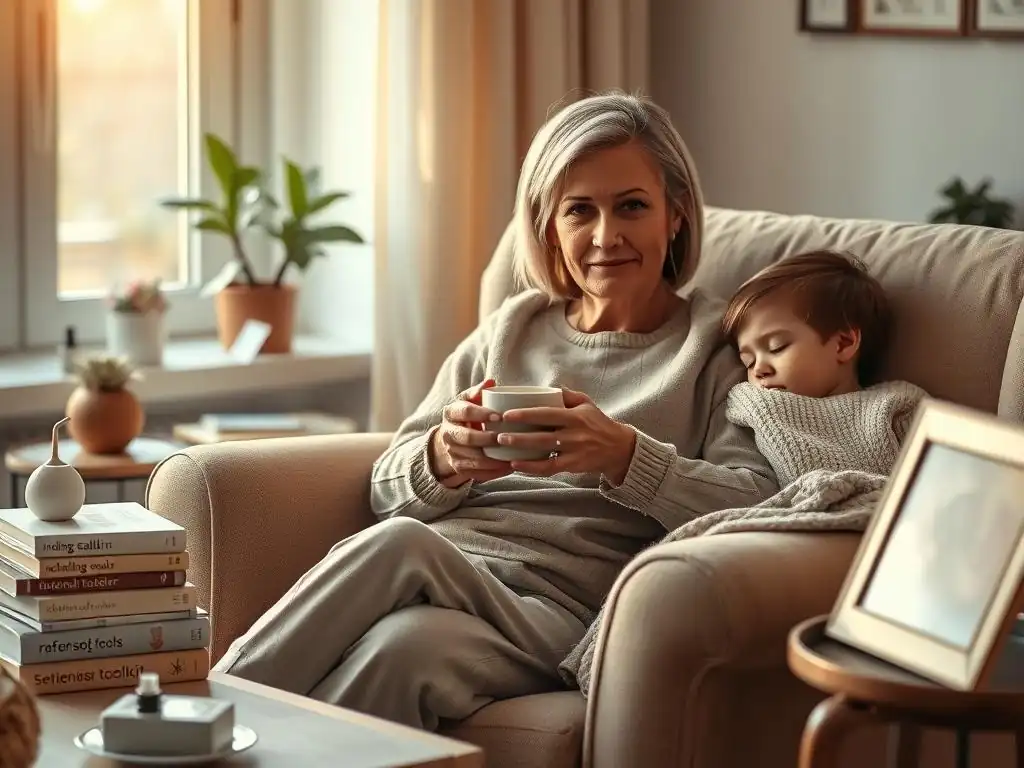
Welcome to Mind Care Guide, a sanctuary for nurturing your mental well-being.
Feeling overwhelmed while caring for a loved one? You're not alone. Discover essential caregiver mental health resources support designed to help you prioritize your own well-being while providing compassionate care. Let's explore practical gifts and tools that can empower resilience and offer a much-needed respite. What if there were ways to nurture your mental health too?
- Understanding the Importance of Caregiver Mental Health Resources & Support
- Best Mental Health Gifts & Resources for Caregiver Support & Resilience
- Option 1: Headspace Subscription - Guided Meditation & Mindfulness Training
- Option 2: Calm App - Relaxation Techniques and Sleep Stories
- Option 3: Gravity Blanket - Promoting Relaxation and Sleep for Caregivers
-
Option 4: Vitruvi Stone Diffuser with Lavender Essential Oil - Aromatherapy for Caregiver Stress Relief
- The Power of Aromatherapy: Which Essential Oils are Best for Stress and Anxiety? (Lavender, Chamomile, etc.)
- Recommended Diffusers and Essential Oil Blends for Caregivers: Vitruvi Stone Diffuser and Lavender Essential Oil
- Safety Considerations for Using Essential Oils Around Individuals with Sensitivities
- Option 5: The Five Minute Journal & Gratitude Practice for Caregiver Wellbeing
- Option 6: Amwell Online Therapy – Accessing Professional Support from Home
- Option 7: Home Instead Senior Care – Providing Temporary Relief for Caregivers
- Creating a Self-Care Routine for Caregivers: Integrating Resources & Gifts
- Conclusion: Investing in Caregiver Mental Health for a Sustainable Future
-
Frequently Asked Questions
- What are some examples of mental health focused gifts caregivers might appreciate?
- Why is it important to prioritize caregiver mental health?
- Where can caregivers find mental health resources and support specifically designed for their needs?
- How can family members and friends best support a caregiver's mental well-being?
- What role do mental health focused gifts play in supporting caregiver resilience?
- Final Reflection: Cultivating Resilience in the Face of Caregiving
- Ignite Your Support Network: Take Action for Better Mental Wellbeing
Understanding the Importance of Caregiver Mental Health Resources & Support
The Unique Challenges of Caregiving and its Impact on Mental Wellbeing
Caregiving is a profound act of love and duty, but it often comes with significant personal costs. Individuals providing care for family members, whether elderly parents, ill spouses, or children with special needs, face a relentless array of physical, emotional, and financial pressures. Studies consistently show that caregivers experience higher rates of stress, anxiety, and depression compared to the general population.
For instance, the National Alliance for Caregiving and AARP's 2020 report indicated that approximately 21% of caregivers find it difficult to manage their emotional health. This emotional toll is compounded by physical exhaustion from demanding tasks, sleep disruption, and often, a lack of time for personal health or social connection.
The isolation can be particularly challenging. Many caregivers find their social circles shrinking as their responsibilities increase, leading to feelings of loneliness and being misunderstood. The constant demands can also lead to financial strain, either through direct costs of care or lost income due to reduced work hours or leaving a job entirely.
AARP's 2021 report estimated that family caregivers spent an average of $7,214 out-of-pocket annually on caregiving expenses. These combined stressors create a unique environment where the caregiver's own mental health is under constant threat, highlighting the critical need for accessible and effective caregiver mental health resources support.
Why Prioritizing Caregiver Mental Health is Crucial for Long-Term Well-being
Neglecting a caregiver's mental health has far-reaching consequences, not only for the caregiver but also for the person receiving care. Burnout is a very real risk, characterized by exhaustion, detachment, and a reduced sense of accomplishment. When caregivers experience burnout, their ability to provide compassionate and effective care diminishes, potentially impacting the quality of life for their loved one.
Furthermore, chronic stress associated with caregiving can lead to long-term physical health problems for the caregiver, including increased risk of heart disease, stroke, and a weakened immune system. Research published in the Journal of the American Medical Association in the late 1990s, often cited, suggested that elderly spousal caregivers experiencing strain had a 63% higher mortality rate than non-caregivers of the same age.
Prioritizing caregiver mental health resources support is not a luxury; it is a necessity for sustainable caregiving. When caregivers are supported and have tools to manage stress and protect their wellbeing, they are better equipped to provide care with patience and resilience. Investing in their mental health through accessible resources and supportive tools helps prevent burnout, improves their own quality of life, and ultimately, contributes to a healthier and more stable environment for everyone involved. It's about fostering resilience and ensuring that the well of compassion doesn't run dry.
Best Mental Health Gifts & Resources for Caregiver Support & Resilience
Top Picks for Supporting Caregiver Mental Wellness
Supporting the mental health of a caregiver involves recognizing their immense efforts and providing tangible tools and resources that can alleviate stress, promote relaxation, and foster resilience. While no gift can erase the challenges of caregiving, thoughtful resources focused on mental wellbeing can make a significant positive impact. These are not just material items, but investments in their capacity to cope and thrive amidst difficulty. Effective caregiver mental health resources support comes in many forms, from professional services to simple daily aids.
Choosing the right support depends on the individual caregiver's needs and preferences. Some may benefit most from tools that encourage mindfulness and relaxation, while others might require access to professional therapy or practical respite services. The options presented here cover a range of approaches, offering diverse pathways to support caregiver mental wellness and build resilience. They represent practical gifts and resources designed to fit into a caregiver's often demanding schedule and provide moments of peace, reflection, or professional guidance.
Option 1: Headspace Subscription - Guided Meditation & Mindfulness Training
Features of Headspace for Caregivers: Tailored Content for Stress Relief & Sleep
Headspace is a popular mindfulness and meditation app that offers a wide library of guided meditations, sleep sounds, focus music, and movement exercises. For caregivers, specific features like "SOS" sessions for moments of crisis, meditations focused on patience, stress reduction, and compassion can be particularly valuable. The app breaks down complex mindfulness concepts into simple, manageable sessions, often just a few minutes long, making it accessible even during brief breaks. They offer courses on specific topics like "Navigating Change" or "Dealing with Sadness," which resonate deeply with the emotional landscape of caregiving.
The app's content is delivered with a calming, friendly approach, making it easy to integrate into a busy routine. It provides tools to track progress and build consistency, encouraging the development of a regular mindfulness practice. For a caregiver struggling with racing thoughts or feeling overwhelmed, a short guided meditation on Headspace can offer an immediate moment of respite and a chance to reset, proving to be a valuable component of caregiver mental health resources support.
Pricing and Subscription Options for Headspace
Headspace operates primarily on a subscription model, offering access to its full library of content. While pricing can vary slightly based on promotions or region, a typical monthly subscription is around $12.99 USD, and an annual subscription is often priced around $69.99 USD, offering significant savings over the monthly rate. They occasionally offer discounted rates for students, families, or through corporate wellness programs.
A gifted subscription provides a caregiver with unlimited access to all guided meditations, sleepcasts (sleep stories), mindful movement sessions, and focus music without additional costs. This eliminates a potential financial barrier to accessing valuable mental health tools. Considering the significant emotional and physical toll of caregiving, the cost of a Headspace subscription can be a relatively small investment in promoting their daily wellbeing and providing ongoing access to caregiver mental health resources support.
Benefits of Meditation and Mindfulness for Caregiver Stress Management: Reduced Anxiety & Improved Sleep
Numerous studies support the benefits of regular meditation and mindfulness practices for stress management and overall mental health. For caregivers, who often face chronic stress, these practices can be transformative. Mindfulness teaches techniques to stay present and observe thoughts and feelings without judgment, which can help caregivers navigate difficult emotions and situations with greater calm. Research indicates that consistent mindfulness practice can lead to a measurable reduction in stress hormones like cortisol.
Furthermore, meditation and mindfulness have been shown to significantly improve sleep quality, a major issue for many caregivers whose sleep is often interrupted by care duties or worry. By calming the nervous system and reducing rumination, practices found on apps like Headspace can help caregivers fall asleep faster and experience more restful sleep. For example, a study published in JAMA Internal Medicine in 2015 found that mindfulness meditation improved sleep quality in older adults. These benefits directly address two major challenges faced by caregivers, making mindfulness tools essential caregiver mental health resources support.
Option 2: Calm App - Relaxation Techniques and Sleep Stories

Features of Calm: What Sets It Apart for Caregivers?
Calm is another leading mindfulness and meditation app, often considered a direct competitor to Headspace, but with some distinct features that might appeal to caregivers. Calm is perhaps best known for its extensive library of "Sleep Stories," narrated tales designed to help listeners drift off to sleep. They also offer guided meditations covering various topics, breathing exercises, stretching routines, and ambient nature sounds. Calm's interface often emphasizes serene visuals and calming audio, creating a very relaxing user experience.
Specific content valuable to caregivers includes meditations focused on compassion, patience, stress, and anxiety. Their collection of masterclasses on topics like "Breaking Bad Habits" or "Mindful Eating" can also support overall wellbeing. The sheer variety of content, from short, focused meditations to longer sleep narratives, allows caregivers to find techniques that fit their mood and available time, making it a versatile tool for accessing caregiver mental health resources support.
Free Content vs. Paid Options: Maximizing Value for Caregivers on a Budget
Like many apps, Calm offers a limited selection of free content, including some basic meditations, a few sleep stories, and breathing exercises. This free tier allows users to sample the app's style and determine if it resonates with them before committing to a subscription. For a caregiver on a tight budget, even the free content can offer some level of stress relief and access to simple mindfulness techniques.
However, the vast majority of Calm's premium content, including the full Sleep Stories library, exclusive guided programs, and masterclasses, requires a paid subscription. A premium subscription typically costs around $14.99 USD per month or $69.99 USD per year. While the free option provides a starting point, a gifted premium subscription unlocks the full range of resources, offering maximum value for comprehensive caregiver mental health resources support.
Caregiver-Specific Sleep Stories and Relaxation Programs on Calm
While not explicitly labeled "for caregivers," many of Calm's Sleep Stories and relaxation programs are highly relevant to the challenges they face. Sleep Stories, narrated by calming voices (including some celebrities), are designed to distract the mind from worries and ease the transition to sleep. For caregivers whose minds race with responsibilities and concerns at night, these stories can be invaluable. Popular stories like "The Lavender Valley" or "Blue Gold" transport listeners to peaceful landscapes.
Additionally, Calm offers relaxation programs focusing on deep relaxation techniques, progressive muscle relaxation, and guided imagery. These techniques are particularly effective at releasing physical tension and calming the nervous system, providing much-needed relief for caregivers who often carry significant physical and emotional stress. Access to these varied tools within one app makes Calm a powerful component of caregiver mental health resources support.
Option 3: Gravity Blanket - Promoting Relaxation and Sleep for Caregivers
How Weighted Blankets Work: Science-Backed Benefits for Anxiety and Insomnia
Weighted blankets, like the Gravity Blanket, are designed to provide deep pressure stimulation (DPS) across the body. This technique is similar to the feeling of being hugged or swaddled, which is known to promote a sense of calm and security. The gentle, even pressure applied by the blanket is thought to stimulate the release of neurotransmitters like serotonin and melatonin, which are associated with mood regulation and sleep, while reducing the stress hormone cortisol.
Research on weighted blankets is still growing, but initial studies and anecdotal evidence suggest they can be beneficial for individuals experiencing anxiety, stress, and insomnia. For example, a 2015 study in the Journal of Sleep Medicine & Disorders found that using a weighted blanket helped participants with insomnia sleep better and reported feeling more refreshed in the morning. The consistent pressure can help ground restless bodies and quiet racing minds, offering a non-pharmacological approach to relaxation and improved sleep quality, which are critical needs for caregivers.
Recommended Weighted Blankets for Caregivers: Gravity Blanket vs. Bearaby Napper - A Comparison
When considering a weighted blanket as caregiver mental health resources support, two popular, high-quality options are the Gravity Blanket and the Bearaby Napper. The original Gravity Blanket is typically filled with fine glass beads sewn into small compartments to distribute weight evenly. It often comes with a removable, washable duvet cover, available in various materials like microfleece or cooling fabrics. Gravity blankets are known for their classic design and effective weight distribution.
The Bearaby Napper, on the other hand, uses a unique, chunky knitted design made from layers of organic cotton or other breathable fabrics. It achieves its weight through the sheer amount of material used, without any artificial fillers like beads. This design allows for excellent airflow, making it a cooler option for those who tend to overheat. Both options aim to provide DPS, but they differ in construction, feel, and temperature regulation. The choice between them often comes down to personal preference regarding texture, breathability, and aesthetic.
Choosing the Right Weight and Size for Optimal Comfort and Relief
Selecting the appropriate weight for a weighted blanket is crucial for maximizing its therapeutic benefits. The general recommendation is to choose a blanket that is roughly 10% of the user's body weight, plus or minus a pound or two. For instance, a caregiver weighing 150 pounds would typically find a 15-pound blanket suitable. Using a blanket that is too light may not provide enough pressure for the DPS effect, while one that is too heavy can feel constricting or uncomfortable.
Size also matters for comfort. While some weighted blankets are sized like standard throws or comforters, many are designed to cover just the user's body rather than the entire bed. This concentrated pressure is often more effective. Ensuring the blanket is large enough to comfortably drape over the user from neck to feet is important, but an excessively large or heavy blanket can be difficult to manage. Checking product specifications for recommended weight-to-body-weight ratios and dimensions is key to selecting a weighted blanket that provides optimal comfort and relief as a form of caregiver mental health resources support.
Option 4: Vitruvi Stone Diffuser with Lavender Essential Oil - Aromatherapy for Caregiver Stress Relief
The Power of Aromatherapy: Which Essential Oils are Best for Stress and Anxiety? (Lavender, Chamomile, etc.)
Aromatherapy, the practice of using natural plant extracts (essential oils) for therapeutic benefits, has been used for centuries to influence mood and promote relaxation. Inhaling the aroma of certain essential oils can stimulate the olfactory system, which is linked to the brain's limbic system – the area that controls emotions, memory, and mood. This connection allows scents to have a direct impact on feelings of stress and anxiety.
Several essential oils are particularly well-regarded for their calming and stress-relieving properties. Lavender is perhaps the most popular, widely studied for its ability to reduce anxiety and improve sleep quality. Its main compounds, linalool and linalyl acetate, are thought to interact with neurotransmitters. Chamomile (Roman or German) is another calming oil known for its sedative effects.
Bergamot, a citrus oil, can be uplifting while also reducing anxiety. Ylang Ylang is often used for its relaxing and mood-boosting properties, while Frankincense is valued for promoting feelings of peace and grounding. Using these oils can be a simple yet effective method of caregiver mental health resources support.
Recommended Diffusers and Essential Oil Blends for Caregivers: Vitruvi Stone Diffuser and Lavender Essential Oil
A stylish and effective way to incorporate aromatherapy into a caregiver's environment is through a high-quality diffuser like the Vitruvi Stone Diffuser. Known for its elegant ceramic cover and quiet operation, the Vitruvi diffuser uses ultrasonic technology to disperse a fine mist of water and essential oil into the air, preserving the oil's therapeutic properties. Its aesthetic appeal allows it to blend seamlessly into home decor, making it a pleasant addition to a living space or bedroom.
Pairing the Vitruvi diffuser with a bottle of pure, high-quality lavender essential oil is an excellent starting point for a caregiver. Lavender is versatile, effective for both relaxation and sleep, and generally well-tolerated. Simple blends combining lavender with chamomile or bergamot can also be beneficial. For example, a blend of 3 drops lavender and 2 drops chamomile in the diffuser can create a deeply calming atmosphere. This combination offers a tangible way to create a soothing environment and provide moments of olfactory respite as part of caregiver mental health resources support.
Safety Considerations for Using Essential Oils Around Individuals with Sensitivities
While aromatherapy can be beneficial, it's crucial to consider safety, especially when using diffusers in shared spaces or around individuals who may have respiratory sensitivities, allergies, or specific health conditions. Essential oils are potent plant extracts and should be used with caution. Always use pure, therapeutic-grade oils and follow dilution guidelines if applying topically (though diffusing is generally preferred for mood effects).
When diffusing, ensure the space is well-ventilated and use the diffuser intermittently (e.g., 30-60 minutes on, then off). Avoid diffusing oils directly around infants, young children, pregnant individuals, or pets without consulting a healthcare professional or veterinarian. Be mindful of the preferences and sensitivities of the person receiving care; strong scents can be overwhelming or irritating for some. Always observe for any adverse reactions and discontinue use if necessary. Prioritizing safety ensures that aromatherapy remains a positive and supportive element of caregiver mental health resources support.
Option 5: The Five Minute Journal & Gratitude Practice for Caregiver Wellbeing
Benefits of Journaling for Mental Health: Processing Emotions and Reducing Stress
Journaling is a powerful tool for mental health, offering a private space to process thoughts and emotions without judgment. For caregivers juggling complex feelings – from frustration and sadness to love and resilience – journaling can provide much-needed clarity and emotional release. Writing down thoughts can help externalize worries, making them feel less overwhelming and providing perspective. This practice is supported by research; studies have shown that expressive writing can reduce psychological distress and improve overall wellbeing.
Journaling can also help identify patterns in thoughts or behaviors, leading to greater self-awareness. For a caregiver, this might mean recognizing triggers for stress or identifying moments of joy amidst difficulty. It serves as a record of their experience, validating their feelings and efforts. Even just a few minutes of writing can make a significant difference in managing the emotional load that comes with providing care, making a journal a simple yet effective piece of caregiver mental health resources support.
Recommended Mindfulness Journals for Caregivers: The Five Minute Journal and Intelligent Change - Features and Benefits
Several types of journals can be beneficial, but structured mindfulness journals like The Five Minute Journal, created by Intelligent Change, are particularly well-suited for busy caregivers. The Five Minute Journal provides simple prompts for both morning and evening, designed to cultivate gratitude, mindfulness, and reflection in a short amount of time. Morning prompts often include listing things you are grateful for, what would make today great, and a daily affirmation. Evening prompts focus on amazing things that happened today and how you could have made today even better.
The benefit of this structured format is that it removes the pressure of staring at a blank page and requires only a few minutes each day, making it highly practical for a caregiver's demanding schedule. Intelligent Change also offers other journals focused on specific areas like productivity or relationships, but The Five Minute Journal's focus on gratitude and positivity is particularly relevant for combating caregiver stress and fostering resilience. Its simplicity and focus on positive psychology principles make it an excellent tool for caregiver mental health resources support.
Incorporating Gratitude Practices into Daily Routines: Simple Techniques for Enhanced Wellbeing
Gratitude practice, often facilitated by journaling, involves actively focusing on and appreciating the positive aspects of life, no matter how small. For caregivers facing significant challenges, cultivating gratitude can shift perspective and help counteract feelings of overwhelm or negativity. It's not about ignoring difficulties but about acknowledging that even in tough times, there are things to be thankful for.
Simple techniques include listing three to five things you are grateful for each day (as prompted by The Five Minute Journal), reflecting on a positive experience from the day, or simply taking a moment to pause and appreciate something sensory, like the warmth of a cup of tea or the sound of birdsong. Sharing gratitude with others, even just internally, can also enhance its effects. Regularly practicing gratitude has been linked to increased happiness, reduced stress, and improved resilience, making it a vital component of self-care and caregiver mental health resources support.
Option 6: Amwell Online Therapy – Accessing Professional Support from Home
Benefits of Online Therapy for Caregivers: Convenience, Affordability, and Accessibility
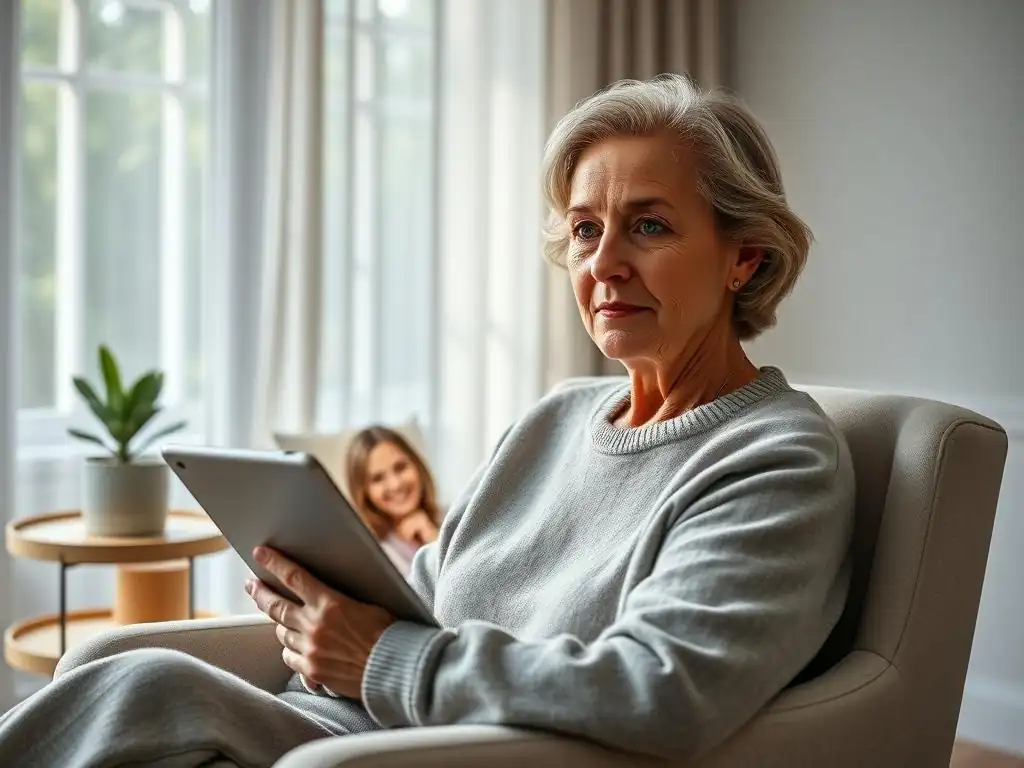
Accessing traditional in-person therapy can be a significant hurdle for caregivers due to time constraints, transportation issues, and the difficulty of finding someone to cover caregiving duties during appointments. Online therapy platforms like Amwell remove many of these barriers, offering professional mental health support from the comfort and convenience of home. Caregivers can schedule video or phone sessions at times that work best for them, often including evenings or weekends, without the need for travel or arranging extensive respite care.
Online therapy can also be more affordable than traditional therapy, depending on insurance coverage and the platform's pricing structure. Many platforms offer various subscription plans or per-session rates that may be more budget-friendly. Furthermore, online therapy expands access to a wider pool of licensed therapists, allowing caregivers to find a provider who specializes in issues relevant to caregiving stress, depression, anxiety, or grief, regardless of geographic location. This ease of access to professional guidance is a critical piece of caregiver mental health resources support.
Comparing Online Therapy Platforms: Talkspace vs. BetterHelp vs. Amwell
Several prominent online therapy platforms are available, each with slightly different models. Talkspace often emphasizes asynchronous messaging, allowing users to send text, audio, or video messages to their therapist anytime and receive responses daily (five days a week, depending on the plan), in addition to live sessions. BetterHelp primarily uses live video, phone, or chat sessions and matches users with a therapist based on their needs. It operates on a subscription model, offering weekly sessions.
Amwell (formerly American Well) focuses more on scheduled live video visits with licensed therapists, psychologists, and psychiatrists, similar to a traditional appointment but conducted remotely. Amwell also offers urgent care and medical visits, providing a broader telehealth service. For caregivers seeking scheduled, face-to-face interaction with a therapist via video, Amwell's model can feel very similar to in-person therapy. Pricing structures vary, but Amwell sessions might be priced per visit, potentially appealing to those who don't need weekly sessions. Comparing these options helps caregivers find the right fit for their needs for professional caregiver mental health resources support.
What to Expect from Online Therapy: Finding the Right Therapist and Treatment Plan
Beginning online therapy typically involves completing an initial assessment about your mental health history, current symptoms, and goals for therapy. The platform then matches you with a therapist who fits your needs and preferences, though you can usually request a different therapist if the match doesn't feel right. The first few sessions are often used to build rapport, delve deeper into your challenges as a caregiver, and establish therapeutic goals.
Therapists on platforms like Amwell are licensed professionals who use evidence-based therapeutic approaches such as Cognitive Behavioral Therapy (CBT), Dialectical Behavior Therapy (DBT), or psychodynamic therapy. The specific treatment plan will be tailored to the caregiver's individual issues, whether it's managing stress, coping with grief, addressing feelings of guilt, or developing better self-care strategies. Finding a therapist who understands the unique pressures of caregiving is key to a successful therapeutic experience and effective caregiver mental health resources support.
Option 7: Home Instead Senior Care – Providing Temporary Relief for Caregivers
Understanding Respite Care: Types and Benefits
Respite care provides temporary relief for primary caregivers, allowing them to take a break from the demanding responsibilities of caregiving. This break is crucial for preventing burnout and maintaining their own physical and mental health. Respite care can take various forms: in-home care where a professional caregiver comes to the home for a few hours or days; adult day centers that provide supervised activities in a community setting; and short-term stays in assisted living facilities or nursing homes.
The benefits of respite care are numerous. It allows the primary caregiver time to rest, pursue hobbies, spend time with other family members or friends, attend appointments, or simply have personal time. For the person receiving care, it can provide opportunities for new social interactions and activities. Importantly, respite care helps maintain the caregiver's capacity to provide care long-term, reducing the likelihood of needing more permanent, institutional care later on. Access to respite is a vital form of practical caregiver mental health resources support.
Finding Respite Care Services: Resources and Options
Finding reliable respite care requires research and planning. Organizations like Home Instead Senior Care are examples of agencies that provide in-home respite services, offering trained caregivers who can step in for planned periods. Other resources include local Area Agencies on Aging, non-profit organizations focused on specific conditions (like Alzheimer's Association or Parkinson's Foundation), and online databases like the ARCH National Respite Network and Resource Center.
When seeking respite care, it's important to vet providers, check credentials, ask for references, and ensure they are a good match for the needs and personality of the person receiving care. Discussing the individual's routine, preferences, and any specific medical needs is essential. While finding and funding respite care can sometimes be challenging, exploring local programs, grants, or insurance options is worthwhile, as this form of practical support is indispensable for protecting caregiver mental health resources support.
The Importance of Respite Care for Preventing Burnout and Maintaining Wellbeing
Caregiver burnout is a state of physical, emotional, and mental exhaustion that can occur when a caregiver doesn't get the help they need and tries to do more than they are able, physically or financially. Symptoms include withdrawal from friends and family, loss of interest in activities, changes in appetite or sleep, feelings of hopelessness, and increased irritability. Respite care is one of the most effective strategies for preventing burnout.
By providing scheduled breaks, respite care allows caregivers to recharge their batteries, reduce stress, and maintain their own identity outside of their caregiving role. It reinforces the understanding that their wellbeing is important and necessary. Regular, planned respite, even if just for a few hours a week, can significantly improve a caregiver's mood, energy levels, and overall resilience, ensuring they can continue providing care sustainably without sacrificing their own health. It's a critical component of comprehensive caregiver mental health resources support.
Creating a Self-Care Routine for Caregivers: Integrating Resources & Gifts
Building a Sustainable Self-Care Plan: Prioritizing Mental and Physical Health
Building a sustainable self-care plan is essential for caregivers, requiring intentional effort and flexibility. It involves proactively scheduling time for activities that nourish both mental and physical health, rather than only reacting when symptoms of stress or burnout appear. A sustainable plan acknowledges the unpredictable nature of caregiving but aims to integrate small, consistent practices that provide ongoing support. Prioritizing self-care means recognizing it as a fundamental part of the caregiving role, not an optional add-on.
This plan should include elements that address physical needs (sleep, nutrition, exercise) and mental/emotional needs (stress reduction, emotional processing, social connection, seeking help). It's about setting realistic goals and being adaptable. For example, if a long workout isn't possible, a 15-minute walk counts. If an hour of meditation is too much, three minutes of deep breathing is a start. The resources and gifts discussed – from meditation apps and weighted blankets to journals and access to therapy or respite – can all be integrated into this plan, forming a robust system of caregiver mental health resources support.
Simple Self-Care Activities for Caregivers: Short Practices for Daily Wellbeing
Even with limited time, caregivers can incorporate simple self-care activities into their daily routines. These short practices can provide momentary relief and build resilience over time. Examples include:
- Mindful Breathing: Taking 3-5 deep breaths, focusing only on the sensation of air entering and leaving the body.
- Short Meditation: Using an app like Headspace or Calm for a 3-5 minute guided session.
- Gratitude Moment: Pausing to think of one thing you are grateful for.
- Gentle Stretching: Doing a few simple stretches to release physical tension.
- Listening to Calming Music: Playing soothing music for a few minutes while doing a task.
- Stepping Outside: Spending 5 minutes outdoors to get fresh air and sunlight.
- Quick Journal Entry: Writing down one thought or feeling in a journal.
These small acts, consistently applied, can make a significant difference in managing stress and maintaining emotional balance. They demonstrate that self-care doesn't have to be time-consuming to be effective and are practical ways to utilize caregiver mental health resources support tools.
Avoiding Caregiver Burnout: Recognizing Warning Signs and Seeking Help
Recognizing the warning signs of caregiver burnout is crucial for intervening before it reaches a crisis point. These signs can include chronic fatigue, irritability, withdrawal from social activities, loss of interest in hobbies, changes in appetite or weight, difficulty concentrating, feelings of resentment, increased illness, and excessive worry or sadness. Ignoring these signs only exacerbates the problem.
Seeking help is a sign of strength, not weakness. Help can come in many forms: talking to a trusted friend or family member, joining a caregiver support group (online or in-person), consulting a therapist or counselor (online therapy like Amwell offers accessible options), utilizing respite care services (like those from Home Instead Senior Care or other providers), or talking to a doctor about physical symptoms related to stress. Proactively seeking caregiver mental health resources support is the most effective way to prevent burnout and ensure long-term wellbeing for both the caregiver and the person they care for.
Conclusion: Investing in Caregiver Mental Health for a Sustainable Future
The Long-Term Benefits of Prioritizing Caregiver Wellbeing
Investing in the mental health and wellbeing of caregivers yields significant long-term benefits. For the caregiver, it leads to improved physical health, greater emotional resilience, reduced risk of depression and anxiety, and a higher overall quality of life. It allows them to maintain their own identity and connections, preventing the isolation that often accompanies intensive caregiving. Prioritizing their needs empowers them to continue providing care without sacrificing their own health on the altar of duty.
For the person receiving care, having a well-supported caregiver means receiving care that is more patient, consistent, and compassionate. A caregiver who is not experiencing burnout is better able to manage challenging behaviors, respond effectively to needs, and create a positive environment. Ultimately, investing in caregiver mental health resources support contributes to more sustainable caregiving arrangements, allowing individuals to remain in their homes and communities for longer, while ensuring the wellbeing of those who tirelessly support them.
Final Recommendations for Mental Health Gifts & Resources for Caregiver Support
Providing meaningful caregiver mental health resources support involves offering tools that promote relaxation, self-reflection, professional help, and practical relief. Gifts like subscriptions to mindfulness apps such as Headspace or Calm offer daily access to stress reduction techniques. A high-quality weighted blanket can provide physical comfort and improve sleep. An aromatherapy diffuser with calming essential oils creates a soothing home environment. A structured journal encourages emotional processing and gratitude. Access to online therapy through platforms like Amwell offers essential professional guidance. And perhaps most importantly, arranging and funding respite care provides invaluable physical and mental breaks.
These resources, whether given as thoughtful gifts or accessed through community programs, are more than just items; they are investments in a caregiver's capacity to cope, to find moments of peace, and to sustain their vital role. Supporting caregiver mental health is not only compassionate but fundamentally necessary for the wellbeing of families and communities. By providing access to effective caregiver mental health resources support, we honor their dedication and help ensure a healthier future for everyone involved.
Frequently Asked Questions
What are some examples of mental health focused gifts caregivers might appreciate?
Gifts that promote self-care and stress reduction are ideal. Examples include mindfulness apps, massage gift certificates, or subscriptions to meal delivery services to ease their burden.
Why is it important to prioritize caregiver mental health?
Caregivers often experience high levels of stress and burnout. Neglecting their mental health can impact their ability to effectively care for others and themselves.
Where can caregivers find mental health resources and support specifically designed for their needs?
"Mind Care Guide" and similar websites offer comprehensive information, support groups, and directories of mental health professionals specializing in caregiver support.
How can family members and friends best support a caregiver's mental well-being?
Offer practical assistance with caregiving tasks, encourage them to take breaks, and actively listen to their concerns without judgment. Emotional support is crucial.
What role do mental health focused gifts play in supporting caregiver resilience?
Thoughtful gifts can serve as reminders to prioritize self-care, reduce stress, and foster a sense of well-being, ultimately boosting their resilience in the face of challenges.
Final Reflection: Cultivating Resilience in the Face of Caregiving
The emotional toll of caregiving is often underestimated, yet its impact on mental health is undeniable. The resources and tools highlighted in this article are not merely suggestions; they are vital lifelines for caregivers navigating the complex and demanding landscape of care. Ignoring the mental well-being of caregivers is not only unfair but also ultimately detrimental to the quality of care provided.
The journey of caregiving profoundly shapes the caregiver's identity and resilience. It's a testament to the human spirit's capacity for love and sacrifice, yet it demands constant attention to self-preservation. The ongoing struggle for balance between providing care and maintaining one's own mental health is a universal experience, echoing the sentiment expressed by Caregiving is a marathon, not a sprint, and pacing yourself is crucial.
This quote underscores the importance of prioritizing self-care, not as a luxury, but as a necessity for sustained well-being.
You, the reader, are now equipped with a range of resources to support your own mental health journey, or to share with those you know who are navigating the challenges of caregiving. Take a moment to reflect on your own well-being. What steps can you take today to prioritize your mental health? What resources resonate most with you? Remember, seeking support is a sign of strength, not weakness. Embrace the tools available, and build a resilient foundation for your own journey of caregiving.
Ignite Your Support Network: Take Action for Better Mental Wellbeing
Thanks for investing your time in learning about resources and tools to support your loved ones and build your own resilience. We hope you found practical strategies to navigate the challenges of caregiving. Now, let's put that knowledge into action!
- Prioritize self-care: Schedule a relaxing activity just for you this week – whether it’s a long bath, a nature walk, or simply reading a book. This is crucial for maintaining your own wellbeing.
- Share this guide: Let’s amplify the message of support and resilience. Share this article with another caregiver who might find it helpful – they're not alone in this journey.
- Explore additional resources: Consider joining a local support group or exploring online forums dedicated to caregivers. Connecting with others can be incredibly powerful.
What small step will you take today to nurture both yourself and the ones you care for?