
The Science Behind Why Certain Gifts Help Reduce Anxiety


Welcome to Mind Care Guide, a sanctuary for your mental well-being. Feeling overwhelmed by anxiety? You're not alone. But what if something as simple as a thoughtful gift could offer a glimmer of relief? Dive into our latest article, "The Science Behind Why Certain Gifts Help Reduce Anxiety," and discover the surprising ways gifts reduce anxiety science has revealed – and how you can leverage this knowledge for yourself or a loved one. Let's explore this together and unlock pathways to calmer, more centered living...
The Science Behind Why Certain Gifts Help Reduce Anxiety: Mind Care Guide
- Understanding Anxiety and the Role of Gifts in Anxiety Reduction
- The Science of Gift-Giving and Anxiety Relief: How It Works
-
Specific Gifts and the Science Behind Their Anxiety-Reducing Properties
- Weighted Blankets: The Science of Deep Pressure Stimulation
- Aromatherapy Diffusers and Essential Oils: Harnessing the Power of Scent
- Mindfulness Meditation Kits: Promoting Present Moment Awareness
- Adult Coloring Books and Art Therapy Supplies: Creative Outlets for Stress Relief
- Fidget Toys and Sensory Tools: Managing Anxiety Through Tactile Stimulation
- Choosing the Right Gift: Tailoring to Individual Needs and Preferences
- Beyond the Gift: Creating a Supportive Environment for Anxiety Management
- Conclusion: Gifts as Tools, Not Cures, for Anxiety Relief
-
Frequently Asked Questions
- What types of gifts are most likely to reduce anxiety, according to research?
- How does the act of receiving a gift impact anxiety levels?
- Is there scientific evidence that giving gifts can also help reduce anxiety?
- Can the timing of a gift impact its effectiveness in reducing anxiety?
- Are there any potential downsides to using gifts as a strategy for anxiety reduction?
- Final Reflection: The Gifting Equation for a Calmer Mind
- Unwind Your Worries: Practical Steps to a Calmer You
Understanding Anxiety and the Role of Gifts in Anxiety Reduction
What is Anxiety? A Brief Overview for Mind Care
Anxiety is a natural human response to stress, characterized by feelings of worry, nervousness, or unease. While occasional anxiety is a normal part of life, persistent or excessive anxiety can develop into an anxiety disorder, impacting daily functioning and overall well-being. These disorders, such as generalized anxiety disorder (GAD), panic disorder, and social anxiety disorder, are among the most common mental health conditions worldwide, affecting millions of people.
Understanding anxiety involves recognizing its multifaceted nature – it manifests physically through symptoms like rapid heartbeat, sweating, and muscle tension, and psychologically through racing thoughts, difficulty concentrating, and a sense of impending doom. For those navigating these challenges, finding effective ways to manage symptoms is crucial. While professional support is vital, the role of external factors, including supportive gestures and thoughtful gifts, in providing comfort and reducing the intensity of anxious feelings is increasingly recognized.
Why Medication and Therapy Aren't Always Enough
Medication and therapy, such as Cognitive Behavioral Therapy (CBT) or Exposure Therapy, are cornerstone treatments for anxiety disorders and are highly effective for many individuals. However, recovery is often a journey, and these clinical interventions don't always address every aspect of the anxiety experience. They provide coping mechanisms and biochemical support, but they may not fully alleviate feelings of isolation, lack of support, or the daily physical discomfort that anxiety can bring.
Moreover, access to therapy and medication can be limited by cost, availability, or personal preference. Even when accessible, there are moments between sessions or during particularly stressful periods where additional layers of comfort and support are needed. This is where complementary strategies, including the thoughtful act of giving and receiving gifts designed with well-being in mind, can play a supportive role alongside professional treatment plans, offering tangible comfort and emotional reassurance.
The Potential of Thoughtful Gifts in Alleviating Anxiety Symptoms
Thoughtful gifts possess a unique power to communicate care, understanding, and support, which can be incredibly validating for someone experiencing anxiety. The act of receiving a gift specifically chosen to help manage symptoms sends a powerful message: "I see your struggle, and I want to help." This recognition alone can reduce feelings of being misunderstood or alone in their experience.
When considering how gifts reduce anxiety, science points to the psychological impact of feeling supported and loved. A gift tailored to comfort or distract from anxious thoughts provides a tangible tool for self-soothing. Whether it's an item that promotes relaxation, encourages mindfulness, or simply offers a comforting physical sensation, these gifts reduce anxiety by offering immediate, accessible relief and reinforcing the recipient's support network, complementing broader anxiety management strategies.
The Science of Gift-Giving and Anxiety Relief: How It Works
Neurological Basis: How Gifts Activate Reward Centers in the Brain
The simple act of receiving a gift, especially one perceived as thoughtful or valuable (emotionally or practically), triggers activity in the brain's reward centers. These areas, including the ventral striatum and medial prefrontal cortex, are associated with pleasure and positive emotions. This neurological response is part of the broader science of how positive social interactions and gestures of kindness can impact mood and stress levels.
This activation isn't just fleeting; it can contribute to a more positive emotional state, which is inherently antagonistic to the state of heightened alert characteristic of anxiety. The expectation and surprise associated with receiving a gift further amplify this effect, demonstrating how gifts reduce anxiety science can be linked to fundamental brain chemistry and reward pathways, offering a brief but significant respite from anxious rumination.
Dopamine Release and its Anxiety-Reducing Effects
A key player in the brain's reward system is dopamine, a neurotransmitter associated with pleasure, motivation, and reward. When someone receives a thoughtful gift, dopamine levels can increase, contributing to feelings of happiness and satisfaction. This release of dopamine can temporarily counteract the neurochemical imbalances sometimes associated with anxiety and depression, which can involve dysregulation in mood-related neurotransmitters.
While not a cure, this boost in positive neurochemicals can help shift the brain's state away from anxiety. The feel-good effect of dopamine provides a moment of relief, making the recipient feel more positive and less overwhelmed by their anxious thoughts. This is a fundamental aspect of the gifts reduce anxiety science connection – leveraging positive emotional responses to mitigate negative ones.
The Role of Oxytocin (the "Love Hormone") in Social Bonding and Stress Reduction
Beyond dopamine, receiving a gift, especially from a loved one, can also stimulate the release of oxytocin. Often called the "love hormone," oxytocin is crucial for social bonding, trust, and feelings of connection. It has been shown to reduce cortisol levels (the primary stress hormone) and promote feelings of calm and security.
The release of oxytocin triggered by a thoughtful gift reinforces social connections, reminding the recipient that they are cared for and supported. This sense of belonging and security is a powerful antidote to the feelings of isolation that often accompany anxiety. The presence of oxytocin helps buffer the physiological stress response, illustrating another way the science behind gifts reduce anxiety involves complex interactions of neurochemicals influencing both emotional and physiological states.
Psychological Mechanisms: Why Thoughtful Gifts Matter
The psychological impact of a thoughtful gift extends far beyond the immediate neurological response. It taps into deeper human needs for connection, validation, and security. A gift chosen with genuine understanding of the recipient's struggles with anxiety communicates empathy and acceptance, which are crucial for psychological well-being.
This psychological lift is not trivial; it directly counters the negative self-talk and feelings of inadequacy that often fuel anxiety. By providing comfort, distraction, or practical help, these items serve as tangible symbols of support. Understanding the psychological mechanisms is key to appreciating the full scope of how gifts reduce anxiety science intersects with human emotion and social dynamics.
Reduced Feelings of Isolation and Loneliness
Anxiety often leads to social withdrawal, exacerbating feelings of isolation and loneliness. Receiving a gift specifically intended to provide comfort or support counters this by reaffirming social bonds. It's a concrete reminder that the person is not alone in their struggle and that others care deeply about their well-being.
This sense of connection is vital. Research consistently shows that strong social support networks are protective factors against stress and anxiety. A thoughtful gift acts as a physical representation of that network, helping to alleviate the heavy burden of feeling isolated with one's anxiety, thereby contributing significantly to psychological relief.
Increased Feelings of Security and Support
Knowing that someone has taken the time and effort to select a gift aimed at helping manage anxiety fosters a powerful sense of security and being supported. This feeling of being cared for can act as an emotional anchor during turbulent times, providing a sense of stability amidst the unpredictability of anxious episodes.
The gift itself, if it's a tool for comfort or relaxation, can also become a source of security – something tangible to turn to when anxiety is high. This dual sense of security, both emotional (from the giver) and physical (from the item), is a significant psychological benefit that contributes to the overall potential of gifts reduce anxiety.
Enhanced Self-Esteem and Confidence
Anxiety can severely erode self-esteem, making individuals feel inadequate or like a burden. Receiving a thoughtful gift can help counteract these negative feelings. It demonstrates that the person is valued and worthy of care and attention, irrespective of their struggles with anxiety.
This validation can provide a much-needed boost to self-esteem. Furthermore, if the gift is a tool that helps manage symptoms (like a mindfulness journal or a sensory item), successfully using it can build confidence in one's ability to cope with anxiety. This empowerment is a critical psychological outcome linked to the science behind why certain gifts reduce anxiety.
Specific Gifts and the Science Behind Their Anxiety-Reducing Properties
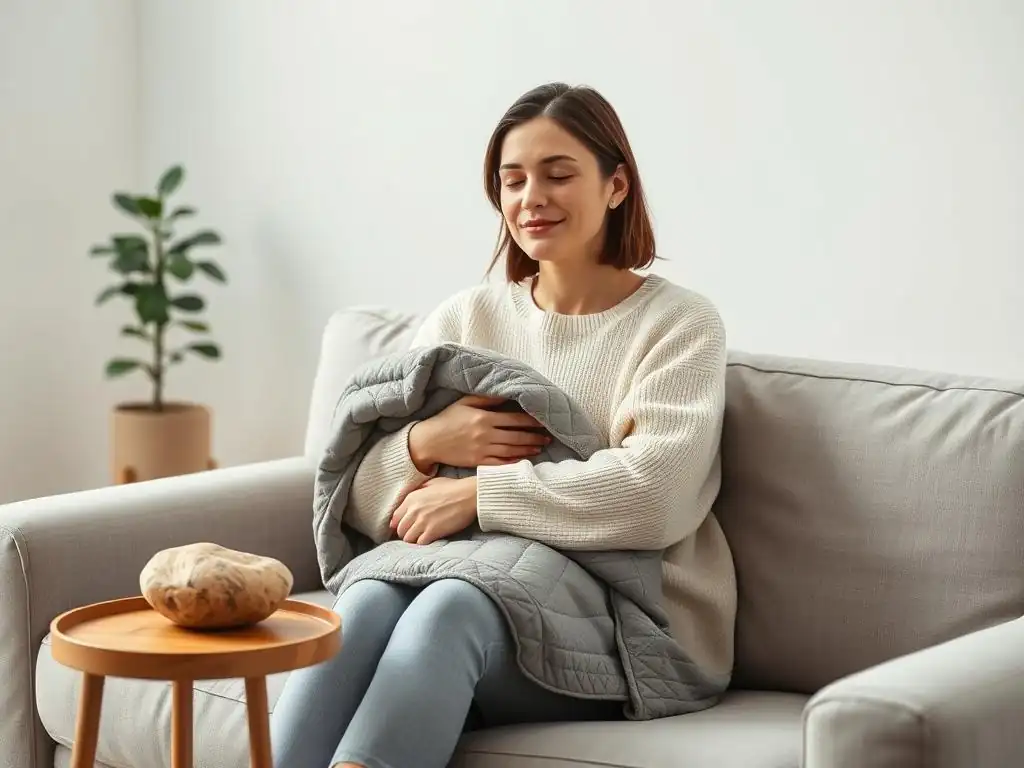
Weighted Blankets: The Science of Deep Pressure Stimulation
Weighted blankets have gained significant popularity as tools for anxiety relief, and their effectiveness is backed by the science of deep pressure stimulation (DPS). DPS is a technique that applies gentle, firm pressure to the body, similar to a hug or swaddling. This pressure is believed to activate the parasympathetic nervous system, which is responsible for the body's "rest and digest" state, in contrast to the sympathetic nervous system, which drives the "fight or flight" response associated with anxiety.
Studies and anecdotal evidence suggest that DPS can help reduce physiological signs of stress, such as heart rate and blood pressure. The sensation of being enveloped by a weighted blanket can create a feeling of safety and containment, which is particularly comforting for individuals experiencing heightened anxiety or sensory processing sensitivities. This tangible application of gifts reduce anxiety science provides a physical means of promoting calm.
How Weighted Blankets Mimic the Feeling of a Hug
The weight distributed across the body by a weighted blanket mimics the feeling of a firm, comforting hug or being held. This type of pressure is often used in therapeutic settings, such as occupational therapy, to help calm the nervous system. The deep pressure stimulates receptors in the skin and muscles, sending signals to the brain that promote relaxation and reduce arousal.
This physical sensation triggers a calming response, similar to how infants are soothed by being swaddled or held closely. For adults with anxiety, this can translate into reduced restlessness and a greater sense of groundedness. The ability of a weighted blanket to replicate this instinctual comfort response is a key scientific principle behind its potential to alleviate anxiety symptoms.
Benefits of Deep Pressure Stimulation for Anxiety and Insomnia
Research on the benefits of DPS for anxiety and insomnia, often using weighted blankets as a tool, shows promising results. For example, a study published in the Journal of Alternative and Complementary Medicine found that using a weighted blanket reduced anxiety in adults. Another small study indicated that DPS helped reduce physiological signs of stress, like pulse rate.
Beyond anxiety, weighted blankets are also explored for their potential to improve sleep quality, which is often poor in individuals with anxiety. The calming effect of DPS can make it easier to fall asleep and stay asleep, addressing a common co-occurring symptom. The science behind how gifts reduce anxiety often intersects with promoting better sleep hygiene.
Aromatherapy Diffusers and Essential Oils: Harnessing the Power of Scent
Aromatherapy utilizes the therapeutic properties of essential oils to promote physical and psychological well-being. When essential oils are diffused into the air or applied topically (diluted), their aromatic compounds are inhaled or absorbed, interacting with the body's systems. The sense of smell is unique because it is directly linked to the limbic system, the brain's emotional center.
This direct pathway allows scents to have a rapid and profound impact on mood and emotions. For someone with anxiety, specific aromas can trigger relaxation responses, reduce stress hormones, and promote feelings of calm. The use of aromatherapy diffusers and essential oils represents a sensory approach rooted in the science of how olfactory stimuli can influence brain activity and emotional states.
The Link Between Olfactory Stimuli and the Limbic System (Emotional Center)
Inhaling aromatic molecules sends signals directly to the olfactory bulb, which is part of the limbic system. This system includes the amygdala (involved in processing fear and anxiety) and the hippocampus (involved in memory and emotion). Because of this direct connection, scents can bypass conscious thought processes and evoke immediate emotional responses or memories.
This physiological link explains why certain smells can be instantly calming or uplifting. By introducing specific essential oils known for their relaxing properties, aromatherapy aims to positively influence the activity within the limbic system, helping to downregulate the stress response and promote a state of tranquility. This direct neurological pathway is central to the gifts reduce anxiety science related to scent.
Recommended Essential Oils for Anxiety: Lavender, Chamomile, Ylang-Ylang
Several essential oils have been traditionally used and studied for their anxiolytic (anxiety-reducing) properties. Lavender is perhaps the most well-known, with numerous studies suggesting its effectiveness in reducing anxiety and improving sleep quality. Compounds in lavender, like linalool, are thought to interact with neurotransmitter systems, including GABA, which helps calm nervous activity.
Chamomile is another widely recommended oil, often used for its soothing and sedative effects. Ylang-Ylang is also noted for its ability to reduce stress and promote relaxation, potentially by lowering heart rate and blood pressure. Offering a diffuser with a selection of these oils provides a scientifically-supported tool for managing anxiety through the power of olfaction.
Mindfulness Meditation Kits: Promoting Present Moment Awareness
Mindfulness meditation is a practice that involves focusing one's attention on the present moment without judgment. Regular mindfulness practice has been shown through neuroscience research to alter brain structure and function in ways that can significantly reduce anxiety. It helps to weaken the neural pathways associated with the "default mode network," which is often overactive in anxious individuals and linked to mind-wandering and worrying about the past or future.
By strengthening areas like the prefrontal cortex (involved in executive control and attention) and reducing activity in the amygdala (the fear center), mindfulness helps individuals become less reactive to anxious thoughts and feelings. A mindfulness meditation kit provides resources to support this practice, offering tangible aids for developing this crucial coping skill. The science behind how these gifts reduce anxiety involves neuroplasticity – the brain's ability to change and adapt.
How Mindfulness Meditation Rewires the Brain to Reduce Anxiety
Studies using fMRI scans have shown that consistent mindfulness meditation practice leads to observable changes in brain regions associated with anxiety and stress. For example, research from institutions like Harvard University has indicated that meditation can lead to a decrease in the volume of the amygdala and an increase in the density of gray matter in areas related to learning, memory, and emotion regulation, such as the hippocampus and prefrontal cortex.
This "rewiring" makes the brain less prone to getting stuck in worry loops and better equipped to handle stressful situations. It enhances the ability to observe thoughts and feelings without being overwhelmed by them, creating psychological distance from anxiety. This is a core component of the gifts reduce anxiety science when focusing on tools that support cognitive and emotional regulation.
Components of a Mindfulness Meditation Kit: Cushion, Guided Meditations, Journal
A typical mindfulness meditation kit might include items designed to make the practice more accessible and comfortable. A meditation cushion or bench can improve posture and comfort during seated meditation, allowing for longer, more focused sessions. Guided meditations, often provided via audio or links to apps, offer structure and instruction, which is particularly helpful for beginners.
A journal can be included for reflective writing after meditation, helping individuals process thoughts and emotions that arise. Some kits might also include items like incense, mala beads, or soothing teas to enhance the sensory experience and create a calming ritual. These components collectively support the development of a regular mindfulness practice, leveraging the science-backed benefits of present moment awareness for anxiety reduction.
Studies Showing the Effectiveness of Mindfulness Meditation for Anxiety
Numerous studies have demonstrated the effectiveness of mindfulness-based interventions (MBIs), such as Mindfulness-Based Stress Reduction (MBSR) and Mindfulness-Based Cognitive Therapy (MBCT), in reducing anxiety symptoms. A meta-analysis published in JAMA Internal Medicine reviewed 47 trials and found moderate evidence that MBIs improved anxiety compared to control groups.
Another study published in Health Psychology showed that even brief mindfulness meditation training could reduce self-reported anxiety. These findings provide strong scientific support for mindfulness as a tool for anxiety management. Offering a mindfulness kit provides the resources needed to engage in this evidence-based practice, making it a scientifically sound choice among gifts reduce anxiety.
Adult Coloring Books and Art Therapy Supplies: Creative Outlets for Stress Relief
Engaging in creative activities like coloring or simple art creation can be a powerful form of stress and anxiety relief. Adult coloring books, in particular, gained popularity due to their ability to promote a state similar to meditation. The repetitive, focused nature of coloring helps quiet the "thinking" part of the brain and allows the individual to become absorbed in the present moment, much like mindfulness.
Art therapy, a more formal therapeutic approach, utilizes creative expression to help individuals explore emotions, reduce stress, and improve self-awareness. While adult coloring isn't formal therapy, it taps into similar psychological benefits by providing a non-verbal outlet for stress and promoting a sense of calm and accomplishment. The science behind how these gifts reduce anxiety lies in their ability to engage the brain in a focused, non-threatening activity.
The Calming Effects of Repetitive Tasks and Creative Expression
Repetitive actions, like the back-and-forth motion of coloring or knitting, have been shown to induce a relaxed state. This is similar to the effect of mantras or repetitive movements in meditation. These actions occupy the part of the brain responsible for planning and worrying, allowing other areas associated with relaxation to become more active.
Creative expression, even in a simple form like coloring within lines, provides a sense of control and achievement. It allows for a gentle release of pent-up emotions or nervous energy without the need for verbal articulation. This combination of repetitive motion and creative engagement offers a dual pathway to calm, making art supplies thoughtful gifts reduce anxiety.
The Science Behind Art Therapy and its Benefits for Anxiety
Formal art therapy is based on the principle that the creative process of making art is therapeutic and can facilitate self-exploration and understanding. Research has shown that engaging in art creation can reduce cortisol levels, indicating a reduction in physiological stress. It provides a safe space to process difficult emotions that may be hard to express verbally.
While a coloring book isn't a substitute for art therapy, it shares the core benefit of engaging the creative process to manage stress and anxiety. The act of choosing colors, focusing on patterns, and completing a picture can provide a sense of accomplishment and distraction from anxious thoughts. The scientific understanding of art's impact on the brain and body supports the use of these materials as helpful tools.
Fidget Toys and Sensory Tools: Managing Anxiety Through Tactile Stimulation
Fidget toys and sensory tools are designed to provide tactile or sensory input that can help individuals manage restlessness, improve focus, and self-soothe during moments of anxiety. Items like stress balls, fidget spinners, textured objects, or chewable jewelry provide a physical outlet for nervous energy. This is particularly useful for individuals whose anxiety manifests physically through restlessness, nail-biting, or pacing.
The science behind their effectiveness relates to the concept of self-regulation through sensory input. Engaging the hands or mouth in a repetitive, non-distracting activity can help ground the individual in the present moment and provide a healthy way to channel excess energy that might otherwise contribute to feelings of being overwhelmed or out of control. These practical gifts reduce anxiety by offering immediate, physical coping mechanisms.
How Fidget Toys Help Redirect Nervous Energy and Improve Focus
Anxiety often comes with a surge of nervous energy that can make it difficult to sit still or concentrate. Fidget toys provide a discreet and socially acceptable way to redirect this energy. By occupying the hands with a simple, repetitive motion, the brain can better focus on the task at hand, whether it's listening in a meeting, studying, or trying to relax.
This redirection helps prevent the energy from escalating into more disruptive or anxiety-inducing behaviors. It provides a physical anchor that can help the individual stay present and manage restlessness without adding to their mental load. This practical application is a key part of the science behind how these simple gifts reduce anxiety in the moment.
The Importance of Sensory Input for Managing Anxiety Symptoms
Sensory input plays a crucial role in regulating the nervous system. For individuals with anxiety, providing appropriate sensory stimulation can be grounding and calming. Tactile input from fidget toys, the deep pressure from weighted items, or the olfactory input from essential oils are all examples of using sensory channels to influence emotional and physiological states.
Sensory tools can help interrupt the cycle of anxious thoughts by engaging a different part of the brain. They provide a point of focus outside of the internal monologue of worry. Understanding the importance of sensory regulation is vital to appreciating the science behind why a variety of sensory gifts reduce anxiety for different individuals, depending on their specific sensory needs and preferences.
Choosing the Right Gift: Tailoring to Individual Needs and Preferences
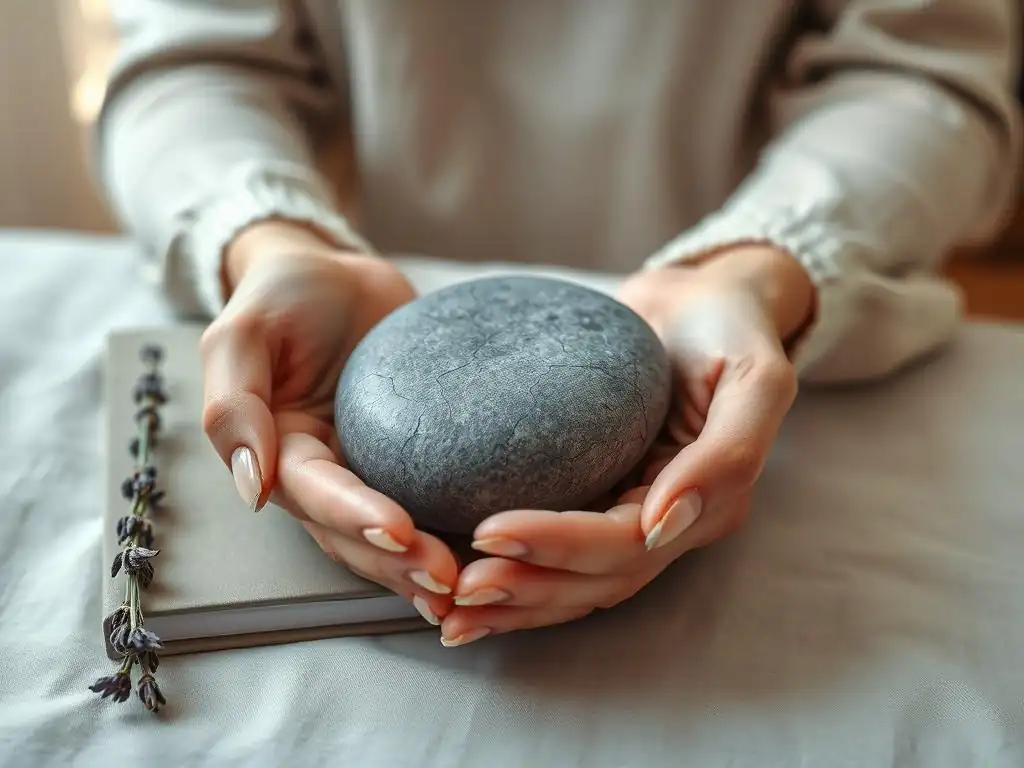
Selecting a gift to help someone manage anxiety requires thoughtfulness and personalization. What works for one person might not work for another, as anxiety manifests differently and individuals have unique preferences and sensitivities. The science of effective support emphasizes tailoring interventions to the individual.
Taking the time to consider the recipient's specific situation demonstrates genuine care, which, as discussed, is a powerful psychological component in alleviating anxiety. The act of choosing a tailored gift itself contributes to the positive impact, reinforcing the message of support. This personalized approach is key to making gifts reduce anxiety truly effective for the intended recipient.
Understanding the Recipient's Specific Anxiety Triggers
To choose the most helpful gift, it's important to have some understanding of what triggers the recipient's anxiety. For example, if they experience social anxiety, a gift that encourages quiet solo relaxation might be more appropriate than something that involves group activity. If they struggle with panic attacks, a portable sensory tool or a soothing essential oil rollerball they can use on the go could be beneficial.
Similarly, if their anxiety leads to restlessness or difficulty sleeping, a weighted blanket or a set of calming teas might be ideal. Asking (gently and empathetically) or observing their specific challenges can provide valuable insight. Understanding their unique anxiety profile allows for the selection of gifts reduce anxiety in ways that directly address their particular needs.
Considering Sensory Sensitivities and Preferences
Sensory sensitivities are common among individuals with anxiety. Some people might find certain textures, scents, or sounds overwhelming, while others find them soothing. When choosing a sensory-based gift like a weighted blanket, essential oils, or a fidget toy, consider the recipient's known preferences.
For instance, if strong smells trigger headaches, an unscented weighted item or a different type of sensory tool would be better than an aromatherapy diffuser. If they dislike heavy pressure, a lighter weighted item or a different relaxation aid might be more suitable. Respecting these sensitivities ensures the gift is a source of comfort, not discomfort, aligning with the empathetic goal of gifts reduce anxiety science in practice.
Prioritizing Quality and Durability for Long-Term Use
A gift intended to help manage a chronic condition like anxiety should be a tool that can be used reliably over time. Prioritizing quality and durability ensures the item can withstand regular use and continue to provide comfort and support when needed. A well-made weighted blanket or a high-quality essential oil diffuser will likely be more effective and appreciated in the long run than a cheap, flimsy alternative.
Investing in a durable gift also sends a message of lasting support. It shows that the giver understands anxiety is not a temporary setback but something that requires ongoing management. Providing reliable tools that can be incorporated into a daily routine makes these gifts reduce anxiety not just in the moment, but as part of a sustainable coping strategy.
Beyond the Gift: Creating a Supportive Environment for Anxiety Management
While thoughtful gifts can be valuable tools, they are most effective when part of a broader supportive environment. Managing anxiety is a multifaceted process that often requires professional help, self-care practices, and strong social connections. The gift should be seen as a complement to these foundational elements, not a replacement.
Creating an atmosphere of understanding, patience, and open communication is paramount. The most impactful support goes beyond material items to include emotional presence and practical assistance. Thinking holistically about how to support someone is essential to leveraging the full potential of any strategy aimed at helping them manage their anxiety.
Encouraging Professional Help and Therapy
It is crucial to gently encourage and support the recipient in seeking or continuing professional help, such as therapy or psychiatric care, if appropriate. While gifts reduce anxiety by providing comfort and coping mechanisms, they do not address the underlying causes or provide clinical treatment for anxiety disorders.
Framing this encouragement empathetically, focusing on their well-being and access to expert guidance, is key. Offering to help with logistics, like finding a therapist or providing transportation, can be incredibly supportive. Professional intervention provides evidence-based strategies that are vital for long-term recovery and management.
Promoting Self-Care Practices: Exercise, Healthy Diet, Sleep Hygiene
Supporting someone with anxiety also involves encouraging healthy lifestyle habits that are known to impact mental well-being. Regular physical activity, a balanced diet rich in nutrients, and consistent, quality sleep are fundamental pillars of anxiety management. These practices influence neurochemistry, reduce stress hormones, and improve overall resilience.
Gifts can sometimes support these practices – for instance, comfortable workout clothes, a healthy cookbook, or a sleep mask. However, the real support comes from encouraging and perhaps even participating in these activities together, reinforcing their importance. Promoting these habits alongside thoughtful gifts reduce anxiety more effectively by addressing both immediate comfort and foundational well-being.
Fostering Open Communication and Understanding
Perhaps the most valuable form of support is fostering open and empathetic communication. Creating a safe space where the person feels comfortable talking about their anxiety without fear of judgment is crucial. Listening actively and validating their feelings, even if you don't fully understand them, can significantly reduce their sense of isolation.
Educating yourself about anxiety can also help you respond more effectively and empathetically. Avoid platitudes or dismissive language. Simply being present and letting them know you care makes a profound difference. Combining this emotional support with thoughtful gifts reduce anxiety by addressing both the psychological need for connection and the practical need for coping tools.
Conclusion: Gifts as Tools, Not Cures, for Anxiety Relief
Understanding the science behind why certain gifts reduce anxiety reveals that their effectiveness lies in their ability to activate positive neurological responses, provide psychological comfort and support, and offer tangible tools for self-regulation. From the deep pressure of a weighted blanket stimulating the parasympathetic nervous system to the calming scents of essential oils influencing the limbic system, these items leverage scientific principles to help alleviate symptoms.
However, it is vital to approach gifts for anxiety with the understanding that they are complementary tools within a broader strategy, not standalone cures. Anxiety is a complex condition that often requires professional intervention, lifestyle changes, and a robust support system. Gifts can significantly enhance well-being and provide comfort, but they do not replace therapy or medication when needed.
The Importance of a Holistic Approach to Anxiety Management
Effective anxiety management requires a holistic approach that addresses the individual's physical, mental, and emotional needs. This includes evidence-based therapies, potential medication, regular self-care practices (exercise, nutrition, sleep), stress reduction techniques (like mindfulness), and strong social support.
Thoughtful gifts fit into this holistic picture by providing practical aids for coping, promoting relaxation, and reinforcing the individual's sense of being cared for. They can make the journey of managing anxiety feel less overwhelming and lonely, but they are one piece of a larger puzzle.
Thoughtful Gifts as a Complementary Strategy for Well-being
When chosen carefully and offered with empathy, gifts can serve as powerful complementary tools. They provide accessible ways to practice coping skills, create moments of calm, and offer sensory comfort during difficult times. The science supports their role in providing temporary relief and promoting positive emotional states that counter anxiety.
Seeing gifts reduce anxiety as part of a comprehensive well-being plan allows us to appreciate their value without placing unrealistic expectations on them. They are gestures of love and support that can genuinely make challenging days a little easier.
Final Thoughts on Using Gifts to Support Someone with Anxiety
Giving a gift to someone with anxiety is an opportunity to show you care and provide a tangible source of comfort. Focus on items that promote relaxation, mindfulness, sensory regulation, or creative expression, drawing on the scientific principles discussed. Always consider the individual's preferences and sensitivities.
More importantly, pair the gift with ongoing emotional support, open communication, and encouragement of professional help and self-care. It is this combination of practical tools and heartfelt connection that truly helps in navigating the complexities of anxiety. The science confirms that while gifts offer valuable support, the most profound impact comes from the enduring presence and understanding of supportive relationships.
Frequently Asked Questions
What types of gifts are most likely to reduce anxiety, according to research?
Studies suggest that thoughtful and personalized gifts are more effective. Gifts that promote relaxation or self-care, such as aromatherapy sets or weighted blankets, also show promise.
How does the act of receiving a gift impact anxiety levels?
Receiving a gift can trigger the release of endorphins and dopamine, which are natural mood boosters. This can lead to a temporary reduction in feelings of anxiety and stress.
Is there scientific evidence that giving gifts can also help reduce anxiety?
Yes, research indicates that altruistic acts, including giving, can activate the brain's reward system. This activation can lead to feelings of satisfaction and well-being, reducing anxiety.
Can the timing of a gift impact its effectiveness in reducing anxiety?
Gifts given during times of high stress or anxiety may have a greater impact. The act of receiving support when needed can be particularly meaningful and comforting.
Are there any potential downsides to using gifts as a strategy for anxiety reduction?
Over-reliance on gifts can create unhealthy dependencies and may not address the underlying causes of anxiety. It's important to combine gift-giving with professional help and coping mechanisms.
Final Reflection: The Gifting Equation for a Calmer Mind
The science of gift-giving's impact on anxiety isn't just a niche study; it's a powerful tool for navigating the increasingly stressful modern world. Understanding how thoughtful presents can alleviate anxiety isn't merely academic; it offers a tangible pathway to improved well-being for individuals and communities. This knowledge empowers us to make conscious choices that foster connection and reduce stress, leading to a more compassionate and supportive environment.
The exploration of this topic has profoundly impacted my understanding of human connection and its role in mental health. It's not just about the material object; it's the intention, the thoughtfulness, the act of giving itself that holds the key. The greatest gift we can give another is our presence.
– This quote highlights the core message of the article: that genuine connection, often facilitated through thoughtful gifts, is a powerful antidote to anxiety. The lasting impact of this research lies in its potential to reshape our approach to relationships and self-care.
Now, consider this: what kind of gift, informed by the science we've explored, could you give – or receive – to foster a sense of calm and connection? Perhaps it's a hand-written letter, a shared experience, or a carefully chosen item that speaks to a loved one's passions. Take a moment to reflect on the power of gifting, not just as a gesture, but as a potent tool for building resilience and reducing anxiety in your own life and the lives of those around you. Let the science of gifting guide you towards a more peaceful and connected future.
Unwind Your Worries: Practical Steps to a Calmer You
Thanks for taking the time to explore the science of stress-reducing gifts! We hope you gained valuable insights into how thoughtful presents can truly make a difference. Now it's time to put that knowledge into action.
- Give the gift (or receive!) of calm: Think about someone in your life who could benefit from a little extra tranquility. Consider a gift from the categories highlighted in the article – something that encourages relaxation and mindfulness.
- Share this knowledge: Spread the word! Share this article with friends, family, or colleagues who might appreciate learning about the power of thoughtful gifting for well-being.
- Explore your own relaxation toolkit: What simple, calming activities could you incorporate into your daily routine? Consider journaling, meditation or even listening to calming music.
What simple act of gifting – or self-care – will you implement today to cultivate more peace and quiet in your life?