
The Surprising Positive Impact of a Simple SelfCare Gift on Caregiver Stress Levels

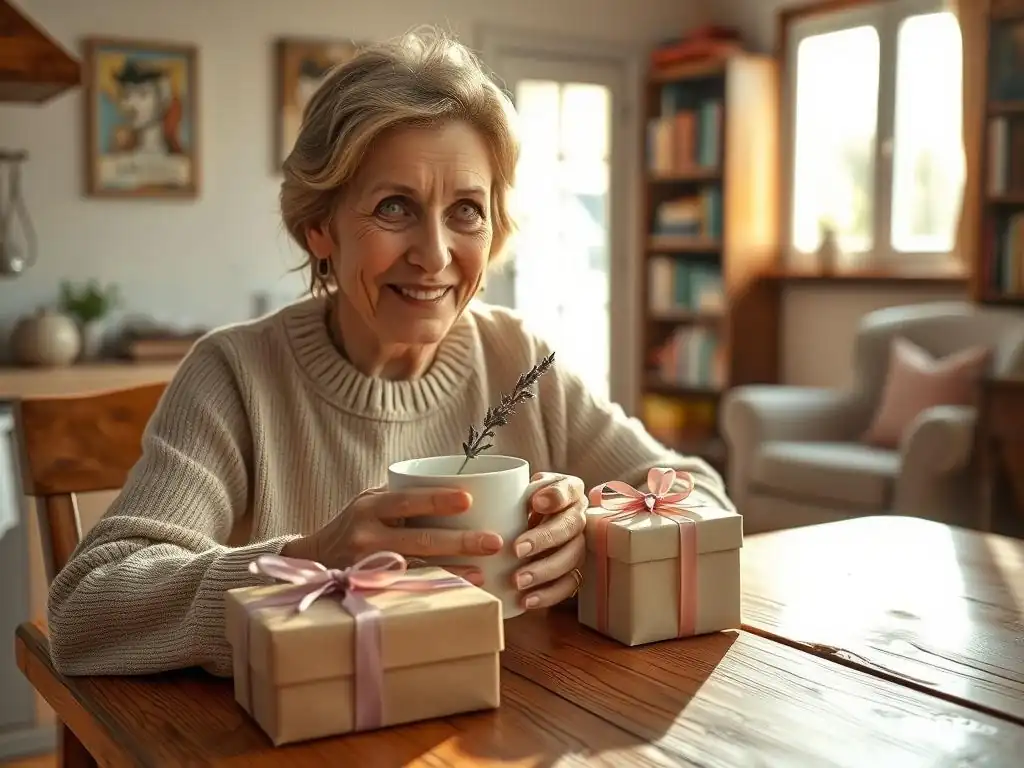
Welcome to Mind Care Guide, a space dedicated to nurturing your mental well-being.
Feeling the weight of caregiver stress? It's more common than you think, and we understand. Discover how a simple act of self-care, like a thoughtful gift, can surprisingly transform your experience. This article dives deep into how Caregiver selfcare reduces stress, offering practical insights and actionable steps to reclaim your inner peace. Curious to learn more? Let's explore the path to a calmer, healthier you.
The Positive Impact of Self-Care Gifts on Caregiver Stress
Caring for a loved one is a profound act of love and dedication, but it often comes with significant emotional and physical demands. These demands can lead to considerable stress, impacting the caregiver's own health and well-being. Recognizing and addressing this stress is crucial, and surprisingly, even a simple self-care gift can play a vital role in promoting caregiver selfcare reduces stress. This article explores how thoughtful gestures of self-care can make a tangible difference in the lives of those who give so much of themselves.
- Understanding Caregiver Stress
- Why Self-Care Reduces Stress
- The Power of Self-Care Gifts
- Self-Care Gift Ideas to Reduce Caregiver Stress
- Real-Life Examples: Self-Care Gifts and Improved Mental Health
- Choosing the Right Self-Care Gift
- Conclusion: Empowering Caregivers Through Self-Care
- Frequently Asked Questions
- Final Reflection: The Ripple Effect of Self-Care
- Unleash Your Inner Calm: Prioritize Self-Care Today!
Understanding Caregiver Stress
Caregiver stress is a state of physical, emotional, and mental exhaustion that can affect those who care for people with chronic illnesses or disabilities. It's a pervasive issue, with studies indicating that a significant percentage of caregivers experience high levels of stress. This constant pressure can erode their quality of life and negatively impact their ability to provide care effectively.
Recognizing Signs of Caregiver Burnout
Identifying caregiver burnout is the first step towards managing it. Common signs include withdrawal from friends and family, loss of interest in activities once enjoyed, changes in appetite or weight, and feelings of hopelessness or resentment. Physically, caregivers might experience frequent headaches, body aches, or increased susceptibility to illness. Mentally, they may struggle with concentration, anxiety, or depression.
Data from surveys often highlights the scale of this issue. For instance, a report might show that approximately 40-70% of family caregivers experience clinically significant symptoms of depression. This isn't just feeling sad; it's a profound impact on their mental health, often stemming directly from the relentless demands of their caregiving role and the lack of time or energy for personal needs. Recognizing these indicators is essential for intervening before stress becomes debilitating.
Furthermore, chronic stress can manifest in behavioral changes, such as increased irritability, impatience, or even anger towards the care recipient or others. A caregiver might neglect their own medical needs, skipping appointments or failing to manage existing health conditions, further compounding their health risks. Understanding these varied signs is critical for anyone looking to support a caregiver and encourage them to prioritize their own well-being.
The Link Between Lack of Self-Care and Increased Stress
There's a clear and direct relationship between insufficient self-care and escalating stress levels among caregivers. When individuals neglect their own needs – whether it's adequate sleep, healthy eating, exercise, or simply taking breaks – their physical and emotional reserves deplete rapidly. This depletion makes them less resilient to the daily challenges of caregiving, turning manageable tasks into overwhelming burdens.
Without dedicated time for rest and rejuvenation, the body remains in a constant state of alert, pumping out stress hormones. This chronic activation wears down the immune system, increases vulnerability to chronic diseases like heart disease and diabetes, and exacerbates mental health issues. A lack of self-care creates a vicious cycle where stress makes it harder to find time or energy for self-care, which in turn increases stress. Promoting caregiver selfcare reduces stress by breaking this cycle.
Why Self-Care Reduces Stress
Engaging in self-care activities is not a luxury for caregivers; it's a necessity for maintaining their health and capacity to provide care. Self-care acts as a powerful buffer against the negative effects of stress, helping to restore balance and resilience. It involves consciously taking steps to attend to one's physical, emotional, and mental health needs.
How Self-Care Lowers Cortisol Levels
Stress triggers the release of cortisol, often called the "stress hormone," from the adrenal glands. While helpful in short bursts, chronically elevated cortisol levels are detrimental to health, contributing to weight gain, impaired immune function, anxiety, and depression. Engaging in self-care activities has been shown to help regulate and lower these elevated cortisol levels.
Activities like meditation, deep breathing exercises, yoga, or even listening to calming music can activate the body's relaxation response, counteracting the stress response. Studies using salivary or blood samples have demonstrated measurable decreases in cortisol after participants engage in mindfulness practices or spend time in nature. This physiological impact underscores why promoting caregiver selfcare reduces stress not just emotionally, but biologically.
Taking time for enjoyable activities, like reading a book, pursuing a hobby, or spending time with supportive friends, also contributes to lowering cortisol. These activities provide a mental escape and a sense of control and pleasure, signaling to the brain that the perceived threat is not constant. This deliberate act of prioritizing personal well-being is a potent tool in managing the body's stress chemistry.
The Role of Self-Care in Boosting Mood
Self-care activities significantly impact mood by influencing neurotransmitter levels in the brain. Engaging in physical activity, for example, releases endorphins, natural mood boosters that can alleviate pain and create a sense of euphoria. Activities that foster a sense of accomplishment or connection, such as completing a small personal project or connecting with a support group, can increase dopamine and serotonin levels, improving overall mood and sense of well-being.
Beyond chemical changes, self-care provides a sense of agency and control in a life often dictated by the needs of others. Having dedicated time for oneself validates one's own importance and needs, counteracting feelings of being overwhelmed or invisible. This validation is crucial for combating the feelings of resentment or guilt that can accompany caregiver stress. Prioritizing caregiver selfcare reduces stress by fostering a more positive emotional state and reinforcing a sense of personal value.
The Power of Self-Care Gifts

A self-care gift is more than just a physical item; it is a powerful message of recognition, validation, and encouragement. For a caregiver who may feel isolated and overwhelmed, such a gift can be a lifeline, reminding them that they are seen, appreciated, and deserving of care themselves.
Encouraging Caregivers to Prioritize Themselves
One of the biggest hurdles for caregivers is the feeling that prioritizing their own needs is selfish or takes away from the care they provide. A self-care gift directly challenges this notion. By giving a gift explicitly intended for their relaxation or enjoyment, you are implicitly stating that their well-being is important and necessary.
This act of giving can provide the permission and encouragement a caregiver needs to step back and take a break. It validates their unspoken struggles and affirms that self-care is not a luxury but a vital component of sustainable caregiving. This external validation can be incredibly motivating, helping them overcome the internal resistance to prioritizing their own needs and thereby promoting caregiver selfcare reduces stress.
Self-Care Gifts as Reminders
In the demanding routine of caregiving, it's easy for personal needs to fall by the wayside. A self-care gift serves as a tangible, ongoing reminder to pause and take a moment for oneself. Whether it's a special mug for a quiet cup of tea, a journal for reflection, or a bath bomb signaling time for a relaxing soak, the gift itself becomes a prompt.
These reminders are essential for building self-care into a regular practice, not just a one-off event. Seeing the gift can trigger the intention to use it, gently nudging the caregiver to carve out small pockets of time for rejuvenation amidst their busy schedule. This consistent reinforcement is key to making self-care a sustainable habit that effectively helps reduce caregiver stress.
Self-Care Gift Ideas to Reduce Caregiver Stress
Choosing the right self-care gift requires some thought about the individual caregiver's preferences and circumstances. Here are some ideas that can genuinely help promote caregiver selfcare reduces stress:
- Aromatherapy Diffusers with Essential Oils
- Weighted Blankets
- Subscription Boxes Focused on Relaxation and Mindfulness
- Massage Devices
- Mindfulness Apps and Online Courses
Aromatherapy Diffusers with Essential Oils
An aromatherapy diffuser can transform a space into a calming sanctuary. Essential oils like lavender are widely known for their relaxing properties, while citrus oils can be uplifting. A simple diffuser allows a caregiver to easily incorporate soothing scents into their environment, promoting relaxation and reducing feelings of anxiety.
Using a diffuser during quiet moments or even while performing routine tasks can create a more peaceful atmosphere. The passive nature of diffusion means the caregiver doesn't have to actively do anything to benefit, making it accessible even when energy levels are low. This simple addition can significantly enhance their immediate environment and contribute to reducing caregiver stress.
Weighted Blankets
Weighted blankets provide deep pressure stimulation, which has a calming effect on the nervous system. This sensation can help reduce anxiety, improve sleep quality, and provide a sense of security. For a caregiver who struggles with restless sleep or feelings of being overwhelmed, a weighted blanket can offer significant comfort and physical relief.
Many users report feeling grounded and more relaxed when using a weighted blanket. The gentle, even pressure mimics a hug, which can lower heart rate and blood pressure. Choosing an appropriate weight (typically around 10% of the person's body weight) is key to maximizing its therapeutic benefits and aiding in sleep and relaxation, essential components of caregiver selfcare reduces stress.
Subscription Boxes Focused on Relaxation and Mindfulness
A subscription box curated around self-care, relaxation, or mindfulness provides a regular dose of encouragement and new tools for stress reduction. These boxes often contain a variety of items like teas, bath products, journals, mindfulness exercises, and small comforting items.
Receiving a new box each month or quarter can be something to look forward to, breaking the monotony of the caregiving routine. It provides a continuous reminder to prioritize self-care and offers different ways to practice it, keeping the approach fresh and engaging. This ongoing support is invaluable for sustaining efforts to reduce caregiver stress over time.
Massage Devices
Physical tension is a common symptom of caregiver stress. A handheld massager, foot spa, or neck massager can provide targeted relief for sore muscles and aches. These devices allow caregivers to address physical discomfort without needing to leave their home or schedule an appointment.
Even 10-15 minutes using a massage device can help release tension, improve circulation, and promote relaxation. It's a practical gift that directly addresses the physical toll that caregiving can take, offering immediate comfort and contributing to their overall well-being and ability to manage stress.
Mindfulness Apps and Online Courses
In the digital age, self-care resources are readily available at one's fingertips. A subscription to a popular mindfulness or meditation app (like Calm or Headspace) or access to an online course on stress management or mindfulness techniques can be incredibly beneficial.
These resources offer guided meditations, sleep stories, calming music, and practical techniques for managing stress and anxiety. They are flexible, allowing caregivers to engage whenever they have a few spare minutes, whether it's during a break or before bed. Learning mindfulness skills provides long-term tools for coping with stress and enhancing emotional resilience, directly supporting the goal that caregiver selfcare reduces stress.
Real-Life Examples: Self-Care Gifts and Improved Mental Health

Witnessing the tangible impact of self-care gifts on caregivers' mental health provides powerful evidence of their value. While individual results vary, many caregivers report significant improvements in their stress levels and overall well-being after receiving and using such gifts.
Case Study 1: Spa Day Gift Certificate
Consider the case of Sarah, a full-time caregiver for her elderly mother with dementia. Sarah rarely took time for herself, feeling guilty leaving her mother even for short periods. Her siblings noticed her increasing exhaustion and gifted her a certificate for a local spa day, including a massage and facial. Initially hesitant, Sarah's sister arranged for respite care, allowing Sarah to take the day off.
The experience was transformative. Sarah reported feeling physically lighter after the massage and emotionally refreshed after having dedicated time solely for herself. She described it as hitting a "reset button." While the one-day experience didn't erase all her stress, it provided significant relief and, more importantly, served as a powerful reminder that taking breaks was not only permissible but essential. This single gift initiated a shift in her mindset, making her more open to scheduling small, regular self-care activities going forward, proving that caregiver selfcare reduces stress when actively pursued.
Case Study 2: Mindfulness Meditation App Subscription
John cared for his partner recovering from a serious illness. He struggled with constant worry and difficulty sleeping. A friend gave him a one-year subscription to a popular mindfulness meditation app. John was skeptical at first but decided to try a few short guided meditations before bed.
Within a few weeks, John noticed a difference. He found it easier to quiet his racing thoughts and began sleeping more soundly, often gaining an extra hour of sleep per night. He started using the app's guided breathing exercises during moments of acute stress throughout the day. John shared that the app didn't eliminate his stress, but it gave him practical tools to manage his reactions to it, making him feel more in control and less overwhelmed. The consistent availability of the app served as a daily prompt for caregiver selfcare, demonstrating its effectiveness in reducing stress over time.
Choosing the Right Self-Care Gift
Selecting the perfect self-care gift requires thoughtfulness. It's not about the price tag but about the relevance and message behind the gift. A well-chosen gift shows that you understand the caregiver's challenges and genuinely want to support their well-being.
Assessing Stressors and Challenges
To choose an effective self-care gift, try to understand the specific stressors and challenges the caregiver faces. Are they physically exhausted? Struggling with sleep? Feeling isolated? Overwhelmed by anxiety? The nature of the caregiving role and the recipient's personality will offer clues.
For example, a caregiver dealing with physical strain might benefit more from a massage device or comfortable loungewear, while someone struggling with anxiety might find a mindfulness app or a journal more helpful. Asking subtle questions or observing their daily struggles can provide insights into what type of self-care would be most beneficial and appreciated. Tailoring the gift ensures it's not just a nice gesture but a truly useful tool for promoting caregiver selfcare reduces stress.
Matching the Gift to Personality and Interests
Just as important as assessing stressors is considering the caregiver's personality and interests. A gift intended for relaxation won't be used if it doesn't align with their preferences. Someone who enjoys quiet solitude might appreciate a good book or a cozy blanket, while someone more outgoing might prefer a gift certificate for a class or activity they can attend when they have a break.
Think about what brings them joy outside of their caregiving duties. Do they love baths? Are they interested in technology? Do they enjoy creative pursuits? Choosing a gift that resonates with their individual tastes makes it more likely to be used and cherished, maximizing its potential to provide comfort and support. A personal touch ensures the gift truly promotes caregiver selfcare reduces stress in a way that is meaningful to them.
Conclusion: Empowering Caregivers Through Self-Care
Caregivers are the unsung heroes of our communities, providing essential support with immense dedication. However, the toll on their own well-being is significant and often overlooked. Recognizing the prevalence and impact of caregiver stress is the first step towards supporting them effectively. Promoting caregiver selfcare reduces stress and is not a luxury but a fundamental necessity for their health, resilience, and ability to continue providing care sustainably.
Simple acts of support, like a thoughtful self-care gift, can have a surprising and profound positive impact. These gifts serve as powerful messages of validation, encouragement, and tangible reminders to prioritize personal well-being. By understanding the unique challenges caregivers face and choosing gifts that genuinely resonate with their needs and personalities, we can empower them to integrate self-care into their lives. Ultimately, supporting caregiver selfcare reduces stress not only benefits the caregiver but also enhances the quality of care they can provide, creating a ripple effect of well-being for everyone involved.
Frequently Asked Questions
What is the main focus of the article?
The article centers on how a simple self-care gift can have a surprisingly positive impact on caregiver stress levels, a critical aspect of mental well-being.
Why is caregiver self-care so important?
Caregivers often experience high levels of stress and burnout. Prioritizing self-care allows them to better manage their well-being and continue providing quality care.
What kind of self-care gifts are most effective for caregivers?
Effective gifts are those that promote relaxation, provide a break from caregiving duties, or offer a sense of personal enjoyment and rejuvenation.
How does neglecting self-care affect caregivers?
Neglecting self-care can lead to increased stress, burnout, and even mental health issues like depression or anxiety, ultimately impacting their ability to provide effective care.
Where can caregivers find additional resources and support for self-care?
Mind Care Guide offers a comprehensive range of information, support, and resources specifically designed to address the challenges and promote the mental well-being of caregivers.
Final Reflection: The Ripple Effect of Self-Care
The simple act of gifting oneself with self-care is not merely a luxury; it's a potent antidote to the pervasive stress experienced by caregivers. This article has explored the often-overlooked connection between seemingly small acts of self-care and the significant reduction in caregiver stress levels, highlighting the profound impact even minor acts of self-compassion can have. The data is clear: prioritizing self-care isn't selfish; it's essential for maintaining both physical and mental well-being, ultimately allowing caregivers to provide better care for those they love.
The ongoing influence of this simple concept is immeasurable. We live in a culture that often glorifies self-sacrifice, particularly for caregivers, leading to burnout and exhaustion. Self-care is not selfish. You cannot serve from an empty vessel.
This quote perfectly encapsulates the core message: by prioritizing our own well-being, we become better equipped to care for others. The ripple effect extends beyond the individual caregiver, impacting families, communities, and the overall quality of care provided. Ignoring this fundamental truth has far-reaching consequences, impacting not only the caregiver's health but also the quality of life for those under their care.
Consider this your invitation to actively integrate self-care into your daily routine. It doesn't require grand gestures or significant financial investment; even small, consistent acts of self-compassion – a warm bath, a quiet cup of tea, a short walk in nature – can make a world of difference. Start small, identify what truly nourishes your soul, and make it a non-negotiable part of your day.
Remember, you deserve it, and those you care for will benefit immensely from your renewed energy and well-being. Embrace the power of self-care, and witness the transformative impact it has on your life and the lives of those around you.
Unleash Your Inner Calm: Prioritize Self-Care Today!
Thanks for taking the time to explore the surprising link between self-care and reduced caregiver stress. We hope you gained valuable insights into nurturing yourself while caring for others. Now it's time to turn those insights into action!
- Prioritize one small act of self-care this week: Whether it's a long bath, a quiet cup of tea, or a short walk in nature, commit to something that truly replenishes you. This is your primary focus.
- Share this article with a fellow caregiver: Help them discover the power of self-care and reduce the burden of caregiving together.
- Explore mindful practices: Consider incorporating simple mindfulness techniques into your daily routine, such as deep breathing or meditation, to cultivate inner peace and resilience.
What small act of self-care will you commit to today, and how will it make a difference in your well-being?