
A 'Dark Age' for Mental Health? Reevaluating Medieval Care and Beliefs

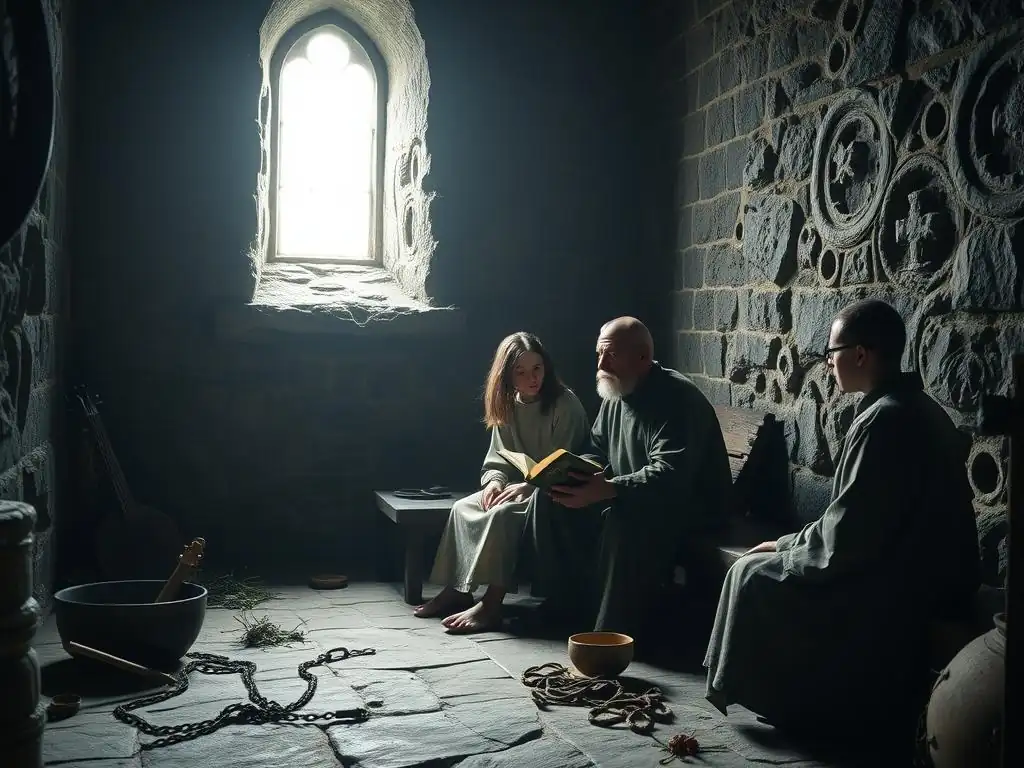
Welcome to Mind Care Guide, a space dedicated to understanding and nurturing your mental well-being. Ever wondered how mental health was perceived and treated in the past? Our latest article delves into the fascinating and often misunderstood world of Medieval mental health treatment methods. Prepare to have your assumptions challenged and your understanding broadened as we re-evaluate the care and beliefs of a period often deemed a "Dark Age" for mental health. Ready to uncover some surprising truths?
- Reevaluating Medieval Care and Beliefs: Mental Health in the Middle Ages
- Understanding Medieval Beliefs About Mental Illness
- Medieval Treatment Methods: A Detailed Examination
- Comparing Medieval and Modern Approaches
- The Role of Family and Community
- Case Studies: Individual Experiences
- The Legacy of Medieval Practices
- Conclusion: A Nuanced Perspective
-
Frequently Asked Questions
- What were some common misconceptions about mental illness during the medieval period?
- What types of treatments were actually used for mental health conditions in medieval times?
- How did the medieval understanding of the body's humors influence mental health treatment?
- Where could people with mental health issues seek help in the medieval era?
- Was there any recognition of different types of mental illnesses in medieval times?
- Final Reflection: Echoes of the Past, Lessons for the Present
- Uncover the Untold Story of Medieval Mental Health
Reevaluating Medieval Care and Beliefs: Mental Health in the Middle Ages
Dispelling Myths: Challenging the "Dark Ages" Narrative
The term "Dark Ages" often conjures images of ignorance and brutality, particularly concerning health and medicine. When applied to mental health, this narrative suggests a period devoid of understanding or compassionate care, marked solely by fear, superstition, and harsh medieval mental health treatment methods. However, historical scholarship reveals a far more complex picture.
While certainly different from modern approaches, medieval societies developed various ways of understanding and responding to mental distress, incorporating elements of faith, folk wisdom, and emerging medical theories. It is inaccurate and unfair to dismiss this entire period as simply "dark" without acknowledging the nuanced beliefs and diverse practices that existed.
Examining historical records, from medical treatises and religious texts to legal documents and personal accounts, shows a range of responses to mental afflictions. These responses varied significantly based on social class, geographic location, the perceived cause of the illness, and available resources. Rather than a monolithic "dark age," the Middle Ages presented a spectrum of beliefs and medieval mental health treatment methods, some surprisingly empathetic within their context, others undoubtedly harsh. Understanding this complexity requires moving beyond simplistic stereotypes and engaging with the historical evidence on its own terms.
Historical Perspectives on Mental Well-being
In the medieval period, the concept of mental well-being was often intertwined with spiritual and physical health. A person's mental state was seen as influenced by their relationship with God, the balance of humors within their body, and external factors like astrological alignments or environmental conditions. This holistic view meant that distress or unusual behavior was not always pathologized in the same way it might be today; it could be interpreted as a spiritual trial, a physical imbalance, or even divine inspiration, depending on the context and manifestation.
Accounts from the time reflect a recognition that individuals could experience profound emotional distress, confusion, and altered states of mind. While lacking modern diagnostic categories, medieval observers described conditions corresponding to what we might now call depression (melancholy), mania, or psychosis (frenzy, madness). These descriptions, found in medical texts like those attributed to Constantinus Africanus or in the writings of figures like Hildegard of Bingen, provide insight into how mental states were perceived and categorized, forming the basis for the medieval mental health treatment methods that were subsequently applied.
Understanding Medieval Beliefs About Mental Illness
Spiritual Explanations: Religious Interpretations
One dominant framework for understanding mental illness in the Middle Ages was spiritual. Many believed that mental afflictions could be caused by demonic possession, divine punishment for sin, or a test of faith. Unusual behavior, visions, or distress might be interpreted as signs of the devil's influence or God's displeasure. This perspective was deeply embedded in the Christian worldview that permeated medieval society and significantly shaped the medieval mental health treatment methods employed.
This spiritual understanding led to interventions focused on the soul. Exorcisms, prayers, pilgrimages to holy sites, and the veneration of relics were common responses aimed at expelling malevolent spirits or seeking divine intercession. While seemingly alien to modern, secularized approaches, these methods were considered legitimate and often the first line of defense for conditions believed to have a spiritual origin. Accounts from saints' lives or monastic chronicles frequently detail such interventions, highlighting the central role of faith in confronting mental distress.
Natural Explanations: Humoral Theory and Physical Causes
Alongside spiritual beliefs, medieval medicine heavily relied on the ancient Greek humoral theory, which posited that the body was composed of four basic fluids: blood, phlegm, yellow bile, and black bile. An imbalance in these humors was believed to cause various physical and mental ailments. For instance, an excess of black bile was thought to cause melancholy (depression), while an excess of yellow bile might lead to choleric temperaments or mania. This theory provided a naturalistic explanation for mental illness, distinct from purely spiritual causes.
Medieval physicians also recognized other physical factors that could impact the mind. Head injuries, poor diet, lack of sleep, environmental factors (like bad air), and even problems with digestion or menstruation were considered potential causes of mental disturbance. Texts like the Regimen Sanitatis Salernitanum discussed maintaining the balance of humors through diet, exercise, and other lifestyle choices, suggesting a proactive approach to mental health based on physical well-being. These physical explanations directly influenced the medieval mental health treatment methods that involved diet, herbs, and procedures like bloodletting.
The Integration of Faith and Medicine
Crucially, spiritual and naturalistic explanations for mental illness were not always mutually exclusive in the medieval mind; they often coexisted and were integrated. A person might be believed to be suffering from both a humoral imbalance and a spiritual trial. This syncretic view meant that medieval mental health treatment methods often combined elements of both approaches. A physician might prescribe herbal remedies or dietary changes while a priest simultaneously offered prayers or an exorcism.
This integration is evident in the practices within monasteries and hospitals, where both physical care and spiritual solace were provided. Monks and nuns often served as both caregivers and spiritual counselors, administering herbal poultices while also leading prayers for healing. This blended approach reflects a worldview where the physical and spiritual realms were deeply interconnected, and health, including mental health, depended on harmony in both dimensions.
Medieval Treatment Methods: A Detailed Examination
Monasteries and Hospitals: Care and Confinement
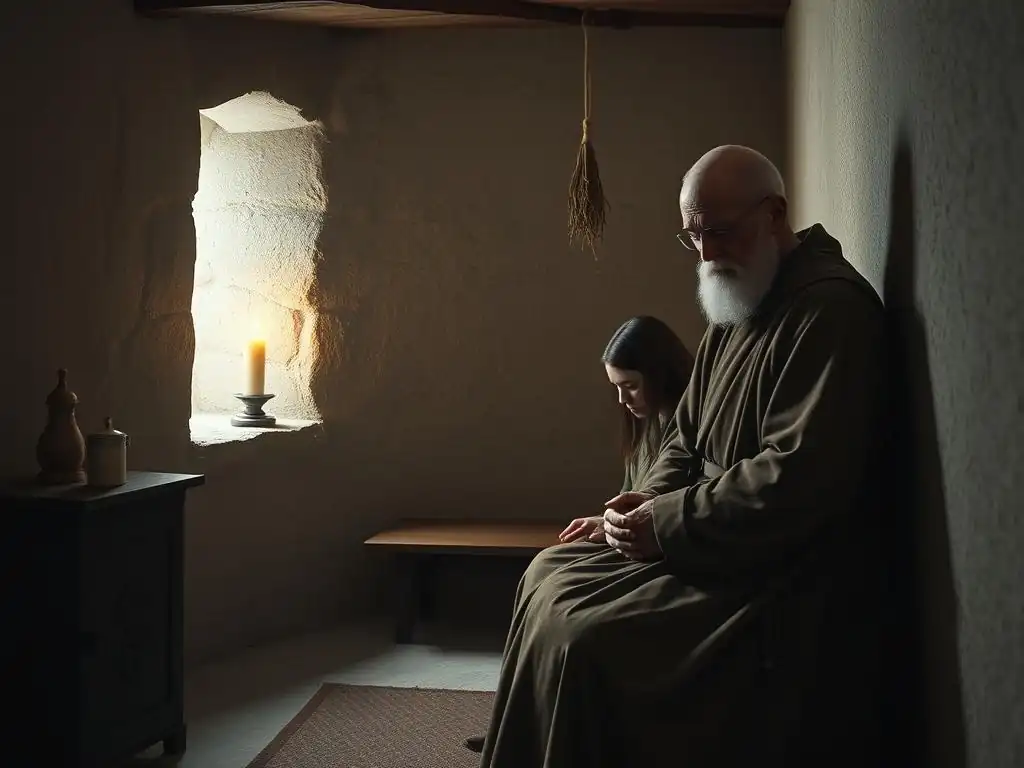
Monasteries and medieval hospitals, which were often charitable institutions rather than medical centers in the modern sense, played a significant role in providing care for the sick, poor, and travelers. Among those who found refuge in these institutions were individuals suffering from mental afflictions. While not designed specifically as psychiatric wards, they offered basic sustenance, shelter, and a degree of safety for those unable to care for themselves or whose families could not support them. The care provided was often rooted in Christian charity and hospitality.
The environment within these institutions varied. Some offered relatively gentle care, incorporating prayer, routine, and simple physical remedies.
Others, especially as mental disturbance was poorly understood or feared, might resort to confinement and restraint, particularly if the individual was perceived as dangerous or disruptive. Records from institutions like the Bethlem Royal Hospital in London (founded in 1247 as a priory, later becoming known for housing the mentally ill) show a gradual shift towards housing those with "madness," although detailed accounts of specific medieval mental health treatment methods within these early periods are scarce, often focusing more on basic custodial care.
Herbal and Traditional Remedies
Medieval practitioners, drawing on classical texts and local folk traditions, utilized a wide array of herbal and natural remedies to treat mental ailments believed to stem from physical imbalances. Plants like hellebore were used as purgatives, believed to expel excess black bile causing melancholy. Opium and mandrake were used for their sedative properties to calm agitation or induce sleep. Other remedies involved specific dietary regimens, baths, or poultices, all aimed at restoring the body's natural equilibrium.
These medieval mental health treatment methods were based on the best available medical understanding of the time, primarily the humoral theory. While lacking scientific validation by modern standards, practitioners meticulously documented the properties of various plants and their perceived effects on the body and mind in herbals and medical manuscripts. For example, the Leechbook of Bald, an Anglo-Saxon medical text from the 10th century, includes remedies for "fiend-sick" (possibly psychosis or epilepsy) involving herbs, incantations, and religious rituals, illustrating the blend of approaches.
Religious Rituals and Spiritual Interventions
For conditions attributed to spiritual causes, religious rituals were primary medieval mental health treatment methods. These included prayers, fasting, confession, communion, and participation in religious processions. Exorcisms, performed by priests, were undertaken to cast out demons believed to be afflicting the individual's mind. Pilgrimages to shrines associated with healing saints, such as the shrine of St. Dymphna (patron saint of those suffering from mental afflictions), were also common practices, offering hope for miraculous cures through divine intervention.
The use of relics was another significant spiritual intervention. Touching or being near a saint's relic was believed to confer healing power. Individuals might wear amulets containing relics or drink water that had been used to wash a relic. These practices were deeply meaningful within the medieval belief system, providing comfort, community support, and a framework for understanding and addressing mental suffering that was inseparable from one's spiritual life. These medieval mental health treatment methods highlight the pervasive influence of faith on health practices.
Comparing Medieval and Modern Approaches
Diagnostic Differences and Terminology Evolution
One of the most significant differences between medieval and modern approaches to mental health lies in diagnosis and terminology. Medieval practitioners used terms like "melancholy," "mania," "frenzy," "lunacy," or "possession," which were broad categories encompassing a range of symptoms now differentiated into specific disorders like major depressive disorder, bipolar disorder, schizophrenia, or various anxiety disorders. There was no standardized diagnostic manual like the DSM (Diagnostic and Statistical Manual of Mental Disorders); diagnoses were based on observed behaviors, perceived causes (humoral imbalance, spiritual influence), and sometimes astrological charts.
The evolution of terminology reflects a fundamental shift in understanding. "Melancholy" in the Middle Ages was a physical condition caused by black bile, not just a state of sadness, and medieval mental health treatment methods for it focused on purging this humor. "Lunacy" was linked to the phases of the moon, implying an external, cyclical influence. Modern terminology, based on extensive clinical research and neuroscience, focuses on symptom clusters, genetic predispositions, brain chemistry, and psychological factors. This difference in language underscores the vastly different conceptual frameworks governing medieval mental health treatment methods versus modern ones.
Contrasting Philosophies: Spirituality vs. Science
A core philosophical contrast is the shift from a worldview where spirituality and physical health were deeply intertwined to one dominated by scientific materialism. Medieval thought readily accepted supernatural explanations for illness and saw healing as potentially involving divine intervention or spiritual warfare. Medieval mental health treatment methods often reflected this, incorporating prayers, exorcisms, and pilgrimages alongside physical remedies. The body and soul were seen as inseparable, with afflictions of one impacting the other.
Modern psychiatry and psychology, while acknowledging the human need for meaning and connection, primarily seek explanations within the realms of biology, psychology, and social science. Treatments are based on empirically validated methods, focusing on neurochemical imbalances, cognitive distortions, behavioral patterns, and environmental stressors. While some individuals may integrate faith into their personal coping strategies, it is not typically a component of clinical diagnosis or standard treatment protocols, marking a clear divergence from the foundational beliefs that underpinned medieval mental health treatment methods.
The Shift from Bloodletting to Modern Psychopharmacology
Consider the treatment for melancholy. A common medieval practice, based on humoral theory, was bloodletting or purging (through laxatives or emetics) to remove excess black bile. While intended to restore balance, these medieval mental health treatment methods could be harmful and lacked efficacy from a modern perspective. Similarly, treatments for mania might involve physical restraint or sedatives derived from potent, potentially toxic herbs.
Contrast this with modern psychopharmacology. Medications like selective serotonin reuptake inhibitors (SSRIs) for depression or antipsychotics for psychosis target specific neurotransmitter systems in the brain, based on decades of neurobiological research. While not without side effects or limitations, these treatments represent a paradigm shift from attempting to balance abstract humors to modulating specific biochemical pathways. This evolution from practices like bloodletting to targeted drug therapies highlights the profound transformation in the understanding and medieval mental health treatment methods available across the centuries.
The Role of Family and Community
Family Support Networks
In the absence of widespread formal medical or institutional care specifically for mental health, the primary responsibility for caring for individuals with mental afflictions often fell upon their families. Families provided shelter, food, and basic care. They might seek help from local healers, priests, or more distant medical practitioners depending on their resources and beliefs about the cause of the illness. The level of care and support provided varied greatly depending on the family's capacity, economic status, and the nature of the individual's condition.
Medieval households were often extended networks, and the care of a family member with a long-term illness, including mental illness, was a shared burden. While challenging, this familial support system was the most common form of long-term care. Historical records, such as wills or manorial court documents, sometimes mention provisions made for family members deemed unable to manage their own affairs due to mental incapacity, indicating the family's central role in their welfare, even when accessing various medieval mental health treatment methods.
Community Attitudes and Involvement
Community attitudes towards individuals experiencing mental distress were diverse. In some cases, individuals were integrated into community life, supported by neighbors and local charity. They might be seen with pity, fear, or even reverence (if their altered state was interpreted as spiritual). Communities might contribute to their support, perhaps through alms or by ensuring they received basic necessities. The village or local parish often served as a crucial social safety net, albeit an informal one.
However, fear and misunderstanding could also lead to marginalization, ridicule, or even persecution. Individuals whose behavior was disruptive or perceived as threatening might be ostracized or subjected to harsh treatment, including restraint or confinement. The community's response was often influenced by local beliefs (e.g., fears of witchcraft or possession), the individual's social standing, and the resources available to the community. These attitudes significantly shaped the environment in which medieval mental health treatment methods were sought and applied.
Local Healers and Their Contributions
Beyond formal medical practitioners and clergy, local healers played a vital role in providing medieval mental health treatment methods within communities. These might include wise women, cunning folk, or village herbalists who possessed knowledge of traditional remedies and folk magic. They offered practical advice, administered herbal concoctions, and performed rituals aimed at restoring health and balance. Their practices often blended practical care with superstition and local lore.
While their methods were not based on scientific understanding, these local healers were often the most accessible and affordable option for many people, particularly in rural areas. They provided a crucial layer of support and treatment, drawing on generations of accumulated knowledge about plants and human behavior. Their contributions highlight the decentralized and varied nature of medieval mental health treatment methods available to the general population.
Case Studies: Individual Experiences

Hildegard of Bingen's Descriptions of Mental States
Hildegard of Bingen (1098-1179), a German abbess, mystic, and polymath, offered fascinating insights into mental states in her writings. In her medical text, Causae et Curae (Causes and Cures), she discussed various conditions, including those we might classify as mental or neurological. She described melancholy as linked to the "black humor" but also connected it to feelings of fear and sadness. She discussed visionary states, distinguishing between those she believed were divine in origin (like her own) and those that might be caused by physical illness or demonic influence.
Hildegard's approach integrated spiritual, humoral, and environmental factors. She prescribed medieval mental health treatment methods including dietary changes, specific herbs (like fennel for melancholy), baths, and spiritual practices. Her work is significant because it provides a detailed, albeit unique, example of how one highly intelligent and influential medieval figure understood and sought to treat conditions affecting the mind, demonstrating a complex interplay of belief systems in shaping therapeutic approaches.
Accounts of "Madness" in Medieval Legal Records
Medieval legal records, such as court rolls, coroner's inquests, and property disputes, occasionally mention individuals described as "mad," "lunatic," or "non compos mentis" (of unsound mind). These records were typically concerned with the individual's capacity to manage their affairs, make contracts, or be held responsible for crimes, rather than providing a medical diagnosis. For example, a court roll might note that a tenant is unable to manage their land because they are "mad," leading to the appointment of a guardian.
While these records don't detail medieval mental health treatment methods, they reveal the societal impact of mental illness and how communities and legal systems responded. They show instances where individuals were deemed incapable and required supervision or where their actions were excused due to their mental state. These brief mentions provide glimpses into the lives of individuals affected by serious mental health challenges and how their conditions intersected with social and legal structures, sometimes leading to confinement or loss of rights.
The experience of mental illness in the Middle Ages was heavily influenced by social context and the degree of stigma attached to specific conditions. Behaviors interpreted as divinely inspired or saintly visions might be met with respect, while disruptive or violent behavior attributed to demonic possession or inherent "madness" often resulted in fear, isolation, and harsh medieval mental health treatment methods like chaining or imprisonment. Social status also played a role; wealthy individuals might receive care from physicians and clergy, while the poor were more reliant on charity, family, or local healers.
Gender could also influence perception and treatment. Women exhibiting behaviors deemed unusual might be more readily accused of witchcraft or moral failing, leading to different forms of intervention compared to men. The social response was a complex interplay of fear, charity, religious belief, and practicality, shaping access to and the nature of medieval mental health treatment methods available to the afflicted. Stigma, while perhaps not articulated in modern terms, was a tangible barrier for many.
The Legacy of Medieval Practices
Influences on Modern Understanding
While medieval beliefs about humors or demons have been superseded by scientific understanding, some aspects of medieval approaches have subtle legacies or offer historical context for modern practices. The idea of a connection between physical health (diet, environment) and mental state persists in modern wellness approaches. The institutional care provided in monasteries and hospitals, rudimentary as it was, represents early forms of organized care for vulnerable populations, predating the specialized asylums of later centuries.
Furthermore, studying medieval mental health treatment methods highlights the enduring human need to understand and alleviate suffering. It shows how societies construct explanations and develop interventions based on their prevailing worldviews. Understanding this history provides perspective on the evolution of mental health care and reminds us that current approaches are products of their time, just as medieval ones were.
Lessons from Historical Approaches
Examining historical medieval mental health treatment methods can offer lessons, not necessarily in terms of specific techniques, but in broader principles. The medieval emphasis on community and spiritual support, while rooted in different beliefs, underscores the importance of social connection, meaning, and hope in recovery – elements recognized as vital in modern holistic care. The integration of body and mind, central to humoral theory, resonates with contemporary calls for integrated physical and mental healthcare.
However, the history also serves as a cautionary tale, illustrating the dangers of relying on scientifically unfounded theories, the potential for stigma to lead to inhumane treatment, and the harm caused by interventions based on fear or punishment. Reflecting on the limitations and harms of certain medieval mental health treatment methods reinforces the importance of evidence-based practice, ethical considerations, and compassionate care in modern mental health services.
The Evolution of Asylum Care
The medieval practice of housing the mentally afflicted in monasteries and hospitals, often alongside the poor and physically ill, represents an early step towards institutional care. Over centuries, these institutions evolved, gradually leading to the development of dedicated asylums in the early modern and modern periods. Bethlem Royal Hospital, mentioned earlier, transitioned from a general charitable institution to one primarily housing individuals with mental illness by the 15th century, foreshadowing the specialized, often large-scale, institutions that became prominent later.
While early medieval mental health treatment methods within these institutions were often custodial and focused on basic needs or spiritual guidance, the shift towards dedicated asylums brought new, though not always better, approaches. The history of asylum care, with its cycles of reform and neglect, is a direct, albeit complex, descendant of these early medieval forms of institutional housing. Understanding the rudimentary care provided in medieval settings helps contextualize the subsequent, often troubled, history of institutional mental health care.
Conclusion: A Nuanced Perspective
Moving Beyond Simplistic Narratives
The history of mental health in the Middle Ages is far from a simple "dark age" narrative. It was a period characterized by a diverse range of beliefs and practices, reflecting a society grappling with complex phenomena through the lens of faith, nascent medical theory, and folk wisdom. Medieval mental health treatment methods were varied, encompassing spiritual rituals, herbal remedies, physical interventions, and forms of institutional and familial care. These approaches were deeply embedded in the cultural and intellectual framework of the time, making them fundamentally different from modern practices.
Acknowledging this complexity requires moving beyond stereotypes and appreciating the efforts, however limited or misguided by modern standards, that medieval people made to understand and care for those experiencing mental distress. It reveals a human history of seeking explanations and developing interventions that is rich, varied, and deeply human.
A Holistic View: Then and Now
Perhaps the most enduring insight from studying medieval mental health treatment methods is the emphasis on a holistic view of the person. Medieval thought rarely separated the mind, body, and spirit; an affliction of one was seen as impacting the others. While their specific explanations (humors, demons) were inaccurate, this integrated perspective contrasts with later periods that sometimes strictly compartmentalized mental illness as purely a brain disease or a psychological issue.
Today, there is a growing movement towards holistic and integrated care, recognizing the interplay of biological, psychological, social, and spiritual factors in mental well-being. In this sense, while the specific medieval mental health treatment methods are obsolete, the underlying medieval intuition that true health involves harmony across multiple dimensions of human experience resonates with contemporary efforts to provide comprehensive and compassionate mental healthcare.
Frequently Asked Questions
What were some common misconceptions about mental illness during the medieval period?
Many believe the medieval period solely attributed mental illness to demonic possession or divine punishment. However, while those beliefs existed, there was also recognition of natural causes like imbalances in bodily humors.
What types of treatments were actually used for mental health conditions in medieval times?
Treatments ranged from herbal remedies and bloodletting to rest and relaxation, music therapy, and even early forms of talk therapy within religious contexts. Practices varied significantly based on social class and geographic location.
How did the medieval understanding of the body's humors influence mental health treatment?
The theory of humors – blood, phlegm, yellow bile, and black bile – was central. An imbalance was believed to cause mental and physical illness. Treatments aimed to restore humoral balance through diet, herbs, and procedures like bloodletting.
Where could people with mental health issues seek help in the medieval era?
Options included monasteries and religious institutions, some hospitals (though not exclusively for mental health), and folk healers. Support from family and community also played a crucial role.
Was there any recognition of different types of mental illnesses in medieval times?
Yes, while diagnostic categories differed from modern classifications, there were terms and concepts describing conditions resembling depression (melancholy), anxiety, and even forms of psychosis. These were often understood through the lens of humoral theory and religious beliefs.
Final Reflection: Echoes of the Past, Lessons for the Present
The medieval period, often romanticized as a time of chivalry and faith, also reveals a complex and often troubling history of mental health care. Our exploration of medieval approaches, from the charitable work of monastic orders to the harsh realities of confinement, underscores the enduring challenge of understanding and treating mental illness across time. The stark contrast between some compassionate practices and the prevalent stigma and misunderstanding highlights the persistent need for empathy and informed care.
The legacy of medieval attitudes towards mental illness continues to resonate in our modern world. While we've made significant strides in diagnosis and treatment, the stigma surrounding mental health remains a formidable obstacle. The societal anxieties and lack of understanding reflected in medieval practices serve as a cautionary tale, reminding us of the dangers of prejudice and the importance of continued education and advocacy. The past is never dead. It's not even past.
- William Faulkner. This quote perfectly encapsulates the enduring relevance of understanding our history of mental health care, as the echoes of past misconceptions continue to shape our present perceptions.
Consider the parallels between the medieval reliance on faith-based healing and our contemporary reliance on pharmaceuticals. Both represent attempts to address suffering, but the balance between spiritual and scientific approaches remains a crucial consideration. You, the reader, are now equipped with a deeper understanding of the historical context of mental health.
Use this knowledge to challenge your own biases, advocate for improved mental healthcare access, and foster a culture of compassion and understanding for those struggling with mental illness. Let the past inform the future, and let us strive to create a world where mental health is valued and supported, not stigmatized and misunderstood.
Uncover the Untold Story of Medieval Mental Health
Thanks for exploring the often-overlooked world of medieval mental healthcare with us! You've now gained a fascinating new perspective on historical treatments and societal beliefs surrounding mental well-being. Ready to delve deeper?
- Share your thoughts: What surprised you most about medieval approaches to mental health? Start a conversation in the comments below – let's discuss!
- Explore further: Research a specific historical figure or treatment mentioned in the article. You might be surprised by what you find!
- Challenge your assumptions: How do the perspectives from the past inform our understanding of mental health today? Consider how far we've come, and where we still need to improve.
What unexpected connections can you draw between medieval understandings and contemporary mental health practices?