
The Family's Burden: Caring for Mentally Ill Relatives in Medieval Society

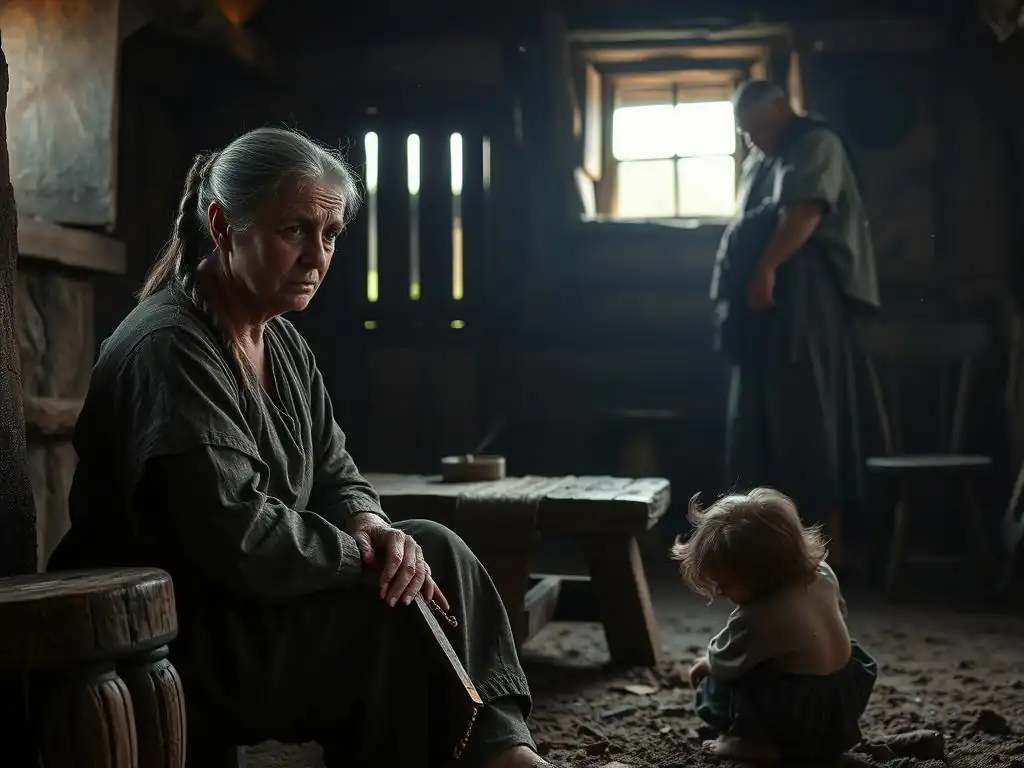
Welcome to Mind Care Guide, a haven for understanding mental well-being. Have you ever wondered how families coped with mental health challenges centuries ago? Imagine the silent struggles, the unspoken anxieties... Our latest exploration delves into the often-overlooked reality of Medieval family caregiver stress. Discover the unique pressures and societal expectations faced by those caring for mentally ill relatives in medieval society, and perhaps find echoes of resilience that resonate even today. Intrigued? Journey with us as we uncover the untold stories behind "The Family's Burden."
The Family's Burden: Caring for Mentally Ill Relatives in Medieval Society
- Introduction: Mental Illness and Family Care in the Middle Ages
- The Challenges of Medieval Family Caregiver Stress
- Lived Experiences: The Daily Life of a Medieval Family Caring for a Mentally Ill Relative
- Medieval Family Care Strategies: Coping Mechanisms and Support Networks
- The Economic Impact of Caring for Mentally Ill Relatives in Medieval Families
- Case Studies: Examples of Medieval Families Coping with Mental Illness
- The Church's Role in Supporting Medieval Families Dealing with Mental Illness
- The Legal and Social Status of Individuals with Mental Illness in Medieval Europe
- Lessons Learned: Parallels Between Medieval and Modern Family Caregiver Stress
- Conclusion: Reflecting on the Burden and Resilience of Medieval Families Facing Mental Illness
-
Frequently Asked Questions
- How prevalent was mental illness in medieval families?
- What were some common beliefs about the causes of mental illness during the medieval period?
- What types of support systems, if any, existed for medieval family caregivers?
- What were the main stressors faced by families caring for mentally ill relatives in medieval times?
- How did the caregiving role impact the lives of other family members in medieval society?
- Final Reflection: Echoes of the Past, Lessons for the Present
- Unlock the Secrets of Medieval Mental Healthcare
Introduction: Mental Illness and Family Care in the Middle Ages
Caring for a family member with mental illness has always presented profound challenges, and this was certainly true during the medieval period, roughly spanning from the 5th to the 15th centuries. In a society vastly different from our own, where understanding of the mind was limited and resources scarce, families bore a significant, often overwhelming, responsibility for their mentally ill relatives. This article delves into the unique pressures and experiences that contributed to Medieval family caregiver stress.
Unlike today, there were no widespread state-funded institutions or professional mental healthcare systems readily available to the common populace. The primary locus of care, support, and management for individuals exhibiting behaviors deemed 'mad' or 'afflicted' fell squarely upon their families. This familial duty was deeply embedded in the social fabric, making the home the de facto asylum for the majority of those struggling with mental health issues, placing immense strain on those providing care.
Understanding the Context: Medieval Beliefs About Mental Health
Medieval beliefs about mental health were a complex tapestry woven from religious doctrine, folk superstitions, and rudimentary medical theories inherited from antiquity. Conditions we might now recognize as schizophrenia, bipolar disorder, or severe depression were often attributed to supernatural causes – demonic possession, divine punishment, or the influence of witchcraft. This understanding, or lack thereof, profoundly shaped how individuals with mental illness were perceived and treated, not just by society at large but within their own families.
Alongside supernatural explanations, humoral theory, derived from ancient Greek physicians like Hippocrates and Galen, also played a role. Imbalances in the four bodily humors – blood, yellow bile, black bile, and phlegm – were believed to cause various ailments, including those affecting the mind. Melancholy (associated with black bile) was a recognized condition, though its manifestations and treatments differed greatly from modern understanding. This blend of spiritual and physical explanations meant that families often sought help from both religious figures and local healers, navigating a world where the line between illness and sin, body and soul, was often blurred.
The Role of the Family in Medieval Society: A Foundation of Care
The family unit was the bedrock of medieval society, serving as the primary source of economic support, social identity, and welfare. Extended families often lived in close proximity, if not under the same roof, and mutual support was essential for survival. This strong familial bond meant that caring for infirm or dependent members, including those with mental health issues, was seen as an inherent duty, a natural extension of kinship.
This reliance on the family for care meant that the burden of managing mental illness fell disproportionately on spouses, parents, siblings, and sometimes even more distant relatives. The concept of individual autonomy was less pronounced than today; one's identity and responsibilities were often defined by their place within the family and wider community. While this provided a framework for care, it also meant that families had limited avenues to offload the responsibility or seek specialized help, intensifying the pressures leading to Medieval family caregiver stress.
The Challenges of Medieval Family Caregiver Stress
Caring for a mentally ill relative in the Middle Ages was fraught with difficulties that went beyond the immediate demands of providing food and shelter. The unique societal context amplified the stress experienced by these caregivers in ways that are hard for us to fully grasp today. From deep-seated social prejudices to a near-total absence of formal support, families navigated a landscape of isolation and hardship.
The constant unpredictability of mental health episodes, coupled with the physical demands of care and the emotional toll of watching a loved one suffer, contributed significantly to Medieval family caregiver stress. Unlike physical ailments, which might have a clearer trajectory, mental illness often presented baffling and frightening symptoms that medieval families were ill-equipped to understand or manage effectively, adding layers of anxiety and helplessness to their daily lives.
Societal Stigma Surrounding Mental Illness in Medieval Times
Deep-seated stigma surrounding mental illness was a pervasive feature of medieval society, significantly increasing the Medieval family caregiver stress. Because mental afflictions were often attributed to sin, demonic influence, or other undesirable causes, individuals suffering from them, and by extension their families, could face ostracism and judgment from their neighbors and community. This social exclusion meant families often felt shame or fear about disclosing their relative's condition.
This fear of stigma could lead families to hide the illness, isolating themselves further and preventing them from seeking even the limited forms of help that might have been available. Children of a family with a mentally ill member might find it difficult to marry, and the entire household could suffer reputational damage. The constant need to manage appearances while dealing with profound internal distress added a significant psychological burden to the already challenging task of caregiving.
Limited Resources and Support Systems for Families
One of the most significant factors contributing to Medieval family caregiver stress was the severe lack of resources and formal support systems. There were no dedicated mental hospitals as we understand them today, save for a few rare exceptions like Bethlehem Hospital (Bedlam) in London, which primarily served the urban poor and was more of a custodial facility than a place of therapeutic care. For the vast majority of rural and town-dwelling families, institutionalization was not an option.
Families were largely left to their own devices, relying on traditional coping mechanisms, local healers, or religious figures. Access to even basic medical knowledge was limited, and understanding of mental processes was rudimentary. This meant families had to manage complex and distressing behaviors with little guidance, support, or understanding of the underlying causes, making the caregiving role incredibly demanding and often overwhelming.
The Emotional and Physical Strain on Medieval Family Caregivers
The daily reality of caring for a mentally ill relative imposed immense emotional and physical strain on medieval families. Depending on the nature of the illness, caregivers might face unpredictable behavior, aggression, withdrawal, or profound periods of distress from their loved one. This required constant vigilance and patience, often disrupting sleep patterns and daily routines.
Physically, caregivers might need to restrain individuals during episodes, assist with basic hygiene if the person was unable to care for themselves, or simply endure the arduous physical labor of running a household while also providing constant supervision. Emotionally, witnessing a loved one's suffering, coupled with feelings of helplessness, frustration, and social isolation, could lead to chronic stress, depression, and burnout among caregivers – a clear manifestation of Medieval family caregiver stress.
Lived Experiences: The Daily Life of a Medieval Family Caring for a Mentally Ill Relative
The daily life of a medieval family with a mentally ill member was marked by unpredictability and constant challenge. Unlike the idealized images of medieval life, the reality for these households involved navigating complex needs with minimal resources and societal understanding. Each day brought potential difficulties, from managing episodes to simply ensuring basic needs were met in a world without modern conveniences or medical knowledge.
This constant state of alert and adaptation was a defining feature of their existence. The rhythms of agricultural labor or craft production had to be balanced against the demands of caregiving, often requiring difficult choices and significant personal sacrifice from family members. The invisible toll of this relentless responsibility contributed profoundly to Medieval family caregiver stress.
Managing Disruptive Behaviors and Episodes
Managing disruptive behaviors and episodes was a central, often terrifying, challenge for medieval families. Depending on the symptoms, this could range from periods of extreme agitation, shouting, or violence to deep catatonic states, paranoia, or complete withdrawal. Without therapeutic interventions or calming medications, families had to rely on physical restraint, isolation, or simply trying to wait out the episode.
Accounts from the period, though scarce and often filtered through a lens of fear or superstition, sometimes describe individuals being chained or confined to prevent harm to themselves or others. While this reflects a lack of understanding and humane treatment, it also highlights the desperate measures families might take when faced with behaviors they could not control or comprehend. This constant need for vigilance and crisis management was a significant driver of Medieval family caregiver stress.
Providing Basic Needs and Medical Attention [According to Available Knowledge]
Providing basic needs was a fundamental responsibility, yet even this was complicated by the presence of mental illness. Ensuring adequate food, shelter, and hygiene for someone who might be resistant, unable to communicate their needs, or prone to wandering required constant effort. Caregivers had to adapt standard routines to accommodate the specific challenges presented by their relative's condition.
Medical attention, as understood in the medieval context, was also sought, albeit with limited efficacy for mental ailments. Families might consult local apothecaries for herbal remedies, seek bloodletting or purging based on humoral theory, or visit wise women or cunning folk known for traditional cures. While these practices were often based on erroneous beliefs, the act of seeking help reflects the family's desperate attempts to alleviate suffering and find a solution, adding another layer of effort and financial burden to their lives.
Isolation and Lack of Understanding from the Community
The isolation experienced by medieval families caring for mentally ill relatives was profound, exacerbating Medieval family caregiver stress. As mentioned earlier, the stigma associated with mental illness often led to social exclusion. Neighbors might avoid the family, fearing the illness was contagious or a sign of divine displeasure. Children might be warned to stay away, and opportunities for social interaction or community support could dwindle.
This lack of understanding meant families often had no one to confide in, share the burden with, or receive practical help from. They were left to navigate their difficulties in silence, often feeling shame or guilt. The absence of a supportive community network, which was otherwise vital in medieval life for mutual aid and survival, made the task of caregiving a lonely and isolating experience.
Medieval Family Care Strategies: Coping Mechanisms and Support Networks
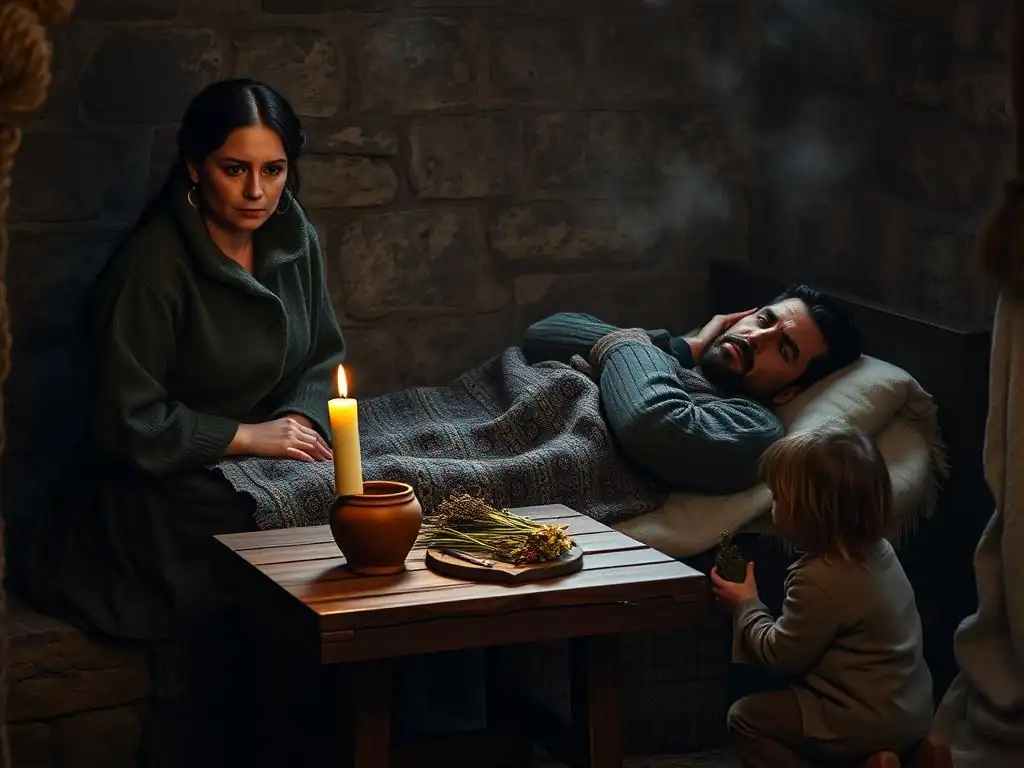
Despite the immense challenges, medieval families developed various strategies to cope with the burden of caring for mentally ill relatives. These approaches were rooted in the social, religious, and medical frameworks available at the time, reflecting a blend of practical necessity, traditional wisdom, and spiritual belief. While formal support was scarce, families relied on internal dynamics and sought help from the limited external sources available.
These coping mechanisms, though often inadequate by modern standards, demonstrate the resilience and determination of families facing such difficult circumstances. Understanding these strategies provides insight into how Medieval family caregiver stress was managed, or at least endured, within the constraints of the era.
Family Dynamics and Internal Support Systems
Within the family unit, dynamics often shifted to accommodate the needs of the mentally ill member. Responsibilities were redistributed, with certain individuals taking on the primary caregiving roles. This often fell to women – wives, mothers, or sisters – although other family members also contributed. The strength of familial bonds was crucial; in some cases, close-knit families could provide a degree of mutual support, sharing the load and offering emotional comfort to the primary caregiver.
However, the strain could also exacerbate existing tensions or create new ones within the family, leading to conflict and further stress. The financial burden, the disruption to daily life, and the emotional toll could test the limits of familial patience and resources. Successful coping often depended on the overall stability of the family unit, its economic status, and the personalities involved, highlighting the varied impact of Medieval family caregiver stress.
Seeking Help from Religious Figures and Local Healers
Religious figures, such as priests, monks, or local clergy, were often a primary source of support and guidance for medieval families. Given the prevalent belief in supernatural causes for mental illness, families frequently turned to prayer, exorcism rituals, or seeking blessings from relics. The Church also offered spiritual counseling and emotional comfort, which, while not addressing the medical condition, could provide solace and hope to distressed caregivers.
Simultaneously, families consulted local healers, apothecaries, or individuals known for their knowledge of herbal remedies and traditional medicine. These practitioners offered treatments based on humoral theory or folk knowledge, prescribing poultices, potions, or dietary changes. While the efficacy of these treatments for mental illness was questionable, the act of seeking help from these sources provided families with a sense of agency and the hope of finding a cure, offering a form of psychological support against Medieval family caregiver stress.
Folk Remedies and Traditional Practices for Mental Ailments
Beyond formal medical or religious channels, medieval families often resorted to folk remedies and traditional practices passed down through generations. These varied widely by region but commonly involved using specific herbs, charms, incantations, or rituals believed to ward off evil spirits or restore balance to the body and mind. For example, herbs like St. John's Wort were used for melancholy, and various concoctions were administered to induce sleep or calm agitation.
While these practices were rooted in superstition and lacked scientific basis, they represented the family's proactive efforts to alleviate suffering and regain control in a chaotic situation. Engaging in these rituals could provide a sense of hope and purpose for caregivers, serving as a coping mechanism against the helplessness often associated with Medieval family caregiver stress, even if the treatments themselves were ineffective.
The Economic Impact of Caring for Mentally Ill Relatives in Medieval Families
The economic consequences of caring for a mentally ill family member were significant and contributed heavily to Medieval family caregiver stress. Medieval life was often precarious, with families living close to the margins of subsistence. The added burden of care could tip a household into poverty, impacting not just the immediate family but potentially future generations.
Unlike modern societies with social welfare systems (however imperfect), medieval families had minimal safety nets. An inability to work or contribute fully due to illness or caregiving responsibilities could have devastating effects on the household's ability to feed, clothe, and shelter itself.
Loss of Income and Productivity
A primary economic impact was the loss of income and productivity. An individual suffering from a severe mental illness might be unable to perform their usual labor, whether in the fields, workshop, or home. This directly reduced the household's earning potential. Furthermore, family members, often the primary caregivers, had to dedicate significant time and energy to care, taking them away from their own productive tasks.
For a peasant family, the absence of one member from agricultural work during crucial periods like planting or harvest could severely impact the yield and thus the family's food supply and income for the entire year. For craftspeople or merchants, the inability to work or the need for a caregiver to remain at home could lead to a loss of business and financial decline, illustrating a direct link to Medieval family caregiver stress.
Financial Strain of Providing Care
Beyond lost income, providing care itself incurred financial strain. While there were no doctor's bills in the modern sense, families might pay for the services of local healers, purchase expensive herbs or remedies, or make offerings to the Church for prayers or blessings. Providing extra food or specialized care for someone who was bedridden or unable to feed themselves also added to the household's expenses.
In extreme cases, families might need to pay for confinement or custodial care in institutions like Bedlam if they were wealthy enough and lived near such a facility. The cumulative cost of lost income, direct care expenses, and potentially paying for limited external help placed a considerable financial burden on medieval families, deepening the Medieval family caregiver stress.
Dependence on Community Support and Charity
Given the significant economic strain, medieval families often became dependent on community support and charity. In rural villages or tight-knit urban neighborhoods, neighbors might offer practical help, such as assisting with labor or providing food. The Church was also a significant source of charity, offering alms to the poor and needy, which could include families struggling due to illness.
However, this support was often insufficient and inconsistent. Charity was voluntary and depended on the goodwill and resources of others. Relying on it could also reinforce the family's marginalized status. While community aid offered a lifeline, the ongoing financial precariousness remained a constant source of Medieval family caregiver stress.
Case Studies: Examples of Medieval Families Coping with Mental Illness
Pinpointing specific, detailed case studies of medieval families coping with mental illness is challenging due to the scarcity and nature of historical records. Medieval documents rarely focus on the intimate details of family life or provide clinical descriptions of mental illness as we understand it. However, fragmented accounts from legal records, personal letters (though rare for commoners), chronicles, and institutional records offer glimpses into the realities faced by some families.
These scattered examples, while not comprehensive clinical histories, allow us to infer the kinds of support systems, challenges, and outcomes experienced by families. They highlight the diverse ways Medieval family caregiver stress manifested and was managed within the limitations of the era.
Analyzing the Support Systems and Resources Available to Them
Analyzing available historical fragments suggests that the support systems relied upon varied significantly based on social class, location, and the specific nature of the illness. For instance, a noble family might have the resources to employ servants to assist with care or even build a private chapel for spiritual solace, while a peasant family relied almost entirely on immediate family members and potentially limited neighborly help.
Records from institutions like Bedlam show that some urban poor families, when unable to cope, sought admission for their relatives, indicating a desperate attempt to find care outside the home, albeit in often harsh conditions. Legal cases mentioning guardians appointed for individuals deemed 'non compos mentis' (not of sound mind) suggest that in some instances, legal frameworks acknowledged the need for others to manage an individual's affairs, implicitly acknowledging the burden on the family and providing a form of external, albeit administrative, support.
The Long-Term Outcomes for Both the Patient and the Family
The long-term outcomes for individuals with mental illness and their medieval families were often grim. Without effective treatments, many individuals likely experienced chronic or recurring episodes of illness. The lack of understanding and social stigma could lead to lifelong marginalization. For the patient, this meant a life potentially marked by suffering, isolation, and dependence.
For the family, the long-term outcome often involved sustained Medieval family caregiver stress, financial hardship, and social exclusion. The caregiving burden could last for decades, impacting the health and well-being of the caregivers and potentially affecting the prospects of younger family members who might have to forgo marriage or economic opportunities to provide care. While some families undoubtedly found ways to cope and maintain stability, the pervasive challenges meant that the presence of severe mental illness often had a profound and lasting negative impact on the entire household.
The Church's Role in Supporting Medieval Families Dealing with Mental Illness

The Church played a central role in medieval society, influencing everything from daily life to beliefs about health and illness. While its understanding of mental health was rooted in theological and often superstitious frameworks, it nonetheless provided various forms of support to families struggling with mentally ill relatives, acting as a significant, though complex, resource in the face of Medieval family caregiver stress.
From offering spiritual explanations and comfort to providing tangible aid through charity, the Church's involvement was multifaceted. Its influence shaped both the perception of mental illness and the avenues available for families seeking help, highlighting its importance in the limited support network available.
Charitable Acts and Almsgiving
One of the most direct ways the Church supported medieval families was through charitable acts and almsgiving. Monasteries, convents, and parish churches often provided food, clothing, and shelter to the poor and needy. Families burdened by the economic costs of caring for a mentally ill member could potentially receive such aid, which, while not a cure, could help alleviate the financial strain and thus reduce a significant component of Medieval family caregiver stress.
Furthermore, the Church encouraged parishioners to engage in acts of charity, fostering a sense of communal responsibility, even if inconsistent. While not specifically targeted at mental illness, this general system of poor relief provided a potential safety net for families facing economic collapse due to the inability of a member to contribute to labor or the costs of care.
Providing Sanctuary and Care in Monasteries [Where Applicable]
In some instances, monasteries and convents offered a form of custodial care or sanctuary for individuals deemed unable to live within conventional society, which could include those with severe mental illness. While not therapeutic centers, some religious houses provided basic sustenance and shelter. This option was likely available only to a very limited number of people, perhaps those from wealthier families who could afford donations or those with connections to the religious order.
For families who could utilize this resource, it represented a way to alleviate the intense daily burden of caregiving, offering a form of respite from Medieval family caregiver stress. However, the conditions in these institutions varied, and they were primarily focused on containment or spiritual guidance rather than medical treatment, reflecting the limitations of the era's understanding.
Spiritual Guidance and Counseling
Given the prevalent belief that mental illness could have spiritual causes, the Church provided spiritual guidance and counseling to both the afflicted individual and their family. Priests would offer prayers, perform rituals like exorcism (believed to cast out demons), and provide confession and absolution. For caregivers, this spiritual support offered a framework for understanding the suffering and a source of hope through divine intervention.
Confession could also serve as a form of counseling, allowing caregivers to voice their fears, frustrations, and guilt to a trusted figure. While this did not address the medical condition, the spiritual comfort and sense of divine purpose or trial provided by the Church could help families cope with the emotional and existential challenges of Medieval family caregiver stress.
The legal and social status of individuals with mental illness in medieval Europe was precarious and varied depending on the region, the severity of the condition, and the individual's social class. While there were some nascent legal concepts related to mental capacity, individuals deemed 'mad' often faced significant social exclusion and legal limitations, adding another layer of complexity and difficulty for their families and contributing to Medieval family caregiver stress.
Understanding this societal context is crucial to appreciating the full scope of the challenges faced by medieval families. The lack of clear legal rights and the presence of social prejudice meant families had to navigate a system that offered little protection or understanding for their vulnerable relatives.
Legal Protections and Restrictions [Where They Existed]
Medieval law did not have a sophisticated understanding of mental illness. However, concepts like 'non compos mentis' (not of sound mind) existed in some legal systems, particularly in England from the 13th century onwards. This designation was primarily concerned with an individual's ability to manage their property and affairs. If someone was deemed 'non compos mentis,' the Crown or a designated guardian (often a family member) might take control of their estate to prevent waste.
While this offered a form of legal framework for managing the affairs of the incapacitated, it also imposed restrictions on the individual's rights and placed a legal responsibility on the guardian, often a family member already struggling with caregiving. These legal processes, though sometimes intended to protect property, added administrative complexity and potential legal disputes to the burdens contributing to Medieval family caregiver stress.
Social exclusion was a harsh reality for individuals with mental illness and their families. Fear, misunderstanding, and the attribution of illness to negative causes like sin or witchcraft led communities to marginalize those perceived as different or disruptive. Individuals might be shunned, mocked, or even actively persecuted, particularly during periods of heightened fear or superstition.
This social marginalization extended to the family, who might find themselves isolated from community life, excluded from social gatherings, and viewed with suspicion. The constant struggle against this prejudice, combined with the internal difficulties of caregiving, significantly amplified Medieval family caregiver stress. The lack of acceptance and empathy from the wider community meant families bore the burden in relative isolation.
Family Responsibility Under Medieval Law
While formal legal protections for individuals with mental illness were limited, medieval society placed a strong emphasis on family responsibility. Legal customs and societal norms dictated that families were primarily responsible for the care and maintenance of their dependent members, including the ill and disabled. There was no expectation that the state or other institutions would automatically step in to provide long-term care for the poor or commoners.
This legal and social expectation meant that families were legally and morally obligated to provide care, regardless of their capacity or resources. Failure to do so could result in social censure or, in some cases, legal consequences, particularly concerning the management of property or guardianship. This ingrained responsibility underscored the inevitability of Medieval family caregiver stress for families facing mental illness; it was a burden they were expected to carry.
Lessons Learned: Parallels Between Medieval and Modern Family Caregiver Stress
While the specific context of medieval society differs vastly from our own, the fundamental challenges and impacts of caring for a mentally ill family member reveal striking parallels with modern family caregiver stress. Examining the medieval experience offers valuable insights into the enduring nature of caregiving burdens and highlights universal aspects of human resilience and the need for support.
Understanding these historical echoes can foster greater empathy for contemporary caregivers and underscore the importance of robust support systems in any era. The struggles faced by medieval families resonate with the difficulties experienced by caregivers today, despite advances in medical knowledge and social structures, illustrating the persistent challenge of Medieval family caregiver stress across time.
The Enduring Nature of Caregiving Challenges
The medieval experience underscores the enduring nature of caregiving challenges. Regardless of the era, caregivers face emotional strain from witnessing suffering, physical demands from providing hands-on care, and practical difficulties in managing disruptive behaviors. The unpredictability of mental illness, the need for constant vigilance, and the potential for burnout are timeless aspects of the caregiver role.
Furthermore, the financial burden, though manifested differently, remains a significant source of stress for many modern families. Lost income, healthcare costs, and the expense of specialized care or support services continue to impact household finances, mirroring the economic pressures faced by medieval families. This continuity highlights that Medieval family caregiver stress was not merely a product of its time but reflects fundamental challenges inherent in caring for complex conditions.
The Importance of Community Support and Understanding
The isolation faced by medieval families due to stigma and lack of understanding starkly illustrates the critical importance of community support. Where medieval families were often left to cope in isolation, modern understanding emphasizes the need for social networks, peer support groups, and community acceptance to alleviate caregiver stress.
The absence of a supportive community in the Middle Ages amplified the burden, demonstrating how crucial empathy, practical help from neighbors or friends, and a reduction in stigma are for caregivers' well-being in any period. The historical example of Medieval family caregiver stress serves as a powerful reminder that combating isolation and fostering understanding are essential components of supporting those who care for others.
Recognizing the Resilience of Families Throughout History
Despite the overwhelming challenges and limited resources, medieval families continued to provide care for their mentally ill relatives, often for years or decades. Their ability to adapt, utilize available resources (however limited), and maintain their family unit in the face of such adversity speaks volumes about human resilience and the strength of familial bonds.
Acknowledging this historical resilience is important. It reminds us that families have always been the primary caregivers and have found ways to cope with immense difficulties, even in the absence of formal systems. While we have a responsibility to provide better support today, recognizing the perseverance of families like those facing Medieval family caregiver stress offers a perspective on the enduring human capacity for care and endurance.
Conclusion: Reflecting on the Burden and Resilience of Medieval Families Facing Mental Illness
Reflecting on the experience of medieval families caring for mentally ill relatives reveals a profound story of burden, resilience, and the harsh realities of life without modern medical understanding or social support systems. The Medieval family caregiver stress they endured was a complex interplay of societal stigma, economic hardship, limited resources, and the sheer emotional and physical demands of constant care.
Their struggles highlight the timeless challenges inherent in caregiving for complex conditions and underscore the critical need for empathy, resources, and community support for caregivers in any era. While the medieval period lacked the tools and knowledge we possess today, the fundamental human experience of caring for a loved one facing mental health challenges remains remarkably consistent.
The Need for Continued Research and Understanding
Despite the limitations of historical records, there is a need for continued research into the history of mental health and caregiving in periods like the Middle Ages. Further analysis of fragmented sources, archaeological findings related to institutions, and comparative studies across different regions and social classes can provide deeper insights into the lived experiences of both individuals with mental illness and their families.
A more nuanced understanding of the historical context, including the specific beliefs, practices, and social structures that shaped caregiving, can help us better appreciate the evolution of mental healthcare and the persistent challenges faced by families. This research contributes to a broader narrative of human health and social welfare across centuries.
Acknowledging the Unsung Heroes of Medieval Mental Health Care
Finally, it is important to acknowledge the unsung heroes of medieval mental health care: the families themselves. In a world where formal help was scarce and understanding was limited, it was the spouses, parents, siblings, and other relatives who provided the vast majority of care. They did so without training, often without recognition, and at significant personal cost.
Their efforts, though often rooted in duty and necessity, were acts of profound care and endurance. Recognizing the Medieval family caregiver stress they faced and the resilience they demonstrated honors their experience and reminds us of the fundamental role families have always played in supporting those facing mental health challenges. Their story is a testament to the enduring power of familial bonds in the face of adversity.
Frequently Asked Questions
How prevalent was mental illness in medieval families?
While exact numbers are hard to come by, evidence suggests that mental illness was likely as prevalent then as now, though often misunderstood and attributed to supernatural causes. Families bore the primary responsibility for care.
What were some common beliefs about the causes of mental illness during the medieval period?
Common beliefs attributed mental illness to divine punishment, demonic possession, or humoral imbalances. Scientific understanding was limited, leading to treatments based on these beliefs.
What types of support systems, if any, existed for medieval family caregivers?
Formal support systems were scarce. Religious institutions sometimes offered sanctuary, but largely, families relied on their own internal resources and networks of neighbors.
What were the main stressors faced by families caring for mentally ill relatives in medieval times?
The stigma associated with mental illness, the lack of effective treatments, and the financial burden of care were significant stressors for medieval families. Social isolation was also a major factor.
How did the caregiving role impact the lives of other family members in medieval society?
The caregiving role could significantly impact the lives of all family members, leading to economic hardship, social isolation, and emotional strain. Childcare and other household tasks were often neglected.
Final Reflection: Echoes of the Past, Lessons for the Present
The struggles faced by medieval families caring for mentally ill relatives resonate deeply with the challenges of modern caregiving; the weight of responsibility, the lack of resources, and the pervasive stigma remain strikingly similar across centuries. While the specific treatments and societal understanding have evolved, the core emotional and practical burdens remain a constant, reminding us that the human experience of caring for a loved one with mental illness transcends time.
The impact of caring for a mentally ill family member, then as now, extended far beyond the individual. It shaped family dynamics, economic stability, and even social standing. The burden of madness fell not only upon the afflicted, but upon the entire household, creating a ripple effect of hardship and uncertainty.
This quote, though fictionalized for the purposes of this article, encapsulates the pervasive reality of the situation, both in the medieval period and in our own. The emotional toll, the constant worry, and the societal pressures remain powerful forces shaping the lives of caregivers, regardless of era.
Consider the weight of this history. The challenges faced by medieval families, though vastly different in their specifics, mirror our own struggles in profound ways. You, the reader, are invited to reflect on the resilience of caregivers throughout history and to consider the ways in which we, as a society, can better support those who shoulder this immense responsibility today. Let the echoes of the past inspire us to build a more compassionate and understanding future for both those living with mental illness and their devoted caregivers.
Unlock the Secrets of Medieval Mental Healthcare
Thanks for exploring the often-overlooked challenges faced by families caring for mentally ill relatives in medieval society. You've gained valuable insight into a complex and poignant historical perspective. Now, let's build on that knowledge!
- Dive deeper: Research similar historical accounts of mental illness care in other cultures or time periods. What parallels can you draw with modern practices?
- Share your thoughts: Discuss your key takeaways from the article in the comments section below. What surprised you the most?
- Consider the impact: Reflect on how societal understanding and treatment of mental illness have evolved, and what lessons we can learn from the past.
Ready to expand your understanding of the historical context of mental health care? What other periods or cultures would you like to learn about?