
Inside the Walls: A Look at Daily Life in 19th Century Asylums

Welcome to Mind Care Guide.
Ever wondered what daily life was really like for those confined within the walls of 19th-century asylums? It's a history often shrouded in mystery and misconception. We invite you to step back in time and explore the realities, challenges, and even the glimmers of humanity found within these institutions. Uncover the stories that history often overlooks in our in-depth look at 19th century asylum daily life, and perhaps, gain a new perspective on how far we've come, and how much further we still need to go, in caring for mental well-being.
Daily Life at the Trans-Allegheny Lunatic Asylum: A Glimpse into the 19th Century
- The Harsh Reality of Mental Healthcare in 19th Century West Virginia
- A Typical Day at Trans-Allegheny: Structure and Schedule
- Patient Treatment and Therapies at Trans-Allegheny
- The Staff and Their Roles at Trans-Allegheny Lunatic Asylum
- Social Interactions and Relationships Among Patients
- Hardships and Challenges Faced by Patients at Trans-Allegheny
- The Architecture and Physical Space of the Asylum
- The Enduring Legacy of Trans-Allegheny Lunatic Asylum
-
Frequently Asked Questions
- What were the typical daily routines for patients in 19th-century asylums?
- How did 19th-century asylums address the basic needs of their patients?
- What types of treatments were commonly used in 19th-century asylums?
- What were the living conditions like inside 19th-century asylums?
- What role did staff play in the daily lives of patients in 19th-century asylums?
- Final Reflection: Echoes of the Past, Lessons for the Present
- Unlock the Past: Explore 19th Century Asylum Life
The Harsh Reality of Mental Healthcare in 19th Century West Virginia
Understanding the Context of Asylum Care in Appalachia
In the 19th century, the approach to mental healthcare was vastly different from today. Asylums like the Trans-Allegheny Lunatic Asylum, located in Weston, West Virginia, were built with the intention of providing refuge and moral treatment for individuals deemed mentally ill. The mid-1800s saw a movement towards institutionalization, believing that removing patients from stressful home environments into structured, therapeutic settings would aid recovery. However, the reality often fell short of this ideal, particularly as patient populations grew rapidly, outpacing resources and understanding of mental conditions.
The region of Appalachia, where the Trans-Allegheny Asylum was situated, presented unique challenges, including geographical isolation and limited infrastructure in the earlier parts of the century. Despite these hurdles, the asylum was a significant, albeit complex, institution in the area. Understanding the 19th century asylum daily life requires acknowledging the prevailing medical theories, societal attitudes towards mental illness, and the practical limitations faced by institutions attempting to provide care for a diverse range of conditions, from what might now be diagnosed as severe mental illness to conditions like epilepsy, dementia, or even simply non-conformity.
Key Aspects of Daily Life at Trans-Allegheny Lunatic Asylum
Daily life within the walls of the Trans-Allegheny Lunatic Asylum was dictated by a rigid schedule and the prevailing philosophy of 'moral treatment,' though its application varied greatly over the decades and with staff changes. For patients, this meant a routine centered around structured activities, labor, meals, and limited leisure. The environment was intended to be calming and orderly, a stark contrast to the perceived chaos of the outside world that was thought to contribute to mental distress.
A central aspect of 19th century asylum daily life was the emphasis on routine and control. Patients lived in large wards, segregated by gender and sometimes by perceived level of illness or agitation. Privacy was minimal, and personal autonomy was largely non-existent. The days were long, beginning early and ending relatively early in the evening. This structured existence, while intended to be therapeutic, could also be monotonous and oppressive, particularly for those who resisted the institutional regimen or whose conditions made conformity difficult.
A Typical Day at Trans-Allegheny: Structure and Schedule
The Morning Routine: Rising and Preparation for the Day
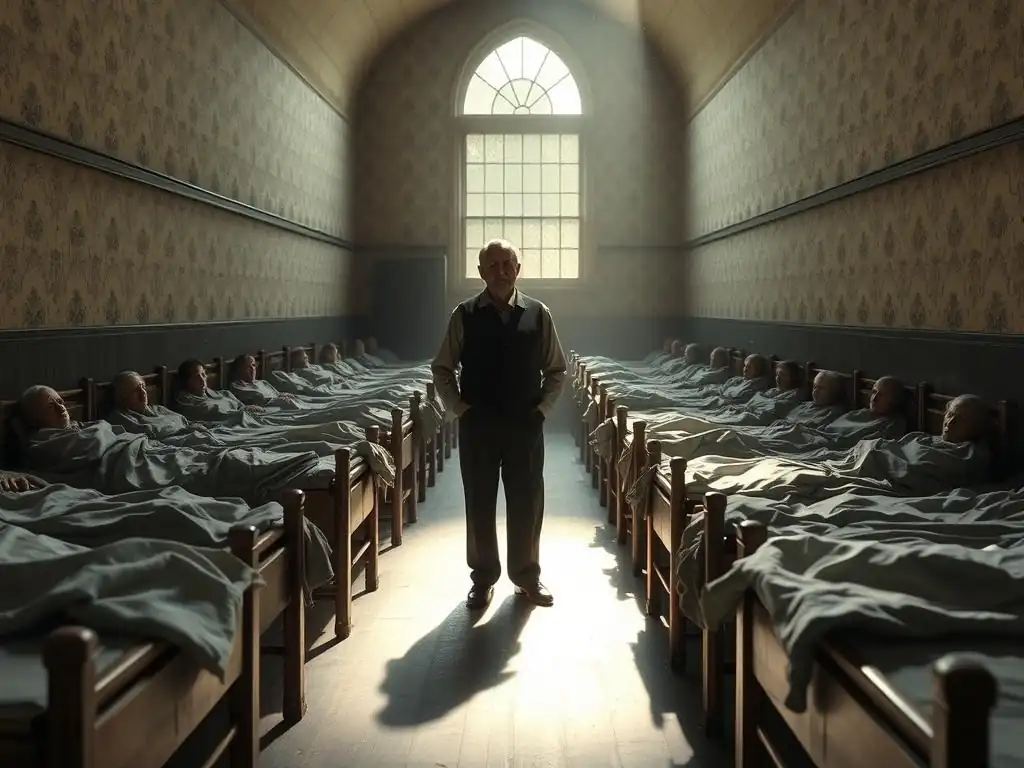
The day for patients at Trans-Allegheny Lunatic Asylum typically began early, often before sunrise, around 5:00 or 6:00 AM. Attendants would rouse patients from their beds, which were often simple cots or mattresses on the floor in crowded dormitories. There was little time for personal preparation; hygiene routines were basic and supervised, with patients expected to wash quickly in communal washrooms.
Following this brief morning preparation, patients would be directed to gather in common areas or proceed directly to their assigned tasks or activities for the day. The emphasis was on efficiency and moving large numbers of people through the initial steps of the day in an orderly fashion. This early start and structured beginning set the tone for the rest of the day, prioritizing institutional management over individual needs or preferences in the 19th century asylum daily life.
Meal times were significant events in the daily rhythm of the asylum, typically occurring three times a day: breakfast, dinner (the main midday meal), and supper. Patients would gather in large dining halls, segregated by ward or gender. The food was generally simple and monotonous, consisting of staples like bread, gruel, soup, and sometimes meat or vegetables, depending on the asylum's resources and farm output. While intended to be nutritious, the quality and quantity could vary.
These communal meals offered one of the few opportunities for social interaction among patients, albeit under the watchful eyes of attendants. Conversation was often limited, and the atmosphere could be either subdued or chaotic, depending on the patient population in the dining hall. While providing necessary sustenance, meal times primarily served the function of maintaining schedule and order within the institution's strict 19th century asylum daily life.
Labor and Occupational Activities at Trans-Allegheny Lunatic Asylum
The Purpose of Labor in Patient Management at the Asylum
Labor was a cornerstone of the 'moral treatment' philosophy prevalent in 19th-century asylums, including Trans-Allegheny. It was believed that engaging patients in productive work was therapeutic, promoting physical health, discipline, and a sense of purpose. Furthermore, patient labor was essential for the economic functioning of the asylum itself. With limited state funding, institutions relied heavily on patient work to maintain the grounds, buildings, and provide food and services.
While framed as beneficial for the patients, the work was often arduous and unpaid. It blurred the lines between therapy and exploitation, particularly as asylum populations swelled and the need for cheap labor increased. The expectation was that most able-bodied patients, regardless of their specific mental condition, would contribute significantly to the daily operations, making labor a defining feature of 19th century asylum daily life.
Common Work Activities: Sewing, Farming, and Laundry
Patients at Trans-Allegheny were engaged in a wide variety of manual labor tasks. Women often worked in the laundry, kitchens, or sewing rooms, mending clothes, making uniforms, and performing domestic chores. The asylum's laundry facility was substantial, handling the needs of hundreds, sometimes thousands, of residents and staff daily. Sewing rooms produced and repaired bedding and clothing for the entire institution.
Men were frequently assigned outdoor work, particularly on the asylum's extensive farm. This involved planting, cultivating, and harvesting crops, tending livestock, and maintaining the grounds. Other male patients might work in workshops, assisting with repairs, carpentry, or other manual trades needed to keep the massive facility operational. These activities, while physically demanding, were central to the structure and survival of the 19th century asylum daily life.
Recreation and Limited Leisure Options
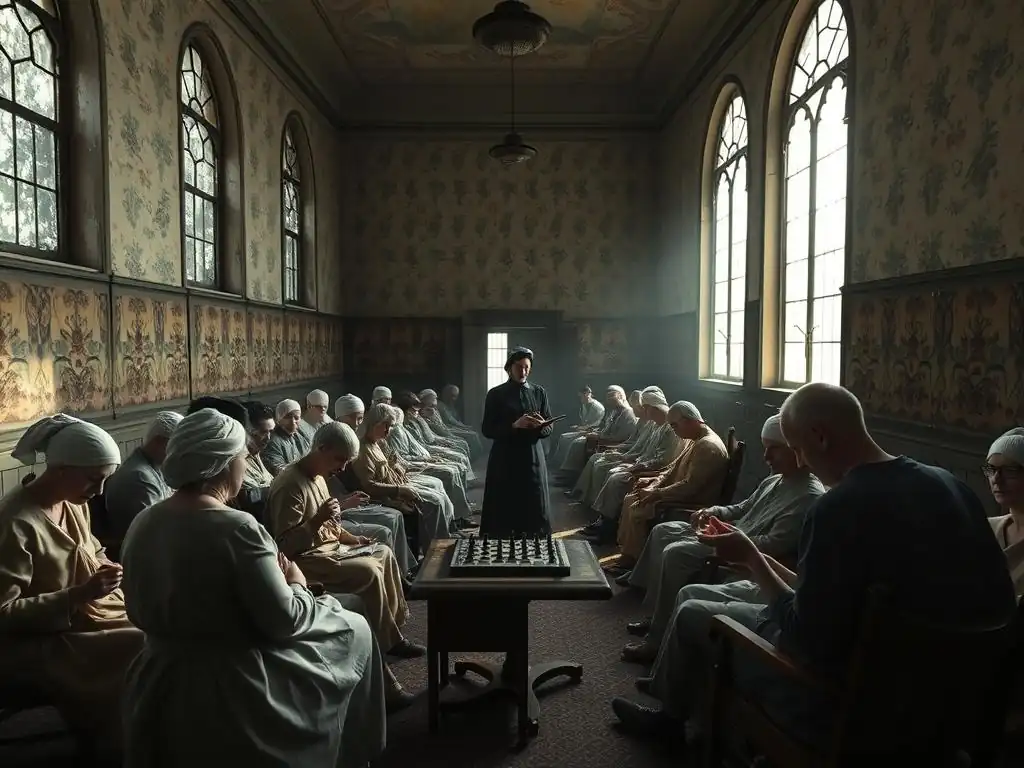
Leisure time was limited and often structured within the confines of the asylum walls. The concept of recreation was seen less as free time and more as another form of supervised activity intended to distract or calm patients. Options were sparse compared to modern standards and often depended on the resources and philosophy of the asylum's superintendent and staff.
Typical recreational activities might include supervised walks on the grounds, simple games like checkers or cards, reading (if books were available), or attending occasional lectures or musical performances organized by the staff. Access to these activities was often restricted based on a patient's behavior or perceived condition. For many, leisure simply meant unstructured time spent on the wards, often sitting idly, highlighting the often monotonous nature of 19th century asylum daily life.
Patient Treatment and Therapies at Trans-Allegheny
Medical Interventions: Treatments Employed at the Asylum
Common Medical Practices: Hydrotherapy, Medication, and Surgery
Medical treatment in 19th-century asylums like Trans-Allegheny was based on the limited understanding of mental illness at the time, often viewing it as a physical ailment or moral failing. Hydrotherapy was a widely used treatment, involving prolonged baths, showers, or wet sheet wraps, sometimes with extreme temperatures (hot or cold), intended to calm agitated patients or stimulate withdrawn ones. These treatments could last for hours.
Medications were also administered, though the pharmacopeia was rudimentary. Opiates, sedatives like chloral hydrate, and various tonics or purgatives were common. These were often used more for managing patient behavior and ensuring order than for addressing the root causes of mental distress. Surgical interventions for mental illness were rare in the mid-19th century but began to appear later, though procedures like lobotomy became more common in the 20th century. The medical interventions of the 19th century asylum daily life were often crude and based on empirical observation rather than scientific understanding.
Moral Treatment: Principles and Application at Trans-Allegheny
Patient-Centered Activities: Music Therapy and Educational Classes
The 'moral treatment' approach, originating in Europe, emphasized kindness, structure, and engagement in meaningful activities as therapeutic tools. At Trans-Allegheny, attempts were made to implement these principles alongside medical interventions. This included providing a clean, orderly environment, encouraging patient labor, and offering some forms of structured engagement.
Elements of moral treatment included activities like music therapy, where patients might listen to or participate in musical performances, believed to have a calming or uplifting effect. Educational classes, though basic, were sometimes offered, providing patients with opportunities for learning or skill development. While the extent and consistency of these 'patient-centered' activities varied greatly depending on staffing levels and the asylum's financial situation, they represented an effort, however limited, to provide more than just custodial care in the 19th century asylum daily life.
Restraints and Seclusion: Control and Confinement Practices
Examination of Restraint Usage and Seclusion Cells
Despite the ideals of moral treatment, physical restraints and seclusion were common practices used to manage difficult or agitated patients in 19th-century asylums. Restraints included straitjackets, muffs, straps, and even mechanical devices designed to prevent patients from harming themselves or others, or simply to control disruptive behavior. While some physicians advocated minimizing their use, overcrowding and understaffing often led to their frequent application.
Seclusion involved placing a patient alone in a small, often bare, room. These seclusion cells were intended for temporary isolation but could sometimes be used for extended periods. Conditions in these cells varied but were often stark and uncomfortable. The use of restraints and seclusion highlights the tension between the therapeutic goals of the asylum and the practical need for control in managing large numbers of patients with limited resources, significantly impacting 19th century asylum daily life.
The Staff and Their Roles at Trans-Allegheny Lunatic Asylum
Asylum Physicians: Responsibilities and Difficulties
The Superintendent, a physician, was the ultimate authority at Trans-Allegheny, responsible for the overall management, medical care, and implementation of treatment philosophies. He was supported by a small team of resident physicians. Their responsibilities were immense, encompassing diagnosis (based on the limited knowledge of the time), prescribing treatments, overseeing patient care, managing staff, and administering the entire institution.
These physicians faced significant challenges. They were often overwhelmed by the sheer number of patients – Trans-Allegheny, designed for around 250, housed over 2,400 patients at its peak in the 1950s, though overcrowding was already an issue in the late 19th century. They had limited effective treatments at their disposal, and their understanding of mental illness was constrained by the scientific knowledge of the era. The isolation of asylum practice also meant they had little opportunity for consultation or sharing of best practices, making their role in shaping 19th century asylum daily life incredibly difficult.
Attendants and Nurses: Daily Caregivers at the Asylum
The majority of direct patient care was provided by attendants (often untrained individuals) and, less commonly in the earlier period, nurses. These staff members were responsible for the day-to-day supervision of patients, assisting with hygiene, ensuring they followed the schedule, escorting them to activities, and managing their behavior. The ratio of staff to patients was often very low, sometimes as poor as one attendant for dozens of patients, particularly at night.
The role of attendants was demanding, requiring long hours and dealing with challenging behaviors without significant training or support. While some attendants were compassionate and dedicated, others could be indifferent or even abusive, reflecting the low wages, difficult working conditions, and lack of professional standards common for this role in the 19th century. Their interactions profoundly shaped the 19th century asylum daily life experience for patients.
The asylum operated under a strict hierarchical structure. At the top was the Board of Directors, appointed by the state, who oversaw the institution's finances and appointed the Superintendent. The Superintendent held almost absolute authority within the asylum walls. Below the Superintendent were the physicians, followed by the supervisors of male and female wards, and then the attendants and other support staff (kitchen staff, farmhands, etc. ).
This rigid structure was designed to maintain order and control within the large institution. Decisions flowed downwards, with little input from lower-level staff or, critically, the patients themselves. While intended to ensure efficient operation, this system could also create an environment where oversight was difficult, and the power imbalance between staff and patients contributed to potential for neglect or mistreatment, influencing every aspect of 19th century asylum daily life.
Patient Bonds and Support Systems
Despite the isolating nature of institutionalization, patients often formed bonds and support systems amongst themselves within the asylum walls. Sharing a common experience of confinement, illness, and separation from the outside world could foster solidarity. Patients would talk to each other, offer comfort, and sometimes form friendships or even romantic relationships, providing a sense of connection in an environment designed for control rather than community.
These informal networks were crucial coping mechanisms. In a world where their voices were often unheard and their autonomy removed, interactions with fellow patients offered a degree of understanding and shared reality. While the asylum structure sought to manage interactions, these unofficial social bonds were an undeniable, if often overlooked, part of 19th century asylum daily life.
The Effects of Isolation and Segregation on Patients
Conversely, the asylum environment could also be profoundly isolating. Patients were segregated by gender and often by perceived severity of illness, limiting interaction between different groups. The sheer scale of the institution meant individuals could feel lost in the crowd. Many patients were also cut off from their families and communities, either due to distance, stigma, or the asylum's policies.
Seclusion practices further enforced isolation. The lack of privacy, constant supervision, and loss of personal identity within the institutional structure also contributed to feelings of loneliness and detachment. For many, the asylum became their entire world, a world that, despite the presence of hundreds of others, could feel incredibly solitary, deeply impacting their 19th century asylum daily life.
Hardships and Challenges Faced by Patients at Trans-Allegheny
Overpopulation and Sanitation Concerns
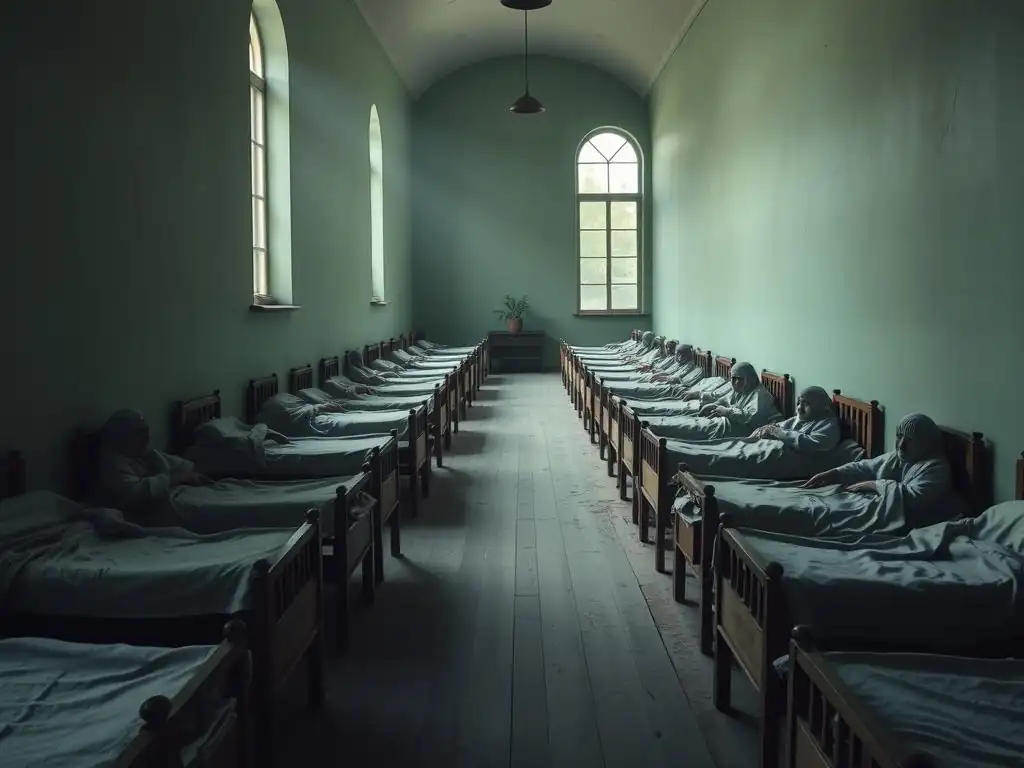
One of the most significant challenges faced by patients at Trans-Allegheny, particularly in later decades of the 19th century, was severe overcrowding. Designed initially for a fraction of the number it eventually housed, wards became packed, beds were placed in hallways, and living spaces were cramped. This overpopulation strained all resources, from food and staffing to sanitation facilities.
The lack of adequate space and staff directly impacted hygiene and sanitation. While early asylum design often incorporated principles of ventilation and light, these were compromised by the sheer number of residents. Maintaining cleanliness in crowded wards and communal areas was a constant struggle, leading to poor sanitary conditions that contributed to the spread of infectious diseases, adding another layer of hardship to 19th century asylum daily life.
Instances of Mistreatment and Neglect
While many staff members were dedicated, the challenging conditions, low pay, and lack of training for attendants in 19th-century asylums could unfortunately lead to instances of mistreatment and neglect. Reports from various asylums of the era, and later investigations into institutions like Trans-Allegheny, revealed cases of physical abuse, verbal humiliation, and neglect of basic needs like hygiene, adequate food, or medical attention.
The power imbalance between staff and patients, combined with the isolation of the asylum from public scrutiny, created an environment where such abuses could occur without immediate consequence. Patients, stripped of their rights and often unable to communicate effectively, were vulnerable. While not representative of every interaction, the potential for and reality of mistreatment were grim aspects of 19th century asylum daily life for some.
The Societal Stigma Surrounding Mental Illness in the 19th Century
Patients at Trans-Allegheny also faced the pervasive societal stigma attached to mental illness in the 19th century. Mental health conditions were often misunderstood, feared, and seen as a source of shame for families. This stigma contributed to the institutionalization of individuals who might have been cared for in the community today and meant that once inside the asylum, patients were often forgotten or actively avoided by their families and the wider public.
This societal attitude reinforced the isolation of the asylum and its residents. It made it difficult for patients to return to their communities even if their condition improved and contributed to their dehumanization within the institution. The weight of this societal judgment was a constant, invisible burden on the individuals living out their 19th century asylum daily life.
The Architecture and Physical Space of the Asylum
Design and Functionality of the Weston State Hospital Building
The Trans-Allegheny Lunatic Asylum building, now known as the Weston State Hospital, is a massive structure designed in the Kirkbride Plan style. This architectural philosophy, popular in the mid-19th century, called for large, sprawling buildings with long, staggered wings designed to provide ample natural light and ventilation to patient wards. The idea was that the physical environment itself could be therapeutic.
The building was constructed of stone and designed to be imposing and durable. It featured separate wings for male and female patients, and within those wings, different wards were intended for patients with varying levels of illness or agitation. The sheer size and layout of the building were intended to facilitate the management of a large population and implement the principles of moral treatment, although its scale later contributed to the challenges of overcrowding and maintenance, profoundly shaping the physical reality of 19th century asylum daily life.
The Influence of the Physical Environment on Patient Well-being
The physical environment of the asylum had a complex influence on patient well-being. The design principles of natural light and ventilation were intended to promote health, contrasting with the dark, damp conditions of earlier institutions. The extensive grounds provided space for outdoor activities and labor, seen as beneficial for physical and mental health.
However, the reality of life within the massive structure could also be detrimental. The long, echoing corridors, lack of privacy, institutional feel, and later, the severe overcrowding, could contribute to feelings of alienation, confinement, and despair. While the architecture aimed for a therapeutic effect, the lived experience within its walls, particularly as conditions deteriorated, often felt more like imprisonment than healing, impacting the quality of 19th century asylum daily life.
The Enduring Legacy of Trans-Allegheny Lunatic Asylum
Advancements in Mental Health Treatment Since the 19th Century
Since the era of the 19th-century asylum daily life, significant advancements have been made in understanding and treating mental illness. The development of psychotropic medications in the mid-20th century revolutionized treatment, allowing many individuals to manage their conditions outside of institutional settings. Therapies like cognitive behavioral therapy, dialectical behavior therapy, and others have provided effective non-pharmacological interventions.
Furthermore, there has been a major shift away from large-scale institutionalization towards community-based care. The closure of many large asylums, including Trans-Allegheny in the early 1990s, reflects this move towards deinstitutionalization, aiming to integrate individuals with mental illness back into society and provide care in less restrictive environments. This represents a fundamental change from the practices observed in 19th century asylum daily life.
Ongoing Challenges and Future Directions in Mental Healthcare
Despite progress, challenges in mental healthcare persist. Access to affordable and quality care remains a significant issue for many. Stigma, though perhaps less overt than in the 19th century, still exists and can prevent individuals from seeking help. Funding for mental health services often lags behind physical healthcare.
Future directions in mental healthcare focus on early intervention, integrated care models (combining mental and physical health services), personalized treatment approaches, and leveraging technology like telemedicine. There is also a continued emphasis on reducing stigma and promoting mental wellness alongside treating illness. Learning from the past, including the realities of 19th century asylum daily life, is crucial for building a more effective and compassionate system.
Remembering the Residents: Acknowledging the Lives of Those Who Lived Within
It is essential to remember the thousands of individuals who lived and often died within the walls of institutions like the Trans-Allegheny Lunatic Asylum. They were not just patients or statistics; they were people with families, histories, hopes, and struggles. Their experiences, including the realities of their 19th century asylum daily life, are a poignant reminder of how mental illness has been perceived and treated throughout history.
Acknowledging their lives involves understanding the context of the time, recognizing the limitations and often harsh realities of asylum care, and honoring their stories. The legacy of Trans-Allegheny serves as a historical marker, prompting reflection on how far mental healthcare has come and highlighting the ongoing need for compassion, understanding, and effective support for those living with mental health challenges today.
Frequently Asked Questions
What were the typical daily routines for patients in 19th-century asylums?
Daily life often involved structured routines, including waking early, performing chores, and attending meals. Entertainment and limited therapy sessions were also part of the day.
How did 19th-century asylums address the basic needs of their patients?
Asylums aimed to provide basic necessities like food, shelter, and clothing, though the quality varied. Hygiene and sanitation were often lacking by modern standards.
What types of treatments were commonly used in 19th-century asylums?
Common treatments included physical restraints, hydrotherapy, and lobotomies. Moral therapy, focused on compassion and rehabilitation, was also practiced, though less frequently.
What were the living conditions like inside 19th-century asylums?
Living conditions varied greatly, but many asylums suffered from overcrowding, poor sanitation, and limited resources. This contributed to a bleak and often inhumane environment for patients.
What role did staff play in the daily lives of patients in 19th-century asylums?
Staff members were responsible for managing patients, administering treatments, and maintaining order. Their training and attitudes greatly influenced the quality of care received by patients.
Final Reflection: Echoes of the Past, Lessons for the Present
The chilling realities of 19th-century asylum life, as detailed in this article, remain profoundly relevant today. We may have moved beyond the brutal practices of the past, but the underlying issues of mental health stigma, inadequate treatment, and the societal neglect of vulnerable populations continue to plague us. The echoes of these historical injustices resonate in the disparities we still see in access to mental healthcare and the persistent prejudice faced by those struggling with mental illness.
The pervasive dehumanization depicted within these institutions serves as a stark reminder of the importance of empathy and understanding. The insane are not mad, they are only misunderstood.
This quote, though simplistic, encapsulates the core of the problem. Our understanding of mental illness has evolved, yet the societal biases that fueled the inhumane conditions of 19th-century asylums still linger, manifesting in subtle and overt forms of discrimination. The fight for equitable and compassionate mental healthcare is far from over; the past serves as a cautionary tale and a powerful motivator for continued progress.
Consider the stories shared within these pages. Reflect on the individuals who endured unimaginable suffering within those walls. Let their experiences fuel your commitment to advocating for better mental health services, to challenging stigma, and to fostering a society that values and supports the well-being of all its members. By learning from the mistakes of the past, we can build a future where mental illness is treated with the respect, dignity, and understanding it deserves.
Unlock the Past: Explore 19th Century Asylum Life
Thanks for taking the time to delve into the fascinating—and often unsettling—world of 19th-century asylums. We hope you gained a new perspective on mental health history and the evolution of care. Now it's time to take action!
- Share your thoughts: What aspect of 19th-century asylum life surprised you the most? Did anything resonate with contemporary mental health challenges? Leave a comment below and spark a discussion!
- Engage with the past: Research a specific historical figure associated with 19th-century asylum reform. Their stories are often powerful and illuminating.
- Consider the present: Reflect on how far we've come in mental health care and identify areas where further progress is needed. What are the biggest challenges facing mental healthcare today, in your opinion?
Ready to delve deeper into the stories of the past and their relevance today? What questions does this glimpse into history raise for you about our present?