
Lunacy and the Moon's Influence: A Key Belief in Medieval Psychiatry

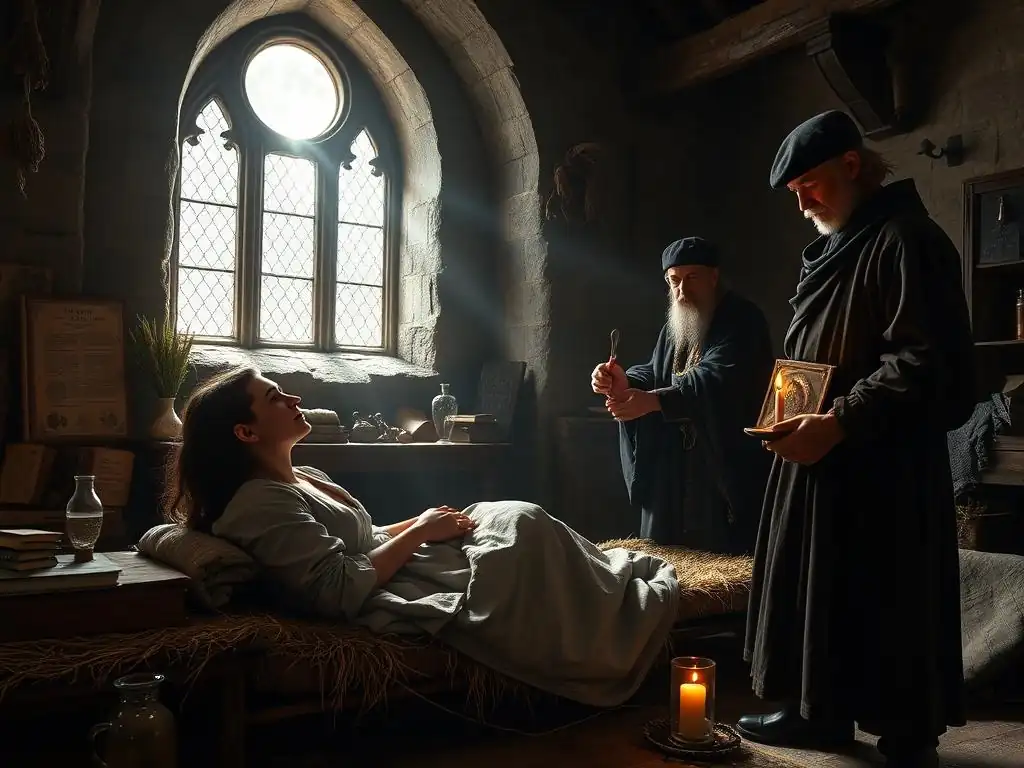
Welcome to Mind Care Guide.
Have you ever wondered how our ancestors grappled with the mysteries of the mind? Delve into a fascinating, and often unsettling, chapter in mental health history. We understand that navigating mental well-being can feel like charting unknown territory, and sometimes, looking back helps us understand how far we've come.
In this article, we uncover the surprising beliefs surrounding " Medieval moon madness treatment options" and the profound influence the lunar cycle held on perceptions of mental illness. Prepare to be captivated by the historical approaches to mental health, and to question how far our understanding has truly evolved. What remedies did they employ, and were they as outlandish as we might imagine?
Lunacy and the Moon's Influence: A Key Belief in Medieval Psychiatry
- Introduction: The Medieval Mind and Lunar Influence on Mental Health
- The Doctrine of Lunacy: Linking the Moon to Mental Instability
- Medieval Understanding of Moon Madness: Symptoms and Manifestations
- Medieval Moon Madness Treatment Options: Approaches and Remedies
- Challenging the Lunar Influence: Skepticism in Medieval Thought
- Case Studies: Documented Instances of "Lunar" Madness in Medieval Records
- The Legacy of Lunar Beliefs: From Medieval Psychiatry to Modern Understanding
- Medieval Beliefs and Modern Psychiatry: Differences and Parallels
- Conclusion: Reflecting on the Medieval Understanding of Lunacy
-
Frequently Asked Questions
- What was the prevailing belief about the moon's influence on mental health during the medieval period?
- How did medieval physicians explain the connection between the moon and mental illness?
- What were some common "Medieval moon madness treatment options" practiced?
- Were there any societal implications of believing in the moon's influence on mental illness?
- Did medieval medical practitioners differentiate between different types of mental illnesses, or were they all lumped together as "lunacy"?
- Final Reflection: The Enduring Shadow of Lunar Lunacy
- Unlock the Mysteries of Medieval Minds!
Introduction: The Medieval Mind and Lunar Influence on Mental Health
Exploring Medieval Beliefs about Mental Illness
During the Middle Ages, understanding mental illness was a complex tapestry woven from religious doctrine, folklore, and the prevailing medical theories of the time. Unlike modern psychiatry, which primarily seeks biological and psychological explanations, medieval perspectives often attributed mental disturbances to external forces, moral failings, or imbalances within the body.
Demons, divine punishment, witchcraft, and celestial bodies were all considered potential culprits behind conditions that today we might diagnose as depression, psychosis, or bipolar disorder. This framework meant that the experience of mental distress was often viewed through a lens of fear, misunderstanding, and spiritual or physical remedies rather than purely therapeutic intervention.
Medical texts from this era, such as those influenced by Hippocrates and Galen, heavily relied on the theory of the four humors (blood, phlegm, yellow bile, and black bile). Mental conditions were frequently diagnosed as imbalances in these humors. For instance, excessive black bile was thought to cause melancholy (depression), while too much yellow bile might lead to choleric temperament or mania. Alongside this humoral theory, however, existed a strong belief in the influence of celestial bodies, particularly the moon, on human health and behavior, forming a significant part of the medieval understanding of mental health challenges.
The Role of the Moon in Medieval Understanding of Madness
The moon held a profound significance in medieval life, governing tides, agricultural cycles, and even influencing calendars and religious observances. It was perhaps inevitable that such a powerful and visibly changing celestial body would be linked to the equally mysterious fluctuations observed in human behavior and mental states. The term "lunacy" itself, derived from the Latin word "luna" for moon, explicitly points to this historical connection. Medieval thinkers observed that some individuals exhibited periodic changes in their mental state, with symptoms appearing to worsen during certain phases of the moon, particularly the full moon.
This perceived correlation between lunar cycles and episodes of madness became a deeply ingrained belief across various cultures and social strata throughout the medieval period. Physicians, theologians, and common folk alike accepted the moon's influence as a plausible explanation for unpredictable or erratic behavior. This belief wasn't solely rooted in superstition; it was often incorporated into the era's medical and philosophical frameworks, attempting to provide a rational, albeit flawed, explanation for phenomena that were otherwise inexplicable given the limited scientific knowledge of the time.
The Doctrine of Lunacy: Linking the Moon to Mental Instability
Defining Lunacy: Etymology and Historical Context
The term "lunacy" provides a direct linguistic link between mental instability and the moon. Originating from the Latin "lunaticus," meaning "of the moon," the word gained currency in medieval English to describe a form of intermittent madness believed to be caused or influenced by the moon's phases. This wasn't just a casual observation; it became a recognized concept within the legal and medical systems of the time. A person deemed "lunatic" was often understood to have periods of lucidity interspersed with episodes of irrationality or altered behavior, mirroring the waxing and waning of the moon.
Historical documents, including legal statutes and medical treatises from roughly the 12th to the 15th centuries, refer to lunacy as a distinct condition. For example, medieval English law sometimes differentiated between someone who was perpetually insane ("idiot") and someone who suffered from periodic madness ("lunatic"), with implications for their legal rights, property management, and responsibility for their actions. This distinction highlights how deeply the idea of lunar influence was embedded, providing a framework for classifying and attempting to understand certain patterns of mental disturbance.
The Four Humors Theory and Lunar Influence on Mental Balance
The prevalent medical model in the Middle Ages was the humoral theory, which posited that health depended on the balance of four bodily fluids: blood, phlegm, yellow bile (choler), and black bile (melancholy). Each humor was associated with specific qualities (hot/cold, wet/dry) and temperaments. Mental illness was seen as a result of an excess or deficiency of one or more humors, or their improper mixture. The belief in lunar influence often intersected with this theory, providing a mechanism by which the humors might become unbalanced.
Medieval physicians theorized that, just as the moon exerted gravitational pull on tides, it could also influence the "tides" or movements of fluids within the human body, including the humors, blood, and cerebrospinal fluid. A full moon, for instance, might be thought to increase certain humors or bodily fluids, leading to an excess that manifested as manic or aggressive behavior.
Conversely, other moon phases might correlate with different imbalances. This integration allowed the moon's perceived effect to fit within the dominant scientific paradigm, offering a seemingly rational explanation for periodic mental changes and informing the various medieval moon madness treatment options employed.
Medieval Understanding of Moon Madness: Symptoms and Manifestations
Identifying Signs of Lunar-Induced Mental Disturbance
Identifying "lunacy" in the Middle Ages relied heavily on observed behavioral changes that seemed to correlate, or were believed to correlate, with the moon's phases. Unlike modern diagnostic criteria, this identification was often based on overt, disruptive, or unusual behaviors. A person might be considered afflicted by lunar madness if their symptoms appeared to worsen during the full moon or new moon, or if their episodes of altered mental state seemed to follow a cyclical pattern roughly aligned with the 29.5-day lunar cycle.
Symptoms were often described anecdotally in chronicles, medical texts, and personal letters. Physicians or concerned family members would note periods of extreme agitation, irrational fear, sudden bursts of anger, withdrawal, incoherent speech, or even physical symptoms like seizures, if these symptoms showed a noticeable pattern linked to the moon. The absence of such symptoms during other moon phases was also a key factor in differentiating "lunacy" from other forms of perceived madness or mental deficiency.
Common Symptoms Attributed to Lunacy in Medieval Texts
Medieval texts describe a range of behaviors attributed to the moon's influence. Aggression and violence were frequently mentioned, with individuals in the throes of "moon madness" sometimes described as being uncontrollable or dangerous. Conversely, withdrawal, deep melancholy, and listlessness were also associated, depending perhaps on which humors were thought to be affected by the lunar phase. Sleep disturbances were a common complaint, with restlessness or nightmares linked to the moonlit nights.
For instance, some accounts might describe individuals becoming agitated and unable to sleep during a full moon, exhibiting erratic behavior or speaking nonsense. Others might fall into a state of stupor or deep sadness during certain lunar phases. While specific, quantifiable data on the prevalence or exact nature of these symptoms linked to lunar phases is scarce in medieval records, the descriptions themselves provide insight into the types of mental distress that were categorized under the umbrella of lunacy and subsequently influenced the medieval moon madness treatment options considered appropriate.
Medieval Moon Madness Treatment Options: Approaches and Remedies

Herbal Remedies and Lunar-Aligned Treatments
Herbal medicine was a cornerstone of medieval healthcare, and a wide array of plants were used in medieval moon madness treatment options. Physicians and folk healers prescribed various herbs based on their perceived properties – some to calm, others to purge, and some believed to possess specific anti-demonic or anti-lunar influences. The administration of these remedies was sometimes aligned with lunar phases, believing the herbs would be more potent or the patient more receptive at certain times.
Specific herbs like hellebore, mandrake, and opium poppy were used, though their potent and often toxic nature meant treatment could be dangerous. Hellebore, for example, was used to induce vomiting or purging, aiming to expel excess humors believed to cause the madness.
Mandrake was often used for its sedative properties, sometimes steeped in wine, but also carried significant risks. These herbal treatments, while sometimes offering temporary sedation or physiological effects, were fundamentally based on the prevailing, often incorrect, understanding of the body and the causes of mental illness, forming a key part of the medieval moon madness treatment options available.
Bloodletting and Other Physical Interventions for Lunacy
Given the humoral theory's dominance, physical interventions aimed at rebalancing the humors were common medieval moon madness treatment options. Bloodletting was perhaps the most ubiquitous medical practice of the era, performed by physicians or barber-surgeons. The belief was that removing excess blood could reduce plethora (excess bodily fluid) or rebalance the humor associated with blood, thereby alleviating symptoms of madness thought to be caused by this imbalance, potentially exacerbated by lunar influence.
Other physical treatments included purging through laxatives or emetics (like hellebore), blistering agents applied to the skin, and cupping. These methods were all designed to remove perceived excesses or draw out harmful substances or humors. While potentially providing some temporary physiological changes, these interventions were often painful, weakening, and carried risks of infection, reflecting the limited and often harsh nature of medieval moon madness treatment options rooted in humoral pathology.
Religious Practices and Exorcism in Treating Lunar Madness
Alongside medical approaches, religious practices formed a significant part of medieval moon madness treatment options, particularly when symptoms were severe, inexplicable, or involved behaviors perceived as blasphemous or demonic. Prayer, fasting, pilgrimages to holy sites, and the laying on of hands by clergy were common spiritual remedies. These practices aimed to seek divine intervention, offer spiritual comfort, or cleanse the individual of perceived spiritual impurities or influences.
Exorcism was also employed, especially if the madness was believed to be caused by demonic possession, which could be linked to lunar influence in some beliefs. The ritual involved prayers, invocations, and sometimes physical restraints, aiming to expel the malevolent spirit. While offering psychological comfort or hope for some, these religious interventions often reinforced the stigma associated with mental illness, framing it as a spiritual battle or moral failing rather than a medical condition requiring compassionate care and effective medieval moon madness treatment options.
Challenging the Lunar Influence: Skepticism in Medieval Thought
Voices of Dissent: Questioning the Moon's Power Over the Mind
While the belief in lunar influence on madness was widespread, it was not universally accepted without question throughout the entire medieval period. Some physicians and scholars, particularly those with a more empirical or philosophical bent, expressed skepticism. Figures like the Persian physician Avicenna (whose works were highly influential in medieval Europe) discussed mental conditions primarily through the lens of humoral imbalances and brain function, though he did not completely dismiss celestial influences, his focus was more on internal causes.
Later medieval physicians, particularly in the burgeoning universities, sometimes questioned the direct, powerful influence attributed to the moon. They might acknowledge some subtle influence of celestial bodies as part of the general cosmic order but doubted it was the primary or sole cause of severe mental derangement. Their writings might place greater emphasis on specific humoral imbalances, physical injuries, or even psychological factors like intense emotions or trauma as causes for madness, representing early, albeit limited, challenges to the dominant lunar theory within the context of medieval moon madness treatment options.
Alternative Explanations for Mental Illness in the Medieval Period
Beyond the moon, medieval thinkers proposed several other explanations for mental illness, often intertwining them with lunar beliefs. As mentioned, humoral imbalances were a primary medical explanation. Excessive black bile was commonly cited for melancholy, leading to treatments aimed at purging or balancing this humor. Head injuries were also recognized as potential causes of altered mental states.
Furthermore, moral failings, sin, or divine punishment were strong contenders in the theological understanding of madness. A person's suffering could be interpreted as a test of faith or retribution for past sins. Witchcraft and the malevolent influence of others were also feared causes. These alternative explanations coexisted with, and sometimes competed with, the lunar theory, demonstrating the multifaceted and often contradictory ways in which medieval society attempted to understand and categorize mental distress before effective medieval moon madness treatment options were developed.
Case Studies: Documented Instances of "Lunar" Madness in Medieval Records
Examining Historical Accounts of Lunacy
Documented individual case studies of "lunar" madness from the medieval period are rare and often lack the detailed clinical information expected in modern records. However, glimpses appear in various sources: monastic chronicles, court records, and medical manuscripts. For instance, some monastic infirmary records might note a patient whose "frenzy" or "melancholy" seemed to coincide with the full moon, sometimes leading to specific prayers or treatments being administered during those times.
Legal documents sometimes mention individuals being excused from responsibility for actions committed during periods of perceived lunacy. A court record from, say, 14th-century England might describe a person whose behavior was erratic and violent during specific times of the month, leading witnesses to attribute it to the moon's influence, thus impacting how their case was handled and what form of care or confinement they might receive, often influencing the choice among limited medieval moon madness treatment options.
Analyzing the Context of Medieval Mental Health Cases
Analyzing these historical accounts requires understanding the medieval context. Descriptions of symptoms are filtered through the language and beliefs of the time. What was called "frenzy" might encompass a range of agitated states, from delirium to mania. Attributing a condition solely to the moon might have been a convenient explanation for unpredictable behavior or a way to categorize a condition that didn't fit neatly into other known causes like fever or injury.
These records, though sparse and biased by the recorder's perspective (often a cleric, lawyer, or physician trained in humoral theory), are invaluable for showing how the concept of lunacy was applied in practice. They reveal that individuals exhibiting periodic mental distress were recognized, categorized, and subject to specific societal responses and medieval moon madness treatment options, even if the underlying understanding of their condition was fundamentally different from today's.
The Legacy of Lunar Beliefs: From Medieval Psychiatry to Modern Understanding
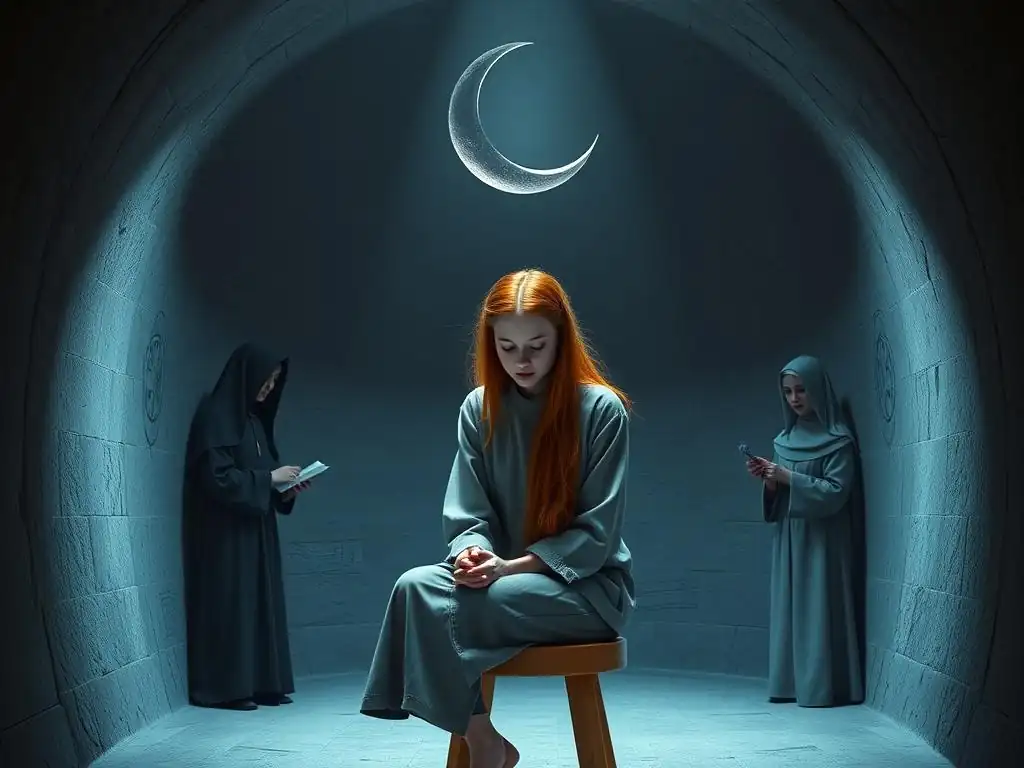
Tracing the Evolution of Mental Health Concepts
The medieval belief in lunacy represents a significant step in the long, complex history of understanding mental health. It was an attempt to find a pattern and external cause for puzzling human behavior, fitting within the era's cosmic and medical frameworks. While the direct link between the moon and madness has been scientifically disproven, the concept highlights the human need to explain and categorize mental suffering.
The transition from medieval to modern understanding involved centuries of shifting paradigms: from supernatural and celestial explanations to humoral and physical ones, then towards moral treatment, asylum-based care, and eventually the psychological and biological models of the 20th and 21st centuries. Each era built upon or reacted against the ideas that came before, with the medieval concept of lunacy serving as a historical marker of how mental illness was perceived before the advent of modern scientific inquiry and contemporary medieval moon madness treatment options were replaced by evidence-based therapies.
The Enduring Influence of Lunar Beliefs in Folklore and Culture
Although scientific medicine has long abandoned the notion of the moon directly causing madness, the cultural legacy of lunacy persists. The term "lunatic" remains in common, albeit often insensitive, usage. Folklore and popular culture continue to associate the full moon with strange or erratic behavior – from increased crime rates in urban legends to transformations in werewolf myths.
This enduring cultural resonance speaks to the power of the medieval belief and perhaps to a persistent human tendency to seek external, visible explanations for internal, invisible struggles. While modern psychiatry focuses on neurobiology, genetics, environment, and psychological factors, the historical concept of lunar madness serves as a reminder of how drastically our understanding of the mind and its afflictions has changed since the time when medieval moon madness treatment options were rooted in celestial and humoral theories.
Medieval Beliefs and Modern Psychiatry: Differences and Parallels
Contrasting Medieval and Contemporary Approaches to Mental Illness
The contrast between medieval beliefs about lunacy and modern psychiatric approaches is stark. Medieval understanding was based on external, often supernatural or celestial causes, and humoral imbalances, leading to medieval moon madness treatment options focused on spiritual interventions, physical purging, or herbal remedies aimed at rebalancing humors or expelling negative influences. Modern psychiatry, conversely, utilizes evidence-based models focusing on neurobiological factors, genetic predispositions, environmental stressors, psychological trauma, and cognitive processes.
Treatment today involves psychotherapy, psychopharmacology, and supportive care, tailored to specific diagnoses like schizophrenia, bipolar disorder, or depression, which are understood as complex conditions with biological and psychological underpinnings, not caused by lunar phases. The medieval approach lacked effective diagnostic tools and treatments, often relying on speculation and sometimes harmful interventions, a significant difference from the targeted therapies available today.
The Stigma of Mental Illness: A Historical and Contemporary Comparison
Despite the vast differences in understanding and treatment, a troubling parallel exists between medieval and contemporary perspectives: the pervasive stigma surrounding mental illness. In the Middle Ages, madness, including lunacy, could lead to social isolation, fear, and sometimes harsh treatment, seen as a mark of divine displeasure or demonic influence. While medical theories existed, the lived experience for many with mental health issues was one of marginalization and misunderstanding.
Today, while we have scientific explanations and more humane treatment options than the medieval moon madness treatment options, stigma remains a significant barrier to seeking help and recovery. Fear, prejudice, and discrimination still affect individuals with mental health conditions, echoing the historical fear of the "lunatic." Recognizing this historical continuity in stigma, despite radical shifts in scientific understanding, underscores the ongoing need for empathy, education, and advocacy to create a more compassionate society for those facing mental health challenges.
Conclusion: Reflecting on the Medieval Understanding of Lunacy
The Significance of Lunar Beliefs in the History of Mental Health
The belief in lunacy was a cornerstone of medieval understanding of certain types of mental illness. It provided a framework, however flawed, for explaining periodic or erratic behavior at a time when scientific knowledge of the brain and body was limited. The term "lunacy" itself serves as a linguistic fossil, preserving the historical connection between the moon and madness in popular consciousness.
Studying medieval beliefs, including the concept of lunacy and the medieval moon madness treatment options employed, offers valuable insights into the historical evolution of thought about mental health. It highlights how scientific understanding is shaped by cultural context, prevailing theories, and available knowledge, demonstrating a historical attempt to rationalize bewildering phenomena.
The Importance of Interdisciplinary Approaches to Studying Medieval Mental Health
Understanding medieval mental health, including the concept of lunacy, requires an interdisciplinary approach. Combining historical analysis of medical texts, legal documents, religious writings, and social histories provides a richer picture than any single discipline could offer. Examining the medieval moon madness treatment options alongside the beliefs about causes reveals the complex interplay between theory and practice.
By drawing on history, sociology, religious studies, and the history of medicine, we can gain a more nuanced appreciation for how mental distress was perceived, experienced, and managed in the Middle Ages. This interdisciplinary perspective not only illuminates the past but also helps us understand the long arc of mental health history and the ongoing challenges of stigma and effective care, even as our scientific understanding has moved far beyond medieval explanations like lunar influence.
Frequently Asked Questions
What was the prevailing belief about the moon's influence on mental health during the medieval period?
The prevailing belief was that the moon had a direct influence on mental health, particularly on conditions then termed lunacy or moon madness. It was thought that the moon's phases could trigger or exacerbate mental instability.
How did medieval physicians explain the connection between the moon and mental illness?
Medieval physicians often attributed the connection to the moon's perceived influence on bodily fluids, believing that the moon could affect the balance of humors in the body. This imbalance was thought to cause mental and emotional disturbances.
What were some common "Medieval moon madness treatment options" practiced?
Treatment often involved attempting to restore humoral balance through various methods, including bloodletting, herbal remedies, and dietary adjustments. Religious practices, like exorcism, were also employed.
Were there any societal implications of believing in the moon's influence on mental illness?
Yes, those believed to be affected by "moon madness" often faced social stigma and isolation. Their behavior was attributed to external forces rather than recognized as medical conditions.
Did medieval medical practitioners differentiate between different types of mental illnesses, or were they all lumped together as "lunacy"?
While some distinctions existed, mental illnesses were often broadly categorized as "lunacy." Detailed diagnoses, as we understand them today, were rare. The focus was primarily on observable behaviors and the perceived lunar connection.
Final Reflection: The Enduring Shadow of Lunar Lunacy
The medieval belief in the moon's influence on mental health, while seemingly archaic, casts a surprisingly long shadow on our modern understanding of mental illness. The persistent association between the moon and madness, though debunked scientifically, highlights the enduring power of cultural narratives and the complexities of attributing causation to complex phenomena. This enduring connection reminds us that even seemingly outdated beliefs can continue to shape our perceptions and approaches to mental health.
The pervasive nature of this belief throughout the medieval period profoundly impacted not only the treatment of mental illness but also the social perception of those afflicted. It created a framework for understanding and, more importantly, misunderstanding mental illness, often leading to stigmatization and inhumane treatment. The very language we use today – phrases like "lunatic" – are a testament to this enduring legacy. The moon, like a watchful eye, seemed to govern not only the tides, but the tides of human reason itself.
This quote, though fictional, encapsulates the pervasive belief system that shaped medieval approaches to mental health.
Consider the implications of this historical perspective. How do our own cultural narratives shape our understanding of mental health today? What biases, conscious or unconscious, might be influencing our approaches to treatment and care? I urge you to reflect on this legacy, not to dwell on the past's mistakes, but to learn from them. By understanding the historical roots of our perceptions, we can strive towards a more compassionate and informed approach to mental health in the present and future.
Unlock the Mysteries of Medieval Minds!
Thanks for exploring the fascinating link between lunar cycles and medieval psychiatry with us! We hope you gained a new perspective on the history of mental health understanding. Ready to delve deeper?
- Share your thoughts: Did any particular aspect of medieval lunar beliefs resonate with you? Start a discussion in the comments below! This helps us all learn more.
- Explore further: Research other historical perspectives on mental illness. How did societal beliefs shape treatment approaches throughout history?
- Dive into related articles: Explore other Mind Care Guide articles on the history of mental health. You might be surprised by what you discover!
What other historical medical beliefs intrigue you and deserve further investigation?