
Observing Behavior: Medieval Methods for Diagnosing Mental Conditions


Welcome to Mind Care Guide, a sanctuary dedicated to your mental well-being. Ever wondered how our understanding of the mind has evolved over centuries? Delve into the fascinating, and sometimes unsettling, world of "Medieval mental health diagnosis methods". Discover the historical roots of our current approaches and gain a new perspective on the journey towards mental wellness. What can the past teach us about caring for our minds today? Let's explore!
- Mind Care Guide: Observing Behavior - Historical Methods for Diagnosing Mental Conditions
- Understanding Historical Perspectives on Mental Health
- Historical Mental Health Diagnosis Methods: Observing Behavior
- Specific Historical Behavioral Diagnostic Techniques
- Historical Diagnostic Tools and Practices Beyond Observation
- Limitations and Ethical Considerations of Historical Diagnostic Practices
- Case Studies: Examples of Historical Mental Health Diagnosis Methods in Practice
- Comparing Historical Mental Health Diagnosis Methods to Modern Approaches
- The Legacy of Historical Mental Health Beliefs and Practices
-
Frequently Asked Questions
- How accurate were Medieval mental health diagnosis methods compared to modern methods?
- What were some common Medieval mental health diagnosis methods mentioned in the article?
- Did Medieval mental health diagnosis consider environmental or social factors?
- What role did religion play in Medieval mental health diagnosis?
- Why is it important to understand Medieval mental health diagnosis methods today?
- Final Reflection: Echoes of the Past, Lessons for the Present
- Unlock the Secrets of Medieval Minds: Dive Deeper into History!
Mind Care Guide: Observing Behavior - Historical Methods for Diagnosing Mental Conditions
Introduction: Historical Perspectives on Mental Health
Understanding how past societies perceived and attempted to diagnose mental health conditions offers crucial insights into the evolution of psychological care and societal attitudes. Before the advent of modern psychiatry and neuroscience, the understanding of mental illness was deeply intertwined with prevailing philosophical, religious, and medical beliefs of the time.
The medieval period, roughly spanning from the 5th to the 15th century, provides a particularly fascinating lens through which to view these early diagnostic efforts. Lacking the diagnostic tools and scientific frameworks we have today, practitioners and laypeople alike relied heavily on observable behavior as the primary indicator of internal distress or imbalance.
During the Middle Ages, the concept of "mental illness" as a distinct medical condition was often blurred with spiritual affliction, moral failing, or physical humors imbalance. Consequently, medieval mental health diagnosis methods were a complex mix of empirical observation, theological interpretation, and traditional medical theories.
The process was rarely standardized and varied significantly depending on geographic location, social class, and the specific beliefs of the healer, cleric, or family involved. This historical context highlights the fundamental shift from interpreting behavior through a lens of sin or physical humor to understanding it through psychological and biological frameworks, marking a long journey toward our current understanding of mental well-being.
Understanding Historical Perspectives on Mental Health
The Humoral Theory and Mental Imbalance
The dominant medical paradigm throughout much of the Middle Ages was the humoral theory, inherited from ancient Greek physicians like Hippocrates and Galen. This theory posited that the human body contained four fundamental humors: blood, yellow bile, black bile, and phlegm. Health was believed to depend on the perfect balance of these humors, each associated with specific qualities (hot, cold, wet, dry) and temperaments (sanguine, choleric, melancholic, phlegmatic).
Mental conditions were frequently attributed to an imbalance or corruption of these humors. For example, an excess of black bile was thought to cause melancholia, characterized by sadness, fear, and withdrawal, while an excess of yellow bile might lead to mania or irritability.
Diagnosis under this framework often involved observing physical symptoms believed to correlate with humoral imbalances, such as complexion, temperature, and bodily excretions. However, observable behavior was also interpreted through this lens. Erratic actions, irrational speech, or extreme emotional states were seen as direct manifestations of the internal humoral state. A person exhibiting wild, aggressive behavior might be diagnosed with an excess of choler (yellow bile), prompting treatments aimed at purging this humor. This approach meant that medieval mental health diagnosis methods were inherently tied to physical theories, viewing mental symptoms as secondary to a bodily imbalance.
Influence of Religion and Superstition on Diagnoses
Alongside the humoral theory, religious and superstitious beliefs played a profound role in how mental distress was understood and diagnosed during the medieval period. Many cultures of the time attributed inexplicable behaviors, particularly those involving delusions, hallucinations, or extreme agitation, to supernatural forces. Demonic possession, divine punishment for sin, or the influence of witchcraft were common explanations. This perspective often led to individuals exhibiting symptoms of mental illness being treated not as patients requiring medical care but as individuals requiring spiritual intervention, exorcism, or even punishment.
Clerics and religious authorities were frequently involved in the diagnostic process, often called upon to discern whether symptoms were of natural (humoral) or supernatural origin. Observable behaviors that deviated from societal norms or religious doctrine, such as blasphemy, speaking in tongues (if not recognized as divinely inspired), or exhibiting physical contortions, could be interpreted as signs of demonic influence. This intertwined view meant that medieval mental health diagnosis methods could lead to vastly different outcomes depending on whether the symptoms were deemed medical or spiritual, ranging from attempts at humoral rebalancing to prayers, exorcisms, or even persecution.
Historical Mental Health Diagnosis Methods: Observing Behavior
The Role of Observation in Assessing Mental State
In the absence of advanced medical technology or standardized psychological tests, direct observation of an individual's behavior was the cornerstone of medieval mental health diagnosis methods. Healers, family members, and community members meticulously watched and interpreted actions, words, and emotional displays. This was a practical necessity; understanding what was "wrong" with someone who exhibited unusual behavior required careful attention to their observable state. The process was often informal, relying on accumulated anecdotal evidence rather than systematic clinical assessment.
Observation focused on deviations from expected norms. What was considered normal behavior varied, but generally included adherence to social customs, rational communication, appropriate emotional responses, and the ability to perform daily tasks. Any significant departure from these norms – sudden changes in personality, illogical speech, extreme mood swings, or withdrawal from social interaction – was flagged as a potential indicator of mental disturbance. This reliance on observation, while rudimentary, laid a foundational, albeit often flawed, precedent for later diagnostic practices that also utilize behavioral assessment, albeit within a more scientific framework.
Specific Historical Behavioral Diagnostic Techniques
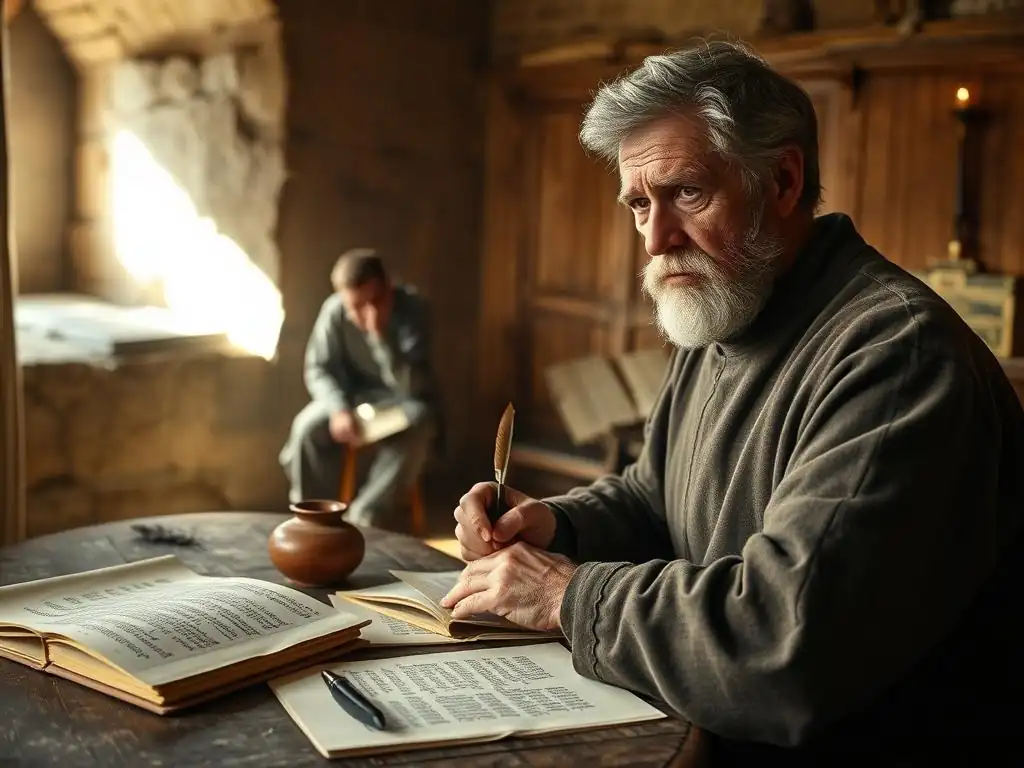
Analyzing Speech Patterns for Mental Instability
Analyzing speech patterns was a key component of medieval mental health diagnosis methods based on observation. Deviations from coherent, logical, and socially appropriate communication were considered significant indicators of mental instability. This included rambling or incoherent speech, speaking in voices other than one's own, sudden mutism, excessive or rapid talking (logorrhea), or using language deemed blasphemous or nonsensical. For instance, a person speaking gibberish or claiming to hear voices might be seen as possessed or suffering from a severe humoral imbalance affecting the brain.
The Malleus Maleficarum, a notorious text from the late 15th century, while focused on witchcraft, reflects the contemporary tendency to interpret unusual speech. It describes how accused witches might speak in strange languages or make bizarre confessions, interpreted not as symptoms of delusion or mental illness but as evidence of pacts with the devil. This highlights how the interpretation of speech was heavily filtered through the prevailing beliefs of the time, often leading to misdiagnosis and severe consequences rather than empathetic care based on medieval mental health diagnosis methods.
Interpreting Facial Expressions and Body Language
Beyond verbal communication, medieval mental health diagnosis methods also paid close attention to non-verbal cues, particularly facial expressions and body language. A person's countenance and physical demeanor were believed to reflect their internal state, both physical and mental. Constant grimacing, vacant stares, inappropriate laughter or crying, or extreme agitation (restlessness, pacing) were interpreted as signs of internal turmoil or imbalance. For example, a perpetually downcast expression combined with slumped posture might be seen as a sign of melancholia (excess black bile).
Conversely, wild gesticulations, frenzied movements, or exaggerated expressions could be interpreted as mania or even demonic agitation. The lack of sophisticated medical understanding meant that these observable physical manifestations were often the most tangible evidence available for diagnosis. While modern psychology also recognizes the importance of non-verbal cues, medieval interpretations were often speculative and tied to humoral, religious, or superstitious frameworks rather than psychological states, making these medieval mental health diagnosis methods prone to significant error.
Social behavior provided another critical area for observation in medieval mental health diagnosis methods. How an individual interacted with others, or failed to interact, was a strong indicator of their mental state. Sudden withdrawal from social activities, family life, or community engagement was often seen as a sign of distress or illness. A person who became reclusive, avoided conversation, or stopped participating in communal rituals might be diagnosed with a form of melancholia or even perceived as having been cursed or targeted by evil forces.
Conversely, excessively disruptive or inappropriate social behavior, such as public outbursts, aggression, or disregard for social norms, was also a clear red flag. Such actions might lead to a diagnosis of mania or be interpreted as the influence of external forces. The emphasis on community and social cohesion in medieval society meant that deviations in social interaction were highly visible and often the first signs noticed by others, forming a central part of the information used in medieval mental health diagnosis methods.
Monitoring Sleep Patterns and Disturbances
Sleep patterns and disturbances were also considered significant in medieval mental health diagnosis methods. Changes in sleep habits – insomnia, excessive sleepiness, nightmares, or restless sleep – were often linked to internal imbalances or external influences. For instance, chronic insomnia might be attributed to an excess of dry humors or seen as a symptom of anxiety caused by spiritual distress. Nightmares were sometimes interpreted as visitations from demons or signs of a troubled soul.
Descriptions in historical texts, though often intertwined with physical ailments, frequently mention sleep disturbances in individuals exhibiting other symptoms of mental distress. For example, a melancholic person might be described as suffering from sleeplessness and terrifying dreams, reinforcing the diagnosis of an imbalance of black bile affecting the mind. This focus on sleep highlights the holistic, albeit unscientific, approach of medieval mental health diagnosis methods, where physical and mental symptoms were often viewed as interconnected manifestations of an underlying cause.
Examination of Emotional Outbursts and Mood Swings
Extreme emotional volatility and unpredictable mood swings were perhaps the most obvious behavioral signs used in medieval mental health diagnosis methods. Sudden, intense outbursts of rage, uncontrollable weeping, inappropriate euphoria, or rapid shifts between emotional extremes were clear indicators that something was perceived to be fundamentally wrong. These dramatic displays were often interpreted through the lens of humoral theory – for example, sudden anger linked to yellow bile – or as evidence of external control, such as demonic influence causing irrational behavior.
Chronic states of extreme emotion, such as persistent, deep sadness (melancholia) or prolonged, irrational joy (mania), were also carefully noted. The intensity and duration of these emotional states, especially when disproportionate to circumstances, were key diagnostic markers. While modern psychiatry also observes emotional states, medieval interpretations lacked the nuanced understanding of psychological factors, relying instead on simplistic causal links or supernatural explanations, making these medieval mental health diagnosis methods limited and often inaccurate by today's standards.
Historical Diagnostic Tools and Practices Beyond Observation
The Use of Astrology in Mental Health Assessment
Astrology, the belief that celestial bodies influence human affairs, was a respected field of study throughout the Middle Ages and was sometimes incorporated into medieval mental health diagnosis methods. Astrologers would cast horoscopes or examine planetary positions at the time of a person's birth or the onset of their symptoms. Certain planetary alignments or zodiac signs were believed to predispose individuals to specific temperaments or vulnerabilities to particular illnesses, including those affecting the mind. For instance, Saturn was often associated with melancholia due to its perceived cold and dry nature.
A practitioner might consult an astrologer to understand the perceived celestial influences contributing to a patient's mental state. The astrologer's findings could reinforce a humoral diagnosis or suggest a spiritual component, guiding subsequent treatment. While entirely lacking scientific basis, this practice demonstrates the multidisciplinary, albeit often misguided, approaches used in medieval mental health diagnosis methods, drawing on all available knowledge systems of the era to try and make sense of complex human suffering.
Physical Interventions as Diagnostic Aids
In some cases, physical interventions were employed not just as treatment but also implicitly as diagnostic aids within medieval mental health diagnosis methods. Practices like bleeding (phlebotomy), purging (using laxatives or emetics), or blistering were primarily therapeutic, aimed at restoring humoral balance. However, the patient's reaction to these interventions could sometimes be interpreted as confirming a diagnosis. For example, if bleeding seemed to calm an agitated patient, it might reinforce the idea that their condition was due to an excess of blood (sanguine humor).
Similarly, administering strong emetics to induce vomiting might be used to purge excess bile, and the nature of the expelled material could be examined. Trepanation, drilling holes in the skull, though risky, was sometimes performed with the belief it would release pressure or allow evil spirits to escape, implicitly diagnosing the condition as being caused by internal pressure or possession. These invasive and often dangerous medieval mental health diagnosis methods highlight the era's limited understanding of the mind and body, where diagnosis and treatment were often indistinguishable and based on speculative theories.
Herbal Remedies and Their Perceived Impact on Mental States
Herbal remedies were a cornerstone of medieval medicine and were used extensively in attempts to treat mental conditions. While primarily therapeutic, the selection and perceived effect of specific herbs could also function indirectly as part of medieval mental health diagnosis methods. Different herbs were associated with specific properties believed to influence the humors or counter perceived spiritual influences. For example, herbs considered "cooling" might be used for conditions thought to be caused by excess hot humors, while those with sedative properties might be used for agitation.
The patient's response to a particular herbal concoction might be interpreted as confirming the initial diagnosis based on observed behavior. If a remedy intended to balance black bile seemed to alleviate symptoms of melancholia, it would validate the humoral diagnosis. Conversely, if a remedy for physical illness had no effect on mental symptoms, it might strengthen the suspicion of a non-physical cause like possession. This trial-and-error approach with herbal remedies was deeply embedded in medieval mental health diagnosis methods, relying on empirical observation of effects, albeit often through a lens distorted by humoral theory and folklore.
Limitations and Ethical Considerations of Historical Diagnostic Practices

Accuracy of Behavioral Observations in Mental Health
While observation was the primary tool in medieval mental health diagnosis methods, its accuracy was severely limited by the lack of a scientific framework for understanding mental illness. Behavior is complex and can be influenced by numerous factors besides underlying mental health conditions, including physical illness, trauma, intoxication, social pressures, or simple personality variations. Medieval observers, lacking psychological training, often misinterpreted normal variations or temporary states as signs of severe disturbance.
Furthermore, the interpretation of behavior was heavily biased by prevailing cultural, religious, and superstitious beliefs. Symptoms that we would now recognize as clinical depression or schizophrenia might have been seen as laziness, sinfulness, or demonic influence. This fundamental misunderstanding meant that even accurate observations of behavior were often assigned incorrect causes and diagnoses, severely compromising the efficacy and humanity of medieval mental health diagnosis methods.
Subjectivity and Bias in Historical Interpretations
A major limitation of medieval mental health diagnosis methods was their inherent subjectivity and susceptibility to bias. Diagnosis relied heavily on the personal judgment of the observer – whether a family member, cleric, or rudimentary healer. These individuals brought their own prejudices, fears, and interpretations to the process. A person's social status, reputation, or perceived moral character could easily influence how their behavior was interpreted.
Women, for instance, were particularly vulnerable to misdiagnosis, with behaviors deviating from societal expectations often labeled as "hysteria" or witchcraft, reflecting deep-seated gender biases. Individuals from marginalized groups or those who simply behaved eccentrically were also at higher risk. This lack of standardized criteria and reliance on subjective interpretation meant that medieval mental health diagnosis methods were often inconsistent, unfair, and failed to distinguish genuine illness from social non-conformity or temporary distress.
Potential for Misdiagnosis and Inhumane Treatment
The combination of inaccurate observations, subjective interpretations, and prevailing theories of humoral imbalance or supernatural influence led to a high potential for misdiagnosis in medieval mental health diagnosis methods. Individuals suffering from treatable physical ailments with psychological symptoms (e.g., infections, nutritional deficiencies) might be incorrectly diagnosed with mental or spiritual issues. Conversely, genuine mental illnesses were often attributed to supernatural causes, diverting individuals away from any potential medical care.
The consequences of such misdiagnosis could be severe and inhumane. Treatments based on humoral theory, like aggressive bleeding or purging, could weaken already vulnerable individuals. Diagnoses of demonic possession or witchcraft could lead to ostracization, imprisonment, torture, or even execution. Unlike modern approaches that prioritize patient well-being and ethical care, medieval mental health diagnosis methods often resulted in suffering and harm, reflecting the era's limited understanding and often punitive approach to perceived deviance or illness.
Case Studies: Examples of Historical Mental Health Diagnosis Methods in Practice
Case Study 1: Hysteria Diagnosis
While the term "hysteria" gained prominence later, similar concepts existed in the medieval period, often linked to women's reproductive organs or humoral imbalances. A woman exhibiting symptoms like fainting spells, dramatic emotional displays, or physical symptoms without obvious physical cause might be diagnosed based on these observable behaviors.
For example, a woman in a convent in the 15th century might experience episodes of uncontrollable shaking and speaking in tongues. Instead of a neurological or psychological evaluation, medieval mental health diagnosis methods would likely attribute this to either a humoral imbalance specific to her sex, or more commonly, spiritual affliction or even demonic influence, particularly within a religious context.
The diagnosis would stem directly from observing the unusual physical and emotional behaviors, interpreted through the prevailing medical (humoral) or religious lens. Treatment would follow this interpretation, potentially involving herbal remedies aimed at the humors, or prayers, exorcisms, and confinement to combat perceived spiritual causes. This case illustrates how observable behaviors were filtered through contemporary beliefs, leading to diagnoses far removed from modern understandings of psychosomatic or neurological conditions.
Case Study 2: Religious Mania Diagnosis
During periods of intense religious fervor or social upheaval, individuals exhibiting extreme religious behaviors might be diagnosed through medieval mental health diagnosis methods. Someone who claimed direct communication with God or saints, engaged in excessive self-flagellation, or experienced visions and ecstasies that deviated from accepted norms could be observed. For instance, a man in a village might suddenly abandon his family, preach in the streets incoherently about the apocalypse, and refuse to eat, claiming divine instruction.
Depending on the observer and the specific context, this behavior could be interpreted in several ways according to medieval mental health diagnosis methods. It might be seen as genuine divine inspiration by some, but more often as a sign of madness caused by humoral imbalance affecting the brain (e.g., excessive heat or dryness), or as demonic deception leading him astray. The diagnosis would be based purely on the observation of his dramatic change in behavior and speech, leading to potential treatments ranging from attempts at humoral rebalancing to spiritual counseling or physical restraint.
Case Study 3: The Relationship Between Perceived Demonic Possession and Mental Illnesses
Perhaps the most stark example of medieval mental health diagnosis methods is the interpretation of certain behaviors as demonic possession. Symptoms now recognized as severe mental illnesses, such as hallucinations (auditory or visual), delusions (e.g., believing one is someone else, paranoia), violent outbursts, self-harm, or speaking in unusual voices, were frequently attributed to demons. A person exhibiting these behaviors would be observed, and the dramatic, inexplicable nature of their actions and words would be seen as direct evidence of an external, malevolent entity controlling them.
Accounts from medieval exorcism rituals describe behaviors like speaking in foreign languages the person didn't know, exhibiting unnatural strength, or having apparent knowledge of hidden things – all interpreted as signs of the demon, not the person's own disturbed mind. The diagnosis was made solely on the basis of these observed behaviors, which perfectly fit the cultural narrative of possession. This led to "treatments" focused entirely on expelling the demon, often involving painful or traumatic rituals, rather than addressing the underlying psychological distress, demonstrating the profound and often tragic consequences of medieval mental health diagnosis methods rooted in superstition.
Comparing Historical Mental Health Diagnosis Methods to Modern Approaches
Contrasting Observational Techniques Then and Now
While medieval mental health diagnosis methods relied heavily on observing behavior, modern diagnostic approaches also utilize observation, but with crucial differences. Medieval observation was largely informal, subjective, and interpreted through non-scientific frameworks like humoral theory or demonology. It lacked standardization, relied on anecdotal evidence, and was highly susceptible to personal and cultural biases.
In contrast, modern diagnostic observation is systematic, structured, and interpreted within the framework of established psychological and medical criteria, such as those found in the DSM (Diagnostic and Statistical Manual of Mental Disorders) or ICD (International Classification of Diseases). Clinicians are trained to observe specific behavioral indicators linked to defined disorders, using standardized assessment tools and protocols. Furthermore, modern diagnosis integrates behavioral observation with patient self-report, clinical interviews, psychological testing, and sometimes neurological or biological assessments, providing a much more comprehensive and objective picture than medieval mental health diagnosis methods could ever achieve.
The Evolution of Diagnostic Criteria for Mental Disorders
The evolution of diagnostic criteria represents the most significant divergence from medieval mental health diagnosis methods. In the medieval period, criteria were vague, inconsistent, and based on folklore, religion, or outdated medical theories. There was no standardized list of symptoms for specific conditions, and the same behavior could be interpreted in multiple, conflicting ways depending on the observer's beliefs.
Modern diagnostic criteria, while still evolving, are based on empirical research and consensus among experts. They provide detailed descriptions of symptoms, duration requirements, and exclusion criteria for a wide range of specific mental disorders. This shift from nebulous, theory-driven interpretations in medieval mental health diagnosis methods to evidence-based, specific criteria allows for greater reliability and validity in diagnosis, facilitating more targeted and effective treatment. The development of these criteria reflects a move from simply labeling unusual behavior to understanding the complex patterns and underlying factors associated with mental illness.
The Importance of Empiricism and Scientific Rigor in Modern Diagnosis
The fundamental difference between medieval mental health diagnosis methods and modern approaches lies in the application of empiricism and scientific rigor. Medieval diagnosis was primarily based on speculation, tradition, and supernatural beliefs, with little to no systematic testing or validation of theories. Observations were made, but interpretations were often leaps of faith rather than reasoned conclusions based on evidence.
Modern diagnosis, conversely, is grounded in the scientific method. Diagnostic criteria are developed and refined based on extensive research, including clinical trials, epidemiological studies, and neurobiological investigations. Diagnostic tools are tested for reliability and validity. The emphasis is on observable, measurable phenomena and testable hypotheses, allowing for continuous refinement of understanding and practice. This commitment to empiricism and scientific rigor provides a far more reliable foundation for identifying and understanding mental health conditions than the speculative and often harmful practices that characterized medieval mental health diagnosis methods.
The Legacy of Historical Mental Health Beliefs and Practices
Lasting Impact on Attitudes Towards Mental Illness
Despite the vast differences, the historical approaches, including medieval mental health diagnosis methods, have left a complex and often challenging legacy regarding societal attitudes towards mental illness. The historical association of mental distress with sin, moral weakness, or demonic influence contributed significantly to the stigma that persists today. The idea that mental illness is something shameful, a character flaw, or a punishment continues to be a barrier to individuals seeking help.
Furthermore, the historical practice of isolating or institutionalizing individuals based on observable behavior, often without genuine understanding or therapeutic intent, contributed to the fear and misunderstanding of mental health facilities. While modern care aims for recovery and integration, the shadows of historical confinement and mistreatment, rooted in the misdiagnoses of medieval mental health diagnosis methods, still influence public perception and can fuel reluctance to seek professional help.
Lessons Learned from Historical Approaches to Diagnosis
Examining medieval mental health diagnosis methods offers valuable lessons, primarily by highlighting what not to do. It underscores the dangers of diagnosing based on superstition, unchecked bias, and a lack of empirical evidence. The suffering caused by misdiagnosis and inhumane "treatments" serves as a stark reminder of the critical importance of accurate, evidence-based diagnosis and ethical care.
The historical reliance on observation, while flawed in its interpretation, also reminds us that attentive listening and watching remain important components of understanding a person's distress, provided they are integrated into a scientific and empathetic framework. Ultimately, the study of medieval mental health diagnosis methods reinforces the necessity of continuous research, critical thinking, and a compassionate approach to mental well-being, moving away from judgment and fear towards understanding and support.
Conclusion: Reflecting on Historical Mental Health Diagnosis Methods
Reflecting on medieval mental health diagnosis methods reveals a complex picture of early attempts to understand and respond to mental distress. Driven by limited scientific knowledge and shaped by prevailing religious and humoral theories, these methods relied heavily on observing external behavior. While observation remains a component of modern assessment, the medieval interpretations were often subjective, biased, and prone to profound inaccuracies, leading to misdiagnosis and often harmful interventions.
The journey from attributing unusual behavior to demonic possession or humoral imbalance to understanding mental health through complex psychological, biological, and social factors has been long and challenging. The legacy of medieval beliefs continues to influence societal stigma, but studying these historical practices provides crucial context for appreciating the progress made in mental health care. It underscores the vital importance of scientific rigor, ethical considerations, and compassionate understanding in diagnosing and supporting individuals experiencing mental health challenges, a stark contrast to the often fearful and misguided approaches of the medieval past.
Frequently Asked Questions
How accurate were Medieval mental health diagnosis methods compared to modern methods?
Medieval methods were significantly less accurate than modern approaches. They relied heavily on superstition and limited understanding of the brain, often attributing mental illness to demonic possession or humoral imbalances.
What were some common Medieval mental health diagnosis methods mentioned in the article?
Common methods included observing behavior for signs of "madness," examining physical symptoms believed to correlate with mental states, and sometimes even resorting to religious rituals or exorcisms.
Generally, no. Medieval diagnosis primarily focused on internal factors, such as humoral imbalances or spiritual influences, largely ignoring the impact of external stressors and social conditions.
What role did religion play in Medieval mental health diagnosis?
Religion played a dominant role. Mental illness was often seen as a spiritual affliction or punishment from God, leading to treatments that emphasized prayer, pilgrimage, and exorcism over medical interventions.
Why is it important to understand Medieval mental health diagnosis methods today?
Understanding these methods provides historical context for the evolution of mental health care. It also highlights the importance of evidence-based practices and the dangers of relying on superstition or misinformation.
Final Reflection: Echoes of the Past, Lessons for the Present
The methods used to diagnose mental illness in the medieval period, while vastly different from our modern approaches, offer a crucial lens through which to examine our own understanding of mental health. The stark contrast between the humoral theory and contemporary neuroscience highlights the ever-evolving nature of medical knowledge and the persistent challenge of accurately diagnosing and treating mental illness. This journey through history underscores the importance of continuous critical evaluation in all fields of medicine.
The enduring legacy of medieval approaches to mental health is not simply a historical curiosity; it continues to shape our perceptions of mental illness. The stigma surrounding mental health, often rooted in historical misconceptions and fear, persists even today. The past is never dead. It's not even past.
– William Faulkner. This quote rings true when considering how the societal attitudes shaped by medieval understandings continue to influence how we approach mental health issues, both individually and collectively. We must actively confront these lingering biases to foster a more compassionate and informed approach to mental well-being.
Consider the implications of this historical exploration. How can we, armed with the knowledge of past mistakes and misinterpretations, build a more empathetic and effective system of mental health care? You have the power to challenge stigma, to advocate for better resources, and to approach discussions about mental health with greater understanding and sensitivity. Let the echoes of the past inspire a more enlightened and compassionate future for all.
Unlock the Secrets of Medieval Minds: Dive Deeper into History!
Thanks for exploring the fascinating world of medieval mental health diagnosis with us! You've gained valuable insight into surprisingly insightful—and sometimes unsettling—historical practices. Ready to take your knowledge further?
- Delve deeper: Research a specific medieval physician or treatment mentioned in the article. You might be surprised by what you find!
- Share your thoughts: What surprised you most about medieval approaches to mental health? Let us know in the comments below! We'd love to hear your perspectives.
- Explore further: Discover more about the history of medicine and its evolution by exploring related resources in our archive (link not included as per instructions).
What other historical practices could offer insights into modern mental healthcare? Let's discuss!