
Seeking Miracles: The Power of Relics and Saints in Medieval Mental Healing

Welcome to Mind Care Guide.
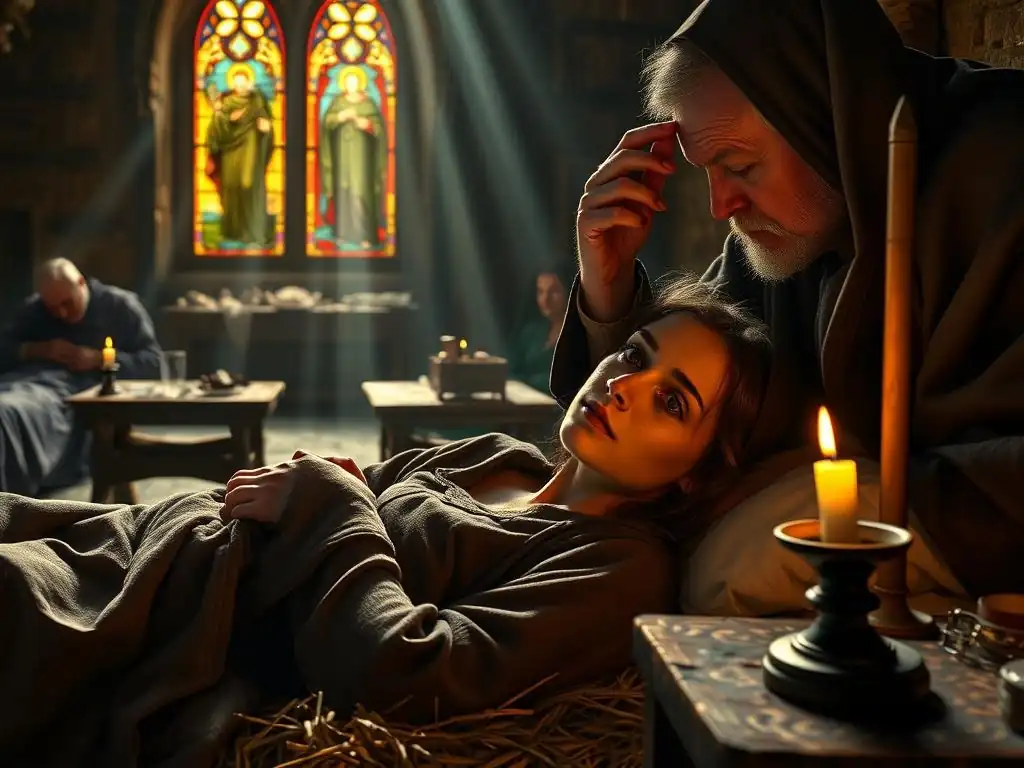
Feeling lost in the maze of modern mental health solutions? Perhaps, surprisingly, the past holds echoes of understanding. Our exploration into Medieval relic mental healing reveals a fascinating, albeit unconventional, approach to well-being. Discover how faith, hope, and the perceived power of sacred objects offered solace in times of mental distress. Intrigued? Let's delve into a forgotten chapter of mental health history and uncover the stories behind these ancient practices.
Seeking Miracles: The Power of Relics and Saints in Medieval Mental Healing
- Introduction: Mental Distress in the Medieval World and the Search for Divine Intervention
- Medieval Understanding of Mental Illness: A Context for Relic Worship
- The Rise of Relic Veneration and its Connection to Mental Wellbeing
- Medieval Relic Mental Healing: A Detailed Look at Practices and Beliefs
- Case Studies: Documented Instances of Medieval Relic Healing for Mental Afflictions
- The Psychology Behind Medieval Belief in Relic Healing: Faith and Hope
- Criticisms and Skepticism: Examining Doubts Surrounding Medieval Relic Mental Healing
- The Legacy of Medieval Relic Mental Healing: Lessons for Modern Mental Care
- Conclusion: Reflecting on the Role of Relics and Saints in Medieval Mental Healing
-
Frequently Asked Questions
- What role did relics and saints play in addressing mental health challenges during the medieval period?
- How did medieval society understand and categorize mental illnesses?
- Where would individuals seeking mental healing through relics typically go?
- What types of rituals or practices were common when seeking mental healing from relics?
- What are some modern perspectives on the effectiveness of relic-based mental healing in the medieval era?
- Final Reflection: The Enduring Legacy of Faith and Healing
- Unlock the Medieval Mind: Explore the Healing Power of Faith
Introduction: Mental Distress in the Medieval World and the Search for Divine Intervention
In the complex tapestry of the Middle Ages, mental distress was a profound reality, though understood through a lens vastly different from modern psychology. Afflictions ranging from deep melancholy and despair to what might now be recognized as psychosis or epilepsy were common, yet often attributed to spiritual or humoral imbalances rather than biological or environmental factors alone. For individuals grappling with these challenging conditions, the search for relief and healing frequently transcended the purely physical realm, leading them towards the sacred and the divine.
This era saw the rise of powerful spiritual remedies, chief among them the veneration of saints and their relics. People believed that these holy objects and figures possessed the power to intercede with God, offering comfort, solace, and even miraculous cures for a wide spectrum of ailments, including those affecting the mind. The practices associated with medieval relic mental healing were deeply embedded in the fabric of daily life, offering not just a potential cure, but also hope and a sense of agency in a world where understanding of mental illness was limited.
Medieval Understanding of Mental Illness: A Context for Relic Worship
Humoral Theory and Mental Imbalance in Medieval Thought
Medieval understanding of health and illness was heavily influenced by the ancient Greek humoral theory, primarily derived from Hippocrates and Galen. This theory posited that the human body contained four primary fluids, or humors: blood, phlegm, yellow bile (choler), and black bile (melancholy). It was believed that a balance of these humors was essential for physical and mental health, while an imbalance could lead to various diseases and psychological states. For instance, an excess of black bile was thought to cause melancholia, characterized by sadness, fear, and withdrawal, a condition readily associated with mental distress.
Similarly, an excess of yellow bile was linked to choler, manifesting as irritability and anger, while imbalances in blood and phlegm were associated with sanguine (optimistic, cheerful) and phlegmatic (calm, sluggish) temperaments, respectively, but could also lead to issues if excessively imbalanced. Physicians attempting to treat mental afflictions based on this theory would often prescribe diets, purges, or bloodletting to restore humoral balance.
However, alongside these medical approaches, the spiritual dimension remained paramount, as humoral imbalances were sometimes seen as exacerbated or even caused by spiritual factors, opening the door for divine intervention through practices like medieval relic mental healing.
The Role of Sin and Demonic Influence in Mental Afflictions
Beyond humoral theory, sin and demonic influence were commonly cited as significant causes of mental affliction in the Middle Ages. Many believed that committing sins could weaken an individual's spiritual defenses, making them vulnerable to demonic attack or God's punishment in the form of illness, including mental distress. Conditions presenting with symptoms like seizures, delusions, irrational speech, or unusual physical contortions were often interpreted as signs of demonic possession, requiring spiritual remedies rather than purely medical ones.
This belief system fueled practices centered around exorcism, prayer, penance, and seeking the intercession of saints, who were seen as powerful allies against malevolent spiritual forces. Relics of saints were considered particularly potent in this spiritual warfare. Touching a relic, praying near a shrine, or consuming water that had touched a relic were all methods employed with the fervent hope of driving out demons or alleviating the spiritual burden believed to be causing the mental suffering. The integration of spiritual and physical causes meant that any approach to mental healing was inherently holistic, incorporating medical, religious, and social elements.
The Rise of Relic Veneration and its Connection to Mental Wellbeing
What are Relics? Defining Holy Objects and Their Significance
Relics are objects associated with saints or other holy figures, typically revered for their perceived spiritual power and connection to the divine. They were broadly categorized into different classes. First-class relics were the most venerated, consisting of parts of the saint's body, such as bones, hair, or blood. Second-class relics were items that the saint owned or frequently used during their lifetime, like clothing, books, or tools. Third-class relics were objects that had touched a first-class relic or the saint's tomb.
The significance of relics lay in the medieval belief that the saint's holiness and ability to intercede with God persisted in these objects. Veneration was not directed at the object itself, but at the saint and, ultimately, God through the saint's intercession. Churches and monasteries avidly collected relics, housing them in elaborate reliquaries and building magnificent shrines around them. These sites became focal points for pilgrimage, drawing countless individuals seeking spiritual merit, forgiveness of sins, and miraculous healing, including medieval relic mental healing.
The Power of Saints: Intercessors for Mental and Spiritual Healing
Saints were revered as individuals who had lived lives of exceptional holiness and were now in heaven, capable of interceding with God on behalf of the living. Each saint often became associated with specific patronage, invoked for protection against particular diseases, dangers, or life challenges. For those suffering from mental afflictions, certain saints became particularly popular patrons, believed to have a special empathy or power related to these conditions.
The power of saints was believed to manifest through their relics, which served as tangible links between the earthly realm and the divine. By praying to a saint and venerating their relic, individuals sought to bypass the limitations of their own spiritual state and access the saint's powerful intercession.
This belief provided a crucial source of hope and comfort for those struggling with mental distress, offering a pathway to potential healing that felt more accessible and personal than direct petition to God alone. This system of intercession was a cornerstone of medieval spirituality and a key element in practices related to medieval relic mental healing.
Medieval Relic Mental Healing: A Detailed Look at Practices and Beliefs
Types of Relics Used for Mental Healing: From Body Parts to Personal Possessions
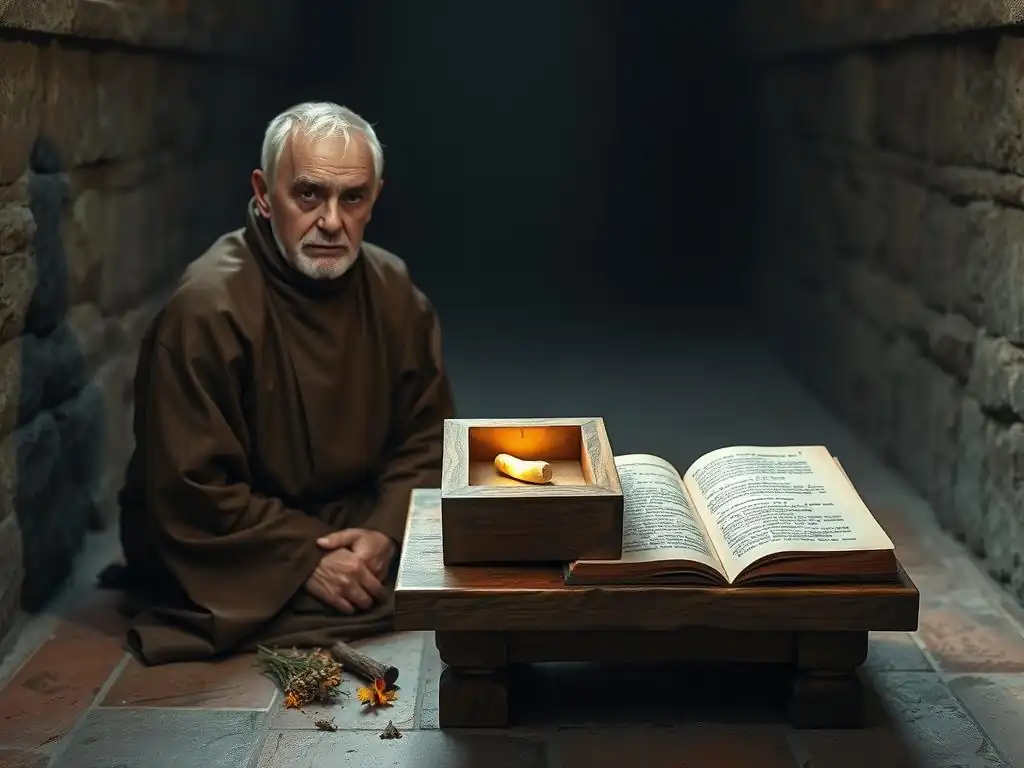
The practice of medieval relic mental healing involved a wide array of objects, depending on what was available at specific shrines and the particular saint's patronage. The most sought-after relics were often first-class relics – fragments of the saint's body. For instance, bones or even dust scraped from a saint's tomb were highly prized. These were sometimes placed directly on the afflicted person, integrated into poultices, or dissolved in liquids for consumption, a practice known as 'relic water'. The belief was that the physical proximity or ingestion of the saint's essence, however small, could transfer healing power.
Second and third-class relics also played a significant role. Pieces of a saint's clothing, a fragment of the True Cross, or even items that had merely touched a primary relic were considered imbued with spiritual efficacy.
These might be worn as amulets, placed in the sickbed, or brought into contact with the sufferer during prayer rituals. The sheer variety of relics reflects the widespread nature of this practice and the deep conviction that any object associated with a saint could serve as a conduit for divine healing, offering different avenues for medieval relic mental healing depending on accessibility and belief.
The Rituals of Healing: Pilgrimages, Prayers, and Contact with Relics
Seeking medieval relic mental healing was often a deeply ritualistic process, frequently involving pilgrimage. Individuals suffering from mental afflictions, or their caregivers, would undertake arduous journeys to shrines housing the relics of saints renowned for healing. The pilgrimage itself was considered an act of penance and devotion, contributing to spiritual merit and increasing the likelihood of a miracle. Upon arrival at the shrine, pilgrims would engage in specific rituals.
These rituals typically included fervent prayer directed at the saint, sometimes lasting for hours or even days. Physical contact with the relic or its reliquary was highly desired; pilgrims might touch the shrine, kiss the reliquary, or even be allowed direct contact with the relic itself, if permitted by the custodians.
In some cases, the afflicted person might spend the night sleeping near the tomb or shrine, a practice known as incubation, hoping for a healing dream or direct divine intervention. Offerings of money, wax effigies of the afflicted body part, or personal possessions were also common, symbolizing the supplicant's faith and hope for effective medieval relic mental healing.
Case Studies: Documented Instances of Medieval Relic Healing for Mental Afflictions
Saint Dymphna: The Patron Saint of Mental Illness and Her Relics
Saint Dymphna, a legendary 7th-century Irish princess, became one of the most prominent patron saints for those suffering from mental illness, epilepsy, and nervous disorders. According to her legend, she fled her incestuous father and settled in Geel, Belgium, where she was eventually martyred.
Her shrine in Geel became a major pilgrimage site, attracting individuals from across Europe seeking relief from mental afflictions through medieval relic mental healing. The practice evolved over centuries, leading to the unique tradition in Geel where individuals with mental health challenges were integrated into the community, boarded with local families rather than confined to institutions.
The relics of Saint Dymphna, primarily housed in the church in Geel, were central to the healing practices there. Pilgrims would venerate her relics, participate in processions, and pray for her intercession. While precise statistics are unavailable from the medieval period, accounts from later centuries describe thousands of individuals seeking help annually at Geel. The enduring tradition, which continues in a modified form today, testifies to the historical significance of Saint Dymphna's relics in providing a spiritual framework for understanding and attempting to treat mental distress.
The Cure of a Possessed Woman at the Shrine of Saint Thomas Becket
The shrine of Saint Thomas Becket in Canterbury Cathedral was one of the most popular pilgrimage destinations in medieval England, renowned for reports of numerous miracles following Becket's martyrdom in 1170. While many accounts detail physical cures, records compiled shortly after his death, such as those by Benedict of Peterborough and William of Canterbury, include cases interpreted as the healing of mental or spiritual afflictions, often attributed to demonic possession. One documented account describes a woman exhibiting violent fits, speaking in unusual voices, and demonstrating abnormal strength – symptoms commonly associated with possession in the medieval mind.
According to the testimony, the woman was brought to Becket's tomb and, after intense prayer and contact with the shrine or relics, her fits ceased, and she returned to a state of apparent normalcy, claiming to have been freed from the demon tormenting her. These accounts, while reflecting the medieval interpretive framework of possession, highlight how distressing psychological and neurological symptoms were understood and addressed within the context of medieval relic mental healing. The perceived power of Becket's relics offered a tangible source of hope for those suffering from conditions beyond the understanding of medieval medicine.
The Miraculous Recovery of a Melancholic Knight at Santiago de Compostela
The pilgrimage route to Santiago de Compostela in Spain, leading to the shrine of Saint James the Great, was another major artery for those seeking divine aid, including help with mental afflictions like melancholy or acedia (spiritual listlessness and despair). While specific, detailed case files like modern medical records do not exist, pilgrim accounts and miracle collections from the era often describe individuals arriving at the shrine burdened by deep sadness, despair, or what was termed melancholia, a condition seen as both physical (due to black bile) and spiritual (due to sin or temptation).
One illustrative, though perhaps composite, example drawn from the Liber Sancti Jacobi (Codex Calixtinus) and other pilgrim narratives might describe a noble knight, renowned for his piety but afflicted by crippling melancholy following a personal tragedy. Unable to find relief through conventional means, he undertook the arduous journey to Compostela.
After weeks of travel, prayer at various churches along the route, and culminating in vigil and prayer before the relics of Saint James, the knight reportedly experienced a profound sense of peace, his despair lifting, and his former cheerful disposition returning. This type of narrative underscores the role of pilgrimage and the veneration of Saint James's relics as a pathway sought for medieval relic mental healing, offering hope for psychological as well as physical restoration.
The Psychology Behind Medieval Belief in Relic Healing: Faith and Hope
The Placebo Effect and the Power of Belief in Medieval Medicine
While medieval people understood illness through spiritual and humoral lenses, modern perspectives can identify psychological factors at play in medieval relic mental healing. The placebo effect, a well-documented phenomenon where a patient's belief in a treatment's efficacy leads to perceived or actual improvement, likely played a significant role. In the context of relic veneration, the deep faith of the individual, the awe-inspiring setting of a shrine, the elaborate rituals, and the collective belief of the community created a powerful expectation of healing.
This intense psychological environment could genuinely alleviate symptoms related to anxiety, depression, or psychosomatic conditions. A pilgrim suffering from profound despair, for example, might experience a lifting of mood simply through the overwhelming conviction that contact with a saint's relic would bring comfort and healing. While it did not cure organic diseases or severe mental illnesses in a modern sense, the power of belief, amplified by the sacred context of medieval relic mental healing, could provide real psychological relief and perceived improvement.
Beyond individual belief, the communal aspect of seeking medieval relic mental healing offered significant social and psychological benefits. Pilgrimages were often undertaken in groups, providing companionship and mutual support during the challenging journey. Upon arriving at a shrine, individuals joined a community of fellow sufferers and hopefuls, sharing prayers, stories, and rituals. This shared experience fostered a sense of solidarity and belonging, reducing the isolation often associated with illness, especially mental distress.
The rituals themselves – communal prayers, processions, vigils – provided a structured and comforting framework for expressing suffering and hope. Being part of a collective act of devotion, surrounded by others seeking similar relief, could alleviate feelings of fear and hopelessness. The emotional energy of the group, coupled with the perceived sacredness of the location and relics, created a powerful environment conducive to psychological healing. This communal dimension was a vital, albeit often overlooked, component of the perceived success of medieval relic mental healing.
Criticisms and Skepticism: Examining Doubts Surrounding Medieval Relic Mental Healing

Concerns about Fraud and the Commercialization of Relics
Despite the widespread faith in relics, the medieval period was not without its skeptics, and concerns about fraud were significant. The immense popularity and perceived power of relics led to a booming, sometimes unscrupulous, market. Stories circulated of forged relics, such as multiple heads of the same saint appearing in different locations, or mundane objects being passed off as sacred artifacts. This commercialization and the potential for deceit raised doubts among some, including within the Church hierarchy.
Church councils and theologians occasionally addressed the issue of fraudulent relics, attempting to regulate their authenticity and prevent exploitation of the faithful. However, the decentralized nature of relic veneration and the fervent demand made strict control difficult. While many believed sincerely in the power of genuine relics for medieval relic mental healing, the existence of fraudulent items and the profit motive behind their trade cast a shadow of suspicion over the practice for some observers, questioning the validity of purported miracles.
The Church's Stance: Balancing Faith with Reason and Discernment
The official stance of the medieval Church towards relics was complex, aiming to balance promoting faith and devotion with maintaining theological integrity and combating superstition and fraud. The Church officially endorsed the veneration of true relics, viewing them as worthy objects of respect and conduits for God's grace, particularly for healing. Saints' cults and their associated relics were actively promoted as vital components of Christian piety and miracle working, including instances of medieval relic mental healing.
However, the Church also recognized the potential for abuse, superstition, and outright fraud. Figures like Bishop Guibert of Nogent in the 12th century wrote critically about the proliferation of dubious relics.
The Fourth Lateran Council in 1215 mandated that new relics could not be venerated without papal approval, an attempt to exert control over authenticity. While the Church never abandoned its belief in the power of relics, it increasingly emphasized the need for discernment, stressing that the power came from God through the saint, not from the object itself, and cautioning against credulity regarding unsupported miracle claims, including those related to medieval relic mental healing.
The Legacy of Medieval Relic Mental Healing: Lessons for Modern Mental Care
The Enduring Power of Ritual and Faith in Coping with Mental Distress
While modern medicine approaches mental health from a scientific perspective, the history of medieval relic mental healing offers insights into the enduring human need for ritual, meaning, and faith in the face of suffering. Rituals, whether religious or secular, provide structure, comfort, and a sense of control during times of uncertainty and distress. For medieval individuals, the rituals surrounding relic veneration – pilgrimage, prayer, physical contact – offered a framework for expressing their pain and actively seeking relief, providing psychological benefits even without a biological cure.
Today, while we do not rely on relics, the power of ritual persists. Therapeutic practices often incorporate elements of ritual, structure, and symbolic action. Similarly, faith and spirituality continue to be vital resources for many people coping with mental health challenges. Belief systems can provide a sense of purpose, hope, and connection to something larger than oneself, offering resilience and comfort. The historical practice of medieval relic mental healing underscores the fundamental human inclination to seek meaning and employ structured practices when facing profound mental distress.
Connecting to History: Understanding Medieval Approaches to Mental Wellbeing
Studying medieval approaches to mental wellbeing, including medieval relic mental healing, provides valuable context for understanding the evolution of mental healthcare and societal attitudes towards mental illness. It highlights how deeply intertwined physical, spiritual, and social factors were perceived to be in the past. By examining these historical beliefs and practices, we gain a deeper appreciation for the progress made in scientific understanding and treatment, while also recognizing the historical roots of stigma and misunderstanding that have persisted for centuries.
Understanding medieval perspectives, such as the attribution of mental illness to humors or demons, helps us see how different cultural frameworks shape the experience and treatment of distress. It reminds us that approaches to healing are always products of their time, reflecting prevailing knowledge, beliefs, and social structures. Exploring medieval relic mental healing is not just an academic exercise; it's a way to connect with the long human history of grappling with mental suffering and the diverse ways societies have sought solace and cure.
The Role of Faith and Spirituality in Contemporary Mental Health Treatment
The historical role of faith and spirituality in medieval relic mental healing has parallels in the growing recognition of their importance in contemporary mental health treatment. While distinct from medieval practices, modern therapeutic approaches increasingly acknowledge that for many individuals, faith and spirituality are integral components of their identity and coping mechanisms. Integrating a patient's spiritual beliefs and practices into their treatment plan can enhance engagement, provide a source of strength, and improve outcomes.
Many therapists are now trained to be culturally and spiritually sensitive, recognizing that a patient's faith community, spiritual rituals, and religious beliefs can offer significant support and resilience. For some, conversations about meaning, purpose, and connection to something sacred are essential aspects of their healing journey. This contemporary integration, while based on psychological principles rather than relic veneration, echoes the historical understanding that addressing mental distress can involve attending to the spiritual dimension of human experience, a dimension profoundly central to medieval relic mental healing.
Conclusion: Reflecting on the Role of Relics and Saints in Medieval Mental Healing
Frequently Asked Questions
What role did relics and saints play in addressing mental health challenges during the medieval period?
Relics and saints were central to medieval mental healing. People believed they possessed divine power that could cure ailments, including mental illnesses, through prayer and proximity.
How did medieval society understand and categorize mental illnesses?
Medieval understanding of mental illness was often intertwined with religious beliefs and folklore. Conditions were sometimes attributed to demonic possession or divine punishment, leading to spiritual interventions.
Where would individuals seeking mental healing through relics typically go?
Pilgrimage sites housing venerated relics were popular destinations. Cathedrals and shrines associated with specific saints known for healing mental afflictions attracted many seeking relief.
What types of rituals or practices were common when seeking mental healing from relics?
Common practices included prayer, fasting, and offering gifts at the relic site. Individuals might also participate in vigils or sleep near the relic hoping for a divine intervention through dreams.
What are some modern perspectives on the effectiveness of relic-based mental healing in the medieval era?
Modern perspectives acknowledge the placebo effect and psychological comfort that faith-based practices may have provided. However, they emphasize the lack of scientific evidence to support the direct healing power of relics.
Final Reflection: The Enduring Legacy of Faith and Healing
The power of belief, even in the face of seemingly insurmountable odds, remains a potent force in shaping human experience, and the medieval reliance on relics and saints for mental healing offers a compelling lens through which to understand this enduring truth. The practices explored in this article, though seemingly distant in time, resonate deeply with contemporary discussions surrounding the placebo effect, the mind-body connection, and the importance of spiritual well-being in overall health. The search for solace and healing, it seems, transcends historical periods.
The impact of religious faith on mental health throughout history, and particularly during the medieval period, is profoundly significant. The very act of seeking solace in sacred objects and figures speaks volumes about the human need for comfort and meaning in the face of suffering. Faith is the bird that feels the light and sings when the dawn is still dark.
This quote, though not from the medieval period, perfectly captures the essence of the hope and resilience found in the medieval pursuit of healing through relics and saints. The cultural landscape of the time was deeply shaped by this faith-based approach to mental well-being, leaving an indelible mark on art, literature, and social structures.
Consider, for a moment, the weight of your own anxieties and hopes. What sources of comfort and strength do you turn to in times of need? This article has explored a historical approach to mental healing, but the underlying human need for solace and the power of belief remain timeless.
I invite you to reflect on the ways in which you seek healing and meaning in your own life, and to consider the enduring power of faith, hope, and community in navigating the complexities of the human experience. Let the medieval search for miracles inspire you to find your own sources of strength and resilience.
Unlock the Medieval Mind: Explore the Healing Power of Faith
Thanks for joining us on this fascinating journey into the medieval world of mental healing! We hope you gained a new appreciation for the role of faith and relics in shaping perceptions of mental health. Now, it's time to delve deeper and share your discoveries.
- Start your own research: Explore online archives or local libraries to uncover more about specific saints or relics associated with mental well-being. This is a great opportunity to find unexpected connections and stories.
- Share your thoughts: What surprised you most about the role of faith in medieval mental health practices? Leave a comment below and let’s spark a discussion!
- Expand your knowledge: Consider exploring other historical approaches to mental health; perhaps you might find similar patterns or innovative techniques from other eras.
What unexpected parallels can you draw between medieval beliefs and modern approaches to mental well-being?