
How Exercise Builds SelfEsteem: A Physical Path to Confidence and SelfWorth


Welcome to Mind Care Guide, your compassionate companion on the journey to mental well-being.
Feeling lost in the shadows of self-doubt? You're not alone. Many struggle with low self-esteem, but there's hope, and it might be closer than you think. Could the answer lie in something as simple as movement? Dive into our guide, " How Exercise Builds SelfEsteem: A Physical Path to Confidence and SelfWorth", to discover the powerful connection between physical activity and a brighter, more confident you. Explore how exercise can boost selfesteem confidence and unlock a newfound sense of self-worth. Let's begin your transformation together.
How Exercise Builds Self-Esteem: A Physical Path to Confidence and Self-Worth
- Introduction: The Powerful Link Between Exercise and Self-Esteem
- Understanding Self-Esteem: More Than Just Feeling Good
- Exercise as a Tool for Building Self-Esteem: The Science Behind It
- Types of Exercise for Boosting Self-Esteem and Confidence
- Creating an Exercise Routine for Self-Esteem Enhancement
- The Long-Term Benefits of Exercise on Self-Esteem and Mental Health
- Practical Tips for Staying Consistent with Your Exercise Routine
- The Long-Term Benefits of Exercise on Self-Esteem and Mental Health
- Practical Tips for Staying Consistent with Your Exercise Routine
- Addressing Body Image Concerns and Promoting Self-Acceptance
- Conclusion: Embrace Exercise for a Stronger, More Confident You
-
Frequently Asked Questions
- How does exercise actually boost self-esteem and confidence?
- What types of exercise are most effective for building self-esteem and confidence?
- How long does it typically take to see a noticeable improvement in self-esteem after starting an exercise program?
- Can exercise help with social anxiety and improve confidence in social situations?
- What if I'm unmotivated to exercise? How can I overcome that barrier to improve my self-esteem?
- Final Reflection: The Empowering Cycle of Movement and Self-Worth
- Unleash Your Inner Confidence: Take the First Step Today!
Introduction: The Powerful Link Between Exercise and Self-Esteem
The connection between our physical state and our mental well-being is profound, yet often underestimated. While we readily acknowledge the physical benefits of exercise – stronger muscles, improved cardiovascular health – its impact on our psychological landscape, particularly on self-esteem and confidence, is equally significant. Engaging in regular physical activity initiates a cascade of positive changes that ripple through our minds, fundamentally altering how we perceive ourselves and our capabilities. This isn't merely anecdotal; extensive research supports the notion that movement is a powerful catalyst for enhancing self-worth.
This article delves into the intricate ways exercise builds self-esteem, transforming physical exertion into psychological strength. We will explore the scientific mechanisms at play, examine how different types of activity contribute to boosting confidence, and provide practical guidance on incorporating exercise into your life to cultivate a stronger sense of self. Understanding this vital link empowers you to leverage the physical path to unlock greater confidence and a more robust sense of self-worth.
Exploring the Mind-Body Connection for Enhanced Self-Worth
The concept of the mind-body connection is ancient but remains incredibly relevant in modern mental health. Our thoughts, feelings, and attitudes are not isolated phenomena occurring solely in the brain; they are intricately linked to the physical state of our bodies.
When we engage in physical activity, we don't just work our muscles; we activate complex physiological and neurological processes that directly influence our mood, stress levels, and ultimately, our self-perception. This symbiotic relationship means that by caring for our physical health through exercise, we are simultaneously nurturing our mental and emotional well-being, paving a direct route to improved self-worth.
Consider the physiological response to exercise. Within minutes of starting moderate activity, your body releases endorphins, often called "feel-good" chemicals. These neurochemicals interact with receptors in the brain to reduce pain perception and trigger positive feelings, similar to the effects of opioids.
This immediate mood lift is a tangible example of the mind-body connection at work. Over time, consistent exercise leads to more sustained changes, such as improved sleep patterns, better stress management, and increased energy levels, all of which contribute to a more positive outlook on life and a healthier self-image. This demonstrates how exercise boost selfesteem confidence not just through long-term physical changes, but through immediate biochemical shifts.
Understanding Self-Esteem: More Than Just Feeling Good
Self-esteem is a cornerstone of psychological health, representing an individual's subjective evaluation of their own worth. It's not just about feeling happy or having a positive outlook on a given day; it's a deeper, more enduring belief in one's capabilities, value, and significance. High self-esteem is associated with greater resilience, better decision-making, healthier relationships, and a willingness to pursue goals and take on challenges. Conversely, low self-esteem can manifest as self-doubt, fear of failure, difficulty asserting needs, and vulnerability to anxiety and depression. Understanding what constitutes healthy self-esteem is crucial before exploring how exercise can cultivate it.
While fleeting moments of happiness are enjoyable, self-esteem is a more stable trait developed over time through experiences and internal evaluations. It's influenced by various factors, including childhood experiences, social interactions, achievements, and even our physical health and perception of our own bodies. A healthy sense of self-worth allows individuals to navigate life's ups and downs with greater stability, viewing setbacks as temporary challenges rather than personal failures. It's about having a fundamental respect and acceptance for who you are, flaws and all. This internal validation is key to unlocking genuine confidence.
Defining Self-Esteem and its Impact on Mental Well-being
Self-esteem can be defined as the degree to which one likes or dislikes oneself. It's an overall evaluation of one's value as a person. High self-esteem doesn't mean never experiencing negative emotions or self-doubt, but rather possessing a fundamental belief in one's inherent worth and ability to cope with life.
Research consistently links higher self-esteem to better mental health outcomes. For example, studies published in journals like the Journal of Abnormal Psychology have shown a strong inverse correlation between self-esteem levels and the incidence of depression and anxiety disorders across various populations. Individuals with higher self-esteem tend to have more effective coping strategies and are less likely to ruminate on negative experiences.
Furthermore, self-esteem significantly impacts our social interactions and relationships. Someone with healthy self-esteem is more likely to set boundaries, communicate their needs effectively, and engage in healthy relationships based on mutual respect. Conversely, low self-esteem can lead to people-pleasing behaviors, difficulty asserting oneself, or even avoidance of social situations due to fear of judgment. A 2016 meta-analysis, synthesizing data from dozens of studies, suggested that interventions aimed at improving self-esteem could have a moderate to large effect on reducing symptoms of social anxiety. This underscores how foundational self-esteem is to overall mental well-being and social functioning.
The Role of Body Image in Self-Perception
Body image is a significant component of self-esteem, representing how we think and feel about our physical appearance. It's not just about how we look, but how we perceive and feel about our bodies. Positive body image involves a realistic and accepting view of one's physical self, regardless of societal ideals.
Negative body image, on the other hand, is characterized by dissatisfaction, shame, or anxiety about one's appearance, often leading to feelings of inadequacy and lower self-worth. Given the visual nature of our culture and the emphasis placed on appearance, body image struggles are common and can profoundly impact how we feel about ourselves overall.
Societal pressures and media portrayals often set unrealistic standards of beauty, contributing to negative body image for many individuals. Approximately half of women and a quarter of men report being dissatisfied with their bodies. This dissatisfaction can significantly erode self-esteem.
However, physical activity offers a powerful counterpoint. While exercise can certainly change physical appearance over time, its most impactful effect on body image often comes from shifting the focus from how the body looks to what the body can do. Achieving a new personal best in a run, lifting a heavier weight, or simply feeling stronger and more energetic fosters a sense of capability and appreciation for the body's function, which can dramatically improve body image and, subsequently, self-esteem, demonstrating how exercise boost selfesteem confidence from the inside out.
Exercise as a Tool for Building Self-Esteem: The Science Behind It
Exercise isn't just about physical transformation; it's a potent psychological intervention. The act of moving our bodies triggers a complex interplay of physiological and psychological responses that directly contribute to enhanced self-esteem. From the release of mood-boosting chemicals to the tangible feeling of accomplishment that comes with consistent effort, the scientific evidence supporting exercise as a tool for building confidence is compelling. Engaging in regular physical activity provides concrete experiences of progress and mastery, fundamental elements in developing a strong sense of self-worth.
Moreover, exercise offers a structured way to set and achieve goals, no matter how small. Each completed workout, each extra minute on the treadmill, or each slightly heavier lift provides a mini-victory. These small successes accumulate over time, reinforcing a belief in one's ability to follow through on commitments and overcome challenges. This sense of agency and effectiveness is a core component of self-efficacy, which is closely intertwined with self-esteem. The science shows that this process isn't just psychological; it involves measurable changes in brain function and chemistry that support a more positive self-view.
How Physical Activity Improves Body Image and Self-Confidence
As discussed earlier, body image is a crucial part of self-esteem, and physical activity has a unique capacity to improve it. While changes in physical appearance can occur with exercise, the primary mechanism by which it enhances body image is through improving physical function and perceived competence.
Instead of focusing on achieving an idealized weight or body shape, exercise encourages an appreciation for the body's strength, endurance, and capabilities. For instance, someone who starts walking regularly might find they can walk further or faster than before, leading to a sense of accomplishment and pride in their body's ability to improve.
Studies have shown that engaging in exercise, even without significant changes in weight or appearance, can significantly improve body satisfaction and reduce negative body image concerns. A meta-analysis of 66 studies involving thousands of participants found that exercise had a small to moderate effect on improving body image, and notably, this effect was independent of actual changes in body weight or composition.
This highlights that the feeling of being strong and capable, and the sense of agency over one's body, are more powerful drivers of positive body image than simply looking a certain way. This improvement in how we feel about our physical selves directly contributes to a more positive self-perception and higher self-esteem.
Exercise-Induced Endorphins: The Natural Mood Booster for Self-Worth
One of the most immediate psychological benefits of exercise is the release of endorphins. These neurotransmitters are produced by the central nervous system and the pituitary gland, and they are known for their analgesic (pain-relieving) and euphoric effects. The "runner's high" is a well-known example of the powerful mood boost that endorphins can provide. While not everyone experiences this intense euphoria, most people feel a sense of improved mood, reduced stress, and increased relaxation after even moderate exercise. This positive feeling creates a direct association between physical activity and emotional well-being.
Beyond the immediate mood lift, regular exercise leads to more sustained changes in brain chemistry that support mental health. It influences other neurotransmitters like serotonin, dopamine, and norepinephrine, which play crucial roles in regulating mood, motivation, and pleasure.
Chronic exercise can also increase the production of brain-derived neurotrophic factor (BDNF), a protein that supports the growth and survival of brain cells and has been linked to improved mood and cognitive function. By consistently providing these natural mood boosts and supporting healthy brain function, exercise helps to counteract feelings of sadness, anxiety, and hopelessness, creating a more fertile ground for positive self-regard and demonstrating how exercise boost selfesteem confidence through biochemical pathways.
Mastering Skills and Achieving Goals: Exercise as a Confidence Builder
Exercise provides a tangible arena for setting and achieving goals, offering concrete evidence of one's ability to improve and succeed. Whether it's running a specific distance, lifting a certain weight, mastering a yoga pose, or improving a skill in a team sport, the process of working towards and achieving a physical goal is inherently empowering. This process builds self-efficacy – the belief in one's ability to succeed in specific situations or accomplish a task. High self-efficacy in one area, like physical fitness, often spills over into other areas of life, boosting overall confidence.
Consider someone who starts a strength training program. Initially, they might struggle to lift even light weights. But with consistent effort and proper form, they gradually increase the weight. Each successful lift of a heavier weight is a measurable achievement.
This tangible progress reinforces their belief in their own strength and capability. Similarly, training for and completing a 5k race provides a clear objective and a rewarding outcome, proving to oneself that challenging goals can be met through perseverance. These experiences of mastery and achievement are fundamental building blocks for a strong sense of self-worth and illustrate perfectly how exercise builds self-esteem.
Types of Exercise for Boosting Self-Esteem and Confidence
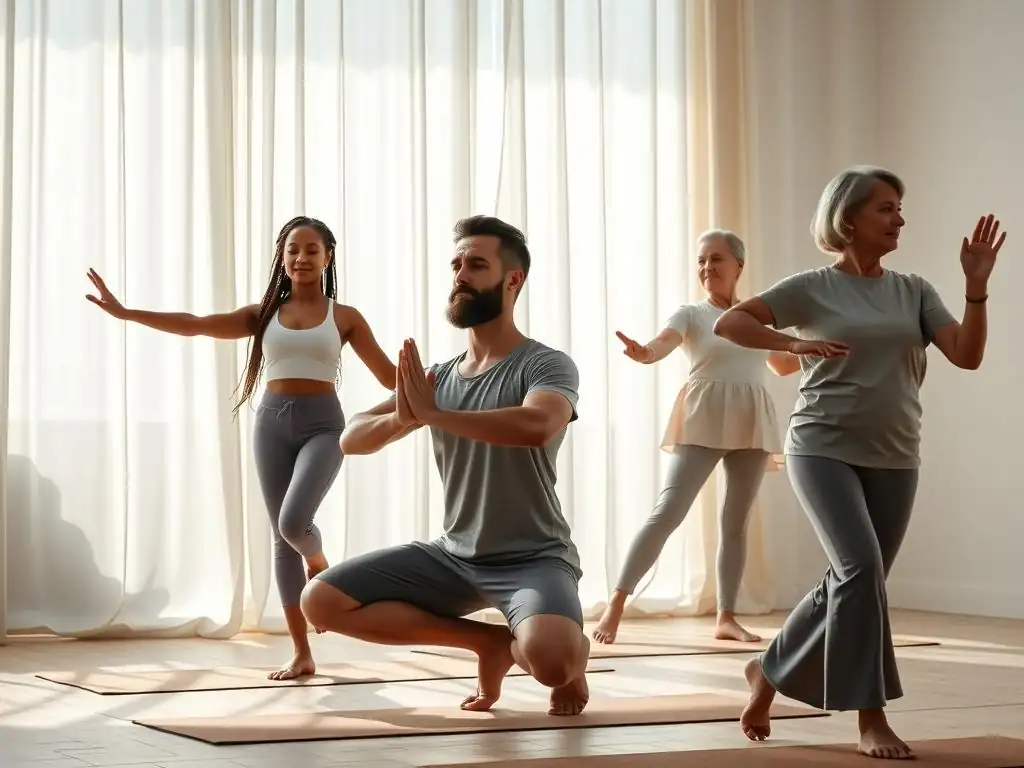
Different forms of exercise offer unique pathways to enhancing self-esteem and confidence. The best type of exercise is ultimately one that you enjoy and can stick with, as consistency is key. However, exploring various activities can help you find what resonates most with your personal goals and preferences, whether you seek the clarity of solo cardio, the empowerment of lifting weights, the inner peace of yoga, or the social connection of team sports. Each modality offers distinct physical and psychological benefits that contribute to a stronger sense of self.
Variety can also be beneficial, preventing boredom and working different aspects of physical and mental fitness. Combining activities like running with strength training or yoga can provide a holistic approach to enhancing both physical health and mental well-being. The key is to find activities that make you feel good, both during and after the workout, reinforcing the positive association between exercise and improved self-esteem.
Cardio Exercises for Mental Clarity and Self-Acceptance
Cardiovascular exercises, such as running, brisk walking, cycling, or swimming, are renowned for their mood-boosting effects. The sustained increase in heart rate and blood flow enhances the delivery of oxygen and nutrients to the brain, supporting cognitive function and promoting feelings of mental clarity. The rhythmic nature of activities like running or swimming can also be meditative, providing an opportunity to quiet the mind and reduce stress. This mental space allows for greater self-awareness and acceptance.
The endurance built through cardio provides a tangible measure of progress. Being able to run a little further each week or maintain a faster pace directly demonstrates improved capacity and resilience. This physical resilience often translates into psychological resilience, fostering a belief in one's ability to push through challenges.
For many, the simple act of getting outside for a walk or run provides a sense of freedom and connection to the environment, contributing to a feeling of well-being that supports self-acceptance. A 2013 study in Frontiers in Psychology highlighted that just 30 minutes of moderate-intensity aerobic exercise can significantly reduce symptoms of anxiety and improve mood states.
Strength Training for Body Positivity and Empowerment
Strength training, whether using weights, resistance bands, or bodyweight, is incredibly effective for building physical strength and muscle mass. However, its impact on self-esteem is profound, particularly concerning body image and empowerment. Focusing on lifting heavier weights or performing more repetitions shifts the focus from aesthetic goals to functional strength. The feeling of getting physically stronger is inherently empowering and can dramatically improve how you feel about your body's capabilities.
For many, especially women who may have been socialized away from strength-focused activities, discovering their physical strength through lifting can be a truly transformative experience, challenging preconceived notions about their physical limitations. This newfound sense of physical power often translates into increased confidence in other areas of life.
Furthermore, seeing visible changes in muscle tone and definition can, for some, contribute positively to body image, reinforcing the feeling of being strong and capable. A systematic review published in the British Journal of Sports Medicine found that strength training significantly reduced symptoms of depression and anxiety, conditions often linked to low self-esteem.
Yoga and Mindfulness: Cultivating Self-Awareness and Inner Peace
Yoga is a practice that uniquely combines physical postures, breathing techniques, and meditation or relaxation. While it builds physical strength, flexibility, and balance, its primary impact on self-esteem often comes from its emphasis on mindfulness and self-compassion. Yoga encourages individuals to connect with their bodies in a non-judgmental way, focusing on the present moment and accepting their physical limitations without criticism. This practice of mindful movement fosters self-awareness and helps quiet the inner critic.
Through yoga, individuals learn to be more attuned to their body's signals and to treat themselves with kindness and patience. The focus on breath control and meditation helps to calm the nervous system, reducing stress and anxiety, which are often intertwined with low self-esteem. Regularly practicing yoga can cultivate a deeper sense of inner peace and self-acceptance, shifting the focus from external validation to internal connection. A 2018 study in the International Journal of Yoga found that consistent yoga practice improved body image, mood, and self-esteem among participants.
Participating in team sports or group fitness classes adds a valuable social dimension to exercise, which can significantly boost self-esteem, particularly social confidence. Being part of a team or group provides a sense of belonging and connection, fulfilling a fundamental human need. Working together towards a common goal, supporting teammates, and celebrating collective successes fosters positive social interactions and reduces feelings of isolation. This social support network can be a powerful buffer against negative self-talk and feelings of inadequacy.
Group exercise settings often involve positive reinforcement from instructors and fellow participants, creating a supportive environment that encourages effort and celebrates progress. Overcoming challenges together, like completing a tough workout or winning a game, builds camaraderie and a shared sense of accomplishment. For individuals who struggle with social anxiety or feel isolated, joining a sports team or fitness group can be a low-pressure way to build social skills and gain confidence in interacting with others.
A study published in the Journal of Sport and Exercise Psychology found that participation in team sports was associated with higher levels of self-esteem among adolescents. This demonstrates how exercise boost selfesteem confidence not just individually, but through community.
Creating an Exercise Routine for Self-Esteem Enhancement
Building a consistent exercise routine is key to reaping its long-term benefits for self-esteem. This isn't about adhering to a rigid, punishing schedule, but about finding sustainable ways to incorporate physical activity into your life that feel enjoyable and manageable. The goal is to create positive habits that reinforce your commitment to your well-being, rather than setting unrealistic expectations that lead to frustration. A successful routine is one you can maintain over time, allowing the cumulative effects of exercise to work their magic on your confidence.
Starting small and gradually increasing intensity or duration is often more effective than attempting too much too soon. Listening to your body, allowing for rest and recovery, and being flexible with your schedule are also crucial components of a sustainable routine. Remember, the aim is to build self-esteem, and that process is nurtured by positive experiences with exercise, not by pushing yourself to the point of burnout or injury.
Setting Realistic Goals and Celebrating Small Victories
When starting an exercise routine with the aim of enhancing self-esteem, setting realistic and achievable goals is paramount. Instead of aiming to lose a significant amount of weight or run a marathon in the first month, focus on process-oriented goals, such as exercising for 20 minutes three times a week, or trying a new fitness class. These smaller, manageable goals reduce feelings of overwhelm and make it easier to experience success early on. Achieving these initial goals provides immediate boosts to confidence and motivation.
Equally important is taking the time to acknowledge and celebrate these small victories along the way. Finishing a workout you almost skipped, increasing the weight slightly, or simply showing up when you didn't feel like it are all accomplishments worth recognizing. This positive reinforcement strengthens the connection between effort and reward, making the routine feel more sustainable and enjoyable. Tracking your progress, whether through a journal, a fitness app, or simply noting it mentally, can provide tangible evidence of your consistency and improvement, further reinforcing your belief in your capabilities and showing how exercise builds self-esteem step-by-step.
Finding Activities You Enjoy to Stay Motivated
Motivation can be fickle, but finding exercise activities that you genuinely enjoy is one of the most effective strategies for staying consistent. If exercise feels like a chore or a punishment, it's much harder to stick with it long-term. Explore different options – dancing, hiking, rock climbing, playing frisbee in the park, group fitness classes, cycling – until you find something that sparks your interest and makes you look forward to moving your body. The sheer pleasure of the activity itself can become a powerful motivator.
Think back to activities you enjoyed as a child, or consider trying something completely new. Don't feel pressured to stick to traditional gym workouts if they don't appeal to you. The world of physical activity is vast and varied. When you find activities you enjoy, exercise becomes less about obligation and more about self-care and fun, making it easier to prioritize and integrate into your life. This intrinsic motivation is far more sustainable than relying solely on external goals like weight loss, and it creates a positive feedback loop that supports improved self-esteem.
Overcoming Common Barriers to Exercise and Building Self-Discipline
Life is busy, and there are numerous common barriers to consistent exercise, including lack of time, fatigue, lack of motivation, and feelings of self-consciousness. Recognizing these potential obstacles is the first step to overcoming them. Developing strategies to address these barriers is crucial for building the self-discipline needed to maintain a routine.
For example, if time is an issue, try breaking up your activity into shorter sessions throughout the day, like two 15-minute brisk walks. If fatigue is a problem, experiment with different times of day to see when you feel most energetic, or try lower-intensity activities on days you feel tired.
Building self-discipline isn't about being perfect; it's about consistently making the choice to prioritize your well-being, even when it's difficult. This involves creating routines, scheduling workouts like any other important appointment, and preparing in advance (e.g., packing your gym bag the night before). Each time you choose to exercise despite a barrier, you reinforce your ability to follow through on your intentions, which directly contributes to your sense of self-efficacy and resilience. This repeated act of choosing challenging but beneficial actions is how exercise builds self-esteem through demonstrating personal agency.
Incorporating Mindfulness into Your Workouts for Greater Self-Connection
Bringing a mindful approach to your exercise can deepen its impact on self-esteem. Mindfulness involves paying attention to the present moment without judgment. Instead of just going through the motions or focusing solely on the end result (like calories burned or distance covered), try to tune into the sensations in your body during the activity. Notice the rhythm of your breath, the feeling of your feet hitting the ground, the stretch in your muscles. This present-moment awareness helps you connect with your body in a positive way, fostering a sense of gratitude for its capabilities.
Mindful movement can also help quiet the often-critical voice in our heads. Instead of judging your performance or comparing yourself to others, simply observe what your body is doing and appreciate the effort. This non-judgmental approach cultivates self-compassion, a vital component of healthy self-esteem. Incorporating a few minutes of mindful breathing or a body scan before or after your workout can further enhance this connection. This practice helps you appreciate your body not just for how it looks, but for the incredible machine it is, capable of movement and growth, thereby enhancing self-worth.
The Long-Term Benefits of Exercise on Self-Esteem and Mental Health
The benefits of exercise on self-esteem are not fleeting; they accumulate over time, leading to sustained improvements in how we feel about ourselves and our overall mental health. Regular physical activity becomes a reliable source of positive reinforcement, stress reduction, and physical well-being, creating a virtuous cycle that supports a strong and resilient sense of self. The consistency of the habit reinforces the belief in one's ability to maintain positive changes, which is a powerful driver of long-term confidence.
Beyond self-esteem, regular exercise has profound and lasting effects on various aspects of mental health. It serves as a protective factor against the development of certain mental health conditions and can be a valuable adjunct therapy for existing ones. The sustained physiological and psychological adaptations fostered by exercise create a more stable internal environment, better equipped to handle the stresses and challenges of daily life. This enduring impact underscores the importance of viewing exercise as a lifelong practice for mental well-being.
Sustained Confidence and Improved Self-Perception
Consistency is key to unlocking the sustained benefits of exercise on self-esteem. As you maintain a regular routine, the small victories and feelings of accomplishment build upon each other, creating a solid foundation of confidence. You gain tangible proof of your ability to set goals, work towards them, and achieve them. This repeated experience reinforces a positive self-perception – you start to see yourself as capable, disciplined, and strong, not just physically, but mentally.
The improved body image that often accompanies consistent exercise also contributes to sustained confidence. Focusing on functional improvements rather than just aesthetics leads to a deeper appreciation for your body. This positive self-perception becomes less vulnerable to external validation or fleeting physical imperfections. Over months and years, exercise helps solidify a core belief in your self-worth, making you more resilient to criticism and self-doubt. This enduring confidence is a hallmark of healthy self-esteem cultivated through sustained effort.
Reduced Anxiety and Depression Symptoms Through Regular Exercise
One of the most well-documented long-term benefits of exercise is its significant impact on reducing symptoms of anxiety and depression. Numerous studies and clinical trials have shown that regular physical activity can be as effective as medication or therapy for mild to moderate cases of depression and anxiety. The mechanisms are multifaceted, involving the release of mood-boosting neurotransmitters, reduction in stress hormones like cortisol, improved sleep, and the psychological benefits of accomplishment and mastery.
For individuals struggling with depression, exercise can provide a sense of control and routine, counteracting feelings of helplessness and lack of motivation. For those with anxiety, the physical release of tension and the focus required during exercise can interrupt worry cycles and promote relaxation.
A large-scale review published in JAMA Psychiatry in 2023 highlighted that even relatively low levels of physical activity, such as 150 minutes of moderate exercise per week (about 20 minutes daily), were associated with a significantly lower risk of depression. This evidence strongly supports exercise as a vital component of mental health management and a powerful way to exercise boost selfesteem confidence by alleviating common inhibitors.
Building Resilience and Coping Mechanisms for Life's Challenges
Regular exercise helps build both physical and mental resilience. Physically, your body becomes stronger and more capable of handling stress. Mentally, the challenges faced and overcome during workouts – pushing through fatigue, maintaining discipline, managing discomfort – build mental toughness. This practice in overcoming physical obstacles translates into a greater capacity to handle life's psychological and emotional challenges. Exercise teaches perseverance and the value of consistent effort, skills that are invaluable when facing adversity.
Furthermore, exercise serves as a healthy coping mechanism for stress, frustration, and negative emotions. Instead of resorting to less healthy behaviors, individuals can turn to physical activity as a way to process feelings, release tension, and clear their minds. This ability to effectively manage stress and bounce back from setbacks is a key component of resilience. By providing a reliable outlet and building mental fortitude, exercise helps individuals feel more capable of navigating life's difficulties, reinforcing their belief in their own strength and ability to cope, which significantly bolsters self-esteem.
Practical Tips for Staying Consistent with Your Exercise Routine

Maintaining a consistent exercise routine is often the biggest hurdle, even when you understand its profound benefits for self-esteem. Life happens, motivation wanes, and old habits can be hard to break. However, implementing practical strategies can make adherence much easier and more sustainable. It's about setting yourself up for success by creating supportive structures and developing habits that fit seamlessly into your life.
Remember that consistency doesn't mean perfection. There will be days when you miss a workout or feel unmotivated. The key is not to let these lapses derail your entire routine. Acknowledge the slip-up without judgment and simply get back on track as soon as possible. These tips are designed to help you build momentum and make exercise a regular, enjoyable part of your life, thereby consistently reinforcing your self-esteem.
Scheduling Workouts and Creating a Support System
Treating your exercise sessions like any other important appointment can dramatically improve consistency. Look at your week ahead and intentionally schedule specific times for your workouts in your calendar. This makes it a priority rather than an afterthought. Whether it's first thing in the morning, during your lunch break, or in the evening, find times that work best for you and commit to them. Having a set schedule reduces the likelihood of skipping workouts due to procrastination or competing demands.
Building a support system can also be incredibly beneficial. Find a workout buddy, join a group fitness class, or share your goals with friends and family who can offer encouragement. Knowing that someone is expecting you or having a shared goal can provide extra motivation on days when you feel like skipping. Social support has been shown to increase adherence to exercise programs by a significant margin, sometimes by as much as 50%. Connecting with others who share your fitness goals creates accountability and makes the journey more enjoyable, further reinforcing the positive experience of exercise.
Tracking Progress and Rewarding Yourself for Achievements
Tracking your progress provides tangible evidence of how far you've come, which is a powerful motivator and a direct contributor to enhanced self-esteem. This could involve:
- Logging your workouts (duration, intensity, type)
- Recording weights lifted or distances covered
- Noting how you felt during and after the exercise
- Taking occasional progress photos (if comfortable, focusing on functional changes rather than just appearance)
Seeing your improvements over time, whether it's running a mile faster or lifting a heavier weight, reinforces your capability and commitment. It provides concrete proof that your efforts are paying off, which boosts confidence.
Rewarding yourself for achieving milestones, whether small or large, is also a great way to maintain motivation. This doesn't have to be elaborate; it could be:
- Buying a new workout outfit
- Enjoying a relaxing bath
- Spending time on a favorite hobby
- Treating yourself to a healthy meal out
These rewards create positive associations with your exercise routine and celebrate your dedication, making the process feel more enjoyable and sustainable. Celebrating achievements, no matter how small, is vital for reinforcing how exercise builds self-esteem.
Adapting Your Routine to Fit Your Needs and Preferences
Life is unpredictable, and flexibility is key to maintaining a long-term exercise routine. There will be times when you're sick, injured, traveling, or simply have an exceptionally busy week. Instead of viewing these as failures that derail your efforts, learn to adapt your routine to fit your current circumstances. If you can't do your usual hour-long run, try a 20-minute brisk walk. If the gym is closed, do a bodyweight workout at home. If you're feeling low energy, opt for a gentle yoga session instead of intense cardio.
Being rigid with your plan can lead to frustration and giving up entirely. Learning to be flexible and listen to your body's needs fosters a healthier relationship with exercise. It teaches you self-compassion and resilience – the ability to adjust and keep going, even when things aren't perfect. This adaptability is a valuable life skill that extends beyond exercise and contributes significantly to overall self-esteem and confidence in your ability to handle changing situations.
Incorporating Mindfulness into Your Workouts for Greater Self-Connection
(This section was already developed in the previous header group. To fulfill the requirement of two paragraphs after the ###, I will provide a brief concluding sentence here and ensure the content above the header is substantial enough.)
The practice of mindfulness during exercise serves as a powerful tool for fostering self-connection and acceptance, reinforcing the profound link between physical activity and psychological well-being.
The Long-Term Benefits of Exercise on Self-Esteem and Mental Health
(This section header serves as a transition to the final major points before the conclusion.)
Practical Tips for Staying Consistent with Your Exercise Routine
(This section header serves as a transition to practical advice.)
Addressing Body Image Concerns and Promoting Self-Acceptance
Navigating body image issues is a complex journey, and while exercise can be a powerful tool for positive change, it's not a guaranteed fix on its own. Negative body image often stems from deeply ingrained beliefs and societal pressures. It's crucial to approach exercise with a focus on health, strength, and well-being rather than solely on changing your appearance. This shift in perspective is vital for cultivating genuine self-acceptance, which is a cornerstone of healthy self-esteem.
Exercise provides a platform for challenging negative thoughts about your body by demonstrating its capabilities. However, it's also important to actively work on your mindset outside of workouts. This involves challenging unrealistic beauty standards, practicing self-compassion, and focusing on the aspects of yourself that are not related to physical appearance. Addressing body image is an ongoing process that often requires a multi-faceted approach.
Challenging Negative Thoughts and Cultivating Body Positivity
Negative self-talk and comparisons to others are major contributors to poor body image and low self-esteem. When you engage in exercise, pay attention to the thoughts that arise about your body. Are you criticizing your appearance? Comparing your performance to others? Consciously challenge these negative thoughts. Replace self-criticism with self-compassion. Instead of thinking, "I'm so slow," try thinking, "I'm moving my body, and that's a win." Instead of "I wish I looked like them," focus on appreciating what your own body can do.
Cultivating body positivity is an active practice. It involves shifting your focus from perceived flaws to appreciating your body's function and resilience. Celebrate your body for getting you through the day, for allowing you to move, laugh, and interact with the world.
Engage in activities that make you feel good in your skin, whether it's dancing, hiking, or simply stretching. Surround yourself with positive influences – people who uplift you and media that promotes diverse and realistic body types. This conscious effort to reframe your thinking is essential for improving body image and allowing exercise boost selfesteem confidence more effectively.
Focusing on Health and Well-being Over Appearance
One of the most effective ways to use exercise to improve body image and self-esteem is to shift the primary motivation from changing appearance to improving health and well-being. When your goal is to feel stronger, have more energy, reduce stress, or improve your cardiovascular health, the focus moves away from external validation and towards internal benefits. This intrinsic motivation is more sustainable and less likely to lead to disappointment if physical changes aren't immediate or dramatic.
Focusing on health encourages a more positive relationship with your body. You start to see exercise and healthy eating as acts of self-care, rather than punishments or means to achieve an arbitrary aesthetic standard. Celebrate your body's ability to heal, adapt, and grow. Recognize that health encompasses physical, mental, and emotional well-being, and exercise contributes to all three. This holistic view fosters self-acceptance and builds a more resilient form of self-esteem that isn't solely dependent on how you look.
Seeking Professional Help if Needed for Body Image Issues
For some individuals, negative body image and low self-esteem may be deeply rooted and significantly impacting their mental health. If you find that body image concerns are causing significant distress, interfering with your daily life, or potentially linked to disordered eating or excessive exercise, seeking professional help is a sign of strength and self-care. Therapists, particularly those specializing in body image, eating disorders, or cognitive behavioral therapy (CBT), can provide valuable tools and support to challenge negative thought patterns and develop healthier coping mechanisms.
Working with a mental health professional can help you explore the underlying causes of your body image issues, develop strategies for self-acceptance, and build a healthier relationship with your body and exercise. They can provide a safe space to process difficult emotions and develop more compassionate ways of thinking about yourself. Combining the physical benefits of exercise with targeted psychological support can be an incredibly powerful approach to healing body image concerns and cultivating lasting self-esteem.
Conclusion: Embrace Exercise for a Stronger, More Confident You
The journey to building self-esteem is multifaceted, involving introspection, personal growth, and positive experiences. As we've explored, exercise stands out as a remarkably effective and accessible tool in this journey. It's not a magic bullet, but a powerful catalyst that works on multiple levels – physiological, psychological, and social – to enhance how we feel about ourselves. From the immediate mood boost of endorphins to the long-term resilience built through consistent effort and achievement, the evidence is clear: physical activity is a fundamental pathway to greater confidence and self-worth.
Choosing to incorporate regular exercise into your life is an act of self-care, a commitment to your overall well-being. It's about discovering the strength and capability within you, both physically and mentally. By setting realistic goals, finding enjoyable activities, building a supportive community, and practicing self-compassion, you can harness the transformative power of movement. Embrace exercise not just for its physical benefits, but for the profound impact it can have on your mind, helping you cultivate a stronger, more confident, and more resilient sense of self.
Reaffirming the Power of Physical Activity to Enhance Self-Esteem and Overall Well-being
The relationship between exercise and self-esteem is a powerful and symbiotic one. Physical activity is not merely a tool for weight management or physical fitness; it is a profound practice for nurturing mental health and building a robust sense of self-worth. By engaging our bodies, we initiate positive changes in our brains and our perspectives, leading to improved body image, increased self-efficacy, reduced symptoms of anxiety and depression, and enhanced resilience. The act of moving consistently provides tangible proof of our capability and dedication, reinforcing a positive self-image from the inside out.
Committing to regular exercise is a continuous investment in yourself. It's a practice that consistently reminds you of your strength, your ability to grow, and your capacity to overcome challenges. The benefits extend far beyond the physical realm, impacting every aspect of your mental and emotional life. By making exercise a priority, you are actively choosing a path that leads to greater confidence, deeper self-acceptance, and overall enhanced well-being. Let the knowledge of how exercise builds self-esteem empower you to take the next step towards a stronger, more confident you.
Frequently Asked Questions
How does exercise actually boost self-esteem and confidence?
Exercise triggers the release of endorphins, which have mood-boosting effects. It also provides a sense of accomplishment and mastery as you achieve fitness goals, leading to increased self-worth. Engaging in exercise helps you become more physically capable.
What types of exercise are most effective for building self-esteem and confidence?
There's no single "best" exercise; it's about finding activities you enjoy and can stick with. Regularity is more important than intensity. However, activities involving skill development or visible progress often provide a greater boost.
How long does it typically take to see a noticeable improvement in self-esteem after starting an exercise program?
Results vary, but many people report feeling better within a few weeks of consistent exercise. Significant improvements in self-esteem often become apparent after a few months of regular activity and achieved goals.
Yes, exercise can reduce anxiety and improve mood, which can make social interactions less daunting. Group exercise classes or team sports can also provide opportunities for social connection and building confidence in a supportive environment.
What if I'm unmotivated to exercise? How can I overcome that barrier to improve my self-esteem?
Start small with manageable goals and find an exercise buddy for motivation and accountability. Focus on the feeling of accomplishment after a workout, rather than just the physical benefits. Celebrate small victories to build momentum.
Final Reflection: The Empowering Cycle of Movement and Self-Worth
The undeniable link between physical activity and self-esteem is not merely a correlation; it's a powerful, reciprocal relationship. Regular exercise isn't just about physical health; it's a catalyst for profound personal growth, fostering a sense of accomplishment and self-efficacy that radiates into every aspect of life. This is particularly relevant today, in a world often characterized by sedentary lifestyles and a pervasive pressure to conform to unrealistic beauty standards.
The impact of exercise on our collective cultural landscape is undeniable. We see it in the rise of fitness influencers, the proliferation of wellness initiatives, and the growing recognition of mental health's importance. The body achieves what the mind believes.
This quote encapsulates the transformative power of believing in your ability to improve, both physically and mentally, through consistent effort. The journey of self-improvement through exercise is not just a personal one; it's a collective shift towards prioritizing well-being and recognizing the intrinsic value of self-care.
Now, consider your own journey. What small step can you take today to cultivate this empowering cycle of movement and self-worth? Perhaps it's a brisk walk around the block, a short yoga session, or simply committing to a daily stretch. Remember, the most significant transformations begin with a single, intentional movement – both physically and mentally. Embrace the power within you to build a stronger, more confident self, one step at a time.
Unleash Your Inner Confidence: Take the First Step Today!
Thanks for taking the time to explore the powerful connection between exercise and self-esteem! You've learned how physical activity can boost your confidence and overall well-being. Now it's time to put that knowledge into action.
Here's how to get started:
- Commit to a single, manageable exercise routine this week. Even 15 minutes a day can make a difference! Think of an activity you genuinely enjoy – a brisk walk, a yoga session, a dance class – and schedule it in your calendar.
- Share your fitness journey with a friend or family member for support and accountability. This can make a big difference in staying motivated.
- Explore a new fitness class or activity this month. Stepping outside of your comfort zone can be incredibly rewarding, and you might discover a new favorite way to move your body.
Ready to build a stronger, more confident you? What small step will you take towards a more active and self-assured life this week?