
Finding Gratitude in Your Body: Appreciating Physical Health and Abilities


Welcome to Mind Care Guide.
Feeling disconnected from your body? In a world that often emphasizes appearance, it's easy to overlook the miracle of your physical health. But what if, by shifting your perspective, you could unlock a powerful pathway to mental well-being? This article delves into the profound impact of cultivating gratitude for your physical health, exploring how appreciating your body's abilities can transform your relationship with yourself and the world around you. Curious to learn more? Let's begin.
Finding Gratitude in Your Body: Appreciating Physical Health and Abilities
- Introduction: The Connection Between Physical Well-being and Mental Wellness
- Why Practice Gratitude for Your Physical Health? Understanding the Benefits
- Identifying Your Body's Strengths: A Starting Point for Gratitude
- Gratitude Practices to Appreciate Your Body
- Specific Gratitude Exercises for Different Physical Aspects
- Overcoming Challenges in Practicing Physical Gratitude
- The Role of Self-Care in Cultivating Gratitude for Your Body
- The Long-Term Impact of Gratitude for Physical Health
- Conclusion: Embracing Gratitude for Your Body as a Path to Holistic Well-being
-
Frequently Asked Questions
- What does it mean to practice gratitude for physical health?
- How can practicing gratitude improve my mental well-being?
- What are some practical ways to cultivate gratitude for my physical health?
- What if I'm struggling with a chronic illness or disability? Can I still practice gratitude?
- How often should I practice gratitude for my physical health to see benefits?
- Final Reflection: Cultivating a Body of Gratitude
- Unleash Your Body's Potential: Embrace Gratitude Now
Introduction: The Connection Between Physical Well-being and Mental Wellness
Our physical health and mental wellness are deeply interconnected, forming a complex system where each influences the other profoundly. When we experience physical vitality, it often translates into improved mood, increased energy levels, and greater resilience to stress. Conversely, challenges to physical health can impact our emotional state, sometimes leading to feelings of frustration, sadness, or anxiety.
Recognizing this intrinsic link is the first step towards a holistic approach to well-being. Cultivating gratitude for physical health is not just about appreciating the absence of illness; it's about acknowledging the incredible capabilities and functions our bodies perform every single day, often without conscious thought. This appreciation can serve as a powerful tool for enhancing both our physical and mental states, fostering a more positive self-perception and a deeper connection to ourselves.
Why Practice Gratitude for Your Physical Health? Understanding the Benefits
Improved Mental State Through Physical Appreciation
Practicing gratitude for physical health has a tangible impact on our psychological well-being. When we consciously acknowledge and appreciate our body's functions and abilities, it shifts our focus away from perceived flaws or limitations towards strengths and capabilities. Research suggests that regular gratitude practices can lead to a significant increase in positive emotions and a decrease in negative ones.
For instance, studies have shown that individuals who regularly practice gratitude report feeling happier and more optimistic. This form of body gratitude helps combat negative self-talk and promotes a more compassionate internal dialogue. By appreciating the simple act of breathing, walking, or seeing, we ground ourselves in the present moment and build a foundation of thankfulness that permeates our overall mental landscape.
This shift in perspective can also help mitigate symptoms of depression and anxiety. Focusing on what our bodies can do, rather than what they cannot, empowers us and fosters a sense of capability. A study published in the Journal of Personality and Social Psychology indicated that participants who kept gratitude journals reported fewer physical symptoms and more positive emotions compared to control groups.
Applying this specifically to physical health means celebrating the energy to get out of bed, the strength to lift groceries, or the resilience to recover from minor ailments. This consistent practice of finding gratitude for physical health builds mental fortitude and a more positive outlook on life, proving that appreciating the physical self is a vital component of mental wellness.
Enhanced Body Image and Self-Acceptance
Developing gratitude for physical health is a powerful antidote to negative body image and promotes self-acceptance. In a society often saturated with unrealistic beauty standards, it's easy to fall into the trap of criticizing our physical appearance or comparing ourselves unfavorably to others. Shifting the focus from aesthetics to function allows for a deeper, more meaningful appreciation of the body.
Instead of dwelling on a perceived imperfection, one can express gratitude for legs that carry them through the day, hands that allow them to create, or a heart that beats tirelessly. This functional appreciation builds a stronger, more resilient sense of self-worth that is less dependent on external validation.
Case studies involving individuals struggling with body dissatisfaction have shown that incorporating gratitude practices can significantly improve self-esteem. For example, in therapeutic settings, clients encouraged to list daily physical functions they are grateful for often report feeling more connected to their bodies and less critical of their appearance over time.
This isn't about ignoring health goals or concerns, but about building a foundation of acceptance and appreciation as you are. Cultivating gratitude for physical health helps rewrite the narrative we tell ourselves about our bodies, moving from one of judgment and criticism to one of respect and thankfulness for the incredible vessel that supports our lives.
Reduced Stress and Anxiety by Focusing on Physical Strengths
Focusing on gratitude for physical health can be a highly effective strategy for reducing stress and anxiety. When we are feeling overwhelmed or anxious, our minds often race with worries about the future or dwell on perceived deficiencies.
Shifting attention to the immediate, tangible reality of our body's strengths and capabilities can act as an anchor, pulling us back to the present moment and interrupting the cycle of anxious thoughts. Appreciating the stability of our feet on the ground, the rhythm of our breath, or the simple ability to move freely provides a sense of security and capability that counteracts feelings of helplessness.
Research on the physiological effects of gratitude supports its role in stress reduction. Studies have indicated that expressing gratitude can lower cortisol levels, the body's primary stress hormone, and boost the production of endorphins, which are natural mood elevators. For instance, a study involving participants who wrote gratitude letters showed a measurable decrease in stress markers.
Applying this principle through gratitude for physical health means actively acknowledging the body's resilience – its ability to heal cuts, fight off colds, or adapt to physical demands. This recognition of inherent strength and capability builds confidence and reduces the feeling of being fragile or vulnerable, thereby alleviating stress and anxiety.
Identifying Your Body's Strengths: A Starting Point for Gratitude
Acknowledging Everyday Physical Functions
A fundamental step in cultivating gratitude for physical health is recognizing the myriad of functions our bodies perform effortlessly every day. We often take for granted the complex biological processes occurring constantly – the beating of our heart pumping blood, the lungs exchanging oxygen, the digestive system processing nutrients, or the nervous system sending signals.
These are not trivial operations; they are miracles of biology that sustain our very existence. Taking a moment to appreciate these automatic functions, like the ability to blink, swallow, or maintain balance, can foster a profound sense of awe and thankfulness for the body's intricate design and tireless work.
Consider the statistics: the average human heart beats about 100,000 times a day, pumping roughly 2,000 gallons of blood. Our lungs inhale and exhale approximately 20,000 times daily. These figures highlight the incredible, continuous effort our bodies expend simply to keep us alive and functioning.
Practicing gratitude for physical health can start with a simple daily check-in, acknowledging one or two of these background processes. You might think, "I am grateful for my lungs, which are breathing easily right now," or "Thank you to my digestive system for processing the food I ate." This deliberate acknowledgment shifts these functions from the background to the forefront of our awareness, cultivating a deeper appreciation.
Recognizing Physical Abilities and Achievements
Beyond basic functions, our bodies possess specific abilities and have achieved remarkable feats throughout our lives, large and small. Identifying and appreciating these capabilities is key to fostering gratitude for physical health. This could be anything from the ability to walk, run, swim, or dance, to more specific skills like playing a musical instrument, typing on a keyboard, or cooking a meal.
Even simple actions like being able to lift a child, climb a flight of stairs, or enjoy a hike are physical achievements worth celebrating. Recognizing these abilities grounds our gratitude in tangible experiences of our body's strength and competence.
Think about your own life: Did you learn to ride a bike? That required balance and coordination. Have you recovered from an injury or illness? That demonstrates your body's resilience and healing power. Did you complete a challenging physical task, like moving furniture or participating in a sport?
These are testaments to your physical capacity. Even if your abilities have changed over time due to age or health conditions, focusing on what you can still do is crucial. Perhaps you can no longer run, but you can walk. Perhaps you struggle with fine motor skills, but you can still enjoy gentle movement. Identifying these current abilities, no matter how seemingly small, fuels genuine gratitude for physical health and fosters a positive relationship with your body.
Overcoming Negative Self-Talk About Your Body
Negative self-talk is a significant barrier to cultivating gratitude for physical health. Many people engage in critical internal dialogue about their appearance, weight, fitness level, or health status. Phrases like "I'm not strong enough," "I hate my [body part]," or "I'm always getting sick" erode self-esteem and make appreciation difficult. Recognizing and challenging these negative thought patterns is essential for shifting towards a more grateful perspective. This involves becoming aware of the critical voice and consciously choosing to counter it with realistic, positive affirmations about your body's capabilities and inherent worth.
Combating negative self-talk requires practice and patience. One effective strategy is to identify the specific negative thought and replace it with a statement of gratitude for a related physical function or ability. For example, if the thought is "My legs are too big," you could counter it with, "I am grateful for my strong legs that allow me to walk, stand, and move through my day."
If the thought is "I'm so weak," you might replace it with, "I appreciate my hands that can grip and my arms that can lift." This intentional reframing helps dismantle negative beliefs and builds a foundation for genuine gratitude for physical health, focusing on what your body does for you rather than how it looks or its perceived limitations.
Gratitude Practices to Appreciate Your Body
Daily Affirmations for Physical Health Gratitude
Incorporating daily affirmations is a simple yet powerful practice for cultivating gratitude for physical health. Affirmations are positive statements that you repeat to yourself to challenge negative thoughts and promote positive beliefs. By focusing specifically on your body and its capabilities, you can reprogram your mind to appreciate its strengths and functions. These affirmations can be spoken aloud, repeated silently, or written down. Consistency is key; repeating them daily, perhaps in the morning or before bed, helps solidify the positive message.
Examples of affirmations for gratitude for physical health include:
I am grateful for my healthy body and all that it does for me.My body is strong and capable.I appreciate my legs for carrying me wherever I need to go.Thank you, body, for the energy you give me today.I am grateful for my senses that allow me to experience the world.I trust my body's ability to heal and be resilient.
Studies on affirmations suggest they can impact our self-perception and behavior. While the exact mechanisms are debated, the practice of repeating positive statements can reinforce desired beliefs and reduce rumination on negative ones. By consciously choosing to affirm your gratitude for physical health, you actively train your mind to focus on the positive aspects of your physical self, fostering a more appreciative and accepting relationship with your body.
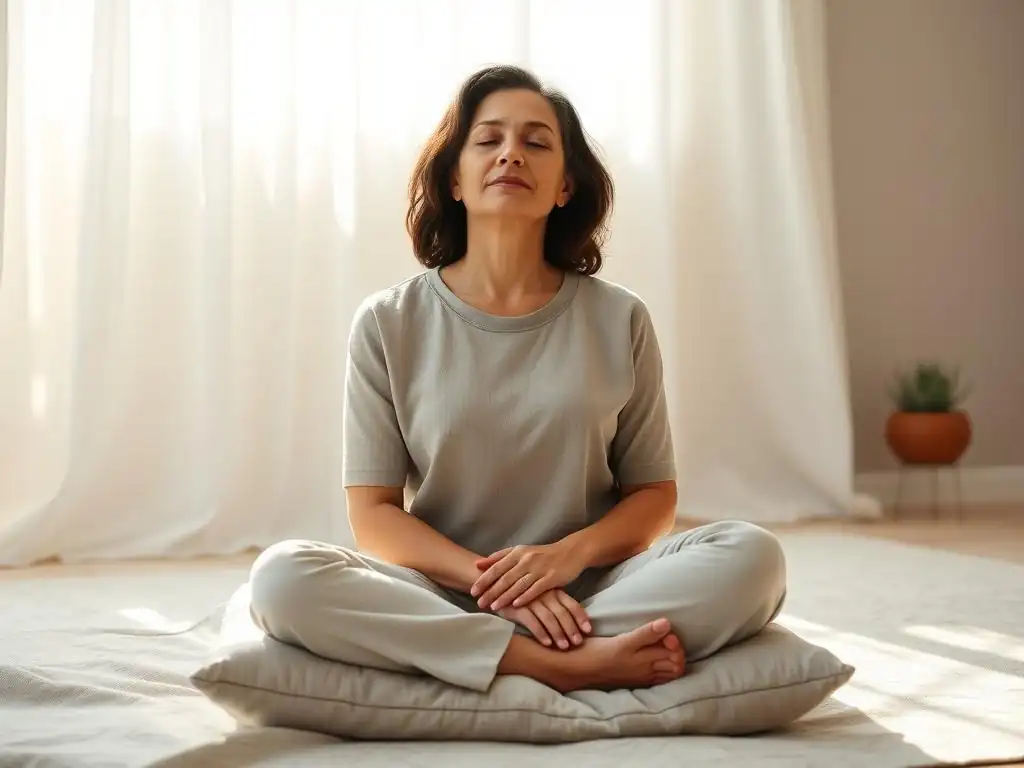
Mindful Movement and Body Scan Meditations
Mindful movement and body scan meditations are excellent ways to connect with your physical self and cultivate gratitude for physical health. Mindful movement involves paying close attention to the sensations in your body as you move, whether during a walk, stretching, yoga, or any other physical activity. Instead of focusing on performance or burning calories, the emphasis is on the experience itself – the feeling of muscles engaging, joints bending, or breath flowing. This present-moment awareness fosters a deeper appreciation for the body's capabilities and the simple joy of movement.
A body scan meditation is a specific practice where you systematically bring your attention to different parts of your body, noticing sensations without judgment. Starting from the toes and moving up to the crown of the head, you simply observe what you feel – warmth, coolness, tingling, pressure, or nothing at all. This practice enhances body awareness and acceptance.
As you scan, you can integrate gratitude by silently thanking each body part or system for its function. For example, as you focus on your hands, you might think, "I am grateful for my hands and fingers that allow me to hold, touch, and create." Regular body scans can reduce anxiety and improve body image by fostering a non-judgmental, appreciative connection with your physical form, strengthening your gratitude for physical health.
Gratitude Journaling Focused on Physical Abilities
Gratitude journaling is a widely recommended practice for boosting overall well-being, and focusing it specifically on physical health can yield profound benefits. Dedicate a few minutes each day or week to write down specific things you are grateful for regarding your body and its abilities. Be as specific as possible. Instead of just "I'm grateful for my health," write "I'm grateful that my legs felt strong enough to climb the stairs today" or "I appreciate my eyes for allowing me to see the beautiful sunset." This specificity makes the gratitude feel more real and impactful.
Consider including a mix of basic functions, specific abilities, and even challenges your body has overcome. For example:
Today I am grateful for my stomach's ability to digest my lunch without discomfort.I appreciate my hands for allowing me to write in this journal.I am thankful for the resilience of my body in recovering from that cold last week.I'm grateful for the feeling of the breeze on my skin.
Keeping a gratitude journal focused on physical health helps to create a tangible record of your body's strengths and capabilities, which you can revisit when you're feeling down or critical of yourself. Regularly reflecting on these points reinforces a positive perspective and strengthens your practice of gratitude for physical health over time.
Specific Gratitude Exercises for Different Physical Aspects
Expressing Gratitude for Your Senses
Our senses are our primary interface with the world, allowing us to experience beauty, connection, and information. Taking time to specifically appreciate your senses is a powerful way to cultivate gratitude for physical health. Consider what each sense allows you to do: Sight lets you see loved ones, read books, and enjoy art. Hearing allows you to listen to music, conversations, and the sounds of nature. Smell lets you enjoy the aroma of food or flowers. Taste brings pleasure from eating. Touch allows you to feel textures, temperatures, and the comfort of a hug.
A simple exercise is to dedicate a day or a few moments to focusing on one sense. For sight, spend time truly looking at something – the details of a leaf, the colors in a painting, the expression on someone's face – and silently express gratitude for the ability to see. For hearing, listen attentively to music, birdsong, or the sound of rain, appreciating the ability to hear.
You can keep a small list in your journal or mentally note these moments throughout the day. For instance, "Gratitude today for being able to hear my child's laughter" or "Thankful for the taste of this delicious meal." This focused appreciation highlights the richness our senses add to life, fostering specific gratitude for physical health in a profound way.
Showing Appreciation for Your Limbs and Mobility
Our limbs are fundamental to our interaction with the physical world, enabling movement, action, and independence. Expressing specific gratitude for your arms, legs, hands, and feet, and the mobility they provide, can deepen your overall gratitude for physical health. Think about all the activities your limbs allow you to perform daily: walking, standing, sitting, reaching, holding, carrying, writing, gesturing. Even seemingly simple actions like scratching an itch or turning a doorknob rely on the complex coordination of your limbs.
An exercise could involve a "limbs gratitude walk." As you walk, focus your attention on the feeling of your feet on the ground, the movement of your legs, and the swing of your arms. Mentally thank your feet for their stability, your legs for their strength, and your arms for their balance.
Another exercise is to simply look at your hands and spend a moment appreciating their intricate structure and all the tasks they perform for you throughout the day, from brushing your teeth to typing on a computer. For individuals with limited mobility, the focus can shift to appreciating the potential for movement, the strength they do possess, or the assistance devices (like canes or wheelchairs) that enable mobility, allowing for continued expression of gratitude for physical health within their current reality.
Finding Gratitude Even During Physical Challenges
Cultivating gratitude for physical health can be particularly challenging when facing illness, injury, or chronic pain. It might feel counterintuitive to be grateful when your body is causing you discomfort or limiting your abilities. However, even in these situations, it is often possible to find aspects of your physical self or experience for which to be grateful. This isn't about denying the pain or difficulty, but about finding pockets of appreciation alongside the struggle. It's about acknowledging resilience, the body's efforts to heal, or the parts of the body that are still functioning well.
Consider appreciating the body's efforts to fight an illness, the moments of reduced pain, or the strength needed to simply get through the day. You might be grateful for the support system that helps you manage your condition, which indirectly supports your physical well-being. Even acknowledging the lesson learned through a physical challenge can be a form of gratitude – gratitude for the insight gained or the empathy developed.
For example, someone managing chronic pain might be grateful for a few hours of reduced discomfort, or for the specific treatment that provides some relief. Finding gratitude for physical health despite challenges is a powerful act of resilience and self-compassion, reinforcing that appreciation is possible in all circumstances.
Overcoming Challenges in Practicing Physical Gratitude
Dealing with Body Image Issues and Insecurities
Body image issues and insecurities are significant hurdles when attempting to practice gratitude for physical health. Negative self-perception, often fueled by societal pressures and personal experiences, can make it difficult to genuinely appreciate a body you feel critical of or unhappy with. It's important to acknowledge these feelings without judgment.
Understand that it's okay if gratitude doesn't come easily at first, especially if you've struggled with body image for a long time. The goal is not to suddenly love everything about your appearance, but to find aspects of your body's function and capabilities to appreciate, independent of how it looks.
Strategies for dealing with body image issues while practicing gratitude for physical health include:
- Focusing on Function over Appearance: Deliberately shift your internal dialogue from how your body looks to what it does for you.
- Limiting Exposure to Triggers: Reduce time spent on social media or around people or media that exacerbate your body image concerns.
- Practicing Self-Compassion: Treat yourself with the same kindness and understanding you would offer a friend struggling with similar issues. Acknowledge that negative body image is common and challenging.
- Starting Small: Begin with gratitude for very basic, undeniable functions, like breathing or your heart beating, before moving to more challenging areas.
It's estimated that a large percentage of adults, both men and women, report dissatisfaction with their bodies. Recognizing that you are not alone in these struggles can be validating. Incorporating gratitude for physical health can be a gradual process, gently retraining your mind to see your body not just as an object to be judged, but as a living, capable entity deserving of appreciation.
Shifting Focus from Physical Imperfections to Strengths
Our minds have a natural tendency to focus on what's wrong or imperfect. This bias can make it difficult to appreciate our physical strengths when we are preoccupied with perceived flaws – whether they are cosmetic, related to fitness levels, or associated with health conditions. Overcoming this involves a conscious and consistent effort to redirect your attention. It's about actively choosing to see the glass half full when it comes to your physical self, without ignoring areas for improvement or health concerns that need attention.
This shift requires intentional practice. When a negative thought about a physical imperfection arises, acknowledge it without dwelling on it, and then deliberately pivot to a thought of gratitude for a physical strength or ability. For example, if you notice a wrinkle you dislike, you might follow that thought with, "But I am grateful for my eyes that allow me to read and see."
If you feel frustrated by a lack of stamina, you could think, "Yet, I appreciate that I have the ability to walk short distances comfortably." This isn't about denial; it's about balancing the perception by giving equal or greater weight to the positive aspects. Regularly listing your physical strengths, perhaps in a journal or just mentally, helps reinforce this positive focus and strengthens your practice of gratitude for physical health.
Maintaining a Consistent Gratitude Practice
Like any habit, maintaining a consistent practice of gratitude for physical health can be challenging amidst the busyness of life, setbacks, or periods of low motivation. Life happens – you might get sick, face new physical limitations, or simply forget to practice. Recognizing that consistency doesn't mean perfection is important. Missing a day or a week doesn't negate the benefits gained; you can simply start again. Building gratitude for physical health into your routine makes it more sustainable.
Strategies for maintaining consistency include:
- Linking to Existing Habits: Practice gratitude while doing something you already do daily, like brushing your teeth, having your morning coffee, or before falling asleep.
- Setting Reminders: Use your phone or calendar to set daily or weekly prompts to practice physical gratitude.
- Keeping it Manageable: Start with just one or two things you're grateful for physically each day rather than aiming for a long list.
- Finding a Gratitude Buddy: Share your practice with a friend or family member for mutual support and accountability.
- Varying Your Practice: Mix up journaling, affirmations, and mindful movement to keep the practice fresh and engaging.
Remember that the goal is progress, not perfection. Even small, consistent efforts to acknowledge gratitude for physical health can accumulate over time, leading to significant improvements in your self-perception and overall well-being. Persistence is key to integrating this practice into a lasting part of your life.
The Role of Self-Care in Cultivating Gratitude for Your Body

Nourishing Your Body with Healthy Foods
Nourishing your body with healthy foods is a fundamental act of self-care that directly supports physical health and, consequently, fosters gratitude for physical health. When you provide your body with the nutrients it needs, you enable it to function optimally, maintain energy levels, and build resilience. Eating healthily isn't just about weight or appearance; it's about honoring your body's needs and supporting its incredible systems. Choosing nutritious foods is a way of saying "thank you" to your body for all it does.
Consider the impact of nutrition: A balanced diet rich in fruits, vegetables, lean proteins, and healthy fats provides the fuel for your cells, supports immune function, aids in muscle repair, and contributes to cognitive health. For example, consuming adequate vitamin C supports your immune system, while calcium and vitamin D are crucial for bone health. Making conscious food choices aligns your actions with your intention to appreciate your physical self. It’s an act of respect and care that reinforces your gratitude for physical health, recognizing that your body thrives when treated well.
Prioritizing Rest and Sleep for Physical Recovery
Adequate rest and quality sleep are non-negotiable components of physical health and essential for cultivating gratitude for physical health. Sleep is the time when your body repairs itself, consolidates memories, regulates hormones, and restores energy. Chronic sleep deprivation can negatively impact mood, cognitive function, immune response, and physical performance. Prioritizing sleep is a profound act of self-care that demonstrates your respect and appreciation for your body's need for recovery and rejuvenation.
Studies consistently show that getting sufficient sleep (typically 7-9 hours for adults) is linked to numerous health benefits, including improved mood, increased focus, better immune function, and enhanced physical recovery. By ensuring you get enough restful sleep, you are actively supporting your body's ability to perform its vital functions. This conscious effort to prioritize rest reinforces your underlying gratitude for physical health, acknowledging that your body requires downtime to operate at its best and continue serving you effectively.
Engaging in Activities You Enjoy for Physical and Mental Well-being
Engaging in physical activities you genuinely enjoy is a powerful way to cultivate gratitude for physical health. Exercise doesn't have to be a chore or a punishment; it can be a source of pleasure, energy, and connection to your body's capabilities. When you move your body in ways that feel good and are fun – dancing, hiking, playing a sport, gardening, or simply taking a leisurely walk – you experience the immediate benefits of physical activity, such as reduced stress, improved mood, and increased energy.
Finding joy in movement helps build a positive association with your physical self. Instead of exercising purely out of obligation or dissatisfaction, you engage because you appreciate what your body allows you to do and how it makes you feel. This intrinsic motivation is often more sustainable and fosters a deeper sense of gratitude for physical health.
For example, someone who loves hiking might feel immense gratitude for the strength in their legs that allows them to climb a trail and enjoy nature. This type of joyful engagement reinforces the value of your physical abilities and strengthens your appreciation for the body that enables these experiences.
The Long-Term Impact of Gratitude for Physical Health
Increased Self-Esteem and Confidence
Consistently practicing gratitude for physical health leads to a significant increase in self-esteem and confidence. By focusing on your body's strengths, capabilities, and resilience rather than its perceived flaws, you build a more positive and realistic self-image. This shifts your internal narrative from one of criticism and inadequacy to one of appreciation and capability. When you regularly acknowledge what your body can do and how it supports you, you naturally feel better about yourself as a whole person.
This enhanced self-perception extends beyond physical appearance. Confidence gained from appreciating your physical abilities – whether it's the strength to lift something, the stamina to walk further, or the resilience to recover – can spill over into other areas of your life. You might feel more confident pursuing new challenges, interacting in social situations, or believing in your overall capacity to handle life's demands. Gratitude for physical health lays a foundation of self-acceptance and appreciation that boosts your confidence from the inside out.
Improved Overall Quality of Life
Cultivating gratitude for physical health can dramatically improve your overall quality of life. When you appreciate your body and its functions, you are more likely to take good care of it through healthy habits like nutritious eating, regular exercise, and sufficient rest. This proactive approach to self-care often leads to improved physical health outcomes, such as higher energy levels, reduced risk of chronic diseases, and better management of existing conditions.
Furthermore, a positive relationship with your body enhances your ability to engage fully in life. Whether it's having the energy to spend time with loved ones, the ability to pursue hobbies, or the physical capacity required for your work, appreciating your body allows you to experience life's opportunities more fully. This enhanced engagement, combined with improved physical and mental well-being, contributes to a richer, more fulfilling life experience. Gratitude for physical health is not just a feeling; it's a practice that empowers you to live better.
A More Positive and Appreciative Mindset
Ultimately, integrating gratitude for physical health into your life fosters a more positive and appreciative mindset that extends beyond just your body. The practice of actively looking for things to be thankful for trains your brain to notice and value the positive aspects of life in general. As you become more adept at appreciating your physical self, you may find yourself naturally noticing and appreciating other things – relationships, experiences, opportunities, and the simple joys of everyday life.
This shift towards a more positive outlook enhances your resilience in the face of challenges, improves your relationships, and increases your overall sense of happiness and contentment. It creates a virtuous cycle: the more you appreciate, the more positive you feel, and the more positive you feel, the easier it is to find things to appreciate. Cultivating gratitude for physical health is a powerful starting point for nurturing a deeply appreciative mindset that can transform your entire perspective on life.
Conclusion: Embracing Gratitude for Your Body as a Path to Holistic Well-being
Embracing gratitude for your body is a transformative practice that serves as a vital pathway to holistic well-being. It moves beyond superficial concerns about appearance and delves into a deep appreciation for the incredible complexity, resilience, and functionality of the physical self that carries us through life. By actively acknowledging the countless processes happening beneath the surface, celebrating everyday abilities, and recognizing the body's inherent strengths, we build a foundation of respect and thankfulness.
This conscious effort to cultivate gratitude for physical health has far-reaching benefits, from improving mental state and enhancing body image to reducing stress and boosting overall confidence. It encourages essential self-care practices, reinforces healthy habits, and ultimately leads to a more positive and appreciative mindset towards life as a whole.
While challenges may arise, particularly concerning body image or physical limitations, the consistent practice of finding gratitude, even in small moments, fosters resilience and self-compassion. By choosing to appreciate your body, you honor the vessel that allows you to experience the world, interact with loved ones, and pursue your purpose, paving the way for a more connected, confident, and fulfilling life.
Frequently Asked Questions
What does it mean to practice gratitude for physical health?
It means actively acknowledging and appreciating the capabilities and functions of your body, even when facing challenges. This involves shifting focus from perceived flaws to celebrating what your body can do.
How can practicing gratitude improve my mental well-being?
Focusing on gratitude shifts your perspective towards positive aspects of life, reducing negative emotions like stress and anxiety. This can lead to increased happiness and overall mental resilience.
What are some practical ways to cultivate gratitude for my physical health?
Keep a gratitude journal specifically for your body, focusing on its abilities. Engage in mindful movement and appreciate the sensations. Express gratitude through affirmations or visualizations.
What if I'm struggling with a chronic illness or disability? Can I still practice gratitude?
Yes, absolutely! Gratitude can be a powerful tool, even amidst challenges. Focus on small victories and moments of comfort, appreciating the body's resilience and capacity to adapt.
How often should I practice gratitude for my physical health to see benefits?
Consistency is key. Aim for daily practice, even if it's just for a few minutes. Over time, this consistent effort will cultivate a more grateful and positive mindset.
Final Reflection: Cultivating a Body of Gratitude
The pursuit of physical well-being often overshadows the simple act of appreciating what our bodies can do. In a world obsessed with achieving the "perfect" physique, we frequently forget to acknowledge the incredible resilience, strength, and capabilities our bodies possess, even amidst imperfections. This oversight is a profound disservice to ourselves and our overall well-being.
The journey towards genuine gratitude for physical health is not a destination, but a continuous practice of mindful awareness. It's about shifting our focus from what we lack to what we possess – the ability to breathe deeply, to walk freely, to feel the warmth of the sun on our skin. This shift in perspective profoundly impacts our mental and emotional health. As the ancient Greek philosopher Epictetus wisely stated: It is not things themselves that disturb men, but their judgments about these things.
This rings especially true when considering our relationship with our physical selves; it's not the presence of aches or limitations that defines us, but how we choose to perceive and appreciate what remains.
Now, I invite you to take a moment. Close your eyes, and feel the gentle rhythm of your breath. Notice the subtle sensations in your body – the beating of your heart, the grounding of your feet on the floor. What small act of physical capability are you grateful for today? Let this feeling of appreciation be your starting point. Cultivate this gratitude daily, and watch as it transforms not only your perception of your body but also your overall sense of well-being and joy. Let your body become a testament to the power of gratitude.
Unleash Your Body's Potential: Embrace Gratitude Now
Thanks for taking the time to explore the power of gratitude for your physical well-being! We hope you've discovered new ways to appreciate your body and its capabilities. Now it's time to put that newfound appreciation into action.
- Start a daily gratitude journal focusing specifically on your body. Note down three things you're grateful for—from your strong legs to your nimble fingers. This simple act can transform your perspective.
- Share this article with someone you care about. Spreading the message of body gratitude can create a ripple effect of positive self-image and self-care.
- Try a mindful body scan meditation tonight. This practice allows you to connect deeply with your physical sensations and foster a sense of appreciation for your body's incredible functions.
What small act of gratitude for your body will you take today?