
LowImpact Exercise for Mental Health: Gentle Yet Highly Effective Approaches


Welcome to Mind Care Guide, a sanctuary for your mental well-being. Feeling overwhelmed or stuck in a mental rut? Discover how incredibly gentle exercise boosts mental health, unlocking a brighter, more resilient you. Explore the power of low-impact movements and embark on a journey towards enhanced emotional and psychological health – because taking care of your mind is the most important journey you'll ever take.
Low-Impact Exercise for Mental Health: Gentle Yet Highly Effective Approaches
- Mind Care Guide: Gentle Exercise for Enhanced Mental Well-being
- Understanding Low-Impact Exercise: A Beginner's Guide
- Gentle Exercise Boosts Mental Health: Key Benefits
- Top Low-Impact Exercises for Mental Health
- Creating a Low-Impact Exercise Routine for Mental Wellness
- Gentle Exercise and Mental Health: Safety Considerations
- Maintaining Motivation and Consistency in Your Low-Impact Exercise Program
- Beyond Exercise: Combining Gentle Activity with Other Mental Health Strategies
- The Power of Gentle Movement: A Path to Improved Mental Well-being
-
Frequently Asked Questions
- What exactly is "low-impact exercise," and how does it differ from other types of exercise?
- How does gentle exercise specifically boost mental health, according to Mind Care Guide?
- What are some examples of low-impact exercises I can easily incorporate into my daily routine?
- How much low-impact exercise does Mind Care Guide recommend for noticeable improvements in mental health?
- Are there any potential risks associated with starting a low-impact exercise program, and how can I mitigate them?
- Final Reflection: Cultivating Inner Peace Through Gentle Movement
- Unleash Your Inner Calm: Start Your Gentle Fitness Journey Today!
Mind Care Guide: Gentle Exercise for Enhanced Mental Well-being
Exploring the Connection Between Gentle Physical Activity and Mental Health
The link between physical activity and mental wellness is well-established in scientific literature. While vigorous exercise often receives attention for its benefits, the power of gentle exercise boosts mental health in profound ways, offering accessibility and sustainability for many individuals. Engaging in low-impact activities triggers the release of endorphins, often referred to as "feel-good" chemicals, which naturally elevate mood and can act as a buffer against stress and anxiety. Furthermore, consistent gentle movement helps regulate neurotransmitters like serotonin and dopamine, key players in mood regulation and overall emotional stability.
Beyond the immediate chemical response, incorporating gentle physical activity into one's routine provides a structured outlet for energy and tension. It offers a sense of accomplishment and control, which can be particularly empowering for those navigating mental health challenges. The rhythmic nature of many low-impact activities, like walking or swimming, can also promote a meditative state, allowing the mind to quiet down from intrusive thoughts and worries. This holistic engagement of body and mind underscores why gentle exercise boosts mental health effectively, providing benefits that extend far beyond physical fitness.
Understanding Low-Impact Exercise: A Beginner's Guide
What Defines Low-Impact Exercise?
Low-impact exercise refers to physical activities that minimize stress and force on the joints, such as knees, hips, and ankles. Unlike high-impact activities like running or jumping, low-impact options ensure that at least one foot remains in contact with the ground or a surface at all times, or the movement occurs in a buoyant environment like water.
This significantly reduces the jarring forces transmitted through the body, making these exercises suitable for people of varying fitness levels, ages, and physical conditions, including those with joint issues, injuries, or chronic pain. Examples range from walking and cycling to swimming, yoga, and Tai Chi.
The defining characteristic is the absence of intense impact. For instance, while brisk walking is low-impact, jogging or sprinting are considered high-impact due to the phase where both feet are off the ground. Similarly, stepping up onto a low platform is low-impact, whereas jumping onto a box is high-impact. This distinction is crucial for understanding why low-impact exercise boosts mental health accessibly – it lowers the barrier to entry, reduces the risk of injury that could interrupt consistency, and allows individuals to focus on the mindful, stress-reducing aspects of movement without the physical strain associated with higher-intensity options.
Benefits of Choosing Low-Impact Options
Choosing low-impact exercise offers a multitude of benefits, particularly when the goal is to support and enhance mental well-being. One primary advantage is increased accessibility; these activities are generally easier on the body, making them suitable for individuals who are new to exercise, recovering from injury, managing chronic conditions, or simply prefer a less strenuous approach.
This ease of entry encourages consistency, which is vital for reaping the sustained mental health benefits of physical activity. A person struggling with depression or anxiety might find the prospect of a strenuous workout overwhelming, but a gentle walk or a calm yoga session feels achievable and less intimidating.
Furthermore, low-impact exercises often allow for longer durations of activity compared to their high-impact counterparts, as they cause less fatigue and muscle soreness. This extended period of movement can be more effective for stress reduction and promoting a state of relaxation. The reduced risk of injury associated with low-impact activities also means fewer setbacks, allowing individuals to maintain a regular routine and consistently experience how gentle exercise boosts mental health over time. This steady, reliable source of physical and mental support is invaluable for managing stress, improving mood, and fostering overall resilience.
Gentle Exercise Boosts Mental Health: Key Benefits
Reducing Stress and Anxiety through Low-Impact Movement
Engaging in low-impact movement is a powerful antidote to stress and anxiety. The rhythmic, repetitive nature of activities like walking or swimming can have a profoundly calming effect on the nervous system. As you move, your body naturally releases tension held in muscles, and the focus required for coordination can distract the mind from anxious thought loops.
This physical release and mental shift work synergistically to lower cortisol levels, the body's primary stress hormone. Studies have shown that even moderate, consistent exercise can significantly reduce overall stress levels and mitigate the physiological symptoms of anxiety, such as a racing heart or shallow breathing.
Moreover, low-impact exercise provides a sense of structure and routine, which can be incredibly grounding for individuals experiencing anxiety. Committing to a regular time for movement creates a predictable, positive activity to look forward to. This predictability helps counteract the feeling of being out of control that often accompanies anxiety.
Simple activities like a 20-minute walk in nature or a gentle stretching routine can provide immediate relief from acute stress symptoms and contribute to a more stable emotional state long-term. This consistent engagement with gentle physical activity is a key way gentle exercise boosts mental health by building resilience against daily stressors.
Improving Mood and Combating Depression with Gentle Activity
Low-impact exercise is a formidable tool in the fight against low mood and depression. The release of endorphins during physical activity acts as a natural mood elevator, creating a temporary sense of euphoria often referred to as a "runner's high," although a "walker's calm" or "swimmer's serenity" is just as valid. Beyond this immediate effect, regular gentle activity helps regulate neurotransmitters like serotonin, norepinephrine, and dopamine, which are crucial for mood regulation and are often imbalanced in individuals with depression. Consistent movement helps improve the brain's sensitivity to these chemicals, enhancing their positive effects over time.
The act of setting a goal, engaging in activity, and completing it also provides a sense of accomplishment and self-efficacy, which can be profoundly beneficial for someone experiencing feelings of hopelessness or lack of motivation associated with depression. Even starting with just 10-15 minutes of gentle movement can break the cycle of inactivity and inertia. Over weeks and months, this consistent engagement helps build momentum and improves overall energy levels and outlook. This demonstrates how gentle exercise boosts mental health by providing both immediate mood lifts and sustained neurochemical and psychological benefits that help alleviate depressive symptoms.
Enhancing Cognitive Function and Focus with Low-Impact Workouts
The benefits of low-impact exercise extend to cognitive function, improving focus, memory, and clarity. Physical activity increases blood flow to the brain, delivering vital oxygen and nutrients necessary for optimal performance. Regular exercise also stimulates the production of brain-derived neurotrophic factor (BDNF), a protein that supports the growth, survival, and function of brain cells and is crucial for learning and memory. Low-impact activities, being less taxing physically, allow individuals to potentially focus more on the movement itself or use the time for reflective thinking, further supporting cognitive processes.
Furthermore, by reducing stress and improving sleep (as discussed below), gentle exercise indirectly enhances cognitive function. Chronic stress and sleep deprivation are major impediments to concentration, decision-making, and memory. By mitigating these factors, gentle movement creates a more favorable environment for the brain to function effectively. For someone struggling with "brain fog" or difficulty concentrating due to stress or mental health conditions, incorporating regular, gentle physical activity can lead to noticeable improvements in cognitive sharpness and sustained focus throughout the day. This cognitive boost highlights another dimension of how gentle exercise boosts mental health comprehensively.
Promoting Better Sleep with Regular, Gentle Exercise
Establishing a consistent low-impact exercise routine can significantly improve sleep quality and duration, a critical component of mental health. Regular physical activity helps regulate the body's circadian rhythm, the internal clock that signals when to be awake and when to sleep. By expending energy during the day, gentle exercise helps promote a feeling of tiredness in the evening, making it easier to fall asleep.
It also helps reduce restlessness during the night, leading to more restorative sleep cycles. The stress-reducing effects of low-impact movement also play a key role, as worry and anxiety are common culprits behind insomnia and poor sleep.
It's important to note the timing of exercise for sleep benefits; typically, exercising earlier in the day or in the late afternoon is most effective. Vigorous exercise too close to bedtime can be stimulating for some people. However, the gentle nature of low-impact activities means they are less likely to cause this issue, although personal timing preferences vary.
Consistent engagement, even just 30 minutes most days of the week, can lead to noticeable improvements in falling asleep faster and experiencing deeper, more restful sleep. This improved sleep quality is a fundamental way gentle exercise boosts mental health, as adequate rest is essential for emotional regulation and cognitive function.
Top Low-Impact Exercises for Mental Health
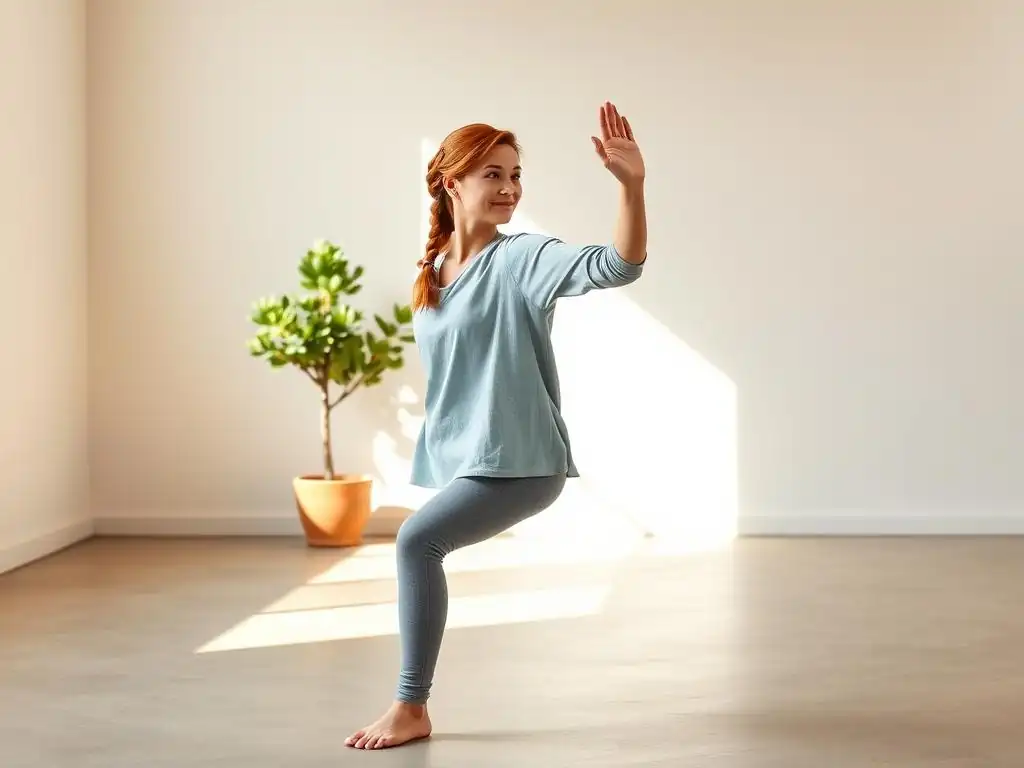
Walking: A Simple Yet Powerful Tool for Mental Clarity
Walking is perhaps the most accessible and fundamental low-impact exercise available, offering profound benefits for mental clarity and well-being. It requires no special equipment beyond comfortable shoes and can be done virtually anywhere – outdoors in nature, through city streets, or indoors on a treadmill. The rhythmic motion of walking can be incredibly meditative, allowing the mind to wander freely or focus on the present moment, depending on your intention.
A brisk walk increases blood flow, not just to the muscles but also to the brain, which helps clear the mind and improve cognitive function. Even a short 15-20 minute walk can significantly reduce feelings of tension and improve mood.
Walking outdoors adds the extra benefit of exposure to nature, which has been shown in studies to reduce rumination and improve mood more effectively than walking in urban environments. The natural sights, sounds, and smells can be incredibly grounding and stress-reducing. Walking also offers flexibility in intensity; you can choose a gentle stroll for relaxation or a brisker pace for more cardiovascular benefits. This adaptability makes walking an excellent foundation for anyone looking to incorporate gentle physical activity into their routine to see how gentle exercise boosts mental health.
Incorporating Mindfulness into Your Walks
Transforming a simple walk into a mindful practice can significantly amplify its mental health benefits. Mindfulness involves paying deliberate attention to the present moment without judgment. While walking, this can mean focusing on the physical sensations in your body – the feel of your feet hitting the ground, the swing of your arms, the rhythm of your breath. You can also engage your senses by noticing the sights around you, the sounds you hear, the smells in the air, and the feel of the breeze or sun on your skin.
Practicing mindful walking helps to pull your attention away from worrying thoughts about the past or future and anchor you in the here and now. This can be a powerful technique for reducing anxiety and promoting a sense of calm. Starting with just 5-10 minutes of mindful focus during your walk can make a difference, gradually increasing the duration as you become more comfortable. This intentional approach turns a physical activity into a moving meditation, highlighting another way gentle exercise boosts mental health through integrated mind-body practices.
Yoga: Finding Balance and Calm Through Gentle Poses
Yoga is an ancient practice that combines physical postures (asanas), breathing techniques (pranayama), and meditation or relaxation. Many styles of yoga are inherently low-impact, focusing on gentle stretching, strengthening, and mindful movement. This mind-body connection is central to yoga's effectiveness in promoting mental well-being. The physical postures help release muscular tension, which is often a physical manifestation of stress and anxiety. Simultaneously, focusing on breath and movement helps calm the nervous system and quiet the mental chatter.
Regular yoga practice has been shown to reduce symptoms of depression and anxiety, improve sleep quality, and enhance overall resilience to stress. The emphasis on acceptance and non-judgment within yoga philosophy can also be incredibly healing for those struggling with self-criticism or negative thought patterns. Finding a style and pace that feels comfortable is key, as yoga is not about perfect poses but about mindful movement and self-awareness. Exploring different classes or online resources can help you discover how gentle exercise boosts mental health through the holistic practice of yoga.
Yoga Styles for Stress Reduction and Mental Well-being
Several yoga styles are particularly well-suited for stress reduction and enhancing mental well-being due to their gentle, introspective nature. Hatha yoga, often considered a foundational style, typically involves holding poses for several breaths and focusing on alignment, making it accessible for beginners and those seeking a calm pace. Restorative yoga uses props like blankets, bolsters, and blocks to support the body fully in poses, allowing for deep relaxation and passive stretching; it's designed specifically to trigger the body's relaxation response.
Yin yoga is another style that focuses on holding passive stretches for longer periods (typically 1-5 minutes) to target the deep connective tissues. While sometimes physically challenging in holding poses, the pace is slow and meditative, encouraging mindfulness and patience. Gentle flow or therapeutic yoga classes are often designed with a focus on ease of movement, breath awareness, and stress relief, making them ideal for those prioritizing mental health benefits. Choosing a style that resonates with you is crucial for maintaining consistency and experiencing how gentle exercise boosts mental health through these varied approaches.
Swimming: A Relaxing and Therapeutic Full-Body Workout
Swimming is an excellent low-impact exercise that offers a full-body workout while being incredibly gentle on the joints due to the buoyancy of water. The rhythmic strokes and the sensation of water passing over the body can be deeply calming and meditative. Being in a quiet environment, often with only the sound of your own breathing and the water, provides a unique opportunity for introspection and stress reduction. Swimming requires coordinated movement and breath control, which naturally draws focus away from worries and centers it on the physical experience.
Regular swimming has been linked to reduced symptoms of anxiety and depression. The physical exertion releases endorphins, while the calming properties of water create a therapeutic environment. It's a great option for individuals with mobility issues or injuries that prevent weight-bearing activities. Even simply floating or doing gentle movements in the water can provide significant relaxation and mental relief. This unique combination of physical exertion and sensory experience highlights how gentle exercise boosts mental health when performed in water.
The Calming Effects of Water on the Mind
The presence of water has long been associated with feelings of calm and tranquility. This phenomenon, sometimes referred to as the "blue mind" effect, suggests that being near, in, or under water can induce a meditative state, reduce stress, and promote a sense of peace. When swimming, you are fully immersed in this calming element. The gentle pressure of the water on the body can be soothing, almost like a constant, gentle massage. The muffled sounds underwater can create a sense of quiet isolation, allowing the mind to rest from the usual auditory overload of daily life.
Focusing on the rhythm of your strokes and breathing provides a natural anchor for mindfulness, similar to meditation. The repetitive motion can become a moving mantra, helping to clear the mind of distractions. Furthermore, the physical effort required, even at a gentle pace, helps to release pent-up physical and mental energy. This combination of physical release and the inherently calming environment makes swimming a uniquely therapeutic low-impact exercise that powerfully demonstrates how gentle exercise boosts mental health.
Cycling: Enjoying Nature and Boosting Your Mood
Cycling, whether outdoors on trails or roads, or indoors on a stationary bike, is a fantastic low-impact exercise that offers significant mental health benefits. It's primarily a cardiovascular activity that's easy on the joints (especially compared to running). Cycling outdoors allows you to connect with nature, experience changing scenery, and get fresh air, all of which are known mood boosters. The rhythmic pedaling can be meditative, providing a steady, predictable motion that helps clear the mind.
Indoor cycling, while lacking the outdoor scenery, still provides the physical benefits and the opportunity to focus inwardly or engage with guided classes that incorporate motivational elements. Cycling for even 30 minutes a few times a week can lead to a noticeable improvement in mood, reduction in stress levels, and increased energy. It's also an activity that can be easily adjusted in intensity, making it suitable for different energy levels and fitness goals. This blend of physical exertion, rhythmic motion, and potential connection with the environment illustrates how gentle exercise boosts mental health effectively through cycling.
Tips for Safe and Enjoyable Cycling
To maximize the mental and physical benefits of cycling while ensuring safety, consider a few practical tips. If cycling outdoors, always wear a helmet, follow traffic laws, and be aware of your surroundings. Use reflective gear if riding in low light conditions. Ensure your bike is properly maintained with inflated tires and working brakes. Plan your route in advance, choosing paths or roads that are suitable for your comfort level and traffic conditions. Exploring local trails or dedicated bike paths can offer a more relaxed and scenic experience away from cars.
For both indoor and outdoor cycling, ensure your bike is properly fitted to your body to prevent discomfort or injury. Adjust seat height and handlebar position for optimal posture. Start with shorter rides and gradually increase duration and intensity as you build stamina.
Bring water to stay hydrated, especially on longer rides. Finally, make it enjoyable – listen to music or a podcast (if safe to do so outdoors), cycle with a friend, or explore new routes to keep the activity fresh and motivating. These steps help ensure cycling remains a positive and sustainable way that gentle exercise boosts mental health.
Tai Chi: Cultivating Inner Peace Through Gentle Movements
Tai Chi is an ancient Chinese martial art often practiced for its health and meditative benefits. It involves slow, deliberate, flowing movements, deep breathing, and mental focus. It is the epitome of low-impact exercise, placing minimal stress on the body while providing significant physical and mental conditioning. Tai Chi is often described as "meditation in motion" because of its emphasis on mindfulness and calm concentration. The gentle, continuous sequence of movements promotes relaxation, reduces muscle tension, and improves balance and flexibility.
Regular Tai Chi practice has been shown to reduce stress, anxiety, and depression, improve mood, and enhance sleep quality. The focus on breath and coordinated movement helps calm the nervous system and cultivate a sense of inner peace. It's particularly beneficial for older adults or those with chronic conditions due to its gentle nature and focus on balance.
Learning Tai Chi often involves joining a class or using instructional videos, providing a structured way to learn the forms and connect with the practice. This intentional, mindful movement is a profound example of how gentle exercise boosts mental health by integrating physical activity with deep mental calm.
The Mind-Body Connection in Tai Chi
At the heart of Tai Chi's effectiveness for mental well-being is its strong emphasis on the mind-body connection. The practice requires you to be fully present, focusing your attention on the subtle shifts in weight, the flow of energy (Qi), and the coordination of breath with movement. This intense focus on internal sensations and external form leaves less room for the mind to dwell on worries or distractions. The slow, deliberate pace encourages patience and mindfulness, helping practitioners cultivate a greater awareness of their physical and emotional state.
The physical movements themselves are designed to promote relaxation and energy flow throughout the body, releasing blockages where stress and tension might accumulate. The deep, diaphragmatic breathing techniques incorporated into Tai Chi activate the body's relaxation response, counteracting the physiological effects of stress. This simultaneous engagement of physical form, breath, and mental focus makes Tai Chi a powerful tool for calming the nervous system, improving emotional regulation, and fostering a deep sense of tranquility. It is a testament to how gentle exercise boosts mental health by harmonizing physical movement with mental presence.
Creating a Low-Impact Exercise Routine for Mental Wellness
Setting Realistic Goals for Your Mental Health Journey
When incorporating low-impact exercise for mental health, setting realistic and achievable goals is paramount. Avoid the pressure to exercise intensely every day or for long durations right away. Begin with small, manageable steps, such as a 15-minute walk three times a week or 10 minutes of gentle stretching daily. These small successes build confidence and momentum, making it easier to stick with the routine. Consider your current energy levels and time constraints when setting goals. It's better to consistently achieve a small goal than to aim too high and become discouraged.
Focus your goals not just on the duration or frequency of exercise, but also on how it makes you feel. For example, a goal might be "Go for a 20-minute walk today to feel more relaxed" or "Do 15 minutes of gentle yoga this morning to start the day calmly." This shifts the focus from performance to well-being, aligning directly with how gentle exercise boosts mental health. Track your progress, perhaps noting your mood before and after activity, to see the tangible benefits and reinforce your motivation.
Listening to Your Body and Avoiding Overexertion
A crucial aspect of a sustainable low-impact exercise routine for mental health is learning to listen to your body. Unlike high-intensity training where pushing limits might be encouraged, the goal here is consistency, well-being, and avoiding stress on the body. Pay attention to signals of fatigue, discomfort, or pain. Pushing through pain can lead to injury, which would disrupt your routine and potentially negatively impact your mental state. Low-impact doesn't mean no effort, but it does mean prioritizing comfort and ease over intensity.
If you're feeling particularly low in energy or experiencing increased symptoms of a mental health condition on a given day, it's okay to modify your plan. A scheduled 30-minute walk could become a 10-minute gentle stroll, or a yoga session might turn into simple stretching or guided relaxation. The key is to maintain some form of movement if possible, but without adding physical stress to emotional distress. Recognizing your body's needs and responding with kindness is part of the self-care inherent in using gentle exercise to boost mental health.
Finding Activities You Enjoy and Will Stick With
Consistency is key to unlocking the long-term mental health benefits of low-impact exercise, and the best way to ensure consistency is to choose activities you genuinely enjoy. Don't force yourself into a routine you dread. Explore different options like walking in nature, cycling along a scenic route, trying different yoga styles, swimming, or practicing Tai Chi. The enjoyment factor makes the activity something to look forward to rather than a chore, significantly increasing the likelihood that you will stick with it.
Consider what feels good for you. Do you prefer solitude or social activity? Do you like being outdoors or indoors? Do you find rhythmic motion soothing or do you prefer variety? Answering these questions can help guide you towards activities that align with your preferences. Remember, the goal is to find movement that supports your mental well-being. When you enjoy the process, it becomes a sustainable part of your lifestyle, demonstrating how choosing enjoyable gentle exercise boosts mental health over time.
Incorporating Exercise into Your Daily Routine
Integrating low-impact exercise seamlessly into your daily routine is essential for making it a sustainable habit. Look for opportunities to weave movement into your existing schedule rather than viewing it as an add-on that requires a significant block of extra time. This might involve taking the stairs instead of the elevator, walking or cycling for short commutes, incorporating a short walk during your lunch break, or doing a few minutes of stretching or Tai Chi in the morning or evening.
Consider scheduling your exercise like any other important appointment. Put it in your calendar and treat it as a non-negotiable part of your day dedicated to self-care. Even breaking up exercise into smaller chunks throughout the day can be effective. A 10-minute walk in the morning, another at lunch, and a 10-minute stretching session in the evening can add up to significant benefits. Finding creative ways to make movement a natural part of your day helps ensure that gentle exercise boosts mental health consistently without feeling like a burden.
Gentle Exercise and Mental Health: Safety Considerations
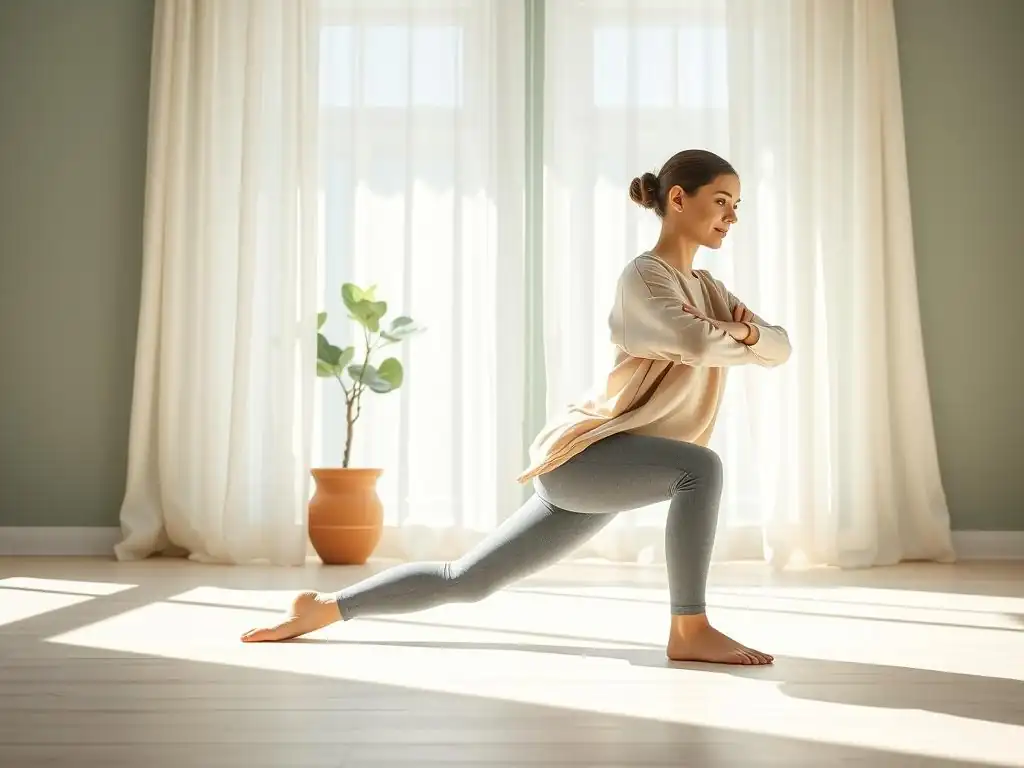
Consulting with a Healthcare Professional Before Starting
Before starting any new exercise program, especially if you have pre-existing health conditions, injuries, or are managing a mental health condition for which you are receiving medical care, it is crucial to consult with a healthcare professional. Your doctor can provide personalized advice based on your specific health status, recommend appropriate types of low-impact activities, and advise on any modifications you might need. This step ensures that the exercise you choose is safe and beneficial for your individual circumstances.
Discussing your mental health goals with your doctor can also be helpful. They can offer insights into how exercise fits into your overall treatment plan and potentially connect you with resources. While low-impact exercise is generally safe, getting professional clearance provides peace of mind and helps prevent potential complications. This proactive approach is a responsible step in ensuring that your journey towards using gentle exercise to boost mental health is safe and effective.
Modifications for Physical Limitations and Injuries
Low-impact exercise is inherently adaptable, making it well-suited for individuals with physical limitations, chronic pain, or injuries. The key is to know how to modify movements to avoid exacerbating existing issues or causing new ones. For example, if you have knee pain, cycling might be more comfortable than walking, or you might need to adjust the resistance on a stationary bike. If you have shoulder issues, you might modify swimming strokes or choose yoga poses that avoid putting pressure on the shoulders.
Working with a physical therapist or an exercise instructor experienced in working with individuals with limitations can be incredibly beneficial. They can show you specific modifications and alternative movements that are safe and effective for your body. Using props like chairs for balance during Tai Chi, resistance bands for gentle strengthening, or modifying range of motion in yoga poses are all ways to make low-impact activities accessible. Embracing modifications allows you to consistently engage in movement and experience how gentle exercise boosts mental health, even when navigating physical challenges.
Staying Hydrated and Nourished
Proper hydration and nutrition are fundamental supporting pillars for any exercise routine, including low-impact activities, and are equally important for overall mental well-being. Even gentle exercise causes your body to lose water through sweat, and dehydration can lead to fatigue, dizziness, and impaired cognitive function – all things detrimental to feeling your best mentally. Make sure to drink water before, during (especially if exercising for longer durations or in warm environments), and after your low-impact workouts.
Similarly, fueling your body with balanced nutrition provides the energy needed for activity and supports brain function. While low-impact exercise might not require the same caloric intake as high-intensity workouts, ensuring you have balanced meals and snacks containing carbohydrates for energy, protein for muscle repair, and healthy fats is important. Avoid exercising on an empty stomach if it leaves you feeling weak or lightheaded. Supporting your body physically through hydration and nourishment creates the optimal conditions for gentle exercise to boost mental health effectively.
Maintaining Motivation and Consistency in Your Low-Impact Exercise Program
Finding a Workout Buddy for Support and Accountability
Maintaining motivation can be challenging, especially when energy levels or mood are low. Finding a workout buddy can provide invaluable support and accountability. Exercising with a friend, family member, or colleague makes the activity more social and enjoyable. You can encourage each other on tough days and celebrate successes together. Knowing someone is waiting for you can be a powerful motivator to show up, even when you don't feel like it.
A workout buddy doesn't necessarily have to do the exact same activity as you; simply meeting at the park to walk alongside each other while you cycle can work. Online communities or group classes for low-impact activities like yoga or Tai Chi can also provide a sense of connection and shared purpose. This social support adds another layer to how gentle exercise boosts mental health, combating feelings of isolation and fostering positive connections.
Tracking Your Progress and Celebrating Milestones
Tracking your progress, no matter how small, can be incredibly motivating and help visualize how gentle exercise boosts mental health over time. This doesn't need to be complicated; a simple journal, a phone app, or a calendar where you check off completed workouts can suffice. Note down the type of activity, duration, and how you felt before and after. Over weeks and months, looking back at your entries can reveal patterns and demonstrate the positive impact on your mood, energy, and stress levels.
Celebrate milestones along the way, whether it's completing your first full week of consistent walks, increasing your swimming distance, or mastering a new yoga pose. Acknowledge your efforts and successes. These small victories reinforce the positive habit and provide encouragement to continue. Recognizing the progress you've made, both physically and mentally, is a powerful way to stay motivated and committed to your low-impact exercise routine.
Rewarding Yourself for Your Efforts
Integrating a system of rewards can help reinforce your low-impact exercise habit. When you reach a goal, whether it's exercising consistently for a week, completing a certain number of sessions, or noticing a specific improvement in your mood, treat yourself to something enjoyable. This reward doesn't have to be tied to food or cost money; it could be allowing extra time for a relaxing bath, reading a book, spending time on a hobby, or enjoying a favorite show.
The key is to choose rewards that are meaningful to you and reinforce the positive feelings associated with your exercise routine. This positive reinforcement helps create a strong association between your gentle physical activity and pleasurable outcomes, making it easier to prioritize it in the future. This simple strategy adds an element of positive psychology, further solidifying how gentle exercise boosts mental health through consistent engagement and self-acknowledgment.
Beyond Exercise: Combining Gentle Activity with Other Mental Health Strategies
Mindfulness and Meditation Practices
Integrating mindfulness and meditation practices with low-impact exercise creates a powerful synergy for mental well-being. As discussed with mindful walking or Tai Chi, many gentle activities lend themselves naturally to present-moment awareness. Explicitly dedicating time for seated or walking meditation, even for just 5-10 minutes daily, can further enhance the benefits. Meditation trains the mind to focus, reduce rumination, and cultivate a sense of calm, skills that complement the stress-reducing effects of gentle movement.
Combining these practices allows you to address mental health from multiple angles. The physical activity helps release tension and alters brain chemistry, while mindfulness and meditation train the mind to manage thoughts and emotions more effectively. Practicing a short meditation before or after your low-impact exercise can deepen the sense of peace and presence. This integrated approach significantly amplifies how gentle exercise boosts mental health when paired with conscious mental training.
Healthy Diet and Nutrition
A healthy diet and balanced nutrition are fundamental to both physical and mental health, working hand-in-hand with low-impact exercise. Just as exercise provides energy and regulates mood through chemical processes, so too does the food we eat. Nutrients like omega-3 fatty acids, B vitamins, magnesium, and complex carbohydrates play crucial roles in brain function and mood regulation. Dehydration and blood sugar crashes can negatively impact energy levels and emotional stability.
Fueling your body with wholesome foods supports your energy levels for gentle exercise and provides the building blocks for neurotransmitter production. Avoiding excessive processed foods, sugar, and caffeine can help stabilize mood and improve sleep, complementing the effects of your activity. Viewing nutrition and gentle exercise as two interconnected pillars of self-care reinforces a holistic approach to mental wellness, highlighting that gentle exercise boosts mental health most effectively when supported by a healthy lifestyle.
While some low-impact exercises can be solitary, incorporating social connection significantly enhances mental well-being. Exercising with others, whether joining a walking group, attending a yoga class, or swimming with a friend, provides opportunities for social interaction and reduces feelings of isolation. Social support is a critical protective factor against stress, anxiety, and depression. Sharing your exercise journey with others can also provide encouragement and accountability.
Even if your chosen activity is solitary, ensure you are maintaining connections in other areas of your life. Discussing your exercise routine and its benefits with friends or family can strengthen bonds and provide motivation. For those using low-impact exercise as part of a mental health treatment plan, discussing your progress with a therapist or support group can offer valuable insights and reinforcement. Recognizing the importance of social connection underscores the multifaceted ways that gentle exercise boosts mental health, extending beyond the purely physical benefits.
The Power of Gentle Movement: A Path to Improved Mental Well-being
Embracing a Holistic Approach to Mental Health
The journey towards improved mental well-being is often most effective when embracing a holistic approach that addresses the interconnectedness of mind, body, and lifestyle. Low-impact exercise is a cornerstone of this approach, offering accessible and sustainable physical activity that directly and indirectly supports mental health. By reducing stress, improving mood, enhancing cognitive function, and promoting better sleep, gentle movement provides a powerful foundation for emotional resilience.
However, the true power lies in integrating gentle exercise with other self-care strategies. Combining mindful movement with meditation, nourishing your body with healthy food, nurturing social connections, and seeking professional support when needed creates a comprehensive framework for well-being. It's not about finding a single cure, but about building a supportive lifestyle. Understanding how gentle exercise boosts mental health within this broader context empowers individuals to take proactive steps towards a more balanced and fulfilling life.
Frequently Asked Questions
What exactly is "low-impact exercise," and how does it differ from other types of exercise?
Low-impact exercise refers to activities that put minimal stress on your joints. It's different from high-impact activities because it avoids jarring movements, making it suitable for people of all fitness levels and those with joint pain.
How does gentle exercise specifically boost mental health, according to Mind Care Guide?
Mind Care Guide emphasizes that gentle exercise boosts mental health by releasing endorphins, reducing stress hormones, and improving sleep quality. These factors contribute to a more positive mood and reduced anxiety.
What are some examples of low-impact exercises I can easily incorporate into my daily routine?
Examples include walking, swimming, yoga, and cycling. These activities are readily accessible and require minimal equipment, making them easy to integrate into your daily life for mental well-being.
How much low-impact exercise does Mind Care Guide recommend for noticeable improvements in mental health?
Mind Care Guide suggests aiming for at least 30 minutes of moderate-intensity low-impact exercise most days of the week. Consistency is key to experiencing the mental health benefits.
Are there any potential risks associated with starting a low-impact exercise program, and how can I mitigate them?
While generally safe, some individuals may experience muscle soreness or minor injuries. To mitigate risks, start slowly, listen to your body, and consult with a healthcare professional before beginning any new exercise routine, especially if you have pre-existing health conditions.
Final Reflection: Cultivating Inner Peace Through Gentle Movement
The pursuit of mental well-being is no longer a niche interest; it's a fundamental human need, and gentle exercise offers a powerful, accessible pathway to achieving it. The growing awareness of the mind-body connection underscores the importance of integrating mindful movement into our daily lives, a concept explored throughout this article. We've seen how seemingly small actions, from mindful stretching to gentle yoga, can significantly impact our mental resilience and overall happiness.
The impact of gentle exercise on our cultural landscape is profound, shifting the narrative from high-intensity workouts as the sole path to fitness to a more inclusive and sustainable approach. We're moving away from the pressure to constantly push our physical limits and embracing the restorative power of slowing down. This shift reflects a broader societal understanding of the interconnectedness of physical and mental health. The body achieves what the mind believes.
– Napoleon Hill. This quote perfectly encapsulates the power of positive self-talk and mindful movement in achieving mental and physical well-being.
Now, consider your own journey. What small steps can you take today to incorporate gentle exercise into your routine? Perhaps it's a five-minute stretching session before bed, a mindful walk in nature, or a gentle yoga flow during your lunch break. Remember, even the smallest act of self-care, when practiced consistently, can yield remarkable results. Embrace the power of gentle movement, not just for physical health, but for the profound and lasting impact it has on your mental well-being. Start small, be consistent, and watch your inner peace blossom.
Unleash Your Inner Calm: Start Your Gentle Fitness Journey Today!
Thanks for taking the time to explore low-impact exercise for better mental health! We hope you discovered some valuable techniques to nurture your mind and body. Now it's time to put these insights into action.
- Prioritize one low-impact activity: Choose from the exercises discussed – yoga, walking, swimming – and schedule it into your week. Even 15 minutes a day can make a difference!
- Share your experience: Tell a friend or family member about your chosen activity and invite them to join you. Accountability boosts motivation!
- Explore variations: Try a different style of yoga or a new walking route to keep things interesting and prevent boredom. This will help you find what truly works for you.
Ready to feel the transformative power of gentle movement? What small step will you take this week to prioritize your mental well-being?