
The Vagus Nerve: A Bridge in MindBody Holistic Healing

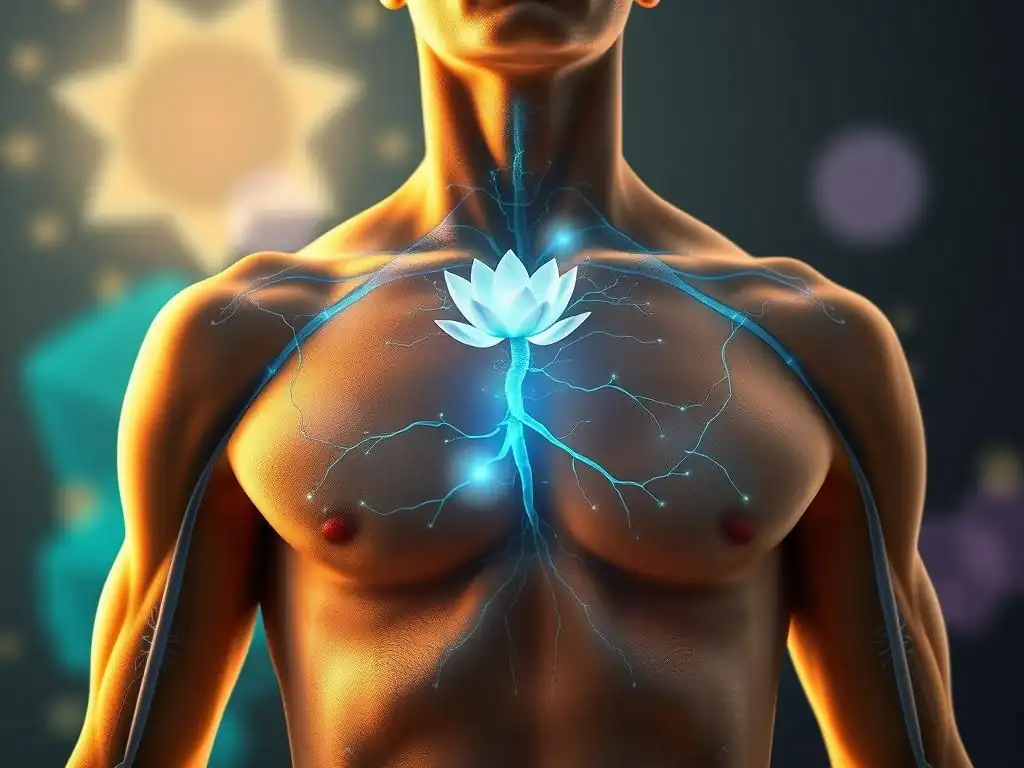
Welcome to Mind Care Guide, a safe space for exploring the intricate landscape of your mental well-being.
Feeling disconnected or overwhelmed? You're not alone. Discover the profound connection between your mind and body, starting with an exploration of the vagus nerve. This remarkable nerve acts as a bridge, and understanding its role could unlock a path towards vagus nerve holistic healing. Curious to learn how activating this nerve can positively impact your mental and emotional health? Let's begin.
The Vagus Nerve: A Bridge in Mind-Body Holistic Healing
- Understanding the Vagus Nerve and Holistic Wellness
- Vagus Nerve Dysfunction: Signs and Symptoms
- Vagus Nerve Stimulation Techniques for Holistic Mental Health
- The Vagus Nerve and Its Relationship to Specific Mental Health Conditions
- Measuring Vagal Tone and Biofeedback
- Integrating Vagus Nerve Stimulation into a Holistic Mental Health Plan
- Precautions and Considerations for Vagus Nerve Stimulation
- The Future of Vagus Nerve Research in Holistic Mental Health
-
Frequently Asked Questions
- What exactly is the vagus nerve, and why is it so important in holistic healing?
- How does the vagus nerve contribute to mental well-being, according to holistic healing practices?
- What are some common holistic healing techniques that can help stimulate the vagus nerve?
- Can vagus nerve stimulation through holistic methods really help with specific mental health challenges?
- Where can I find more resources and guidance on using vagus nerve stimulation for holistic healing and mental well-being?
- Final Reflection: Reclaiming Balance Through the Vagus Nerve
- Unlock Your Body's Natural Healing Power
Understanding the Vagus Nerve and Holistic Wellness
The vagus nerve, often referred to as the tenth cranial nerve, is the longest and most complex of the cranial nerves. It acts as a critical communication pathway between the brain and many vital organs, including the heart, lungs, and digestive system. Understanding its function is paramount when exploring the intricate connection between the mind and body, particularly within the realm of holistic healing for mental well-being. This nerve's influence extends far beyond simple physiological processes; it plays a significant role in regulating mood, stress responses, and overall emotional states.
This deep connection positions the vagus nerve as a central player in holistic approaches to health. Holistic healing recognizes the interconnectedness of physical, mental, and emotional states. By influencing various bodily systems simultaneously, the vagus nerve serves as a tangible, physiological link that holistic practices can target to improve overall wellness. Exploring this nerve's function provides valuable insights into how practices like mindful breathing, cold exposure, and meditation can profoundly impact mental health outcomes, offering a scientific lens through which to view the efficacy of vagus nerve holistic healing techniques.
What is the Vagus Nerve? An Overview for Mental Well-being
The vagus nerve is a mixed nerve, meaning it contains both afferent fibers (carrying signals from the body to the brain) and efferent fibers (carrying signals from the brain to the body). Approximately 80% of the vagus nerve's fibers are afferent, sending information up from the organs to the brain. This means the nerve is constantly informing the brain about the state of the body's internal environment, influencing everything from hunger cues to emotional regulation. It's a primary component of the parasympathetic nervous system, often dubbed the "rest and digest" system, counterbalancing the sympathetic "fight or flight" response.
This constant two-way communication is crucial for mental well-being. For instance, signals from the gut via the vagus nerve can influence neurotransmitter production and brain function, impacting mood and potentially contributing to conditions like anxiety or depression. Conversely, the brain can send signals down the vagus nerve to regulate heart rate or digestion in response to stress. Understanding this neural highway highlights why the physical state of the body, as communicated by the vagus nerve, is inseparable from mental and emotional health, forming a fundamental basis for vagus nerve holistic healing.
The Vagus Nerve's Role in the Mind-Body Connection
The vagus nerve is a primary conduit for the bidirectional communication that defines the mind-body connection. It directly connects the brainstem to organs like the heart, lungs, and digestive tract, facilitating rapid and continuous information exchange. When the body is under stress, the vagus nerve's activity decreases, allowing the sympathetic nervous system to dominate, leading to increased heart rate, rapid breathing, and muscle tension. Conversely, increased vagal activity promotes relaxation, slows the heart rate, and aids digestion, fostering a state of calm.
This regulatory function has profound implications for mental states. Chronic stress or trauma can impair vagal tone, leading to a sustained state of hyperarousal or dissociation, common in conditions like anxiety disorders or PTSD. By understanding and influencing vagal activity, individuals can gain a powerful tool for managing their physiological responses to stress and improving emotional regulation. This makes the vagus nerve a central target for mind-body practices aimed at restoring balance and promoting overall mental and physical harmony through vagus nerve holistic healing.
Why the Vagus Nerve is Key to Holistic Healing Approaches
Holistic healing emphasizes treating the whole person – mind, body, and spirit – rather than focusing solely on isolated symptoms. The vagus nerve is uniquely positioned at the intersection of these domains, making it an ideal focal point for integrative therapies. Its pervasive influence on both physiological functions (like heart rate and digestion) and psychological states (like mood and stress response) means that interventions targeting the vagus nerve can have widespread positive effects across multiple systems.
Practices that stimulate the vagus nerve, such as deep breathing, meditation, and certain forms of exercise, align perfectly with the principles of holistic healing. They are non-invasive, empowering individuals to take an active role in their own well-being, and address the root physiological underpinnings of mental distress. By focusing on optimizing vagal tone, individuals can enhance their body's natural ability to regulate stress, improve emotional resilience, and promote overall balance, embodying the core philosophy of vagus nerve holistic healing.
Vagus Nerve Dysfunction: Signs and Symptoms
When the vagus nerve is not functioning optimally, often characterized by low vagal tone, the body's ability to regulate its internal state is compromised. This can manifest in a wide array of physical and psychological symptoms, highlighting the nerve's extensive reach and importance. Recognizing these signs is a crucial first step in addressing potential vagal issues and exploring strategies for vagus nerve holistic healing.
Understanding the symptoms associated with vagus nerve dysfunction can empower individuals to seek appropriate support and implement targeted interventions. These symptoms can often be subtle at first or attributed to other causes, making awareness key. From digestive issues to mood swings, the diverse presentation of vagal impairment underscores the nerve's integral role in maintaining overall health and its direct impact on daily life and mental well-being.
Identifying Potential Vagal Tone Issues
Vagal tone refers to the activity level of the vagus nerve. High vagal tone indicates a more robust parasympathetic response, allowing the body to relax quickly after stress. Low vagal tone means the parasympathetic system is less effective, potentially leaving the body stuck in a sympathetic "fight or flight" state. Identifying low vagal tone isn't always straightforward but can be inferred through various physiological indicators and persistent symptoms.
One of the most common indicators is poor heart rate variability (HRV). HRV measures the variation in time between heartbeats. Higher HRV generally correlates with higher vagal tone and better emotional regulation. Conversely, low HRV is often associated with chronic stress, anxiety, and depression. Other potential signs include digestive problems like IBS, chronic inflammation, difficulty regulating blood sugar, and persistent feelings of anxiety or difficulty calming down after stressful events. While a formal diagnosis typically involves professional assessment, recognizing a cluster of these symptoms can suggest potential vagal issues.
Common Symptoms Associated with Vagus Nerve Impairment
Symptoms of impaired vagus nerve function can be diverse due to its extensive connections throughout the body. Digestive issues are particularly common, including:
- Bloating and gas
- Constipation or diarrhea (often alternating)
- Slow gastric emptying
- Irritable Bowel Syndrome (IBS) symptoms
Beyond digestion, individuals might experience:
- Difficulty swallowing or a sensation of a lump in the throat
- Chronic hoarseness or voice changes
- Dizziness or fainting (vasovagal syncope)
- Heart rate irregularities or fluctuations
- Difficulty breathing or shortness of breath unrelated to respiratory illness
- Increased sensitivity to pain
- Anxiety, panic attacks, or depression
- Difficulty relaxing or feeling constantly on edge
It's important to note that these symptoms can overlap with many other conditions. Consulting a healthcare professional is essential for accurate diagnosis, but understanding these potential links can guide discussions about exploring vagus nerve holistic healing strategies.
The Impact of Low Vagal Tone on Mental Health
Low vagal tone is strongly associated with increased vulnerability to stress, anxiety, and depression. When the vagus nerve's calming influence is diminished, the body is less able to effectively return to a state of rest after encountering a stressor. This can lead to a chronic state of physiological arousal, which fuels feelings of anxiety and contributes to persistent negative mood states.
Research has shown a clear correlation; individuals with lower vagal tone tend to report higher levels of worry and are more susceptible to panic attacks. For example, a study involving college students found that those with lower resting HRV (an indicator of lower vagal tone) exhibited higher levels of anxiety and poorer emotional regulation compared to those with higher HRV.
Furthermore, low vagal tone can impair the body's ability to regulate inflammation, which is increasingly linked to the development of depression and other mental health conditions. Addressing vagal tone through holistic practices thus becomes a vital component of comprehensive vagus nerve holistic healing for mental well-being.
Vagus Nerve Stimulation Techniques for Holistic Mental Health
Fortunately, the vagus nerve is highly responsive to various non-invasive techniques. These methods, often rooted in ancient practices and modern wellness approaches, offer tangible ways to stimulate vagal activity and improve vagal tone. Incorporating these techniques into a daily routine can be a powerful component of a vagus nerve holistic healing plan, empowering individuals to actively cultivate greater resilience and well-being.
These stimulation methods work by engaging the nerve through its various pathways – from the throat and vocal cords to the diaphragm and even the gut. The accessibility and simplicity of many of these techniques make them ideal for integration into everyday life, offering practical tools for managing stress and enhancing emotional regulation without the need for medical intervention.
Natural Ways to Stimulate the Vagus Nerve at Home
Several simple, natural methods can be easily incorporated into a daily routine to help stimulate the vagus nerve and promote higher vagal tone. These techniques leverage the nerve's connections to various parts of the body.
- Gargling: Vigorous gargling activates the muscles in the back of the throat, which are innervated by the vagus nerve. Doing this daily, perhaps with water while brushing teeth, can provide stimulation.
- Singing, Humming, or Chanting: These activities also engage the vocal cords and throat muscles, sending vibrations and signals through the vagus nerve. Singing loudly or humming consistently can be particularly effective.
- Splashing Cold Water on the Face: The dive reflex, triggered by cold exposure, involves a slowing of the heart rate mediated by the vagus nerve. Splashing very cold water on the face, especially holding your breath briefly, can activate this reflex.
- Laughter: Hearty laughter engages the diaphragm and abdominal muscles, providing a form of internal massage that can stimulate the vagus nerve. Seeking out opportunities for genuine laughter can have therapeutic benefits.
Implementing just one or two of these simple practices regularly can contribute significantly to improving vagal tone over time, supporting vagus nerve holistic healing efforts. Consistency is key for building lasting benefits.
Breathing Exercises for Vagal Tone Enhancement
Breathing is one of the most direct and accessible ways to influence the vagus nerve and shift the nervous system state. Slow, deep, diaphragmatic breathing activates the parasympathetic nervous system via the vagus nerve, promoting relaxation and reducing the "fight or flight" response.
One effective technique is paced breathing, aiming for about 5-7 breaths per minute. This involves inhaling slowly through the nose, allowing the belly to expand, and exhaling slowly through the mouth, taking longer on the exhale than the inhale. For example, inhaling for a count of 4 and exhaling for a count of 6 or 7.
Another method is box breathing (inhale for 4, hold for 4, exhale for 4, hold for 4). Practicing these techniques for just 5-10 minutes daily can significantly improve vagal tone. Research shows that regular slow breathing practices can increase heart rate variability and reduce cortisol levels, demonstrating a tangible physiological impact mediated by the vagus nerve, crucial for vagus nerve holistic healing.
Cold Exposure Therapy and the Vagus Nerve
Exposure to cold, particularly sudden exposure, can trigger a reflex mediated by the vagus nerve that slows heart rate and shifts the body towards a more parasympathetic state. This is part of the body's physiological response to conserve energy in cold environments.
While full ice baths are an extreme example, more accessible methods include taking cold showers or finishing a warm shower with 30-60 seconds of cold water. Even immersing the face in cold water or holding ice packs on the neck can activate the vagus nerve. Regular, brief cold exposure has been shown to increase vagal tone and reduce inflammation. For instance, studies on athletes using cold water immersion for recovery have noted improvements in HRV, suggesting enhanced vagal activity. Incorporating safe, gradual cold exposure can be a powerful tool within a vagus nerve holistic healing strategy.
Meditation and Mindfulness for Vagal Nerve Activation

Meditation and mindfulness practices are well-known for their stress-reducing benefits, and a significant part of their mechanism involves the vagus nerve. By promoting a state of relaxed awareness, these practices directly counter the sympathetic nervous system's stress response and enhance parasympathetic activity.
During meditation, focusing on the breath or bodily sensations helps to calm the nervous system. This intentional shift away from ruminative thoughts and towards present-moment awareness reduces the physiological signals of stress being sent to the brain. Studies using fMRI have shown that long-term meditators have increased activity in brain regions associated with vagal control. Furthermore, consistent mindfulness practice has been linked to higher resting vagal tone (measured by HRV). Even short daily meditation sessions, perhaps 10-15 minutes, can cultivate this beneficial effect, making meditation a foundational practice for vagus nerve holistic healing.
Dietary Considerations to Support Vagal Nerve Function
The gut-brain axis, a complex bidirectional communication system, relies heavily on the vagus nerve. Therefore, supporting gut health through diet can indirectly support vagal nerve function and overall mental well-being. A diet rich in certain nutrients and types of food can help maintain a healthy gut microbiome, which in turn influences vagal signaling.
- Probiotics and Fermented Foods: Foods like yogurt, kefir, sauerkraut, and kimchi contain beneficial bacteria that can improve gut microbiome composition. A healthier gut sends more positive signals to the brain via the vagus nerve.
- Prebiotic-Rich Foods: Foods high in fiber that feed beneficial gut bacteria, such as onions, garlic, leeks, asparagus, and oats, also support a healthy microbiome and indirectly benefit vagal function.
- Omega-3 Fatty Acids: Found in fatty fish (salmon, mackerel), flaxseeds, and walnuts, omega-3s have anti-inflammatory properties and are essential for brain health. Inflammation can negatively impact vagal function, so reducing it can be beneficial.
- Polyphenols: These plant compounds found in berries, dark chocolate, green tea, and olive oil act as antioxidants and can influence the gut microbiome positively, supporting the vagus nerve pathway.
Prioritizing a balanced diet focused on whole, unprocessed foods while minimizing inflammatory foods (like excessive sugar and unhealthy fats) provides essential support for the gut-vagus nerve connection, a key aspect of comprehensive vagus nerve holistic healing.
The Vagus Nerve and Its Relationship to Specific Mental Health Conditions
The vagus nerve's role in regulating the nervous system, inflammation, and the gut-brain axis makes it particularly relevant to several common mental health conditions. Dysfunction of the vagus nerve or low vagal tone is often observed in individuals experiencing anxiety, depression, and trauma-related disorders. Understanding this relationship opens avenues for targeted interventions aimed at improving vagal function as part of a broader therapeutic approach.
Exploring the specific ways the vagus nerve is implicated in these conditions provides valuable context for applying vagus nerve holistic healing techniques. It offers a physiological explanation for why mind-body practices can be so effective in managing symptoms and promoting recovery in individuals facing these challenges.
Vagus Nerve Stimulation for Anxiety Relief
Anxiety is characterized by an overactive sympathetic nervous system and a diminished capacity to engage the parasympathetic "rest and digest" response. Since the vagus nerve is the primary driver of the parasympathetic system, stimulating it can directly counteract the physiological symptoms of anxiety, such as rapid heart rate, shallow breathing, and muscle tension.
Practices that increase vagal tone help the body become more efficient at calming down after a perceived threat has passed. For example, paced breathing exercises, as mentioned earlier, can immediately slow heart rate and induce a state of relaxation, interrupting the anxiety cycle. Regular practice builds resilience, making individuals less reactive to stressors over time. Studies have shown that techniques like deep diaphragmatic breathing can increase HRV and reduce self-reported anxiety levels. This makes vagus nerve stimulation a promising non-pharmacological approach for managing anxiety symptoms within a vagus nerve holistic healing framework.
The Vagus Nerve and Depression: A Holistic Perspective
Research increasingly points to a link between low vagal tone, chronic inflammation, and depression. The vagus nerve plays a key role in the inflammatory reflex, a pathway that helps regulate the body's inflammatory response. When vagal tone is low, this regulatory pathway may be less effective, potentially contributing to the low-grade systemic inflammation observed in many individuals with depression.
Furthermore, the vagus nerve's connection to the gut microbiome is significant. An imbalanced gut (dysbiosis) can send inflammatory signals to the brain via the vagus nerve, influencing mood and cognitive function. Therefore, strategies that improve vagal tone and gut health can offer a holistic pathway for addressing depression. Techniques like meditation, exercise, and dietary changes that support the gut-brain axis and stimulate the vagus nerve are being explored as complementary approaches to traditional depression treatments, highlighting their role in vagus nerve holistic healing.
The Vagus Nerve's Role in Trauma Recovery and PTSD
Trauma can profoundly impact the nervous system, often leading to dysregulation characterized by either hyperarousal (constant state of alert) or hypoarousal (numbness, dissociation). The vagus nerve is central to this dysregulation. In response to overwhelming threat, the vagus nerve can trigger a "freeze" response mediated by its dorsal branch, leading to dissociation and emotional numbing, particularly when fight or flight is not possible.
Healing from trauma involves restoring the nervous system's ability to move flexibly between states of arousal and rest. Practices that gently and safely stimulate the vagus nerve can help individuals regain a sense of control over their physiological responses. Techniques like conscious breathing, safe social connection (which activates the ventral vagal complex), and gentle movement can help retune the nervous system, gradually increasing capacity to tolerate difficult sensations and emotions. This makes vagus nerve-informed approaches a vital component of trauma therapy and vagus nerve holistic healing for PTSD.
Vagus Nerve Health and the Gut-Brain Axis
The intricate relationship between the gut and the brain is largely mediated by the vagus nerve. This bidirectional communication pathway allows the brain to influence gut function (motility, secretion) and, importantly, allows the gut to influence brain function, mood, and behavior. The gut microbiome, the trillions of bacteria residing in the digestive tract, plays a crucial role in this communication.
Gut bacteria produce various compounds, including short-chain fatty acids (SCFAs) and neurotransmitters like serotonin and GABA, many of which can signal the brain via the vagus nerve. An unhealthy gut microbiome can send distress signals, potentially contributing to anxiety and depression. Conversely, a diverse and healthy microbiome can send calming signals, supporting mental well-being. Maintaining vagus nerve health is therefore inextricably linked to maintaining gut health, underscoring why dietary interventions and probiotics are considered part of a comprehensive approach to vagus nerve holistic healing.
Measuring Vagal Tone and Biofeedback
While many vagus nerve stimulation techniques can be practiced without formal measurement, understanding vagal tone can provide valuable insights into the nervous system's state and track progress. Heart Rate Variability (HRV) is currently the most widely used non-invasive metric for assessing vagal tone. Biofeedback techniques further allow individuals to gain conscious control over physiological responses mediated by the vagus nerve.
Incorporating measurement and biofeedback can add a data-driven dimension to a vagus nerve holistic healing plan. It allows individuals to see the tangible impact of their practices and adjust their approach as needed, fostering a deeper connection with their body's signals.
Understanding Heart Rate Variability (HRV) as a Vagal Tone Indicator
Heart Rate Variability (HRV) is not about how fast your heart beats, but how much the time between your heartbeats varies. A healthy heart doesn't beat like a metronome; the intervals between beats constantly change, influenced by the autonomic nervous system. High HRV reflects a robust vagal influence on the heart, indicating the body's ability to adapt quickly to stress and shift between sympathetic and parasympathetic states.
Low HRV, on the other hand, suggests the autonomic nervous system is less flexible, often dominated by sympathetic activity. It is associated with chronic stress, inflammation, and various health issues, including mental health conditions. HRV can be measured using dedicated monitors or apps connected to chest straps or optical sensors on the finger or wrist. Tracking HRV over time can provide insights into stress levels, recovery status, and the effectiveness of practices aimed at improving vagal tone as part of vagus nerve holistic healing.
Using Biofeedback to Improve Vagal Nerve Function
Biofeedback is a technique that teaches individuals to control physiological processes that are normally involuntary, such as heart rate, blood pressure, muscle tension, or skin temperature. By using sensors to measure these functions and displaying the results in real-time (e.g., on a computer screen), individuals receive immediate feedback on how their thoughts, emotions, or actions affect their body.
HRV biofeedback specifically focuses on teaching individuals to increase their HRV, thereby improving vagal tone. During a session, the individual's HRV is displayed, and they are guided to breathe slowly and deeply at a specific pace (often around 6 breaths per minute), which is typically the resonant frequency that maximizes HRV.
By observing the real-time changes in their HRV display as they adjust their breathing, individuals learn to consciously influence their vagal activity. Regular practice with HRV biofeedback has been shown to improve vagal tone, reduce anxiety, and enhance emotional regulation, serving as a powerful tool within vagus nerve holistic healing.
Working with Professionals: Choosing a Qualified Practitioner
While many vagus nerve stimulation techniques can be practiced independently, working with a qualified professional can enhance effectiveness, provide personalized guidance, and ensure safety, especially for individuals with existing health conditions or significant mental health challenges.
Professionals who may incorporate vagus nerve-informed approaches include licensed therapists (particularly those trained in trauma-informed care or biofeedback), acupuncturists, osteopaths, chiropractors, registered dietitians, and certain types of physical therapists. A qualified practitioner can help:
- Assess potential vagal tone issues.
- Develop a personalized vagus nerve stimulation plan.
- Provide guidance on proper technique for breathing exercises, biofeedback, etc.
- Integrate vagus nerve strategies with other therapeutic modalities.
- Monitor progress and adjust the plan as needed.
When choosing a practitioner, look for someone with specific training or experience in the autonomic nervous system, biofeedback, or mind-body therapies relevant to vagus nerve holistic healing. Don't hesitate to ask about their approach and qualifications.
Integrating Vagus Nerve Stimulation into a Holistic Mental Health Plan
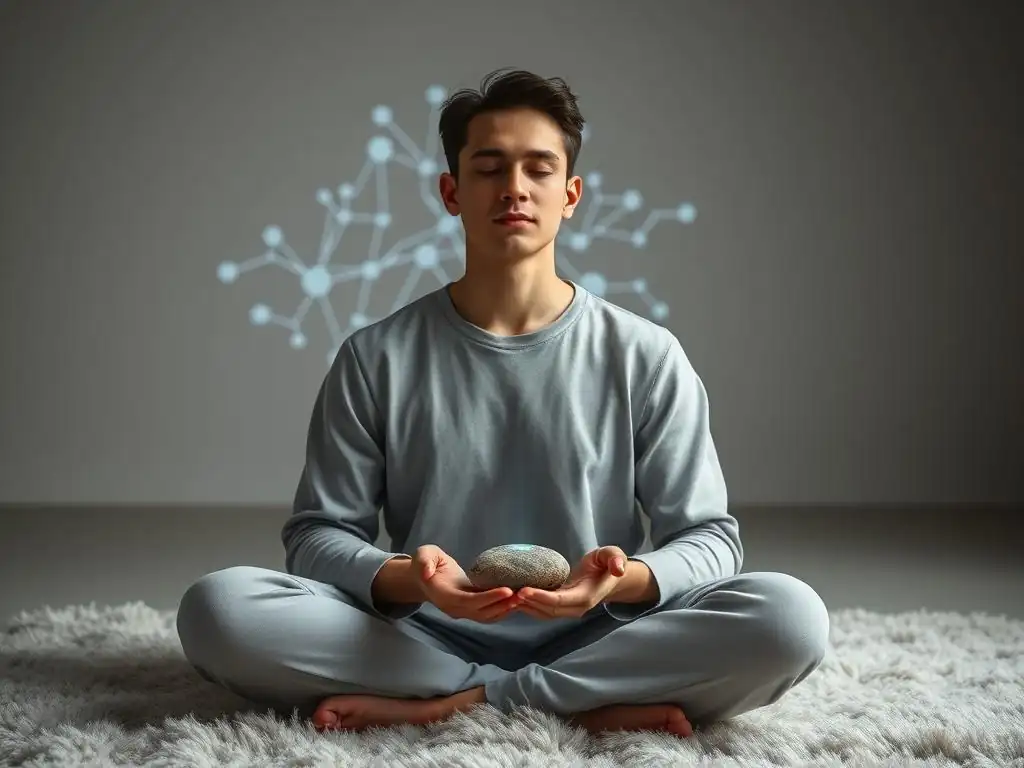
Integrating vagus nerve stimulation techniques into a comprehensive holistic mental health plan involves more than just occasionally practicing a breathing exercise. It requires intentionality, consistency, and often the combination of multiple approaches tailored to individual needs.
A well-rounded plan will consider various aspects of life – physical activity, nutrition, stress management, and emotional processing – and identify how vagus nerve support can enhance each area. The goal is to build sustainable habits that foster long-term resilience and well-being through vagus nerve holistic healing.
Creating a Personalized Vagus Nerve Stimulation Routine
Developing a personalized routine starts with identifying which techniques resonate most with you and are feasible to incorporate consistently. Consider starting small, perhaps practicing one or two techniques daily for a set amount of time.
Here’s a potential framework:
- Morning: 5-10 minutes of slow, paced breathing or mindfulness meditation.
- During the Day: A brief cold face splash or a few minutes of humming/singing when feeling stressed.
- Before Meals: A few rounds of diaphragmatic breathing to prepare for digestion.
- Evening: 5 minutes of gentle gargling while getting ready for bed.
- Weekly: Consider a longer session of meditation (20+ minutes), a cold shower, or vigorous exercise.
Track how different techniques make you feel and measure your HRV if using a device. Adjust your routine based on your experiences and any data you collect. The key is consistency; even short, regular practices are more effective than infrequent long sessions for building vagal tone and supporting vagus nerve holistic healing.
Combining Vagus Nerve Exercises with Other Holistic Therapies
Vagus nerve stimulation techniques are powerful on their own, but their effects can be amplified when combined with other holistic therapies. This integrative approach addresses mental health from multiple angles, leveraging the synergistic effects of different modalities.
- Therapy (e.g., CBT, Somatic Experiencing): Vagus nerve practices can enhance the effectiveness of talk therapy by helping individuals regulate their nervous system during sessions and process difficult emotions or memories with greater capacity. For example, using breathing techniques during trauma processing can prevent feeling overwhelmed.
- Yoga and Tai Chi: These practices combine movement, breathwork, and mindfulness, all of which stimulate the vagus nerve. Regular practice improves physical flexibility and strength while simultaneously enhancing nervous system regulation and vagal tone.
- Acupuncture: Some acupuncture points are believed to influence the vagus nerve pathway, and combining acupuncture with at-home vagus nerve exercises may enhance overall nervous system balance.
- Nutrition and Gut Health: As discussed, supporting gut health through diet directly impacts the vagus nerve. Combining dietary changes with vagus nerve stimulation techniques creates a powerful gut-brain axis intervention.
By layering these approaches, individuals can create a robust framework for vagus nerve holistic healing that addresses the complex interplay of physical and mental health.
Long-Term Benefits of Vagus Nerve Optimization for Mental Well-being
Consistent effort in optimizing vagal tone through regular stimulation and supportive lifestyle choices yields significant long-term benefits for mental well-being. These benefits extend beyond immediate stress relief and contribute to a more resilient and balanced state.
Over time, improved vagal tone can lead to:
- Reduced baseline anxiety and stress levels.
- Enhanced emotional regulation and ability to bounce back from challenges.
- Improved mood and reduced symptoms of depression.
- Better sleep quality.
- Improved digestion and reduced gut issues.
- Increased resilience to stress and trauma.
- Greater capacity for social connection (mediated by the ventral vagal complex).
Studies have shown that consistent practices like meditation or yoga over months or years lead to measurable increases in resting HRV and sustained improvements in psychological well-being. This demonstrates that vagus nerve holistic healing is not just a short-term fix but a pathway to enduring mental and physical health.
Precautions and Considerations for Vagus Nerve Stimulation
While natural vagus nerve stimulation techniques are generally safe and accessible, it's important to approach them thoughtfully. Certain individuals may need to exercise caution or seek professional advice before implementing some methods, particularly those with pre-existing health conditions.
Understanding potential risks and knowing when to consult a healthcare professional ensures that vagus nerve stimulation is integrated safely and effectively into a holistic health plan. This mindful approach is crucial for maximizing benefits while minimizing any potential harm.
Potential Risks and Side Effects
Natural vagus nerve stimulation techniques like breathing exercises, gargling, or humming carry very low risk for most people. However, some individuals might experience minor, temporary side effects.
- Breathing Exercises: Hyperventilation or dizziness can occur if breathing is forced or too rapid. Slow, gentle, diaphragmatic breathing is key.
- Cold Exposure: Sudden immersion in very cold water can be dangerous for individuals with heart conditions or high blood pressure. Start with brief, mild exposure (like cold face splashes) and gradually increase duration and intensity if comfortable and safe.
- Gargling/Singing: Excessive or overly vigorous activity could potentially cause temporary throat soreness.
More intensive methods, such as transcutaneous vagus nerve stimulation (tVNS) devices, carry their own set of potential side effects (e.g., skin irritation, headache) and should only be used under professional guidance. For natural methods, listening to your body and stopping if anything feels wrong is the primary precaution.
When to Consult a Healthcare Professional
Consulting a healthcare professional is advisable:
- Before starting any new vagus nerve stimulation technique if you have a pre-existing heart condition, blood pressure issues, or any other significant health concern.
- If you experience persistent or concerning symptoms that you suspect are related to vagus nerve dysfunction.
- If you are currently taking medication, especially for heart conditions, blood pressure, or mental health, as vagus nerve stimulation might potentially interact with these treatments (though natural methods have minimal interaction risk).
- If you are experiencing severe mental health symptoms, such as suicidal ideation, as vagus nerve stimulation should be used as a complementary approach alongside professional treatment, not as a replacement.
- If you are considering using commercial vagus nerve stimulation devices (like tVNS), which require a prescription or professional guidance.
A doctor can help rule out other causes for symptoms and advise on the safest and most effective ways to incorporate vagus nerve holistic healing techniques into your overall health management plan.
Vagus Nerve Stimulation: Considerations for Individuals with Heart Conditions
Individuals with pre-existing heart conditions, such as arrhythmias, bradycardia (slow heart rate), or congestive heart failure, should exercise particular caution with certain vagus nerve stimulation techniques.
Techniques that significantly slow heart rate, such as intense cold exposure or overly prolonged breath-holding during breathing exercises, could potentially exacerbate conditions like bradycardia. While gentle breathing exercises are generally safe and often recommended, more vigorous methods warrant professional consultation.
It is crucial for individuals with heart conditions to discuss any intention to practice vagus nerve stimulation with their cardiologist or primary care physician first. They can provide specific guidance based on the individual's condition and medication regimen, ensuring that practices aimed at vagus nerve holistic healing are safe and beneficial.
The Future of Vagus Nerve Research in Holistic Mental Health
The scientific community's interest in the vagus nerve's role in mental health and holistic well-being is rapidly growing. Ongoing research is continually uncovering new insights into its mechanisms and potential therapeutic applications. This includes exploring more advanced stimulation technologies and better understanding the long-term effects of vagus nerve optimization.
The future holds promise for even more refined and targeted approaches to vagus nerve holistic healing, potentially offering new hope for individuals struggling with various mental health challenges by addressing the physiological roots of their distress.
Emerging Therapies and Technologies
Beyond natural techniques, technological advancements are leading to new ways to interface with the vagus nerve. Transcutaneous Vagus Nerve Stimulation (tVNS) is a non-invasive method that uses a small electrical device to stimulate the vagus nerve through the skin, typically at the ear (auricular branch) or neck. While currently primarily used for conditions like epilepsy and depression in some regions, research is expanding into anxiety, PTSD, and chronic pain.
Other emerging areas include implantable devices (like those used for epilepsy but being explored for psychiatric applications) and even non-electrical methods leveraging ultrasound or magnetic fields. As research progresses, these technologies may become more widely available and refined, offering more targeted and potentially powerful tools for vagus nerve holistic healing, though their accessibility and integration into truly "holistic" practices remain subjects of ongoing discussion.
Understanding the Long-Term Impact of Vagus Nerve Stimulation
While numerous studies demonstrate the short-term benefits of vagus nerve stimulation techniques on mood, anxiety, and physiological markers like HRV, research is still actively exploring the long-term impacts and optimal protocols for sustained benefits.
Longitudinal studies are needed to determine the most effective duration and frequency of different techniques for maintaining high vagal tone over months and years. Researchers are also investigating whether early life interventions that support healthy vagal development could offer protective effects against mental health issues later in life. Understanding the cumulative effects of regular vagus nerve holistic healing practices will be crucial for establishing evidence-based guidelines and promoting these methods as sustainable strategies for lifelong well-being.
The Vagus Nerve and the Evolution of Mind-Body Medicine
The growing understanding of the vagus nerve is significantly shaping the field of mind-body medicine. It provides a concrete neurobiological framework that explains how practices like meditation, yoga, and breathing exercises exert their effects on both mental and physical health. This scientific validation helps bridge the gap between traditional medical models and holistic or complementary therapies.
As research continues to illuminate the vagus nerve's central role, it is likely to become an even more prominent target in integrated healthcare approaches. The evolution of mind-body medicine will increasingly involve strategies specifically designed to optimize vagal function, recognizing it as a key pathway for promoting resilience, regulating emotions, and fostering overall health. The vagus nerve is poised to remain at the forefront of this evolution, solidifying its position as a critical component of future vagus nerve holistic healing paradigms.
Frequently Asked Questions
What exactly is the vagus nerve, and why is it so important in holistic healing?
The vagus nerve is the longest cranial nerve in the body, acting as a critical communication pathway between the brain and many major organs. Its role in regulating bodily functions and influencing mental well-being makes it central to mind-body holistic healing approaches.
How does the vagus nerve contribute to mental well-being, according to holistic healing practices?
The vagus nerve influences mood, stress response, and emotional regulation through its connection to the gut-brain axis and its impact on neurotransmitter release. Stimulating the vagus nerve can promote relaxation and reduce symptoms of anxiety and depression.
What are some common holistic healing techniques that can help stimulate the vagus nerve?
Several techniques can stimulate the vagus nerve, including deep breathing exercises, meditation, and cold exposure therapy. These practices aim to increase vagal tone, leading to improved overall well-being and stress resilience.
Can vagus nerve stimulation through holistic methods really help with specific mental health challenges?
Yes, studies suggest that vagus nerve stimulation may offer benefits for individuals dealing with conditions like anxiety disorders, PTSD, and even chronic pain. It's often used as a complementary therapy alongside conventional treatments.
Where can I find more resources and guidance on using vagus nerve stimulation for holistic healing and mental well-being?
Mind Care Guide offers a comprehensive collection of articles, support resources, and expert advice on vagus nerve stimulation and its role in promoting mental and physical health. Explore our website for more in-depth information.
Final Reflection: Reclaiming Balance Through the Vagus Nerve
The understanding and activation of the vagus nerve are not merely esoteric concepts; they represent a powerful, accessible pathway to improved physical and mental well-being in our increasingly stressed world. The implications of this knowledge are profound, offering a tangible bridge between the often-disconnected realms of mind and body, and providing a holistic approach to healing that resonates deeply with modern needs.
The exploration of the vagus nerve's role in holistic healing has profoundly shifted my understanding of health and wellness. It's no longer just about treating symptoms; it's about cultivating a state of inner equilibrium, fostering resilience, and nurturing the body's innate capacity for self-healing. This journey has reinforced the importance of mindful practices, highlighting the interconnectedness of our physical and emotional states. The body keeps the score,
as Bessel van der Kolk so eloquently puts it, reminding us that trauma and stress are deeply imprinted within our physiological systems. Understanding the vagus nerve offers a pathway to rewriting that score.
Now, consider your own relationship with stress and well-being. What simple practices—deep breathing, mindful movement, nurturing connections—can you integrate into your daily life to stimulate your vagus nerve and cultivate a more balanced, resilient self? This isn't about a quick fix; it's about cultivating a conscious relationship with your body and mind, empowering you to take an active role in your own healing journey. Embrace the power within you, and let the wisdom of the vagus nerve guide you towards a life of greater harmony and health.
Unlock Your Body's Natural Healing Power
Thanks for taking the time to explore the fascinating world of the vagus nerve and its role in holistic healing! We hope you gained valuable insights into this powerful pathway to well-being. Now it's time to put that knowledge into action.
- Prioritize your breath: Begin incorporating simple breathing exercises into your daily routine—even 5 minutes can make a significant difference in calming your nervous system and boosting vagal tone. This is the most impactful step you can take based on the article's information.
- Share your discoveries: Tell a friend or family member about the importance of vagal nerve health and how they can benefit from simple lifestyle changes.
- Dive deeper: Explore our website for more articles on mind-body connection techniques and holistic wellness strategies.
Ready to embark on a journey towards enhanced well-being? What small step will you take today to nurture your vagus nerve and unlock its healing potential?