
Finding Your Spiritual Anchor in Times of Crisis


Welcome to Mind Care Guide, a space dedicated to nurturing your inner well-being. Are you feeling adrift amidst the storm? It's understandable. We understand that navigating crisis can leave you feeling lost and disconnected. This week, we delve into the powerful role of spiritual practices during crisis times. Discover how connecting with something larger than yourself can offer solace, strength, and a renewed sense of purpose. Ready to explore how to find your spiritual anchor and weather the storm? Let's begin.
Finding Inner Peace During Times of Uncertainty: A Guide to Spiritual Well-being
- Introduction: Cultivating Inner Peace Through Spiritual Practices
- Exploring Sources of Inner Peace: Identifying Your Personal Strengths
- Strengthening Inner Resilience: Building a Foundation of Peace
- Practical Steps for Integrating Practices into Daily Life
- Addressing Challenges to Spiritual Practices
- The Role of Community and Connection in Well-being
- Stories of Resilience: Examples of Coping with Uncertainty
- Maintaining Long-Term Well-being: Beyond the Immediate Crisis
- Conclusion: Embracing Inner Peace as a Source of Strength and Resilience
-
Frequently Asked Questions
- What is the role of spiritual practices during crisis times?
- How can I identify a spiritual practice that resonates with me?
- Are spiritual practices a replacement for professional mental health care?
- What are some examples of spiritual practices that can be done at home?
- How can spiritual practices help me cope with anxiety during a crisis?
- Final Reflection: Finding Solace and Strength in the Storm
- Unleash Your Inner Strength: Navigate Life's Storms with Confidence
Introduction: Cultivating Inner Peace Through Spiritual Practices
The Impact of Spirituality on Mental Well-being During Uncertainty
Navigating periods of uncertainty, loss, or crisis can profoundly challenge our mental and emotional stability. The unpredictable nature of these times often triggers stress, anxiety, and feelings of helplessness. For many, engaging in spiritual practices during crisis times serves as a vital anchor, offering a sense of grounding and perspective when the external world feels chaotic. This connection to something larger than oneself, whether through organized religion, personal faith, or a belief in universal interconnectedness, has been shown to foster resilience and improve coping mechanisms.
Research consistently highlights the protective role of spirituality in mental health. For instance, studies indicate that individuals who report a strong spiritual or religious affiliation often exhibit lower rates of depression and anxiety when facing significant life stressors.
A survey conducted among adults who experienced a major life upheaval found that approximately 70% credited their faith or spiritual beliefs with helping them navigate the challenge, emphasizing the significant impact of spiritual anchoring on their capacity to endure and heal. This suggests that cultivating a spiritual dimension to our lives is not merely a passive belief system but an active resource for building emotional strength and fostering inner peace.
Recognizing Uncertainty: Identifying the Need for Inner Peace
Uncertainty can manifest in countless ways: job loss, health crises, relationship breakdowns, or global events. These situations often strip away our sense of control and predictability, leaving us feeling vulnerable and exposed. Recognizing the deep discomfort and potential distress these feelings can cause is the first step towards seeking effective coping strategies. It's during these moments of flux and instability that the need for inner peace becomes most apparent, acting as a counterpoint to the external turmoil.
Identifying this need isn't about denying the reality of the crisis but acknowledging its effect on our internal state. Symptoms might include persistent worry, difficulty sleeping, irritability, or a general sense of unease. These are signals that our inner equilibrium is disturbed.
Embracing spiritual practices during crisis times offers a structured yet deeply personal pathway to re-establish that balance. It provides tools and frameworks for processing difficult emotions, finding meaning amidst suffering, and connecting with a source of strength that transcends the immediate circumstances. It is a conscious choice to nurture our inner landscape when the external world feels unmanageable.
Exploring Sources of Inner Peace: Identifying Your Personal Strengths
Defining Your Personal Connection: Beyond Traditional Beliefs
Finding your spiritual anchor is a deeply personal journey that extends far beyond adherence to traditional religious doctrines, although these are certainly valid paths for many. It's about identifying what gives your life meaning, purpose, and a sense of connection to something greater than your individual self. This might involve a belief in a higher power, the interconnectedness of all beings, the power of nature, or a commitment to universal values like love, compassion, and justice. Your personal connection is unique to you and serves as a wellspring of strength, particularly when engaging in spiritual practices during crisis times.
Exploring this connection requires introspection. It involves asking yourself what brings you a sense of awe, wonder, comfort, or deep belonging. For some, it's found in quiet contemplation; for others, in acts of selfless service; still others find it in the beauty of the natural world or the shared rituals of a faith community.
A study published in the Journal of Religion and Health indicated that individuals who define spirituality broadly, encompassing personal beliefs and practices outside of organized religion, also report significant psychological benefits, including increased life satisfaction and reduced stress during challenging periods. This underscores that the source of inner peace is less about the label and more about the authentic connection cultivated within.
Practices for Cultivating Inner Peace During Uncertainty
Cultivating inner peace during turbulent times involves actively engaging in practices that nourish your spirit and ground your mind. These spiritual practices during crisis times are not one-size-fits-all but offer a diverse toolkit to explore. The key is finding what resonates with you and committing to it consistently, even for short periods each day.
Meditation and Mindfulness: Finding Calm in the Present Moment
Meditation and mindfulness are foundational practices for cultivating inner peace by training the mind to focus on the present moment without judgment. During a crisis, the mind often races with worries about the future or regrets about the past. Mindfulness helps interrupt this cycle, bringing awareness back to the breath, bodily sensations, or immediate surroundings.
Regular meditation has been shown to reduce activity in the amygdala, the brain's fear center, and increase activity in areas associated with calmness and well-being. A meta-analysis of over 200 studies found that mindfulness-based interventions significantly reduce symptoms of anxiety and depression across various populations. Even practicing mindful breathing for just five minutes daily can begin to shift your nervous system from a state of 'fight or flight' to one of greater calm and presence, offering a vital refuge when uncertainty looms large.
Nature Connection: Grounding Yourself in the Natural World
Connecting with nature is a powerful spiritual practice during crisis times that offers grounding and perspective. Spending time outdoors, whether in a park, forest, or simply observing the sky, can quiet the mind and remind us of cycles larger and slower than our immediate troubles. The natural world operates with a rhythm and resilience that can be deeply comforting.
Research in environmental psychology indicates that exposure to nature reduces stress hormones like cortisol and lowers blood pressure. A study involving individuals recovering from stressful life events found that those who spent regular time in green spaces reported greater improvements in mood and reduced rumination compared to those who did not. Engaging with nature – walking, gardening, or simply sitting quietly outside – allows us to feel part of something vast and enduring, fostering a sense of peace and interconnectedness that can be incredibly healing during times of crisis.
Creative Expression: Finding Release and Meaning Through Art
Creative expression, through art, music, writing, dance, or any other medium, can be a profound spiritual practice during crisis times. It offers a non-verbal outlet for processing complex emotions, exploring difficult experiences, and finding meaning when words fail. Engaging in creative activities can tap into deeper parts of the self and facilitate emotional release.
Studies on art therapy and creative interventions have shown their effectiveness in reducing symptoms of trauma, anxiety, and depression. For example, a program for individuals coping with grief utilized expressive writing exercises, resulting in participants reporting significant reductions in distress and an increased ability to find meaning in their loss. Creativity allows us to externalize our inner world, providing distance and clarity. It can transform pain into beauty or insight, fostering a sense of agency and purpose even when circumstances feel overwhelming.
Acts of Service: Connecting with Others Through Compassion
Engaging in acts of service and compassion for others is a powerful spiritual practice during crisis times that shifts focus outward and fosters a sense of connection and purpose. When we are struggling, helping others can paradoxically alleviate our own suffering by reminding us of our capacity for kindness and contribution.
Research on altruism consistently shows that helping others activates reward centers in the brain and can reduce stress and improve mood, often referred to as the "helper's high." A study following volunteers after a major disaster found that those who engaged in helping activities reported lower levels of post-traumatic stress symptoms than those who did not. Simple acts, like checking on a neighbor, volunteering time, or offering a listening ear, ground us in shared humanity and provide a sense of belonging and meaning that is invaluable when facing personal or collective uncertainty.
Strengthening Inner Resilience: Building a Foundation of Peace
Cultivating Self-Compassion: Accepting Yourself with Kindness
Inner resilience is significantly bolstered by cultivating self-compassion, which is the practice of being kind and understanding towards ourselves, especially when we are struggling or facing difficult emotions. During times of crisis and uncertainty, it's easy to fall into self-criticism or blame. Self-compassion counters this by offering the same warmth and acceptance we would extend to a friend.
Research by Dr. Kristin Neff, a leading expert in the field, shows that self-compassion is strongly linked to psychological well-being, including reduced anxiety and depression, and increased resilience. Studies indicate that individuals high in self-compassion are better equipped to handle stress and setbacks, reporting higher levels of emotional stability. Embracing self-compassion means acknowledging your pain without judgment, recognizing that suffering is part of the shared human experience, and offering yourself comfort and care. This inner kindness is a fundamental spiritual practice during crisis times, creating a safe internal space to weather emotional storms.
Practicing Acceptance: Embracing the Present Moment Without Judgment
Acceptance is not resignation; it is the practice of acknowledging the reality of the present moment, including difficult circumstances and challenging emotions, without resistance or judgment. During uncertainty, much suffering arises from fighting against what is. Practicing acceptance allows us to release the struggle and conserve energy, opening the door for mindful response rather than reactive struggle.
Studies on Acceptance and Commitment Therapy (ACT), which emphasizes acceptance and mindfulness processes, demonstrate its effectiveness in treating various mental health conditions. Research indicates that cultivating acceptance helps individuals reduce avoidance behaviors and increase psychological flexibility, enabling them to engage more fully in their lives even when pain is present. Embracing acceptance, a core component of many spiritual practices during crisis times, allows us to ground ourselves in the 'now,' finding unexpected pockets of peace and the clarity needed to navigate challenges effectively.
Focusing on What You Can Control: Taking Action Where Possible
In times of crisis, much feels outside of our control. This sense of helplessness is a significant source of distress. A crucial aspect of building inner resilience and finding peace is learning to identify and focus on the aspects of the situation that are within our sphere of influence. This doesn't mean ignoring the larger picture but directing energy towards actionable steps, however small.
Psychological research on locus of control highlights that believing you have control over aspects of your life, even during adversity, is strongly associated with better coping outcomes and reduced stress. For example, during a health crisis, you might not control the diagnosis, but you can control adhering to treatment, seeking information, or maintaining healthy habits. Focusing on these controllable elements empowers you, shifting from a passive victim stance to an active participant in your well-being. This practical focus complements spiritual practices during crisis times, providing a tangible way to embody inner strength and agency.
Connecting with Values: Aligning Your Actions with Your Beliefs
Connecting with your core values—the principles that are most important to you—provides a powerful compass during uncertainty. When the external world is unstable, aligning your actions with what you deeply care about offers a sense of purpose and direction. Living in accordance with your values, even in small ways, strengthens your sense of integrity and resilience.
Research in positive psychology shows that clarity about personal values and acting in alignment with them is linked to increased well-being, motivation, and resilience in the face of adversity. For instance, if a core value is connection, actively reaching out to loved ones during a crisis reinforces that value and provides mutual support.
If a value is growth, seeking to learn from the experience, despite the pain, honors that principle. Identifying and living by your values is a profound spiritual practice during crisis times, anchoring your decisions and efforts in what truly matters, thereby fostering inner peace and a sense of purposeful endurance.
Practical Steps for Integrating Practices into Daily Life

Establishing a Daily Routine: Creating Space for Inner Peace
Integrating spiritual practices during crisis times requires intentionality, and establishing a daily routine is one of the most effective ways to make these practices sustainable. Crises often disrupt established routines, making it even more important to create new structures, however flexible. Dedicating specific, even short, blocks of time each day for your chosen practice signals its importance and builds consistency.
- Choose a specific time: Morning before the day starts, a lunch break, or before bed.
- Start small: Even 5-10 minutes daily is beneficial.
- Find a dedicated space: A quiet corner, a spot in nature, or even just a comfortable chair.
- Be flexible: Some days will be harder; don't strive for perfection, just presence.
Research on habit formation shows that consistency is key. A study on mindfulness meditation found that participants who practiced daily, even for short durations, reported greater long-term reductions in stress and anxiety compared to those who practiced less frequently or irregularly. Creating a daily rhythm for your spiritual anchoring provides a predictable source of calm and strength amidst unpredictability.
Seeking Guidance from Trusted Individuals: Sharing Your Journey
You don't have to navigate spiritual practices during crisis times alone. Sharing your journey with trusted friends, family members, spiritual advisors, or a support group can provide invaluable guidance, encouragement, and perspective. Talking about your experiences and exploring different practices with others can deepen your understanding and commitment.
Studies on social support consistently demonstrate its critical role in coping with stress and improving mental health outcomes. For example, research following individuals through periods of significant stress found that those with strong social networks reported lower levels of distress and higher levels of resilience. Sharing your spiritual exploration allows for mutual learning, accountability, and the comfort of knowing you are not isolated in your struggles or your search for peace.
Engaging in Activities That Bring Joy: Nurturing Your Well-being
While addressing the crisis is paramount, intentionally engaging in activities that bring you joy and nurture your well-being is a vital, often overlooked, spiritual practice during crisis times. Joy is not a trivial emotion; it is a powerful force that replenishes our energy, lifts our spirits, and reminds us of the beauty and goodness that still exist, even amidst difficulty.
Psychological research indicates that positive emotions broaden our perspective and build psychological resources, making us more resilient. Activities like listening to uplifting music, spending time with pets, pursuing a beloved hobby, or simply laughing can provide necessary respite and nourishment for the soul. Making time for joy is an act of self-care and spiritual replenishment, ensuring you have the emotional reserves needed to continue navigating the challenges ahead.
Reflecting on Your Experiences: Journaling and Self-Reflection
Taking time to reflect on your experiences, thoughts, and feelings is a powerful spiritual practice during crisis times. Journaling is a particularly effective method for this, providing a private space to process emotions, gain clarity, and track your journey towards inner peace. Self-reflection allows you to identify patterns, acknowledge progress, and understand what practices are most helpful.
Studies on expressive writing have shown numerous benefits, including reduced stress, improved immune function, and better emotional processing. For example, individuals who journaled about traumatic experiences reported fewer symptoms of depression and anxiety weeks later. Dedicating even a few minutes daily to writing down your thoughts, feelings, insights, or gratitudes can provide a sense of order amidst chaos and deepen your connection to your inner landscape and spiritual path.
- Write about your feelings and thoughts without censoring.
- Reflect on what brought you a moment of peace today.
- Note challenges and how you responded.
- List things you are grateful for.
Addressing Challenges to Spiritual Practices
Managing Anxiety and Fear: Finding Grounding Techniques
Anxiety and fear are natural responses to crisis and uncertainty, but they can significantly interfere with the ability to engage in spiritual practices during crisis times. The racing mind and physical tension make it difficult to focus during meditation, connect with nature, or feel present in prayer. Learning grounding techniques is essential to manage these intense emotions and create space for spiritual engagement.
Grounding techniques help bring you back to the present moment and your physical body when anxiety threatens to overwhelm. Simple methods include focusing on your breath, feeling your feet on the ground, or using your senses to notice five things you can see, four things you can touch, three things you can hear, two things you can smell, and one thing you can taste.
Practice these techniques before attempting your spiritual practice if anxiety is high. Research on anxiety interventions consistently highlights the effectiveness of grounding and breathing exercises in reducing acute distress symptoms, making them valuable precursors to deeper spiritual work.
Overcoming Discouragement: Remembering Your Strengths
Times of crisis are often accompanied by setbacks, disappointments, and moments of profound discouragement. These feelings can sap motivation and make it hard to maintain commitment to spiritual practices during crisis times. It's crucial during these periods to remember your inherent strengths, past resilience, and the progress you have already made, however small it may seem.
Reflecting on past challenges you've overcome can remind you of your capacity to endure. Keeping a list of personal strengths or moments of resilience, perhaps noted in a journal, can be a powerful tool. Seeking encouragement from trusted individuals who believe in you also helps counter feelings of hopelessness. Psychological studies on self-efficacy demonstrate that believing in your ability to succeed in specific situations significantly impacts your motivation and perseverance. Recalling your strengths and past successes reinforces this belief, helping you push through discouragement and return to practices that nourish your spirit.
Reconnecting with Your Inner Self: Finding Time for Solitude
The external demands and emotional intensity of a crisis can make it feel impossible to find time or space to reconnect with your inner self. However, solitude is often necessary for deep reflection and spiritual anchoring. Scheduling intentional time alone, even brief periods, is vital for maintaining your spiritual practices during crisis times and listening to your inner wisdom.
Finding solitude doesn't always mean grand retreats; it can be as simple as taking a quiet walk alone, sitting in a park during lunch, or dedicating 15 minutes after others are asleep. This time allows you to disconnect from external noise and distractions, process your thoughts and feelings without interruption, and simply be with yourself. Research on the benefits of solitude suggests it can enhance self-awareness, creativity, and emotional regulation. Prioritizing this quiet time is an act of honoring your inner needs and strengthening your spiritual connection.
The Role of Community and Connection in Well-being
How Supportive Relationships Offer Comfort
During times of crisis and uncertainty, supportive relationships are not just helpful; they are often essential buffers against despair and isolation. Connecting with others who care provides emotional comfort, practical assistance, and a shared burden that makes challenges feel less insurmountable. This social connection is a powerful complement to personal spiritual practices during crisis times.
Studies consistently show that strong social support networks are correlated with better mental and physical health outcomes, particularly during stressful life events. For example, individuals with robust social ties after a traumatic event are significantly more likely to report reduced symptoms of PTSD and depression. Simply knowing you are not alone, that there are people who listen and offer empathy, can provide a deep sense of security and validation, nurturing your well-being alongside your spiritual journey.
Connecting with others who have gone through similar experiences can be incredibly validating and empowering. Support groups, whether formal or informal, provide a space to share stories, exchange coping strategies, and feel understood by those who truly 'get it.' This shared experience fosters a sense of solidarity and collective resilience.
Research on peer support programs demonstrates their effectiveness in helping individuals cope with various challenges, from chronic illness to grief and addiction. Participants often report feeling less isolated, gaining new perspectives, and finding hope by witnessing others' journeys of healing and recovery. Sharing your path of using spiritual practices during crisis times with others on a similar journey can amplify the benefits, providing mutual encouragement and reinforcing the power of collective faith and resilience.
Integrating Professional Support with Personal Practices
While spiritual practices during crisis times and social support are invaluable, it's important to recognize when professional help is needed and how it can integrate with your personal coping strategies. Mental health professionals, such as therapists or counselors, can provide evidence-based tools and support for processing trauma, managing intense emotions, and developing healthy coping mechanisms that complement your spiritual journey.
Many therapists are open to discussing how a client's spiritual beliefs and practices can be incorporated into their treatment plan. Research indicates that integrating faith and spirituality into therapy can be highly effective for individuals who value this aspect of their lives, leading to greater engagement and positive outcomes. Viewing professional support not as a replacement for, but as an enhancement to, your spiritual anchoring allows you to access a wider range of resources for holistic well-being during difficult times.
Stories of Resilience: Examples of Coping with Uncertainty
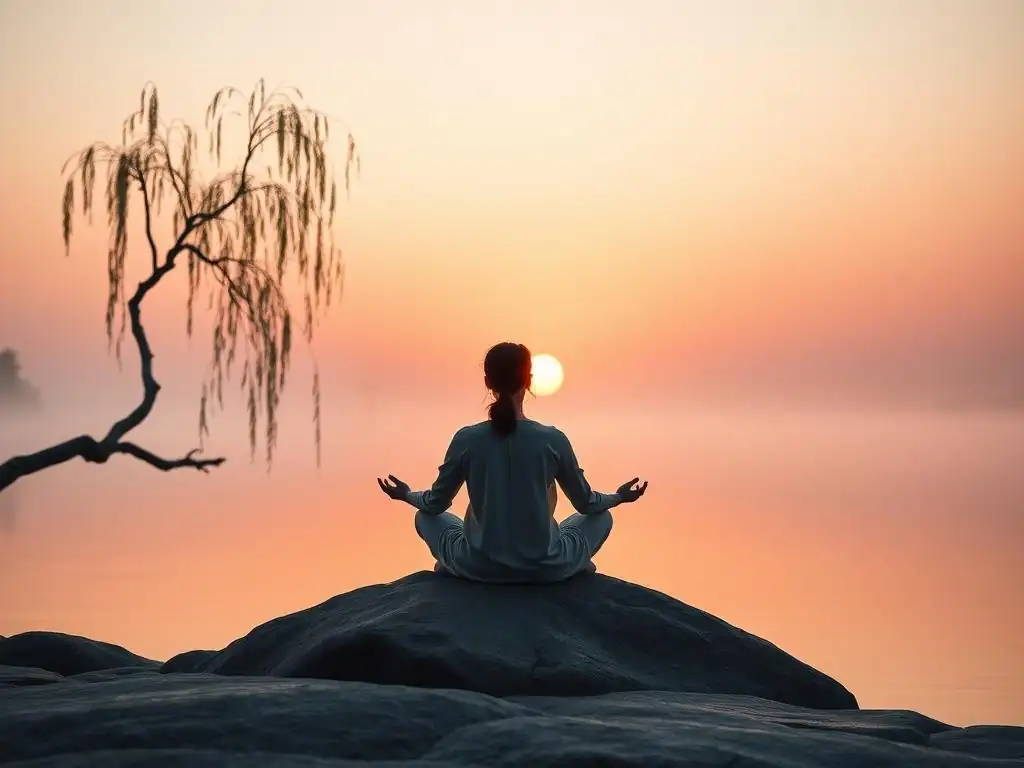
Overcoming Loss Through Mindfulness and Nature
Consider the story of Maria, who lost her spouse unexpectedly. Initially overwhelmed by grief and anxiety, she struggled to find meaning or peace. A friend suggested simple spiritual practices during crisis times. Maria began taking short, mindful walks in a nearby park daily, focusing on her breath and observing the natural world around her – the rustling leaves, the birdsong, the feel of the breeze.
Over several months, Maria found that these moments in nature, combined with brief periods of mindful breathing, gradually reduced the intensity of her grief. She reported feeling more grounded and less consumed by painful thoughts. While the pain of loss remained, her capacity to experience moments of peace and connection in nature grew. This consistent practice, integrated into her daily life, became a vital spiritual anchor, helping her navigate the complex landscape of grief with greater resilience.
Finding Purpose After Trauma Through Creative Expression
John experienced a significant trauma that left him feeling disconnected and without purpose. Traditional coping methods felt inadequate. He rediscovered a childhood love for painting, initially just as a distraction. He began expressing his turbulent emotions on canvas, creating abstract pieces that represented his inner turmoil.
As he continued painting, John found that the act itself was cathartic. He started to explore themes of healing, hope, and transformation in his art. Sharing his work with a small group of fellow artists led to unexpected connections and a sense of community. This creative outlet became a powerful spiritual practice during crisis times, allowing him to process the trauma, find a renewed sense of identity, and ultimately discover a new purpose in creating and sharing his art as a means of connecting with others and expressing the resilience of the human spirit.
Maintaining Long-Term Well-being: Beyond the Immediate Crisis
Integrating Practices into Daily Life
Maintaining well-being extends far beyond the resolution of an immediate crisis. The spiritual practices during crisis times that provided comfort and strength during difficult periods are just as valuable for building long-term resilience and fostering ongoing inner peace. The key is to transition from viewing these practices as temporary coping mechanisms to integrating them as sustainable habits within your daily life.
This integration might involve continuing a daily meditation or mindfulness practice, making regular connection with nature a priority, scheduling time for creative pursuits, or consistently engaging in acts of service. Just as physical health requires ongoing effort, spiritual well-being thrives on consistent nourishment. Studies on long-term resilience often point to the importance of enduring habits that support mental and emotional health, including spiritual engagement. Making these practices a regular part of your routine ensures you continue to strengthen your inner foundation.
Continuing to Seek Growth and Meaning
The journey of spiritual well-being is not static; it is a continuous process of growth, learning, and seeking deeper meaning. Even after a crisis has passed, there are opportunities to further explore your spiritual path, refine your practices, and deepen your understanding of yourself and the world. This ongoing pursuit of growth is a vital aspect of long-term well-being.
This might involve exploring new forms of meditation, reading spiritual texts, attending workshops, engaging in philosophical discussions, or seeking new ways to live in alignment with your values. The insights gained during a crisis can serve as a catalyst for profound personal and spiritual development. Embracing this continuous search for growth ensures that your spiritual practices during crisis times evolve with you, providing relevant support and enrichment throughout your life.
Supporting Others on Their Journey
One of the most profound ways to maintain your own spiritual well-being is by supporting others on their journey, particularly those navigating their own times of crisis. Sharing your experiences, offering encouragement, and providing a listening ear can be incredibly rewarding and reinforce the lessons you've learned.
Engaging in peer support, mentoring, or simply being a compassionate presence for someone in need strengthens your sense of connection and purpose. It also provides a valuable reminder of the shared human experience of struggle and resilience. By supporting others, you not only contribute to their well-being but also deepen your own understanding and commitment to your spiritual practices during crisis times and beyond, creating a virtuous cycle of healing and growth within your community.
Conclusion: Embracing Inner Peace as a Source of Strength and Resilience
Frequently Asked Questions
What is the role of spiritual practices during crisis times?
Spiritual practices can provide comfort and meaning during challenging periods. They can offer a sense of hope and connection when external circumstances feel overwhelming.
How can I identify a spiritual practice that resonates with me?
Explore different practices like meditation, prayer, or nature walks. Experiment and see what brings you a sense of peace and connection. Consider your personal beliefs and values.
Are spiritual practices a replacement for professional mental health care?
No, spiritual practices are complementary. They should not replace professional mental health treatment like therapy or medication. Seek professional help if you're struggling.
What are some examples of spiritual practices that can be done at home?
Examples include mindfulness meditation, journaling, and engaging in creative activities like art or music. Also try spending time in nature.
How can spiritual practices help me cope with anxiety during a crisis?
Spiritual practices can help you ground yourself and manage anxiety by focusing on something bigger than yourself. They can provide a sense of inner peace and calm.
Final Reflection: Finding Solace and Strength in the Storm
The search for spiritual grounding during times of crisis is not merely a personal quest; it's a fundamental human need. In a world increasingly characterized by uncertainty and upheaval, the ability to find inner peace and resilience becomes not just desirable, but essential for navigating the challenges life throws our way. The practices explored in this article—from meditation and prayer to connecting with nature and fostering gratitude—offer tangible pathways to navigate the turbulent waters of crisis with greater strength and clarity.
The impact of spiritual practices on our collective well-being is undeniable. They provide a framework for understanding suffering, a source of comfort in despair, and a pathway to cultivate inner peace amidst chaos. The purpose of life, after all, is to live it, to taste experience to the utmost, to reach out eagerly and without fear for newer and richer experience.
– Eleanor Roosevelt. This quote speaks to the inherent human desire for growth and meaning, a desire that spiritual practices help us to fulfill, particularly when facing adversity. The resilience fostered through these practices isn't just about surviving; it's about thriving, even in the face of hardship.
Consider the lessons learned within these pages. What resonates most deeply with you? What spiritual practice, or combination of practices, can you integrate into your daily life to build a stronger foundation for navigating future challenges? I invite you to explore these practices, not as rigid rules, but as flexible tools for self-discovery and growth. Embrace the journey, for it is in the seeking that we truly find our spiritual anchor, a steadfast presence that guides us through the storms and allows us to emerge stronger, wiser, and more deeply connected to ourselves and the world around us.
Thanks for taking the time to explore the power of spiritual anchors during challenging times. We hope you gained valuable insights into finding resilience and inner peace. Now, it's time to put these insights into action!
- Identify your personal anchor: Spend 10 minutes today journaling about what truly grounds you – a practice, a belief, a person, or a place. This is your starting point.
- Share your reflections: Connect with others who are on a similar journey. Share your anchor in the comments below—inspiring others is a powerful anchor itself.
- Commit to a daily practice: Even five minutes a day dedicated to your chosen anchor—meditation, prayer, nature walks—can make a profound difference in your resilience.
What small step will you take today to strengthen your spiritual anchor and navigate life's challenges with greater ease?