
Expert Picks: SelfHelp Books to Help You Recover from a Breakup


Welcome to Mind Care Guide, a safe space dedicated to your mental well-being. Navigating a breakup can feel incredibly isolating, leaving you searching for answers and a path forward. If you're ready to begin healing and rebuilding after heartbreak, you're in the right place. This journey starts here, with our expert recommendations on self-help breakup recovery books – powerful tools that can offer guidance, support, and a renewed sense of hope. Curious to discover which books resonate with your needs and can help you reclaim your happiness? Let's explore together...
Expert Picks: Self-Help Books to Help You Recover from a Breakup
- Finding Strength: Self-Help Breakup Recovery Books for Healing and Moving On
-
Top Self-Help Books for Breakup Recovery: Our Expert Recommendations
- "It's Okay That You're Not Okay" by Megan Devine: Embracing Grief and Finding Acceptance After Loss
- "Attached" by Amir Levine and Rachel Heller: Understanding Attachment Styles for Healthier Relationships After a Breakup
- "Getting Past Your Breakup" by Susan J. Elliott: A Comprehensive Guide to Healing and Rebuilding Your Life
- "Radical Acceptance" by Tara Brach: Practicing Lovingkindness and Self-Compassion During Breakup Recovery
- "Act Like a Lady, Think Like a Man" by Steve Harvey: Understanding Relationship Dynamics (Use with Caution)
- Choosing the Right Self-Help Book for Your Breakup Recovery Journey
- Beyond Books: Additional Resources for Breakup Support and Emotional Wellbeing
- Invest in Your Healing: The Power of Self-Help Books for Breakup Recovery
-
Frequently Asked Questions
- How can self-help books aid in breakup recovery?
- What are the key qualities to look for in self-help breakup recovery books?
- Can self-help books replace therapy after a breakup?
- What types of topics are typically covered in self-help breakup recovery books?
- How long does it typically take to see results from using self-help breakup recovery books?
- Final Reflection: Finding Your Footing After Heartbreak
- Unleash Your Inner Strength: Next Steps to Healing
Finding Strength: Self-Help Breakup Recovery Books for Healing and Moving On
Navigating the aftermath of a breakup can feel like being lost at sea. The emotional waves of sadness, anger, confusion, and even relief can be overwhelming, making it difficult to find solid ground. In these challenging times, seeking support is crucial, and while friends, family, or therapy are invaluable, self-help breakup recovery books offer a private, accessible, and structured path toward healing. These resources provide expert guidance, helping you understand the complex emotions you're experiencing, process the loss, and rebuild your sense of self.
The journey through post-breakup grief is unique for everyone, but certain themes are universal: coping with loneliness, rediscovering identity outside the relationship, forgiving yourself or your former partner, and learning from the experience to foster healthier future connections. Self-help breakup recovery books are specifically designed to address these challenges. They offer practical tools, insightful perspectives, and comforting validation, empowering you to take active steps in your recovery. Many individuals find solace and strength in knowing they are not alone in their pain and that a roadmap, even a flexible one, exists for moving forward and eventually thriving again.
Top Self-Help Books for Breakup Recovery: Our Expert Recommendations
"It's Okay That You're Not Okay" by Megan Devine: Embracing Grief and Finding Acceptance After Loss
This book, while not exclusively about romantic breakups, offers profound wisdom on navigating grief in all its forms, making it a powerful resource among self help breakup recovery books. Megan Devine, a therapist and writer, challenges conventional notions of grief, arguing that it's not a problem to be solved but an experience to be carried.
She validates the messy, non-linear nature of sorrow, which is incredibly relevant to the often-turbulent emotional landscape following a significant relationship loss. The book emphasizes that grief is a natural response to losing someone or something important and that true healing comes from acknowledging and integrating the pain, rather than trying to "get over it."
Devine's empathetic approach resonates deeply with those struggling after a breakup. She offers practical ways to live with grief, rather than fight against it, providing permission to feel whatever you feel without judgment. For instance, she discusses the concept of "finding your people" – those who can witness your grief without trying to fix it, a crucial support system often needed during breakup recovery.
The book provides exercises and reflections aimed at helping readers understand their own grieving process, offering techniques for self-compassion and finding moments of peace amidst the storm. It serves as a gentle, understanding companion through the rawest phases of post-breakup pain.
"Attached" by Amir Levine and Rachel Heller: Understanding Attachment Styles for Healthier Relationships After a Breakup
"Attached" delves into the science of adult attachment theory, providing a framework for understanding why people behave the way they do in relationships. By identifying your own attachment style (Anxious, Avoidant, or Secure) and that of your former partner, this book offers invaluable insights into the dynamics that may have contributed to the relationship's end.
This understanding is a critical piece of the puzzle when using self help breakup recovery books, as it moves beyond blaming and toward insightful self-reflection and learning for the future. The authors present complex psychological concepts in an accessible way, using relatable examples to illustrate how different styles interact.
Understanding attachment styles can profoundly impact your breakup recovery. If you have an Anxious style, you might understand why the breakup triggered intense fears of abandonment. If you are Avoidant, you might see how your tendency to withdraw created distance.
Recognizing these patterns helps you process the breakup not just as a personal failure, but as a result of specific dynamics. More importantly, "Attached" provides guidance on how to move towards a more Secure attachment style, which is characterized by comfort with intimacy and independence. This knowledge empowers you to heal from past relationship patterns and build healthier connections in the future, making it a foundational text for anyone seeking to learn and grow after a breakup.
"Getting Past Your Breakup" by Susan J. Elliott: A Comprehensive Guide to Healing and Rebuilding Your Life
Susan J. Elliott's book is widely regarded as a practical, no-nonsense guide for navigating the immediate and long-term aftermath of a breakup. It provides a structured plan focused on moving forward and reclaiming your life. A core principle of the book, often cited by readers, is the "no contact" rule, which Elliott champions as essential for creating the necessary space to heal without the constant disruption of communication with an ex-partner. This rule, while difficult for many, is presented as a vital step in breaking the emotional ties and beginning to focus solely on oneself.
The book offers actionable steps for processing emotions, avoiding common pitfalls (like rebound relationships or excessive contact), and rebuilding self-esteem. It includes exercises for identifying unhealthy relationship patterns and setting boundaries. Elliott provides a timeline for recovery, acknowledging that healing takes time and effort, but assuring readers that it is achievable.
For instance, she outlines specific steps for navigating holidays or social events post-breakup. This comprehensive approach, covering emotional processing, practical strategies, and future planning, makes it a powerful tool among self help breakup recovery books for anyone committed to actively working through their pain and building a stronger future.
"Radical Acceptance" by Tara Brach: Practicing Lovingkindness and Self-Compassion During Breakup Recovery
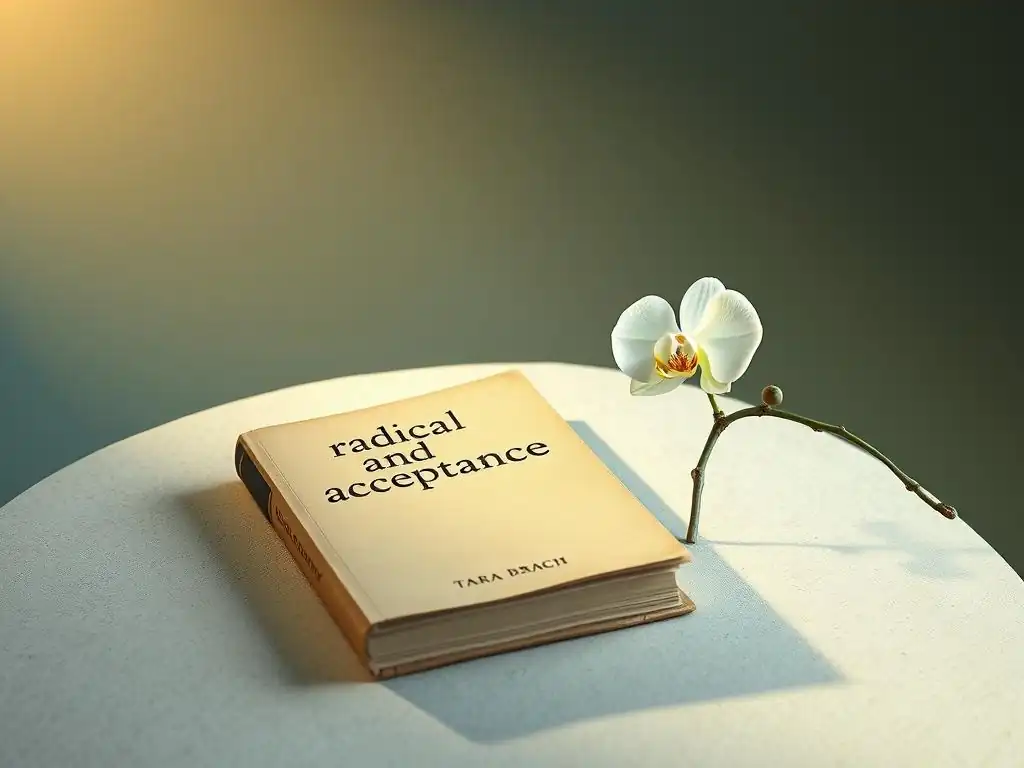
Tara Brach, a clinical psychologist and meditation teacher, offers a path to healing through mindfulness and self-compassion in "Radical Acceptance." While not exclusively a breakup book, its teachings on accepting difficult emotions and cultivating kindness towards oneself are profoundly relevant to the pain and self-criticism that often follow a breakup. The core message is about learning to be fully present with our experiences, including discomfort and sorrow, without judgment or resistance. This practice of acceptance is crucial when navigating the intense and often conflicting emotions that arise during breakup recovery.
Brach introduces meditations and reflections designed to help readers connect with their inner wisdom and cultivate a sense of worthiness independent of external validation, which is often shaken after a relationship ends. She uses compelling stories and guided practices to illustrate how resisting painful feelings only amplifies suffering, while gentle acceptance allows for healing to unfold.
For example, she guides readers through meditations on lovingkindness towards oneself, a powerful antidote to the negative self-talk common after rejection or loss. Applying the principles of "Radical Acceptance" can help individuals navigate the post-breakup period with greater ease, self-understanding, and a renewed sense of inner peace, making it a valuable addition to a collection of self help breakup recovery books.
"Act Like a Lady, Think Like a Man" by Steve Harvey: Understanding Relationship Dynamics (Use with Caution)
Steve Harvey's book offers relationship advice primarily aimed at women, based on his perspective on male behavior and relationship dynamics. While popular and containing some insights into communication differences between genders, it is included here with caution as it's less focused on the recovery process itself and more on understanding past dynamics or preparing for future relationships from a specific viewpoint. The book's premise is built around understanding what men "really" think about love, commitment, and relationships, offering strategies based on these perceived insights. For instance, Harvey discusses concepts like the "90 Day Rule" and understanding a man's motivations.
While some readers find the book's direct approach and insights into typical male perspectives helpful in understanding past relationship failures, it's important to approach it critically. Its generalizations may not apply to all individuals or relationship types, and its focus is less on emotional healing and processing grief – core components of breakup recovery – and more on strategic thinking about relationships.
Therefore, while it might offer some context for why a relationship ended from a particular perspective, it should be used cautiously as a self help breakup recovery book and ideally supplemented with resources focused on emotional healing and self-compassion. Its value lies more in potential future relationship insights than immediate post-breakup emotional support.
Choosing the Right Self-Help Book for Your Breakup Recovery Journey
Selecting the right self-help breakup recovery book depends heavily on your personal needs and where you are in the healing process. Are you grappling with intense grief and sadness? A book focused on processing loss and self-compassion might be most helpful. Are you trying to understand why the relationship ended and learn from it? A book on attachment styles or relationship dynamics could provide valuable insights. Perhaps you need practical steps and a clear plan for moving forward? A guide focused on rebuilding your life might be the best fit.
Consider your personality and preferred learning style. Do you prefer empathetic prose and emotional validation, or do you respond better to practical exercises and structured plans?
- Assess your primary need: Grief processing, understanding dynamics, practical steps, self-esteem building?
- Read reviews and summaries: See which books resonate with others who have gone through similar experiences.
- Consider your comfort level: Some books delve deep into psychological theory, others are more anecdotal or spiritual.
- Don't be afraid to try more than one: Your needs may change as you progress through recovery.
Ultimately, the "best" self help breakup recovery book is the one that speaks to you personally and provides the support and tools you need right now.
Beyond Books: Additional Resources for Breakup Support and Emotional Wellbeing

While self-help breakup recovery books are incredibly valuable, they are just one piece of the healing puzzle. A holistic approach to post-breakup recovery often involves combining multiple forms of support to address the various emotional, social, and practical challenges. Connecting with others who understand can make a significant difference. This might include leaning on a strong support network of friends and family who offer a listening ear and comforting presence. Their empathy and shared experiences can provide much-needed validation and reduce feelings of isolation.
Professional help, such as therapy or counseling, is another crucial resource. A therapist can provide personalized strategies for coping with grief, processing trauma (if applicable), identifying unhealthy patterns, and building resilience. Support groups, whether in-person or online, offer a space to share experiences and learn from others navigating similar difficulties.
Engaging in self-care activities like exercise, mindfulness meditation (as discussed in books like "Radical Acceptance"), journaling, or pursuing hobbies can also significantly contribute to emotional wellbeing during this time. Combining the insights from self help breakup recovery books with these external supports creates a robust foundation for healing and growth.
- Task List for Recovery Support:
- [ ] Reach out to 3 supportive friends this week.
- [ ] Schedule a consultation with a therapist or counselor.
- [ ] Explore local or online breakup support groups.
- [ ] Dedicate 30 minutes daily to a self-care activity (e.g., walk, meditation, hobby).
- [ ] Journal about your feelings for 15 minutes each day.
Invest in Your Healing: The Power of Self-Help Books for Breakup Recovery
Investing time and energy into reading self help breakup recovery books is a powerful act of self-care. These resources offer expert guidance, validated strategies, and comforting perspectives that can significantly ease the pain and confusion that follow a relationship ending. They empower you to take an active role in your healing journey, providing tools to process emotions, understand relationship dynamics, rebuild self-esteem, and ultimately, move forward toward a happier and healthier future. Think of these books not just as something to read, but as companions offering wisdom and support during a challenging transition.
The insights gained from exploring different self help breakup recovery books can illuminate paths you hadn't considered, offering hope and practical steps when you feel stuck. They provide a private space for reflection and learning, allowing you to process your experience at your own pace.
While healing takes time and effort, incorporating the wisdom found in these expert-recommended titles can make the process more manageable and meaningful. By engaging with these resources, you are actively choosing to prioritize your emotional wellbeing and build the foundation for stronger, more fulfilling relationships in the future, starting with the one you have with yourself.
Frequently Asked Questions
How can self-help books aid in breakup recovery?
Self-help books provide structured guidance, emotional validation, and practical exercises to navigate the difficult emotions and challenges associated with a breakup. They offer coping mechanisms and strategies for personal growth.
What are the key qualities to look for in self-help breakup recovery books?
Look for books that offer evidence-based strategies, are written by qualified professionals, and resonate with your personal values and individual needs. Check for positive reviews and a clear, actionable approach.
Can self-help books replace therapy after a breakup?
While self-help books can be a valuable resource, they are not a replacement for professional therapy. If you are experiencing severe distress, consider seeking help from a qualified mental health professional.
What types of topics are typically covered in self-help breakup recovery books?
These books often address grief and loss, self-esteem and confidence, communication skills, and strategies for building healthy relationships in the future. They might also discuss forgiveness and moving forward.
How long does it typically take to see results from using self-help breakup recovery books?
The timeline for seeing results varies greatly depending on individual circumstances, the severity of the breakup, and consistent effort. Be patient with yourself and focus on gradual progress rather than immediate results.
Final Reflection: Finding Your Footing After Heartbreak
The sting of a breakup, while intensely personal, is a universally shared experience. Millions grapple with the emotional fallout each year, searching for solace and a path forward. This article explored a curated selection of self-help books designed to navigate the complexities of heartbreak, offering practical tools and insightful perspectives to aid in the healing process. The need for such resources remains incredibly relevant in our increasingly interconnected yet often isolating world.
The impact of heartbreak extends far beyond the immediate emotional turmoil. It ripples through our social circles, our sense of self, and even our professional lives. The books highlighted here offer a lifeline, providing a framework for understanding the stages of grief and developing healthy coping mechanisms. Grief, I've learned, is really just love. It's all the love you want to give, but cannot.
This quote encapsulates the profound emotional landscape navigated during a breakup, and the books discussed provide a roadmap for transforming that raw pain into self-discovery and growth.
Now, consider your own journey. Have you experienced a significant loss? What tools and strategies have you found helpful in navigating difficult emotions? This isn't just about reading a book; it's about actively engaging in your own healing process. Choose a book that resonates with you, embrace the lessons within its pages, and remember that healing is a journey, not a destination. Allow yourself the time and space to grieve, to learn, and to emerge stronger and more resilient than ever before. Your future self will thank you for it.
Unleash Your Inner Strength: Next Steps to Healing
Thanks for taking the time to explore our expert picks for navigating a breakup. We hope you found valuable insights and inspiration within these pages. Now it's time to turn those insights into action!
- Prioritize self-care: Dedicate 15 minutes each day to an activity that nurtures your well-being – whether it's journaling, a relaxing bath, or a mindful walk. This is your chance to focus on rebuilding yourself.
- Share your journey (optional): Connect with our supportive community on social media and share your thoughts, or leave a comment below. Sharing your experiences can be incredibly healing and help others.
- Dive deeper into self-discovery: Explore additional resources from Mind Care Guide. We have a wealth of articles and guides designed to help you heal and grow.
What small step will you take today to invest in your healing and personal growth?