
The Expert's Bookshelf: Essential Reading for Anxiety Management


Welcome to Mind Care Guide, your sanctuary for mental well-being.
Feeling overwhelmed by anxiety? You're not alone. We understand the challenges, and we're here to help you navigate them. This week, we're diving into a powerful resource: anxiety management book recommendations. Discover which expert-approved reads can provide practical strategies and a deeper understanding of your anxiety. Ready to find the perfect book to guide you on your journey to calm? Let's explore the essential bookshelf!
The Expert's Bookshelf: Essential Reading for Anxiety Management
- Anxiety Management Book Recommendations: Build Your Mental Wellness Library
-
Best Books for Managing Anxiety: Our Top Picks for 2024
- "Dare: The New Way to End Anxiety and Stop Panic Attacks" by Barry McDonagh: A Cognitive Behavioral Approach
- "Declutter Your Mind: How to Stop Worrying, Relieve Anxiety, and Eliminate Negative Thinking" by S.J. Scott and Barrie Davenport: Mindfulness and Cognitive Restructuring
- "The Anxiety and Phobia Workbook" by Edmund J. Bourne: A Comprehensive Guide to Overcoming Anxiety Disorders
- "Feeling Good: The New Mood Therapy" by David Burns, M.D. : Cognitive Therapy for Anxiety and Depression
- Essential Anxiety Book Recommendations: Addressing Specific Anxiety Types
- Choosing the Right Anxiety Relief Book: Factors to Consider
- Building Your Anxiety Management Toolkit: Beyond Book Recommendations
- Conclusion: Empowering Yourself with Anxiety Management
-
Frequently Asked Questions
- What are some Anxiety Management Book Recommendations from experts in the field?
- How can reading an Anxiety Management Book help me?
- Are the Anxiety Management Book Recommendations suitable for all types of anxiety?
- Where can I find these Anxiety Management Book Recommendations?
- What if reading an Anxiety Management Book isn't enough to manage my anxiety?
- Final Reflection: Cultivating Calm in a Chaotic World
- Unlock Your Calm: Start Your Anxiety Management Journey Today!
Anxiety Management Book Recommendations: Build Your Mental Wellness Library
Navigating the complexities of anxiety can feel overwhelming, but you don't have to face it alone. Building a personal library of resources, particularly through carefully selected books, can be a powerful step in understanding and managing anxious feelings. The right anxiety management book recommendations offer not just information, but practical strategies and empathetic perspectives that resonate with your experience.
Books provide a flexible and accessible way to learn about the root causes of anxiety, explore various therapeutic techniques, and develop coping mechanisms at your own pace. They serve as companions on your journey toward mental well-being, offering guidance from experts and insights from those who have walked a similar path. Integrating reading into your routine can significantly enhance your overall anxiety management toolkit.
Best Books for Managing Anxiety: Our Top Picks for 2024
Choosing among the vast number of publications can be daunting. To help you start, we've curated a list of highly regarded books that consistently receive praise for their effectiveness and clarity in addressing anxiety. These selections represent different approaches and levels of detail, ensuring there's something valuable for various needs.
"Dare: The New Way to End Anxiety and Stop Panic Attacks" by Barry McDonagh: A Cognitive Behavioral Approach
Barry McDonagh's "Dare" presents a straightforward, actionable method designed primarily to help individuals overcome panic attacks and persistent anxiety. The core of the book lies in the DARE response method – Defuse, Allow, Run Towards, Engage – which directly counters the typical fight-or-flight reaction to anxiety. Instead of fighting sensations, the book teaches you to accept them and continue living your life fully.
This approach is grounded in principles similar to Acceptance and Commitment Therapy (ACT) and Cognitive Behavioral Therapy (CBT), focusing on changing your relationship with anxious thoughts and feelings rather than trying to eliminate them entirely. Readers often report finding the techniques immediately applicable and effective in reducing the intensity and frequency of panic attacks. The book's accessible language and focus on simple steps make it a popular choice for those seeking quick, practical anxiety relief.
"Declutter Your Mind: How to Stop Worrying, Relieve Anxiety, and Eliminate Negative Thinking" by S.J. Scott and Barrie Davenport: Mindfulness and Cognitive Restructuring
"Declutter Your Mind" offers a practical guide to quieting an overactive mind and managing worry through a combination of mindfulness and cognitive restructuring techniques. The authors provide actionable exercises and habits designed to help you identify and challenge the negative thought loops that fuel anxiety.
The book breaks down complex concepts into simple steps, making it easy to implement strategies like focused breathing, meditation, and journaling to gain control over racing thoughts. It emphasizes building daily routines that promote mental clarity and reduce stress. Many readers appreciate its direct, no-nonsense approach and the wealth of practical tips that can be integrated into everyday life, making it a valuable resource for anyone seeking to reduce worrying and enhance mental peace.
"The Anxiety and Phobia Workbook" by Edmund J. Bourne: A Comprehensive Guide to Overcoming Anxiety Disorders
Considered a classic in the field, "The Anxiety and Phobia Workbook" by Edmund J. Bourne, now in its 7th edition (as of 2020), provides a comprehensive, step-by-step program for managing a wide range of anxiety disorders, including generalized anxiety disorder, panic disorder, social anxiety, and phobias. This workbook format encourages active participation through exercises, questionnaires, and tracking tools.
The book covers various evidence-based techniques such as relaxation training, mindfulness practice, cognitive restructuring, and exposure therapy principles adapted for self-help. Its enduring popularity stems from its thoroughness and practical application, guiding readers through proven methods to confront fears and reduce anxiety symptoms. Therapists frequently recommend it as a supplementary resource, highlighting its depth and utility for individuals committed to working through their anxiety challenges.
"Feeling Good: The New Mood Therapy" by David Burns, M.D. : Cognitive Therapy for Anxiety and Depression
While often categorized under depression, David Burns' "Feeling Good" is equally powerful for managing anxiety due to its deep dive into Cognitive Behavioral Therapy (CBT). Dr. Burns, a student of the founder of CBT, Aaron Beck, provides a clear and accessible explanation of how distorted thinking patterns contribute to negative emotions, including anxiety.
The book introduces techniques like identifying cognitive distortions (e.g., all-or-nothing thinking, catastrophizing) and using the "Daily Mood Log" to challenge and restructure these thoughts. Since its initial publication, it has sold millions of copies worldwide and remains a cornerstone text for understanding and applying CBT principles to improve mood and reduce anxiety. Its clinically proven methods offer a robust framework for taking control of your emotional responses by changing how you think.
Essential Anxiety Book Recommendations: Addressing Specific Anxiety Types
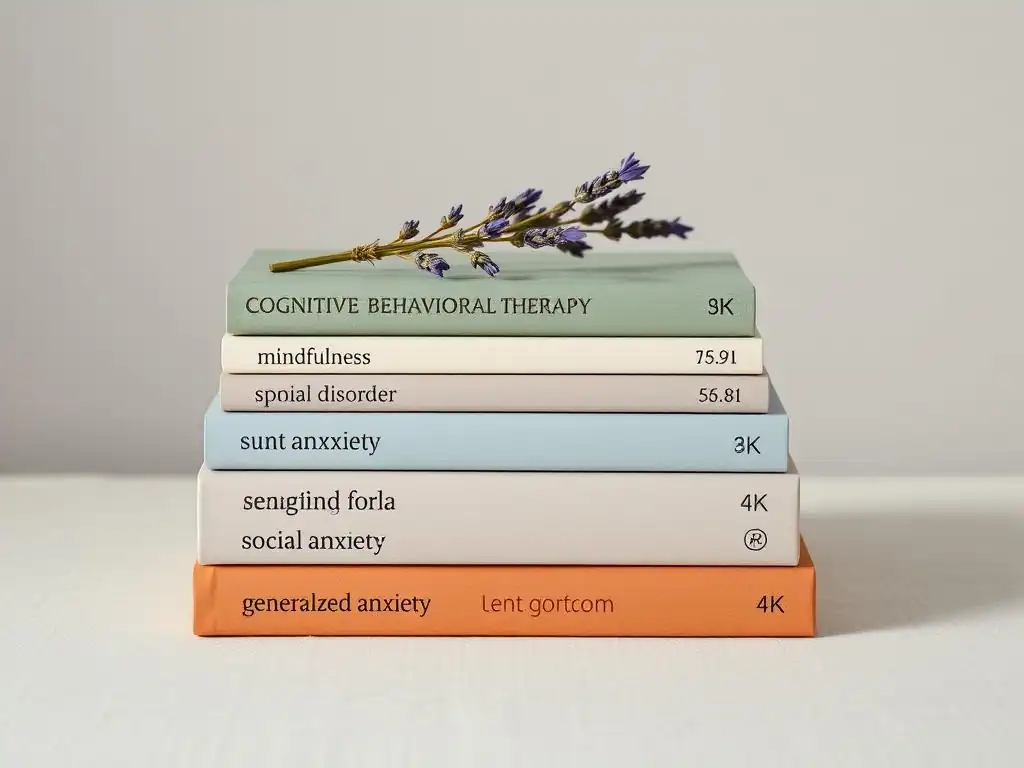
Anxiety isn't a single monolithic experience; it manifests differently for different people. Some books delve into specific forms of anxiety, offering targeted insights and strategies. These specialized anxiety management book recommendations can be particularly helpful if your anxiety is centered around particular situations or themes.
Authored by experts specializing in social anxiety, this workbook provides a focused, evidence-based approach specifically for individuals struggling with fear and discomfort in social situations. It breaks down the challenges of social anxiety, such as fear of judgment, blushing, or difficulty speaking up, and offers targeted strategies derived from cognitive-behavioral principles.
The step-by-step exercises guide readers through understanding the cycle of social anxiety, challenging negative beliefs about themselves and social interactions, and gradually engaging in feared situations (exposure therapy) in a structured and manageable way. This resource is invaluable for those whose primary struggle is social phobia, offering practical tools and a clear path toward building confidence and engaging more comfortably with others.
"My Age of Anxiety: Fear, Hope, Dread, and the Search for Peace of Mind" by Scott Stossel: Understanding Anxiety through Personal Experience
Scott Stossel's "My Age of Anxiety" offers a unique perspective by blending the author's deeply personal history with anxiety with a broad journalistic exploration of the condition from scientific, historical, philosophical, and cultural angles. While not a traditional self-help guide offering exercises, it provides profound insight into the multifaceted nature of anxiety.
Stossel delves into the history of anxiety treatments, explores genetic and environmental factors, and shares anecdotes about famous figures who experienced anxiety. This narrative approach can be incredibly validating and informative, helping readers understand that their struggle is part of a long human history and is influenced by complex factors. For those seeking to understand why they feel anxious from a broader context, this book offers a rich and empathetic perspective that complements practical anxiety relief strategies found in workbooks.
Choosing the Right Anxiety Relief Book: Factors to Consider
With numerous anxiety management book recommendations available, selecting the one that best suits your needs is crucial. Consider these factors to make an informed choice that aligns with your personal situation and learning style.
Understanding Your Anxiety Type: Tailoring Your Reading List
Anxiety presents in various forms, including generalized anxiety disorder (GAD), social anxiety disorder, panic disorder, and specific phobias. Recognizing the primary way anxiety impacts you is the first step in tailoring your reading list.
- Are your main struggles constant worry about various things? A book focusing on GAD and cognitive restructuring might be helpful.
- Do social situations cause intense fear or avoidance? A book specifically addressing social anxiety would be most relevant.
- Are panic attacks a frequent and distressing experience? Resources specifically targeting panic might be a priority.
Choosing a book that directly addresses your specific anxiety type ensures the strategies and examples provided will be most applicable to your challenges. While general books offer broad techniques, specialized resources provide targeted support for particular issues.
The credibility of the author is a significant factor when choosing an anxiety relief book. Look for authors who are licensed mental health professionals, researchers, or have extensive clinical experience in treating anxiety disorders.
- Authors with backgrounds in psychology, psychiatry, or counseling are likely to base their recommendations on evidence-based practices like CBT, ACT, or mindfulness.
- Consider their degrees (e.g., Ph.D., M.D., LCSW) and affiliations (universities, clinics).
- While personal stories can be insightful, self-help guides offering therapeutic techniques should ideally be written by experts to ensure the information is accurate, safe, and effective. Expert authors often structure their books based on therapeutic protocols used in clinical settings.
Reading Reviews and Recommendations: Gathering Insights from Others
Before committing to a book, take time to read reviews and seek recommendations. Platforms like Amazon, Goodreads, or reviews on trusted mental health websites (like Mind Care Guide) can offer valuable insights from other readers.
- Look for reviews that comment on the book's clarity, readability, the practicality of its exercises, and whether readers found the techniques helpful in managing their anxiety.
- Pay attention to recurring themes in feedback, both positive and negative.
- Consider recommendations from mental health professionals, support groups, or friends who have successfully used the book.
Reading reviews provides a glimpse into the book's potential impact and helps you gauge if its style and content resonate with what you're looking for in an anxiety management resource.
Building Your Anxiety Management Toolkit: Beyond Book Recommendations

While anxiety management book recommendations are a fantastic starting point, remember that a comprehensive approach often involves combining multiple tools and strategies. Think of your journey as building a personalized toolkit for well-being.
Mindfulness Apps and Online Courses: Integrating Technology into Your Routine
Technology offers convenient ways to supplement your learning from books. Mindfulness apps, meditation platforms, and online courses provide structured guidance and practice opportunities that can reinforce the techniques you read about.
- Mindfulness apps (like Calm or Headspace, used by millions worldwide) offer guided meditations, breathing exercises, and sleep stories accessible anytime, anywhere.
- Online courses or platforms provide interactive programs on topics like CBT, stress reduction, or specific anxiety management techniques, often including videos, quizzes, and forums.
These digital resources can help you integrate practices like mindfulness and relaxation into your daily routine, offering guided support that complements the theoretical knowledge gained from books and enhances your overall anxiety management strategy.
Seeking Professional Help: When to Consult a Therapist
It's important to recognize that books and self-help resources, while incredibly beneficial, are not a substitute for professional mental health care, especially for moderate to severe anxiety or if you are experiencing significant distress.
- If your anxiety is significantly impacting your daily life, relationships, work, or sleep, or if you feel overwhelmed or hopeless, it's a strong indicator that professional support is needed.
- Therapists can provide personalized diagnosis, evidence-based therapies (like CBT, exposure therapy, or ACT), and coping strategies tailored to your unique situation.
- They can also help you navigate complex issues, address underlying causes of anxiety, and monitor your progress in a safe and supportive environment.
Viewing therapy as a collaborative process that can work alongside your self-help efforts, including reading valuable anxiety management book recommendations, is key to building a truly effective and sustainable path to well-being.
Conclusion: Empowering Yourself with Anxiety Management
Embarking on the journey to manage anxiety is a significant act of self-care and empowerment. Arming yourself with knowledge and practical tools is a crucial step, and the right anxiety management book recommendations can serve as invaluable guides on this path.
Whether you seek comprehensive workbooks, targeted strategies for specific anxieties, or insightful narratives, the books discussed here offer diverse perspectives and proven techniques to help you understand, cope with, and ultimately reduce your anxiety. By carefully selecting resources that resonate with your needs and integrating them into a broader toolkit that might include digital aids and professional support, you are actively building a stronger foundation for your mental well-being. Take the time to explore these options and find the books that will empower you to navigate anxiety with greater confidence and peace of mind.
Frequently Asked Questions
What are some Anxiety Management Book Recommendations from experts in the field?
The article provides a curated list of books recommended by mental health professionals. These books offer evidence-based strategies for managing anxiety, improving coping skills, and understanding the root causes of your anxiety.
How can reading an Anxiety Management Book help me?
Reading these books can provide you with practical techniques, coping mechanisms, and a better understanding of your anxiety. This knowledge empowers you to take control of your mental well-being.
Are the Anxiety Management Book Recommendations suitable for all types of anxiety?
While the books offer general anxiety management techniques, some may be more suited to specific types of anxiety. The article may suggest reading reviews or consulting with a mental health professional to determine the best fit for your individual needs.
Where can I find these Anxiety Management Book Recommendations?
The article provides a list of titles and potentially links to online retailers where you can purchase them. Many of these books are also available at local libraries and bookstores.
What if reading an Anxiety Management Book isn't enough to manage my anxiety?
The article emphasizes that these books are a valuable resource, but not a replacement for professional help. If your anxiety is severe or impacting your daily life, it's crucial to seek guidance from a qualified therapist or psychiatrist.
Final Reflection: Cultivating Calm in a Chaotic World
The relentless pace of modern life, coupled with increasing societal pressures, has made anxiety a pervasive challenge for many. This article has explored a curated selection of essential readings designed to equip individuals with the tools and understanding needed to navigate the complexities of anxiety. These books, representing diverse approaches and perspectives, offer a powerful pathway towards reclaiming inner peace and building resilience.
The impact of anxiety on our collective well-being is undeniable, shaping our relationships, our work, and our overall sense of self. It's a silent epidemic, often misunderstood and stigmatized. Yet, through the shared experiences and insightful perspectives offered in the books discussed, we begin to see a glimmer of hope and a path towards healing. The mind is everything. What you think you become.
- Buddha. This ancient wisdom underscores the power of our thoughts and the potential for positive transformation through mindful engagement with our inner world.
Now, consider your own journey. Which of these books resonated most deeply with your experiences? Which strategies or perspectives feel most accessible and empowering for you? Take a moment to reflect on your relationship with anxiety and identify one small step you can take today to cultivate greater calm and self-compassion. Begin your journey towards a more peaceful and fulfilling life by choosing one book from this list and embarking on a path of self-discovery and healing. The power to manage your anxiety lies within you; these books are simply your guides along the way.
Unlock Your Calm: Start Your Anxiety Management Journey Today!
Thanks for taking the time to explore effective strategies for managing anxiety. We hope you found valuable insights within "The Expert's Bookshelf." Now it's time to put that knowledge into action!
- Prioritize one book from our recommended list and order it today. Make this your first step towards a calmer you.
- Share this article with a friend or family member who might also benefit from these expert insights. Let's build a supportive community!
- Leave a comment below and tell us which book resonates most with you and why – we'd love to hear your thoughts!
Which anxiety-reducing technique from the recommended books are you most excited to try first, and why?