
The Expert's Bookshelf: MustRead SelfHelp for Dating & Partnership


Welcome to Mind Care Guide, a space dedicated to nurturing your mental well-being. Are you navigating the sometimes turbulent waters of relationships while prioritizing your mental health? We understand. This month, we're diving deep into the world of self-help books with a curated list designed to empower you. Curious about which reads the experts recommend for selfhelp dating mental health? Let's explore The Expert's Bookshelf and uncover the resources that can help you thrive in your relationships and beyond.
The Expert's Bookshelf: Must-Read Self-Help for Dating & Partnership
- Understanding Self-Help Dating Mental Health: Why Books Can Help
-
The Best Self-Help Books for Dating and Partnership: Expert Recommendations
- Option 1: "Attached: The New Science of Adult Attachment and How It Can Help You Find - and Keep - Love" by Amir Levine and Rachel Heller
- Option 2: "The 5 Love Languages: The Secret to Love that Lasts" by Gary Chapman
- Option 3: "Hold Me Tight: Seven Conversations for a Lifetime of Love" by Dr. Sue Johnson
- Option 4: "Mindful Dating: How to Find a Loving Relationship" by Debra L. Mandel
- Option 5: "Getting the Love You Want: A Guide for Couples" by Harville Hendrix, Ph.D. and Helen LaKelly Hunt, Ph.D.
- Choosing the Right Self-Help Book for Your Dating and Relationship Needs: A Guide
- Maximizing the Benefits of Self-Help Books for Dating and Mental Well-being
- Conclusion: Empowering Your Dating Life with Self-Help and Mental Wellness.
-
Frequently Asked Questions
- What are some recommended self-help books focusing on dating and mental health?
- How can self-help books improve my dating experience, specifically related to mental health?
- Are there any specific self-help books that address the connection between mental health and finding a lasting partnership?
- Where can I find reliable self-help resources, beyond books, to support my dating life and mental health?
- How do I know if a self-help book is right for me in terms of addressing my mental health concerns regarding dating?
- Final Reflection: Cultivating Love Through Self-Awareness
- Unlock Your Dating Potential: Take the Next Step
Understanding Self-Help Dating Mental Health: Why Books Can Help
The Importance of Mental Well-being in Dating and Relationships
Navigating the world of dating and relationships can be incredibly rewarding, but it also presents unique challenges that can significantly impact mental well-being. Anxiety about meeting new people, fear of rejection, communication breakdowns, and managing expectations are common hurdles. When individuals bring existing mental health challenges into the dating arena, such as social anxiety, depression, or past trauma, these difficulties can be amplified.
A strong foundation of mental health is crucial because it influences our ability to form secure attachments, communicate effectively, set healthy boundaries, and manage conflict constructively. Without this foundation, dating can become a source of significant stress rather than potential joy.
Furthermore, the dynamics within established partnerships also require emotional resilience and mental clarity. Issues like differing needs, financial stress, infidelity, or simply the day-to-day pressures of life can strain a relationship. Maintaining personal mental wellness allows individuals to approach these challenges with greater perspective, empathy, and problem-solving skills. It enables partners to support each other through difficult times without losing their own sense of self or becoming overwhelmed. Prioritizing selfhelp dating mental health is not just about individual well-being; it's a vital component of building and sustaining healthy, fulfilling connections with others.
How Self-Help Books Can Address Relationship Challenges
Self-help books offer accessible and structured guidance for individuals seeking to improve their dating experiences and relationships. They provide frameworks and techniques developed by experts in psychology, therapy, and relationship counseling. For someone struggling with communication, a book might offer specific scripts or active listening exercises. For someone dealing with fear of intimacy, a self-help resource might explore the roots of that fear and provide steps for building trust gradually. These books act as a private, low-pressure way to explore personal patterns and learn new skills.
Many self-help books focused on dating and relationships integrate principles from established therapeutic modalities, such as cognitive-behavioral therapy (CBT), attachment theory, or emotionally focused therapy (EFT). For instance, a book might guide a reader to identify negative thought patterns about dating (CBT), understand how their past experiences influence current relationship behaviors (attachment theory), or learn how to express emotional needs more effectively (EFT).
By providing practical tools and insights, these resources empower individuals to take proactive steps towards improving their selfhelp dating mental health, fostering healthier interactions, and building more resilient relationships. They offer a starting point for self-discovery and positive change.
The Best Self-Help Books for Dating and Partnership: Expert Recommendations
Option 1: "Attached: The New Science of Adult Attachment and How It Can Help You Find - and Keep - Love" by Amir Levine and Rachel Heller
Understanding Attachment Styles for Healthier Relationships
Attachment theory, as popularized by "Attached," posits that the way we bonded with our primary caregivers in childhood significantly influences how we behave in adult romantic relationships. The book identifies three main attachment styles: Secure, Anxious-Preoccupied, and Dismissive-Avoidant. Secure individuals tend to be comfortable with intimacy and interdependence.
Anxious individuals often crave closeness but worry about their partner's availability, leading to behaviors like seeking constant reassurance. Avoidant individuals value independence highly and may feel uncomfortable with too much closeness or emotional expression. Understanding these styles – your own and potential partners' – provides a powerful lens through which to view dating dynamics and relationship patterns.
For example, an anxious individual might constantly text a new date, interpreting delayed responses as rejection, while an avoidant individual might pull back when a relationship starts getting serious, needing more space. Recognizing these patterns isn't about labeling people but about understanding the underlying needs and fears driving behaviors. Research suggests that roughly half of adults exhibit a secure attachment style, making them generally more comfortable in relationships.
The other half often exhibit anxious or avoidant tendencies. By understanding these prevalent styles, individuals can make more informed choices about partners and navigate interactions with greater empathy and clarity, which is a key aspect of selfhelp dating mental health.
Key Concepts and Benefits of "Attached"
A core concept in "Attached" is the idea of the "attachment system," an innate drive to seek proximity and security from a partner. The book explains how this system is activated when we feel threatened or unsure about our partner's availability. It delves into specific communication strategies tailored to each attachment style, offering practical advice on how to effectively communicate needs and resolve conflicts. For instance, it suggests that anxious individuals need clear, direct reassurance, while avoidant individuals benefit from feeling their space is respected.
The benefits of reading "Attached" are numerous. It demystifies confusing relationship patterns, helping readers understand why they or their partners behave in certain ways. This understanding can reduce conflict and increase empathy. By identifying one's own style, individuals can work on developing a more secure approach to relationships. The book empowers readers to choose partners who are more likely to be securely attached or who are willing to work on their own style, significantly improving the chances of building a stable and satisfying relationship. It's a foundational text for anyone using self-help dating mental health resources.
Affiliate Link & Pricing Information for "Attached"
This section would typically provide details on where to purchase "Attached: The New Science of Adult Attachment and How It Can Help You Find - and Keep - Love" and its current price range across various retailers. Due to the constraints of this format, specific links and pricing information cannot be provided here.
Option 2: "The 5 Love Languages: The Secret to Love that Lasts" by Gary Chapman
Discovering and Speaking Your Partner's Love Language
Gary Chapman's popular book introduces the concept that people primarily give and receive love in five distinct ways, or "love languages": Words of Affirmation, Acts of Service, Receiving Gifts, Quality Time, and Physical Touch. The central idea is that problems often arise in relationships when partners are speaking different love languages – expressing love in a way that the other doesn't understand or value as much.
For example, one partner might feel loved through words of praise (Words of Affirmation), while the other feels most loved when chores are done for them (Acts of Service). If the first partner offers compliments but rarely helps around the house, the second partner might feel unloved, despite the effort being made.
Identifying your own primary love language and, crucially, your partner's, is the first step. Chapman provides quizzes and exercises to help readers determine their language. He emphasizes that it's essential to learn to speak your partner's love language, even if it doesn't come naturally to you. This requires conscious effort and a shift in perspective to focus on what makes your partner feel most loved and appreciated. This understanding is vital for fostering connection and is a simple yet powerful tool in the realm of selfhelp dating mental health.
Improving Communication and Intimacy with "The 5 Love Languages"
Learning and applying the principles of the five love languages can dramatically improve communication and intimacy within a relationship. When partners make a deliberate effort to express love in a way that resonates with the other, it fills what Chapman calls the "emotional love tank." This leads to both individuals feeling more valued, understood, and secure in the relationship. Simple changes, like scheduling dedicated time together (Quality Time) or offering a thoughtful compliment (Words of Affirmation), can have a profound impact.
For instance, if one partner's primary language is Acts of Service, doing something as simple as filling up their car with gas or taking care of a dreaded chore without being asked can communicate love more effectively than saying "I love you" repeatedly. Conversely, if the other partner values Physical Touch, holding hands or offering a hug might be more impactful than receiving a gift. By actively practicing your partner's love language, you build goodwill, reduce misunderstandings, and create a more positive and loving atmosphere, directly contributing to improved relationship health and personal selfhelp dating mental health.
Affiliate Link & Pricing Information for "The 5 Love Languages"
This section would typically provide details on where to purchase "The 5 Love Languages: The Secret to Love that Lasts" and its current price range across various retailers. Due to the constraints of this format, specific links and pricing information cannot be provided here.
Option 3: "Hold Me Tight: Seven Conversations for a Lifetime of Love" by Dr. Sue Johnson
Emotionally Focused Therapy (EFT) and its Application to Relationships
"Hold Me Tight" is based on Emotionally Focused Therapy (EFT), a highly effective therapeutic approach developed by Dr. Sue Johnson and Les Greenberg. EFT focuses on identifying and changing negative interactional cycles that couples get stuck in. These cycles, often driven by underlying fears and unmet attachment needs, can manifest as patterns like "pursuer-withdrawer" (one partner seeks connection intensely while the other pulls away) or "critic-defender." EFT aims to help partners understand the emotions driving these cycles and express their deeper, more vulnerable feelings and needs to each other in a way that fosters empathy and connection.
EFT views relationship distress not as a result of personality flaws but as a consequence of a threatened bond. The therapy, and thus the book, guides couples through seven specific conversations designed to de-escalate conflict, restructure the bond, and consolidate new patterns of interaction.
Research on EFT has shown significant success rates; studies often report that approximately 70-75% of couples who complete EFT therapy move from distress to recovery, and about 90% show significant improvement. While the book is not a substitute for therapy, it allows readers to apply core EFT principles to their own relationship dynamics, supporting their selfhelp dating mental health journey.
Building a Secure and Lasting Bond with "Hold Me Tight"
The central goal of "Hold Me Tight" is to help couples create a more secure and loving bond by fostering emotional accessibility, responsiveness, and engagement (ARE). The seven conversations outlined in the book guide partners through exploring key moments and patterns in their relationship. For example, one conversation focuses on identifying the "Demon Dialogues" – the negative cycles that repeatedly cause pain. Another helps partners revisit a difficult moment to understand each other's emotional experience.
By working through these conversations, couples learn to step out of defensive or attacking stances and instead share their underlying fears and longing for connection. This vulnerability, when met with empathy and responsiveness from the partner, builds trust and strengthens the emotional bond. The book provides step-by-step guidance and exercises to help couples practice these new ways of interacting, moving from conflict and distance towards greater intimacy and security. This process directly supports the goal of improving selfhelp dating mental health within the context of a relationship.
Affiliate Link & Pricing Information for "Hold Me Tight"
This section would typically provide details on where to purchase "Hold Me Tight: Seven Conversations for a Lifetime of Love" and its current price range across various retailers. Due to the constraints of this format, specific links and pricing information cannot be provided here.
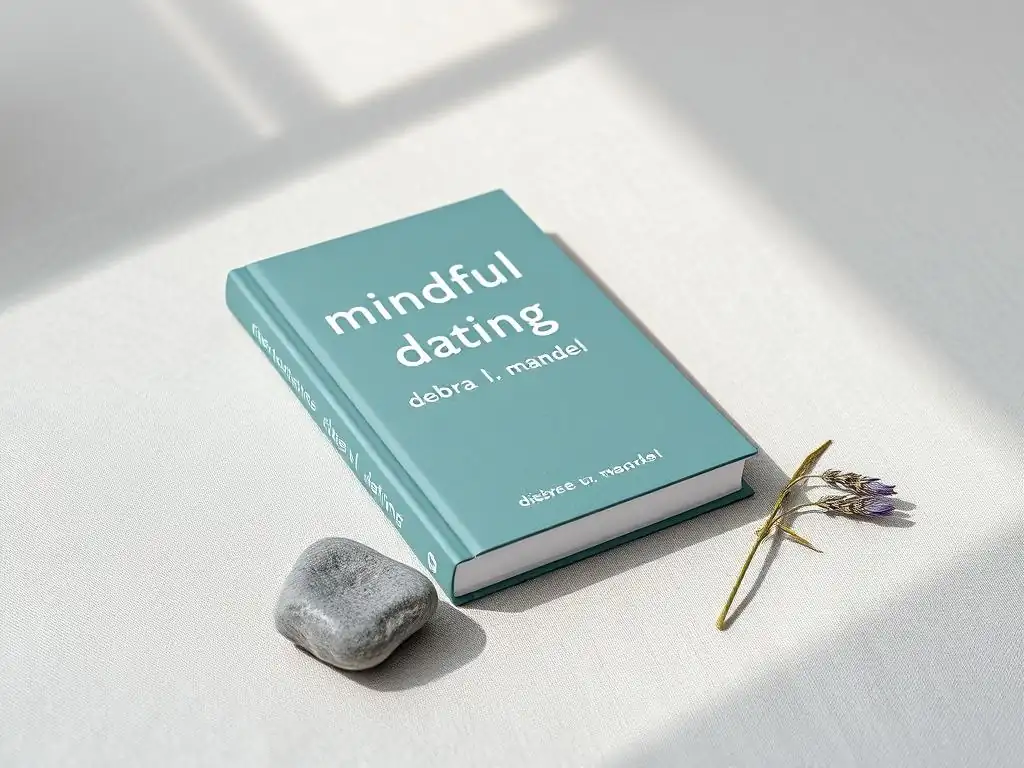
Option 4: "Mindful Dating: How to Find a Loving Relationship" by Debra L. Mandel
Applying Mindfulness to Dating and Relationship Building
"Mindful Dating" introduces the principles of mindfulness – paying attention to the present moment without judgment – to the often-stressful process of dating and relationship building. The book suggests that many challenges in dating stem from being stuck in the past (dwelling on previous rejections or bad experiences) or worrying excessively about the future (anxiety about finding "the one," worrying about a date's outcome). Mindfulness offers an alternative: cultivating awareness of one's thoughts, feelings, and bodily sensations as they are happening, without getting swept away by them.
Applying mindfulness to dating means approaching interactions with curiosity and openness rather than predetermined expectations or fears. It involves truly listening to a date, noticing your own reactions without immediate judgment, and being present in the experience. For example, instead of replaying a past dating failure in your mind during a current date, mindful dating encourages you to focus on the conversation and the person in front of you. This practice can reduce anxiety, improve communication, and allow for a more authentic connection, serving as a powerful tool for selfhelp dating mental health.
Cultivating Self-Awareness and Compassion in the Dating Process
A significant benefit of mindful dating is the cultivation of self-awareness and self-compassion. The dating world can be tough, and rejection is a common experience. Mindfulness helps individuals observe their reactions to setbacks – perhaps feelings of inadequacy or self-criticism – without identifying as those feelings. It encourages treating oneself with the same kindness and understanding one would offer a friend. For instance, instead of thinking "I'm clearly unlovable because that date didn't call," a mindful approach might involve acknowledging the feeling of disappointment and reminding oneself that one date's outcome doesn't define one's worth.
This increased self-awareness also extends to understanding one's own needs, values, and boundaries in dating. By being present and attuned to internal signals, individuals can make choices that are more aligned with their authentic selves, rather than acting out of fear or a desire to please. This cultivation of inner strength and self-kindness is fundamental to navigating the dating landscape with resilience and is a core component of enhancing selfhelp dating mental health.
Affiliate Link & Pricing Information for "Mindful Dating"
This section would typically provide details on where to purchase "Mindful Dating: How to Find a Loving Relationship" and its current price range across various retailers. Due to the constraints of this format, specific links and pricing information cannot be provided here.
Option 5: "Getting the Love You Want: A Guide for Couples" by Harville Hendrix, Ph.D. and Helen LaKelly Hunt, Ph.D.
Imago Relationship Therapy and Conflict Resolution
"Getting the Love You Want" is based on Imago Relationship Therapy, developed by Harville Hendrix. The core premise of Imago is that we are unconsciously drawn to partners who possess both the positive and negative traits of our primary caregivers. This "Imago match" occurs because our unconscious mind is seeking to heal old childhood wounds within the context of an adult, loving relationship. Conflict, in the Imago model, is seen as growth trying to happen – an opportunity to address unmet childhood needs that are being triggered by the partner.
The book introduces the Imago Dialogue, a structured communication technique designed to help couples talk about their deepest frustrations and desires without defensiveness. This dialogue involves three steps: mirroring (repeating back what you heard your partner say), validation (acknowledging the validity of their perspective, even if you don't agree), and empathy (imagining what your partner might be feeling). By using this process, couples can move beyond blaming and criticism to understand the root causes of their conflicts and work towards healing. This structured approach is invaluable for couples seeking selfhelp dating mental health resources to improve communication.
Transforming Relationship Challenges into Opportunities for Growth with "Getting the Love You Want"
"Getting the Love You Want" reframes relationship challenges from obstacles into opportunities for mutual growth and healing. Instead of viewing conflict as a sign that the relationship is failing, the Imago approach sees it as an indicator that underlying needs are being triggered and are asking for attention. The book provides exercises and concepts to help couples consciously work on meeting each other's unmet childhood needs in healthy, adult ways. For example, if one partner felt neglected as a child, the other partner can consciously practice providing focused attention and reassurance.
The book guides couples through identifying their "Imago" – the unconscious image of the desired partner formed in childhood – and understanding how this influences their current relationship dynamics. It provides a roadmap for shifting from reactive, conflict-driven interactions to intentional, growth-oriented connection. By committing to the Imago Dialogue and the principles outlined, couples can transform their relationship into a source of profound healing and secure connection, significantly enhancing their shared and individual selfhelp dating mental health.
Affiliate Link & Pricing Information for "Getting the Love You Want"
This section would typically provide details on where to purchase "Getting the Love You Want: A Guide for Couples" and its current price range across various retailers. Due to the constraints of this format, specific links and pricing information cannot be provided here.
Choosing the Right Self-Help Book for Your Dating and Relationship Needs: A Guide
Identifying Your Specific Relationship Challenges
Selecting the most helpful self-help book begins with a clear understanding of the specific issues you are facing in dating or your relationship. Are you struggling with initial dating anxiety? Do you find yourself repeating the same unhealthy patterns in relationships? Is communication a major hurdle?
Are you trying to heal from past relationship trauma? Different books focus on different aspects of relationship dynamics and mental health. For instance, if your primary struggle is understanding why you keep getting involved with emotionally unavailable partners, a book like "Attached" might be particularly insightful. If you and your partner constantly misunderstand each other, "The 5 Love Languages" or "Hold Me Tight" could be more relevant.
Take some time to reflect honestly on your experiences. Consider past relationships or dating patterns. What were the recurring difficulties? What emotions come up most strongly when you think about dating or your current partnership? Journaling about these questions can be a helpful exercise. Pinpointing the core issues – whether it's fear of intimacy, difficulty setting boundaries, managing conflict, or simply understanding different communication styles – will guide you toward resources that offer targeted strategies and insights for your specific selfhelp dating mental health needs.
Considering Different Therapeutic Approaches and Self-Help Styles
Self-help books draw from a variety of psychological and therapeutic approaches, and understanding these can help you choose a book that resonates with you. Some books are highly practical and skills-based, offering step-by-step exercises and communication techniques (like "The 5 Love Languages"). Others delve deeper into psychological theory, exploring attachment styles or unconscious patterns (like "Attached" or "Getting the Love You Want"). Some focus heavily on emotional processing and vulnerability (like "Hold Me Tight"), while others emphasize present-moment awareness and self-compassion (like "Mindful Dating").
Think about your learning style and what kind of approach feels most helpful to you. Do you prefer concrete tools you can implement immediately, or are you looking for a deeper understanding of the psychological underpinnings of relationships? Are you comfortable with introspection and exploring past experiences, or do you prefer focusing on present behaviors?
Reading reviews, summaries, or sample chapters can give you a sense of the author's style and the book's overall focus. Choosing a book that aligns with your preferences and the nature of your challenges will increase the likelihood that you will engage with the material and benefit from its insights for your selfhelp dating mental health.
Leveraging Mental Health Resources Alongside Self-Help Books
While self-help books are powerful tools for personal growth and improving selfhelp dating mental health, they are often most effective when used in conjunction with other resources. If you are experiencing significant distress, persistent relationship problems, or if the issues you are facing feel overwhelming, consulting with a mental health professional is highly recommended. A therapist can provide personalized support, help you process complex emotions, and offer guidance tailored to your unique situation in a way that a book cannot.
Consider self-help books as a valuable addition to a broader mental wellness strategy. They can supplement therapy sessions, reinforce concepts learned, or provide a starting point for individuals who are not yet ready for formal therapy. Many therapists even recommend specific books to their clients. Online resources, support groups, and workshops can also offer complementary perspectives and community support. Approaching your dating and relationship journey with a combination of self-guided learning through books and professional or community support creates a robust framework for fostering positive mental health and building healthier connections.
Maximizing the Benefits of Self-Help Books for Dating and Mental Well-being

Implementing Strategies and Techniques from the Books
Reading a self-help book is only the first step; the real transformation comes from actively implementing the strategies and techniques it suggests. Simply understanding a concept like attachment styles or love languages isn't enough to change behavior. The books often include exercises, reflection questions, or communication scripts for a reason – they are designed to be practiced. For example, if you read about the Imago Dialogue, commit to trying it with your partner, perhaps starting with low-stakes topics. If a book recommends journaling about dating fears, make time each week to do so.
Consistency is key. Try to integrate the practices into your routine, even if it's just for a few minutes each day or week. Be patient with yourself and the process; changing long-standing patterns takes time and effort. Don't expect instant results. Track your progress, perhaps noting when you successfully applied a technique or gained a new insight. Actively engaging with the material, rather than passively reading it, is crucial for translating knowledge into tangible improvements in your dating life and overall selfhelp dating mental health.
Seeking Professional Support When Needed
It's important to recognize the limits of self-help resources. While books can provide valuable insights and tools, they cannot replace the personalized support and clinical expertise of a mental health professional. If you find that you are unable to implement the strategies from a book, if your relationship issues are escalating, if you are experiencing significant emotional distress, or if you have a history of trauma that is impacting your relationships, seeking therapy is a sign of strength, not weakness.
A therapist or counselor specializing in relationship issues or specific mental health challenges can provide a safe space to explore difficulties, offer tailored interventions, and help you work through complex dynamics that self-help resources may not fully address. For instance, while "Hold Me Tight" explains EFT principles, working through intense emotional cycles in therapy with a trained EFT practitioner can be profoundly more effective. Combining self-help reading with professional guidance creates a powerful synergy for addressing selfhelp dating mental health challenges comprehensively.
The Importance of Self-Care During the Dating Process
Navigating the dating landscape can be emotionally draining, and maintaining self-care is paramount for protecting your mental well-being. Actively seeking selfhelp dating mental health resources is a form of self-care, but it's also important to engage in activities that nourish you outside of dating and relationship work. This includes ensuring you get enough sleep, eating well, exercising, and spending time with friends and family who support you. Pursuing hobbies and interests that bring you joy helps maintain a strong sense of self, independent of your relationship status.
Setting healthy boundaries in dating is also a crucial aspect of self-care. This might involve limiting the amount of time you spend on dating apps, saying no to dates that don't feel right, or taking breaks from dating when you feel overwhelmed. Being mindful of your emotional and energy levels and prioritizing activities that replenish you will help you approach dating from a place of strength and resilience rather than depletion. Integrating self-care practices ensures that your journey towards healthy relationships also supports your overall mental wellness.
Conclusion: Empowering Your Dating Life with Self-Help and Mental Wellness.
Frequently Asked Questions
What are some recommended self-help books focusing on dating and mental health?
Many books explore how to improve your dating life by addressing underlying mental health issues. Look for authors with expertise in psychology or relationship counseling.
These books often provide strategies for managing anxiety and building confidence, which are crucial for successful dating. They can also help you identify unhealthy relationship patterns.
Are there any specific self-help books that address the connection between mental health and finding a lasting partnership?
Yes, some books focus on developing healthy attachment styles and communication skills to foster long-term relationships. These are essential for a strong and lasting partnership.
Where can I find reliable self-help resources, beyond books, to support my dating life and mental health?
Websites like Mind Care Guide offer articles, guides, and support groups. Also, consider seeking professional help from a therapist or counselor.
How do I know if a self-help book is right for me in terms of addressing my mental health concerns regarding dating?
Consider the author's credentials and the book's reviews. Look for books that resonate with your specific mental health challenges and offer practical, actionable advice for improving your dating life.
Final Reflection: Cultivating Love Through Self-Awareness
The journey to fulfilling relationships begins not with finding the "perfect" partner, but with cultivating a healthy and self-aware self. This article explored essential self-help resources designed to equip individuals with the emotional intelligence and self-understanding necessary for navigating the complexities of dating and building lasting partnerships. In a world increasingly focused on instant gratification and superficial connections, the need for genuine self-work in the realm of relationships is more critical than ever.
The books discussed here aren't just about finding love; they're about understanding oneself deeply enough to build healthy, sustainable connections. They offer tools to address past traumas, unhealthy patterns, and communication barriers that often sabotage romantic endeavors. As the renowned psychologist, Carl Rogers, wisely stated: The curious paradox is that when I accept myself just as I am, then I can change.
This quote encapsulates the core message of these self-help resources: self-acceptance is the foundation upon which authentic and fulfilling relationships are built. It's a journey of continuous growth and self-discovery, not a destination.
Now, consider your own journey. What resonates most with you from the books highlighted? What areas of your own emotional landscape require further exploration? Take the time to reflect on your relationship patterns, both past and present.
Identify areas where self-compassion and self-awareness can enhance your ability to connect authentically with others. Embrace the opportunity for growth, and remember that the path to fulfilling love begins with a deep and unwavering commitment to understanding and nurturing your own well-being. This is not just about finding a partner; it's about becoming the best version of yourself, ready to share your authentic self with the world.
Unlock Your Dating Potential: Take the Next Step
Thank you for taking the time to explore the world of self-help for dating and partnerships! We hope you found valuable insights within "The Expert's Bookshelf." Now, it's time to put that knowledge into action.
- Prioritize one actionable tip from the article and implement it this week. Even small changes can make a big difference!
- Share your biggest takeaway – or your biggest challenge – with our community in the comments below. Let's learn from each other!
- Explore other insightful articles on MindCareGuide.org related to relationships and personal growth. Discover more tools to enhance your connection skills.
Ready to invest in yourself and your relationships? What's the one small step you'll take today to improve your dating life?