
Find the Right Book: Expert Picks for Addressing Specific Relationship Struggles


Welcome to Mind Care Guide, a sanctuary for your mental well-being.
Feeling lost in the complexities of relationship anxiety? You're not alone. We understand the deep desire for connection, and the pain that anxiety can inflict on those bonds. That's why we've curated expert-recommended relationship anxiety book recommendations to help you navigate these challenges. Discover resources that offer clarity, practical strategies, and a path towards healthier, more fulfilling relationships. Let's explore together.
Find the Right Book: Expert Picks for Addressing Relationship Struggles
- Navigating Relationship Challenges: Expert-Recommended Books for Healing and Growth
- Relationship Anxiety Book Recommendations: Expert Insights
- Decoding Relationship Struggles: Books Offering Practical Solutions
-
Best Books for Relationship Anxiety: Our Top Picks
- "Attached: The New Science of Adult Attachment and How It Can Help You Find - and Keep - Love" by Amir Levine and Rachel S.F. Heller - Understanding Attachment Styles
- "Hold Me Tight: Seven Conversations for a Lifetime of Love" by Dr. Sue Johnson - Strengthening Emotional Bonds
- "The Relationship Cure: A 5 Step Guide to Strengthening Your Marriage, Family, and Friendships" by John Gottman - Improving Communication & Conflict Resolution
- "Anxious in Love: How to Manage Your Anxiety, Reduce Conflict, and Reconnect with Your Partner" by Carolyn Daitch and Lissah Lorberbaum - Managing Anxiety in Romantic Relationships
- Addressing Specific Relationship Problems with Targeted Reading
- Beyond Books: Complementary Resources for Relationship Well-being
- Choosing the Right Relationship Book: A Personalized Approach
-
Frequently Asked Questions
- What is relationship anxiety and how can books help address it?
- What types of relationship struggles do these recommended books target?
- Are these "Relationship Anxiety Book Recommendations" suitable for individuals or couples?
- How do I choose the right "Relationship Anxiety Book Recommendation" for my specific needs?
- Where can I find these "Relationship Anxiety Book Recommendations"?
- Final Reflection: Navigating the Labyrinth of Love: Finding Your Path to Relational Peace
- Unlock Deeper Connections: Take the Next Step in Your Relationships
Understanding Relationship Dynamics Through Literature
Embarking on a journey to improve your relationships can feel daunting, especially when grappling with complex dynamics or persistent issues like relationship anxiety. Fortunately, a wealth of literature exists, offering profound insights into human connection and the intricate workings of romantic partnerships. Reading books on relationship dynamics provides a unique opportunity to gain perspective, understand underlying patterns, and learn evidence-based strategies for fostering healthier interactions. These resources serve as accessible guides, often distilling years of therapeutic research and clinical experience into actionable advice you can explore at your own pace.
Beyond practical techniques, engaging with books about relationships can also offer a sense of validation and reduce feelings of isolation. Discovering that your struggles, such as navigating relationship anxiety or communication breakdowns, are common experiences shared by many can be incredibly comforting. Experts in the field frequently recommend specific titles because they provide a structured framework for understanding complex emotional concepts, such as attachment styles or conflict resolution techniques, in a way that is both informative and empathetic. This foundational understanding is a crucial first step toward positive change.
Relationship Anxiety Book Recommendations: Expert Insights
Tackling Anxiety in Relationships: A Curated List
Relationship anxiety is a pervasive issue that can manifest as excessive worry about the relationship's stability, fear of abandonment, constant need for reassurance, or difficulty trusting a partner. For individuals experiencing these challenges, finding targeted resources is key. Experts in mental health and relationship counseling often recommend specific books designed to help readers identify the root causes of their anxiety within the context of a relationship and develop coping mechanisms. These books typically combine psychological theory with practical exercises aimed at managing anxious thoughts and behaviors.
The best relationship anxiety book recommendations focus not only on understanding the anxiety itself but also on how it impacts interactions with a partner. They provide tools for improving communication under stress, setting healthy boundaries, and building self-soothing techniques. By working through the concepts presented in these curated lists, individuals can begin to challenge negative thought patterns, reduce the intensity of their anxious responses, and cultivate a greater sense of security and confidence within their relationship, fostering a more stable and fulfilling connection.
Decoding Relationship Struggles: Books Offering Practical Solutions
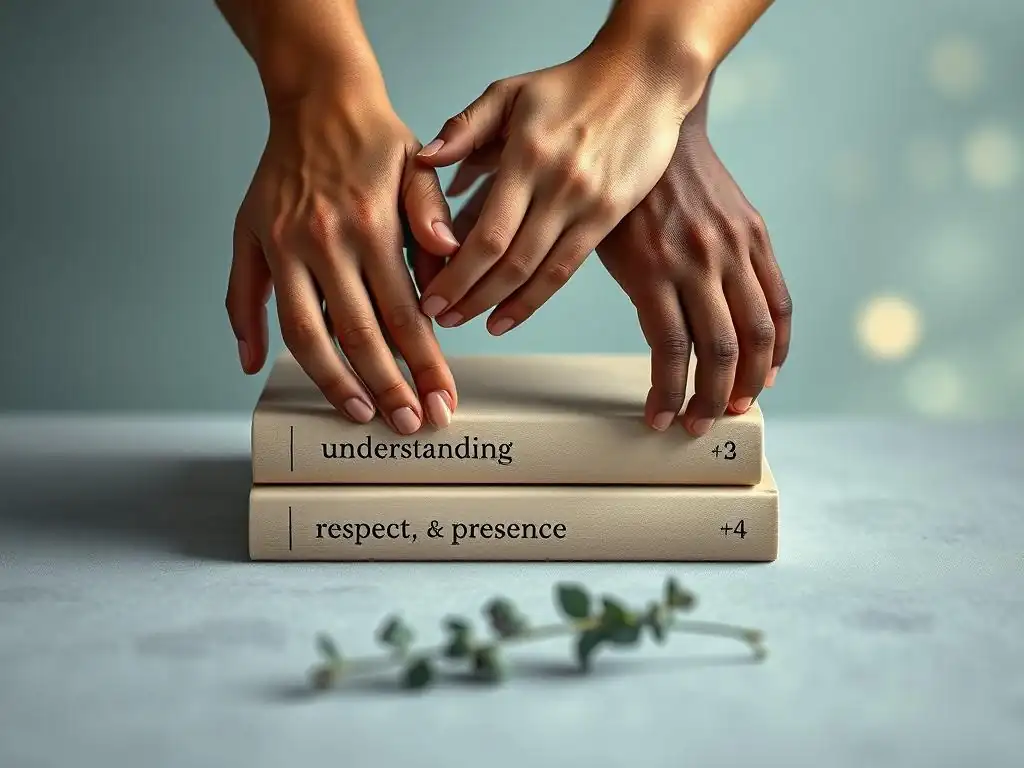
From Conflict to Connection: Books for Resolving Relationship Issues
Conflict is an inevitable part of any close relationship, but the way couples navigate disagreements often determines the health and longevity of their bond. Many relationship struggles stem from ineffective communication patterns, unresolved conflicts, or a lack of understanding of each other's needs and perspectives. Fortunately, numerous books offer practical, evidence-based solutions for transforming conflict into opportunities for deeper connection. These resources often break down complex interpersonal dynamics into manageable steps, providing readers with concrete strategies they can implement immediately.
These books commonly cover topics such as active listening, expressing needs clearly, managing anger, and finding mutually agreeable solutions. They might introduce techniques like using "I" statements instead of accusatory language or establishing ground rules for fair fighting. By learning and applying these practical skills, individuals and couples can move away from destructive cycles of blame and defensiveness towards more constructive and empathetic interactions. This shift not only helps resolve immediate issues but also builds a stronger foundation of trust and understanding, significantly reducing relationship anxiety and fostering a more positive relationship environment.
Best Books for Relationship Anxiety: Our Top Picks
"Attached: The New Science of Adult Attachment and How It Can Help You Find - and Keep - Love" by Amir Levine and Rachel S.F. Heller - Understanding Attachment Styles
Features of "Attached"
"Attached" is a groundbreaking book that translates complex psychological research on adult attachment into accessible language for the general reader. It centers on the three primary attachment styles: Anxious, Avoidant, and Secure, explaining how these styles develop from early experiences and manifest in romantic relationships. The book provides detailed descriptions of the thoughts, feelings, and behaviors typical of each style, offering questionnaires and examples to help readers identify their own style and that of their partner. It also explores how different attachment styles interact and the common pitfalls that arise from these interactions.
Benefits of Understanding Attachment Styles
Grasping the concept of attachment styles offers profound benefits for improving relationship dynamics. Firstly, it provides a framework for understanding seemingly irrational behaviors – both your own and your partner's – as rooted in deep-seated needs for security and connection. This knowledge can foster empathy and reduce blame.
Secondly, identifying your style, particularly if it's Anxious or Avoidant, empowers you to recognize unhelpful patterns and triggers. Approximately 20% of adults are estimated to have an Anxious attachment style, characterized by a strong need for closeness and worry about a partner's availability, while around 25% exhibit an Avoidant style, valuing independence and discomfort with intimacy. Understanding these statistics can normalize your experience.
How "Attached" Can Help with Relationship Anxiety
For individuals grappling with relationship anxiety, understanding the Anxious attachment style is particularly illuminating. The book validates the feelings of worry, need for reassurance, and fear of abandonment often experienced by those with this style. More importantly, it provides specific strategies for communicating effectively with partners, especially those with Avoidant styles, to build a more secure connection. By learning to identify their own "protest behaviors" (anxiety-driven actions) and communicate their needs directly rather than anxiously, readers can begin to reduce their distress and build a more stable foundation, making it a highly recommended book for relationship anxiety.
"Hold Me Tight: Seven Conversations for a Lifetime of Love" by Dr. Sue Johnson - Strengthening Emotional Bonds
Features of "Hold Me Tight"
Based on the principles of Emotionally Focused Therapy (EFT), "Hold Me Tight" guides readers through seven structured conversations designed to help couples connect on a deeper emotional level. The book explains common negative cycles of interaction, often referred to as "demon dialogues," that couples get stuck in. It then provides steps and exercises to help partners understand the underlying emotions and needs driving these cycles and learn how to break free from them. The focus is on creating moments of secure emotional connection, or "holding moments," that build trust and intimacy.
Benefits of Emotionally Focused Therapy (EFT)
Emotionally Focused Therapy (EFT), the foundation of "Hold Me Tight," is one of the most empirically validated approaches for couples therapy. Research consistently shows high success rates, with studies indicating that approximately 70-75% of couples who undergo EFT move from distress to recovery, and about 90% show significant improvement. The core benefit of EFT is its focus on accessing and reorganizing the emotional responses that maintain relationship distress. Instead of just managing conflict, it targets the underlying fears and needs related to attachment and security, fostering a lasting bond.
How "Hold Me Tight" Can Improve Communication and Intimacy
"Hold Me Tight" directly addresses the emotional distance and miscommunication that often fuel relationship anxiety. By guiding couples through conversations about their fears, needs, and vulnerabilities, the book helps them to understand each other's emotional worlds. Learning to identify and express these underlying emotions, rather than reacting from a place of hurt or defensiveness, allows partners to respond with empathy and compassion. This process builds emotional safety, improves intimacy, and creates a secure base that can significantly reduce anxiety related to feeling disconnected or misunderstood in the relationship.
"The Relationship Cure: A 5 Step Guide to Strengthening Your Marriage, Family, and Friendships" by John Gottman - Improving Communication & Conflict Resolution
Features of "The Relationship Cure"
Dr. John Gottman's work is based on decades of research observing thousands of couples. In "The Relationship Cure," he presents a five-step program for improving the quality of all your relationships, focusing particularly on the concept of "bids for connection" – the everyday attempts partners make to get attention, affirmation, affection, or support. The book identifies the "Four Horsemen of the Apocalypse" (criticism, contempt, defensiveness, and stonewalling) as key predictors of relationship failure and offers antidotes to these toxic patterns. It also emphasizes building "love maps" (knowing your partner's inner world) and nurturing fondness and admiration.
Benefits of Gottman's Method
The primary benefit of Gottman's method is its foundation in rigorous scientific observation. His research is renowned for its ability to predict, with reportedly high accuracy (sometimes cited around 90% in specific studies), which couples will stay together and which will divorce based on their interaction patterns. The methods outlined are practical and based on identifying specific, observable behaviors that either harm or help a relationship. This evidence-based approach provides readers with confidence that the strategies they are learning are effective and proven to build lasting connection and stability.
How "The Relationship Cure" Addresses Common Relationship Problems
"The Relationship Cure" provides concrete tools for tackling ubiquitous relationship challenges like poor communication, frequent conflict, and emotional distance. By teaching readers how to recognize and respond positively to bids for connection, the book helps increase positive interactions, which ideally should outnumber negative ones by a significant margin (Gottman suggests a 5:1 ratio for stable relationships, 20:1 during conflict). Learning to identify and replace the Four Horsemen with healthier communication patterns directly addresses the roots of many arguments and misunderstandings, fostering a more positive and secure dynamic that can help alleviate relationship anxiety stemming from instability or conflict.
"Anxious in Love: How to Manage Your Anxiety, Reduce Conflict, and Reconnect with Your Partner" by Carolyn Daitch and Lissah Lorberbaum - Managing Anxiety in Romantic Relationships
Features of "Anxious in Love"
Specifically targeting individuals whose anxiety significantly impacts their romantic relationships, "Anxious in Love" offers practical strategies and exercises derived from cognitive-behavioral therapy (CBT) and other therapeutic approaches. The book delves into how anxiety manifests in relationship behaviors, such as excessive reassurance seeking, jealousy, control, or avoidance, and helps readers understand the cycle of anxiety within the couple dynamic. It provides tools for challenging anxious thoughts, managing physical symptoms of anxiety, and improving communication with a partner about anxiety-related issues.
Benefits of Understanding Anxiety's Impact
Recognizing how anxiety specifically plays out in relationship contexts is a crucial step towards managing it effectively. Many people understand they are generally anxious but may not realize how that anxiety translates into specific relationship problems, like misinterpreting a partner's actions or creating distance due to fear of rejection. "Anxious in Love" helps readers connect their internal anxious state to their external relationship behaviors, providing clarity and reducing self-blame. This understanding is empowering and lays the groundwork for targeted change.
How "Anxious in Love" Provides Practical Tools for Anxious Individuals
This book is a standout relationship anxiety book recommendation because it offers actionable, step-by-step guidance directly aimed at the anxious individual. It provides exercises for identifying specific anxious triggers within the relationship, techniques for challenging distorted thinking patterns common in relationship anxiety (e.g., catastrophizing), and methods for communicating needs and boundaries assertively rather than anxiously. The focus is on empowering the reader to manage their anxiety independently while also providing strategies for involving their partner constructively, leading to a healthier, less anxiety-driven relationship dynamic.
Addressing Specific Relationship Problems with Targeted Reading

Books for Overcoming Communication Barriers
Recommended Book: "Nonviolent Communication: A Language of Life" by Marshall B. Rosenberg
This book introduces the Nonviolent Communication (NVC) framework, a powerful model for clear, empathetic, and effective communication. It teaches readers to express themselves honestly without blame or criticism and to listen to others with compassion. The NVC process involves four components: observing without judgment, identifying feelings, connecting to universal needs, and making clear requests. Mastering NVC can help individuals navigate difficult conversations, resolve conflicts peacefully, and build deeper understanding and connection by focusing on underlying needs rather than surface-level arguments.
Books for Rebuilding Trust After Infidelity
Recommended Book: "After the Affair, Third Edition: Healing Pain and Rebuilding Trust When a Partner Has Been Unfaithful" by Janis Abrahms Spring
Infidelity is a deeply painful experience that shatters trust and security. This book offers a compassionate and realistic guide for both the injured partner and the unfaithful partner on the difficult path of healing and potential reconciliation. It addresses the intense emotions involved, provides strategies for understanding what happened, and outlines the challenging steps required to rebuild intimacy and trust, or alternatively, to navigate the process of separation respectfully. It emphasizes taking responsibility and understanding the trauma experienced by the injured partner.
Recommended Book: "The Long-Distance Relationship Survival Guide: Proven Strategies for a Happy and Successful Relationship No Matter the Distance" by Dunham and Truong
Maintaining a strong connection across geographical distance presents unique challenges, from communication issues to managing loneliness and planning visits. This guide offers practical advice specifically tailored to long-distance relationships. It covers essential strategies like setting clear expectations, utilizing technology effectively for connection, dealing with jealousy and trust issues exacerbated by distance, and making the most of limited time together. It provides a roadmap for building a resilient and fulfilling relationship despite the miles.
Books for Dealing with Codependency in Relationships
Recommended Book: "Codependent No More: How to Stop Controlling Others and Start Caring for Yourself" by Melody Beattie
Codependency is a pattern of behavior characterized by an excessive reliance on other people for approval and a sense of identity. In relationships, it can manifest as difficulty setting boundaries, people-pleasing, and neglecting one's own needs. This book is a foundational text for understanding and recovering from codependency. It helps readers identify codependent traits, understand their origins, and provides guidance on setting healthy boundaries, developing self-care practices, and focusing on personal recovery and growth, which is essential for fostering healthier, more balanced relationships.
Beyond Books: Complementary Resources for Relationship Well-being
Online Relationship Courses and Workshops
While books offer valuable knowledge and strategies, some individuals and couples benefit from more structured, interactive learning environments. Online relationship courses and workshops provide this alternative, often incorporating video lessons, exercises, and sometimes even moderated forums or live Q&A sessions. These resources can be based on popular therapeutic models like the Gottman Method or EFT, offering a step-by-step approach to improving communication, managing conflict, or addressing specific issues like relationship anxiety.
Many online platforms host courses developed by licensed therapists or renowned relationship experts. These courses can provide a sense of community and accountability that reading alone might not, guiding participants through practical application of concepts learned. For instance, a course on communication might involve role-playing exercises or journaling prompts designed to help individuals practice new skills in a guided setting, making the learning process more dynamic and potentially more impactful for behavioral change.
Therapy Options for Relationship Issues
For complex or deeply rooted relationship problems, professional therapy is often the most effective intervention. Individual therapy can be highly beneficial for addressing personal patterns that impact relationships, such as managing severe relationship anxiety, healing from past trauma, or working through attachment issues. A therapist can provide personalized insights and coping strategies tailored to your specific history and challenges, helping you build self-awareness and healthier ways of relating.
Couples therapy, on the other hand, involves working directly with your partner and a trained therapist to address the dynamics within the relationship. Modalities like Emotionally Focused Therapy (EFT), the Gottman Method, or Cognitive Behavioral Couple Therapy (CBCT) are specifically designed to help partners understand their interaction patterns, improve communication, resolve conflicts, and strengthen their emotional bond. Therapy offers a safe and neutral space to explore difficult issues and learn new ways of connecting under the guidance of an expert.
Mindfulness and Meditation Apps for Reducing Anxiety
Anxiety, including relationship anxiety, often involves a heightened state of stress and worry. Mindfulness and meditation practices can be powerful tools for managing these symptoms by helping individuals become more present, observe their thoughts without judgment, and regulate their emotional responses. Numerous apps are available that provide guided meditations, breathing exercises, and mindfulness techniques that can be practiced anywhere, anytime.
Regular mindfulness practice can help reduce the intensity of anxious thoughts and feelings, making it easier to approach relationship challenges with greater calm and clarity. Techniques like mindful breathing or body scans can help ground you in the present moment when relationship anxiety threatens to overwhelm you. By cultivating self-awareness through these practices, individuals can learn to recognize their anxious triggers more quickly and respond more skillfully, rather than reacting impulsively from a place of fear or insecurity.
Choosing the Right Relationship Book: A Personalized Approach
Assessing Your Specific Relationship Needs
With the vast number of relationship books available, finding the right one requires a personalized approach. Start by honestly assessing the core issues you want to address in your relationship or within yourself regarding relationships. Are you struggling primarily with communication breakdowns? Is conflict resolution a major hurdle? Do you experience significant relationship anxiety, fear of abandonment, or difficulty trusting? Identifying the most pressing challenges will help you narrow down your search to books that offer targeted solutions and relevant insights for your specific situation.
Consider reflecting on recurring arguments, persistent negative feelings, or patterns of behavior that you wish to change. For instance, if you constantly seek reassurance from your partner and worry excessively about the relationship ending, focusing on relationship anxiety book recommendations or books on attachment theory would be particularly relevant. If you and your partner argue frequently without resolving anything, books on communication and conflict resolution would be more appropriate. Pinpointing your needs is the most critical first step.
Considering Your Learning Style
People absorb information and learn new skills in different ways. When choosing a relationship book, think about your preferred learning style. Do you prefer books that are highly practical with lots of exercises and step-by-step guides? Or do you learn best through understanding the underlying psychological theories and research? Perhaps you resonate more with personal stories and relatable anecdotes? Some books are more academic, while others are written in a highly accessible, conversational tone.
Look for books that match how you best process information. If you are someone who likes to do things, seek out workbooks or titles known for their actionable exercises. If you are more analytical, look for books that delve into the science and research behind relationship dynamics. Reading a sample chapter or two online can often give you a good sense of the author's style and whether it aligns with your learning preferences. Choosing a book that engages you will make you more likely to finish it and apply its teachings.
Reading Reviews and Seeking Recommendations
Once you have a sense of the type of book you need and your preferred learning style, reading reviews can provide valuable insights into whether a particular title will meet your expectations. Websites like Goodreads, Amazon, or even mental health forums often feature reviews from readers who have used the book to address similar issues. Pay attention to reviews that discuss the book's practicality, clarity, tone, and whether readers found it helpful for their specific challenges, such as managing relationship anxiety.
Additionally, seeking recommendations from trusted sources can be incredibly beneficial. Therapists, counselors, or relationship coaches often have go-to books they recommend based on their clients' needs. Friends or family members who have successfully navigated similar relationship struggles might also have valuable suggestions. Combining expert recommendations with peer reviews based on your identified needs and learning style will significantly increase your chances of finding a book that truly helps you on your journey towards healthier, more fulfilling relationships.
Frequently Asked Questions
What is relationship anxiety and how can books help address it?
Relationship anxiety is a state of worry about the stability and security of a romantic relationship. Books can provide strategies and insights to manage these feelings and improve communication.
What types of relationship struggles do these recommended books target?
The books cover a range of issues, including attachment styles, communication problems, fear of abandonment, and building intimacy to improve relationship health.
Are these "Relationship Anxiety Book Recommendations" suitable for individuals or couples?
Many books are helpful for both individuals and couples, offering self-help techniques and relationship-focused exercises to improve understanding and connection.
How do I choose the right "Relationship Anxiety Book Recommendation" for my specific needs?
Consider the specific relationship struggles you are facing, such as jealousy, insecurity, or communication barriers. Read reviews and summaries to find books that align with your unique situation and goals.
Where can I find these "Relationship Anxiety Book Recommendations"?
These books are available at online retailers, local bookstores, and libraries. You can also find some as e-books or audiobooks for convenient access.
The search for healthy relationships is a universal human experience, and the anxieties that accompany this journey are far from uncommon. In a world increasingly defined by fleeting connections and digital interactions, the need for guidance in cultivating genuine intimacy is more critical than ever. This article has explored a range of expert-recommended books, each offering unique perspectives and tools to navigate the complexities of relationship anxieties.
The impact of relationship anxieties extends far beyond individual struggles; it shapes our social fabric, influencing how we connect, communicate, and build lasting bonds. The books discussed here offer a roadmap for self-discovery and improved relational skills, ultimately contributing to a more empathetic and understanding society. The most important thing in life is to learn how to give out love, and to let it come in.
– Morrie Schwartz, Tuesdays with Morrie. This quote highlights the crucial role of emotional vulnerability and acceptance in overcoming relationship anxieties, a theme echoed throughout the recommended literature.
Now, consider your own journey. What resonates most with you from the books highlighted? What anxieties have you faced, and what steps can you take, armed with this new knowledge, to cultivate healthier, more fulfilling relationships? Don't let relationship anxiety define you; let it be a catalyst for growth and self-understanding. Choose a book that speaks to your specific needs, embark on this journey of self-discovery, and begin building the relationships you deserve.
Unlock Deeper Connections: Take the Next Step in Your Relationships
Thanks for taking the time to explore ways to navigate relationship challenges! We hope you found valuable insights in this article. Now, it's time to put that knowledge into practice. Ready to strengthen your bonds?
- Identify your biggest relationship hurdle: Take a moment to reflect on the specific area needing attention. This focused approach will help you find solutions more effectively.
- Share this article with someone you care about: Starting a conversation can be the first step toward resolving conflicts and fostering understanding.
- Explore additional resources: Research therapists in your area specializing in relationship counseling. You may also find supportive communities online or within your local network.
What small step will you take today to build a stronger, healthier relationship?