
Building Your Tribe: The Power of Male Connection for Mental Wellbeing

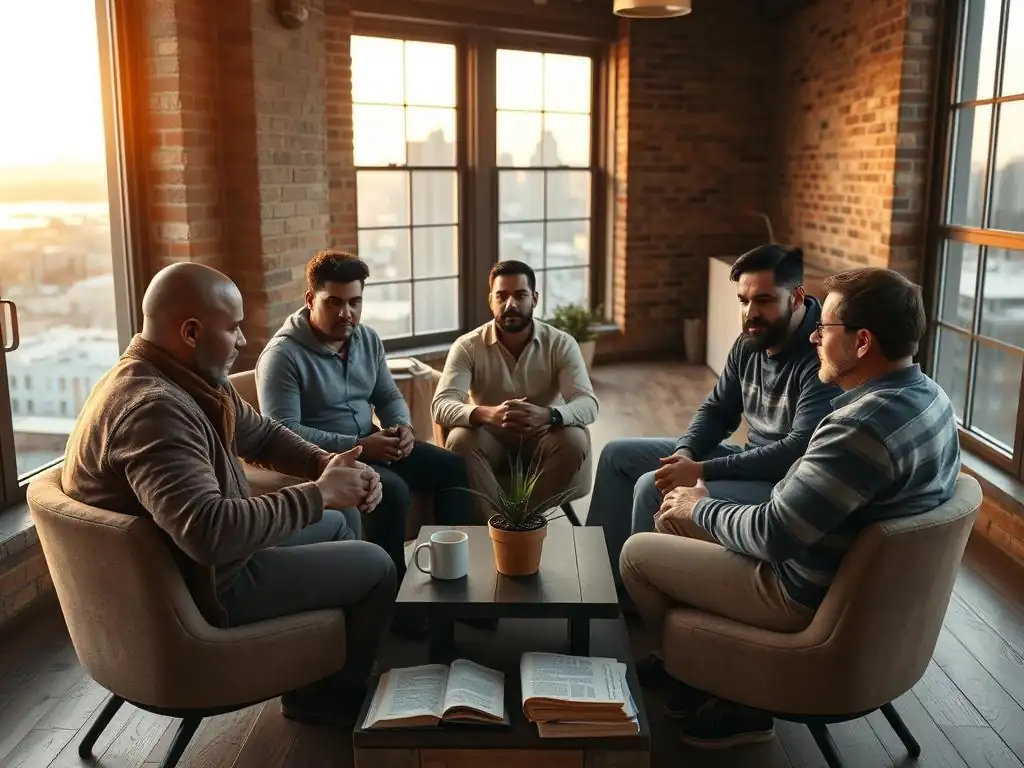
Welcome to Mind Care Guide.
Feeling overwhelmed? You're not alone. We understand the journey to mental well-being can be challenging, especially for men. That's why we're here to offer guidance and support. In this article, we delve into the vital role of men's mental health support groups and how finding your tribe can be a powerful step towards a healthier, happier you. Curious about how connection can transform your mental health? Let's explore together…
Building Your Tribe: The Power of Male Connection for Mental Wellbeing
- Understanding the Importance of Connection for Men's Mental Health
- The Power of Men’s Mental Health Support Groups
- Types of Men’s Mental Health Support Groups
- Benefits of Participating in Men's Support Networks
- Creating Your Own Male Support System
- Overcoming Barriers to Male Connection
- Resources for Men's Mental Health and Connection
- The Future of Men’s Mental Health: Embracing Connection and Support
-
Frequently Asked Questions
- What are Men's Mental Health Support Groups and why are they important?
- How can I find a suitable Men’s Mental Health Support Group near me?
- What are some of the benefits of joining a Men’s Mental Health Support Group?
- What if I feel uncomfortable sharing my feelings in a group setting?
- What kind of topics are typically discussed in Men’s Mental Health Support Groups?
- Final Reflection: The Unbreakable Thread of Brotherhood
- Unleash Your Inner Circle: Cultivate Deeper Male Connections Today!
Understanding the Importance of Connection for Men's Mental Health
The Silent Struggle: Why Men Often Avoid Seeking Mental Health Support
Historically, societal norms have often dictated that men should be strong, stoic, and self-reliant, suppressing emotions and vulnerability. This cultural conditioning creates a significant barrier to seeking help for mental health challenges.
Many men internalize the belief that expressing emotional distress or admitting to struggling is a sign of weakness, leading them to suffer in silence rather than reaching out to friends, family, or mental health professionals. This reluctance is a critical factor contributing to poorer mental health outcomes for men in some areas compared to women, despite similar or even higher rates of certain conditions like addiction and suicide.
Research consistently indicates that men are less likely than women to be diagnosed with mental health conditions, not necessarily because they experience them less, but because they are less likely to seek professional help. For instance, studies in various Western countries have shown that men are significantly less likely to access psychological therapies.
Data from the UK's National Health Service, for example, has highlighted that men make up a smaller proportion of those accessing talking therapies compared to women. This disparity underscores the profound impact of stigma and traditional gender roles on men's willingness to engage with the formal mental healthcare system.
Loneliness and Isolation: Impact on Male Mental Wellbeing
Loneliness is a pervasive issue with serious implications for mental health, and it disproportionately affects men in certain age groups and life stages. As men age or experience life transitions such as divorce, retirement, or the loss of a partner, their social networks can shrink significantly. Unlike women, who are often encouraged to maintain close friendships and express emotions openly, men's friendships may be more activity-based and less focused on emotional intimacy, making them more vulnerable to isolation when those activities cease or relationships change.
The impact of chronic loneliness on male mental wellbeing is substantial. Isolated men are at a higher risk of developing depression, anxiety, and substance abuse disorders. Furthermore, loneliness is a known risk factor for suicide, which tragically has a higher rate among men in many parts of the world compared to women.
For example, statistics from the World Health Organization and national health bodies frequently show that male suicide rates are two to four times higher than female rates. This stark reality highlights the urgent need to address male isolation and promote meaningful connection as a vital component of men's mental health support.
The Benefits of Male Camaraderie and Supportive Relationships
Cultivating strong, supportive relationships with other men provides a powerful antidote to isolation and offers significant benefits for mental wellbeing. These connections, often referred to as a "tribe" or support network, provide a space for shared experiences, mutual understanding, and emotional support that may not be found elsewhere. In these relationships, men can feel seen and heard by peers who may have faced similar challenges, whether related to work, family, relationships, or personal struggles.
Supportive male friendships offer a safe environment to navigate life's difficulties without the pressure of societal expectations. Within a trusted male network, men can feel more comfortable discussing vulnerabilities, seeking advice, and offering encouragement. This camaraderie fosters a sense of belonging and validation, which are fundamental human needs crucial for positive mental health. Engaging in shared activities, open conversations, and providing mutual support within these male bonds strengthens resilience and provides a buffer against stress and adversity.
The Power of Men’s Mental Health Support Groups
Men’s mental health support groups provide a unique and invaluable platform for men to connect with others who are navigating similar mental health challenges or life circumstances. In these groups, the shared experience of dealing with issues like depression, anxiety, grief, addiction, or relationship difficulties creates an immediate sense of understanding and empathy. Participants often find comfort in knowing they are not alone in their struggles, which can significantly reduce feelings of shame and isolation.
Sharing personal stories and listening to others who have faced similar battles fosters a powerful sense of solidarity. This collective experience validates individual feelings and challenges the internal narrative that one is uniquely flawed or suffering in isolation. Within a supportive group setting, men can learn from each other's coping strategies, gain new perspectives, and feel empowered by the resilience demonstrated by their peers. This shared journey towards healing is a cornerstone of the effectiveness of men’s mental health support groups.
Reducing Stigma Through Open Dialogue: Breaking Down Barriers in Men's Mental Health
One of the most significant contributions of men’s mental health support groups is their role in actively reducing the stigma surrounding mental health for men. By providing a safe space for open and honest dialogue about emotions, struggles, and vulnerabilities, these groups directly challenge the traditional male expectation of stoicism and silence. As men share their experiences and are met with acceptance and understanding rather than judgment, they begin to internalize a new narrative – one where seeking help and expressing feelings is a sign of strength, not weakness.
This process of open dialogue within a trusted male community helps to normalize mental health challenges. When men hear peers talk about their experiences with therapy, medication, or coping strategies, it makes these topics less taboo and more accessible.
Over time, participating in a men's support group can fundamentally shift a man's perspective on mental health, making him more likely to seek formal treatment if needed, encourage others to do the same, and advocate for greater awareness and resources for men’s mental health. The collective courage to speak openly in these groups creates ripples of change that help break down long-standing societal barriers.
Building Resilience and Coping Mechanisms within a Male Community
Men’s mental health support groups serve as practical training grounds for building resilience and developing effective coping mechanisms. Within the group, members share strategies that have worked for them, ranging from mindfulness techniques and exercise routines to communication skills and boundary setting. This peer-to-peer learning is often highly relatable and actionable, as it comes from men who have practical experience in applying these methods to real-life challenges.
Furthermore, the group itself acts as a source of resilience. Knowing that there is a dedicated group of men who understand and support you provides a crucial safety net during difficult times. The consistency of meetings and the reliable presence of fellow members offer stability and structure. Through group discussions, men can practice articulating their feelings, receive constructive feedback, and gain confidence in their ability to manage stress and emotional distress. This collective effort in navigating challenges strengthens individual coping skills and builds a shared sense of resilience within the male community.
Types of Men’s Mental Health Support Groups

Online Men's Support Groups: Accessibility and Convenience
Online men's support groups offer unparalleled accessibility and convenience, making them a vital resource for many men. These groups meet virtually through video conferencing, chat platforms, or dedicated forums, removing geographical barriers and allowing men to participate from the comfort and privacy of their own homes. This can be particularly beneficial for men living in rural areas with limited local resources, those with busy schedules, or individuals who feel more comfortable initially engaging in a less face-to-face format.
The flexibility of online platforms means that groups can meet at various times to accommodate different schedules, and some forums are accessible 24/7, providing support whenever it's needed. While the interaction is digital, many online men's support groups foster deep connections and a strong sense of community through consistent engagement and empathetic communication. They provide a stepping stone for men who may be hesitant to join an in-person group but are seeking the benefits of shared experience and peer support.
In-Person Men's Support Groups: Building Stronger Bonds
In-person men's support groups provide a different, yet equally valuable, type of connection. Meeting face-to-face allows for non-verbal cues, body language, and a sense of physical presence that can deepen the level of connection and trust among members. These groups typically meet regularly at a fixed location, such as a community center, church, or a therapist's office, creating a consistent and reliable rhythm for participants.
The shared physical space can foster a stronger sense of camaraderie and belonging. Informal interactions before or after meetings, or even engaging in group activities outside of the structured sessions, can further solidify bonds. For many men, the act of showing up in person, being present, and sharing a physical space with other men on a similar journey is a powerful experience that reinforces their commitment to their mental wellbeing and strengthens their support network.
Specialized Support Groups: Addressing Specific Challenges (e.g., Divorce, PTSD, Career Transition)
Beyond general men’s mental health support groups, there are numerous specialized groups tailored to specific challenges or life experiences that are particularly relevant to men. These groups provide a focused environment where men can connect with others who have direct, lived experience with a particular issue. Examples include groups for men navigating divorce or separation, veterans dealing with PTSD or reintegration, men coping with job loss or career changes, fathers discussing parenting challenges, or men recovering from specific types of trauma or addiction.
Participating in a specialized group allows for a deeper dive into the nuances of a particular challenge with others who truly understand the specific context and emotional landscape. For example, a group for divorced dads can address unique co-parenting issues and emotional fallout in a way that a general group might not. This specificity can make the support feel more relevant and targeted, fostering a stronger sense of validation and providing more directly applicable strategies for coping and healing.
Benefits of Participating in Men's Support Networks
Improved Emotional Regulation and Self-Awareness
Participating in men’s mental health support groups or informal male support networks significantly contributes to improved emotional regulation and self-awareness. In these safe spaces, men are encouraged to identify, articulate, and process their emotions, a skill that traditional male conditioning often discourages. Hearing others share their feelings provides a vocabulary and framework for understanding one's own internal state.
Through group discussions and feedback from peers, men can gain insights into their emotional triggers, behavioral patterns, and coping styles. This increased self-awareness is the first step towards developing healthier ways to manage stress, anger, sadness, and other challenging emotions. Learning to regulate emotions more effectively reduces impulsive reactions, improves decision-making, and fosters greater inner peace.
Enhanced Communication Skills and Conflict Resolution
Male support networks provide a valuable opportunity to practice and enhance communication skills, particularly regarding emotional expression and active listening. In a supportive group environment, men can practice talking about difficult topics openly and honestly, receiving encouragement and constructive feedback from peers. This builds confidence in their ability to communicate effectively in other areas of their lives, such as with partners, family, and colleagues.
Furthermore, navigating discussions within a group setting, which may involve differing perspectives or minor disagreements, offers practical experience in conflict resolution in a low-stakes environment. Learning to listen empathetically, express needs and boundaries clearly, and work towards mutual understanding are skills that are directly transferable and highly beneficial for improving all relationships and reducing interpersonal stress.
Reduced Feelings of Isolation and Shame
One of the most immediate and profound benefits of joining men’s mental health support groups is the significant reduction in feelings of isolation and shame. Loneliness and the belief that one is the only person struggling with a particular issue are incredibly heavy burdens. Stepping into a space filled with other men who understand, because they have walked a similar path, instantly alleviates this burden.
Hearing others share experiences that mirror one's own validates feelings and challenges the internal narrative that something is fundamentally wrong or shameful. This shared vulnerability creates powerful bonds and a sense of belonging. Knowing that there is a group of peers who accept you, flaws and all, dissolves the isolating walls of shame and opens the door to healing and connection.
Increased Self-Esteem and Confidence
As men engage in support networks and experience acceptance, understanding, and validation from their peers, their self-esteem and confidence naturally increase. The act of sharing one's story, being heard, and receiving support is inherently empowering. Successfully navigating challenges with the help of the group, or offering support to others, reinforces a sense of capability and purpose.
Witnessing the resilience and progress of other men in the group also serves as inspiration and proof that change is possible. As men develop better coping skills, improve their relationships through enhanced communication, and feel less isolated, their overall sense of self-worth grows. This increased confidence extends beyond the group, positively impacting their personal, professional, and social lives.
Creating Your Own Male Support System
Building a personal male support system, or "tribe," begins with identifying individuals who possess qualities that foster genuine connection and trust. Look for men with whom you share core values, interests, or life experiences. Trustworthiness is paramount; these are individuals with whom you feel safe being vulnerable and who you know will respect your privacy.
Empathy is another crucial trait. Seek out men who are capable of listening without judgment, who can understand and share the feelings of others, and who demonstrate genuine care and concern. Consider existing acquaintances, friends, or colleagues with whom you already feel a degree of connection or mutual respect. Think about the men in your life who make you feel comfortable being yourself and with whom you can have deeper conversations beyond superficial topics.
Initiating Meaningful Conversations and Building Trust
Once potential tribe members are identified, the next step is to intentionally initiate more meaningful conversations to build trust and deepen the connection. Move beyond casual chat about sports or work. Ask open-ended questions about their lives, challenges, and perspectives. Share aspects of your own life, including some vulnerabilities, in a gradual and appropriate manner. Building trust is a reciprocal process that requires both giving and receiving openness.
This doesn't mean immediately sharing your deepest struggles, but perhaps starting by discussing feelings about a shared experience, a challenge you're facing (like stress at work), or your thoughts on a significant life event. Active listening is key – show genuine interest in what they are saying, ask follow-up questions, and validate their feelings. Consistency in these interactions, even brief ones, builds rapport over time.
Organizing Regular Gatherings: Activities that Foster Connection
To maintain and strengthen your male support system, make an effort to organize regular gatherings. The nature of these gatherings can vary but should ideally include activities that foster connection beyond just passive interaction. While watching a game or having a drink can be enjoyable, incorporating activities that encourage conversation, collaboration, or shared experience can deepen bonds.
Consider activities like hiking, fishing, joining a recreational sports league, volunteering together, working on a project (like fixing something), or simply scheduling regular coffee or dinner meetups with the explicit intention of catching up on each other's lives. The key is consistency and creating opportunities for open communication and shared vulnerability within a comfortable setting. These regular touchpoints reinforce the bonds of your tribe and ensure that support is readily available when needed.
Overcoming Barriers to Male Connection
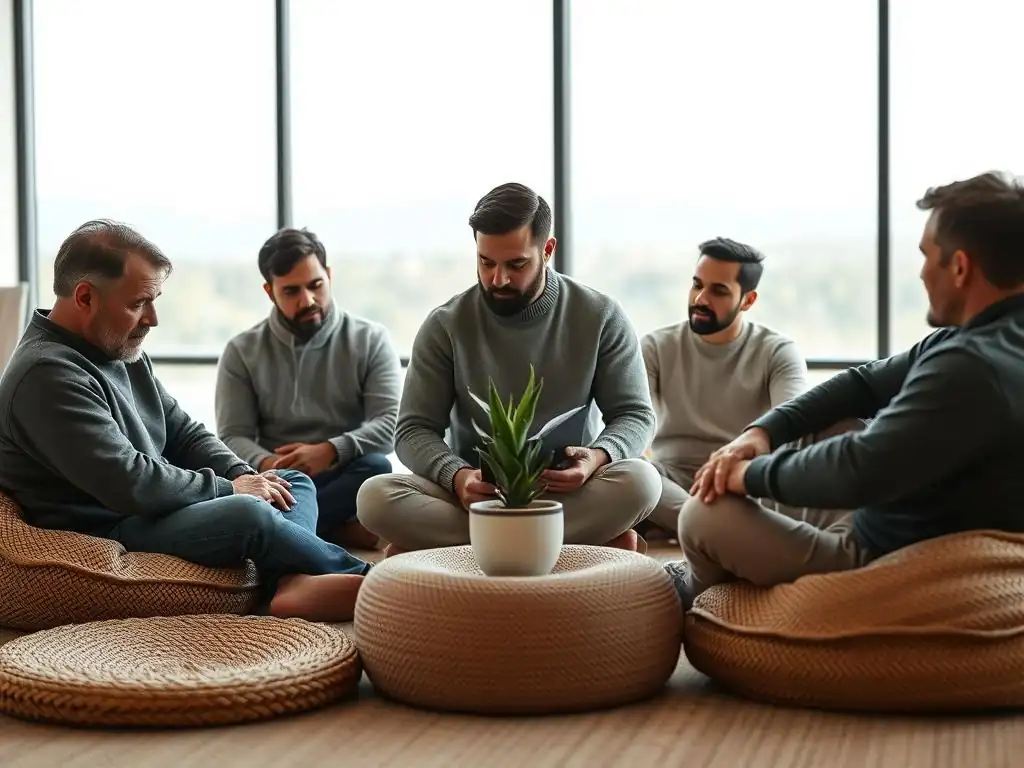
Addressing Societal Expectations and Gender Roles
Overcoming the barriers to male connection often requires directly addressing deeply ingrained societal expectations and traditional gender roles. The pressure to be the "strong, silent type," to avoid showing emotion, and to be fiercely independent can make it incredibly difficult for men to seek out and maintain supportive relationships. Challenging these norms starts with recognizing their influence on one's own behavior and beliefs.
Engaging in conversations within existing or potential support networks about these societal pressures can be a powerful way to dismantle them. Sharing experiences of feeling limited or burdened by these expectations helps to normalize the desire for connection and emotional expression. Actively choosing to behave in ways that counter these norms – by being vulnerable, expressing feelings, and prioritizing relationships – is a form of resistance that paves the way for healthier male connections.
Challenging the Stigma Surrounding Mental Health and Vulnerability
The pervasive stigma surrounding mental health is a major barrier preventing men from connecting deeply and seeking help. Many men fear being judged, seen as weak, or losing respect if they admit to struggling with their mental health or expressing vulnerability. Challenging this stigma is crucial for fostering genuine male connection.
This involves both internal work and external action. Internally, it means questioning personal biases about mental health and strength. Externally, it involves speaking openly about mental wellbeing (within comfortable limits), supporting friends who are struggling, and advocating for greater acceptance of emotional expression among men. Participating in or promoting men’s mental health support groups is a direct way to challenge this stigma by creating spaces where vulnerability is accepted and encouraged.
Practical Tips for Initiating and Maintaining Male Friendships
Initiating and maintaining male friendships requires intentional effort. Practical tips include being proactive in reaching out to potential friends – sending a text, suggesting a coffee, or inviting them to join an activity. Be consistent with follow-ups and make an effort to schedule regular time together, even if it's just a brief call or message.
When spending time together, practice active listening and show genuine interest in their lives. Be willing to share aspects of your own life, including challenges, to foster deeper trust. Offer support when you know a friend is going through a tough time, even if it's just listening. Remember that friendship is a two-way street; be reliable, supportive, and present for your friends, and they are more likely to reciprocate, strengthening the bonds of your male support system.
Resources for Men's Mental Health and Connection
Organizations Offering Men’s Mental Health Support
Numerous organizations are dedicated to providing resources and support specifically for men's mental health. These often offer helplines, online resources, information about treatment options, and directories for finding therapists or support groups. Examples include Movember, which focuses on men's health issues including mental health and suicide prevention, and local or national mental health associations that have specific programs or resources tailored for men.
These organizations play a crucial role in raising awareness, funding research, and providing accessible support pathways. They often have websites with valuable information about common mental health challenges faced by men and practical advice on seeking help. Exploring the resources offered by such organizations is a great first step for any man looking to understand men's mental health better or find support.
Online Forums and Communities for Male Connection
Beyond formal support groups, a wealth of online forums and communities provide platforms for male connection and discussion around mental wellbeing. These can range from moderated forums focused specifically on mental health topics to broader online communities where men discuss life challenges, hobbies, and shared interests, often leading to deeper connections and informal support.
While not a substitute for professional help, these online spaces can offer a sense of community, peer support, and a place to share experiences anonymously if desired. They provide accessibility for men who may not be ready for face-to-face interaction but are seeking connection and understanding from other men. Examples might include subreddits dedicated to specific mental health topics or online communities built around shared male experiences. Note: The quality and safety of online forums can vary, so it's important to choose reputable and moderated platforms.
Books and Podcasts Exploring Male Mental Wellbeing
Books and podcasts offer valuable insights and perspectives on male mental wellbeing, providing education and inspiration for men seeking to understand themselves better and improve their mental health. There are many titles by therapists, researchers, and men who have shared their personal journeys, covering topics like emotional intelligence for men, navigating masculinity in the modern world, overcoming trauma, and building healthy relationships.
Podcasts offer a dynamic way to engage with these topics, featuring interviews with experts, discussions among men about their experiences, and practical tips for improving mental health. Engaging with these resources can normalize the conversation around men's mental health, provide new tools and strategies for coping, and encourage men to seek out real-world connections and support, including men’s mental health support groups.
The Future of Men’s Mental Health: Embracing Connection and Support
The Role of Male Mentorship in Promoting Mental Wellbeing
Male mentorship plays a vital role in shaping the future of men's mental health by providing positive role models and guidance. Experienced men who are comfortable with emotional expression, healthy coping mechanisms, and seeking support can significantly influence younger men or peers who are navigating challenges. A mentor can offer practical advice, share wisdom gained through experience, and demonstrate what healthy masculinity looks like in practice.
Mentorship provides a non-clinical source of support and connection, offering a safe relationship where men can discuss challenges without fear of judgment. It helps to break cycles of unhealthy coping and encourages proactive approaches to mental wellbeing. Promoting mentorship programs and informal mentoring relationships is a powerful way to foster resilience and connection across generations of men.
Creating a Culture of Openness and Vulnerability Among Men
True progress in men's mental health hinges on creating a culture where openness and vulnerability are not only accepted but encouraged among men. This cultural shift requires challenging the ingrained beliefs that equate masculinity with stoicism and emotional suppression. It involves actively promoting the idea that expressing feelings, seeking help, and supporting others are signs of strength, not weakness.
This culture shift happens in many ways: through public awareness campaigns, media representation that shows diverse male emotional experiences, and importantly, within everyday interactions among men. Encouraging genuine conversations, being receptive when a male friend shares a struggle, and modeling vulnerability oneself contributes to building an environment where men feel safe to be their authentic selves and seek the support they need, including participating in men’s mental health support groups.
How to Advocate for Men’s Mental Health Resources in Your Community
Advocating for men’s mental health resources in your community is a tangible way to contribute to systemic change. This can involve supporting local or national organizations focused on men's health, volunteering for mental health initiatives, or raising awareness within your social and professional networks.
Consider initiating conversations about men's mental health in your workplace, community groups, or places of worship. Encourage local healthcare providers to offer more tailored services for men. Support the development and promotion of men’s mental health support groups in your area. By speaking up and taking action, you can help ensure that resources and support are more readily available and accessible for men who need them, fostering a community where connection and wellbeing are prioritized.
Frequently Asked Questions
What are Men's Mental Health Support Groups and why are they important?
Men's Mental Health Support Groups are safe spaces where men can connect, share experiences, and offer each other emotional support. They're important because they combat social isolation and encourage open communication, which are crucial for mental well-being.
How can I find a suitable Men’s Mental Health Support Group near me?
You can find groups through online directories like the Mind Care Guide, local community centers, or by asking your doctor or therapist for recommendations. Look for groups that align with your specific needs and interests.
What are some of the benefits of joining a Men’s Mental Health Support Group?
Joining a group can lead to reduced feelings of loneliness and isolation, improved coping skills, and a greater sense of belonging and understanding. It also provides a supportive network for navigating mental health challenges.
What if I feel uncomfortable sharing my feelings in a group setting?
It's perfectly normal to feel apprehensive. Start by simply listening and observing. You don't have to share until you feel comfortable and ready. Remember, these groups are built on trust and respect.
What kind of topics are typically discussed in Men’s Mental Health Support Groups?
Discussions can range from stress and anxiety to relationships, work-related issues, and personal challenges. The focus is on providing a supportive and non-judgmental environment for sharing and processing emotions.
Final Reflection: The Unbreakable Thread of Brotherhood
The crisis of male loneliness is not merely a statistic; it's a silent epidemic eroding the fabric of our communities. Men are suffering in silence, and the lack of readily available and accessible support networks is exacerbating the problem. This article has explored the vital role that strong male connections play in combating this crisis, highlighting the power of building your own tribe as a crucial step towards better mental wellbeing.
The impact of fostering genuine male connection extends far beyond individual mental health; it shapes our societal landscape. It challenges the outdated stereotypes of masculinity that often prevent men from seeking help, fostering a culture of vulnerability and shared experience. As Brené Brown so eloquently stated, Vulnerability is not weakness; it's our greatest measure of courage.
This rings especially true for men, who are often socialized to suppress their emotions and avoid seeking support. Building supportive networks allows men to break free from these harmful expectations and embrace a more authentic and fulfilling life.
You now hold the power to cultivate meaningful connections in your own life. Consider the men in your life – your friends, family, colleagues. Reach out. Initiate conversations. Create spaces where vulnerability is welcomed, not judged. Join a men's group, or start one yourself. The journey to better mental wellbeing isn't a solitary one; it's a shared experience, built on the foundation of brotherhood and mutual support. Take that first step today – your wellbeing, and the wellbeing of those around you, depends on it.
Unleash Your Inner Circle: Cultivate Deeper Male Connections Today!
Thanks for taking the time to explore the vital role of male connection in mental wellbeing. We hope you gained valuable insights into building stronger, more supportive relationships. Now it's time to put that knowledge into action!
- Prioritize one meaningful connection this week: Reach out to a male friend or family member – schedule a coffee, a hike, or even a quick phone call. This small step can make a big difference.
- Join a community focused on male connection: Explore local groups, online forums, or even start a small group with friends. Sharing experiences and vulnerabilities can be incredibly powerful.
- Share this article: Let's spread the word about the importance of male connection. Share this article on social media and inspire others to prioritize their wellbeing.
What's one small step you can take today to foster a deeper connection with the men in your life?