
Conversion Efforts Scars: Understanding the Mental Health Aftermath


Welcome to Mind Care Guide.
We understand that healing from deeply challenging experiences can feel like navigating a labyrinth of emotions. Are you searching for a path forward after enduring adversity? In this article, " Conversion Efforts Scars: Understanding the Mental Health Aftermath," we delve into the profound concept of Posttraumatic growth mental health, exploring how even in the wake of trauma, resilience and personal transformation are possible. Discover practical insights and supportive resources to help you or someone you care about find strength and growth beyond the scars. Let's explore the possibilities together.
Conversion Efforts Scars: Understanding the Mental Health Aftermath
- Introduction: The Lingering Impact of Conversion "Therapy" on Mental Well-being
-
Understanding the Mental Health Challenges Following Conversion Attempts
- Posttraumatic Stress Disorder (PTSD) and Conversion "Therapy" Survivors
- Increased Risk of Depression and Anxiety Disorders
- The Development of Complex Trauma (C-PTSD) in Conversion "Therapy" Survivors
- Substance Abuse and Self-Harm as Coping Mechanisms
- Suicidal Ideation and Attempts: A Critical Concern
- Posttraumatic Growth: The Potential for Healing and Resilience
- Addressing the Specific Trauma of Identity Rejection
- The Role of Therapy and Mental Health Support
- Addressing the Specific Trauma of Identity Rejection
- The Role of Therapy and Mental Health Support
- Legal and Ethical Considerations Regarding Conversion "Therapy"
- Resources for Healing and Support
- Conclusion: Moving Forward with Hope and Healing After Conversion Efforts
-
Frequently Asked Questions
- What is Posttraumatic Growth (PTG) and how does it relate to the mental health aftermath of conversion efforts?
- How can conversion efforts negatively impact someone's mental well-being?
- What are some common mental health challenges experienced by survivors of conversion efforts?
- What resources are available for individuals seeking support after experiencing conversion efforts?
- How can mental health professionals best support individuals who have experienced conversion efforts?
- Final Reflection: The Enduring Power of Posttraumatic Growth
- Uncover Your Path to Healing: Moving Forward After Conversion Efforts
Introduction: The Lingering Impact of Conversion "Therapy" on Mental Well-being
Conversion efforts, often misleadingly referred to as "conversion therapy," represent a range of dangerous and discredited practices aimed at changing an individual's sexual orientation or gender identity. These interventions are based on the false premise that being LGBTQ+ is a mental disorder or a moral failing that can be "cured." Far from offering therapeutic benefit, these practices inflict profound and lasting psychological harm, leaving survivors with significant mental health challenges. Understanding the scars left by these efforts is crucial for supporting survivors and advocating for their complete prohibition.
This article delves into the severe mental health consequences faced by individuals subjected to conversion efforts. It explores the specific psychological impacts, from acute trauma responses like PTSD to complex, long-term issues such as depression, anxiety, and suicidal ideation. Crucially, it also examines the concept of posttraumatic growth mental health – the potential for positive psychological change that can occur after experiencing such profound adversity. By acknowledging the trauma and highlighting pathways to healing, we aim to provide an informative and empathetic resource for survivors, their loved ones, and mental health professionals.
Defining Conversion Efforts and Their Harmful Nature
Conversion efforts encompass a wide array of techniques, ranging from counseling and spiritual interventions to more extreme methods like aversion therapy, shaming, and isolation. These practices lack any scientific validation and are actively opposed by every major medical and mental health organization worldwide, including the American Psychological Association, the American Medical Association, and the World Health Organization. They operate under the false assumption that a person's innate identity is something to be corrected or suppressed.
The core harm of conversion efforts lies in their fundamental rejection of a person's authentic self. Participants are often told their identity is wrong, sinful, or pathological, leading to immense internal conflict and self-hatred. Techniques employed can involve pressure, manipulation, and even physical or emotional abuse, all designed to force conformity to heterosexual or cisgender norms. This invalidation and coercion create a deeply damaging psychological environment, setting the stage for severe mental health issues that can persist for years or even a lifetime.
The Scope of the Problem: Prevalence and Target Demographics
Estimating the exact global prevalence of conversion efforts is challenging due to the clandestine nature of many practices. However, studies and reports from advocacy groups paint a concerning picture. A 2019 report by the Williams Institute at UCLA School of Law estimated that approximately 698,000 LGBTQ+ adults in the U.S. have received conversion efforts at some point in their lives, with roughly half of those receiving treatment as adolescents. This indicates that hundreds of thousands of individuals have been exposed to these harmful practices, often during critical developmental periods.
While individuals of all ages and backgrounds can be targeted, young people are particularly vulnerable, often being subjected to conversion efforts by well-meaning but misinformed parents or religious leaders. Transgender individuals and people of color within the LGBTQ+ community may face compounded risks due to intersecting forms of discrimination and lack of culturally competent support. The widespread nature of these practices, despite their condemnation by health authorities, underscores the urgent need for public awareness, legal prohibition, and accessible support for survivors.
Understanding the Mental Health Challenges Following Conversion Attempts
The psychological fallout from conversion efforts is extensive and severe. Survivors often grapple with a complex constellation of mental health issues directly linked to the trauma and invalidation they experienced. These challenges can manifest immediately after the intervention or develop over time, significantly impacting a survivor's quality of life, relationships, and overall well-being.
The trauma inflicted by conversion efforts is unique because it targets the core of an individual's identity. Being told that who you are is fundamentally wrong and requires changing is a profound betrayal, especially when this message comes from trusted figures or institutions. This section details some of the most common and serious mental health conditions associated with surviving conversion attempts, highlighting the depth of the psychological injury.
Posttraumatic Stress Disorder (PTSD) and Conversion "Therapy" Survivors
Posttraumatic Stress Disorder (PTSD) is a common and debilitating outcome for individuals who have undergone conversion efforts. The experience of being subjected to coercive and often abusive practices, coupled with the intense psychological pressure and invalidation, meets the criteria for a traumatic event. Survivors frequently experience intrusive memories, flashbacks, or nightmares related to their time in conversion programs. These can be triggered by specific places, people, or even certain smells or sounds associated with the experience.
Avoidance is another hallmark symptom of PTSD. Survivors may go to great lengths to avoid anything that reminds them of the conversion efforts, including people, conversations, or situations. This avoidance can severely limit their lives, making it difficult to form new relationships or engage in activities they once enjoyed. Furthermore, survivors often exhibit hyperarousal symptoms like heightened startle responses, irritability, difficulty concentrating, and sleep disturbances, constantly feeling on edge as a result of the prolonged stress and trauma they endured.
Increased Risk of Depression and Anxiety Disorders
Studies consistently demonstrate a significantly elevated risk of depression and anxiety disorders among survivors of conversion efforts compared to LGBTQ+ individuals who have not undergone such interventions. The constant message that their identity is flawed leads to deep-seated shame and internalized stigma, which are major drivers of depressive symptoms. Feelings of hopelessness, worthlessness, and persistent sadness are common, often accompanied by a loss of interest in activities and social withdrawal.
Anxiety disorders, including generalized anxiety disorder, social anxiety, and panic disorder, are also prevalent. The unpredictable and controlling nature of many conversion settings can instill a pervasive sense of fear and hypervigilance. Survivors may experience intense worry about future harm, fear of judgment, and difficulty trusting others. The anxiety can be so severe that it interferes with daily functioning, making it challenging to maintain employment, education, or healthy relationships.
The Development of Complex Trauma (C-PTSD) in Conversion "Therapy" Survivors
For many survivors, the trauma of conversion efforts is not a single event but a prolonged period of abuse, control, and invalidation, often occurring during formative years. This chronic exposure to trauma, particularly within interpersonal relationships (like with family or religious leaders involved in the efforts), can lead to the development of Complex Posttraumatic Stress Disorder (C-PTSD). C-PTSD includes the core symptoms of PTSD but also involves significant difficulties in emotional regulation, self-perception, relationship patterns, and systems of meaning.
Survivors of conversion efforts with C-PTSD may struggle with intense mood swings, feeling overwhelmed by emotions like shame, guilt, or anger. They often develop a negative self-concept, believing they are inherently bad or broken because of the messages they received. Relationships can be particularly challenging, marked by difficulty trusting others, fear of abandonment, or patterns of engaging in unhealthy dynamics learned during the conversion experience. Healing from C-PTSD requires addressing not just the traumatic memories but also rebuilding a sense of self and the capacity for healthy connection.
Substance Abuse and Self-Harm as Coping Mechanisms
In an attempt to cope with the overwhelming emotional pain, shame, and distress resulting from conversion efforts, some survivors turn to unhealthy coping mechanisms such as substance abuse or self-harm. Alcohol or drug use may be used to numb feelings, escape intrusive thoughts or memories, or alleviate severe anxiety and depression. While offering temporary relief, substance abuse ultimately exacerbates mental health problems and creates a cycle of dependency.
Self-harm behaviors, such as cutting, burning, or hitting oneself, can serve as a way to cope with intense emotional pain by creating a physical sensation that distracts from psychological suffering. For survivors of conversion efforts, self-harm can also be an expression of the internalized self-hatred and belief that they deserve punishment, deeply rooted in the shaming tactics used during the "therapy." These behaviors are serious indicators of distress and require urgent therapeutic intervention and support.
Suicidal Ideation and Attempts: A Critical Concern
Perhaps the most tragic and critical consequence of conversion efforts is the significantly elevated risk of suicidal ideation and attempts among survivors. Research, including studies by the Trevor Project, has shown that LGBTQ+ youth who reported undergoing conversion efforts were more than twice as likely to report attempting suicide in the past year compared to those who did not. For those who underwent conversion efforts before age 18, the risk was even higher.
The combination of intense psychological pain, hopelessness, internalized stigma, lack of support, and the invalidation of one's core identity creates a fertile ground for suicidal thoughts. Survivors may feel there is no escape from their pain or that their existence is fundamentally unacceptable. Addressing suicidal ideation requires immediate professional help, a safe and affirming environment, and comprehensive mental health support tailored to the specific trauma of identity-based harm.
Posttraumatic Growth: The Potential for Healing and Resilience
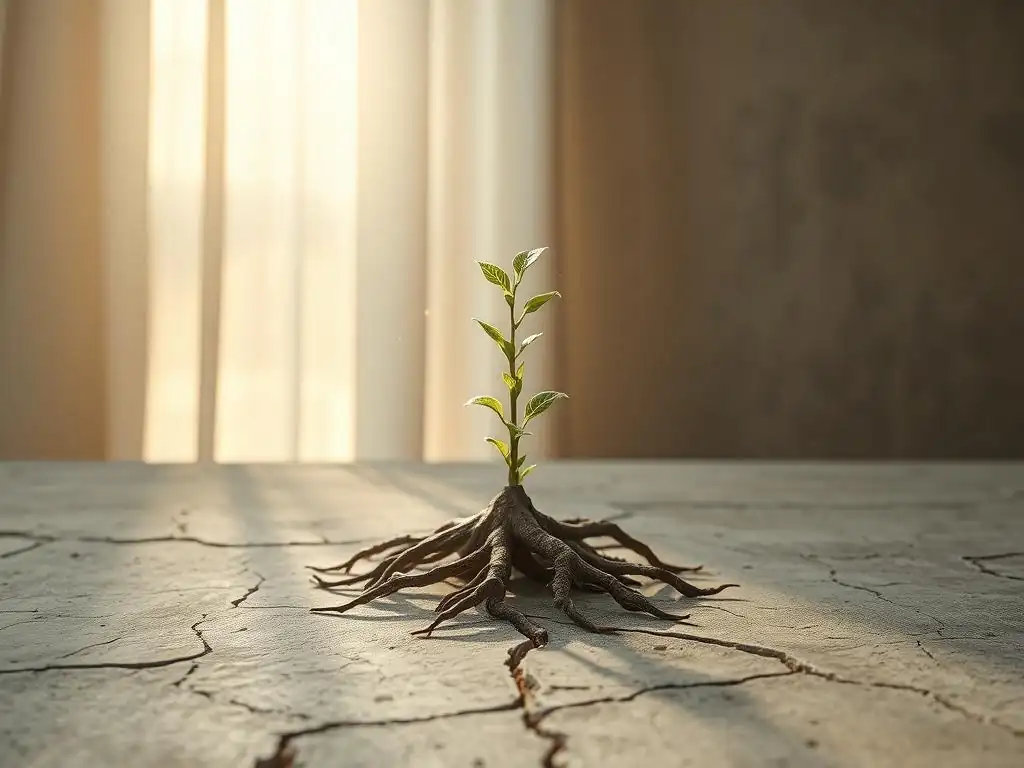
While the mental health aftermath of conversion efforts is devastating, it is crucial to acknowledge that healing and recovery are absolutely possible. Many survivors demonstrate incredible resilience and, over time, may even experience posttraumatic growth mental health. Posttraumatic growth is not about minimizing the trauma but recognizing that significant struggle can, for some individuals, lead to positive psychological changes and a deeper appreciation for life, relationships, and personal strength.
Focusing on posttraumatic growth mental health provides a framework for understanding how survivors can move beyond simply coping with trauma to finding new meaning and purpose. It emphasizes the capacity for human resilience and the potential for positive transformation in the face of extreme adversity. Supporting this growth is a key component of trauma-informed care for survivors of conversion efforts.
Defining Posttraumatic Growth (PTG) in the Context of Conversion "Therapy" Trauma
Posttraumatic Growth (PTG), as defined by researchers Richard Tedeschi and Lawrence Calhoun, refers to the positive psychological change experienced as a result of the struggle with a highly challenging life circumstance. It is distinct from resilience, which is the ability to bounce back to baseline functioning. PTG involves moving beyond the baseline, finding new perspectives and strengths that were not present before the trauma. In the context of conversion efforts, PTG doesn't mean the trauma was beneficial or deserved; rather, it acknowledges that the difficult process of surviving and healing can lead to profound personal development.
For survivors of conversion efforts, PTG might manifest in several domains: a greater appreciation for life and one's own identity, stronger relationships with supportive allies, a newfound sense of personal strength and resilience, spiritual or existential changes (potentially finding meaning outside of rejecting doctrines), and new possibilities or life paths discovered during the healing journey. Recognizing the potential for posttraumatic growth mental health is vital for instilling hope in survivors and guiding therapeutic interventions.
Identifying Factors that Promote Posttraumatic Growth
Several factors can facilitate posttraumatic growth mental health among survivors of conversion efforts. Access to affirming and trauma-informed mental health support is paramount. Therapists who understand LGBTQ+ identities and the specific harm of conversion efforts can provide a safe space for processing trauma and building coping skills. Social support from affirming friends, family, or LGBTQ+ community members is also critical, counteracting the isolation and rejection often experienced during conversion attempts.
Personal factors like a belief in one's ability to cope, finding meaning in the experience (perhaps through advocacy or helping others), and engaging in self-reflection and emotional processing also contribute to PTG. While the trauma itself is devastating, the active process of navigating its aftermath, seeking support, and reclaiming one's narrative are key drivers of positive change. Fostering these internal and external resources is essential for supporting survivors on their journey toward posttraumatic growth mental health.
Building Resilience: Strategies for Coping and Recovery
Building resilience is an active process that empowers survivors to navigate the ongoing challenges posed by the trauma of conversion efforts and foster posttraumatic growth mental health. Effective strategies focus on strengthening internal resources and building supportive external networks. One key strategy is developing healthy emotional regulation skills, learning to identify and manage intense feelings without resorting to harmful coping mechanisms. Mindfulness, deep breathing exercises, and grounding techniques can be particularly helpful.
Engaging in self-care is non-negotiable for recovery. This includes prioritizing adequate sleep, nutrition, and physical activity, which bolster both physical and mental health. Setting healthy boundaries in relationships, especially with individuals who may not be fully affirming, is also crucial for protecting one's well-being. Finally, connecting with a supportive community, whether through peer groups or affirming social circles, provides a sense of belonging and validation that counteracts the isolation and shame instilled by conversion efforts. Resilience is not about avoiding pain, but developing the capacity to move through it.
Addressing the Specific Trauma of Identity Rejection
The trauma inflicted by conversion efforts is deeply intertwined with the rejection of a person's fundamental identity – their sexual orientation or gender identity. This specific form of trauma creates unique challenges for healing, as it attacks the very core of who someone is. Addressing this identity-based trauma is central to recovery and fostering posttraumatic growth mental health.
Healing involves not only processing the traumatic events but also reclaiming a positive sense of self and identity that was undermined by the conversion efforts. This often requires dismantling internalized negative messages and building a foundation of self-acceptance and pride.
The Impact of Internalized Homophobia/Transphobia
Conversion efforts are potent engines for generating internalized homophobia and transphobia. When individuals are told repeatedly that their natural feelings or identity are wrong, sinful, or disordered, they may begin to believe these messages themselves. This internalized stigma can lead to significant psychological distress, self-hatred, and difficulty accepting one's true self. It acts as a constant internal critic, undermining self-esteem and perpetuating feelings of shame and guilt long after the formal conversion efforts have ended.
Internalized stigma can manifest in various ways, including difficulty forming intimate relationships, reluctance to be open about one's identity, self-sabotaging behaviors, and even continuing to try to change oneself through ineffective means. Overcoming internalized homophobia/transphobia is a critical step in the healing process, requiring conscious effort to challenge negative beliefs and replace them with self-affirming truths.
Reclaiming Identity and Self-Acceptance
A vital part of healing from the trauma of conversion efforts is the active process of reclaiming one's identity and cultivating self-acceptance. This involves rejecting the false narratives imposed by the conversion efforts and embracing one's authentic sexual orientation and/or gender identity. For many survivors, this is a journey of rediscovery and self-compassion. It may involve exploring LGBTQ+ history, culture, and community to build a sense of pride and belonging.
Therapeutic interventions can play a significant role in this process, helping survivors challenge internalized beliefs and build a positive self-image. Affirmation from supportive individuals and communities is also crucial, providing external validation that counteracts the invalidation previously experienced. Reclaiming identity is not just about intellectual acceptance; it's about integrating one's identity into a holistic sense of self, fostering authenticity and contributing to posttraumatic growth mental health.
Building a Supportive Community and Finding Affirmation
Isolation is a tool often used in conversion efforts, separating individuals from affirming influences. Therefore, building a strong, supportive community is essential for healing. Connecting with other LGBTQ+ individuals, particularly other survivors, can provide invaluable peer support, shared understanding, and a sense of not being alone in their experience. Support groups, both in-person and online, offer spaces to share stories, validate feelings, and learn coping strategies from others who have walked a similar path.
Finding affirmation means surrounding oneself with people who celebrate and respect one's identity. This can include choosing supportive friends, finding an LGBTQ+-affirming faith community (if spirituality is important), or connecting with LGBTQ+ advocacy organizations. Affirmation counteracts the messages of shame and rejection, providing a foundation of acceptance that is crucial for processing trauma and fostering posttraumatic growth mental health.
The Role of Therapy and Mental Health Support
Professional mental health support is often indispensable for navigating the complex trauma left by conversion efforts. Therapy provides a structured and safe environment to process the traumatic experiences, address resulting mental health conditions, and develop healthy coping mechanisms. However, it is crucial that this support comes from practitioners who are knowledgeable about the specific harms of conversion efforts and are affirming of LGBTQ+ identities.
Seeking therapy is a sign of strength and a proactive step towards healing. The right therapeutic approach, delivered by a competent and empathetic therapist, can significantly improve a survivor's mental health outcomes and facilitate their journey toward posttraumatic growth mental health.
Finding a Trauma-Informed Therapist Specializing in LGBTQ+ Issues
The effectiveness of therapy for survivors of conversion efforts hinges significantly on finding a therapist who is both trauma-informed and specializes in LGBTQ+ issues. A trauma-informed approach recognizes the widespread impact of trauma and understands potential paths for recovery, avoiding re-traumatization. Specialization in LGBTQ+ issues means the therapist is knowledgeable about the unique challenges faced by this population, including the specific harm caused by identity-based rejection and conversion efforts.
Survivors should seek therapists who explicitly state their affirmation of LGBTQ+ identities and their understanding of trauma. Resources like directories from LGBTQ+ mental health organizations or professional associations can help locate appropriate practitioners. It is important for survivors to feel safe, understood, and validated by their therapist, as this therapeutic relationship is foundational to the healing process.
Evidence-Based Therapies for Trauma Processing
Several evidence-based therapies have proven effective in helping individuals process traumatic experiences and address related symptoms like PTSD and C-PTSD. Trauma-Focused Cognitive Behavioral Therapy (TF-CBT) helps individuals process traumatic memories and develop coping skills. Eye Movement Desensitization and Reprocessing (EMDR) therapy is another widely used approach that helps individuals reprocess distressing memories, reducing their emotional impact.
Dialectical Behavior Therapy (DBT) can be particularly helpful for survivors with C-PTSD or those struggling with emotional regulation, self-harm, or suicidal ideation. DBT teaches skills in mindfulness, distress tolerance, emotion regulation, and interpersonal effectiveness. The choice of therapy should be collaborative between the survivor and their therapist, taking into account the individual's specific needs and experiences to best support their journey toward posttraumatic growth mental health.
Group Therapy and Peer Support Networks
In addition to individual therapy, group therapy and peer support networks can provide invaluable benefits for survivors of conversion efforts. Group therapy, led by a trained facilitator, offers a structured environment to process shared experiences, reduce feelings of isolation, and practice new coping skills. Hearing others' stories and witnessing their healing journeys can be incredibly validating and inspiring.
Peer support networks, whether formal or informal, connect survivors with others who have similar lived experiences. These groups provide a safe space for mutual support, understanding, and empowerment. Sharing strategies for coping, celebrating milestones in recovery, and simply knowing you are not alone in your struggle are powerful components of healing and fostering posttraumatic growth mental health.
Legal and Ethical Considerations Regarding Conversion "Therapy"

The severe mental health consequences of conversion efforts underscore the urgent need for legal and ethical action. These practices are not only ineffective but actively harmful, violating fundamental human rights and ethical principles of healthcare. Addressing the problem requires multifaceted efforts, including legislative bans, professional ethical guidelines, and accessible avenues for reporting harmful practices.
Protecting vulnerable individuals, particularly youth, from being subjected to these interventions is a primary concern. Legal and ethical frameworks play a crucial role in preventing future harm and holding perpetrators accountable, paving the way for survivors to heal and potentially experience posttraumatic growth mental health in a safer environment.
The Importance of Advocacy and Legislation
Advocacy efforts have been instrumental in raising public awareness about the dangers of conversion efforts and pushing for legislative bans. As of late 2023, over 20 U.S. states and hundreds of municipalities have enacted laws or regulations prohibiting licensed mental health professionals from practicing conversion "therapy" on minors. International bodies and several countries have also taken steps towards banning or condemning these practices.
Despite this progress, gaps remain, particularly regarding practices carried out by unlicensed individuals or religious entities, and those targeting adults. Continued advocacy is necessary to achieve comprehensive bans, educate policymakers, and ensure that legal protections are robust enough to shield all vulnerable individuals from this form of abuse. Legislation sends a powerful message that these practices are unacceptable and harmful, supporting the mental health and safety of LGBTQ+ individuals.
Reporting Conversion "Therapy" Practices
Survivors, their loved ones, or concerned individuals who encounter or suspect conversion efforts should be aware of how to report these practices. If the practice is being conducted by a licensed professional in a jurisdiction where it is banned, reporting can often be done through the state's licensing board. Many states have specific complaint processes for ethical violations.
For practices by unlicensed individuals or organizations, reporting options may include contacting local law enforcement if abuse or harm is suspected, consumer protection agencies, or LGBTQ+ advocacy organizations that track such incidents and can provide guidance. Reporting is crucial for holding practitioners accountable, potentially preventing others from being harmed, and contributing to the broader effort to eradicate these dangerous interventions.
Protecting Vulnerable Individuals from Harm
Protecting vulnerable individuals, especially minors, is the most pressing concern related to conversion efforts. Youth are often coerced into these practices by parents or guardians who may not understand the harm involved. Education for parents, educators, and community leaders about the dangers of conversion efforts and the importance of affirming LGBTQ+ identities is a critical preventative measure.
Creating safe and affirming environments in schools, homes, and communities reduces the vulnerability of LGBTQ+ youth and provides them with supportive alternatives. Policies that prohibit conversion efforts for minors are essential legal protections. Ultimately, protecting vulnerable individuals requires a societal shift towards full acceptance and affirmation of LGBTQ+ identities, ensuring that young people know they are loved and valued for who they are, fostering positive mental health from the outset.
Resources for Healing and Support
Embarking on the journey of healing after conversion efforts requires courage and access to appropriate support. Fortunately, there are numerous resources available specifically designed to help survivors process their trauma, address mental health challenges, and build fulfilling lives. These resources range from professional mental health services to peer support networks and crisis intervention.
Accessing these resources is a key step in facilitating recovery and fostering posttraumatic growth mental health. Survivors do not have to navigate this process alone; connecting with supportive individuals and organizations can make a profound difference in their healing journey.
LGBTQ+ Mental Health Organizations and Hotlines
Numerous national and local LGBTQ+ mental health organizations offer resources tailored to the unique needs of this community, including survivors of conversion efforts. Organizations like The Trevor Project focus on crisis intervention and suicide prevention for LGBTQ+ youth, providing vital hotline and textline services. The Jed Foundation also offers mental health resources for young adults.
Other organizations provide directories of affirming therapists, educational materials, and support groups. These organizations often understand the specific trauma of identity-based harm and can connect survivors with appropriate, culturally competent care. Reaching out to a hotline or exploring the resources offered by these groups can be a crucial first step towards finding help.
Online Support Groups and Forums
For many survivors, particularly those in areas with limited local resources or who prefer anonymity, online support groups and forums can be invaluable. These platforms offer a space to connect with other survivors, share experiences, gain validation, and offer mutual support. Moderated forums can provide a safe environment to discuss sensitive topics related to trauma and recovery.
While online resources should not replace professional therapy, they can serve as a powerful complement, reducing isolation and building a sense of community. Engaging with peers who understand the specific challenges of healing from conversion efforts can reinforce coping strategies and provide ongoing encouragement on the path towards posttraumatic growth mental health.
Conclusion: Moving Forward with Hope and Healing After Conversion Efforts
The scars left by conversion efforts are real and can have profound, lasting impacts on mental health. The trauma of being told one's identity is wrong leads to significant challenges, including increased risks of PTSD, depression, anxiety, substance abuse, self-harm, and tragically, suicidal ideation. Acknowledging the depth of this harm is the first step towards effective support and healing.
However, the narrative of survivors is not solely one of suffering. It is also a testament to the incredible resilience of the human spirit. With appropriate support, validation, and access to affirming mental health care, survivors can and do heal. They can process their trauma, reclaim their identities, build supportive communities, and develop healthy coping mechanisms. The potential for posttraumatic growth mental health is a powerful message of hope, demonstrating that even after experiencing such profound adversity, it is possible to find new strength, meaning, and a deeper appreciation for life and one's authentic self.
Emphasizing the Possibility of Recovery and Posttraumatic Growth
It is vital to consistently emphasize that recovery from the trauma of conversion efforts is not only possible but achievable for survivors. Healing is a journey, often challenging, but one that can lead to profound personal transformation. Focusing on the concept of posttraumatic growth mental health highlights the potential for positive change that can emerge from navigating this difficult experience.
Recovery involves processing the trauma, addressing mental health conditions, and rebuilding a positive sense of self and identity. It is a testament to the inner strength and resilience of survivors. By centering the possibility of recovery and posttraumatic growth mental health, we offer hope and empower survivors to take active steps towards a healthier, more fulfilling future, free from the shame and stigma imposed by conversion efforts.
Encouraging Self-Care and Seeking Support
For survivors of conversion efforts, prioritizing self-care is not a luxury but a necessity for healing and fostering posttraumatic growth mental health. This includes physical self-care like adequate rest and nutrition, as well as emotional self-care like practicing mindfulness, engaging in enjoyable activities, and setting healthy boundaries. Self-compassion is also crucial, counteracting the self-blame and shame instilled by the trauma.
Equally important is actively seeking and accepting support. Reaching out to trusted friends, family, or professional mental health providers is a sign of strength. Connecting with the LGBTQ+ community and survivor networks provides invaluable validation and shared experience. Healing from the scars of conversion efforts is a collaborative process; survivors deserve and need comprehensive support to reclaim their lives and thrive.
Frequently Asked Questions
What is Posttraumatic Growth (PTG) and how does it relate to the mental health aftermath of conversion efforts?
PTG refers to positive psychological change experienced as a result of struggling with highly challenging life circumstances. In the context of conversion efforts, it explores the possibility of finding meaning and strength after experiencing trauma.
How can conversion efforts negatively impact someone's mental well-being?
Conversion efforts often lead to significant mental health challenges including anxiety, depression, and PTSD due to the inherent invalidation and harm they inflict on an individual's identity and sense of self.
What are some common mental health challenges experienced by survivors of conversion efforts?
Common challenges include internalized homophobia/transphobia, low self-esteem, difficulty with intimacy, and an increased risk of suicidal ideation and attempts. Addressing these requires specialized therapeutic support.
What resources are available for individuals seeking support after experiencing conversion efforts?
Several organizations offer mental health support and advocacy for survivors, including LGBTQ+ affirming therapists and crisis hotlines. Finding community and validation is also crucial for healing.
How can mental health professionals best support individuals who have experienced conversion efforts?
Therapists should provide a safe and affirming space, utilizing trauma-informed care approaches and focusing on identity exploration and acceptance. Understanding the specific harms of conversion efforts is essential.
Final Reflection: The Enduring Power of Posttraumatic Growth
The scars of conversion efforts, often invisible, leave a lasting impact on mental health, highlighting the urgent need for compassionate understanding and proactive support. The journey toward healing isn't merely about overcoming trauma; it's about recognizing the potential for profound personal growth that can emerge from adversity. This potential, however, requires acknowledgement and nurturing.
The exploration of posttraumatic growth within the context of conversion efforts reveals a complex interplay between suffering and resilience. It underscores the importance of recognizing that the experience, while deeply painful, doesn't define the individual's future. The journey towards healing is often long and arduous, but the capacity for growth is inherent. The oak sleeps in the acorn; the bird waits in the egg; and in the highest vision of the soul a waking angel stirs. Dreams are the seedlings of realities.
This quote beautifully captures the potential for transformation that lies dormant within even the most challenging experiences.
You, the reader, are now equipped with a deeper understanding of the mental health implications of conversion efforts and the possibility of posttraumatic growth. Consider how this knowledge can inform your interactions with others, fostering empathy and promoting a culture of support. Take a moment to reflect on your own experiences with adversity – what seeds of growth might be hidden within them? Embrace the opportunity to cultivate resilience and nurture the potential for transformation within yourself and within your communities. Let's work together to create a world where healing and growth are not just possibilities, but realities.
Uncover Your Path to Healing: Moving Forward After Conversion Efforts
Thanks for taking the time to explore the mental health impacts of conversion efforts. We hope this article provided valuable insights into the challenges and pathways to recovery. Now, let's focus on your next steps towards healing and well-being.
- Prioritize self-care: Identify one small act of self-compassion you can implement today, whether it's a relaxing bath, a mindful walk, or connecting with a supportive friend. This is crucial for your journey.
- Seek professional support: If you’re struggling, consider reaching out to a therapist specializing in trauma or religious trauma. They can provide personalized guidance and support.
- Share your story (if you feel comfortable): Connecting with others who understand can be incredibly powerful. Consider sharing your experiences (anonymously if preferred) in a supportive online community or with a trusted friend.
What small step will you take today to nurture your mental well-being?