
Fueling Focus: Nutrition Strategies for the Athlete's Mind Under Pressure


Welcome to Mind Care Guide, your sanctuary for understanding and nurturing mental well-being. Feeling the pressure to perform? This month, we dive deep into how optimal nutrition can unlock the mental focus so crucial for athletes under pressure. Curious how to fuel your mind for peak performance? Let's explore the powerful connection between food and focus in " Fueling Focus: Nutrition Strategies for the Athlete's Mind Under Pressure." Discover practical strategies and insights that will help you or the athlete you care about thrive, both on and off the field.
Fueling Focus: Nutrition Strategies for the Athlete's Mind Under Pressure
- Understanding the Athlete's Mental Landscape Under Pressure
- Optimal Nutrition for Athlete Mental Focus: Key Nutrients and Strategies
- Strategic Meal Timing for Peak Mental Performance
- Essential Vitamins and Minerals for Athlete Mental Focus
- Addressing Common Nutritional Deficiencies in Athletes
- Practical Tips for Implementing a Focus-Fueling Diet
- Managing Stress and Anxiety Through Nutrition
- The Long-Term Benefits of Optimal Nutrition for Athlete Mental Health
- Expert Perspectives: Nutritionists and Sports Psychologists on Fueling Athlete Focus
- Further Resources for Athletes Seeking to Optimize Mental Focus Through Nutrition
-
Frequently Asked Questions
- How does nutrition impact an athlete's mental focus under pressure?
- What are some key nutrients athletes should prioritize for mental clarity?
- What role does hydration play in maintaining mental focus for athletes?
- Can specific foods or diets negatively affect an athlete's mental focus?
- How can athletes integrate nutritional strategies to improve mental resilience?
- Final Reflection: Cultivating the Mind's Peak Performance Through Nutrition
- Unlock Your Peak Performance: Fuel Your Mind and Body
Understanding the Athlete's Mental Landscape Under Pressure
The Unique Cognitive Demands of Athletic Performance
Athletic performance isn't solely about physical prowess; it heavily relies on intricate cognitive functions, especially under the intense scrutiny and pressure of competition. Athletes must process vast amounts of information rapidly, from analyzing opponent movements and environmental cues to executing complex motor skills flawlessly. This requires sustained attention, quick decision-making, effective working memory, and the ability to adapt plans instantly.
Consider a basketball point guard needing to read the defense, decide on a play, and execute a pass or shot within seconds, all while managing fatigue and crowd noise. This level of cognitive load is significantly higher than in many non-athletic tasks and demands a brain functioning at its peak.
Furthermore, athletes face unique challenges related to emotional regulation and stress management. The pressure to perform, the fear of failure, and the need to maintain composure in high-stakes situations place considerable strain on mental resources. The ability to stay focused, block out distractions, and maintain confidence despite setbacks is crucial. This mental resilience is not innate; it is developed through training and significantly influenced by physiological factors, including nutrition. Optimal nutrition for athlete mental focus supports the neurochemical processes necessary for these demanding cognitive tasks.
How Pressure Impacts an Athlete's Brain Function
When an athlete experiences pressure, the body initiates a stress response, primarily involving the release of hormones like cortisol and adrenaline. While these hormones can initially enhance physical readiness, chronic or overwhelming stress can negatively impact brain function. Elevated cortisol levels, for example, have been linked to impaired memory, reduced attention span, and difficulty with complex problem-solving. This can manifest as an athlete "choking" under pressure, making uncharacteristic errors, or struggling to maintain strategic thinking.
The brain's prefrontal cortex, responsible for executive functions like decision-making, planning, and impulse control, is particularly vulnerable to stress. Under pressure, blood flow can be diverted away from this area to more primal survival centers, leading to a decline in sophisticated cognitive processing. This highlights why strategies focused on mitigating the negative effects of stress on the brain are vital for athletes. Nutrition plays a critical role in modulating the stress response and providing the brain with the resources needed to function optimally even when challenged.
The Gut-Brain Axis: A Key Connection for Mental Performance
The gut-brain axis is a bidirectional communication network linking the central nervous system (brain) and the enteric nervous system (gut). This connection is mediated by various pathways, including nerves (like the vagus nerve), hormones, and the immune system, but crucially, by the gut microbiome – the trillions of microorganisms residing in the digestive tract. The composition and health of this microbiome have profound effects on mood, stress response, and cognitive function.
Emerging research indicates that an imbalanced gut microbiome (dysbiosis) can negatively affect mental well-being and focus. For instance, gut microbes produce neurotransmitters like serotonin (a significant portion of the body's serotonin is produced in the gut) and gamma-aminobutyric acid (GABA), which influence mood and anxiety. They also produce short-chain fatty acids (SCFAs) like butyrate, which nourish gut cells and have anti-inflammatory effects that can benefit the brain. Therefore, supporting a healthy gut microbiome through diet is an increasingly recognized strategy for promoting optimal nutrition for athlete mental focus.
Optimal Nutrition for Athlete Mental Focus: Key Nutrients and Strategies
The Importance of Brain-Boosting Foods for Athletes
Specific foods contain nutrients that are particularly beneficial for brain health and cognitive function. These "brain-boosting" foods often provide essential fatty acids, antioxidants, vitamins, and minerals that support neurotransmitter synthesis, protect against oxidative stress, and maintain brain structure. Examples include fatty fish rich in omega-3s, berries loaded with antioxidants, leafy greens providing folate and vitamins, and nuts and seeds offering healthy fats and vitamin E.
Incorporating a variety of these foods into an athlete's daily diet provides the foundational support for mental acuity and resilience. For instance, omega-3 fatty acids, particularly DHA, are major structural components of brain cell membranes and are critical for communication between neurons. Studies suggest higher omega-3 intake is associated with improved cognitive function and reduced symptoms of anxiety and depression. Prioritizing these nutrient-dense options is a core component of achieving optimal nutrition for athlete mental focus.
Hydration's Role in Cognitive Function and Focus
Dehydration, even at mild levels (as low as 1-2% loss of body weight), can significantly impair cognitive function. Symptoms include reduced concentration, decreased alertness, impaired short-term memory, and difficulty performing complex tasks. Athletes, due to intense training and competition, are at high risk of dehydration if fluid intake is not meticulously managed. The demands of performance often lead to substantial sweat losses, depleting both water and electrolytes.
Maintaining adequate hydration is fundamental for supporting blood flow to the brain, which ensures the delivery of oxygen and nutrients necessary for optimal function. It also helps regulate body temperature, preventing heat stress which can further compromise cognitive performance. Athletes must develop personalized hydration strategies based on factors like sweat rate, environmental conditions, and exercise intensity. Consuming fluids consistently throughout the day, not just during exercise, is crucial for sustaining focus.
Macronutrient Balance: Fueling Both Body and Mind
The balance of macronutrients – carbohydrates, proteins, and fats – is critical not only for physical energy and recovery but also for mental function. Carbohydrates are the primary energy source for the brain; insufficient intake can lead to fatigue, poor concentration, and irritability. However, the type of carbohydrate matters. Complex carbohydrates from whole grains, fruits, and vegetables provide a steady release of glucose, preventing blood sugar spikes and crashes that can negatively impact focus.
Protein provides amino acids, the building blocks for neurotransmitters like dopamine and norepinephrine, which are vital for attention, motivation, and mood. Adequate protein intake also supports muscle repair and satiety, helping athletes feel physically and mentally stable. Healthy fats, particularly monounsaturated and polyunsaturated fats, are essential for brain structure and function. Omega-3 fatty acids, as mentioned, are crucial, but other fats also play roles in cell membrane health. Achieving the right balance tailored to the athlete's sport, training phase, and individual needs is key to optimal nutrition athlete mental focus.
Strategic Meal Timing for Peak Mental Performance
Pre-Competition Nutrition for Enhanced Mental Acuity
The meal consumed in the hours leading up to competition plays a significant role in both physical energy levels and mental readiness. The primary goal is to provide a readily available source of glucose for the brain and muscles without causing gastrointestinal distress. A meal 2-4 hours before competition should typically be moderate in carbohydrates, low in fat and fiber (to facilitate digestion), and contain some protein. For example, oatmeal with a small amount of fruit and nuts, or chicken breast with rice and cooked vegetables.
Closer to competition (30-60 minutes), a small, easily digestible carbohydrate snack can top off glucose stores and provide a mental boost. Examples include a banana, a small energy bar, or a sports drink. Avoiding large amounts of sugar right before performance is important for preventing reactive hypoglycemia, which can impair focus. The timing and composition should be practiced during training to determine what works best for the individual athlete's body and mind.
Nutrition During Competition: Maintaining Focus and Energy Levels
For events lasting longer than 60-90 minutes, consuming carbohydrates during competition is essential to maintain blood glucose levels, delay fatigue, and preserve cognitive function. The recommended intake typically ranges from 30-60 grams of carbohydrates per hour, depending on the duration and intensity of the activity. This can come from sports drinks, gels, chews, or easily digestible snacks like fruit or pretzels.
Maintaining hydration is equally crucial during competition. Athletes should aim to replace fluids lost through sweat, often consuming 0.5-1.0 liters of fluid per hour, potentially with electrolytes, especially sodium, to aid absorption and prevent hyponatremia. Consistent fueling and hydration during prolonged efforts help prevent the mental fog and decision-making errors that can occur when energy stores are depleted or dehydration sets in. This mid-event nutrition strategy is vital for sustaining optimal nutrition for athlete mental focus throughout demanding performances.
Post-Competition Recovery: Replenishing Nutrients and Reducing Stress
Recovery nutrition is not just about physical repair; it's also about restoring the mental resources depleted during competition and managing the physiological stress response. Consuming carbohydrates and protein within the first 30-60 minutes post-exercise is key for replenishing muscle glycogen stores and initiating muscle protein synthesis. This quick recovery helps stabilize blood sugar and provides amino acids needed for neurotransmitter synthesis, supporting mood and cognitive restoration.
Beyond the immediate window, a balanced meal containing complex carbohydrates, lean protein, healthy fats, and plenty of fruits and vegetables provides antioxidants and anti-inflammatory compounds that help combat the oxidative stress induced by intense exercise. Foods rich in magnesium, omega-3s, and B vitamins can be particularly helpful in calming the nervous system and supporting brain recovery. Adequate post-competition nutrition contributes to faster physical and mental bounce-back, preparing the athlete for future training and reducing the cumulative impact of stress.
Essential Vitamins and Minerals for Athlete Mental Focus
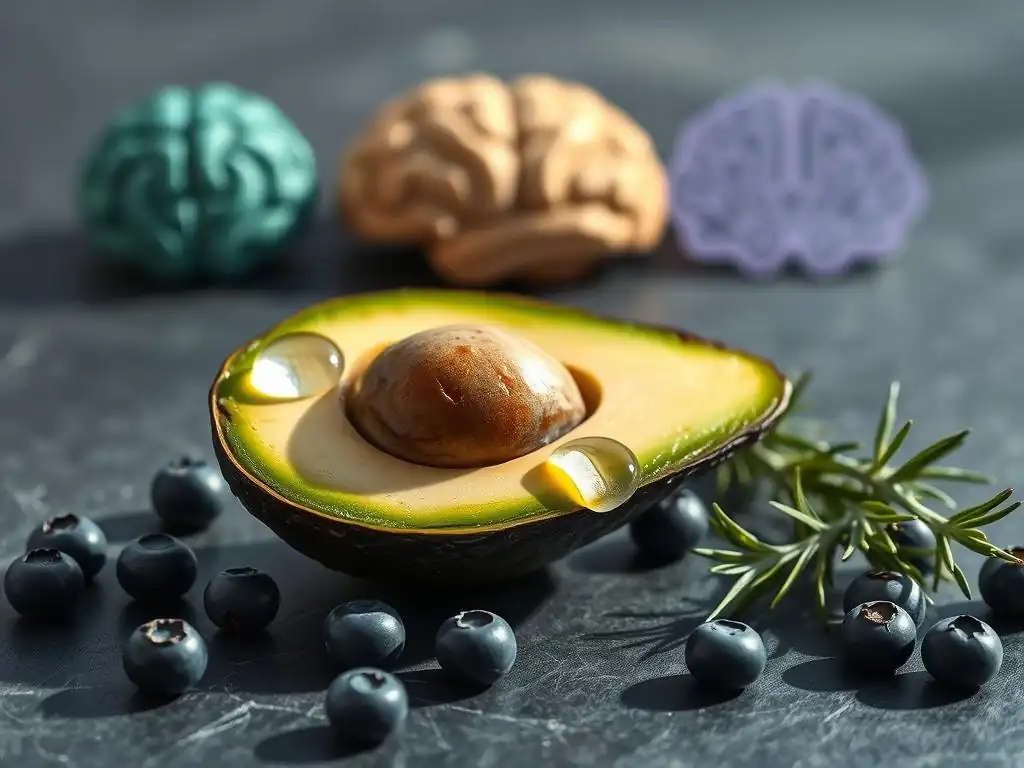
Vitamin D: Impact on Mood and Cognitive Function in Athletes
Vitamin D, often synthesized through sun exposure, plays a critical role beyond bone health; it acts more like a hormone in the body and has receptors in various brain regions associated with mood, learning, and memory. Low levels of Vitamin D have been linked to increased risk of depression, seasonal affective disorder, and impaired cognitive performance in the general population. While data specifically on athletes is still growing, some studies suggest a correlation between Vitamin D status and mood or performance.
Many athletes, particularly those training indoors or living at higher latitudes during winter months, are at risk of Vitamin D deficiency. For example, studies in certain athlete populations have shown deficiency rates ranging from 30% to over 50%. Ensuring adequate Vitamin D levels, either through safe sun exposure, fortified foods, or supplementation under guidance, is an important consideration for supporting overall well-being and potentially enhancing optimal nutrition athlete mental focus.
B Vitamins: Supporting Nerve Function and Energy Production
The B vitamins (B1, B2, B3, B5, B6, B7, B9, B12) are a group of water-soluble vitamins essential for numerous metabolic processes, including energy production and nerve function. They are particularly vital for the synthesis of neurotransmitters like serotonin, dopamine, and norepinephrine, which regulate mood, motivation, and focus. Deficiencies in B vitamins, especially B12 and folate (B9), can lead to fatigue, irritability, poor concentration, and even neurological symptoms.
Athletes, with their higher energy expenditure and potential for increased nutrient losses through sweat, may have higher requirements or be at risk of deficiency if their diet is not well-balanced, particularly for those following restrictive diets. For instance, Vitamin B12 deficiency is a concern for vegan athletes if not supplemented. Ensuring adequate intake of B vitamins through whole grains, lean meats, fish, eggs, dairy, legumes, and leafy greens is fundamental for supporting the nervous system and maintaining mental energy crucial for optimal nutrition athlete mental focus.
Magnesium: Reducing Stress and Promoting Relaxation
Magnesium is an essential mineral involved in over 300 enzymatic reactions in the body, including those related to nerve and muscle function, energy production, and protein synthesis. It also plays a significant role in the body's stress response system. Magnesium helps regulate neurotransmitters that calm the nervous system and can bind to GABA receptors, promoting relaxation and reducing anxiety. Low magnesium levels have been associated with increased stress, anxiety, and difficulty sleeping.
Athletes may be at increased risk of magnesium deficiency due to higher losses through sweat and increased demand for energy metabolism. Some estimates suggest up to 15-20% of athletes may have inadequate magnesium intake. Including magnesium-rich foods like leafy greens, nuts, seeds, legumes, and whole grains in the diet is a practical strategy. Adequate magnesium intake contributes to reduced muscle cramps and fatigue but also supports a calmer mental state, which is invaluable when dealing with the mental demands of performance pressure.
Iron: Preventing Fatigue and Enhancing Cognitive Performance
Iron is a crucial mineral necessary for transporting oxygen in the blood (as part of hemoglobin) and muscles (as part of myoglobin), as well as for energy metabolism. Iron deficiency, even without progressing to full-blown anemia, can cause significant fatigue, weakness, and impaired cognitive function, including reduced attention span and concentration. This has a direct negative impact on an athlete's ability to train effectively and perform mentally under pressure.
Female athletes, endurance athletes, and vegetarian/vegan athletes are at higher risk of iron deficiency. Regular monitoring of iron status through blood tests is often recommended for these groups. Dietary sources of iron include red meat (heme iron, more easily absorbed), poultry, fish, beans, lentils, spinach, and fortified cereals (non-heme iron). Combining non-heme iron sources with Vitamin C can enhance absorption. Preventing iron deficiency is a critical step in ensuring adequate energy levels and maintaining mental sharpness for optimal nutrition athlete mental focus.
Addressing Common Nutritional Deficiencies in Athletes
Identifying Potential Deficiencies Through Blood Tests
Identifying nutritional deficiencies in athletes often requires more than just observing symptoms, as early-stage deficiencies may have subtle or non-specific signs like fatigue or decreased performance that could be attributed to other factors. Blood tests provide objective data on the athlete's status for key nutrients such as iron (ferritin, hemoglobin), Vitamin D, Vitamin B12, and sometimes magnesium or zinc depending on the suspected deficiency and athlete's diet. For example, ferritin levels are a key indicator of iron stores and can reveal depletion before anemia develops.
Working with a sports physician or registered dietitian/sports nutritionist is crucial for interpreting blood test results in the context of an athlete's intense training load and specific needs. What might be considered a "normal" range for a sedentary individual may not be optimal for an athlete striving for peak physical and mental performance. Regular testing, perhaps annually or more frequently if risk factors are present or symptoms appear, allows for proactive intervention before a deficiency significantly impacts health and performance.
Supplementation Strategies: When and How to Supplement
While a food-first approach is always the foundation of optimal nutrition for athlete mental focus, supplementation may be necessary to correct identified deficiencies or support specific needs that cannot be met through diet alone. Common supplements for athletes include Vitamin D (especially in winter), iron (for confirmed deficiency), B vitamins (for those with restricted diets or malabsorption issues), and omega-3 fatty acids. Magnesium supplementation might be considered if dietary intake is insufficient and symptoms like muscle cramps or poor sleep are present.
However, supplementation should be strategic and guided by a qualified professional. Taking high doses of supplements without a diagnosed deficiency can be ineffective, potentially harmful, or interfere with the absorption of other nutrients. The professional can recommend the appropriate type, dosage, and timing of supplements based on blood test results, dietary analysis, and the athlete's specific circumstances. They can also ensure that supplements are third-party tested for banned substances, a critical consideration for competitive athletes.
The Importance of a Balanced Diet Over Reliance on Supplements
It is essential to emphasize that supplements are intended to supplement a diet, not replace it. A balanced diet provides a complex matrix of vitamins, minerals, fiber, antioxidants, and phytochemicals that work synergistically to support health and performance in ways that single supplements often cannot replicate. Relying heavily on supplements while neglecting whole foods can lead to missing out on beneficial compounds and potentially consuming excessive amounts of certain nutrients, leading to imbalances.
Focusing on building a diet rich in variety from all food groups – fruits, vegetables, whole grains, lean proteins, dairy or fortified alternatives, and healthy fats – provides the broadest spectrum of nutrients needed for both physical and mental well-being. A well-planned diet naturally supports energy levels, recovery, and cognitive function. Supplements should only be used to fill specific, identified gaps or provide targeted support under expert guidance, reinforcing the principle that optimal nutrition athlete mental focus starts with the plate.
Practical Tips for Implementing a Focus-Fueling Diet
Meal Planning for Athletes: Sample Meal Plans and Recipes
Effective meal planning is fundamental for consistently achieving optimal nutrition athlete mental focus. This involves scheduling meals and snacks around training sessions and competition, ensuring adequate nutrient intake throughout the day. A sample day might include:
- Breakfast (pre-training): Oatmeal with berries and nuts, or eggs with whole-wheat toast.
- Post-training snack: Protein smoothie with fruit, or Greek yogurt with granola.
- Lunch: Large salad with lean protein (chicken, fish, beans), complex carbohydrates (quinoa, sweet potato), and healthy fats (avocado, olive oil dressing).
- Afternoon snack: Apple slices with almond butter, or a handful of trail mix.
- Dinner: Baked salmon or lean beef with brown rice or pasta and plenty of roasted vegetables.
- Evening snack (if needed): Cottage cheese or a small bowl of cereal.
Creating a weekly meal plan helps athletes grocery shop efficiently and prepare meals in advance, reducing the likelihood of relying on less nutritious, convenience foods when time is short. Access to simple, nutrient-dense recipes that are quick to prepare can make adherence much easier.
Smart Snacking Strategies to Maintain Focus Throughout the Day
Strategic snacking is crucial for athletes to maintain consistent energy levels and prevent drops in blood sugar that can impair focus and mood. Snacks should ideally combine carbohydrates for energy with protein or healthy fats to promote satiety and provide sustained release of glucose. This helps bridge the gap between meals and supports continuous brain function.
Examples of smart snacks include:
- A piece of fruit with a small handful of almonds or walnuts.
- Greek yogurt with a sprinkle of granola or fruit.
- Rice cakes with avocado or nut butter.
- Hard-boiled eggs.
- Edamame.
- A small trail mix portion (nuts, seeds, dried fruit).
These snacks help stabilize blood sugar, provide essential nutrients, and keep the athlete feeling fueled and mentally sharp throughout demanding training schedules or long academic/work days. Planning 2-3 snacks between main meals can be highly effective.
Avoiding Processed Foods and Sugary Drinks for Optimal Mental Clarity
While occasional treats are fine, a diet high in processed foods, refined sugars, and unhealthy fats can negatively impact both physical health and mental clarity. These foods often lack essential nutrients, can cause significant fluctuations in blood sugar, and contribute to inflammation, which may adversely affect brain function. For example, a sugary drink provides a quick energy spike followed by a crash, leading to fatigue and difficulty concentrating.
Processed snacks, fast food, and excessive consumption of sugary beverages should be limited. Instead, athletes should prioritize whole, unprocessed foods that provide sustained energy and a wealth of micronutrients. Focusing on nutrient density helps ensure the brain receives the necessary building blocks and fuel for optimal function, supporting optimal nutrition athlete mental focus. Making conscious choices to reduce reliance on these less supportive foods is a key step in enhancing mental performance.
Managing Stress and Anxiety Through Nutrition

Foods That Can Help Reduce Stress and Anxiety in Athletes
Certain foods contain compounds known to have calming effects or support the body's stress response system. These include foods rich in magnesium (like leafy greens, nuts, seeds), which helps regulate cortisol; omega-3 fatty acids (fatty fish, flaxseeds), known for their anti-inflammatory properties which can impact mood; and foods containing tryptophan (turkey, eggs, nuts), an amino acid precursor to serotonin, a neurotransmitter associated with feelings of well-being.
Complex carbohydrates also play a role by increasing serotonin levels in the brain. Furthermore, fermented foods like yogurt with live cultures, kefir, and sauerkraut can support a healthy gut microbiome, which, as discussed, is linked to reduced anxiety and improved mood. While no single food is a magic bullet, incorporating a variety of these options into the diet can provide valuable nutritional support for managing stress and anxiety, contributing to optimal nutrition athlete mental focus.
The Role of Antioxidants in Combating Oxidative Stress
Intense physical exercise, especially under pressure, increases metabolic activity and can lead to increased production of reactive oxygen species, causing oxidative stress. While some level of oxidative stress is necessary for adaptation, excessive amounts can damage cells, including brain cells, potentially impairing cognitive function and contributing to fatigue and inflammation. Antioxidants are compounds that help neutralize these harmful molecules.
Foods rich in antioxidants include colorful fruits and vegetables (berries, spinach, bell peppers), nuts, seeds, green tea, and dark chocolate. Vitamins C and E, beta-carotene, and selenium are well-known antioxidants found in various foods. Ensuring a high intake of these nutrient-dense foods through a varied diet provides the body with the tools to combat exercise-induced oxidative stress, protecting brain health and supporting sustained mental performance under pressure.
Establishing a Mindful Eating Practice for Better Mental Well-being
Mindful eating involves paying attention to the eating experience – noticing the flavors, textures, and smells of food, as well as recognizing hunger and fullness cues. For athletes often focused on fueling for performance metrics, incorporating mindfulness can enhance the connection between food and mental well-being. It encourages a more relaxed approach to eating, which can improve digestion and nutrient absorption.
Furthermore, mindful eating can help athletes recognize emotional eating patterns, which might arise from stress or anxiety related to performance pressure. By becoming more aware of why and how they eat, athletes can develop healthier coping mechanisms that don't involve relying on food for emotional regulation. This practice fosters a more positive relationship with food and body image, contributing to overall mental resilience alongside the physical benefits of optimal nutrition athlete mental focus.
The Long-Term Benefits of Optimal Nutrition for Athlete Mental Health
Improved Cognitive Function and Decision-Making
Consistently fueling the body and brain with optimal nutrition provides long-term benefits for cognitive function. A diet rich in essential fatty acids, antioxidants, vitamins, and minerals supports the structure, function, and connectivity of brain cells. This leads to improvements in areas critical for athletic performance, such as reaction time, attention span, working memory, and complex decision-making.
Over time, a nutrient-dense diet helps protect against age-related cognitive decline and supports neuroplasticity – the brain's ability to adapt and form new connections. For an athlete, this translates to enhanced learning of new skills, better tactical awareness, and the ability to make split-second decisions more effectively under the most challenging circumstances. The cumulative effect of providing the brain with consistent, high-quality fuel is a sustained advantage in mental performance.
Enhanced Resilience to Stress and Pressure
Optimal nutrition plays a significant role in building the physiological foundations of mental resilience. By supporting a healthy stress response system (e.g., through adequate magnesium, B vitamins, and omega-3s), reducing inflammation (via antioxidants and omega-3s), and promoting a balanced gut microbiome, proper nutrition helps the athlete's brain and body cope more effectively with the demands of pressure.
Athletes who prioritize their nutritional intake may experience less severe physiological and psychological responses to stress. They might recover faster from stressful events, maintain composure more readily, and experience less performance anxiety. This enhanced resilience is not just about enduring pressure but about thriving under it, allowing athletes to perform closer to their potential consistently. This is a key outcome of focusing on optimal nutrition athlete mental focus as a long-term strategy.
Sustainable Habits for a Lifetime of Mental and Physical Well-being
Developing habits centered around optimal nutrition for athlete mental focus during an athletic career can establish a foundation for lifelong health. The principles of eating balanced meals, prioritizing whole foods, staying hydrated, and understanding the connection between diet and mental state are valuable far beyond the competitive years. These habits contribute to maintaining healthy body weight, reducing the risk of chronic diseases, and supporting cognitive function as one ages.
Furthermore, the discipline and self-awareness gained from managing nutrition for performance can translate into a greater appreciation for how lifestyle choices impact well-being. An athlete who understands the power of nutrition for their mind is more likely to continue making conscious food choices that support mental clarity, mood stability, and overall vitality throughout their life. This makes optimal nutrition not just a performance tool but a cornerstone of sustainable health.
Expert Perspectives: Nutritionists and Sports Psychologists on Fueling Athlete Focus
Leading sports nutritionists emphasize that nutrition is a non-negotiable component of comprehensive athlete preparation, not just for physical gains but critically for cognitive function and psychological resilience. They often highlight the need for individualized plans, recognizing that metabolic needs, dietary preferences, and psychological responses to food vary greatly among athletes. The focus is on integrating nutrient timing and food choices seamlessly into the athlete's lifestyle to support consistent high-level performance and well-being.
Sports psychologists frequently collaborate with nutritionists, acknowledging that mental state significantly impacts dietary choices and vice versa. They note that stress and anxiety can disrupt appetite, digestion, and nutrient absorption. Therefore, strategies to manage mental pressure must include nutritional components that stabilize mood and energy. Experts agree that achieving optimal nutrition athlete mental focus requires a holistic approach, addressing the interplay between diet, physiology, and psychology to build a truly resilient and high-performing athlete.
Further Resources for Athletes Seeking to Optimize Mental Focus Through Nutrition
Recommended Reading and Websites
For athletes and coaches looking to deepen their understanding of the connection between nutrition and mental performance, several resources offer valuable information. Books by reputable sports dietitians and nutrition scientists often provide detailed guidance on macronutrient timing, micronutrient needs, and practical meal planning tailored for athletes. Websites from national sports nutrition organizations or registered dietitian associations frequently publish evidence-based articles, fact sheets, and guidelines.
Seeking out resources that focus specifically on the unique demands of the athlete's sport and training intensity is beneficial. Look for information that is grounded in scientific research and written by qualified professionals. While the internet offers vast information, prioritizing credible sources helps ensure that the strategies implemented are safe, effective, and aligned with current best practices for optimal nutrition athlete mental focus.
Finding a Qualified Sports Nutritionist or Registered Dietitian
The most effective way for an athlete to optimize their nutrition for mental focus and overall performance is to work with a qualified professional. A Registered Dietitian (RD) or a Sports Nutritionist (often an RD with specialized credentials like CSSD - Board Certified Specialist in Sports Dietetics) has the expertise to assess an athlete's current diet, training schedule, health status, and performance goals.
They can identify potential deficiencies, create a personalized meal plan, provide guidance on hydration and supplementation, and offer strategies for managing nutrition under pressure. Unlike general nutrition advice, a sports nutritionist understands the specific metabolic and psychological demands of athletic training and competition. Investing in this professional guidance is an investment in the athlete's long-term physical health, mental well-being, and ability to perform at their peak when it matters most, ensuring they achieve truly optimal nutrition athlete mental focus.
Frequently Asked Questions
How does nutrition impact an athlete's mental focus under pressure?
Nutrition directly affects brain function and neurotransmitter production. Proper fueling ensures optimal cognitive performance, crucial for maintaining focus during high-pressure situations.
What are some key nutrients athletes should prioritize for mental clarity?
Prioritize nutrients like Omega-3 fatty acids, B vitamins, and antioxidants. These support brain health and protect against oxidative stress, enhancing focus and reducing mental fatigue.
What role does hydration play in maintaining mental focus for athletes?
Dehydration can significantly impair cognitive function. Maintaining adequate hydration levels is critical for optimal brain performance and sustained focus during training and competition.
Can specific foods or diets negatively affect an athlete's mental focus?
Yes, diets high in processed foods, sugar, and unhealthy fats can negatively impact mental clarity. These can lead to inflammation and blood sugar fluctuations, hindering focus and concentration.
How can athletes integrate nutritional strategies to improve mental resilience?
By incorporating balanced meals, strategic snacking, and adequate hydration into their routine. This helps create a stable foundation for cognitive resilience and improved mental focus under pressure.
Final Reflection: Cultivating the Mind's Peak Performance Through Nutrition
The connection between optimal nutrition and peak athletic performance extends far beyond physical strength; it's the cornerstone of unwavering mental focus under pressure. Ignoring this crucial link is akin to driving a race car with a faulty engine – you might get started, but sustained excellence becomes nearly impossible. This article has explored the vital role nutrition plays in fueling cognitive function, emotional regulation, and ultimately, achieving peak mental performance in athletes.
The impact of mindful eating on athletic success is profound and far-reaching, influencing not only individual performance but also the overall culture of athletic training. We've seen a shift towards a more holistic approach, recognizing that mental fortitude is just as critical as physical prowess. The mind is the battlefield; the body is merely the weapon.
This quote encapsulates the importance of prioritizing mental well-being, and nutrition is a powerful tool in this ongoing battle for peak performance. The insights shared here are not just for elite athletes; they are applicable to anyone striving for mental clarity and resilience in their daily lives.
Now, consider your own relationship with food and its impact on your mental state. Are you providing your mind with the fuel it needs to thrive? Take a moment to reflect on your current dietary habits and identify areas for improvement. Experiment with incorporating the strategies discussed in this article – from mindful eating practices to strategic nutrient timing – and observe the positive impact on your focus, clarity, and overall mental well-being. The journey to optimal mental performance begins with a single, conscious bite.
Unlock Your Peak Performance: Fuel Your Mind and Body
Thanks for diving into the world of peak performance nutrition! We hope you gained valuable insights into how the right fuel can sharpen your focus and boost your athletic edge. Now it's time to put that knowledge into action.
- Prioritize your pre-game meal: Experiment with the recommended nutrient ratios to discover what truly fuels your best performance. Keep a food journal to track your results.
- Share your winning recipe: Tell us (and the community!) about your favorite pre-game meal or snack that helps you stay focused and energized. What are your top tips for prepping it ahead of time?
- Explore mindful eating techniques: Integrate mindful eating practices into your daily routine to improve your relationship with food and enhance your overall wellbeing.
Ready to experience the game-changing effects of nutritional optimization? What's one small change you'll implement this week to fuel your mind and elevate your performance?