
Individual Sport Pressure: Unique Mental Challenges for Solo Athletes

Welcome to Mind Care Guide, a space dedicated to understanding and nurturing your mental well-being.
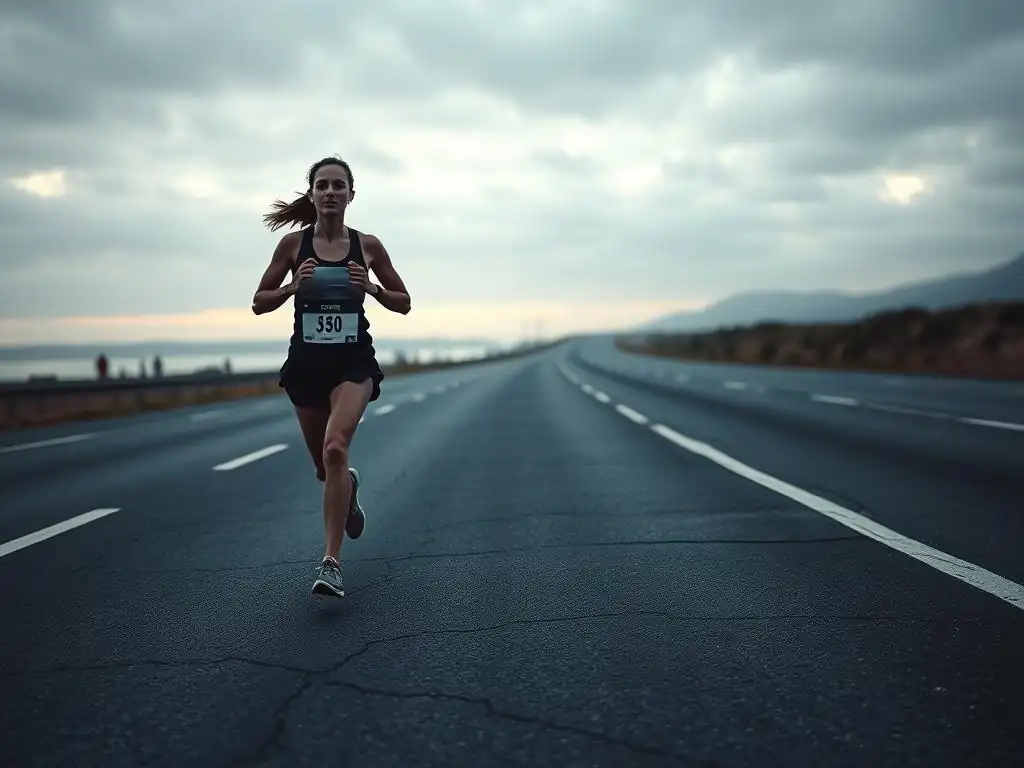
Ever felt the intense pressure of performing alone, the weight of responsibility solely on your shoulders? You're not alone. Our latest article delves into the unique mental challenges faced by solo athletes, offering insights and strategies to navigate the demanding world of individual sports. Uncover the hidden struggles and discover how to cultivate resilience and mental fortitude. Let's explore the pressures together and find pathways to thrive.
Individual Sport Pressure: Unique Mental Challenges for Solo Athletes
- Understanding Mental Pressure in Individual Sports
- The Psychological Impact of Solo Athlete Mental Pressure
- Common Mental Health Challenges Faced by Solo Athletes
- Strategies for Managing Solo Athlete Mental Pressure
- Practical Tips for Solo Athletes to Enhance Mental Wellbeing
- The Long-Term Benefits of Prioritizing Mental Health for Solo Athletes
- Resources and Support for Solo Athletes' Mental Health
-
Frequently Asked Questions
- How does mental pressure uniquely affect solo athletes compared to team athletes?
- What are some common mental health challenges experienced by solo athletes?
- What strategies can solo athletes use to manage performance anxiety?
- Where can solo athletes find support and resources for their mental well-being?
- How can coaches and trainers better support the mental health of solo athletes?
- Final Reflection: The Silent Struggle of Solo Athletes
- Conquer Your Inner Game: Actionable Steps for Solo Athletes
Understanding Mental Pressure in Individual Sports
The Distinctive Nature of Solo Athlete Mental Pressure
Solo athlete mental pressure differs significantly from that experienced in team settings primarily due to the singular focus of responsibility and outcome. In individual sports like gymnastics, swimming, tennis, or golf, the athlete stands alone during performance; there are no teammates to share the burden of a mistake, provide immediate support, or pick up the slack. Every success and failure rests squarely on their shoulders.
This inherent isolation magnifies the stakes of each action, turn, stroke, or shot, creating an intense internal spotlight that can feel overwhelming. The feeling that "it's all on me" permeates training and competition, fundamentally shaping the nature of the pressure they face.
This unique environment means that solo athletes often develop a highly internalized relationship with pressure. Unlike a team player who might process challenges collaboratively or feel less visible within a group, the solo athlete is constantly exposed. Their performance is inextricably linked to their identity and self-worth in a very direct way.
This can lead to a heightened sensitivity to criticism, both external and internal, and an amplified fear of failure because there's no collective buffer. The solo athlete mental pressure is not just about the external competition but a constant internal negotiation with self-doubt, expectations, and the weight of singular accountability.
Key Differences: Team vs. Individual Sport Mental Health
The mental health landscape for athletes varies notably between team and individual sports. In team sports, athletes benefit from a built-in support system – teammates, coaches, and staff – who can offer immediate emotional support, strategic collaboration, and shared experiences of both victory and defeat. This collective environment can help distribute pressure, foster a sense of belonging, and provide a buffer against the psychological impact of individual errors or losses. While team athletes face their own unique pressures (like group dynamics or playing time), the core experience involves shared responsibility and mutual reliance.
Conversely, individual sport athletes often navigate their mental challenges with less direct, immediate peer support during critical moments. While they have coaches and support staff, the competitive arena is a solitary one. This lack of shared experience in the heat of competition can exacerbate feelings of isolation.
The mental pressure on solo athletes includes not only performance demands but also the psychological weight of being the sole decision-maker and performer under duress. This distinction means that strategies for managing solo athlete mental pressure often need to focus more heavily on internal coping mechanisms, self-reliance, and building robust support networks outside the immediate competitive moment.
Factors Contributing to Heightened Pressure for Solo Athletes
Several factors amplify the mental pressure experienced by solo athletes. One significant contributor is the direct and immediate consequence of their actions. A single missed shot in archery, a stumble in a figure skating routine, or a double fault in tennis can instantly determine the outcome of a competition, leaving no room for recovery by others. This creates an acute focus on perfection and a profound fear of making errors, as there is no teammate to compensate or absorb the impact of a mistake. The pressure to perform flawlessly under intense scrutiny is a constant companion.
Furthermore, the financial and career implications in many individual sports often rest solely on the athlete's personal performance and rankings. Sponsorships, prize money, and future opportunities are directly tied to individual results. This adds a significant layer of external pressure, transforming performance from a test of skill into a potential determinant of livelihood and career longevity. The pressure on solo athletes to consistently perform at a high level is thus not just about winning but about securing their future, making the mental load incredibly heavy and contributing to the unique solo athlete mental pressure they face.
The Psychological Impact of Solo Athlete Mental Pressure
Anxiety and Stress Management for Individual Athletes
Solo athlete mental pressure frequently manifests as heightened anxiety and stress. The constant internal and external scrutiny, coupled with the sole responsibility for outcomes, can trigger significant physiological and psychological stress responses. Athletes might experience symptoms like increased heart rate, muscle tension, difficulty sleeping, and persistent worry about performance. This pervasive anxiety can erode confidence and make it challenging to maintain focus and execution during training and competition.
Effective stress management is therefore crucial for individual athletes. Techniques such as deep breathing exercises, progressive muscle relaxation, and guided imagery can help regulate the body's stress response. Additionally, developing a robust routine around training and recovery provides structure and predictability, reducing uncertainty which is a common trigger for anxiety. Learning to identify personal stress signals early allows solo athletes to intervene before anxiety becomes debilitating, helping them navigate the unique mental pressure they encounter.
Performance Anxiety in Solo Sports: Causes and Manifestations
Performance anxiety is a particularly prevalent form of solo athlete mental pressure. It stems from the fear of being evaluated, judged, and ultimately failing to meet expectations in a high-stakes situation. For solo athletes, the lack of a team buffer means this fear is often intensely personal. Causes include a strong focus on outcomes rather than process, negative past experiences, and a tendency towards perfectionism. The manifestation varies but commonly includes symptoms like shaking, nausea, difficulty concentrating, and 'choking' under pressure – a sudden, unexpected drop in performance ability.
The psychological impact extends beyond the physical symptoms. Performance anxiety can lead to avoidance behaviors, where athletes might subconsciously (or consciously) shy away from competitive opportunities or challenging training scenarios to avoid triggering the anxiety. It can also create a vicious cycle where the fear of anxiety itself becomes a source of anxiety. Addressing this specific type of solo athlete mental pressure requires targeted strategies, often involving mental rehearsal, reframing negative thoughts, and gradually exposing oneself to pressure situations in a controlled manner to build tolerance and confidence.
Overcoming Self-Doubt and Negative Self-Talk in Solo Competitions
Self-doubt and negative self-talk are significant components of solo athlete mental pressure. When an athlete is solely responsible for their performance, internal criticism can become incredibly harsh. A single mistake can trigger a cascade of negative thoughts like "I'm not good enough," "I always mess up," or "I can't handle this pressure." This internal dialogue is particularly damaging in solo sports because there isn't a teammate to offer immediate encouragement or perspective during the performance itself.
Overcoming these internal barriers is essential for mental resilience. Strategies include developing self-compassion, challenging negative thoughts by replacing them with realistic and positive affirmations, and focusing on process goals rather than just outcomes. Athletes can practice thought-stopping techniques or re-framing negative thoughts into constructive feedback. Building a strong sense of self-worth independent of performance results is key to mitigating the corrosive effect of self-doubt, allowing solo athletes to navigate the inherent mental pressure with greater confidence and resilience.
Burnout and Overtraining in Individual Sports: A Mental Health Perspective
The intensity of solo athlete mental pressure, combined with rigorous training demands, makes individual sport athletes particularly susceptible to burnout and overtraining syndrome. Overtraining involves excessive physical training without adequate rest, leading to decreased performance, fatigue, and increased injury risk. Burnout, however, is primarily psychological, characterized by emotional and physical exhaustion, reduced sense of accomplishment, and devaluation of the sport. For solo athletes, the constant pressure to perform, coupled with the solitary nature of training, can make it difficult to recognize the signs of these conditions.
The mental health perspective highlights that burnout in individual sports is often fueled by the relentless pursuit of perfection, fear of falling behind, and the pressure to constantly improve without adequate psychological recovery. The lack of a team setting means there's less immediate social feedback to signal when an athlete might be pushing too hard mentally or emotionally.
Recognizing symptoms like chronic fatigue, irritability, loss of motivation, and decreased performance despite continued effort is crucial. Addressing burnout requires prioritizing rest, diversifying activities outside of the sport, and seeking support to manage the intense solo athlete mental pressure that contributes to this state.
Common Mental Health Challenges Faced by Solo Athletes

Isolation and Loneliness in Individual Sports
Despite often being surrounded by coaches and support staff, solo athletes can experience significant isolation and loneliness. Much of their training time is spent alone or in solitary pursuits like running, swimming laps, or practicing individual routines. Travel for competitions often means spending time alone in hotel rooms. This lack of consistent, shared experience with peers who understand the unique demands of their sport can lead to feelings of detachment. The intense focus required in individual sports can also make it challenging to connect deeply with others during training periods.
This isolation can exacerbate the impact of solo athlete mental pressure. Without teammates to commiserate with after a tough loss or celebrate with after a victory, the emotional highs and lows can feel more extreme and personal. Loneliness can contribute to increased stress, anxiety, and even depression. Building a strong support system outside of the immediate training environment – involving family, friends, or other athletes (even from different sports) – is vital for counteracting these feelings and providing a much-needed social connection that helps buffer against the psychological weight of solo performance.
Managing Expectations and Pressure from Coaches, Family, and Self
Solo athletes face immense pressure from multiple sources: coaches, family, and perhaps most significantly, themselves. Coaches often have high expectations based on potential and training outcomes, family members invest time and resources and hope for success, and the athlete themselves carries the weight of their personal aspirations and sacrifices. For a solo athlete, these layers of expectation can feel particularly heavy because they are the single point of convergence for all these hopes and demands.
Navigating these expectations is a key aspect of managing solo athlete mental pressure. It involves clear communication with coaches and family about realistic goals and the pressures involved. Crucially, it requires the athlete to define their own standards of success, separate from external validation. Learning to differentiate between constructive feedback and undue pressure, and setting boundaries, are vital skills. Developing a strong sense of self-worth independent of performance outcomes helps solo athletes internalize pressure from others without letting it define their entire identity or crush their spirit.
The Impact of Perfectionism on Solo Athlete Mental Wellbeing
Perfectionism is a common trait among high-achieving athletes, but in individual sports, it can become particularly detrimental to mental wellbeing. The nature of solo competition, where tiny errors can have significant consequences, often fosters a belief that only flawless performance is acceptable. This relentless pursuit of perfection sets impossibly high standards, leading to constant dissatisfaction, even after successful performances that weren't "perfect." The fear of not being perfect contributes heavily to solo athlete mental pressure.
This form of perfectionism is often linked to increased anxiety, depression, and burnout. Athletes may become overly self-critical, dwell excessively on mistakes, and struggle to celebrate achievements that fall short of their ideal. Overcoming maladaptive perfectionism involves shifting focus from outcome perfection to process excellence, accepting that mistakes are part of learning and growth, and practicing self-compassion. Recognizing that "good enough" or "excellent" is achievable and sustainable, whereas "perfect" is not, is a crucial step in alleviating this specific type of solo athlete mental pressure.
Body Image Issues and Disordered Eating in Individual Sports
Certain individual sports, particularly those where aesthetics, weight class, or specific body types are perceived as advantageous (like gymnastics, figure skating, wrestling, or running), can unfortunately contribute to body image issues and increase the risk of disordered eating among solo athletes. The intense focus on the individual body, coupled with pressure from coaches, judges, or the sport's culture to maintain a certain physique, can lead to unhealthy relationships with food and body image.
The solitary nature of training can sometimes hide these struggles, as there isn't always a team observing daily habits closely. Body image concerns and disordered eating significantly impact mental health, leading to anxiety, depression, low self-esteem, and potentially severe physical health consequences. Addressing these issues requires open dialogue, education on healthy nutrition and body acceptance, and access to specialized support from dietitians and mental health professionals experienced in sports psychology. It's vital to recognize that performance is optimized through health, not harmful restriction, helping mitigate this severe aspect of solo athlete mental pressure.
Strategies for Managing Solo Athlete Mental Pressure
Building Resilience and Mental Toughness for Individual Performance
Building resilience and mental toughness is paramount for solo athletes navigating intense pressure. Resilience isn't about never feeling pressure or difficulty, but about the ability to bounce back from setbacks, learn from failure, and maintain composure under duress. For individual athletes, this often involves developing robust coping strategies for managing stress and disappointment independently. It means cultivating an internal locus of control, focusing on what they can influence (effort, preparation, attitude) rather than what they cannot (opponent's performance, external conditions, judging).
Mental toughness involves developing the capacity to perform consistently at a high level despite challenges, distractions, and the weight of solo athlete mental pressure. This can be trained through structured mental skills practice, such as visualization of successful performance, developing pre-competition routines to create a sense of control, and practicing staying present in the moment rather than getting ahead of oneself or dwelling on past errors. Gradually exposing oneself to increasingly challenging scenarios in training helps build tolerance for pressure and reinforces confidence in one's ability to cope.
The Role of Mindfulness and Meditation in Stress Reduction for Solo Athletes
Mindfulness and meditation are powerful tools for solo athletes dealing with stress and the unique mental pressure they face. Mindfulness involves paying attention to the present moment without judgment, which helps athletes become more aware of their thoughts, feelings, and physical sensations without getting overwhelmed by them. This practice can help athletes recognize the onset of performance anxiety or negative self-talk in real-time, allowing them to intervene more effectively.
Regular meditation practice can lower baseline stress levels and improve focus and emotional regulation. For a solo athlete, being able to quiet the internal noise and stay focused on the task at hand, whether it's executing a complex maneuver or maintaining concentration during a long competition, is invaluable. Incorporating short mindfulness exercises before or even during training and competition can help solo athletes stay grounded, reduce reactivity to mistakes, and manage the intensity of solo athlete mental pressure by bringing their attention back to the present moment's demands.
Cognitive Behavioral Techniques (CBT) for Managing Performance Anxiety
Cognitive Behavioral Techniques (CBT) are highly effective in helping solo athletes manage performance anxiety and other forms of solo athlete mental pressure. CBT focuses on identifying and challenging negative thought patterns and developing more helpful behaviors. For an athlete experiencing performance anxiety, this might involve identifying thoughts like "I'm going to fail" or "Everyone is watching me and expecting me to mess up."
A CBT approach would then involve examining the evidence for and against these thoughts, recognizing cognitive distortions (like catastrophic thinking), and replacing them with more realistic and constructive thoughts, such as "I've trained for this, I can handle challenges" or "I will focus on executing one step at a time." Behavioral techniques might include gradual exposure to anxiety-provoking situations (e.g., practicing in front of a small audience) or developing specific coping scripts to use during moments of high pressure. This structured approach provides solo athletes with concrete strategies to actively challenge and reduce the impact of performance-related mental pressure.
Seeking Support: The Importance of Mental Health Professionals for Solo Athletes
Given the unique challenges and intensity of solo athlete mental pressure, seeking support from qualified mental health professionals is not a sign of weakness but a proactive strategy for performance and wellbeing. Sports psychologists and therapists specializing in athlete mental health understand the specific demands of individual sports and can provide tailored support. They can help athletes develop advanced coping mechanisms, address underlying issues like perfectionism or trauma, and provide a confidential space to process the emotional weight of their sport.
Mental health professionals can teach specific skills such as advanced visualization techniques, strategies for managing competitive stress, and methods for building self-compassion. They can also assist in identifying and addressing more serious conditions like depression, anxiety disorders, or eating disorders, which can sometimes be masked by the athlete's focus on performance. For solo athletes, who may lack the immediate peer support structure of a team, professional guidance is an invaluable resource in navigating the complex landscape of solo athlete mental pressure and maintaining long-term mental health.
Practical Tips for Solo Athletes to Enhance Mental Wellbeing

Developing a Positive Self-Image and Self-Worth
Developing a positive self-image and a strong sense of self-worth is crucial for solo athletes facing intense mental pressure. This involves recognizing that your value as a person is separate from your athletic performance or achievements. Focus on your qualities outside of the sport – your kindness, intelligence, creativity, or relationships. Engage in activities you enjoy that are unrelated to your sport to foster a more balanced identity.
- Identify non-athletic strengths and interests.
- Spend time with people who value you for who you are, not just what you achieve.
- Practice self-compassion, treating yourself with the same kindness you would offer a friend facing a setback.
- Challenge the belief that your worth is tied to wins, losses, or statistics.
Setting Realistic Goals and Expectations in Solo Sports
Setting realistic goals is a fundamental strategy for managing solo athlete mental pressure. Unrealistic expectations – whether your own or those imposed by others – are a major source of stress and disappointment. Work with your coach to set achievable, process-oriented goals (e.g., improve technique, maintain consistency) rather than solely outcome-based goals (e.g., win the championship).
- Distinguish between outcome goals (winning) and process goals (technique, effort).
- Set challenging but attainable short-term and long-term goals.
- Regularly review and adjust goals based on progress and circumstances.
- Focus on personal improvement rather than comparing yourself solely to others.
Prioritizing Rest and Recovery for Optimal Mental Performance
Physical rest and mental recovery are just as important as training for solo athletes. Overtraining and insufficient rest can lead to burnout, injury, and impaired cognitive function, all of which exacerbate solo athlete mental pressure. Ensure you are getting adequate sleep, scheduling rest days, and taking time off from your sport periodically.
- Prioritize 7-9 hours of quality sleep per night.
- Schedule regular rest days into your training plan.
- Take planned breaks or off-seasons to mentally and physically recharge.
- Incorporate active recovery techniques like stretching or light activity on rest days.
Cultivating a Support System for Solo Athletes
While individual sports are solitary in competition, building a strong support system is vital for mental wellbeing. This network can include family, friends, mentors, other athletes (even from different sports), coaches, and mental health professionals. Having people to talk to, share experiences with, and lean on during tough times helps combat the isolation inherent in solo sports and provides a buffer against solo athlete mental pressure.
- Identify trusted individuals you can talk to about your challenges and successes.
- Connect with other athletes who understand the unique demands of competitive sport.
- Maintain strong relationships outside of your sport.
- Don't hesitate to reach out for help when you need it.
The Long-Term Benefits of Prioritizing Mental Health for Solo Athletes
Enhanced Performance and Consistency
Prioritizing mental health directly translates to enhanced performance and greater consistency for solo athletes. When athletes effectively manage anxiety, self-doubt, and pressure, they are better able to access their skills and training in high-stakes situations. Reducing mental clutter allows for improved focus, better decision-making under pressure, and the ability to bounce back quickly from mistakes.
Athletes who invest in their mental wellbeing are more likely to perform closer to their potential consistently, rather than having performances derailed by psychological barriers. For example, a golfer who has practiced mindfulness might stay calm and execute a critical putt on the final hole, whereas one crippled by anxiety might falter.
Furthermore, mental resilience built through psychological training helps solo athletes navigate the inevitable ups and downs of a competitive career – injuries, slumps, tough losses. The ability to maintain motivation and perspective during challenging periods ensures more consistent progress over time. Managing solo athlete mental pressure isn't just about feeling better; it's a performance enhancer, allowing athletes to sustain high levels of execution and strategic thinking when it matters most, leading to more reliable and ultimately more successful competitive outcomes over the long term.
Improved Overall Wellbeing and Life Satisfaction
Beyond the competitive arena, prioritizing mental health significantly improves the overall wellbeing and life satisfaction of solo athletes. A career focused solely on performance outcomes can be emotionally draining. By addressing issues like perfectionism, body image concerns, and isolation, athletes can develop a healthier, more balanced perspective on their sport and their life. This leads to reduced stress, greater emotional stability, and a stronger sense of self that is not solely dependent on athletic success.
Athletes who cultivate their mental health are better equipped to handle the transition out of their sport when their career ends, as they have developed coping skills and a sense of identity beyond their athletic achievements. Investing in mental wellbeing allows solo athletes to enjoy the process of training and competing more fully, appreciate their journey, and maintain healthier relationships. Ultimately, managing solo athlete mental pressure leads to a more fulfilling life both during and after their athletic career, characterized by greater happiness, purpose, and emotional health.
Reduced Risk of Mental Health Issues
Actively working on mental health significantly reduces the risk of developing more severe mental health issues, such as chronic anxiety, depression, or eating disorders, which are unfortunately prevalent among athletes. Recognizing the unique solo athlete mental pressure and addressing it proactively through strategies like therapy, mindfulness, and building support systems acts as a preventative measure. Early intervention for mild stress or anxiety can prevent these issues from escalating into debilitating conditions that require more intensive treatment.
Creating an environment where discussing mental health is normalized and seeking help is encouraged is vital. For solo athletes, who may internalize struggles due to the independent nature of their sport, having access to resources and feeling empowered to use them is critical. By building mental resilience and having coping mechanisms in place, solo athletes are better equipped to navigate the inherent stresses of their career, reducing their vulnerability to serious mental health challenges and promoting long-term psychological health.
Creating a Sustainable and Fulfilling Athletic Career
A focus on mental health is fundamental to building a sustainable and fulfilling athletic career, especially in individual sports. The intense solo athlete mental pressure can lead to burnout and early retirement if not managed effectively. Athletes who prioritize their psychological wellbeing are more likely to maintain motivation, manage the physical and emotional toll of training and competition, and extend their careers. They are better able to handle periods of injury or poor performance without losing their passion or developing chronic mental health problems.
Sustainability also comes from finding joy and meaning in the sport beyond just winning. Mental health practices like mindfulness can help athletes stay present and appreciate the process of training and competing. By addressing the unique mental challenges of solo sports, athletes can cultivate a healthier relationship with their sport, making it a source of fulfillment and growth rather than just pressure and stress. This holistic approach ensures that the pursuit of excellence is balanced with self-care, leading to a longer, more enjoyable, and ultimately more successful journey in their chosen individual sport.
Resources and Support for Solo Athletes' Mental Health
Organizations Offering Mental Health Support for Athletes
Several organizations are dedicated to supporting the mental health of athletes, including those in individual sports. These groups often provide resources, education, and access to care tailored to the specific needs of the athletic population. Examples include Athlete Mind, The Hidden Opponent, and the NCAA Sport Science Institute (for collegiate athletes). While specific program availability varies, these organizations serve as valuable starting points for solo athletes seeking understanding and support for the unique solo athlete mental pressure they face.
These organizations often offer online resources, helplines, or directories of mental health professionals with experience working with athletes. They play a crucial role in destigmatizing mental health challenges in sports and advocating for better support systems. For a solo athlete feeling isolated, connecting with such an organization can provide a sense of community and access to people who understand the pressures they are experiencing, offering a vital lifeline.
Finding a Qualified Mental Health Professional Specializing in Sports
Finding a mental health professional who specializes in sports psychology or athlete mental health is highly recommended for solo athletes. These professionals have specific training and experience in the psychological aspects of performance, competition stress, injury recovery, and the unique demands of the athletic lifestyle, including the specific solo athlete mental pressure. They can provide targeted strategies and support that a general therapist might not be equipped to offer.
Look for professionals with credentials like Certified Mental Performance Consultant (CMPC) from organizations like the Association for Applied Sport Psychology (AASP), or licensed clinical psychologists/therapists with specific experience working with athletes. Referrals can often be obtained through sports organizations, university athletic departments, or online directories filtering by specialization. A good fit with a therapist who understands the solo athlete's world is key to building trust and effectively addressing the mental challenges they encounter.
Recommended Resources on Mental Health for Solo Athletes
Numerous books, articles, and online resources offer valuable insights and practical strategies for solo athletes looking to enhance their mental wellbeing and manage pressure. Topics range from developing mental toughness and confidence to managing anxiety and preventing burnout. Resources might cover techniques like visualization, goal setting, stress management, and building healthy coping mechanisms.
Seeking out content created by sports psychologists, experienced coaches, or athletes who have openly discussed their own mental health journeys can be particularly helpful. While specific recommendations might vary based on individual needs, exploring resources on topics like "mindfulness for athletes," "dealing with performance anxiety," or "building resilience" can provide solo athletes with tools and knowledge to proactively address the unique solo athlete mental pressure inherent in their sport and cultivate a healthier, more sustainable relationship with their athletic pursuits.
Frequently Asked Questions
How does mental pressure uniquely affect solo athletes compared to team athletes?
Solo athletes often face intense individual scrutiny and carry the full weight of success or failure alone. This heightened responsibility can lead to increased anxiety and pressure compared to team environments.
What are some common mental health challenges experienced by solo athletes?
Solo athletes frequently experience performance anxiety, feelings of isolation, and difficulty coping with setbacks due to the individual nature of their sport and training.
What strategies can solo athletes use to manage performance anxiety?
Effective strategies include mindfulness techniques, visualization exercises, and establishing realistic goals to reduce the pressure associated with competition.
Where can solo athletes find support and resources for their mental well-being?
Mind Care Guide offers comprehensive information, support resources, and guidance tailored to the mental health challenges faced by solo athletes.
How can coaches and trainers better support the mental health of solo athletes?
Coaches should prioritize open communication, emphasize mental skills training, and create a supportive environment that values effort and personal growth over solely focusing on results.
Final Reflection: The Silent Struggle of Solo Athletes
The pressure on individual athletes is often unseen, yet its impact is profoundly felt, leaving a lasting mark on their mental well-being and athletic journey. The weight of expectation, the absence of teammates to share the burden, and the intense self-reliance required in solo sports create a unique and often underestimated mental landscape. This article has explored the multifaceted nature of this pressure, highlighting the specific challenges faced by solo athletes and the crucial need for tailored support systems.
The pervasive nature of this mental pressure extends far beyond the playing field, impacting athletes' self-perception, relationships, and overall life satisfaction. The constant self-evaluation, the relentless pursuit of perfection, and the isolating nature of competition can take a significant toll. The greatest victory is not winning without falling, but rising every time you fall.
This quote, while seemingly simple, encapsulates the resilience and mental fortitude required to navigate the demanding world of solo athletic competition, a resilience that deserves recognition and support. The journey is often lonely, but the strength cultivated within is remarkable.
You, the reader, are now equipped with a deeper understanding of the unique mental challenges faced by solo athletes. Consider this: how can we, as a community, better support these individuals? How can we foster environments that prioritize mental health alongside physical performance?
Take a moment to reflect on the athletes you know, both personally and publicly. Let this article serve as a call to action – to offer empathy, understanding, and resources to those who carry the weight of their performance solely on their shoulders. Let's work together to create a more supportive and nurturing environment for all solo athletes, ensuring their journeys are marked not only by achievement but also by mental well-being.
Conquer Your Inner Game: Actionable Steps for Solo Athletes
Thanks for taking the time to explore the unique mental challenges faced by individual athletes! We hope you gained valuable insights into managing pressure and boosting your performance. Now it's time to put that knowledge into action.
- Prioritize your mental training: Develop a personalized mindfulness routine – even 5 minutes a day can make a significant difference in managing stress and enhancing focus. This could involve deep breathing exercises, meditation, or simply taking time for quiet reflection.
- Join the conversation: Share your biggest takeaway from this article on social media – use #MindCareSoloAthlete to connect with other athletes navigating similar challenges and find support.
- Experiment with visualization: Try a guided visualization exercise focusing on your next competition or training session. Visualizing success can significantly impact your confidence and performance.
What's one small step you'll take today to improve your mental game?