
Managing Exam Nerves: Strategies for Test Day Calm


Welcome to Mind Care Guide, your sanctuary for navigating the complexities of mental well-being. Feeling overwhelmed? We understand. This is a space where you'll find compassionate support and practical guidance to nurture your inner self.
Are exam nerves getting the better of you? Dive into our article on Exam Stress Coping Strategies and discover powerful techniques to approach test day with confidence and calm. Let's unlock your potential, together.
Managing Performance Anxiety: Strategies for Success
- Understanding Performance Anxiety and Its Impact
- Effective Coping Strategies: Before the Performance
- Performance Day Strategies: Staying Calm and Focused
- Post-Performance Strategies: Dealing with the Aftermath
- Long-Term Strategies for Managing Performance-Related Anxiety
- Resources for Managing Performance Anxiety
- Frequently Asked Questions
- Final Reflection: Finding Your Calm Amidst the Exam Storm
- Unlock Your Peak Performance: Conquer Exam Day!
Understanding Performance Anxiety and Its Impact
What is Performance Anxiety? Defining Stage Fright
Performance anxiety, often colloquially known as "stage fright," is a specific type of anxiety triggered by the prospect or act of performing in front of others. This can manifest in various contexts, from public speaking and musical performances to athletic competitions and, very commonly, academic examinations. It's not merely nervousness; it's a significant fear response that can impair one's ability to perform effectively, impacting concentration, memory recall, and physical coordination.
This form of anxiety is rooted in a fear of being judged, failing, or embarrassing oneself in front of an audience, whether that audience is a crowd, a panel, or even just an examiner. While a certain level of arousal can sometimes enhance performance, performance anxiety involves an excessive activation of the body's stress response system, leading to detrimental effects on cognitive and physical functions. Understanding these exam stress coping strategies begins with recognizing the nature of the anxiety itself.
The Physiological and Psychological Effects of Stress During Performance
When performance anxiety strikes, the body reacts as if facing a physical threat, initiating the "fight or flight" response. Physiologically, this involves a surge of adrenaline and cortisol, leading to increased heart rate, rapid breathing, muscle tension, and sometimes sweating or trembling. Blood flow is redirected to major muscle groups, away from less essential functions like digestion or higher-level cognitive processing, which can impair focus and memory retrieval during crucial moments like an exam.
Psychologically, the effects are equally disruptive. Increased stress can lead to racing thoughts, difficulty concentrating, negative self-talk, and an overwhelming feeling of dread or panic. This internal turmoil makes it hard to access learned information or execute skills smoothly. For students facing exams, this can mean forgetting material they know well or making careless errors under pressure, despite having solid exam stress coping strategies in place previously during practice. The fear of these symptoms occurring can itself become a source of anxiety, creating a vicious cycle.
Identifying performance anxiety involves recognizing a cluster of physical, emotional, and cognitive symptoms that occur before or during a performance event. Physical symptoms are often the most noticeable, including a rapid heartbeat, shortness of breath, shaky hands or voice, sweating, dizziness, nausea, or even muscle cramps. Some individuals might experience a dry mouth or a sudden urge to use the restroom.
Emotional and cognitive symptoms include intense worry, fear of failure, irritability, difficulty concentrating, negative self-talk, and catastrophic thinking (imagining the worst possible outcome). Individuals might feel overwhelmed, out of control, or detached. These symptoms can vary in intensity from mild discomfort to severe panic attacks, significantly hindering one's ability to perform at their best. Recognizing these signs is the first step in implementing effective exam stress coping strategies.
Effective Coping Strategies: Before the Performance
Preparing for Success: Reducing Anxiety Through Effective Practice
Thorough and effective preparation is one of the most powerful antidotes to performance anxiety. This means not just reviewing material or practicing skills, but doing so in a way that builds confidence and reduces uncertainty. For students, this involves consistent study habits rather than cramming, practicing past exam papers under timed conditions, and ensuring a deep understanding of the subject matter, not just rote memorization. Simulating the performance environment can also be beneficial – practicing a presentation in front of others, or taking a mock test in a quiet room.
Quality of practice matters more than quantity. Focused, deliberate practice that targets specific weaknesses and builds mastery instills a sense of competence. When you feel truly prepared, the unknown elements of the performance are reduced, lessening the breeding ground for anxiety. This diligent preparation is a core component of proactive exam stress coping strategies.
Time Management Techniques for Minimizing Stress
Poor time management is a significant contributor to pre-performance anxiety, particularly for students facing multiple deadlines or exams. Procrastination and last-minute cramming create intense pressure and a feeling of being overwhelmed, directly fueling stress and anxiety. Implementing effective time management techniques well in advance can drastically reduce this burden.
Creating a study schedule or practice plan, breaking down large tasks into smaller, manageable steps, and allocating specific time slots for different activities helps maintain control and prevents feeling buried by the workload. Utilizing tools like calendars, to-do lists, or planning apps can provide structure and visibility, reducing the mental load of remembering everything. Staying organized and on schedule allows for adequate preparation time without the panicked rush, making it an essential part of exam stress coping strategies.
The Power of Positive Self-Talk and Affirmations
The internal dialogue we engage in significantly impacts our anxiety levels. Negative self-talk – criticizing oneself, predicting failure, or focusing on worst-case scenarios – fuels performance anxiety. Conversely, cultivating positive self-talk involves replacing these detrimental thoughts with encouraging, realistic, and supportive statements. This isn't about unrealistic optimism, but about acknowledging your preparation, focusing on your strengths, and reframing challenges.
Affirmations are short, positive statements repeated regularly to reinforce desired beliefs and attitudes. Examples include "I am prepared," "I can handle this challenge," or "I will do my best." Practicing these affirmations consistently helps to reprogram negative thought patterns and build confidence. This conscious effort to manage internal dialogue is a vital, though often overlooked, exam stress coping strategy.
Relaxation Techniques: Calming Your Nerves Before the Performance
Incorporating relaxation techniques into your routine, especially in the days and hours leading up to a performance, can significantly reduce anxiety levels. These techniques activate the body's natural relaxation response, counteracting the physiological effects of stress. Regular practice makes them more effective when needed most.
These techniques can be used preventatively as part of a daily routine or reactively when anxiety begins to surface. They provide tangible methods to regain control over physical symptoms and calm a racing mind, serving as immediate exam stress coping strategies in the moments before a test.
Deep Breathing Exercises
Deep breathing is a simple yet powerful technique to calm the nervous system. When anxious, breathing becomes shallow and rapid, exacerbating symptoms. Slow, deep breaths signal to the brain that there is no immediate danger, helping to lower heart rate and reduce muscle tension.
A common technique is diaphragmatic breathing: sitting or lying comfortably, place one hand on your chest and the other on your abdomen. Inhale slowly and deeply through your nose, feeling your abdomen rise more than your chest. Exhale slowly through pursed lips, feeling your abdomen fall. Focusing solely on the breath for a few minutes can interrupt the anxiety cycle. Practice this for 5-10 minutes daily and use it whenever you feel overwhelmed.
Progressive Muscle Relaxation
Progressive muscle relaxation involves systematically tensing and then releasing different muscle groups in the body. This practice helps you become more aware of physical tension and learn how to release it, promoting overall relaxation. It can also distract the mind from anxious thoughts.
Start by tensing the muscles in your feet for about 5-10 seconds, then release the tension completely, noticing the difference. Move up through your body, tensing and releasing calves, thighs, abdomen, chest, arms, hands, neck, and face. This full-body release helps alleviate the physical tightness often associated with performance anxiety and is a practical exam stress coping strategy for calming the physical symptoms.
Visualization Techniques
Visualization, or guided imagery, involves creating a mental picture of a calming scene or a successful performance. By engaging multiple senses in your imagination, you can evoke feelings of peace and confidence, effectively countering the anxiety-inducing thoughts about potential failure.
Imagine yourself performing confidently and successfully, handling challenges with ease, and achieving a positive outcome. Alternatively, visualize a peaceful place, like a quiet beach or a serene forest, focusing on the sights, sounds, smells, and feelings associated with that environment. Spending 10-15 minutes daily practicing visualization can help anchor your mind in positive possibilities rather than negative fears.
Performance Day Strategies: Staying Calm and Focused
Pre-Performance Rituals
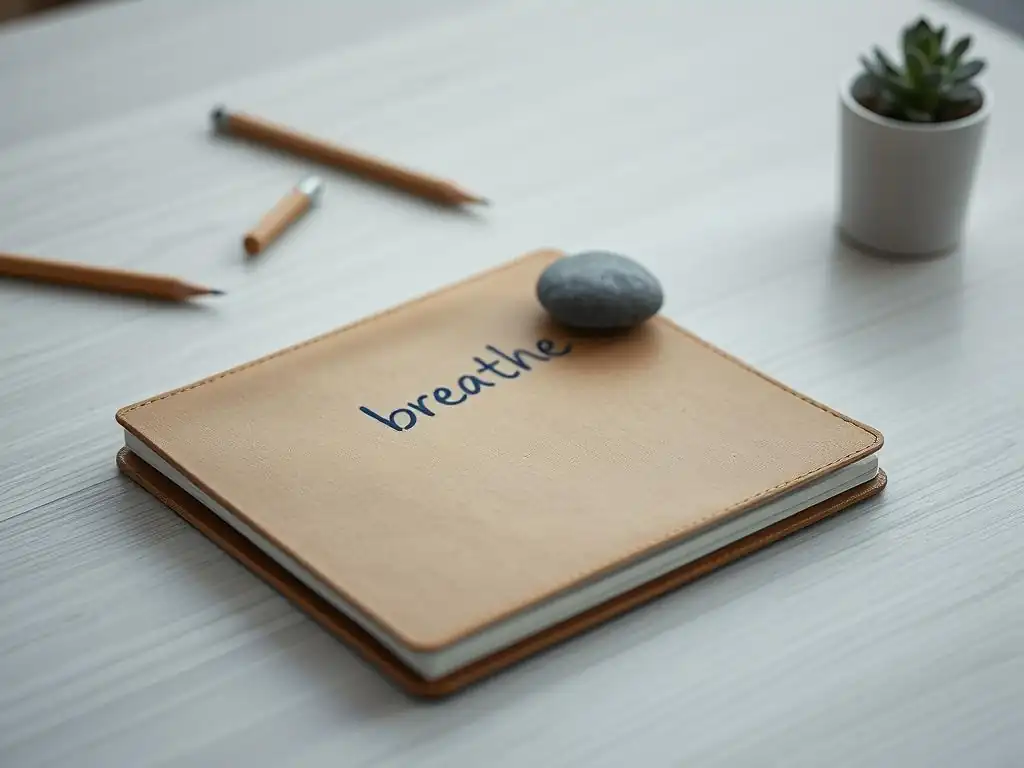
Developing consistent pre-performance rituals can provide a sense of structure and control on the day of the event, helping to manage anxiety. These rituals should be simple, calming, and repeatable, regardless of the specific performance context – whether it's a presentation, a sports game, or an exam. Examples include listening to calming music, doing light stretching, reviewing key notes briefly without trying to learn new material, or having a specific, healthy breakfast.
The key is that the ritual is personal and grounding. It shifts focus from the outcome to the process, creating a familiar pattern that signals to your brain that everything is under control. Stick to the routine you've practiced, which reinforces the feeling of preparation and predictability. This deliberate structure can be a powerful exam stress coping strategy on the morning of a big test.
Managing Anxiety During the Performance: Techniques for Staying Calm Under Pressure
Anxiety symptoms can surface even during the performance itself. Having strategies ready to deploy in the moment is crucial for maintaining composure and focus. These techniques are about managing the immediate physical and mental disruption caused by stress.
If you feel your heart racing or thoughts spiraling, anchor yourself in the present moment. Focus on your breath for a few cycles, feeling your feet on the ground, or noticing a specific object in your environment. This mindfulness technique pulls you out of anxious thoughts about the past or future and brings you back to the task at hand.
For students taking an exam, if your mind goes blank, take a 30-second pause, close your eyes, take a deep breath, and refocus. Remind yourself that you are prepared and can tackle the next question. Effective exam stress coping strategies require in-the-moment tools.
Dealing with Panic Attacks: Immediate Coping Strategies
While less common, severe performance anxiety can escalate into a panic attack. Recognizing the signs early – intense fear, chest pain, dizziness, hyperventilation – and having immediate coping strategies is vital. The primary goal is to ride out the wave of panic without letting it completely derail your performance or cause you to leave the situation if possible.
Focus intensely on your breathing, making exhales longer than inhales. Ground yourself by focusing on sensory details: name five things you can see, four things you can touch, three things you can hear, two things you can smell, and one thing you can taste. If possible and safe, step away for a moment to compose yourself (e.g., ask for a quick break during an oral exam, or step out of the room momentarily if permitted during a long test, though this is often not an option).
Remind yourself that the panic is temporary and will pass. These are emergency exam stress coping strategies for acute situations.
Maintaining a Positive Mindset
Even when faced with unexpected challenges or minor mistakes during a performance, maintaining a positive mindset is essential. Dwelling on errors or negative thoughts will only increase anxiety and further impair performance. Instead, practice self-compassion and refocus your attention on the task ahead.
If something goes wrong, acknowledge it briefly, but don't catastrophize. Remind yourself that one mistake doesn't define the entire performance. Refocus on your strengths and the parts you are doing well. For instance, during an exam, if you get stuck on a question, note it and move on, returning to it later. Trust in your preparation and focus on executing the next step successfully. This resilient attitude is key to navigating the pressures of performance.
Post-Performance Strategies: Dealing with the Aftermath
Reviewing Your Performance Objectively
After the performance is over, it's important to process the experience constructively, especially if anxiety impacted your performance. Avoid immediate harsh self-criticism. Instead, take some time to gain perspective. When you're ready, review your performance as objectively as possible. What went well? What were the specific challenges? What could you do differently next time?
Focus on actionable insights for improvement rather than dwelling on perceived failures. For an exam, this might involve reviewing which types of questions were difficult or identifying areas where time management was an issue. This objective review process helps you learn and grow from the experience without letting anxiety define the outcome. It's a critical step in refining future exam stress coping strategies.
Practicing Self-Compassion
Regardless of how you feel your performance went, practicing self-compassion is crucial. Performance anxiety is a challenging experience, and it's easy to be hard on yourself afterward, especially if the outcome wasn't what you hoped for. Treat yourself with the same kindness and understanding you would offer a friend who had a difficult experience.
Acknowledge that you faced a challenge and you did your best under the circumstances. Recognize that anxiety is a common human experience and not a personal failing. Avoid negative self-judgment and remember your worth is not tied to the outcome of a single performance or exam. This compassionate approach helps to heal from the experience and build resilience for future challenges.
Seeking Support: When to Talk to Someone
If performance anxiety is significantly impacting your life, causing distress, or preventing you from pursuing important goals (like academic success or professional advancement), it's a sign that you might benefit from seeking support. Talking to a trusted friend or family member can provide emotional relief and perspective.
However, if anxiety persists, is overwhelming, or is accompanied by other mental health symptoms, consider talking to a mental health professional. They can help you understand the root causes of your anxiety and develop personalized coping strategies. Reaching out is a sign of strength, not weakness, and professional guidance can be invaluable in managing severe performance-related stress.
Building Resilience: Developing Long-Term Coping Mechanisms
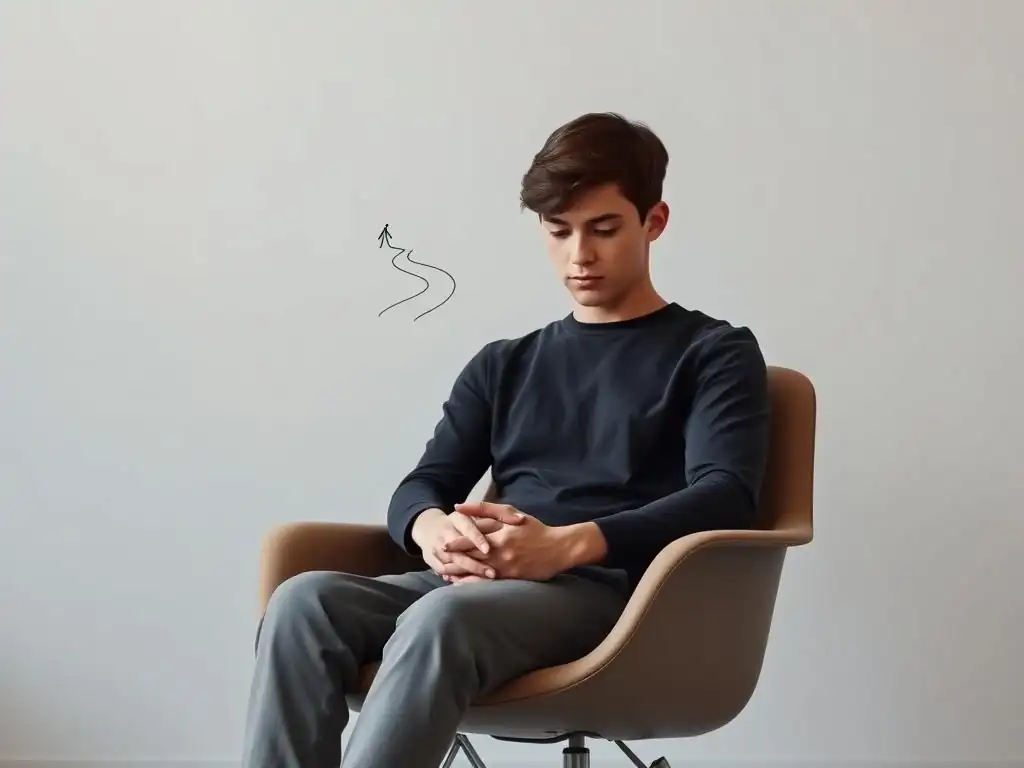
Managing performance anxiety effectively over the long term involves building overall psychological resilience. This means developing a robust set of coping mechanisms that can be applied not just to specific performance situations but to general life stressors as well. Resilience is the ability to bounce back from adversity and adapt to challenging circumstances.
This involves cultivating a growth mindset, viewing challenges as opportunities for learning rather than insurmountable threats. It also includes developing problem-solving skills, maintaining a supportive social network, and fostering a sense of self-efficacy – the belief in your own ability to succeed. Consistently practicing healthy exam stress coping strategies helps build this broader resilience.
Identifying and Addressing Underlying Causes [Example: Fear of Failure]
Performance anxiety often has deeper roots than just the immediate situation. Underlying causes can include a fear of failure, a fear of judgment, perfectionism, or past negative experiences with performance. Identifying these underlying beliefs and fears is a critical step in long-term management.
For example, a strong fear of failure might stem from childhood experiences or societal pressures. Addressing this requires challenging the belief that failure is catastrophic or defines your worth. This might involve cognitive restructuring techniques to change negative thought patterns or, in more severe cases, therapeutic interventions like Cognitive Behavioral Therapy (CBT) to process these fears. Understanding why you feel anxious helps tailor your exam stress coping strategies more effectively.
Lifestyle Changes to Reduce Overall Stress Levels and Improve Performance
Overall stress levels significantly influence performance anxiety. A lifestyle that promotes well-being can reduce chronic stress, making you less susceptible to acute anxiety during performance situations. Integrating healthy habits into your daily routine is a powerful long-term strategy.
Chronic sleep deprivation, poor nutrition, and lack of physical activity all elevate stress hormones and impair cognitive function, making anxiety harder to manage. Prioritizing these aspects of self-care creates a more stable foundation for managing performance pressure.
The Importance of Sleep
Adequate sleep is fundamental for cognitive function, emotional regulation, and stress management. When sleep-deprived, the brain's ability to manage stress is impaired, and anxiety levels can increase significantly. Lack of sleep also negatively impacts concentration, memory, and problem-solving skills – all crucial for performance.
Aim for 7-9 hours of quality sleep per night. Establishing a consistent sleep schedule, creating a relaxing bedtime routine, and ensuring your sleep environment is conducive to rest can dramatically improve your ability to handle pressure. Prioritizing sleep is a non-negotiable exam stress coping strategy for optimal mental performance.
The Role of Nutrition
A balanced diet provides the brain and body with the necessary fuel to function optimally and manage stress. Consuming regular, balanced meals helps maintain stable blood sugar levels, preventing irritability and energy crashes that can exacerbate anxiety.
Focus on whole foods, lean proteins, complex carbohydrates, and healthy fats. Limit caffeine, sugar, and processed foods, especially close to performance times, as these can spike anxiety and disrupt focus. Staying hydrated by drinking plenty of water throughout the day is also vital for cognitive function and overall well-being.
Exercise as a Tool for Stress Reduction
Regular physical activity is a well-documented stress reliever. Exercise releases endorphins, which have mood-boosting and stress-reducing effects. It also helps reduce muscle tension and can provide a healthy outlet for pent-up energy and anxiety.
Aim for at least 30 minutes of moderate-intensity exercise most days of the week. This could include brisk walking, jogging, swimming, dancing, or cycling. Finding an activity you enjoy makes it more sustainable. Incorporating physical activity into your routine is an excellent way to lower baseline stress and improve your capacity for using exam stress coping strategies when needed.
Resources for Managing Performance Anxiety
Therapy and Counseling Services
For individuals struggling with significant performance anxiety, professional help can be highly effective. Therapists and counselors can provide tailored strategies and support. Cognitive Behavioral Therapy (CBT) is particularly useful, helping individuals identify and change negative thought patterns and behaviors associated with anxiety. Exposure therapy, gradually exposing oneself to performance situations in a controlled environment, can also help desensitize the fear response.
University counseling centers often provide free or low-cost services for students dealing with exam stress and performance anxiety. Exploring these resources can be a crucial step towards long-term relief and developing robust exam stress coping strategies.
Online Resources and Apps
Numerous online resources and mobile applications offer tools and information for managing anxiety. Many provide guided meditations, mindfulness exercises, breathing techniques, and educational content about anxiety. While not a substitute for professional help in severe cases, these tools can be excellent supplements for practicing coping strategies and building self-awareness.
Apps focused on mindfulness, meditation, or anxiety tracking can help individuals monitor their symptoms and practice relaxation techniques regularly. Websites from reputable mental health organizations also offer valuable information and self-help guides.
Books and Articles on Coping Strategies
Reading books and articles by experts in psychology and performance can provide deeper insights into performance anxiety and offer a range of coping strategies. These resources can explain the science behind anxiety, provide practical exercises, and share inspiring stories of individuals who have overcome similar challenges.
Look for resources that focus on cognitive restructuring, mindfulness, relaxation techniques, and building resilience. Educating yourself about performance anxiety empowers you to understand your experience better and apply exam stress coping strategies more effectively in your own life.
Frequently Asked Questions
How can I quickly reduce anxiety right before an exam?
Use deep breathing techniques or mindfulness exercises. These practices help calm the nervous system and center your focus on the present moment.
What are some effective study habits to minimize exam stress?
Prioritize active recall and spaced repetition over cramming. Effective study habits build confidence and reduce last-minute panic.
Is it okay to feel nervous before an exam?
Yes, some anxiety is normal and can even be motivating. However, excessive anxiety can be detrimental.
What resources are available if I'm struggling with severe exam anxiety?
Consult with a school counselor or mental health professional. They can provide personalized coping strategies and support.
How does physical activity help manage exam stress?
Exercise releases endorphins, which have mood-boosting effects. Regular physical activity can significantly reduce stress levels and improve overall well-being.
Final Reflection: Finding Your Calm Amidst the Exam Storm
The pressure of exams is a universal experience, and in today's increasingly competitive academic landscape, effective stress management is not just beneficial—it's essential for success. The strategies outlined in this article—from mindful breathing techniques to proactive preparation—are not merely academic tools; they are vital life skills applicable far beyond the examination hall. They equip you to navigate the challenges of high-stakes situations with grace and resilience.
The impact of exam stress extends far beyond individual performance; it shapes the overall learning environment and contributes to a broader societal conversation about mental health and well-being. The pervasive anxiety surrounding exams underscores the need for a more holistic approach to education, one that prioritizes mental health alongside academic achievement. The greatest danger for most of us is not that our aim is too high and we miss it, but that it is too low and we reach it.
- Michelangelo. This quote reminds us that striving for excellence shouldn't come at the cost of our mental well-being. The journey towards academic success should be one of growth and self-discovery, not one defined solely by performance metrics.
Now, consider how you can integrate these strategies into your own life. Don't just see these techniques as temporary solutions for exam periods; embrace them as tools for building resilience and managing stress in all aspects of your life. Take a moment to reflect on your personal stress triggers, and identify one small step you can take today to cultivate a calmer, more centered approach to challenges. Remember, mastering your inner calm is a journey, not a destination, and every step you take towards self-awareness and mindful practice is a step towards a more fulfilling and successful life.
Unlock Your Peak Performance: Conquer Exam Day!
Thanks for taking the time to explore our strategies for managing exam nerves! We hope you feel more equipped and confident heading into your tests. Now, let's turn that knowledge into action:
- Prioritize your most challenging subject: Dedicate focused study time today to the area where you feel least confident. This targeted approach will significantly boost your overall preparedness.
- Share this article with a friend who might also benefit from these stress-reducing techniques. Supporting each other is key to success!
- Consider engaging in a short, relaxing activity – deep breathing exercises or a mindful walk – to center yourself before starting your studies.
Ready to tackle those exams with renewed confidence? What’s your go-to method for staying calm under pressure?