
The Mental Health of Female Athletes: Unique Pressures


Welcome to Mind Care Guide, a place dedicated to nurturing your mental well-being.
Feeling overwhelmed by the unique pressures of being a female athlete? You're not alone. We understand the specific challenges you face, and we're here to provide support and resources. Our latest article, " The Mental Health of Female Athletes: Unique Pressures," delves into this critical topic, offering insights and guidance. Ready to explore the path to a healthier, more balanced you? Let's begin.
The Mental Health of Female Athletes: Unique Pressures
- Introduction: Understanding Female Athlete Mental Health Challenges
- Unique Stressors Affecting Female Athletes' Mental Health
- Performance-Related Anxiety and Competitive Stress
- Addressing Gender-Specific Issues
- Identifying Mental Health Issues: Recognizing the Signs
- Strategies for Promoting Mental Well-being
- Creating a Supportive Environment
- Resources and Support Systems
- Conclusion: Empowering Female Athletes to Prioritize Mental Health
-
Frequently Asked Questions
- What are some unique pressures that contribute to mental health challenges for female athletes?
- How does the competitive environment specifically impact female athletes' mental well-being?
- What role does social media play in the mental health of female athletes?
- What resources are available to support female athletes facing mental health challenges?
- Why is it important to prioritize mental health support for female athletes specifically?
- Final Reflection: Championing the Mind: The Unseen Battles of Female Athletes
- Unleash Your Inner Strength: Take Charge of Your Well-being
Introduction: Understanding Female Athlete Mental Health Challenges
Why Focus on Mental Well-being in Female Athletes?
The demanding world of sports, while offering immense physical and psychological benefits, also presents significant challenges, especially for female athletes. Beyond the physical rigor of training and competition, these athletes face unique mental health pressures that can impact their performance, overall well-being, and long-term health. Understanding these distinct pressures is crucial for providing adequate support and fostering a healthier environment within women's sports. The focus on female athlete mental health challenges acknowledges that experiences differ based on gender, societal expectations, and the specific demands placed upon women in athletic contexts.
Highlighting the mental well-being of female athletes is not just about addressing illness; it's about promoting resilience, preventing burnout, and ensuring a positive experience in sports. Research increasingly points to higher rates of certain mental health issues among female athletes compared to their male counterparts or non-athlete peers, including disordered eating, anxiety, and depression. These statistics underscore the urgent need for targeted interventions and support systems tailored to the specific experiences and vulnerabilities of women in sports. Addressing these unique female athlete mental health challenges is essential for athlete welfare and the sustainable growth of women's athletics.
The Growing Awareness of Mental Health in Sports
In recent years, there has been a significant shift in the conversation around mental health within the sports community. High-profile athletes across various disciplines have bravely shared their struggles, helping to break down the stigma traditionally associated with mental health issues in this highly competitive environment. This increased visibility has shone a spotlight on the pressures faced by athletes at all levels, from youth sports to elite professional competition.
This growing awareness is particularly important for female athletes, whose specific challenges have historically been overlooked or minimized. Sports organizations, universities, and governing bodies are beginning to recognize the necessity of providing comprehensive mental health resources alongside traditional physical training and medical care.
This includes developing mental skills training, offering access to therapists and counselors specializing in athlete issues, and promoting a culture where seeking help is seen as a sign of strength, not weakness. The focus is shifting towards a holistic approach to athlete development that fully integrates mental well-being with physical performance, directly addressing the complexities of female athlete mental health challenges.
Unique Stressors Affecting Female Athletes' Mental Health
Societal Expectations and Gender Stereotypes in Sports
Female athletes often navigate a complex landscape shaped by societal expectations and persistent gender stereotypes. While celebrated for their strength and competitiveness, they may also face pressure to conform to traditional feminine norms outside their sport. This can create internal conflict, where they feel they must balance being a fierce competitor with presenting a conventionally "feminine" image. This dichotomy is a significant contributor to female athlete mental health challenges.
Furthermore, female athletes sometimes receive less media coverage, lower pay, and fewer endorsements compared to male athletes, even when achieving comparable levels of success. This disparity can lead to feelings of undervaluation and frustration, impacting self-worth and motivation. Stereotypes about female athletes' capabilities or commitment can also undermine their confidence and add unnecessary external pressure, exacerbating the unique pressures and female athlete mental health challenges they face.
Body Image Pressures and Disordered Eating
Body image concerns and disordered eating are particularly prevalent female athlete mental health challenges. In many sports, there is an emphasis on specific body types – lean in endurance sports like running or swimming, powerful in sports like gymnastics or figure skating. This focus, combined with societal beauty standards often promoted outside of sports, can lead athletes to develop unhealthy relationships with food and their bodies. Studies indicate that female athletes are at a significantly higher risk of developing disordered eating patterns and clinical eating disorders compared to the general female population.
The pressure to maintain a certain weight or body composition for performance can lead to restrictive dieting, excessive exercise beyond training, and other harmful behaviors. This is often fueled by coaching pressure, peer influence, or internalizing cultural ideals. The consequences extend beyond physical health, profoundly impacting an athlete's mental state, leading to anxiety, depression, and impaired cognitive function, all contributing to the spectrum of female athlete mental health challenges.
Social media platforms have become ubiquitous, and while they offer ways for athletes to connect with fans and build their brand, they also present significant challenges to self-perception and mental health. Female athletes are particularly susceptible to the pressures of maintaining a curated online image, comparing themselves to others, and dealing with online scrutiny or harassment. The constant visibility and feedback, both positive and negative, can intensely impact self-esteem.
The pressure to present a perfect image – both in terms of athletic performance and physical appearance – can be overwhelming. Scrolling through carefully edited photos and highlight reels of peers or competitors can fuel feelings of inadequacy and anxiety. Furthermore, negative comments or body shaming online are not uncommon and can have a devastating effect on an athlete's confidence and mental well-being, adding another layer to the complex female athlete mental health challenges.
Balancing the rigorous demands of athletic training and competition with maintaining healthy relationships and a social life is a significant challenge for many female athletes. Intense training schedules, frequent travel for competitions, and the physical and mental fatigue associated with high-level sport can leave little time or energy for social activities outside the athletic bubble. This isolation can be particularly difficult during formative years like high school or college.
Maintaining friendships, family connections, and romantic relationships requires significant effort and understanding from all parties involved. Athletes may feel disconnected from non-athlete peers or experience guilt over missing social events. The pressure to perform and the time commitment can strain even the strongest relationships, potentially leading to feelings of loneliness or resentment, which are significant factors among female athlete mental health challenges.
Balancing Athletic Performance with Academic/Professional Pursuits
For student-athletes, particularly at the collegiate level, balancing demanding academic coursework with rigorous training and competition schedules is a constant source of stress. The pressure to excel in both arenas can be immense, requiring exceptional time management, discipline, and sacrifice. NCAA data often highlights the significant time commitment required, sometimes exceeding 40 hours per week for practice, competition, and travel, in addition to full-time academic loads.
Similarly, female athletes pursuing professional careers must balance training with managing finances, seeking sponsorships, and planning for life after sports. Unlike many male-dominated professional sports, opportunities and financial stability can be less certain in women's sports, adding a layer of financial stress and career anxiety. This dual pressure to perform athletically while also building a foundation for the future significantly contributes to female athlete mental health challenges.
Fear of Failure and its Impact
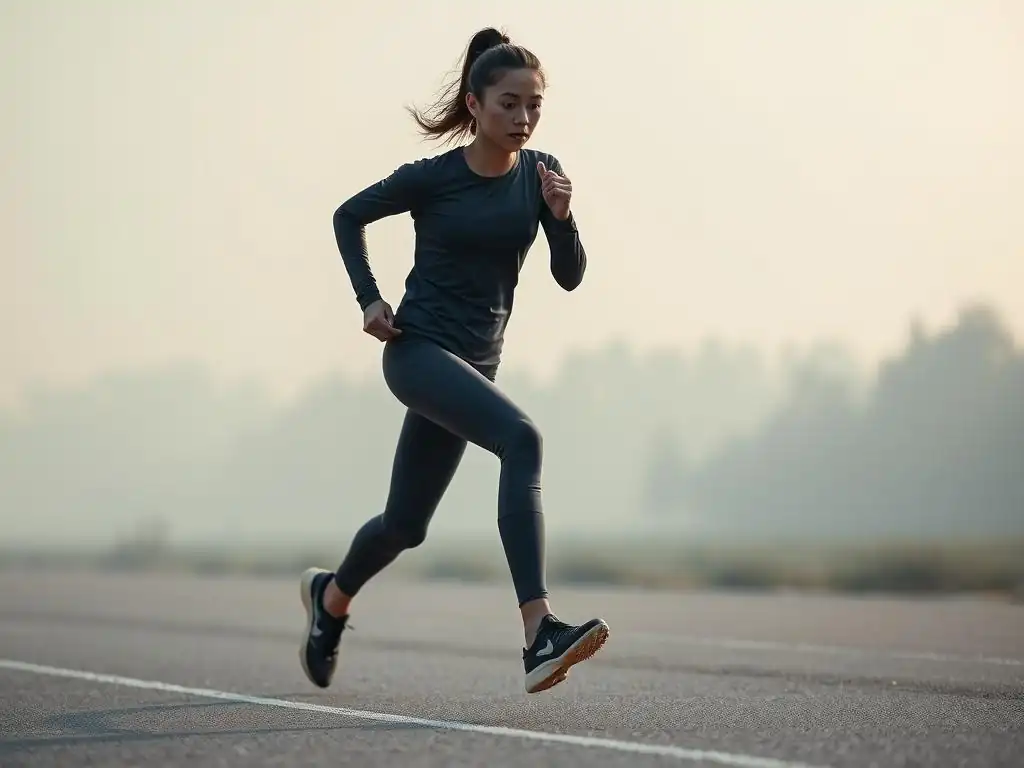
The competitive nature of sports inherently involves wins and losses, successes and failures. For female athletes, the fear of failure can be particularly debilitating, often tied to self-worth and identity. When an athlete's identity is solely defined by their performance, a poor game or a loss can feel like a personal failure rather than a temporary setback. This fear can manifest as intense anxiety before competitions, leading to performance paralysis or avoidance behaviors.
This anxiety is often amplified by external pressures from coaches, parents, teammates, or even fans, as well as internal pressure to meet high personal standards. The fear of disappointing others or not living up to expectations can create a constant state of stress, impacting sleep, concentration, and overall enjoyment of the sport. Addressing this fear is a critical aspect of supporting female athlete mental health challenges.
Overtraining and Burnout
The drive to succeed and the pressure to constantly improve can push athletes to train excessively, leading to overtraining syndrome. This condition is characterized by prolonged fatigue, decreased performance, increased susceptibility to illness, and significant psychological symptoms, including mood disturbances, irritability, and depression. Female athletes, perhaps due to perfectionist tendencies or pressure to compensate for perceived disadvantages, may be particularly vulnerable to overtraining.
When overtraining is combined with the mental and emotional stress of competition, societal pressures, and other life demands, it can lead to burnout. Burnout is a state of physical and emotional exhaustion that results in a loss of interest and motivation in the sport. It is a serious issue that can lead athletes to quit their sport prematurely, highlighting the severe consequences of unresolved female athlete mental health challenges. Recognizing the signs of overtraining and burnout is essential for intervention.
Pressure to Maintain Peak Performance and Avoid Injury
Athletes are under constant pressure to perform at their peak, consistently meeting or exceeding expectations. This pressure is compounded by the ever-present risk of injury. Injuries are not only physically painful but can also have significant psychological impacts, including fear of re-injury, loss of identity while sidelined, and anxiety about returning to form. Female athletes, unfortunately, experience certain types of injuries, like ACL tears, at higher rates than male athletes in some sports, adding another layer of physical and mental vulnerability.
The fear of injury can lead to hesitant play, further impacting performance. Conversely, the pressure to play through minor injuries or return too quickly from more significant ones can exacerbate physical problems and lead to long-term health issues. This constant tightrope walk between pushing limits for performance and protecting one's body creates significant mental stress, contributing to the unique female athlete mental health challenges.
Coping with Setbacks, Injuries, and Career Transitions
Setbacks are an inevitable part of an athlete's journey. Injuries, slumps in performance, not making a team, or losing a crucial game can be incredibly challenging to process. For female athletes, who may have fewer professional opportunities or a shorter career window than some male athletes, these setbacks can feel particularly impactful and potentially career-threatening. Developing effective coping mechanisms is vital for navigating these difficult periods.
Furthermore, the transition out of sport, whether due to retirement, injury, or the end of eligibility, is a significant life change that can profoundly impact mental health. Athletes who have dedicated years, often their entire identity, to their sport may struggle with finding purpose and belonging after retirement. This transition period requires significant psychological adjustment and support to manage feelings of loss, anxiety about the future, and potential identity crises, all common aspects of female athlete mental health challenges during this phase.
Addressing Gender-Specific Issues
Hormonal Fluctuations and Influence on Mood/Performance
Female athletes experience natural hormonal fluctuations throughout their menstrual cycle, across their lifespan, and in specific reproductive phases like pregnancy. These fluctuations can influence not only physical performance but also mood, energy levels, sleep patterns, and susceptibility to injury. For example, premenstrual syndrome (PMS) symptoms, which can include irritability, anxiety, depression, and fatigue, can directly impact an athlete's mental state and ability to train or compete effectively.
Understanding how hormonal changes interact with training load, nutrition, and stress is crucial. While not every athlete experiences significant mood swings related to their cycle, for those who do, these fluctuations can add a layer of complexity to managing mental well-being and athletic consistency. Recognizing these physiological factors is key to a holistic approach to female athlete mental health challenges.
The Role of the Menstrual Cycle
The menstrual cycle is a vital sign for female health, including bone density and cardiovascular health. However, its impact on athletic performance and mental state is often misunderstood or overlooked. Irregular or absent periods (amenorrhea) can be a sign of Relative Energy Deficiency in Sport (RED-S), a serious condition resulting from insufficient energy intake relative to energy expenditure. RED-S negatively impacts numerous physiological functions, including hormonal balance, bone health, metabolic rate, and psychological function.
RED-S is strongly linked to increased risk of injuries, decreased performance, and significant mental health issues, including depression, anxiety, and disordered eating. Educating athletes, coaches, and support staff about the menstrual cycle's importance and the risks associated with menstrual dysfunction is critical for preventing RED-S and addressing underlying female athlete mental health challenges related to nutrition and energy availability.
Pregnancy and Postpartum Mental Health
For female athletes who choose to start families during or after their careers, pregnancy and the postpartum period present unique physical and mental health considerations. Navigating training during pregnancy, returning to sport postpartum, and balancing motherhood with athletic demands can be incredibly challenging. The physical changes of pregnancy and childbirth, coupled with sleep deprivation and the emotional demands of caring for a newborn, can significantly impact mental well-being.
Postpartum depression and anxiety are common mental health conditions that can affect new mothers, including athletes. The pressure to "bounce back" physically and return to previous performance levels quickly after childbirth can exacerbate these issues. Providing adequate support, resources, and understanding for female athletes during pregnancy and the postpartum period is essential for their mental and physical recovery, a critical aspect of addressing female athlete mental health challenges across the lifespan.
Identifying Mental Health Issues: Recognizing the Signs
Common Mental Health Conditions: Anxiety, Depression, Eating Disorders
Female athletes are susceptible to a range of mental health conditions, with anxiety, depression, and eating disorders being particularly prevalent. Anxiety might manifest as excessive worry about performance, fear of judgment, or social anxiety. Depression can present as persistent sadness, loss of interest in activities (including their sport), fatigue, changes in appetite or sleep, and feelings of worthlessness.
Eating disorders, such as anorexia nervosa, bulimia nervosa, and binge eating disorder, are serious conditions characterized by disturbed eating habits and distress about body weight or shape. As discussed earlier, the pressure to maintain a specific physique in sports increases the risk for these disorders among female athletes. Recognizing the signs and symptoms of these conditions is the first step toward seeking help for female athlete mental health challenges.
Recognizing Symptoms: Self-Assessment and Seeking Help
Symptoms of mental health issues in athletes can sometimes be masked by or mistaken for typical athletic traits like dedication, discipline, or pushing through pain. However, persistent changes in mood, behavior, and performance should not be ignored. Signs might include:
- Withdrawal from teammates or social activities
- Significant changes in weight or eating habits
- Chronic fatigue or lack of energy unrelated to training load
- Increased irritability, sadness, or mood swings
- Difficulty concentrating
- Excessive worry or nervousness about performance
- Loss of enjoyment in the sport
- Physical complaints with no clear medical cause
Self-assessment tools can be a starting point for individuals to reflect on their own mental state, but they should not replace professional evaluation. Athletes should be encouraged to be honest with themselves and understand that experiencing these symptoms is not a sign of weakness. Seeking help from a trusted source is crucial when recognizing potential female athlete mental health challenges.
The Importance of Early Intervention and Support
Early intervention is critical for effectively treating mental health conditions and preventing them from escalating. The longer symptoms are ignored, the more entrenched the issues can become, potentially leading to more severe health problems and impacting an athlete's ability to participate in their sport or daily life. A supportive environment where athletes feel safe to disclose their struggles without fear of judgment or negative repercussions is paramount.
Coaches, parents, teammates, and athletic staff play a vital role in recognizing potential signs and encouraging athletes to seek help. Creating clear pathways to mental health resources and normalizing the conversation around mental well-being ensures that athletes receive timely and appropriate support. Addressing female athlete mental health challenges proactively leads to better outcomes and overall well-being.
Strategies for Promoting Mental Well-being
Building Resilience and Mental Toughness
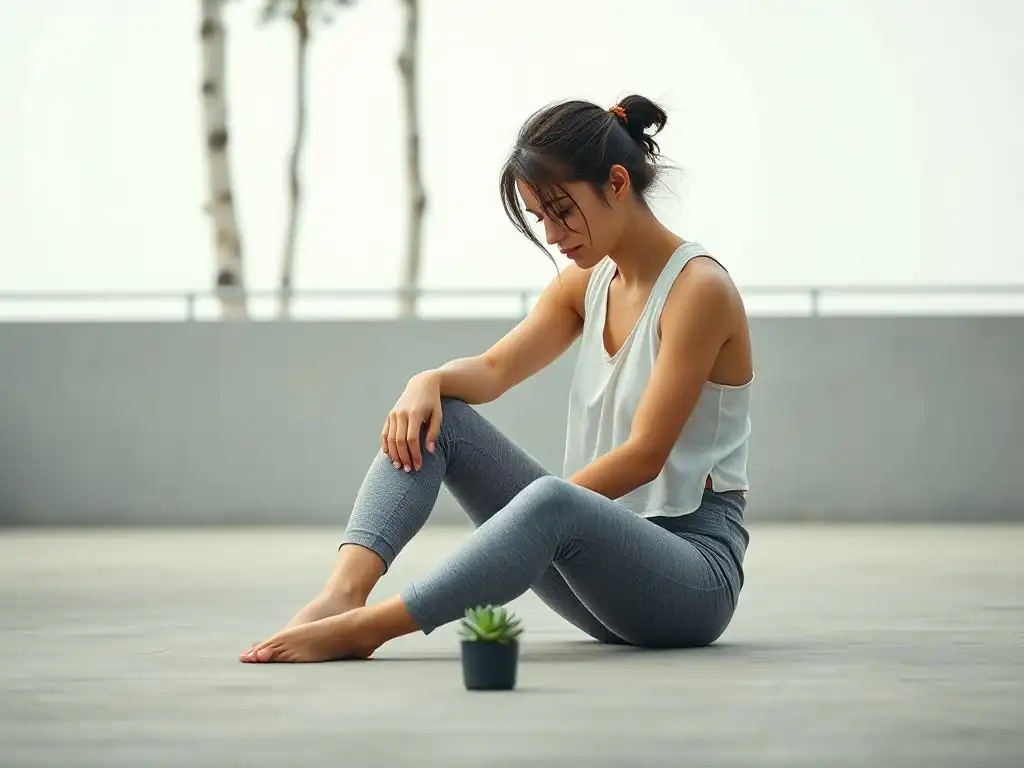
Resilience, the ability to bounce back from adversity, and mental toughness, the capacity to perform consistently under pressure, are valuable traits for athletes. However, these should not be equated with suppressing emotions or ignoring mental health struggles. True resilience involves acknowledging difficulties, learning from them, and developing healthy coping strategies. Mental toughness is about managing thoughts and emotions effectively, not eliminating them.
Strategies for building resilience and mental toughness include setting realistic goals, focusing on controllable factors, learning from mistakes and failures rather than dwelling on them, and developing a strong sense of self-worth independent of athletic performance. These skills can be taught and practiced, helping athletes better navigate the inherent stresses and female athlete mental health challenges of competitive sport.
Developing Healthy Coping Mechanisms
Learning and utilizing healthy coping mechanisms is essential for managing stress, anxiety, and other emotional challenges. Unhealthy coping strategies might include emotional eating, social withdrawal, substance use, or excessive rumination. Instead, female athletes can benefit from developing a repertoire of positive coping skills.
Examples of healthy coping mechanisms include:
- Talking about feelings with a trusted friend, family member, or therapist.
- Engaging in hobbies or activities outside of sport.
- Practicing relaxation techniques like deep breathing or progressive muscle relaxation.
- Journaling to process thoughts and emotions.
- Spending time in nature.
- Ensuring adequate sleep and nutrition.
- Setting boundaries around training and recovery time.
Mindfulness and Meditation for Stress Reduction
Mindfulness and meditation practices have gained traction in sports psychology as effective tools for enhancing mental well-being and performance. Mindfulness involves paying attention to the present moment without judgment, which can help athletes manage performance anxiety, reduce negative self-talk, and improve focus.
Regular meditation can help calm the nervous system, reduce stress hormones, and improve emotional regulation. Even short daily practices can make a significant difference in an athlete's ability to manage the pressures of training and competition. These techniques provide athletes with practical tools to actively address their mental state, offering valuable support for female athlete mental health challenges.
Positive Self-Talk and Visualization
The internal dialogue an athlete has with themselves significantly impacts their confidence and performance. Positive self-talk involves consciously replacing negative or self-critical thoughts with affirming and realistic statements. For example, instead of thinking "I'm going to fail," an athlete might reframe it as "I am prepared, and I will do my best."
Visualization, or mental rehearsal, involves mentally practicing performing successfully. This technique can build confidence, improve focus, and prepare athletes for competition by mentally walking through scenarios and executing skills flawlessly. Both positive self-talk and visualization are powerful cognitive tools that female athletes can use to enhance their mental game and support their overall mental well-being against the backdrop of female athlete mental health challenges.
Creating a Supportive Environment
The Role of Coaches, Trainers, and Teammates
Coaches, athletic trainers, and teammates are on the front lines of an athlete's daily life and play a critical role in creating a supportive environment. Coaches, in particular, have significant influence. By fostering open communication, demonstrating empathy, and prioritizing athlete well-being over solely focusing on performance outcomes, coaches can make a profound difference. Training for coaches on recognizing mental health signs and how to respond appropriately is essential.
Teammates provide peer support, understanding, and solidarity. A team culture that encourages vulnerability, mutual support, and looking out for one another can significantly reduce feelings of isolation and stigma. Athletic trainers are often the first point of contact for physical ailments, and they can also play a role in recognizing behavioral changes or psychological distress, connecting athletes with appropriate resources.
Promoting Open Communication and Reducing Stigma
Breaking down the stigma surrounding mental health is crucial within sports. This starts with promoting open and honest conversations about mental well-being at all levels – from team meetings to locker room discussions. Leaders within sports organizations, including administrators and prominent athletes, can help by speaking openly about the importance of mental health and their own experiences (where appropriate).
Creating a culture where athletes feel safe and encouraged to talk about their struggles without fear of being seen as weak or losing their position is paramount. This requires consistent messaging and actions that demonstrate mental health is just as important as physical health. Reducing stigma makes it easier for female athletes to seek help when facing female athlete mental health challenges.
Access to Mental Health Professionals and Resources
Providing accessible and specialized mental health support is fundamental. Athletes need access to licensed mental health professionals who understand the unique pressures and demands of competitive sports. This includes sports psychologists, counselors, and therapists experienced in working with athletes, particularly those familiar with female athlete mental health challenges.
Institutions and organizations should ensure that mental health services are readily available, confidential, and integrated into the overall athlete support system. This might involve having dedicated sports psychologists on staff, providing referrals to external specialists, or offering telehealth options. Easy access removes barriers to seeking help and ensures athletes receive the specialized care they need.
Resources and Support Systems
Mental Health Organizations and Hotlines
Numerous national and international mental health organizations offer valuable information, resources, and support. Organizations dedicated to specific conditions like anxiety, depression, or eating disorders provide detailed information about symptoms, treatment options, and ways to find help. Many also operate crisis hotlines or text lines available 24/7 for individuals in immediate distress.
These organizations can serve as a first point of contact for athletes or those concerned about an athlete. They offer general support and guidance and can help connect individuals with local resources. Familiarity with these resources is important for anyone supporting female athletes facing mental health challenges.
Therapy Options and Counseling Services
Therapy and counseling are effective treatment options for a wide range of mental health issues. Different types of therapy, such as Cognitive Behavioral Therapy (CBT), Dialectical Behavior Therapy (DBT), and psychodynamic therapy, can help athletes process emotions, develop coping skills, challenge negative thought patterns, and address underlying issues contributing to their struggles.
Finding a therapist who specializes in working with athletes can be particularly beneficial, as they understand the unique context of sports and performance pressure. Counseling services may be available through universities, sports organizations, or private practices. Confidentiality is a cornerstone of therapy, providing a safe space for athletes to explore their female athlete mental health challenges.
Online Resources and Support Groups
The internet offers a wealth of mental health resources, including informational websites, articles, videos, and online therapy platforms. While online resources should not replace professional help for serious conditions, they can provide valuable education, self-help strategies, and tools for managing less severe symptoms.
Online support groups or forums can connect female athletes with peers who share similar experiences. Sharing stories, challenges, and coping strategies in a supportive online community can reduce feelings of isolation and provide a sense of belonging. However, it is important to ensure that online communities are moderated and promote healthy behaviors and attitudes.
Conclusion: Empowering Female Athletes to Prioritize Mental Health
The Future of Mental Health Support in Women's Sports
The landscape of mental health support in women's sports is evolving, with increasing recognition of the unique female athlete mental health challenges. The future should see mental health support fully integrated into athletic programs at all levels, from youth leagues to professional organizations. This includes routine mental health screenings, readily available access to specialized care, mental skills training as a standard part of coaching, and educational programs for athletes, coaches, and parents.
Investment in research specifically focused on the mental health of female athletes is also crucial to better understand their unique needs and develop effective, evidence-based interventions. As women's sports continue to grow in prominence, ensuring robust mental health support is essential for the well-being and sustained success of female athletes.
Breaking the Stigma and Fostering Well-being
Breaking the stigma surrounding mental health is an ongoing process, requiring collective effort from everyone involved in sports. By continuing to have open conversations, sharing experiences, and treating mental health with the same seriousness as physical health, the sports community can create an environment where female athletes feel empowered to prioritize their well-being.
Fostering well-being goes beyond simply treating illness; it involves promoting resilience, teaching coping skills, building supportive relationships, and creating a culture that celebrates the athlete as a whole person, not just their performance. By addressing the unique female athlete mental health challenges head-on, the sports world can ensure that women and girls can participate in sports in a way that is not only physically healthy but also mentally and emotionally fulfilling.
Frequently Asked Questions
What are some unique pressures that contribute to mental health challenges for female athletes?
Female athletes face pressures related to body image, societal expectations, and gender disparities in sports, contributing to increased stress and anxiety.
How does the competitive environment specifically impact female athletes' mental well-being?
The intensely competitive nature of sports can lead to performance anxiety, fear of failure, and overtraining, significantly affecting mental health, especially in female athletes.
Social media can exacerbate mental health issues by exposing female athletes to cyberbullying, unrealistic comparisons, and constant scrutiny of their appearance and performance.
What resources are available to support female athletes facing mental health challenges?
Resources include sports psychologists, mental health therapists, and support groups specifically designed for athletes to address issues like anxiety, depression, and eating disorders.
Why is it important to prioritize mental health support for female athletes specifically?
Prioritizing mental health support acknowledges the unique pressures female athletes face and helps foster a healthier and more sustainable athletic career, leading to improved overall well-being.
Final Reflection: Championing the Mind: The Unseen Battles of Female Athletes
The mental health crisis among female athletes is not merely a statistic; it's a pervasive challenge demanding immediate and sustained attention. The pressures faced by these women—from the relentless pursuit of excellence to the often-unseen societal expectations—are creating a silent epidemic that impacts their well-being, performance, and overall quality of life. We've explored the unique pressures faced by female athletes, from body image issues and the intense scrutiny of social media to the complexities of balancing athletic careers with academic or professional pursuits. Ignoring this reality is not an option.
The journey to understanding and addressing the mental health needs of female athletes is a marathon, not a sprint. The societal pressures and ingrained biases that contribute to this crisis are deeply rooted and require a multifaceted approach to dismantle. The most common way people give up their power is by thinking they don't have any.
- Alice Walker. This quote highlights the crucial need to empower female athletes to recognize their inherent strength and seek help without shame or stigma. My own research for this article underscored the importance of fostering open dialogue, providing accessible resources, and creating supportive environments where these incredible women feel safe to prioritize their mental well-being.
Now, it's your turn. Reflect on the information presented. Consider the female athletes you know – your friends, family members, or those you admire from afar. How can you contribute to a more supportive and understanding environment for them? Perhaps it's a simple act of listening, offering encouragement, or sharing this article with someone who needs it. Let's work together to champion the minds of these remarkable women, ensuring they receive the support they deserve to thrive, both on and off the field. Let's build a future where athletic excellence and mental well-being go hand in hand.
Unleash Your Inner Strength: Take Charge of Your Well-being
Thanks for taking the time to explore the unique mental health challenges faced by female athletes. We hope you gained valuable insights into fostering resilience and prioritizing your well-being. Now it's time to put that knowledge into action!
- Prioritize self-care this week: Schedule at least one activity that nurtures your mind and body – whether it's a relaxing bath, a mindful walk, or a call to a supportive friend. This is your chance to make a tangible commitment to your well-being.
- Share this article: Let's start a conversation! Spread awareness about the mental health pressures faced by female athletes by sharing this article with your team, friends, or on social media.
- Explore MindCareGuide.org for additional resources: Discover more articles, tools, and support specifically designed to empower women in sports to prioritize their mental health.
What self-care practice will you commit to this week to support your mental and emotional strength?