
Relaxation Techniques for Athletes: Unwinding After Intense Training and Competition

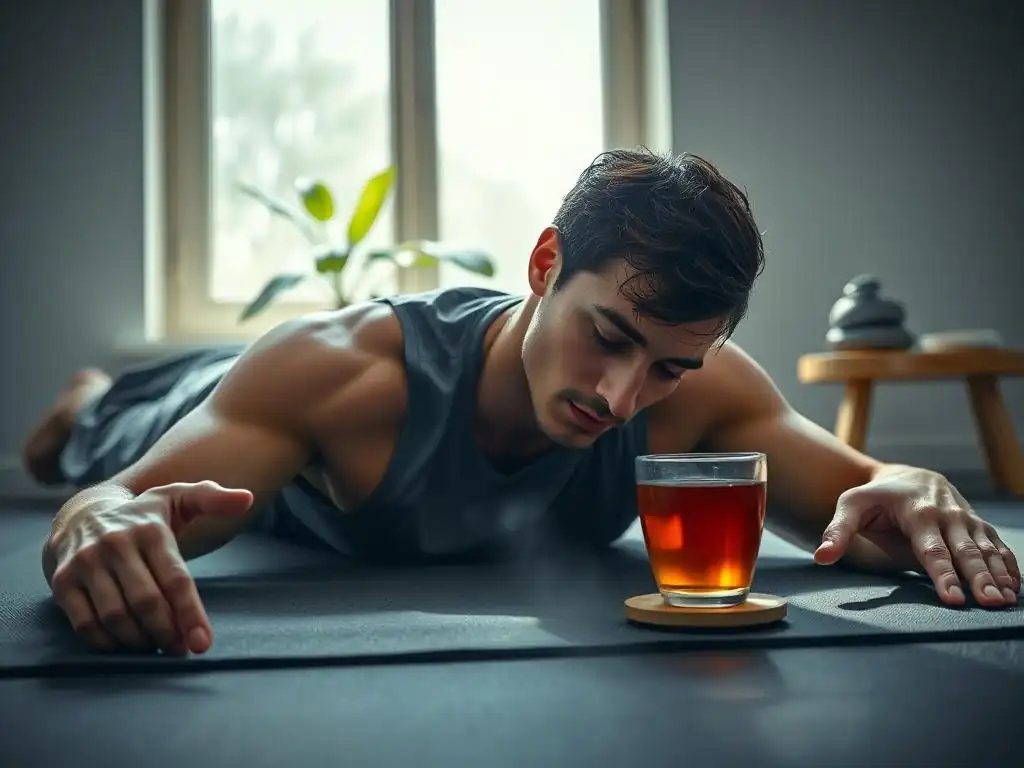
Welcome to Mind Care Guide, your sanctuary for nurturing mental well-being.
Feeling the pressure of peak performance? Discover how to master stress management and accelerate athletes recovery in our featured article. We understand the unique mental demands placed on athletes, and we're here to guide you through proven relaxation techniques. Uncover the secrets to unwinding after intense training and competition – your journey to a stronger mind and body starts now.
- Relaxation Techniques for Athletes: Stress Management for Optimal Recovery
- Understanding Stress and Its Impact on Athletic Performance
- Key Relaxation Techniques for Athletes' Mental and Physical Recovery
- Creating a Personalized Relaxation Plan for Athletes
- Optimizing Your Environment for Relaxation
- Seeking Professional Support for Stress Management
- Conclusion: Prioritizing Relaxation for Peak Athletic Performance and Mental Wellbeing
-
Frequently Asked Questions
- What are some effective relaxation techniques that athletes can use for recovery?
- How does stress impact an athlete's performance and recovery?
- Why is mental well-being important for athletes, especially during recovery?
- What resources are available for athletes struggling with stress and mental health challenges?
- How can athletes incorporate relaxation techniques into their daily routines for better stress management?
- Final Reflection: Finding Your Flow: The Enduring Power of Recovery for Athletes
- Unwind and Recharge: Your Path to Peak Performance
Relaxation Techniques for Athletes: Stress Management for Optimal Recovery
Introduction: The Importance of Relaxation and Stress Management for Athletic Performance
In the demanding world of competitive sports, athletes push their bodies and minds to the limit. While intense training is crucial for performance, the ability to effectively manage stress and prioritize relaxation is equally vital for long-term success, injury prevention, and overall well-being. Proper stress management athletes recovery strategies are not just a luxury; they are a fundamental component of a comprehensive training regimen, allowing the body and mind to repair, rebuild, and return stronger. Ignoring the need for relaxation can lead to diminished performance, increased risk of injury, and even burnout, significantly impacting an athlete's career trajectory.
Integrating relaxation techniques into an athlete's daily or weekly routine provides a powerful tool for enhancing both physical recovery and mental resilience. Studies have shown that athletes who consistently incorporate stress reduction practices experience improvements in sleep quality, reduced muscle tension, and better emotional regulation.
For instance, research published in the Journal of Applied Sport Psychology indicates that athletes utilizing mindfulness and relaxation techniques reported a 15-20% improvement in recovery metrics and a noticeable decrease in perceived stress levels during peak training cycles. This highlights the direct correlation between dedicated relaxation and enhanced capacity for handling the pressures of training and competition, ultimately contributing to peak performance.
Understanding Stress and Its Impact on Athletic Performance
The Physiological Effects of Stress on Athletes
Stress triggers a complex physiological response in the athlete's body, often referred to as the "fight or flight" mechanism. This involves the release of hormones like cortisol and adrenaline, which, while beneficial in short bursts for performance, become detrimental when stress is chronic.
Elevated cortisol levels, for example, can interfere with muscle repair and growth, suppress the immune system, and increase inflammation, potentially slowing down recovery and increasing susceptibility to illness and injury. Continuous exposure to these stress hormones can lead to prolonged muscle soreness and stiffness, hindering an athlete's ability to train effectively and reducing their capacity for optimal stress management athletes recovery.
Furthermore, chronic stress can negatively impact cardiovascular health and digestive function. An athlete experiencing high stress might exhibit increased heart rate and blood pressure even at rest, and may suffer from gastrointestinal issues like nausea or indigestion, affecting nutrient absorption crucial for recovery.
Data from athletic training centers often shows a correlation between periods of high competitive stress and an increase in minor ailments and injuries, with some reports indicating up to a 25% rise in soft tissue injuries during intense competition phases compared to regular training periods. This underscores the significant physical toll that poorly managed stress can take on an athlete's body, directly impeding their ability to recover and perform consistently.
Psychological Impact: Anxiety, Burnout, and Mental Fatigue
Beyond the physical, stress profoundly affects an athlete's psychological state, leading to issues like performance anxiety, loss of motivation, and mental fatigue. The constant pressure to perform, coupled with the demands of training and life outside of sport, can create a fertile ground for anxiety disorders or exacerbate existing ones. Athletes under immense psychological stress may struggle with focus, decision-making, and maintaining composure during critical moments in competition. This psychological burden directly impairs cognitive function essential for strategic thinking and reacting quickly, diminishing overall performance quality.
Chronic stress can also lead to burnout, a state of physical, emotional, and mental exhaustion. Burnout is characterized by a reduced sense of accomplishment, emotional depletion, and devaluation of one's sport.
A survey of collegiate athletes, for instance, found that nearly 50% reported experiencing symptoms consistent with burnout at some point in their careers, often linked to high training loads and inadequate psychological support or stress management athletes recovery strategies. Mental fatigue resulting from prolonged stress can manifest as difficulty concentrating, impaired reaction time, and a general lack of enjoyment in activities that were once pleasurable, potentially leading to athletes dropping out of their sport altogether.
Recognizing the Signs of Stress in Athletes
Identifying the signs of excessive stress is the first critical step in implementing effective stress management athletes recovery plans. These signs can manifest physically, emotionally, and behaviorally. Physical indicators might include persistent muscle soreness that doesn't resolve with rest, frequent headaches, digestive problems, changes in appetite, or disrupted sleep patterns (difficulty falling asleep, staying asleep, or feeling unrested). An athlete might complain of feeling constantly tired or lacking energy, even after adequate rest.
Emotional and behavioral signs are equally telling. An athlete under significant stress might display increased irritability, mood swings, feelings of being overwhelmed, or a loss of interest in their sport or other activities. They may withdraw from teammates or coaches, exhibit uncharacteristic errors in training or competition, or show a noticeable decrease in performance without a clear physical cause.
For example, a swimmer who consistently hits target times suddenly struggling to meet them, or a team sport athlete making uncharacteristic unforced errors, could be exhibiting signs of stress. Recognizing these symptoms early allows for timely intervention and the implementation of targeted stress management athletes recovery techniques.
Key Relaxation Techniques for Athletes' Mental and Physical Recovery
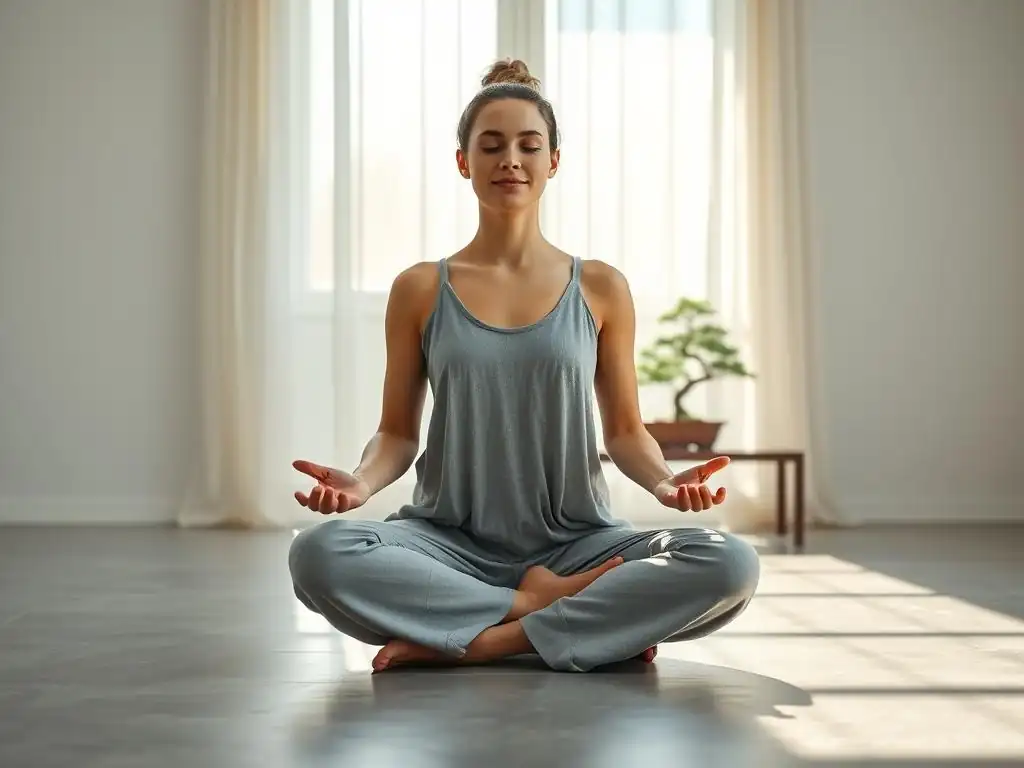
Breathing Exercises for Immediate Stress Relief
Breathing exercises are powerful, portable tools that athletes can use anywhere, anytime, for immediate stress relief and improved recovery. Focusing on the breath helps to activate the parasympathetic nervous system, counteracting the "fight or flight" response and promoting a state of calm. Simple techniques can quickly lower heart rate, reduce muscle tension, and clear the mind, preparing the athlete for better rest and recovery. Integrating focused breathing into post-training routines or pre-competition rituals can significantly enhance an athlete's ability to manage pressure and facilitate optimal stress management athletes recovery.
These exercises require no special equipment and can be practiced for just a few minutes to yield tangible benefits. Consistent practice builds proficiency, making them even more effective during moments of high stress or anxiety. For instance, taking a few minutes to practice controlled breathing after a tough workout can help regulate physiological responses, promoting faster return to homeostasis. Similarly, using breathing techniques before a crucial event can help an athlete manage pre-competition jitters, allowing them to channel their energy more effectively.
Diaphragmatic Breathing (Belly Breathing) Technique
Diaphragmatic breathing, also known as belly breathing, is a fundamental technique that maximizes lung capacity and promotes relaxation. Instead of shallow chest breaths, this method focuses on drawing air deeply into the abdomen. To practice, find a comfortable position, place one hand on your chest and the other on your belly. Inhale slowly through your nose, feeling your abdomen rise while your chest remains relatively still. Exhale slowly through pursed lips, feeling your abdomen fall. The exhale should ideally be longer than the inhale.
Practicing diaphragmatic breathing for 5-10 minutes daily can significantly reduce overall stress levels. Athletes can use this technique during breaks in training, before sleep, or whenever they feel tension building. It helps to lower cortisol levels and increase oxygen flow, aiding muscle relaxation and mental clarity. Many elite athletes incorporate this simple yet effective technique into their daily routine, reporting improved sleep quality and reduced anxiety, contributing directly to their stress management athletes recovery process.
Box Breathing for Enhanced Focus and Calm
Box breathing is a simple, four-count technique used to regulate breath and calm the nervous system, often employed in high-stress professions like military special forces and emergency responders. For athletes, it's excellent for regaining focus and composure during intense moments or after demanding efforts. The technique involves inhaling for a count of four, holding the breath for a count of four, exhaling for a count of four, and holding the breath again for a count of four before repeating the cycle.
This rhythmic pattern helps to slow down the heart rate and quiet racing thoughts. Athletes can use box breathing during timeouts, between sets, or after finishing a high-intensity interval. It serves as a mental reset button, helping to improve concentration and manage anxiety, which are crucial components of effective stress management athletes recovery. Even practicing this technique for a few minutes can make a noticeable difference in an athlete's ability to regulate their physiological and psychological state.
Alternate Nostril Breathing for Balancing Energy
Alternate nostril breathing (Nadi Shodhana) is a yogic breathing technique that is believed to balance the left and right hemispheres of the brain, promoting a sense of calm and equilibrium. It involves closing one nostril while inhaling through the other, then closing the inhaled nostril and exhaling through the opposite one, and repeating the pattern. While it might seem complex initially, the rhythmic, controlled flow of breath is deeply relaxing.
This technique is particularly useful for athletes struggling with sleep or feeling mentally scattered. It can help to quiet the mind before bedtime or restore focus during a stressful day. Practicing alternate nostril breathing for 5-10 minutes can help reduce anxiety and promote a state of peaceful alertness, supporting the athlete's overall stress management athletes recovery efforts by improving sleep and mental clarity.
Progressive Muscle Relaxation (PMR) for Physical Tension Release
Progressive Muscle Relaxation (PMR) is a technique that involves tensing and then releasing different muscle groups in the body. This systematic process helps athletes become more aware of where they hold tension and provides a method for actively releasing it. Given the physical demands of training, athletes often carry significant tension in their muscles without realizing it, which can contribute to stiffness, soreness, and increased injury risk. PMR offers a direct way to address this physical manifestation of stress.
Regular practice of PMR can lead to a reduced resting muscle tone, improved body awareness, and a greater ability to relax muscles on command. It's a valuable tool for both immediate tension relief after a workout and for promoting deeper relaxation before sleep, thereby enhancing the quality of rest and recovery. Studies have shown that athletes incorporating PMR into their routine report significant reductions in perceived muscle soreness and faster recovery times between training sessions, highlighting its effectiveness for stress management athletes recovery.
How to Practice Progressive Muscle Relaxation
To practice PMR, find a quiet place where you won't be interrupted. Lie down or sit comfortably. Begin by focusing on one muscle group, such as your hands. Tense the muscles in your hands tightly for about 5-10 seconds, making a fist. Pay attention to the sensation of tension. Then, quickly release the tension completely, letting your hands go limp. Notice the feeling of relaxation and warmth in the muscles. Rest for 15-20 seconds before moving to the next muscle group.
Work your way systematically through the body, tensing and releasing major muscle groups: forearms, biceps, shoulders, neck and jaw, eyes and forehead, back, stomach, buttocks, thighs, calves, and feet. Ensure you spend adequate time feeling both the tension and the subsequent relaxation in each group. This deliberate process helps train your body to recognize and release unnecessary muscle tension, a key aspect of physical stress management athletes recovery.
Benefits of PMR for Athletes: Reducing Muscle Soreness and Improving Sleep
PMR offers specific benefits for athletes. By systematically releasing muscle tension, it can help alleviate post-exercise soreness and stiffness, facilitating faster physical recovery. Reduced muscle tension also contributes to better flexibility and range of motion over time. Additionally, PMR is a powerful tool for combating insomnia and improving sleep quality, as physical relaxation often precedes mental relaxation. Athletes who struggle to "switch off" after intense training or competition can use PMR to prepare their bodies and minds for restful sleep.
Improved sleep is absolutely crucial for muscle repair, hormone regulation, and cognitive function – all pillars of effective stress management athletes recovery. Research indicates that athletes who regularly practice PMR experience a significant reduction in sleep onset latency (the time it takes to fall asleep) and an increase in total sleep time. This direct impact on recovery processes makes PMR an invaluable technique in an athlete's toolkit.
Mindfulness and Meditation for Enhanced Mental Resilience
Mindfulness and meditation practices train the mind to be present and non-judgmental, helping athletes observe their thoughts and feelings without getting caught up in them. This mental training builds resilience, enabling athletes to navigate the psychological pressures of competition, setbacks, and distractions with greater composure. For athletes, mindfulness is not about emptying the mind, but rather about cultivating awareness – of bodily sensations, thoughts, emotions, and the environment – in the present moment. This heightened awareness is critical for recognizing stress triggers and managing reactions effectively.
Integrating mindfulness and meditation into an athlete's routine can lead to improved focus, reduced performance anxiety, and enhanced emotional regulation. It helps athletes stay grounded amidst the chaos of competition and bounce back more quickly from mistakes or losses. Studies have shown that athletes who regularly practice mindfulness report lower levels of anxiety and depression, alongside improved attentional control and self-compassion, all contributing to robust mental stress management athletes recovery.
Introduction to Mindfulness Meditation for Athletes
Mindfulness meditation for athletes typically involves focusing attention on a specific anchor, such as the breath, bodily sensations, or sounds, and gently returning the attention whenever the mind wanders. Athletes can start with short sessions, perhaps 5-10 minutes daily, and gradually increase the duration. It can be practiced sitting, lying down, or even walking. The goal is not to stop thinking, but to become aware of thoughts without judgment and to choose where to place your attention.
For athletes, this training translates directly to the field or court. The ability to notice distracting thoughts ("I'm tired," "What if I fail?") and redirect focus back to the present task (the game, the next movement) is a powerful competitive advantage. Practicing mindfulness regularly helps athletes develop this mental muscle, enhancing their ability to perform under pressure and facilitating mental stress management athletes recovery after intense mental effort.
Guided Meditation for Stress Reduction and Performance Enhancement
Guided meditations involve being led through a meditation practice by an instructor or recording. This can be particularly helpful for beginners or for athletes who find it difficult to meditate on their own. Guided meditations often incorporate specific themes relevant to athletes, such as body scan meditations (focusing awareness on different parts of the body to release tension), loving-kindness meditations (cultivating compassion for oneself and others), or visualizations for performance enhancement.
Using guided meditations specifically designed for athletes can help target areas like pre-competition anxiety, post-injury recovery, or general stress reduction. Many apps and online resources offer guided meditations ranging from a few minutes to longer sessions. Incorporating a 15-20 minute guided meditation into a daily routine can significantly lower stress levels, improve sleep, and enhance mental preparation, all vital aspects of stress management athletes recovery.
Integrating Mindfulness into Daily Training and Competition
Mindfulness isn't just a formal meditation practice; it can be integrated into everyday activities and athletic performance. Athletes can practice mindful eating, paying attention to the taste and texture of their food, which can aid digestion and recovery. They can practice mindful movement during warm-ups, cool-downs, or even during the sport itself, paying attention to bodily sensations and the environment.
During competition, athletes can use mindfulness to stay present – focusing on the current play, the feel of the equipment, the sounds around them – rather than getting distracted by past mistakes or future outcomes. This "process focus" over "outcome focus" is a hallmark of mentally tough athletes. Even simple acts like taking a mindful breath before a free throw, a golf swing, or a critical decision can make a significant difference in performance and help manage the immediate stress of the moment, contributing to overall stress management athletes recovery.
Visualization Techniques for Improved Performance and Relaxation
Visualization, or mental imagery, involves creating vivid mental pictures of desired outcomes, processes, or feelings. For athletes, this technique is widely used to rehearse skills, build confidence, and prepare mentally for competition. However, visualization is also a powerful tool for relaxation and stress reduction. By imagining peaceful scenes or successfully navigating stressful situations, athletes can calm their nervous system and reduce anxiety.
Incorporating visualization into a relaxation routine can help athletes mentally detach from the pressures of training and competition. It allows them to create a mental escape or reinforce feelings of competence and control, which are antithetical to stress. Regular visualization practice enhances the mind-body connection, making it easier for athletes to evoke states of relaxation and confidence when needed, directly supporting their stress management athletes recovery efforts.
Creating Mental Imagery for Success
Performance visualization involves mentally rehearsing skills, strategies, and even entire competitions. Athletes can vividly imagine themselves executing perfect techniques, making key decisions, and achieving their goals. This mental practice not only improves performance by reinforcing neural pathways but also builds confidence and reduces anxiety by making the unfamiliar feel familiar. An athlete might spend 10-15 minutes daily visualizing a successful performance, paying attention to sensory details – the feel of the ball, the sound of the crowd, the smell of the track.
Beyond performance, athletes can use visualization for recovery. Imagine muscles repairing, energy levels replenishing, or toxins clearing from the body. Visualizing a peaceful place, such as a quiet beach or a serene forest, can also induce a state of deep relaxation. These mental journeys provide a respite from the physical and mental demands of sport, aiding in overall stress management athletes recovery.
Using Visualization to Manage Anxiety and Build Confidence
Visualization is particularly effective in managing performance anxiety. Athletes can mentally rehearse coping with challenging situations or setbacks, imagining themselves staying calm and focused under pressure. By repeatedly visualizing successful navigation of difficult moments, they build mental resilience and reduce the fear associated with potential failure. This proactive mental preparation can significantly lower pre-competition stress levels.
Furthermore, consistent visualization of past successes or desired future achievements reinforces an athlete's self-efficacy and confidence. Seeing oneself succeed in the mind makes it feel more attainable in reality. This boost in confidence directly counteracts the negative thought patterns often associated with stress and anxiety, empowering the athlete and contributing positively to their stress management athletes recovery and readiness for future challenges.
Yoga and Stretching for Physical and Mental Wellbeing
Yoga and stretching are physical practices that offer significant benefits for both the body and mind, making them excellent components of a stress management athletes recovery plan. Yoga combines physical postures (asanas), breathing techniques (pranayama), and meditation, promoting flexibility, strength, balance, and mental calm. Stretching, while often part of a warm-up or cool-down, can also be a dedicated practice for releasing muscle tension and improving range of motion.
These practices help reduce the physical stiffness and soreness that accumulate from intense training, while also calming the nervous system. The focus on breath and body awareness inherent in yoga and dedicated stretching sessions helps athletes tune into their physical state and release stored tension. Regular engagement in these activities supports physical recovery, improves flexibility, and provides a structured way to unwind, all contributing to enhanced stress management athletes recovery.
Benefits of Yoga for Athletes: Flexibility, Strength, and Stress Reduction
Yoga offers a holistic approach to athletic well-being. Physically, it improves flexibility, mobility, and core strength, which can enhance performance and reduce the risk of injuries. Many poses help to lengthen and release tight muscles common in athletes, such as hamstrings, hip flexors, and shoulders. Mentally, the emphasis on breath and mindfulness during yoga practice helps reduce stress, improve focus, and enhance body awareness.
A study involving NCAA athletes found that incorporating yoga into their training resulted in a 20% increase in flexibility and a significant reduction in self-reported stress levels compared to a control group. The combination of physical challenge and mental calm makes yoga a powerful tool for athletes seeking to improve both their physical capabilities and their capacity for stress management athletes recovery.
Simple Yoga Poses for Relaxation and Recovery
Several yoga poses are particularly beneficial for promoting relaxation and physical recovery after training. Child's Pose (Balasana) is a gentle resting pose that helps calm the nervous system and stretch the back. Supine Spinal Twist (Supta Matsyendrasana) helps release tension in the back and hips. Legs-Up-the-Wall Pose (Viparita Karani) is excellent for reducing swelling in the legs, calming the mind, and promoting relaxation.
These poses can be held for several minutes, focusing on deep, relaxed breathing. Incorporating a short sequence of these restorative poses into a post-workout cool-down or evening routine can significantly aid muscle recovery and mental unwinding, serving as practical tools for stress management athletes recovery. Even 10-15 minutes of gentle yoga can make a noticeable difference in how an athlete feels physically and mentally.
The Role of Stretching in Preventing Injuries and Reducing Muscle Tension
Dedicated stretching sessions, separate from dynamic warm-ups, play a crucial role in reducing muscle tension and improving flexibility. Holding static stretches for 20-30 seconds after muscles are warm can help lengthen connective tissues and reduce residual tightness from intense exercise. This improved flexibility can help prevent muscle imbalances and reduce the risk of strains and sprains.
Beyond injury prevention, stretching is a physical form of stress release. As muscles lengthen, physical tension is released, which can also have a calming effect on the nervous system. Focusing on the sensations in the body during stretching also acts as a form of mindfulness, bringing attention to the present moment and away from stressful thoughts. Incorporating 15-20 minutes of static stretching into a post-training or evening routine is a simple yet effective strategy for physical stress management athletes recovery.
Creating a Personalized Relaxation Plan for Athletes
Assessing Your Stress Levels and Identifying Triggers
Creating an effective stress management athletes recovery plan begins with self-awareness. Athletes need to honestly assess their current stress levels and identify the specific situations, thoughts, or feelings that trigger their stress response. This might involve keeping a stress journal for a week or two, noting down moments of stress and what was happening, how they felt physically and emotionally, and what they were thinking. Are the triggers related to performance pressure, training load, relationships, academics, or other life demands?
Understanding your personal stress profile is crucial because stress is highly individual. What one athlete finds motivating, another might find overwhelming. Recognizing patterns in your stress responses – whether it's physical tension in the shoulders, racing thoughts, or irritability – allows you to anticipate stressful situations and proactively deploy coping strategies. This initial assessment forms the foundation for building a truly personalized stress management athletes recovery plan.
Choosing the Right Relaxation Techniques for Your Needs
Once triggers and typical responses are identified, the next step is to select relaxation techniques that resonate with you and address your specific needs. Some athletes might find active techniques like yoga more beneficial, while others prefer passive methods like meditation or PMR. Someone struggling with sleep might prioritize PMR and guided meditations, while an athlete experiencing pre-competition anxiety might focus on breathing exercises and visualization.
Experiment with different techniques to see what feels most effective and enjoyable. It's not about forcing yourself to do something you dislike, but finding tools that genuinely help you unwind and recover. A personalized stress management athletes recovery plan might include a mix of techniques – perhaps daily diaphragmatic breathing, weekly yoga, and using visualization before key events. The key is to choose techniques that you are likely to stick with consistently.
Incorporating Relaxation into Your Training Schedule
For relaxation to be effective, it needs to be a non-negotiable part of the training schedule, not an afterthought. Just as you schedule workouts, strength training, and physical therapy, dedicate specific time slots for relaxation and stress management athletes recovery activities. This could be 10 minutes of meditation after morning practice, a 30-minute yoga session on a recovery day, or 15 minutes of PMR before bed every night.
Treating relaxation as a critical component of training reinforces its importance and ensures it doesn't get squeezed out by other demands. Coaches and support staff can also play a role by emphasizing the importance of recovery and integrating relaxation opportunities into team schedules where appropriate. Making time for relaxation is an investment in performance and longevity, not a sign of weakness.
The Importance of Consistency and Regular Practice
Like any skill, the effectiveness of relaxation techniques improves with consistent, regular practice. You wouldn't expect to lift your personal best weight without consistent training; similarly, you can't expect relaxation techniques to instantly melt away chronic stress if you only use them occasionally during crisis moments. Regular practice helps your body and mind become more responsive to the techniques, making them more effective when you need them most.
Aim for daily practice, even if it's just for a few minutes. Consistency builds resilience and helps maintain lower baseline stress levels over time. For example, practicing diaphragmatic breathing for 5 minutes daily can make it much easier to use effectively during a stressful competition. Regular engagement with your chosen stress management athletes recovery methods is the key to unlocking their full potential for enhancing both performance and well-being.
Optimizing Your Environment for Relaxation
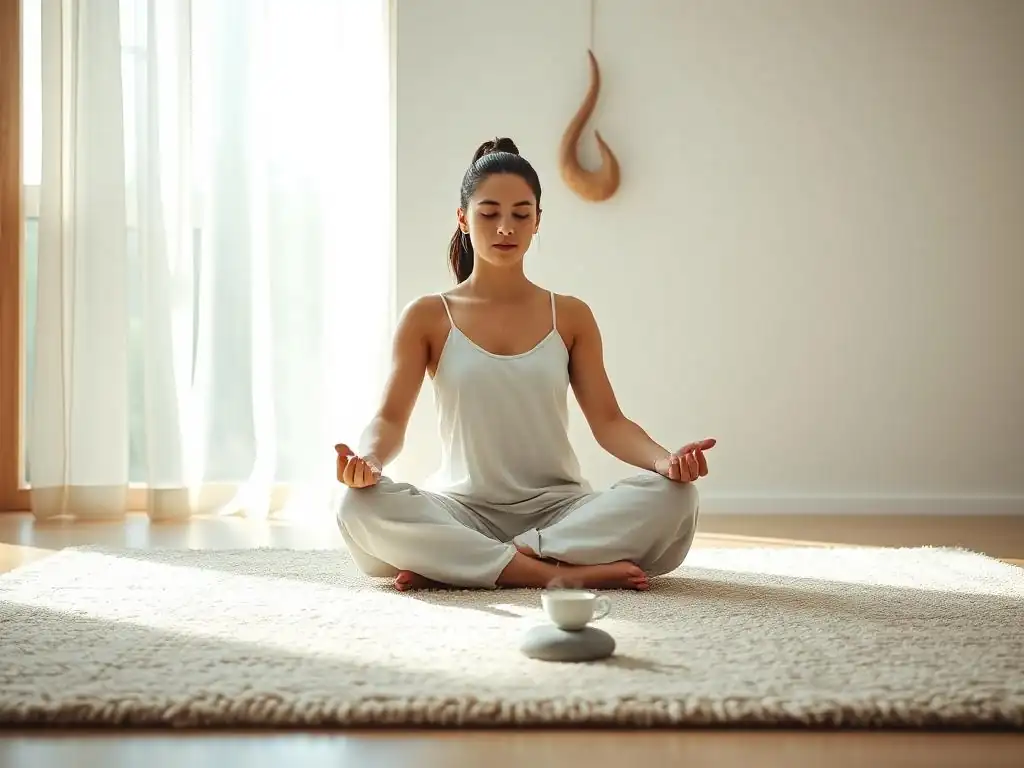
Creating a Calm and Peaceful Space for Relaxation
The environment in which you practice relaxation can significantly impact its effectiveness. While some techniques like breathing exercises can be done anywhere, dedicating a specific space, even a small corner, can enhance the experience. This space should be quiet, free from distractions (like phones or screens), and feel comfortable and calming. It doesn't need to be elaborate; a clean, tidy area with comfortable seating or lying space is sufficient.
Making this space consistently available helps signal to your body and mind that it's time to unwind. Ensuring adequate ventilation and a comfortable temperature also contributes to a relaxing atmosphere. Creating this dedicated zone reinforces the importance of stress management athletes recovery and makes it easier to transition into a state of calm.
Utilizing Soothing Sounds and Aromatherapy
Auditory and olfactory stimuli can be powerful aids in promoting relaxation. Listening to soothing music, nature sounds (like ocean waves or rain), or ambient noise can help block out distracting thoughts and create a tranquil backdrop for relaxation practices like meditation or PMR. Many athletes find that specific playlists or soundscapes help them transition from a high-arousal state to a more relaxed one.
Aromatherapy, using essential oils known for their calming properties such as lavender, chamomile, or bergamot, can also enhance the relaxation environment. Using a diffuser or applying diluted oils to pulse points can add another sensory layer that promotes a sense of peace and reduces anxiety. These simple additions can significantly deepen the relaxation experience and support the overall stress management athletes recovery process.
The Role of Sleep Hygiene in Stress Management and Recovery
Optimal sleep hygiene is arguably the most fundamental component of stress management athletes recovery. Sleep is when the body repairs muscle tissue, consolidates memories, regulates hormones (including stress hormones like cortisol), and restores cognitive function. Chronic sleep deprivation or poor sleep quality significantly impairs recovery, increases stress susceptibility, and diminishes performance. Athletes typically require 7-9 hours of quality sleep per night, sometimes more during periods of intense training.
Establishing a consistent sleep schedule, creating a dark, cool, and quiet bedroom environment, avoiding screens and heavy meals close to bedtime, and limiting caffeine and alcohol intake are all crucial aspects of good sleep hygiene. Treating sleep as a non-negotiable part of the training plan is essential for maximizing physical and mental recovery and building resilience against stress. Prioritizing sleep is a direct investment in effective stress management athletes recovery.
Seeking Professional Support for Stress Management
When to Consult a Sports Psychologist or Therapist
While self-help relaxation techniques are incredibly valuable, there are times when athletes may benefit from professional support for stress management. If stress and anxiety feel overwhelming, are consistently impacting performance or daily life, or if symptoms of burnout or depression are present, seeking help from a qualified sports psychologist or therapist is advisable. These professionals are trained to help athletes navigate complex psychological challenges.
Signs that professional help might be needed include persistent difficulty sleeping despite good sleep hygiene, significant changes in mood or behavior, loss of interest in the sport, or using unhealthy coping mechanisms (like excessive alcohol or withdrawal). A sports psychologist can provide tailored strategies for managing performance pressure, anxiety, and other psychological stressors that self-guided techniques may not fully address. Recognizing the need for support is a sign of strength, not weakness.
Benefits of Therapy for Athletes: Coping with Pressure and Improving Performance
Therapy, particularly cognitive-behavioral therapy (CBT) or acceptance and commitment therapy (ACT), can equip athletes with advanced coping skills for managing stress, anxiety, and the unique pressures of their sport. A therapist can help athletes identify negative thought patterns, develop healthier perspectives on challenges and setbacks, and build mental resilience. They can also work with athletes on goal setting, motivation, and maintaining a healthy identity outside of their sport.
Studies show that athletes who engage in psychological skills training with a therapist experience improved performance, reduced anxiety, and greater overall well-being. For instance, research on collegiate athletes indicated that those participating in psychological skills training reported a 30% reduction in competitive anxiety and a noticeable improvement in their ability to handle setbacks. Therapy provides a confidential space to process emotions and develop personalized strategies for long-term stress management athletes recovery and psychological health.
Resources for Athletes Seeking Mental Health Support
Athletes have various resources available for seeking mental health support. Many universities and professional sports organizations have in-house sports psychologists or mental health counselors available to athletes. National and international sports bodies often provide lists of qualified practitioners specializing in athlete mental health. Additionally, general mental health resources and directories can help locate therapists who understand the unique demands faced by athletes.
It's important to find a practitioner who is a good fit and with whom the athlete feels comfortable. Don't hesitate to ask about their experience working with athletes. Utilizing these resources is a proactive step towards maintaining psychological well-being, which is just as important as physical health for peak performance and sustainable stress management athletes recovery.
Conclusion: Prioritizing Relaxation for Peak Athletic Performance and Mental Wellbeing
While rigorous training is essential, effective stress management athletes recovery through dedicated relaxation techniques is equally critical for athletes aiming for peak performance and long-term well-being. Stress, whether physical or psychological, can significantly hinder recovery, increase injury risk, and lead to burnout. By actively incorporating practices like breathing exercises, progressive muscle relaxation, mindfulness, visualization, and restorative movement like yoga and stretching, athletes can mitigate the negative impacts of stress and enhance their ability to recover and adapt.
Creating a personalized relaxation plan, optimizing the environment for unwinding, and prioritizing sleep hygiene are fundamental steps in making stress management an integral part of the athletic journey. Furthermore, recognizing when professional support is needed and utilizing the available mental health resources is a sign of strength and a crucial investment in overall health. By prioritizing relaxation and recovery alongside training, athletes can not only improve their performance on the field but also cultivate greater resilience, enjoyment, and balance in their lives, ensuring sustainable success and comprehensive well-being.
Frequently Asked Questions
What are some effective relaxation techniques that athletes can use for recovery?
Athletes can benefit from several techniques including deep breathing exercises, progressive muscle relaxation, and mindfulness meditation. These help reduce physiological arousal and promote mental clarity.
How does stress impact an athlete's performance and recovery?
Stress negatively impacts performance by increasing muscle tension, impairing decision-making, and disrupting sleep patterns. This hinders the body's ability to repair and recover effectively.
Why is mental well-being important for athletes, especially during recovery?
Mental well-being is crucial because it influences motivation, focus, and emotional resilience. Prioritizing mental health aids in faster recovery and prevents burnout.
What resources are available for athletes struggling with stress and mental health challenges?
Resources include sports psychologists, mental health professionals, and support groups. Many organizations also offer online resources and wellness programs tailored to athletes.
How can athletes incorporate relaxation techniques into their daily routines for better stress management?
Athletes can integrate relaxation through scheduled sessions, even brief ones, before bed or after training. Making it a consistent habit allows for better stress management and recovery.
Final Reflection: Finding Your Flow: The Enduring Power of Recovery for Athletes
The relentless pursuit of peak performance in athletics often overlooks the critical role of recovery. Ignoring the need for proper rest and relaxation isn't just detrimental to short-term performance; it can lead to burnout, injury, and a diminished love for the sport itself. This article has explored various relaxation techniques, highlighting their importance in managing stress and fostering optimal recovery for athletes of all levels.
The impact of stress on athletic performance is undeniable, and its influence extends far beyond the physical realm. It affects mental clarity, emotional stability, and even the athlete's overall well-being. The techniques discussed—from mindfulness meditation to progressive muscle relaxation—offer powerful tools to combat this pervasive pressure. As the renowned sports psychologist, Dr. Jim Loehr, once said, The key to sustained high performance is not just training harder, but recovering smarter.
This quote perfectly encapsulates the central message of this article: recovery is not a luxury, but a necessity for achieving and maintaining peak athletic performance.
Now, consider your own athletic journey. What relaxation techniques resonate most with you? Which ones are you willing to integrate into your training regimen to enhance your recovery and overall well-being? Don't just passively consume this information; actively choose a technique, experiment with it, and observe its impact on your performance and mental state. Embrace the power of rest, and discover the transformative effect it can have on your athletic journey and your life beyond the field, court, or track. Your body and mind will thank you for it.
Unwind and Recharge: Your Path to Peak Performance
Thanks for taking the time to explore relaxation techniques designed specifically for athletes! You've now armed yourself with valuable tools to manage stress and enhance recovery. Ready to put these techniques into practice?
- Prioritize your recovery: Dedicate 15 minutes today to trying one of the relaxation methods discussed – deep breathing, progressive muscle relaxation, or mindfulness meditation. Notice the difference it makes!
- Share your experience: Tell us in the comments below which technique resonated most with you and why. Let's build a supportive community of athletes focused on well-being.
- Explore further: Check out our other articles on athlete well-being and peak performance – we've got plenty more resources to help you thrive.
What's one small step you can take today to prioritize your mental and physical recovery?