
Understanding Female Sexual Dysfunction and Its Mental Health Links

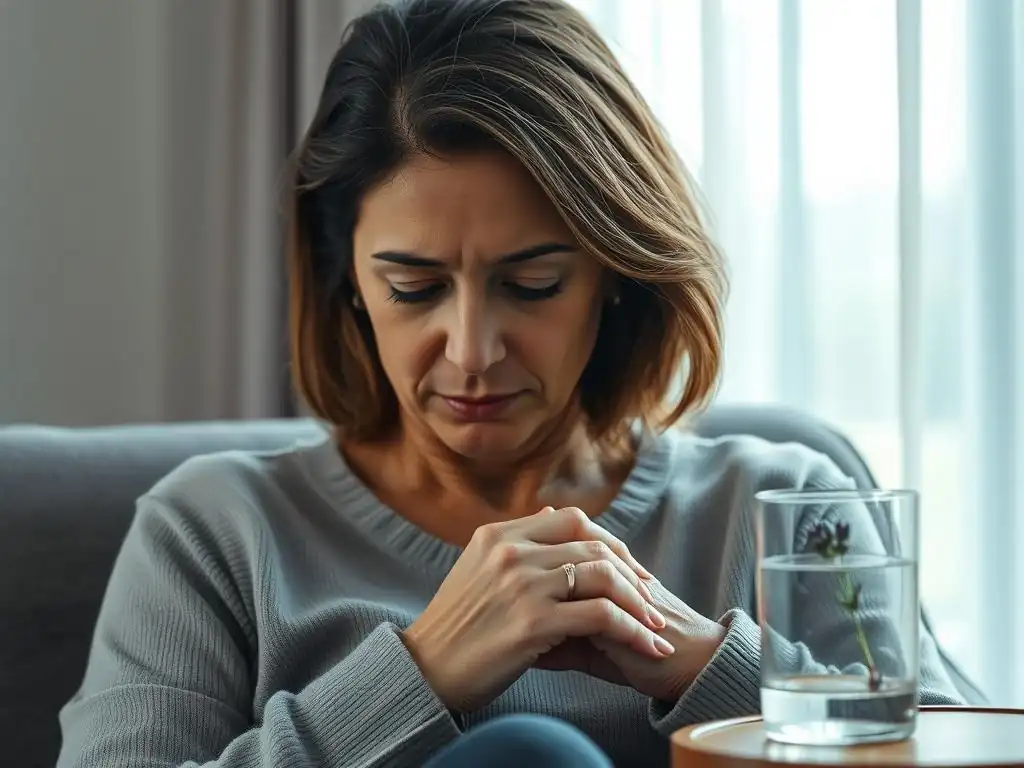
Welcome to Mind Care Guide, a space dedicated to nurturing your mental well-being. We understand that navigating life's challenges can be complex, and your mental health is paramount. Are you experiencing difficulties with intimacy and wondering if it's connected to your emotional state? This article delves into the often-overlooked link between mental health and Female Sexual Dysfunction, offering insights and support to help you understand this complex issue. Discover how your mental well-being can impact your sexual health, and explore pathways towards healing and improved quality of life. Let's begin this journey together...
Understanding Female Sexual Dysfunction and Its Mental Health Links: A Mind Care Guide
- Introduction: Exploring the Connection Between Female Sexual Dysfunction and Mental Wellbeing
- What is Female Sexual Dysfunction (FSD)? Defining the Condition
- The Mental Health Impact on Female Sexual Function: A Deep Dive
- Addressing Female Sexual Dysfunction: Integrated Treatment Approaches
- Building Intimacy and Communication: Key Strategies for Sexual Satisfaction
- Seeking Help and Support: Resources for Women Experiencing FSD and Mental Health Challenges
- Conclusion: Empowering Women to Prioritize Sexual and Mental Health
-
Frequently Asked Questions
- What is female sexual dysfunction (FSD) and how is it related to mental health?
- How can mental health conditions like anxiety and depression contribute to female sexual dysfunction?
- What role does stress play in female sexual dysfunction, and how can managing stress improve sexual well-being?
- What types of mental health professionals can provide support for women experiencing female sexual dysfunction?
- What are some practical strategies women can use to improve their mental health and, consequently, their sexual function?
- Final Reflection: Reclaiming Intimacy: The Mind-Body Connection in Female Sexual Dysfunction
- Unlock a Deeper Understanding: Your Next Steps to Wellbeing
Introduction: Exploring the Connection Between Female Sexual Dysfunction and Mental Wellbeing
Female sexual dysfunction (FSD) is a complex and often distressing issue that affects millions of women worldwide. It encompasses a range of difficulties, including problems with desire, arousal, orgasm, and pain during sexual activity. While the physical aspects of FSD are widely recognized, the profound link between female sexual dysfunction and mental health is increasingly understood as a critical factor in both its cause and its impact.
Addressing female sexual dysfunction requires acknowledging this intricate connection, as mental health struggles like depression, anxiety, and trauma can significantly influence a woman's sexual experience, and conversely, experiencing sexual difficulties can negatively affect her psychological wellbeing. This guide explores this vital relationship, offering insights into the various facets of FSD and its deep roots in mental health.
Understanding the interplay between female sexual function and mental health is essential for effective diagnosis and treatment. It moves beyond viewing sexual problems solely as physical ailments and recognizes the significant psychological and emotional components involved. For many women, navigating FSD means confronting issues related to self-esteem, body image, relationship stress, and past emotional experiences. Therefore, a comprehensive approach that considers both physical and mental health factors is crucial for women seeking relief and improved sexual satisfaction. This integrated perspective is key to providing holistic support and empowering women to address both their sexual and mental health challenges simultaneously.
What is Female Sexual Dysfunction (FSD)? Defining the Condition
Female Sexual Dysfunction (FSD) is not a single condition but rather a term used to describe persistent or recurrent problems with sexual response or desire that cause personal distress. These difficulties can occur at any stage of the sexual response cycle, which typically includes desire, arousal, orgasm, and resolution.
Unlike occasional sexual difficulties, which are common and often related to temporary factors like stress or fatigue, FSD is characterized by its persistence and the significant negative impact it has on a woman's quality of life, relationships, and overall mental health. It is a clinical diagnosis that requires careful evaluation by a healthcare professional.
The definition of FSD has evolved over time, moving towards a more nuanced understanding that acknowledges the subjective nature of sexual experience and the importance of personal distress as a diagnostic criterion. The current diagnostic framework, such as that provided by the Diagnostic and Statistical Manual of Mental Disorders (DSM-5), categorizes FSD into specific types based on the primary area of difficulty.
This classification helps clinicians identify the specific challenges a woman is facing, although many women may experience symptoms from more than one category. Recognizing FSD as a legitimate health concern is the first step towards seeking help and addressing the underlying factors, including those related to female sexual dysfunction mental health.
Defining the Different Types of Female Sexual Dysfunction
Female Sexual Dysfunction is broadly categorized into several distinct types based on the phase of the sexual response cycle affected. These include female sexual interest/arousal disorder, female orgasmic disorder, genito-pelvic pain/penetration disorder, and substance/medication-induced sexual dysfunction.
Female sexual interest/arousal disorder involves a persistent or recurrent deficiency or absence of sexual thoughts/fantasies and/or desire for sexual activity, often combined with a lack of subjective sexual arousal or physical arousal (lubrication, swelling) during sexual activity. This is a prevalent form, estimated to affect a significant portion of women, with some studies suggesting rates potentially ranging from 10% to 20% of the adult female population experiencing distress related to low desire or arousal.
Female orgasmic disorder is characterized by marked difficulty, delay in, or absence of attaining orgasm, or reduced intensity of orgasms, following sufficient sexual stimulation. This can be lifelong or acquired, generalized or situational. While occasional difficulty with orgasm is common, persistent inability or delay causing distress meets the criteria.
Genito-pelvic pain/penetration disorder involves persistent or recurrent difficulties with vaginal penetration during intercourse, marked vulvovaginal or pelvic pain during attempted or actual vaginal penetration, marked fear or anxiety about pain or penetration, and/or marked tensing of the pelvic floor muscles during attempted vaginal penetration. This category encompasses conditions previously known as dyspareunia (painful intercourse) and vaginismus (involuntary muscle spasms). These different types highlight the varied ways female sexual dysfunction can manifest, and each can have unique connections to mental health factors.
Diagnosing Female Sexual Dysfunction: Criteria and Assessment
Diagnosing Female Sexual Dysfunction involves a thorough assessment process that goes beyond simply identifying a sexual problem. It requires a detailed medical history, including information about the woman's general health, medications, surgeries, and gynecological history. A physical examination is often necessary to rule out any underlying physical causes, such as hormonal imbalances, infections, or structural issues.
However, a crucial component of the diagnosis is the psychological assessment. This involves discussing the nature and duration of the sexual difficulties, their impact on the woman's life and relationships, her sexual history, beliefs and attitudes about sex, and any current or past mental health conditions. Screening for depression, anxiety, trauma history, and relationship issues is vital because of the strong link between female sexual dysfunction and mental health.
The diagnostic criteria outlined in the DSM-5 require that the sexual difficulty be persistent or recurrent and cause significant personal distress. This emphasis on distress is key, as many women may experience occasional sexual difficulties without it being considered a clinical dysfunction. The assessment process may involve questionnaires designed to evaluate sexual function and distress levels.
It's important for healthcare providers to create a safe and open environment for women to discuss these sensitive issues. A comprehensive diagnosis often requires collaboration between different specialists, such as gynecologists, urologists, mental health professionals, and sexual health therapists, recognizing the multifaceted nature of female sexual dysfunction mental health concerns.
The Mental Health Impact on Female Sexual Function: A Deep Dive

The relationship between mental health and female sexual function is bidirectional and complex. Mental health conditions can significantly contribute to the development or exacerbation of female sexual dysfunction, and conversely, experiencing FSD can lead to or worsen mental health issues. This section explores some of the most prominent mental health factors that influence a woman's sexual health, illustrating the critical link between female sexual dysfunction and mental health. Understanding these connections is vital for effective intervention and support.
Depression and Female Sexual Dysfunction: A Complicated Relationship
Depression is one of the most frequently cited mental health conditions associated with Female Sexual Dysfunction. Women experiencing depression often report reduced sexual interest or desire, difficulty with arousal, and problems achieving orgasm. This link is multifaceted; depression itself can dampen mood, reduce energy levels, and decrease interest in activities that were once pleasurable, including sex.
Furthermore, symptoms of depression, such as feelings of worthlessness, hopelessness, and fatigue, can directly interfere with a woman's ability to engage in or enjoy sexual activity. Studies have shown a significant overlap, with estimates suggesting that women with major depressive disorder are several times more likely to experience FSD compared to the general population, sometimes with prevalence rates cited between 50% and 70%.
Adding another layer of complexity, many antidepressant medications prescribed to treat depression can have sexual side effects, including decreased libido, difficulty with arousal, and delayed or absent orgasm. This presents a significant challenge for women and their healthcare providers, as treating the depression may inadvertently worsen sexual function. For example, Selective Serotonin Reuptake Inhibitors (SSRIs), a common class of antidepressants, are particularly known for these side effects.
Managing this requires careful consideration of medication options, dosage adjustments, or exploring alternative or add-on treatments that can mitigate these effects while still effectively treating the underlying depression. Addressing both the depression and its impact on female sexual function is crucial for improving a woman's overall wellbeing.
Anxiety Disorders and Sexual Dysfunction in Women
Anxiety disorders, including generalized anxiety disorder, panic disorder, social anxiety, and specific phobias, can profoundly impact female sexual function. High levels of anxiety can interfere with the physiological processes necessary for sexual arousal, such as blood flow to the genitals and lubrication.
A woman who is anxious may find it difficult to relax and become aroused, leading to decreased sensation and difficulty achieving orgasm. Furthermore, performance anxiety – worry about her ability to perform sexually or satisfy her partner – is a specific type of anxiety that can directly inhibit sexual response and enjoyment, creating a self-perpetuating cycle where anxiety leads to sexual difficulty, which in turn increases anxiety about future sexual encounters.
The mental health burden of anxiety extends to how women perceive and engage in intimacy. Women with anxiety may avoid sexual situations altogether due to fear of failure, pain, or judgment. Social anxiety, for instance, can make a woman feel self-conscious about her body or actions during sex.
Panic attacks or persistent worry can make it difficult to be present and engaged during sexual activity. The constant state of heightened alert associated with anxiety disorders is antithetical to the relaxed state required for optimal sexual function. Therefore, addressing anxiety is a critical component of treating female sexual dysfunction when these conditions co-occur, highlighting another significant link between female sexual dysfunction and mental health.
The Impact of Body Image and Self-Esteem on Female Sexuality
A woman's body image and level of self-esteem are deeply intertwined with her sexual confidence and function. Negative body image, dissatisfaction with one's physical appearance, or feelings of inadequacy can significantly hinder a woman's ability to feel comfortable and desirable during sexual activity. Societal pressures and media portrayals often contribute to unrealistic beauty standards, leading many women to experience shame or insecurity about their bodies.
This can manifest as avoidance of intimacy, difficulty relaxing during sex, or an inability to focus on pleasurable sensations because of preoccupation with perceived flaws. Estimates suggest that a large percentage of women, potentially over 50%, report some level of body dissatisfaction, which can negatively affect their sexual experiences.
Low self-esteem, often linked to negative body image or other mental health challenges, can also suppress sexual desire and arousal. A woman who does not feel worthy or desirable may struggle to initiate sex or believe that she is capable of experiencing pleasure or satisfying her partner.
Past negative experiences, whether sexual or non-sexual, that have eroded her self-worth can leave lasting psychological scars that impact her sexual health. Addressing issues of body image and self-esteem through therapy and self-compassion practices is fundamental to improving a woman's sexual wellbeing and is a key aspect of understanding the link between female sexual dysfunction and mental health.
Trauma, PTSD, and Their Link to Female Sexual Problems
Experiences of trauma, particularly sexual trauma such as sexual assault or abuse, have a profound and lasting impact on female sexual function and mental health. Post-Traumatic Stress Disorder (PTSD), which can develop after experiencing or witnessing a traumatic event, is strongly associated with various forms of Female Sexual Dysfunction, including genito-pelvic pain/penetration disorder, arousal difficulties, and low desire.
Trauma can fundamentally alter a woman's relationship with her body, intimacy, and trust, making sexual activity feel unsafe, triggering, or painful. Research indicates a significantly higher prevalence of FSD among trauma survivors compared to the general population, with some studies finding rates of sexual problems in women with a history of sexual abuse potentially ranging from 40% to over 60%.
Even non-sexual trauma, such as combat exposure, medical trauma, or childhood neglect, can impact sexual function by affecting a woman's sense of safety, control, and emotional regulation. The hyperarousal symptoms of PTSD can make relaxation during sex difficult, while avoidance behaviors can lead to the complete withdrawal from sexual intimacy.
flashbacks or intrusive thoughts related to the trauma can occur during sexual activity, causing significant distress and reinforcing the association between sex and danger. Addressing trauma through trauma-informed therapies is often a necessary step in treating trauma-related Female Sexual Dysfunction and is a critical component of supporting female sexual dysfunction mental health.
Addressing Female Sexual Dysfunction: Integrated Treatment Approaches
Effectively addressing Female Sexual Dysfunction, especially when linked to mental health issues, requires an integrated approach that considers both the physical and psychological dimensions. Treatment is rarely a one-size-fits-all solution and often involves a combination of therapies tailored to the individual woman's specific needs, the type of FSD she is experiencing, and her concurrent mental health conditions. Collaboration between different healthcare providers, such as gynecologists, psychiatrists, psychologists, and certified sex therapists, is often beneficial. The goal is not just to alleviate sexual symptoms but to improve overall sexual wellbeing, intimacy, and mental health.
An integrated treatment plan might include various components, ranging from psychological interventions aimed at addressing underlying mental health issues and sexual beliefs, to medical treatments targeting physiological factors, and lifestyle adjustments promoting overall health. The emphasis is on treating the woman holistically, recognizing that her sexual health is inextricably linked to her emotional and psychological state. This comprehensive strategy is key to successfully navigating the challenges posed by female sexual dysfunction and its connection to mental health.
Psychological Therapies for FSD: Enhancing Mental and Sexual Wellbeing
Psychological therapies are cornerstone treatments for many types of Female Sexual Dysfunction, particularly those with significant mental health components. Cognitive Behavioral Therapy (CBT) can help women identify and challenge negative thoughts and beliefs about sex, their bodies, or their worth that contribute to sexual difficulties. For example, a woman with performance anxiety might learn to reframe catastrophic thoughts about sex and focus on pleasure rather than outcome.
CBT techniques can also help manage anxiety and depression symptoms that interfere with sexual function. Studies have shown CBT to be effective in improving sexual desire, arousal, and satisfaction in women with FSD.
Sex therapy, often conducted by a licensed mental health professional with specialized training in sexual health, provides a safe space to explore sexual concerns, communication issues with a partner, and address specific sexual dysfunctions. Techniques might include sensate focus exercises designed to reduce performance pressure and increase awareness of pleasurable sensations, or psychoeducation about sexual anatomy and response.
For women with a history of trauma, Trauma-Focused CBT or Eye Movement Desensitization and Reprocessing (EMDR) can be crucial for processing the trauma and reducing its impact on sexual function and overall female sexual dysfunction mental health. Couple's therapy can also be beneficial if relationship issues are contributing to or resulting from the sexual difficulties.
Medical Treatments for Female Sexual Dysfunction: A Complementary Approach
While psychological factors are significant, medical treatments can play a complementary role in addressing the physical aspects of Female Sexual Dysfunction or managing underlying medical conditions. For example, hormonal therapies, such as low-dose vaginal estrogen, can be effective in treating genito-pelvic pain or arousal difficulties related to menopause-induced vaginal dryness and tissue changes. Ospemifene, a selective estrogen receptor modulator, is approved for treating moderate to severe dyspareunia related to menopause. While systemic hormone replacement therapy can sometimes improve desire or arousal, its use must be carefully considered based on individual health risks and benefits.
Other medical interventions may target specific issues. For arousal difficulties not related to hormones, some medications are being explored or are available, though options specifically for FSD are fewer than for male sexual dysfunction. For example, flibanserin is approved for treating acquired, generalized hypoactive sexual desire disorder (HSDD) in premenopausal women, though its efficacy is modest and it carries potential side effects.
Treating underlying medical conditions, such as thyroid problems, diabetes, or cardiovascular disease, which can impact sexual function, is also essential. It is crucial for women to have an open dialogue with their healthcare provider about the potential benefits and risks of medical treatments and how they integrate with mental health support when addressing female sexual dysfunction mental health issues.
Lifestyle Changes for Improving Sexual Health and Mental Wellbeing
Adopting healthy lifestyle habits can have a positive impact on both sexual function and mental health, creating a virtuous cycle of improvement. Regular physical activity, for instance, improves cardiovascular health, which is essential for healthy blood flow to the genitals, contributing to arousal. Exercise also has well-documented benefits for reducing symptoms of depression and anxiety, boosting mood, and improving body image – all factors linked to female sexual dysfunction mental health. Aiming for about 150 minutes of moderate-intensity aerobic activity per week is a common recommendation.
Stress management techniques are also vital. Chronic stress can disrupt hormone levels, increase muscle tension (including pelvic floor muscles), and negatively impact mood and desire. Practices such as mindfulness meditation, yoga, deep breathing exercises, or spending time in nature can help reduce stress and promote relaxation, which is conducive to sexual arousal and overall mental wellbeing.
Ensuring adequate sleep (typically 7-9 hours per night) and maintaining a balanced diet rich in nutrients also support hormonal balance, energy levels, and mood regulation. Limiting alcohol and avoiding smoking are also important, as these can negatively affect both physical and sexual health. These simple yet powerful lifestyle changes can significantly support a woman's journey towards improved sexual and mental health.
Building Intimacy and Communication: Key Strategies for Sexual Satisfaction

Beyond clinical treatments, focusing on intimacy and communication within a relationship is fundamental to addressing Female Sexual Dysfunction and enhancing sexual satisfaction, especially when mental health factors are involved. Sexual health is not just about physical function; it's deeply relational and emotional. Difficulties with intimacy or communication can both contribute to FSD and be exacerbated by it. Therefore, actively working on these areas is a crucial strategy for improving sexual wellbeing and supporting female sexual dysfunction mental health within the context of a partnership.
Openly discussing sexual needs, desires, and difficulties can foster understanding and reduce the isolation and shame that often accompany FSD. Exploring different ways to experience pleasure, both alone and with a partner, can also help women reconnect with their bodies and sexuality. Building intimacy goes beyond physical sex and includes emotional closeness, shared experiences, and mutual support, all of which are vital for a fulfilling sexual life.
Open Communication with Your Partner: Fostering Understanding and Connection
Honest and open communication is perhaps one of the most powerful tools for navigating Female Sexual Dysfunction within a relationship. It can be challenging to discuss sensitive topics like sexual difficulties, particularly when feelings of shame, guilt, or fear of disappointing a partner are present. However, bottling up concerns or avoiding the topic can lead to misunderstandings, resentment, and increased emotional distance, further impacting both sexual function and mental health. Choosing a calm, private time to talk, using "I" statements to express feelings ("I feel..."), and actively listening to a partner's perspective are crucial components of effective communication.
Sharing information about FSD, its potential causes (including mental health links), and treatment options can help a partner understand that the difficulty is a medical and psychological issue, not a reflection of their desirability or the relationship's health. Partners can offer invaluable support by being patient, empathetic, and willing to participate in treatment, such as couple's therapy or sensate focus exercises. Discussing desires and boundaries openly allows couples to explore new ways of being intimate and finding pleasure together, reducing the pressure associated with performance-focused sex and strengthening the bond, which positively impacts female sexual dysfunction mental health.
Exploring Sensuality and Pleasure: Reconnecting with Your Body
When experiencing Female Sexual Dysfunction, particularly issues with arousal or orgasm, or when body image concerns are present, women may benefit from shifting focus away from goal-oriented sex (like achieving orgasm) towards exploring sensuality and pleasure more broadly. This involves reconnecting with one's body in a non-judgmental way and discovering what feels good, both sexually and non-sexually. Practices like mindfulness can help women become more present in their bodies and notice sensations without evaluation.
Sensate focus exercises, often recommended in sex therapy, involve couples touching and exploring each other's bodies with the rule that intercourse or orgasm is not the goal. This helps reduce performance pressure and encourages a focus on sensual touch and connection. Solo exploration and masturbation can also be powerful tools for women to learn about their own arousal patterns, what feels pleasurable, and build sexual confidence. Reclaiming pleasure and sensuality is an empowering step in addressing FSD and improving the relationship with one's body, which significantly contributes to positive female sexual dysfunction mental health.
Seeking Help and Support: Resources for Women Experiencing FSD and Mental Health Challenges
Recognizing that you are experiencing Female Sexual Dysfunction and that it might be linked to mental health issues is the first courageous step towards healing. It's important to remember that you are not alone and that help is available. Seeking professional guidance is crucial for accurate diagnosis and effective treatment. There are various resources available to support women on their journey towards improved sexual health and mental wellbeing.
Navigating the healthcare system and finding the right type of support can sometimes feel overwhelming. Knowing where to turn and what kind of professional help to seek is essential. Support groups and online communities can also provide valuable emotional support and a sense of connection with others who understand similar challenges related to female sexual dysfunction mental health.
Finding a healthcare professional who is knowledgeable and comfortable discussing Female Sexual Dysfunction is key. Starting with your primary care physician or gynecologist is often a good first step. They can perform an initial assessment, rule out physical causes, and make referrals. It can be helpful to seek out professionals with specific training or interest in sexual health. Certified sex therapists (often psychologists, social workers, or counselors with specialized training) are experts in treating sexual dysfunctions from a psychological and relational perspective.
For mental health concerns linked to FSD, a psychiatrist or psychologist specializing in women's mental health, trauma, or sexual health can provide targeted therapy and support. When seeking a therapist, don't hesitate to ask about their experience treating FSD, particularly its connection to mental health. A multidisciplinary team approach involving medical doctors and mental health professionals is often the most effective way to address the complex interplay of female sexual dysfunction and mental health. Don't be discouraged if you need to consult with a few different professionals to find the right fit for your needs.
Support Groups and Online Communities: Connecting with Others
Connecting with others who have similar experiences can provide invaluable emotional support and reduce feelings of isolation often associated with Female Sexual Dysfunction and mental health struggles. Support groups, whether in-person or online, offer a safe space to share experiences, challenges, and coping strategies. Hearing from others who have successfully navigated similar difficulties can instill hope and provide practical advice.
Numerous reputable organizations and forums are dedicated to sexual health and mental health, offering resources, information, and platforms for connection. While online communities can be a great source of peer support, it's important to ensure they are moderated and provide reliable information. Always consult with a healthcare professional for diagnosis and treatment, but peer support can be a powerful complement to professional care when addressing female sexual dysfunction mental health challenges.
Conclusion: Empowering Women to Prioritize Sexual and Mental Health
Understanding the intricate relationship between Female Sexual Dysfunction and mental health is fundamental to effective support and recovery. FSD is not merely a physical issue; it is deeply intertwined with a woman's emotional wellbeing, self-esteem, past experiences, and relationships. Mental health conditions such as depression, anxiety, body image issues, and trauma can significantly contribute to sexual difficulties, while experiencing FSD can, in turn, negatively impact mental health. Recognizing this complex connection is the first step towards a comprehensive approach to care.
Empowering women means validating their experiences, reducing the stigma surrounding sexual and mental health issues, and providing access to integrated treatment that addresses both aspects simultaneously. By seeking professional help, engaging in appropriate therapies (both psychological and medical), making positive lifestyle changes, improving communication with partners, and connecting with supportive communities, women can navigate the challenges of female sexual dysfunction mental health. Prioritizing sexual health as an essential component of overall mental and physical wellbeing is crucial for living a full and satisfying life.
Frequently Asked Questions
FSD encompasses a range of persistent problems with sexual response, desire, orgasm, or pain. Its link to mental health is significant, as psychological factors like anxiety and depression can both contribute to and result from FSD symptoms.
How can mental health conditions like anxiety and depression contribute to female sexual dysfunction?
Anxiety and depression can directly impact sexual desire and arousal by affecting hormone levels, neurotransmitters, and overall energy. Furthermore, these conditions can lead to negative body image and relationship difficulties, further exacerbating FSD.
What role does stress play in female sexual dysfunction, and how can managing stress improve sexual well-being?
Chronic stress can significantly impair sexual function by triggering the release of cortisol, which interferes with sexual hormones. Stress management techniques, such as mindfulness and exercise, can help restore hormonal balance and improve sexual well-being.
What types of mental health professionals can provide support for women experiencing female sexual dysfunction?
A variety of professionals, including psychologists, psychiatrists, and sex therapists, can offer evidence-based treatments. These treatments often involve cognitive behavioral therapy (CBT), relationship counseling, or medication management to address underlying mental health concerns.
What are some practical strategies women can use to improve their mental health and, consequently, their sexual function?
Focusing on self-care is crucial, including regular exercise, a healthy diet, and sufficient sleep. Practicing mindfulness, engaging in enjoyable activities, and seeking support from loved ones can also greatly contribute to improved mental and sexual well-being.
Final Reflection: Reclaiming Intimacy: The Mind-Body Connection in Female Sexual Dysfunction
The pervasive silence surrounding female sexual dysfunction (FSD) is finally being broken, revealing a complex interplay between physical and mental health that demands our attention. The stigma surrounding FSD prevents many women from seeking help, perpetuating a cycle of suffering and isolation. This silence must end, as understanding the intricate connection between mental well-being and sexual health is crucial for empowering women to reclaim their intimacy and overall quality of life.
The journey to understanding FSD has profoundly impacted my perspective on women's health and the crucial role mental health plays in overall well-being. It's not simply about physical function; it's about self-esteem, body image, relationship dynamics, and the deeply personal experience of pleasure and connection. As one expert eloquently stated, Sexual health is an integral part of overall health and well-being, and ignoring the mental health component is a disservice to women everywhere.
This quote underscores the need for holistic approaches to treatment, acknowledging the interconnectedness of mind and body.
Now, consider your own life. Have you ever felt the pressure to conform to societal expectations around sexuality? Have you silenced your own needs or dismissed your experiences? This article is a call to action. It's an invitation to engage in open conversations about FSD, to challenge the stigma, and to seek support if you or someone you know is struggling. Remember, reclaiming your sexual health is a journey of self-discovery and empowerment, and you deserve to experience intimacy on your own terms. Take the first step towards understanding and healing; your well-being depends on it.
Unlock a Deeper Understanding: Your Next Steps to Wellbeing
Thanks for taking the time to explore the complex relationship between female sexual dysfunction and mental health. We hope this article provided valuable insights and empowered you to take charge of your wellbeing.
Here's what you can do next:
- Prioritize open communication: Schedule a conversation with your partner or a trusted friend about your concerns. This is often the first, and most crucial, step toward finding support and solutions.
- Explore further resources:Research reputable organizations dedicated to sexual health and mental wellness. Many offer support groups, educational materials, and access to qualified professionals.
- Share your journey:Consider sharing this article with someone who might benefit from the information—a friend, family member, or even your healthcare provider. Knowledge is power, and sharing it can make a real difference.
What's one small step you can take today to prioritize your sexual and mental health?