
Visualizing Victory: Using Mental Imagery for Athlete Preparation and Focus

Welcome to Mind Care Guide, a space dedicated to nurturing your inner well-being.
Are you ready to unlock the hidden power of your mind? Many athletes are already using a potent tool to enhance their performance, but it's not about physical training alone. Dive into our guide, " Visualizing Victory: Using Mental Imagery for Athlete Preparation and Focus," and discover how harnessing the power of mental imagery can transform not only athletic performance, but potentially other areas of your life as well. Intrigued? Let's explore how this fascinating technique can help you achieve your goals.
Visualizing Victory: Using Mental Imagery for Athlete Preparation and Focus
- Introduction to Mental Imagery for Athletes
- Understanding Mental Imagery Techniques for Athletic Performance
-
Benefits of Using Mental Imagery for Sports Performance
- Enhancing Performance: Mental Imagery and Skill Development
- Building Confidence: Visualization for Overcoming Self-Doubt
- Managing Anxiety and Stress: Mental Imagery for Pre-Competition Calmness
- Improving Focus and Concentration: Staying Present in the Game
- Injury Rehabilitation: Using Mental Imagery to Speed Up Recovery
-
Practical Guide: Implementing Mental Imagery in Athlete Training
- Step-by-Step Guide to Creating Effective Mental Imagery Scripts
- Integrating Mental Imagery into Daily Training Routines
- Tailoring Mental Imagery to Specific Sports and Disciplines
- Finding the Right Time and Place for Mental Imagery Practice
- Measuring the Effectiveness of Mental Imagery: Tracking Progress and Results
- Overcoming Challenges in Mental Imagery Practice
- Mental Imagery vs. Other Mental Skills Training Techniques
- Conclusion: The Future of Mental Imagery in Athlete Preparation
-
Frequently Asked Questions
- What is mental imagery and how can it help athletes improve performance?
- How does mental imagery specifically contribute to an athlete's focus?
- What are some techniques athletes can use to effectively implement mental imagery?
- How often should athletes incorporate mental imagery into their training routine?
- Are there any potential drawbacks or limitations to using mental imagery for athlete performance?
- Final Reflection: The Power of the Mind's Eye in Athletic Achievement
- Unleash Your Inner Champion: Visualize Your Success!
Introduction to Mental Imagery for Athletes
The Power of Visualization in Sports Psychology
Mental imagery, often referred to as visualization, is a cornerstone technique in sports psychology. It involves creating or recreating an experience in your mind, encompassing not just visual elements but also auditory, olfactory, gustatory, and kinesthetic sensations. For athletes, this means mentally practicing skills, rehearsing strategies, and experiencing successful outcomes before they physically occur. This mental rehearsal primes neural pathways in a way remarkably similar to actual physical practice, essentially giving athletes extra repetitions without the physical fatigue or risk of injury.
Research consistently highlights the profound impact of visualization on performance. Studies dating back decades have shown that athletes who regularly incorporate mental imagery into their training can improve technique, reduce reaction times, and enhance overall execution. For instance, one often-cited concept, though specific measurable data varies widely by sport and individual, suggests that mental practice can be nearly as effective as physical practice for certain tasks, particularly cognitive components and skill refinement. This mental training builds a robust internal blueprint for success, making the desired actions feel more familiar and achievable when the moment arrives.
Why Mental Imagery is Crucial for Athlete Preparation
Effective preparation is the bedrock of athletic success, and mental imagery provides a powerful tool to optimize this process. Before a competition, athletes can use visualization to mentally walk through their entire performance, anticipating potential challenges and rehearsing their responses. This includes everything from the pre-game routine, to specific plays or movements, to handling unexpected events like a missed shot or a tough opponent. This detailed mental rehearsal helps to reduce uncertainty and build a sense of readiness.
Beyond simply rehearsing actions, mental imagery allows athletes to prepare emotionally and psychologically. They can visualize themselves feeling confident, focused, and calm under pressure. This kind of emotional preparation is vital because performance is not just about physical skill but also about managing the mental game. By repeatedly experiencing positive emotions and successful outcomes in their minds, athletes build psychological resilience and a stronger belief in their ability to perform when it matters most. This aspect of mental imagery athlete performance is often the differentiator between good and great athletes.
Mental Imagery and Mental Well-being: A Holistic Approach
While primarily discussed for performance enhancement, mental imagery also plays a significant role in an athlete's overall mental well-being. The ability to control one's internal experience through visualization can be incredibly empowering. It provides a sense of agency, allowing athletes to actively shape their mental state rather than feeling subject to external pressures or internal doubts. By visualizing positive outcomes and focusing on controllable aspects of their performance, athletes can cultivate a more optimistic and resilient mindset.
Furthermore, mental imagery can be a valuable tool for managing the inherent stresses of high-level competition. Visualizing calm, controlled reactions to stressful situations helps athletes develop coping mechanisms. It also provides a mental escape or a way to process experiences in a safe, internal environment. Integrating mental imagery into a broader mental health strategy, alongside practices like mindfulness or seeking support from a sports psychologist, fosters a more balanced and sustainable approach to both performance and personal well-being.
Understanding Mental Imagery Techniques for Athletic Performance
Types of Mental Imagery: Internal vs. External Perspectives
Mental imagery can broadly be categorized into two main perspectives: internal and external. Internal imagery involves visualizing the performance from your own point of view, as if looking out through your own eyes. You experience the sensations of movement, the feel of the equipment, and the surrounding environment just as you would during the actual performance. This perspective is particularly useful for refining technique and experiencing the flow of movement. For example, a basketball player might visualize dribbling and shooting from their perspective, feeling the ball in their hands and seeing the hoop from their angle.
External imagery, conversely, involves visualizing yourself performing from an outside perspective, as if watching yourself on a video screen or from the stands. This view allows athletes to observe their technique and movement patterns objectively, much like a coach would. It can be helpful for identifying flaws in form or seeing how different parts of the body coordinate. A gymnast might use external imagery to watch their routine from a distance, ensuring their lines are clean and their landings are precise. Both perspectives offer unique benefits and can be used interchangeably or combined depending on the specific goal.
Multi-Sensory Imagery: Engaging All Senses for Enhanced Visualization
Effective mental imagery goes far beyond just seeing a picture in your mind; it involves engaging all relevant senses to create a rich, immersive experience. This is known as multi-sensory imagery. Athletes are encouraged to not only visualize the action but also feel the sensations – the tension in their muscles, the impact of their feet on the ground, the grip of the equipment.
They should hear the sounds – the crowd noise, their own breathing, the swish of the net, the crack of the bat. Depending on the sport, they might also engage smell (e.g., grass, pool chlorine) or taste (e.g., sweat, hydration drink).
Incorporating multiple senses makes the mental rehearsal feel more real and vivid, which in turn makes the transfer of skills from mind to performance more effective. For example, a track athlete visualizing a race should not just see the track but feel the burn in their legs, hear the pounding of their heart and the roar of the crowd, smell the track surface, and feel the wind resistance. This depth of sensory detail creates a powerful simulation that better prepares the athlete for the actual experience, enhancing the effectiveness of their mental imagery athlete performance training.
Controlled Imagery vs. Spontaneous Imagery: Choosing the Right Approach
Mental imagery can occur both spontaneously and through conscious, controlled practice. Spontaneous imagery happens naturally, often in response to situations – an athlete might involuntarily picture themselves succeeding or failing in an upcoming event. While spontaneous imagery can sometimes be beneficial, it can also be negative or distracting. Controlled imagery, on the other hand, is a deliberate and structured process where the athlete intentionally creates specific mental scenarios with clear objectives.
Controlled imagery is typically the focus of mental skills training because it allows the athlete to direct their mental practice towards specific goals, such as refining a particular skill, rehearsing a strategy, or building confidence. It involves setting aside dedicated time to practice visualization exercises. While spontaneous imagery reflects the athlete's current mental state, controlled imagery is a proactive tool used to shape that state and improve performance. Learning to recognize spontaneous imagery and consciously shift towards controlled, positive visualization is a key skill for athletes.
Benefits of Using Mental Imagery for Sports Performance
Enhancing Performance: Mental Imagery and Skill Development
One of the most significant benefits of mental imagery is its ability to enhance actual physical performance and skill development. By mentally rehearsing movements and techniques, athletes can improve motor skills, refine complex sequences, and even learn new skills more quickly. The brain doesn't always distinguish perfectly between vivid mental rehearsal and physical practice; both activate similar neural circuits. This means that visualizing a perfect golf swing or a flawless diving entry can help groove the movement pattern in the brain, making it easier to execute physically.
Studies have shown that athletes who combine physical practice with mental imagery often show greater improvements than those who rely solely on physical practice. For instance, research on basketball players practicing free throws found that groups using both physical and mental practice improved significantly, sometimes matching or exceeding the improvement of groups using only physical practice for a comparable amount of time. This highlights how mental imagery athlete performance is not a substitute for physical training but a powerful supplement that can accelerate learning and mastery.
Building Confidence: Visualization for Overcoming Self-Doubt
Confidence is a critical factor in athletic success, and mental imagery is a potent tool for building and maintaining it. By consistently visualizing successful performances, overcoming challenges, and achieving goals, athletes create a mental history of success, even if these experiences have only occurred in their minds. This repeated exposure to positive outcomes counteracts negative self-talk and self-doubt, reinforcing a belief in their capabilities.
When athletes face pressure or uncertainty, having a strong mental library of successful visualizations to draw upon can make a significant difference. They can recall the feeling of executing a perfect play or crossing the finish line first, using these mental anchors to bolster their confidence in the present moment. This process is particularly effective when visualization includes overcoming adversity within the mental scene, such as visualizing oneself recovering from a mistake or performing well despite difficult conditions.
Managing Anxiety and Stress: Mental Imagery for Pre-Competition Calmness
Competition inherently brings stress and anxiety, which can severely hinder performance. Mental imagery offers a proactive way to manage these pressures and cultivate a state of pre-competition calmness. Athletes can use visualization to rehearse coping strategies for stressful moments, such as taking a deep breath before a crucial shot or maintaining focus amidst a loud crowd. They can also visualize themselves feeling relaxed, composed, and in control.
A common technique involves visualizing a "safe place" or a calming environment to reduce arousal levels. Another involves mentally walking through the familiar and controlled pre-competition routine, focusing on the process rather than the outcome. For many athletes, dedicating even 10-15 minutes to specific visualization exercises focused on calmness and control in the hours leading up to an event can significantly reduce anxiety symptoms like increased heart rate, muscle tension, and distracting thoughts, allowing them to enter the competition in a more optimal mental state.
Improving Focus and Concentration: Staying Present in the Game
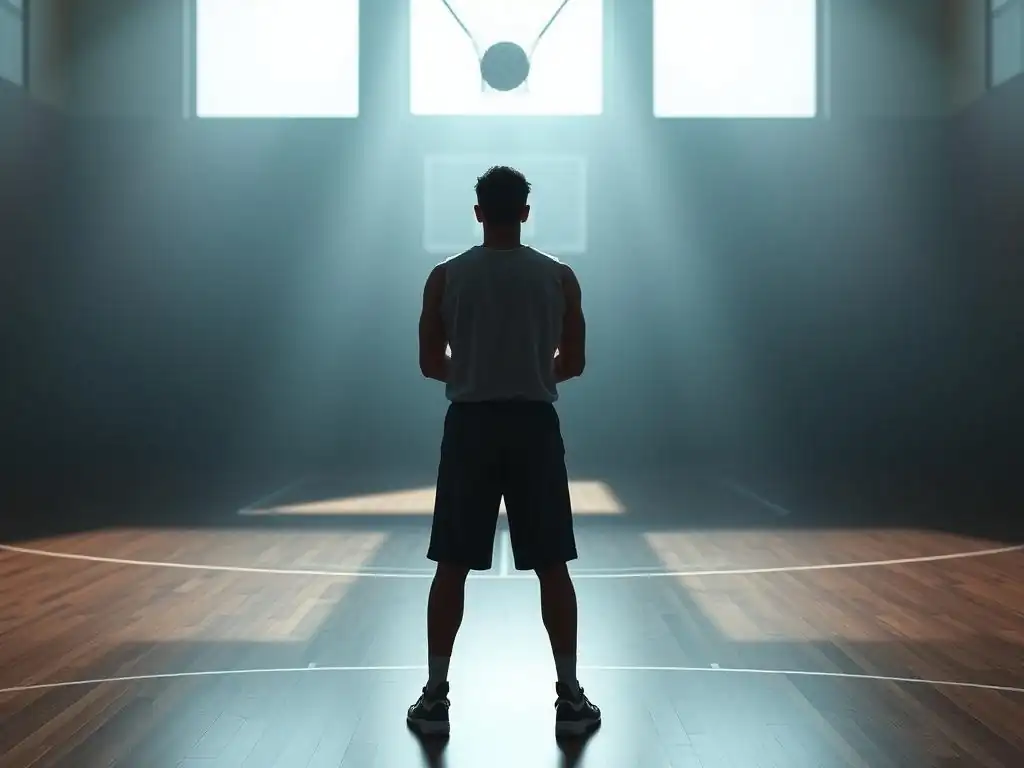
Maintaining focus and concentration throughout a competition, especially during long events or when facing distractions, is a major challenge. Mental imagery can help athletes train their minds to stay present and attentive to the task at hand. By visualizing themselves maintaining focus, blocking out distractions, and reacting appropriately to different game situations, athletes build their mental stamina and discipline.
Visualization can also be used to practice "attentional control," the ability to shift focus deliberately. For example, an athlete might visualize quickly refocusing after a mistake or transitioning their attention from the crowd to the immediate task. Regularly practicing visualization strengthens the mental muscles required for sustained concentration, making it easier to stay locked in during actual competition and maximize mental imagery athlete performance.
Injury Rehabilitation: Using Mental Imagery to Speed Up Recovery
Mental imagery is not only valuable for performance but also for recovery from injury. Athletes can use visualization techniques to picture the injured area healing, blood flow increasing, and tissue repairing. They can also mentally rehearse movements they will perform once recovered, maintaining muscle memory and reducing the psychological barrier of returning to action.
Research suggests that combining physical therapy with mental imagery can accelerate the rehabilitation process. For instance, athletes recovering from knee injuries who visualize their rehabilitation exercises and future movements often show faster progress and a smoother return to sport compared to those who only do physical therapy. This mental engagement helps maintain a positive outlook, reduces fear of re-injury, and keeps the athlete connected to their sport during a frustrating period.
Practical Guide: Implementing Mental Imagery in Athlete Training
Step-by-Step Guide to Creating Effective Mental Imagery Scripts
Creating personalized and effective mental imagery scripts is key to successful visualization practice. Here is a step-by-step guide:
- Identify Your Goal: What specific skill, scenario, or feeling do you want to visualize? (e.g., executing a perfect serve, staying calm under pressure, recovering from a specific error).
- Choose Your Perspective: Decide whether you will use internal (first-person) or external (third-person) imagery, or a combination.
- Engage All Senses: Brainstorm the sights, sounds, feelings (kinesthetic, tactile), smells, and even tastes associated with the scenario. Make it as real as possible.
- Make it Vivid and Detailed: Include specific environmental details (the court, the field, the weather), the actions you take, and your reactions.
- Focus on Positive Outcomes: While it's okay to visualize overcoming challenges, the script should ultimately end with successful execution and positive feelings.
- Include Emotional Responses: Visualize how you will feel during and after the successful performance – confident, calm, exhilarated.
- Write it Down: Scripting your visualization helps solidify the details and provides a reference. You can use bullet points or paragraphs.
Example Script Snippet (Basketball Free Throw - Internal Perspective):

- Standing at the free-throw line. Feel the floor under my shoes.
- Take a deep breath. Exhale slowly. Feel my shoulders relax.
- Feel the ball in my hands. The texture of the leather.
- Bounce the ball three times. Hear the bounces.
- Eyes focused on the front of the rim. See the orange paint, the white net.
- Bend knees slightly. Feel the balance.
- Start the shooting motion. Elbow tucked. Wrist cocked.
- Feel the smooth release. See the ball arc towards the hoop.
- Hear the swish as it goes through the net.
- Feel the satisfaction and confidence.
Integrating Mental Imagery into Daily Training Routines
Consistency is paramount for mental imagery to be effective. Athletes should aim to integrate visualization practice into their daily training routine, just like physical conditioning or skill drills. This doesn't require hours; even 10-20 minutes per day can yield significant benefits. Finding specific times that work best is crucial – perhaps during warm-ups or cool-downs, during rest periods between sets, or at the beginning or end of a training session.
Another effective strategy is to link mental imagery practice to specific physical actions. For example, before performing a complex skill drill, take a moment to visualize executing it perfectly. After a drill, visualize what went well and what could be improved. This immediate mental rehearsal reinforces learning and helps correct errors. Making mental imagery a non-negotiable part of the daily schedule ensures it becomes a habit, maximizing its impact on mental imagery athlete performance.
Tailoring Mental Imagery to Specific Sports and Disciplines
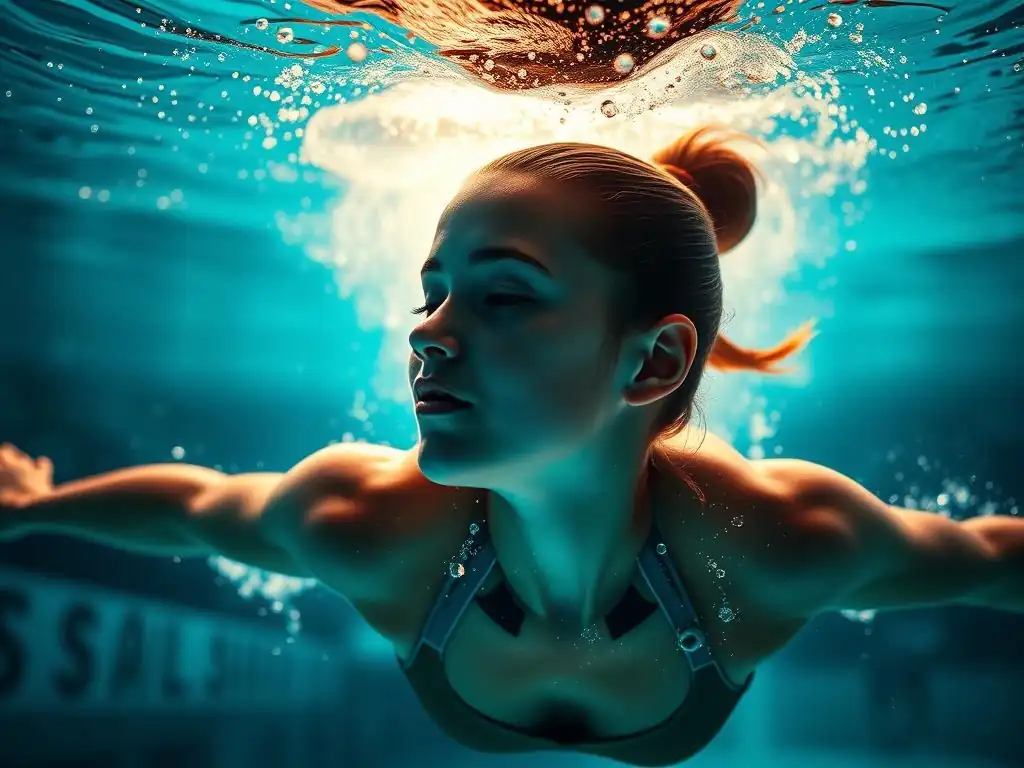
The most effective mental imagery is tailored to the specific demands of the sport or discipline. While the core principles remain the same, the content and focus of visualization will vary greatly. A golfer might focus on visualizing specific shots on different holes, feeling the swing and trajectory. A swimmer might visualize their race lap by lap, focusing on stroke technique and breathing patterns. A team sport athlete might visualize specific game scenarios, offensive plays, or defensive reactions.
Coaches and sports psychologists play a vital role in helping athletes identify the most relevant aspects of their sport to visualize. This involves breaking down complex skills, identifying key performance indicators, and understanding the common challenges faced in competition. By focusing visualization on these sport-specific elements, athletes ensure their mental practice is directly contributing to improving the critical components of their performance.
Finding the Right Time and Place for Mental Imagery Practice
Choosing the right time and place can significantly impact the effectiveness of mental imagery practice. Ideally, the environment should be relatively quiet and free from major distractions, allowing the athlete to focus inward. This could be at home in a quiet room, in the locker room before practice, or even in a secluded spot at the training facility. Consistency in location can also help establish a routine.
As for timing, flexibility is important. Some athletes prefer visualizing in the morning to set a positive tone for the day. Others find it useful before sleep, as the mind is winding down and receptive to suggestion. Integrating visualization into existing routines, like before or after physical practice, is often the easiest way to ensure consistency. Experimenting with different times and locations allows athletes to discover what works best for them personally to optimize their mental imagery athlete performance training.
Measuring the Effectiveness of Mental Imagery: Tracking Progress and Results
Tracking the effectiveness of mental imagery, like any training method, helps athletes see its value and stay motivated. While performance itself is the ultimate measure, it's influenced by many factors. Athletes can use more specific indicators to gauge their visualization progress. This might involve subjectively rating the vividness and controllability of their imagery on a scale (e.g., 1-5) over time. Are the mental images becoming clearer? Is it easier to control the scenario?
More objectively, athletes can track improvements in specific skills targeted by visualization. Did visualizing that particular play lead to better execution in practice? Did visualizing staying calm reduce pre-competition jitters as measured by self-report or even physiological data like heart rate variability? Keeping a training journal to log visualization sessions, including what was visualized and how it felt, alongside performance notes, can provide valuable insights into the impact of mental imagery on their athletic performance.
Overcoming Challenges in Mental Imagery Practice
Common Pitfalls and How to Avoid Them
While powerful, mental imagery practice isn't always easy and comes with common pitfalls. One frequent challenge is difficulty creating vivid or controllable images; some athletes struggle to "see" or "feel" the scenario clearly. This can often be improved with practice and by starting with simpler visualizations before progressing to more complex ones. Another pitfall is inconsistency – failing to make visualization a regular habit. Scheduling dedicated time and linking it to existing routines can help.
Negative imagery is another significant challenge. Athletes might spontaneously visualize mistakes or failures. It's crucial to recognize these thoughts and consciously redirect the visualization towards positive outcomes. Focusing on the process of correcting the error within the visualization can also be more effective than simply trying to ignore the negative image. Finally, some athletes get discouraged if they don't see immediate results; it's important to remember that mental skills, like physical skills, take time and consistent practice to develop.
Maintaining Consistency: Building a Mental Imagery Habit
Building a consistent mental imagery habit requires discipline and strategy. Treat visualization practice like any other important training component – schedule it. Decide on specific times each day or week when you will dedicate time to mental imagery, whether it's 5 minutes or 20. Starting small can make it less daunting. Link the practice to an existing habit, like brushing your teeth, before bed, or immediately after stretching.
Varying the focus of your visualization can also help keep it interesting. Don't just visualize the same thing every day. Rotate through different goals: sometimes focus on skill refinement, other times on confidence building, or stress management. Using guided imagery recordings or working with a sports psychologist can also provide structure and motivation to maintain consistency and ensure regular mental imagery athlete performance training.
Dealing with Negative Thoughts and Distractions During Visualization
Negative thoughts and distractions are inevitable during mental imagery practice. The key is not to eliminate them entirely but to develop strategies for managing them. When a negative thought or image arises (e.g., visualizing a missed shot), first acknowledge it without judgment. Then, consciously "stop" or "replace" the image. You might imagine the negative image shrinking and disappearing, or simply shake your head and deliberately shift your focus back to your positive script.
Using a "cue word" or phrase can also help redirect your focus quickly. If distracted or negative thoughts creep in, silently repeat your cue word (e.g., "Focus," "Calm," "Process") to bring your mind back to the intended visualization. With practice, athletes can improve their ability to maintain focus and control their mental landscape during visualization, making it a more effective tool for enhancing mental imagery athlete performance.
Case Study: Swimmer Michael Phelps and Mental Rehearsal
Perhaps one of the most famous examples of mental imagery in sports is the Olympic swimmer Michael Phelps. Under the guidance of his coach, Bob Bowman, Phelps incorporated extensive mental rehearsal into his training from a young age. Bowman developed a specific routine for Phelps, which included visualizing every aspect of a race: from getting on the bus to the pool, to his warm-up routine, to the race itself, including the feeling of the water, the sounds, and the perfect execution of his strokes, turns, and finishes.
Phelps famously visualized his "perfect race" daily, sometimes multiple times a day, for years. He would also visualize potential challenges, like his goggles filling with water, and mentally rehearse how he would react calmly and effectively to overcome them. This rigorous mental preparation was credited by both Phelps and Bowman as being absolutely crucial to his unprecedented success, allowing him to perform under immense pressure and react calmly to unexpected events during competition, a testament to the power of mental imagery athlete performance.
Mental Imagery vs. Other Mental Skills Training Techniques
Comparing Mental Imagery with Mindfulness and Meditation
Mental imagery, mindfulness, and meditation are all valuable mental training techniques for athletes, but they serve different primary purposes and involve distinct practices. Mental imagery is an active process of creating or recreating specific experiences in the mind, typically focused on future performance or past successful events. It's goal-oriented and involves directed mental activity.
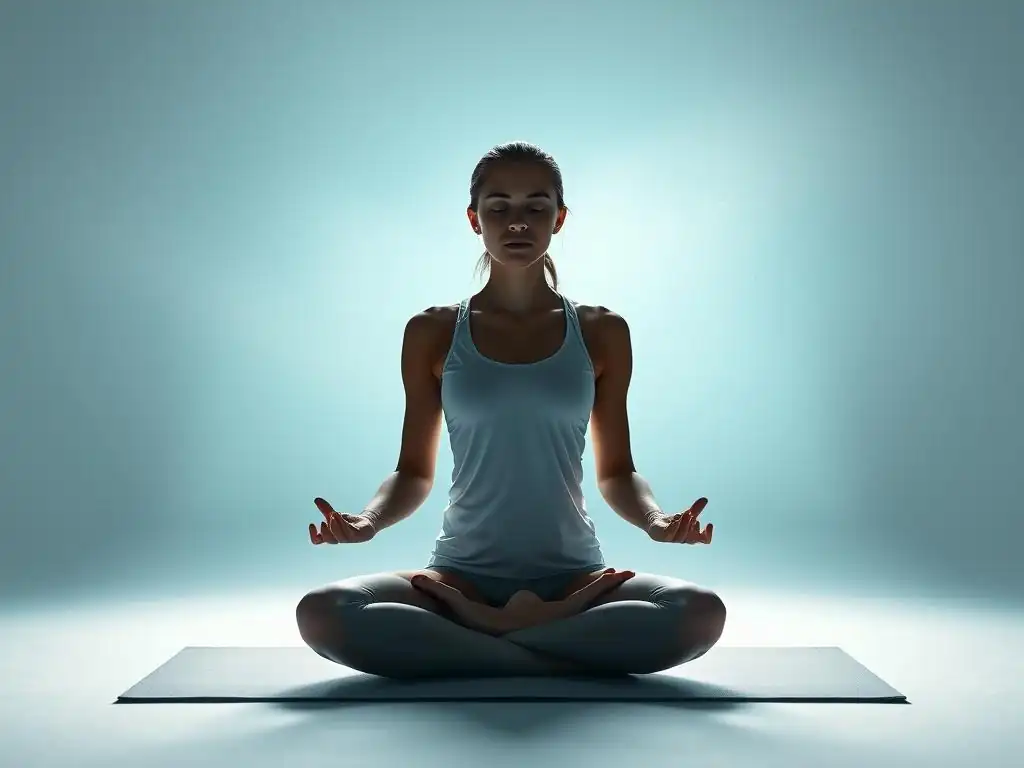
Mindfulness and meditation, on the other hand, are generally more about passive observation and present moment awareness. Mindfulness involves paying attention to thoughts, feelings, and sensations without judgment. Meditation often involves focusing on a single point (like breath) to calm the mind and increase awareness. While meditation and mindfulness build the foundational skills of focus and self-awareness that can enhance the ability to visualize vividly and control mental content, their primary goal is not necessarily performance rehearsal but rather cultivating presence, acceptance, and mental clarity. Many athletes find that combining these practices offers a holistic approach to mental training.
How Mental Imagery Complements Goal Setting and Self-Talk
Mental imagery works synergistically with other mental skills like goal setting and self-talk. Goal setting provides the clear objectives that mental imagery can then help achieve. Once an athlete sets a specific, measurable, achievable, relevant, and time-bound (SMART) goal, they can use visualization to mentally rehearse the steps required to reach that goal and visualize the successful outcome. This makes the goal feel more attainable and reinforces commitment.
Similarly, positive self-talk (using encouraging and constructive internal dialogue) can significantly enhance mental imagery. Positive affirmations can be incorporated into the visualization process, reinforcing the desired mental state and performance. For example, an athlete visualizing a tough moment might combine the image with internal phrases like "Stay strong," "You've trained for this," or "Focus on the process." Self-talk can also be used to initiate or sustain visualization practice ("Time to visualize my perfect routine"). Together, these techniques create a powerful mental framework for success.
The Role of a Sports Psychologist in Guiding Mental Imagery
While athletes can certainly practice mental imagery on their own, working with a qualified sports psychologist can significantly enhance its effectiveness and impact. A sports psychologist can provide personalized guidance, helping athletes understand the principles of visualization, identify specific areas for improvement, and develop tailored imagery scripts. They can also help athletes troubleshoot common difficulties, such as poor image vividness or the intrusion of negative thoughts.
Furthermore, a sports psychologist can integrate mental imagery into a broader mental skills training program that includes goal setting, self-talk, relaxation techniques, and strategies for managing pressure. They can help athletes understand why mental imagery works and how it fits within their overall preparation strategy. For athletes dealing with significant performance anxiety, confidence issues, or recovery from injury, the structured support and expertise of a sports psychologist are invaluable in maximizing the benefits of mental imagery athlete performance training.
Conclusion: The Future of Mental Imagery in Athlete Preparation
Key Takeaways: Maximizing the Benefits of Mental Imagery
Mental imagery is a powerful, evidence-supported technique for enhancing athlete preparation and performance. To maximize its benefits, athletes should understand its core principles, including using both internal and external perspectives and engaging multiple senses for vividness. Consistency is crucial; integrating visualization into daily routines, even for short periods, builds a strong mental habit. Tailoring imagery to the specific demands of the sport ensures relevance.
- Make imagery multi-sensory and vivid.
- Practice consistently, ideally daily.
- Tailor visualization to your specific sport and goals.
- Focus on positive outcomes and successful execution.
- Use it to rehearse skills, strategies, and emotional responses.
- Don't be discouraged by initial difficulties; practice improves visualization ability.
- Consider working with a sports psychologist for personalized guidance.
Resources for Athletes: Where to Find Support and Guidance in Mental Imagery
Athletes seeking to deepen their mental imagery practice have several resources available. Sports psychologists are primary resources, offering expert guidance and personalized training plans. Many books and articles on sports psychology provide detailed explanations and exercises for visualization. There are also numerous guided imagery recordings and apps specifically designed for athletes, which can help structure practice sessions and improve the ability to visualize effectively.
University sports science departments often have resources or can recommend practitioners. National governing bodies for various sports may also offer mental skills training programs or resources. While this article cannot include direct links, searching online for terms like "sports psychologist near me," "guided imagery for athletes," or "sports visualization exercises" will yield many options. Athletes should seek out qualified professionals and reputable resources to ensure they are learning and applying techniques correctly for optimal mental imagery athlete performance.
The Importance of Mental Well-being in Achieving Athletic Success
Ultimately, mental imagery is one crucial piece of the larger puzzle of athlete success, which is inextricably linked to overall mental well-being. Pushing physical limits requires a resilient and healthy mind. Mental imagery helps build that resilience by fostering confidence, managing stress, and maintaining focus, but it works best when integrated into a holistic approach to mental health.
Athletes who prioritize their mental well-being, seeking support when needed and practicing techniques like visualization, mindfulness, and positive self-talk, are better equipped to handle the pressures of competition, recover from setbacks, and achieve sustainable, high-level performance. A strong mind is just as vital as a strong body in the pursuit of athletic victory.
Frequently Asked Questions
What is mental imagery and how can it help athletes improve performance?
Mental imagery involves creating or recreating experiences in your mind. Athletes can use it to practice skills, manage anxiety, and boost confidence, ultimately leading to improved performance.
How does mental imagery specifically contribute to an athlete's focus?
By vividly imagining successful execution of skills, athletes can sharpen their focus and reduce distractions. This mental rehearsal helps them stay present during competition.
What are some techniques athletes can use to effectively implement mental imagery?
Techniques include visualization, multi-sensory imagery (engaging sight, sound, smell, etc.), and controlled breathing to enhance the experience and effectiveness of the mental practice.
How often should athletes incorporate mental imagery into their training routine?
Consistency is key. Athletes should aim to incorporate mental imagery daily, even for just a few minutes. Regular practice reinforces positive patterns and enhances mental resilience.
Are there any potential drawbacks or limitations to using mental imagery for athlete performance?
While generally beneficial, over-reliance on imagery without physical practice can be detrimental. It's crucial to balance mental training with physical training and address any underlying mental health issues.
Final Reflection: The Power of the Mind's Eye in Athletic Achievement
The strategic use of mental imagery is no longer a fringe technique; it's a fundamental pillar of peak athletic performance. Ignoring the power of visualizing success is akin to leaving a crucial piece of equipment behind before a crucial competition—it significantly handicaps your potential. This article has explored the multifaceted ways athletes can harness the power of their minds to enhance skill, build confidence, and ultimately, achieve victory.
The impact of mental imagery extends far beyond the playing field or the competition arena. It's a testament to the profound connection between mind and body, a connection that shapes not only athletic prowess but also resilience, self-belief, and overall well-being. The mind is everything. What you think you become.
– Buddha. This quote perfectly encapsulates the transformative power of consistently employing mental imagery techniques, shaping not only athletic outcomes but also the athlete's very identity and approach to challenges.
Now, consider your own aspirations, whether they're athletic or otherwise. What victories do you envision? I urge you to begin practicing mental imagery today. Start small, visualize a specific skill, a successful performance, or even a simple act of overcoming a challenge. With consistent practice, you'll unlock a wellspring of untapped potential, transforming your approach to training, competition, and life itself. Embrace the power of your mind's eye – your journey to victory begins within.
Unleash Your Inner Champion: Visualize Your Success!
Thanks for taking the time to explore the power of mental imagery! You've now armed yourself with a valuable tool to enhance athletic performance and focus. Ready to put this knowledge into practice?
- Prioritize your visualization: Dedicate 5-10 minutes daily to vividly imagining your ideal performance, focusing on sensory details and positive emotions. This is your key to unlocking peak potential.
- Share your visualization routine: Discuss your experiences with fellow athletes or coaches. Sharing your journey can deepen your understanding and provide valuable feedback.
- Track your progress: Keep a journal to document your visualization sessions, noting any changes in your performance or mindset. This self-reflection is vital for continued improvement.
What specific aspect of your performance will you visualize first, and how will you track its impact?