
Federal Lifelines: Accessing Government Grants for Mental Health


Welcome to Mind Care Guide, a sanctuary dedicated to your mental well-being.
Are you facing mental health challenges and unsure where to turn for support? You're not alone. Discover how to navigate the often complex world of mental health funding and learn more about Federal Lifelines: Accessing Government Grants for Mental Health. Could a government grant be the lifeline you or someone you know needs? Let's explore the possibilities together.
Federal Lifelines: Accessing Government Grants for Mental Health
- Understanding Government Funding for Mental Health Initiatives
- Navigating the Federal Grant Landscape for Mental Health
- Finding and Applying for Mental Health Grants: A Step-by-Step Guide
- Maximizing Your Chances of Receiving Mental Health Grant Funding
- Resources for Mental Health Grant Applicants
- The Future of Federal Funding for Mental Health
-
Frequently Asked Questions
- What are Government Grants Mental Health Support?
- Who is eligible to apply for Government Grants Mental Health Support?
- How do I find Government Grants Mental Health Support opportunities?
- What types of activities can Government Grants Mental Health Support fund?
- What information is typically required when applying for Government Grants Mental Health Support?
- Final Reflection: Securing a Brighter Future Through Mental Health Funding
- Unlock Your Mental Wellness: Access the Support You Deserve
Understanding Government Funding for Mental Health Initiatives
The Importance of Federal Grants for Mental Health Services
Federal government grants serve as a crucial lifeline for extending and improving mental health services across the nation. These grants provide essential financial resources that allow state and local governments, non-profit organizations, community health centers, and research institutions to develop, implement, and expand programs that address the growing mental health crisis.
Without this funding, many vital services—such as crisis intervention, substance use disorder treatment integrated with mental healthcare, and support for underserved populations—would be severely limited or nonexistent. For instance, grants from agencies like the Substance Abuse and Mental Health Services Administration (SAMHSA) directly support community behavioral health clinics, which in 2022 alone served millions of Americans, often providing low-cost or free services to those who need them most.
Beyond direct service provision, government grants for mental health support are instrumental in funding research that advances our understanding of mental illness and develops effective treatments. The National Institute of Mental Health (NIMH), for example, is the largest funder of research on mental disorders worldwide. Its grants have been pivotal in breakthroughs ranging from understanding the genetic basis of schizophrenia to developing cognitive behavioral therapy techniques.
This research not only leads to better patient outcomes but also informs public health policies and service delivery models, ensuring that the government grants mental health support provides are based on the latest scientific evidence and best practices. The investment in research through these grants creates a virtuous cycle, where funding leads to discovery, which in turn informs better service delivery funded by future grants.
Who Benefits from Government Mental Health Grants?
The beneficiaries of government mental health grants are broad and diverse, reaching individuals, families, and communities across the United States. At the most direct level, individuals experiencing mental health challenges, including substance use disorders, benefit from the expanded access to care, specialized treatment programs, and supportive services that these grants enable.
This includes people in rural areas with limited access to care, veterans struggling with PTSD, youth experiencing early psychosis, and individuals with severe mental illness requiring intensive community support. For example, SAMHSA's Certified Community Behavioral Health Clinic (CCBHC) Expansion Grants have significantly increased access to a comprehensive range of services, including 24/7 crisis care, for millions of individuals since their inception, prioritizing those with serious mental illness or substance use disorders.
Furthermore, the organizations and institutions that receive these government grants mental health support funding also benefit significantly. This includes state and local health departments, hospitals, universities, community-based non-profits, and tribal entities. These grants provide the necessary capital to hire qualified staff, purchase essential equipment, develop new programs, and evaluate existing services.
A small non-profit in a low-income urban area, for instance, might receive a grant to establish a mobile outreach team providing mental health first aid and referrals, reaching populations that might otherwise fall through the cracks. Similarly, a university research center could secure funding to conduct a longitudinal study on the effectiveness of a new therapy for depression. Ultimately, the investment ripples outward, strengthening the entire mental healthcare ecosystem.
Types of Mental Health Programs Supported by Federal Funding
Federal funding streams support a vast array of mental health programs designed to address different needs across the lifespan and severity spectrum. One major area is prevention and early intervention, with grants supporting school-based mental health services, suicide prevention hotlines, and public awareness campaigns. For instance, the Garrett Lee Smith Memorial Act, administered by SAMHSA, provides grants to states and tribes to support youth suicide prevention and early intervention strategies. These programs aim to identify issues before they escalate, providing support to young people in critical developmental stages and creating safer school environments.
Another significant category of support through government grants mental health support is for treatment and recovery services. This includes funding for outpatient clinics, residential treatment facilities, medication-assisted treatment programs for opioid use disorder, and supportive housing initiatives. Grants often prioritize integrated care models that combine mental health, substance use, and primary care services.
For example, HRSA's Community Health Center program provides grants that enable health centers to offer comprehensive behavioral health services alongside medical care, serving over 30 million patients annually, many of whom have co-occurring physical and mental health conditions. Additionally, grants support specialized programs for specific populations, such as services for homeless individuals with mental illness, veterans, or individuals involved in the justice system, ensuring that funding is directed towards communities facing unique challenges.
Identifying Relevant Federal Agencies and Programs
Navigating the landscape of federal government grants mental health support can seem daunting due to the sheer number of agencies and programs involved. The first step is to understand which federal departments and agencies are primarily responsible for mental health funding.
While health-focused agencies are central, funding opportunities can also originate from departments related to education, housing, justice, and veterans affairs, depending on the specific population or service being targeted. A key strategy is to research the mission and funding priorities of these agencies to determine which ones align with your organization's goals or the specific project you wish to fund.
Identifying relevant programs requires delving deeper into the specific grant announcements released by these agencies. These announcements, often called Funding Opportunity Announcements (FOAs) or Notices of Funding Opportunities (NOFOs), detail the purpose of the grant, eligibility requirements, funding amounts, application procedures, and review criteria. Potential applicants must carefully read these documents to ensure their project fits the scope and intent of the funding opportunity.
For example, a grant program might specifically target rural mental health access or focus on implementing evidence-based practices for treating opioid use disorder. Knowing these specifics is crucial before investing time in the application process for government grants mental health support.
Key Federal Agencies Offering Mental Health Grants
Substance Abuse and Mental Health Services Administration (SAMHSA) Grant Programs
SAMHSA is the primary federal agency dedicated to improving behavioral health in the United States and is a major source of government grants mental health support. Its mission is to reduce the impact of substance abuse and mental illness on America's communities. SAMHSA administers a wide range of grant programs that support prevention, treatment, and recovery services. These grants often focus on specific issues like the opioid crisis, serious mental illness, youth mental health, and building capacity within the behavioral health workforce.
SAMHSA's grants are typically competitive and project-specific, requiring detailed proposals outlining how the funds will be used to achieve measurable outcomes aligned with the agency's strategic priorities. Examples include the Mental Health Block Grant, which provides states and territories with flexible funding to support their mental health service systems, and discretionary grants like the Community Mental Health Services Block Grant or programs focused on Certified Community Behavioral Health Clinics (CCBHCs). In fiscal year 2023, SAMHSA's budget included billions allocated for these critical grant programs, demonstrating the significant federal investment in community-level mental health and substance use services.
National Institute of Mental Health (NIMH) Funding Opportunities
NIMH, part of the National Institutes of Health (NIH), is the leading federal agency funding research on mental disorders. While SAMHSA focuses more on service delivery, NIMH's primary role is to fund scientific research aimed at understanding the causes, development, and treatment of mental illnesses. Therefore, NIMH grants are primarily directed towards researchers at universities, medical centers, and research institutions.
NIMH offers various grant mechanisms, including R01 grants for large research projects, R21 grants for exploratory research, and training grants (like T32s) to support the next generation of mental health researchers. Their funding priorities are guided by their strategic plan, which outlines key areas of focus such as basic neuroscience, genetics, clinical trials for new treatments, and research on mental health services.
In fiscal year 2023, NIMH's budget exceeded $2 billion, with a significant portion dedicated to funding extramural research grants that drive innovation in mental health science and ultimately inform better clinical practices and government grants mental health support strategies.
Health Resources and Services Administration (HRSA) Mental Health Grants
HRSA, an agency within the U.S. Department of Health and Human Services, focuses on improving access to healthcare services for people who are uninsured, isolated, or medically vulnerable. HRSA plays a crucial role in funding mental health services, particularly within primary care settings and in underserved communities. Their approach often emphasizes integrated behavioral health, where mental health and substance use services are provided alongside primary medical care.
HRSA's grant programs support a network of community health centers, rural health clinics, and other safety-net providers. Examples include grants that help health centers hire behavioral health providers, expand telehealth capabilities for mental healthcare in rural areas, or develop programs to address the mental health needs of specific populations like pregnant women or individuals experiencing homelessness.
The integration of mental healthcare into primary settings, supported by HRSA government grants mental health support, is a key strategy for increasing access, as patients are often more likely to seek help for mental health issues within a familiar primary care setting. HRSA's health centers alone provided mental health services to millions of patients in 2022, illustrating the impact of this integrated funding model.
Understanding Grant Eligibility Requirements
Understanding grant eligibility is a fundamental step before applying for government grants mental health support. Each grant program has specific criteria that define who is eligible to apply. Common eligible entities include state governments, local governments (including county and city agencies), federally recognized Native American tribes, non-profit organizations (often requiring 501(c)(3) status), universities and research institutions, and sometimes for-profit organizations under specific circumstances. It is critical to verify that your organization type is explicitly listed as eligible in the Funding Opportunity Announcement (FOA).
Beyond the type of organization, eligibility often involves other factors such as geographic location (e.g., grants targeting rural or specific urban areas), the specific population served (e.g., youth, veterans, individuals with serious mental illness), and the proposed project's alignment with the grant's stated purpose and priorities. Some grants may also require applicants to demonstrate financial stability, have a specific amount of operational history, or show evidence of partnerships with other organizations. Failing to meet even one eligibility requirement will result in the application being disqualified, so thorough review of this section in the FOA is non-negotiable.
Finding and Applying for Mental Health Grants: A Step-by-Step Guide
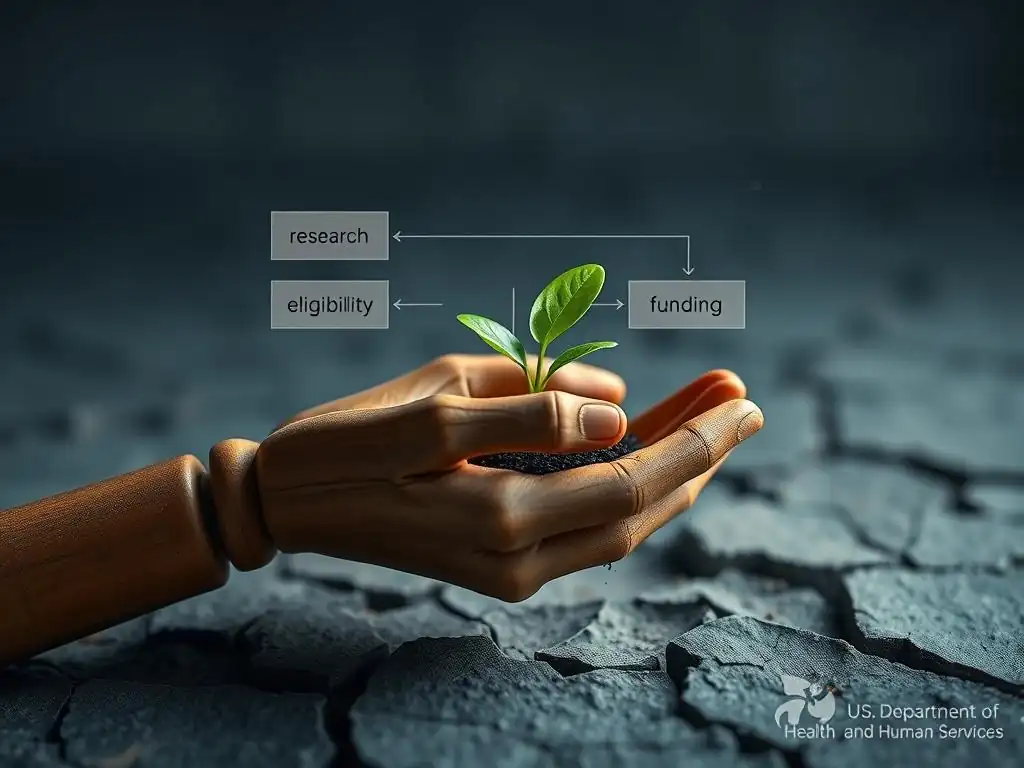
Step 1: Researching Available Government Grants for Mental Health Support
Utilizing Online Resources and Databases for Grant Discovery
The primary official source for finding federal government grants mental health support is Grants.gov. This centralized online portal lists virtually all federal funding opportunities from various agencies. Users can search by keyword (e.g., "mental health," "substance abuse," "behavioral health"), agency name, Catalog of Federal Domestic Assistance (CFDA) number, or specific funding opportunity number. Grants.gov provides access to the full Funding Opportunity Announcement (FOA) and all associated application materials. Regularly checking Grants.gov is essential for anyone seeking federal funding.
In addition to Grants.gov, several other resources can aid in grant discovery. Agency-specific websites (like SAMHSA.gov, NIMH.nih.gov, HRSA.gov) often list their funding opportunities directly, sometimes with additional context or resources. State and local government websites may also list state-level grants for mental health. Furthermore, subscription databases and newsletters from professional associations in the mental health field or non-profit support organizations often compile relevant funding opportunities and can provide curated lists or alerts tailored to specific interests. For example, foundations and non-profits dedicated to mental health often publish lists of current grant opportunities, including federal ones.
Subscribing to Federal Grant Opportunity Notifications
To stay informed about new government grants mental health support as they are announced, subscribing to notification services is highly recommended. Grants.gov allows users to set up email subscriptions based on specific search criteria, such as keywords or funding agencies. This ensures that you receive alerts whenever a new funding opportunity matching your interests is posted.
Many federal agencies also offer their own email notification lists or RSS feeds for funding announcements. Signing up directly with agencies like SAMHSA, NIMH, and HRSA can provide early notice or more detailed information about upcoming opportunities. Additionally, subscribing to newsletters from relevant professional organizations, listservs, or grant-related news services can help capture opportunities that might not be found through broad searches alone. Proactive notification is key because grant cycles often have strict, non-negotiable deadlines, and ample time is needed to prepare a competitive application.
Step 2: Assessing Your Organization's Eligibility and Needs
Determining Project Alignment with Grant Objectives
Once potential government grants mental health support opportunities are identified, a critical step is to rigorously assess whether your proposed project truly aligns with the grant's specific objectives and priorities. Read the "Purpose" or "Program Description" section of the Funding Opportunity Announcement (FOA) carefully. Does the grant aim to address a specific population (e.g., rural youth, homeless veterans)? Is it focused on a particular intervention type (e.g., early psychosis treatment, integrated care)? Does it prioritize certain outcomes (e.g., reduced hospitalizations, increased access in underserved areas)?
Your proposed project must not only be a good idea but must also directly address the problem the funding agency is trying to solve through this particular grant program. For instance, applying for a grant focused on substance use disorder treatment when your primary focus is anxiety disorder prevention may not be a strong fit, even if both fall under the umbrella of mental health. A thorough alignment check saves time and resources by ensuring you only pursue opportunities where your project has a realistic chance of being funded because it directly serves the funder's goals.
Evaluating Organizational Capacity and Resources
Applying for and managing federal government grants mental health support requires significant organizational capacity. Before committing to an application, honestly evaluate whether your organization has the necessary infrastructure, staffing, and expertise to successfully implement the proposed project if funded. Consider whether you have experienced program staff, administrative support for reporting and compliance, financial systems capable of managing federal funds, and leadership committed to overseeing the grant.
Federal grants often require detailed data collection, performance measurement, and strict financial reporting. Does your organization have the systems and personnel in place to handle these requirements? Some grants may also require matching funds or significant in-kind contributions. Can your organization meet these financial obligations? Overstretching your capacity to pursue a grant, even a large one, can jeopardize both the project's success and your organization's reputation for future funding opportunities. A realistic self-assessment is crucial.
Step 3: Crafting a Compelling Grant Proposal
Developing a Clear and Concise Project Narrative
The project narrative is the core of your grant application for government grants mental health support. It is where you make the case for why your project is needed and why your organization is the right one to carry it out. The narrative must be clear, concise, and directly address all requirements outlined in the Funding Opportunity Announcement (FOA). Use headings and subheadings that mirror the structure requested by the funder to make it easy for reviewers to follow.
Begin by clearly stating the problem your project will address, supported by specific data about the need in your target community (e.g., high rates of opioid overdose deaths, lack of access to child mental health services in a specific county). Then, describe your proposed solution in detail, explaining what you will do, how you will do it, who you will serve, and where the services will be provided.
Use strong, active language and avoid jargon where possible. Ensure every section, from the needs assessment to the implementation plan and evaluation, flows logically and demonstrates a deep understanding of the issue and a feasible plan to address it.
Creating a Realistic Budget and Justification
The budget is a critical component of any grant proposal for government grants mental health support. It must be realistic, detailed, and directly support the activities described in the project narrative. Federal budgets typically require categorization of costs such as personnel (salaries and fringe benefits), travel, equipment, supplies, contractual costs, and other direct costs. Indirect costs (overhead) are also usually included, often based on a federally negotiated rate.
Every line item in the budget must be justified in a separate budget narrative section. This is where you explain why each cost is necessary for the project's success and how the amount was calculated. For example, if you are requesting funds for a Project Coordinator salary, the justification should explain the role's responsibilities and how the salary amount was determined (e.g., based on local wage data). Reviewers scrutinize budgets carefully to ensure funds are used efficiently and appropriately. An unrealistic or poorly justified budget can significantly weaken an otherwise strong proposal.
Demonstrating Community Need and Impact
A successful grant proposal for government grants mental health support must compellingly demonstrate the need for the proposed project in the specific community it intends to serve and articulate the potential positive impact. Use current, specific data to illustrate the problem – this could include local prevalence rates of mental illness or substance use, statistics on suicide attempts, data on access to care disparities, or information on specific community risk factors. Citing reputable sources like the CDC, state health departments, or local needs assessments adds credibility.
Beyond data, describing the human impact of the problem adds an empathetic dimension. Explain how the lack of services or the specific challenge affects individuals, families, and the community as a whole. Then, clearly articulate the expected outcomes and impact of your project. What specific changes will occur as a result of your work? Quantifiable metrics are powerful (e.g., "increase access to care for 200 uninsured individuals," "reduce wait times for initial appointments by 30%," "serve 50 veterans with co-occurring disorders"). Also describe the broader, qualitative impact, such as improved quality of life, stronger families, or reduced stigma.
Step 4: Submitting Your Grant Application
Adhering to Application Deadlines and Guidelines
Strict adherence to all application deadlines and guidelines is absolutely non-negotiable when applying for government grants mental health support. Federal agencies have firm deadlines, often specified down to the minute (e.g., 5:00 PM Eastern Time on a specific date). Late submissions are almost never accepted, regardless of the reason. Plan to submit your application well in advance of the deadline to avoid last-minute technical issues.
Equally important is following all formatting, content, and submission instructions precisely as outlined in the Funding Opportunity Announcement (FOA). This includes page limits for specific sections, required font sizes and margins, necessary attachments, and specific naming conventions for uploaded files. Reviewers have many applications to read, and proposals that do not follow instructions are often penalized or disqualified. Create a checklist based on the FOA requirements and double-check everything before submission.
Utilizing Electronic Submission Systems
Most federal government grants mental health support applications are submitted electronically through Grants.gov. Your organization must be registered with Grants.gov and have the necessary system roles to submit applications. This process can take several days or even weeks, so do not wait until the last minute to register. You will also need to have an active registration with the System for Award Management (SAM.gov) and obtain a Unique Entity Identifier (UEI), which can also take time.
Become familiar with the Grants.gov Workspace environment, which allows multiple team members to work on different parts of the application simultaneously. Carefully upload all required forms and attachments, ensuring they are in the correct file format (usually PDF) and do not exceed size limits. After submitting, check for confirmation emails from Grants.gov and monitor the application status through the portal to ensure it was received and validated without errors. Technical issues during submission are common, so leaving ample time before the deadline is crucial.
Step 5: Post-Award Management and Reporting
Understanding Grant Compliance Requirements
Receiving government grants mental health support is only the beginning; managing the grant requires strict adherence to federal compliance regulations. This includes financial management standards, such as maintaining accurate records, using funds only for approved activities, and following specific procedures for procurement and sub-awarding. You must also comply with program-specific requirements related to data collection, performance reporting, and achieving the project's stated objectives.
Federal grants are subject to audits, and failure to comply with regulations can result in funding being suspended or terminated, or even require the repayment of funds. It is essential to have staff knowledgeable in federal grant management or to invest in training. Develop internal policies and procedures that align with federal guidelines and ensure all project staff are aware of their responsibilities regarding compliance.
Tracking Project Outcomes and Reporting Progress
Federal grants for mental health support require rigorous tracking of project activities and outcomes, followed by regular reporting to the funding agency. The Funding Opportunity Announcement (FOA) and the grant award notice will specify the required performance measures and reporting frequency (e.g., quarterly, annually). These reports typically require data on the number of individuals served, types of services provided, progress towards achieving project objectives, and challenges encountered.
Developing a robust data collection and tracking system before the project begins is crucial. This system should be capable of capturing the specific data points required by the funder's performance measures. Regular internal review of progress helps ensure the project is on track and allows for adjustments if needed. Accurate and timely reporting is essential for maintaining good standing with the funding agency and demonstrating the impact of the government grants mental health support received, which can be vital for securing future funding opportunities.
Maximizing Your Chances of Receiving Mental Health Grant Funding

Building Strong Partnerships and Collaborations
Federal agencies often look favorably upon grant proposals for government grants mental health support that demonstrate strong partnerships and collaborations. Mental health issues are complex and often intersect with other sectors like housing, education, criminal justice, and primary healthcare. Partnering with relevant organizations can strengthen your proposal by showing that your project is part of a larger, coordinated effort in the community.
Identify potential partners whose missions align with your project's goals. This could include local health departments, schools, law enforcement agencies, housing authorities, other non-profit service providers, or consumer and family advocacy groups. Clearly define the roles and contributions of each partner in the proposal and include letters of support from key collaborators. These letters should be specific, detailing the nature of the partnership and the value it brings to the project, rather than generic endorsements. A collaborative approach shows reviewers that your project is well-supported and integrated into the community's existing service landscape.
Demonstrating a Track Record of Success
Federal funders want to invest in organizations that have a history of successfully managing projects and achieving desired outcomes. When applying for government grants mental health support, highlight your organization's past accomplishments, particularly those related to the type of services or population your proposed project will address. Provide specific examples and data points that demonstrate your effectiveness.
If your organization is relatively new or lacks extensive experience in a specific area, focus on the relevant experience of your key personnel. Highlight their qualifications, expertise, and past successes in similar roles or projects at other organizations. You can also emphasize successful smaller-scale projects, pilot programs, or evaluations that demonstrate your capacity to plan, implement, and manage programs effectively. Clearly articulating your organization's or team's capacity and past performance builds confidence with reviewers.
Addressing Health Equity and Disparities in Your Proposal
Many federal funding opportunities for government grants mental health support explicitly prioritize projects that address health equity and reduce disparities in access to and quality of care. Mental health disparities persist across various populations, including racial and ethnic minorities, LGBTQ+ individuals, rural communities, people with disabilities, and those with low incomes. Demonstrating how your project will specifically reach and serve these underserved groups can significantly strengthen your application.
Analyze the mental health needs and disparities within your target community and clearly articulate how your project is designed to overcome barriers to care for specific populations. This could involve culturally and linguistically appropriate services, outreach strategies targeting specific communities, partnerships with trusted community leaders, or programs designed to address social determinants of health that impact mental well-being. Providing specific data on disparities in your needs assessment and detailing concrete strategies to promote equity in your project plan shows reviewers that your project is responsive to critical public health challenges.
Seeking Expert Grant Writing Assistance
Crafting a competitive federal grant proposal for government grants mental health support is a complex and time-consuming process that requires specialized skills. While it is possible to write a proposal in-house, especially for organizations with experienced grant writers, seeking expert assistance can significantly increase your chances of success. Professional grant writers or consultants have in-depth knowledge of federal grant processes, compliance requirements, and what reviewers look for in a strong application.
Expert assistance can range from providing training to your staff, reviewing and providing feedback on drafts, or fully writing the proposal based on your organization's input. They can help ensure that your proposal is fully compliant with all instructions, clearly articulates your project's value, presents a strong case for need, and includes a well-justified budget. While there is a cost associated with hiring external help, the potential return on investment in securing substantial federal government grants mental health support can be considerable, especially for large or complex funding opportunities.
Resources for Mental Health Grant Applicants
Government Websites and Databases
The primary resource is Grants.gov, the central portal for finding and applying for federal government grants mental health support. It contains listings for virtually all federal funding opportunities and provides access to application packages. Registering and becoming familiar with this site is essential.
Agency-specific websites are also invaluable. SAMHSA.gov provides information on their grant programs, priorities, and resources for applicants. NIMH.nih.gov details research funding opportunities and strategic priorities. HRSA.gov outlines grants related to health centers, rural health, and workforce development, often including behavioral health components. Exploring the websites of other relevant federal departments like Education, Housing and Urban Development (HUD), Justice, and Veterans Affairs may also reveal relevant funding streams.
Non-Profit Organizations Offering Grant Support
Many non-profit organizations offer resources and support to help organizations navigate the grant landscape, including finding government grants mental health support. Organizations focused on specific mental health conditions (e.g., depression, schizophrenia) or populations (e.g., children, veterans) may provide curated lists of relevant funding opportunities, technical assistance, or training.
Additionally, national and regional associations representing behavioral health providers, community health centers, or non-profits often offer grant-seeking resources, workshops, and networking opportunities. Organizations like the National Council for Mental Wellbeing or the National Association of Community Health Centers may have resources or events related to securing federal funding. Local or state-level non-profit associations might also provide tailored support and information on state government grants mental health support.
Training and Technical Assistance Programs
Federal agencies, as well as various non-profit and consulting groups, offer training and technical assistance related to applying for and managing federal government grants mental health support. SAMHSA often provides technical assistance centers focused on specific grant programs or populations. NIMH offers resources for researchers on grant writing and navigating the NIH application process.
Look for workshops, webinars, and online resources provided by federal agencies or reputable third-party providers. These programs can cover topics such as understanding the grant lifecycle, writing a compelling needs section, developing a logic model, creating a realistic budget, and navigating the electronic submission process. Investing in training can significantly improve your organization's capacity to successfully secure and manage federal funding.
The Future of Federal Funding for Mental Health
Emerging Trends in Mental Health Grant Programs
The landscape of government grants mental health support is constantly evolving, influenced by national priorities, research advancements, and emerging public health crises. A significant trend is the increased focus on integrating mental health and substance use care with primary healthcare, often through models like Certified Community Behavioral Health Clinics (CCBHCs). Funding opportunities are increasingly supporting this integrated approach to improve access and coordination of services.
Another growing trend is the emphasis on addressing the mental health needs of specific vulnerable populations, such as youth, individuals experiencing homelessness, and those in rural or underserved areas. There is also increased funding directed towards addressing the opioid and stimulant crises, often including grants for treatment and recovery support services that incorporate mental healthcare.
Furthermore, federal grants are increasingly promoting the use of evidence-based practices, data-driven decision-making, and the leveraging of technology, including telehealth, to expand access to care. Future government grants mental health support are likely to continue reflecting these priorities and potentially new areas like crisis services expansion or addressing the mental health impacts of climate change or other large-scale events.
Advocating for Increased Government Support for Mental Health Initiatives
While federal government grants mental health support currently represent a significant investment, advocates continually work to secure increased funding and more effective policies. Advocating for mental health funding involves educating policymakers at the federal, state, and local levels about the ongoing mental health crisis and the critical need for resources to expand access to care, support research, and implement prevention programs.
Individuals and organizations can engage in advocacy by contacting their elected officials, participating in advocacy days, joining coalitions dedicated to mental health policy, and sharing personal stories or data illustrating the impact of mental illness and the need for services. Supporting organizations that lobby for increased mental health funding is another way to contribute. A unified voice from the mental health community, including providers, researchers, consumers, and families, is powerful in influencing funding decisions and ensuring that government grants mental health support remains a high priority on the national agenda.
Frequently Asked Questions
What are Government Grants Mental Health Support?
These are financial assistance programs provided by federal, state, or local governments specifically designed to fund mental health initiatives and support individuals in need. They aim to improve access to care and reduce the burden of mental illness.
Who is eligible to apply for Government Grants Mental Health Support?
Eligibility varies depending on the specific grant. Generally, non-profit organizations, community health centers, and sometimes individuals facing financial hardship are eligible, provided they meet specific criteria outlined by the granting agency.
How do I find Government Grants Mental Health Support opportunities?
Start by searching federal websites like Grants.gov and the SAMHSA (Substance Abuse and Mental Health Services Administration) website. Also, check state and local government websites for relevant programs in your area.
What types of activities can Government Grants Mental Health Support fund?
Grants can fund a wide range of activities including therapy services, mental health education programs, research initiatives, and community outreach efforts aimed at promoting mental well-being.
What information is typically required when applying for Government Grants Mental Health Support?
Applications usually require detailed information about the proposed project, the organization's mission, budget projections, and a clear demonstration of how the project will address mental health needs within the target population.
Final Reflection: Securing a Brighter Future Through Mental Health Funding
The fight for accessible and affordable mental healthcare is far from over, and securing adequate funding remains a critical battleground. The sheer number of individuals struggling with mental health challenges, coupled with the persistent disparities in access to care, underscores the urgent need for innovative solutions. Government grants represent a powerful tool in this fight, offering a lifeline to communities and organizations striving to make a difference.
The impact of readily available mental health resources is immeasurable, rippling outwards to affect families, communities, and the overall societal well-being. We've explored the complexities of navigating the grant application process, highlighting the importance of thorough research, strategic planning, and persistent dedication. The journey may be challenging, but the potential rewards – improved access to care, innovative treatment programs, and empowered individuals – are worth the effort. The investment in mental health is an investment in our collective future.
This simple statement encapsulates the profound significance of securing these crucial funds.
Now, it's your turn. Consider the information presented within this article and reflect on how you can contribute to the expansion of mental health services in your community. Are there organizations you can support? Is there a grant opportunity you could pursue? Perhaps you can simply raise awareness among your network. Every action, no matter how small, can help build a stronger, more supportive system for those who need it most. Let's work together to ensure that mental health support is not a privilege, but a fundamental right.
Unlock Your Mental Wellness: Access the Support You Deserve
Thanks for taking the time to learn about the wealth of government grants available for mental health support! We hope this article provided valuable insights into navigating this often-complex system. Now it's time to take action.
- Explore available grants: Begin your search using the keywords and resources mentioned in the article. Don't be afraid to delve deeper— many hidden gems await!
- Contact a local mental health organization: They often have firsthand experience with grant applications and can offer personalized guidance.
- Share this article with someone who might benefit from this information; spreading awareness is crucial.
Ready to empower yourself and others? What's the first step you'll take to explore these vital mental health resources?