
Your DaytoDay at an Indulgent Mental Health Haven

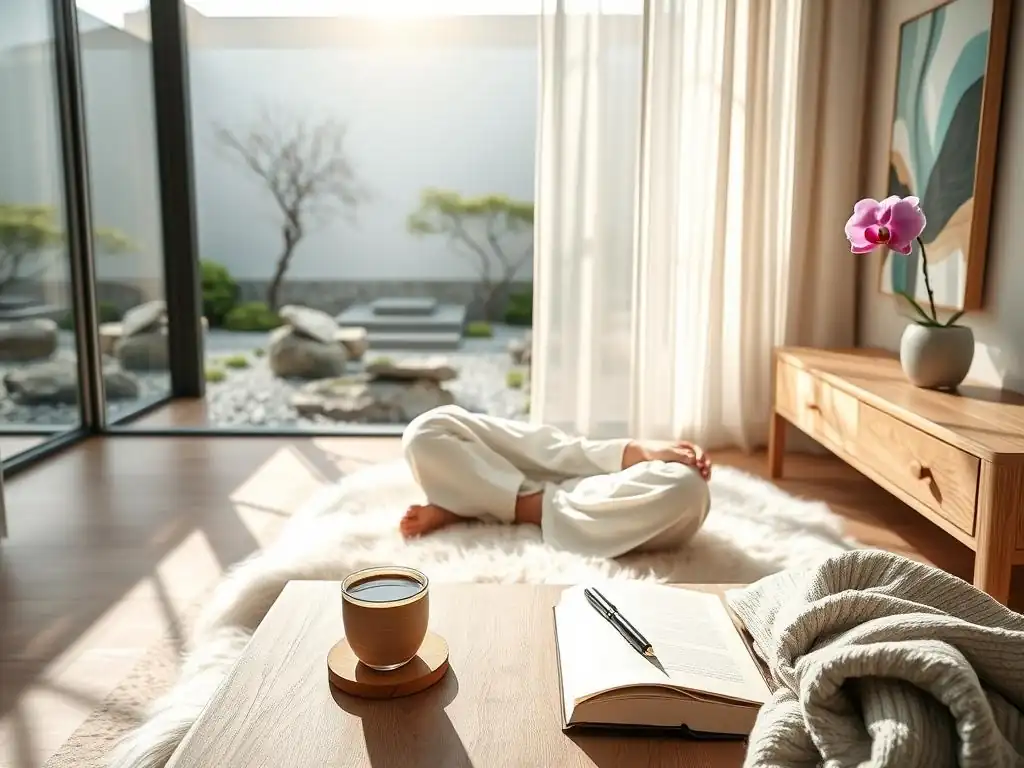
Welcome to Mind Care Guide, your sanctuary for navigating the complexities of mental well-being. Feeling overwhelmed by the daily grind? You're not alone. We understand the struggle, and we're here to help you unlock the secrets to Finding daily mental wellbeing tips that truly make a difference. Explore our resources and discover how small changes can lead to profound improvements in your mental health. What if you could transform your daily routine into a powerful source of resilience and joy? Let's begin your journey to a brighter, more balanced you.
Your Day-to-Day at a Tranquility Haven: Nurturing Daily Mental Wellbeing
- Retreat to Serenity: Discovering Your Path to Daily Mental Wellbeing
- A Morning of Mindfulness: Embracing Inner Peace
- Mid-Day Rejuvenation: Tailored Therapies and Relaxation
- Afternoon of Active Wellbeing: Connecting with Nature and Creativity
- Evening of Reflection and Connection: Preparing for a Restful Night
- Sleep Sanctuary: Ensuring a Deep and Restful Night
- Integrating Retreat Practices into Daily Life: Maintaining Your Mental Wellbeing at Home
-
Frequently Asked Questions
- What are some quick and easy daily mental wellbeing tips I can incorporate into my routine?
- How can I create a daily mental wellbeing plan that fits my busy schedule?
- What resources does Mind Care Guide offer to help me with finding daily mental wellbeing tips?
- How can I identify if my daily mental wellbeing is declining and when should I seek professional help?
- What are some daily mental wellbeing exercises I can do to improve my mood and reduce anxiety?
- Final Reflection: Cultivating Daily Sanctuary
- Unwind and Rediscover Your Inner Peace
Retreat to Serenity: Discovering Your Path to Daily Mental Wellbeing
The Promise of a Mental Wellness Retreat: A Holistic Approach to Wellbeing
A mental wellness retreat offers a dedicated space and structured program designed to help individuals disconnect from stressors and reconnect with themselves. These havens are not just about temporary relaxation; they provide a comprehensive, multi-faceted approach to healing and growth.
The promise lies in addressing the interconnectedness of mind, body, and spirit, offering therapies, activities, and nourishing environments that lay the groundwork for sustainable emotional health. Participants often find that the immersive nature of a retreat allows for deeper introspection and healing than is possible in their regular, busy lives, making it a powerful catalyst for finding daily mental wellbeing tips and practices that truly resonate.
This holistic model typically includes personalized therapy, nutritional guidance, physical activities, mindfulness practices, and creative outlets. For example, a retreat might combine cognitive behavioral therapy (CBT) sessions with daily yoga, gourmet meals focusing on brain health, and guided nature walks. This integrated approach recognizes that stress, anxiety, and other mental health challenges are often influenced by multiple factors – lifestyle, diet, physical health, and emotional patterns. By addressing these areas concurrently, retreats provide a powerful foundation for guests to build lasting habits and cultivate a stronger sense of daily mental wellbeing long after they leave the tranquil setting.
Cultivating Sustainable Mental Wellbeing: Integrating Daily Practices for Lasting Impact
The true value of a mental wellness retreat extends beyond the stay itself; it lies in the ability to integrate the learned practices into daily life for sustainable impact. Retreats are designed to equip individuals with practical tools and strategies for managing stress, improving mood, and enhancing overall resilience. This often involves teaching specific techniques, such as mindfulness meditation, breathwork exercises, or journaling prompts, that can be easily incorporated into a busy schedule back home. The goal is to empower participants to become active architects of their own daily mental wellbeing.
Successfully translating the retreat experience into sustainable change requires conscious effort and practice. Many retreats provide follow-up resources or guidance on how to maintain momentum. For instance, a guest might learn a 10-minute morning meditation routine at the retreat and commit to practicing it daily. They might also learn about stress-reducing dietary choices or simple stretching exercises to combat tension.
Studies indicate that consistent daily practices, even short ones, can significantly impact mood and stress levels over time. For example, a meta-analysis of mindfulness studies showed that regular practice led to noticeable reductions in anxiety and depression symptoms within just 8 weeks. Finding daily mental wellbeing tips that fit one's lifestyle is key, and the retreat environment provides a safe space to explore and adopt these effective strategies.
A Morning of Mindfulness: Embracing Inner Peace
Waking Up to Wellness: Gentle Yoga and Guided Meditation
The day at a mental wellness retreat often begins with practices aimed at grounding the mind and gently awakening the body. Gentle yoga sessions, typically held in a serene setting like a studio overlooking nature or an outdoor deck, focus on slow movements, conscious breathing, and mindful stretching. This isn't about complex poses but rather about connecting with physical sensations and releasing tension accumulated overnight. Participants are encouraged to listen to their bodies, fostering a sense of self-compassion and presence that sets a positive tone for finding daily mental wellbeing.
Following yoga, a guided meditation session provides an opportunity to quiet the mental chatter and cultivate inner peace. Led by experienced instructors, these sessions might focus on breath awareness, body scans, or loving-kindness practices. The guided format makes it accessible even for beginners, helping them navigate distractions and develop focus.
Research consistently shows the benefits of morning meditation; for instance, a study published in Health Psychology found that brief daily mindfulness meditation improved mood and reduced stress in participants over a two-week period. Starting the day with these practices helps anchor individuals in the present moment, preparing them to navigate the day's activities with greater calm and clarity.
Nourishing Body and Mind: A Gourmet Breakfast Designed for Mental Clarity
Breakfast at a mental wellness retreat is far more than just a meal; it's a carefully curated experience designed to nourish both the body and the brain. Menus are often plant-forward, rich in omega-3 fatty acids, antioxidants, and complex carbohydrates – nutrients known to support cognitive function and mood regulation. Think vibrant fruit platters, nutrient-dense smoothies, whole-grain options, and lean proteins. Dietary specialists at the retreat often work to create meals that are not only delicious but also address specific needs, like reducing inflammation or stabilizing blood sugar, which can significantly impact energy levels and emotional stability.
The act of eating itself is often encouraged as a mindful practice. Guests are invited to savor each bite, pay attention to textures and flavors, and eat without distraction. This mindful eating approach enhances digestion and fosters a healthier relationship with food, moving away from rushed or stress-induced eating habits.
Retreat chefs often use fresh, locally sourced ingredients, adding another layer of connection to the environment and the food's journey. For example, a breakfast might feature local berries known for their antioxidant properties, paired with Greek yogurt for protein and probiotics beneficial for gut health, which is increasingly linked to mental wellbeing. This conscious approach to nutrition provides essential building blocks for sustained energy and mental clarity throughout the day, contributing significantly to finding daily mental wellbeing tips related to diet.
How a Session of Mindfulness Enhanced Focus and Reduced Stress
A specific example of the impact of morning mindfulness can be seen in the experience of many retreat guests. Imagine a participant, Sarah, who arrives feeling overwhelmed by work deadlines and personal anxieties. Her mind races constantly. During the guided meditation session on her first morning, the instructor focuses on a simple breath-counting technique. Initially, Sarah's thoughts jump from her to-do list to worries about home. However, with gentle guidance to return her attention to her breath each time her mind wanders, she begins to experience brief moments of quiet.
By the end of the 30-minute session, Sarah reports feeling a subtle shift. While her problems haven't disappeared, the constant internal noise has lessened. She feels a sense of spaciousness she hadn't felt in months.
This initial experience of mental calm provides tangible proof that slowing down is possible. Over the next few days, consistent morning meditation helps her develop the ability to observe her thoughts without being consumed by them. She finds she can approach the day's activities, like therapy or workshops, with greater presence and less reactive stress, illustrating a direct benefit of intentional practice for finding daily mental wellbeing.
Mid-Day Rejuvenation: Tailored Therapies and Relaxation

Personalized Therapy Sessions: Addressing Your Unique Mental Health Needs
Mid-day is often dedicated to the core therapeutic work at a mental wellness retreat. This typically involves one-on-one sessions with qualified therapists, counselors, or psychologists. These sessions are highly personalized, focusing on the individual's specific challenges, history, and goals. The retreat environment provides a safe, confidential space free from the distractions and pressures of daily life, allowing for deeper exploration of underlying issues such as trauma, anxiety, depression, or relationship difficulties. Therapists utilize various modalities tailored to the guest's needs.
The duration and frequency of these sessions can vary, but they are often more intensive than typical outpatient therapy, sometimes involving daily or multiple sessions per week. This concentrated approach can accelerate progress and provide significant breakthroughs. For instance, someone struggling with perfectionism might work with a therapist using techniques from Acceptance and Commitment Therapy (ACT) to challenge rigid thought patterns and build psychological flexibility. The personalized nature ensures that the therapeutic journey is aligned with the individual's unique path towards finding daily mental wellbeing and healing.
Exploring Diverse Therapies: CBT, Art Therapy, and Mindfulness
Mental wellness retreats often offer a diverse menu of therapeutic approaches beyond traditional talk therapy. Cognitive Behavioral Therapy (CBT) is a common offering, helping guests identify and challenge negative thought patterns that contribute to distress. Through structured exercises and discussion, individuals learn to reframe unhelpful thoughts and develop healthier coping mechanisms. Art therapy provides a non-verbal outlet for emotional expression, allowing guests to process feelings and experiences through creative mediums like painting, sculpting, or collage. It can be particularly helpful for those who find it difficult to articulate their emotions verbally.
Mindfulness-based therapies, such as Mindfulness-Based Stress Reduction (MBSR) or Mindfulness-Based Cognitive Therapy (MBCT), are also frequently integrated. These approaches teach guests how to cultivate present moment awareness, helping them to observe thoughts and feelings without judgment and reduce reactivity to stressors. Other therapies might include Dialectical Behavior Therapy (DBT) skills, somatic experiencing, or even equine therapy, depending on the retreat's specialization. This variety allows guests to explore different paths to healing and find practices that resonate most deeply with their individual needs for enhancing daily mental wellbeing.
The Power of Touch: Experiencing a Restorative Massage
Massage therapy is a common and highly beneficial component of many mental wellness retreat programs. Beyond simple relaxation, therapeutic massage offers significant physical and mental health benefits. Stress often manifests physically as muscle tension, headaches, and even digestive issues. A skilled massage therapist can work to release these physical blockages, alleviating discomfort and promoting a sense of ease in the body. This physical release can have a profound impact on mental state, as the mind and body are intimately connected.
Many retreats incorporate massages specifically designed for stress reduction or promoting sleep. Techniques like Swedish massage, deep tissue work, or aromatherapy massage are chosen for their calming and restorative properties. For example, a study published in the Journal of Alternative and Complementary Medicine found that massage therapy reduced anxiety levels by an average of 31% and depression by 28% in participants across various health settings. Experiencing this level of physical relaxation in a safe and nurturing environment contributes significantly to the overall healing process and supports the journey towards finding daily mental wellbeing.
The Benefits of a Deep Tissue Massage in Releasing Tension
A deep tissue massage, often offered at retreats, is particularly effective for addressing chronic muscle tension, which is a common symptom of prolonged stress and anxiety. Unlike lighter forms of massage, deep tissue work targets the deeper layers of muscle and connective tissue. The therapist uses slower strokes and more direct pressure to release knots and adhesions that can cause pain, restrict movement, and hold emotional stress. While sometimes intense, the release experienced after a deep tissue massage can be profound.
Consider someone who carries stress primarily in their shoulders and neck, resulting in persistent stiffness and tension headaches. A targeted deep tissue session can work to break down the fascia and muscle fibers contributing to this tightness. The physical release of tension sends signals to the brain that can reduce the body's stress response. Guests often report feeling significantly lighter, more mobile, and experiencing a reduction in physical discomfort, which in turn alleviates associated mental fatigue and irritability. This physical intervention directly supports the goal of finding daily mental wellbeing by addressing the bodily manifestations of stress.
Afternoon of Active Wellbeing: Connecting with Nature and Creativity
Nature Immersion: Hiking and Forest Bathing for Stress Reduction
Connecting with nature is a cornerstone of many mental wellness retreats, especially those situated in scenic or remote locations. Afternoon activities often include guided hikes through forests, along coastlines, or in mountain landscapes. These walks provide physical exercise, which is known to boost mood and reduce anxiety, while simultaneously immersing guests in the calming effects of the natural world. The gentle rhythm of walking combined with fresh air and beautiful surroundings creates a powerful antidote to the often-stifling environments of urban life.
Forest bathing, or Shinrin-yoku, is a specific practice gaining recognition for its therapeutic benefits. It involves mindfully spending time among trees, engaging the senses – smelling the earthy scent, listening to birdsong, observing the play of light. Research from Japan, where the practice originated, has shown that spending time in forests can decrease cortisol levels (a stress hormone), lower blood pressure, and improve immune function.
A typical retreat might offer a guided forest bathing session, encouraging guests to slow down, breathe deeply, and simply be present in nature. This powerful connection provides simple yet effective strategies for finding daily mental wellbeing.
Creative Expression: Art Therapy and Journaling Prompts for Emotional Release
Creativity serves as a vital pathway for emotional processing and self-discovery at mental wellness retreats. Afternoon sessions might include facilitated art therapy workshops, where the focus is on the process of creation rather than the final product. Using various mediums like paint, clay, or collage materials, guests are invited to explore feelings, memories, or challenges in a non-verbal way. This can unlock insights and facilitate emotional release that might be difficult to achieve through conversation alone.
Journaling is another powerful tool for creative and emotional expression. Retreats often provide dedicated time and prompts for journaling, encouraging guests to reflect on their experiences, feelings, and insights gained during their stay. Prompts might include "What emotions did you feel during this morning's session?" or "Write about a time you felt truly peaceful." The act of writing can help organize thoughts, gain perspective, and track progress. Both art and journaling offer tangible ways to process complex emotions and contribute to finding daily mental wellbeing by providing healthy outlets for self-expression.
A Unique Experience for Mental Clarity
One unique experience often offered is a labyrinth walk. Unlike a maze, a labyrinth has a single, winding path leading to the center and back out. Walking a labyrinth is an ancient meditative practice. As guests slowly navigate the path, it becomes a metaphor for life's journey. The focused, repetitive motion can quiet the mind, reduce anxiety, and bring a sense of calm and clarity. Many retreats have a dedicated labyrinth on their grounds, providing a peaceful space for this moving meditation.
Walking the labyrinth encourages mindfulness, requiring attention to the path and each step. It's a practice that can help individuals release worries and enter a state of walking contemplation. Reaching the center often brings a sense of arrival or peace, and the walk back out can symbolize integration or return to the world with newfound perspective. Guests often describe feeling more centered, grounded, and mentally clear after a labyrinth walk, highlighting how intentional, unique experiences can significantly impact daily mental wellbeing.
How the Pottery Workshop Fostered Self-Expression and Calm
Consider the impact of a pottery workshop on a retreat guest named David, who struggles with feeling out of control and expressing vulnerability. The workshop provides a lump of clay and simple instructions on centering it on the wheel. Initially, David finds the clay resistant and frustrating, mirroring his feelings about his own challenges. The instructor patiently guides him, focusing on the process of applying gentle, consistent pressure.
As David works with the clay, feeling its texture and responding to its needs, he enters a state of flow. The focus required to keep the clay centered demands his full attention, pulling him out of anxious thought loops. He begins to experiment, shaping the clay, allowing imperfections.
The tactile experience is grounding, and the act of creating something tangible, however simple, provides a sense of accomplishment and control over a small piece of his world. David leaves the workshop feeling calmer and discovers a new, non-verbal way to connect with his emotions, realizing that even small creative acts can be powerful tools for finding daily mental wellbeing.
Evening of Reflection and Connection: Preparing for a Restful Night

Restorative Practices: Evening Yoga and Gratitude Journaling
As the day winds down, the focus shifts to preparing the body and mind for restful sleep and integrating the day's experiences. Evening yoga sessions are typically very gentle, focusing on restorative poses held for longer periods, often supported by props like bolsters and blankets. The intention is to release physical tension, calm the nervous system, and promote relaxation. These sessions emphasize breathwork and stillness, encouraging a transition from active engagement to quiet introspection, essential steps for finding daily mental wellbeing that includes quality rest.
Following yoga, a common practice is gratitude journaling. Guests are encouraged to reflect on their day and write down things they are grateful for, no matter how small. This practice shifts focus from worries or negative thoughts to positive aspects of life, fostering a sense of appreciation and contentment. Research suggests that practicing gratitude can improve mood, reduce symptoms of depression, and even improve sleep quality. Dedicating time each evening to these restorative and reflective practices creates a peaceful transition into the night.
Nourishing Dinner: A Mindful Meal Focusing on Gut Health and Brain Function
Dinner at a mental wellness retreat continues the theme of mindful nutrition, often focusing on meals that support gut health and brain function, recognizing the strong connection between the enteric nervous system ("the second brain") and mental state. Meals are typically rich in fiber, fermented foods, lean proteins, and healthy fats, avoiding processed ingredients, excessive sugar, and caffeine that could interfere with sleep or mood. Examples include fish rich in omega-3s, colorful vegetables packed with antioxidants, and grains that support a healthy gut microbiome.
The dinner experience is often communal, providing an opportunity for quiet connection with other guests, though mindful eating is still encouraged. The focus remains on savoring the food and being present, rather than rushing or engaging in stressful conversations. Eating a balanced, nutrient-dense meal in the evening provides the body with the necessary resources for overnight repair and recovery, ensuring stable blood sugar levels and promoting the production of neurotransmitters essential for mood regulation and sleep, all vital components of daily mental wellbeing.
Building Community: Sharing Experiences and Connecting with Others
While much of the retreat experience is focused on individual healing, the opportunity to connect with others who are also on a journey towards mental wellbeing can be incredibly powerful. Evening often provides space for optional group activities or simply informal conversations. Sharing experiences in a safe, non-judgmental environment can reduce feelings of isolation and build a sense of camaraderie. Hearing others' stories and challenges can provide new perspectives and validate one's own struggles.
These connections can take various forms, from facilitated group discussions focused on specific themes (like managing anxiety or building resilience) to casual chats over tea in a common area. While personal space is always respected, the option to connect provides a sense of belonging. Studies have shown that social connection is a significant protective factor for mental health. The bonds formed at a retreat, even short-term ones, can be validating and supportive, reinforcing the practices learned and providing encouragement for finding daily mental wellbeing outside the retreat setting.
How Group Therapy Sessions Facilitated Healing and Connection
Group therapy sessions, sometimes offered in the evening or throughout the day, are a powerful example of how community facilitates healing. Imagine a group session focused on managing stress. Participants take turns sharing their biggest stressors and how they typically cope. One person shares their reliance on unhealthy habits, another talks about feeling overwhelmed and isolated. As others listen and share their own struggles with similar issues, a sense of shared humanity emerges.
A facilitator guides the discussion, perhaps introducing coping strategies like mindful breathing or setting boundaries. Participants offer support and empathy to each other, sharing what has or hasn't worked for them. This collective vulnerability and support can be incredibly validating. For someone who felt alone in their struggles, realizing that others face similar battles and hearing about their coping successes provides hope and reduces shame. These group connections reinforce the idea that finding daily mental wellbeing is a shared journey, not one to be undertaken in isolation.
Sleep Sanctuary: Ensuring a Deep and Restful Night
Creating the Perfect Sleep Environment
A crucial element of a mental wellness retreat is the emphasis on restorative sleep. The accommodations are designed to be a sleep sanctuary, minimizing distractions and optimizing conditions for rest. Rooms are typically quiet, comfortable, and equipped with elements that promote sleep hygiene. This includes comfortable beds and linens, blackout curtains to block out light, and sometimes even options for adjusting room temperature or accessing calming white noise.
Guests are encouraged to disconnect from electronic devices well before bedtime. The absence of televisions and the encouragement to put away smartphones helps break the habit of late-night scrolling or exposure to stimulating blue light, which can disrupt the body's natural sleep-wake cycle. Creating this intentional environment reinforces the importance of sleep as a fundamental pillar of daily mental wellbeing and teaches guests practical steps they can replicate at home.
Sleep Hygiene Practices: Guided Meditation for Sleep and Herbal Teas
Retreats actively teach and promote healthy sleep hygiene practices. Before bedtime, guests might be offered calming herbal teas like chamomile or valerian root, known for their relaxing properties. Instead of late-night activities, the evening schedule often includes quiet time for reading, journaling, or gentle reflection.
A common offering is a guided meditation specifically designed for sleep. These meditations use techniques like progressive muscle relaxation or visualization to help the body and mind unwind and prepare for rest. The aim is to quiet the anxious thoughts that often interfere with falling asleep. Learning these techniques provides guests with practical tools they can use every night, ensuring that finding daily mental wellbeing includes prioritizing sufficient, high-quality sleep.
How a Sleep Package Improved Sleep Quality
Many retreats offer specialized "sleep packages" or integrated programs for guests struggling with insomnia or sleep disturbances. These programs might include personalized consultations with a sleep specialist, specific therapeutic sessions addressing the root causes of sleep issues (like anxiety or stress), and tailored evening routines. For example, a guest participating in a sleep-focused program might receive biofeedback sessions to learn relaxation techniques, attend workshops on sleep restriction therapy, and have their room equipped with an essential oil diffuser with calming scents like lavender.
One guest, who reported averaging only 4-5 hours of fragmented sleep per night before the retreat, participated in such a package. By following the prescribed evening routine – including a warm bath, herbal tea, 20 minutes of guided sleep meditation, and disconnecting from screens 90 minutes before bed – combined with therapy addressing her underlying anxiety, she reported a significant improvement.
By the end of a week, she was consistently sleeping 7-8 hours per night, describing her sleep as "deeper and more restorative." This highlights the profound impact that a structured approach to sleep, learned in a supportive environment, can have on overall daily mental wellbeing.
Integrating Retreat Practices into Daily Life: Maintaining Your Mental Wellbeing at Home
Creating a Daily Mental Wellbeing Routine: Small Changes, Big Impact
The transition from the structured, supportive environment of a retreat back to the demands of daily life can be challenging, but it is where the true work of maintaining progress happens. The key is to integrate the practices learned at the retreat into a sustainable daily mental wellbeing routine. This doesn't mean replicating the retreat schedule exactly, but rather identifying the most impactful tools and finding realistic ways to incorporate them. Start small; trying to do too much can be overwhelming.
- [ ] Choose 1-2 morning practices (e.g., 10 minutes of meditation, 5 minutes of stretching).
- [ ] Identify 1-2 mid-day strategies (e.g., a 5-minute walking break, a brief breathing exercise before a stressful meeting).
- [ ] Select 1-2 evening rituals (e.g., 15 minutes of journaling, a calming herbal tea).
- [ ] Plan mindful moments throughout the day (e.g., savoring a meal, noticing nature during a commute).
- [ ] Schedule regular check-ins with yourself or a support system.
Even dedicating just 30-60 minutes across the entire day to intentional practices can make a significant difference in managing stress, maintaining emotional balance, and continuing to cultivate daily mental wellbeing. Consistency is more important than duration.
Resources for Continued Support: Online Therapy and Mental Wellness Apps
Maintaining the momentum gained at a retreat often requires ongoing support. Fortunately, numerous resources are available to help bridge the gap between the retreat bubble and everyday life. Online therapy platforms have become increasingly accessible, allowing individuals to continue working with a therapist from the comfort of their home. This provides continuity of care and support as new challenges arise or as individuals deepen their therapeutic work.
Mental wellness apps offer a wealth of tools and resources for finding daily mental wellbeing tips and practices on the go. Many apps provide guided meditations of various lengths, mood tracking features, journaling prompts, breathing exercises, and even access to online communities. Apps like Calm, Headspace, or Moodpath offer structured programs and daily reminders that can help reinforce habits learned at the retreat. Utilizing these resources provides convenient access to support and helps keep mental wellness practices front of mind amidst daily demands.
The Long-Term Benefits of a Mental Wellness Retreat: Investing in Your Future.
Viewing a mental wellness retreat as an investment in long-term health is crucial. The benefits extend far beyond the immediate reduction of stress or improvement in mood experienced during the stay. By providing intensive therapy, teaching practical coping skills, fostering self-awareness, and emphasizing the importance of holistic health, retreats equip individuals with a foundation for sustained well-being. The skills learned, such as mindfulness, emotional regulation techniques, and healthy lifestyle habits, are portable and applicable to navigating the complexities of daily life.
Guests often report significant long-term improvements in their ability to manage stress, communicate more effectively, set healthy boundaries, and experience greater overall life satisfaction. For example, a study following retreat participants found that they maintained improved sleep quality and reduced anxiety levels six months after returning home, particularly when they continued daily practice of learned techniques like meditation and journaling. The initial investment in a retreat can yield dividends for years to come, empowering individuals to actively participate in finding daily mental wellbeing and build a more resilient, fulfilling future.
Frequently Asked Questions
What are some quick and easy daily mental wellbeing tips I can incorporate into my routine?
Simple tips include practicing mindfulness, taking short breaks during the day, and engaging in physical activity. These can significantly boost your mood and reduce stress.
How can I create a daily mental wellbeing plan that fits my busy schedule?
Start small by scheduling 15-30 minutes for yourself each day. Prioritize activities you enjoy, like reading, listening to music, or spending time in nature, and be consistent.
What resources does Mind Care Guide offer to help me with finding daily mental wellbeing tips?
Mind Care Guide provides articles, guides, and support networks. Explore our website for practical advice and connect with others on a similar journey.
How can I identify if my daily mental wellbeing is declining and when should I seek professional help?
Look for signs like persistent sadness, changes in sleep or appetite, and difficulty concentrating. If these symptoms interfere with your daily life, seeking professional guidance is recommended.
What are some daily mental wellbeing exercises I can do to improve my mood and reduce anxiety?
Try deep breathing exercises, meditation, or journaling to process your thoughts and emotions. These techniques can help you manage stress and promote a sense of calm.
Final Reflection: Cultivating Daily Sanctuary
The pursuit of daily mental wellbeing isn't a luxury; it's a necessity in today's fast-paced world. Ignoring our mental health is akin to neglecting our physical health – the consequences accumulate and can become overwhelming. This article explored the practical, achievable steps towards creating a daily sanctuary for your mind, drawing on the principles of mindful living and self-compassion. These aren't abstract concepts; they are tools readily available to build a more resilient and joyful you.
The journey towards consistent mental wellbeing is a deeply personal one, shaped by individual experiences and challenges. It's a continuous process of learning, adapting, and rediscovering what truly nourishes your soul. The practices discussed – from mindful movement to cultivating gratitude – are not quick fixes, but rather building blocks for a more sustainable approach to mental health. As the poet Mary Oliver wisely stated: Tell me, what is it you plan to do with your one wild and precious life?
This question, applied to our daily routines, underscores the importance of prioritizing mental wellness as a fundamental aspect of living a fulfilling life.
Consider the small, intentional acts you can incorporate into your day to foster a sense of calm and purpose. Perhaps it's a five-minute meditation before work, a mindful walk during your lunch break, or simply taking a few deep breaths when feeling overwhelmed. You are the architect of your own mental sanctuary. Start small, be consistent, and remember that self-compassion is key. Embrace the journey, celebrate your progress, and know that you deserve the gift of daily mental wellbeing.
Unwind and Rediscover Your Inner Peace
Thanks for taking the time to explore the world of mindful living with us! We hope you found practical ways to nurture your mental well-being. Ready to take the next step towards a more peaceful you?
- Prioritize one self-care practice from the article this week. Even 10 minutes of focused mindfulness can make a difference.
- Share this article with someone you think could benefit from these simple yet powerful techniques. Let's spread the word about self-care!
- Consider journaling your daily thoughts and feelings. Track your progress and celebrate your victories.
What small step will you take today to nurture your mind and body?